Some cars became legends in an era when clean-air rules were looser, testing was simpler, and engines were tuned by feel as much as by data. Modern standards demand far lower tailpipe pollution, tight control during cold starts, sealed fuel vapors, and onboard systems that constantly verify everything is working. That gap does not erase the appeal of classics. It explains why many of them, in factory-original form, would struggle to meet today’s certification requirements without major redesign and modern emissions hardware.
1969 Chevrolet Camaro Z/28

The Z/28 was tuned for snap, not clean combustion: a carbureted small-block, richer warm-ups, and none of the vapor sealing modern cars take for granted. Today’s certification cycles hammer cold starts and quick throttle changes, and they assume oxygen sensors, fast-lightoff catalysts, closed-loop fueling, and onboard diagnostics that watch every mile. Kept stock, the Camaro’s lumpy idle and faint fuel scent are part of the experience, but those same cues translate into higher hydrocarbons and carbon monoxide under modern grams-per-mile limits. A museum-perfect restoration would not change the underlying control strategy.
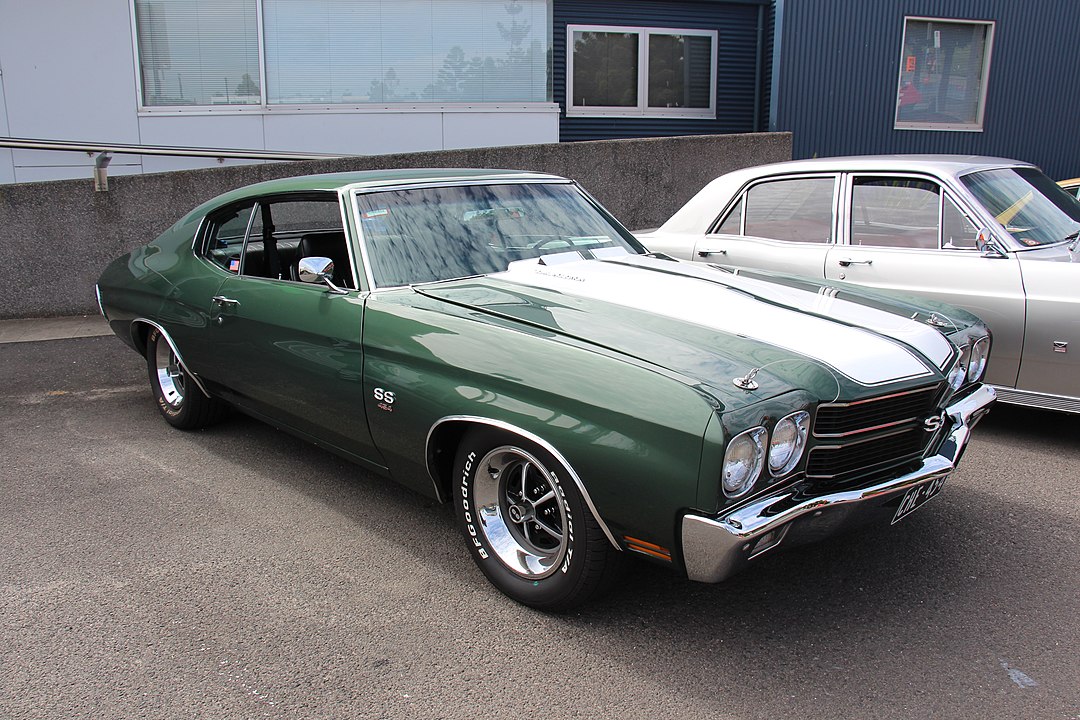
1970 Chevrolet Chevelle SS 454
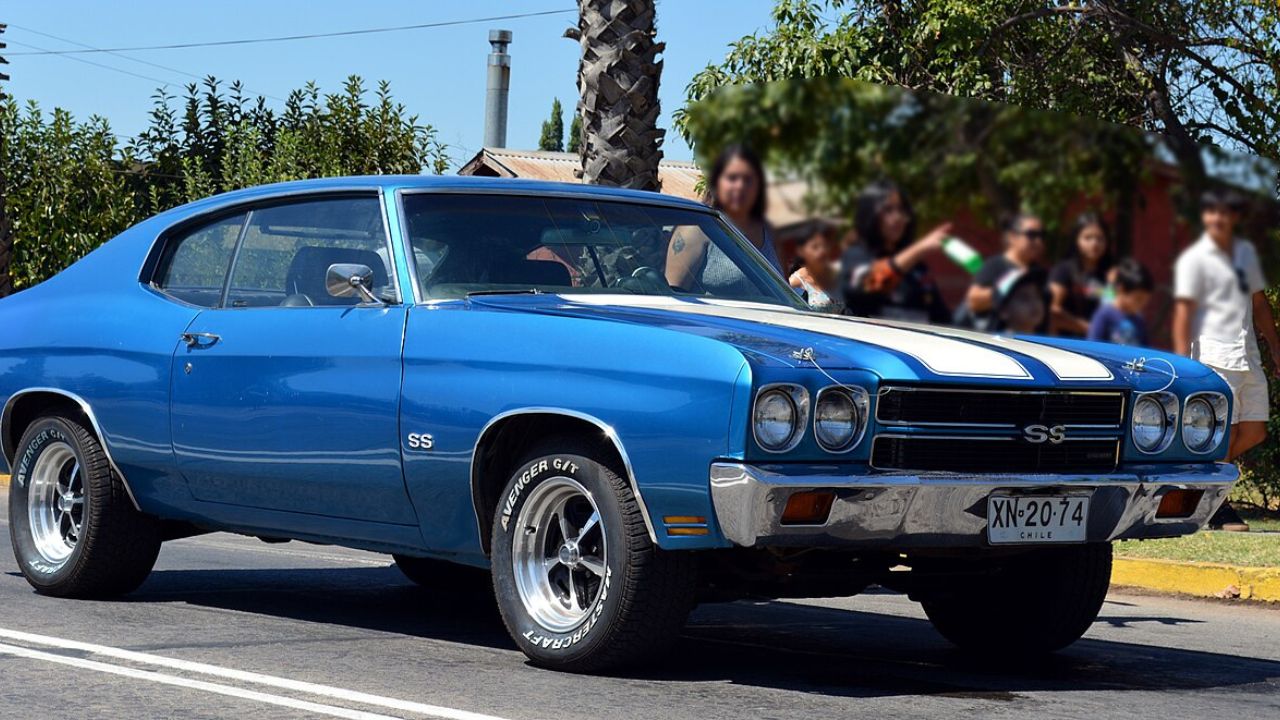
The Chevelle SS 454 is pure big-block swagger, but its original carbureted tune favored torque and throttle feel over clean, repeatable emissions. Modern standards expect low cold-start output, tight control of hydrocarbons, carbon monoxide, and NOx, plus evaporative sealing and diagnostics that prove the system stays healthy over time. Without electronic fuel injection, high-efficiency catalysts, and closed-loop control, a stock 454 would struggle to stay within today’s grams-per-mile limits, even if it runs beautifully. It would need a modern fuel system, catalysts, and evap control from scratch, not just bolt-on parts.
1971 Plymouth Hemi ’Cuda
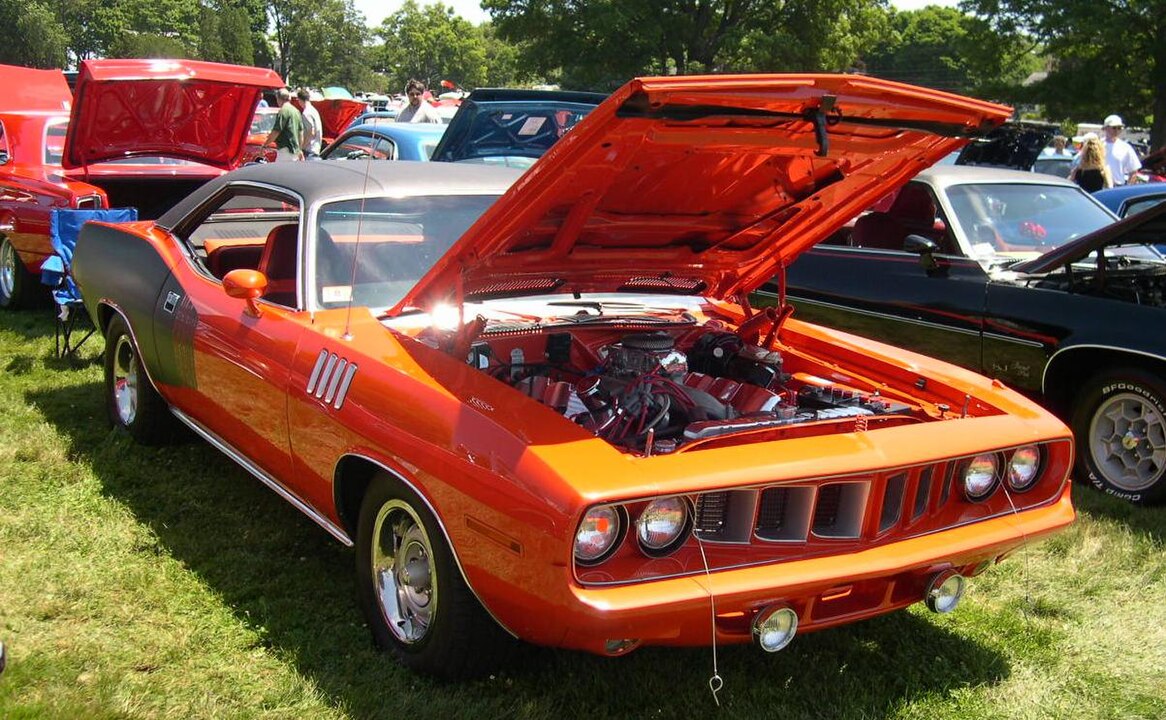
The Hemi ’Cuda was engineered to breathe, not to meet low tailpipe numbers, with a big carb, aggressive cam timing, and minimal exhaust cleanup by modern definitions. Current certification cycles punish rich warm-up mixtures and spikes during acceleration, and they assume fast-heating catalysts, oxygen sensors, and computer control that can trim fueling second by second. To pass today, the Hemi would need a full modern emissions package and constant self-monitoring, changes that would soften the raw, mechanical character people remember. Passing would require computer control and catalysts that change how it sounds and warms up.
1963 Jaguar E-Type
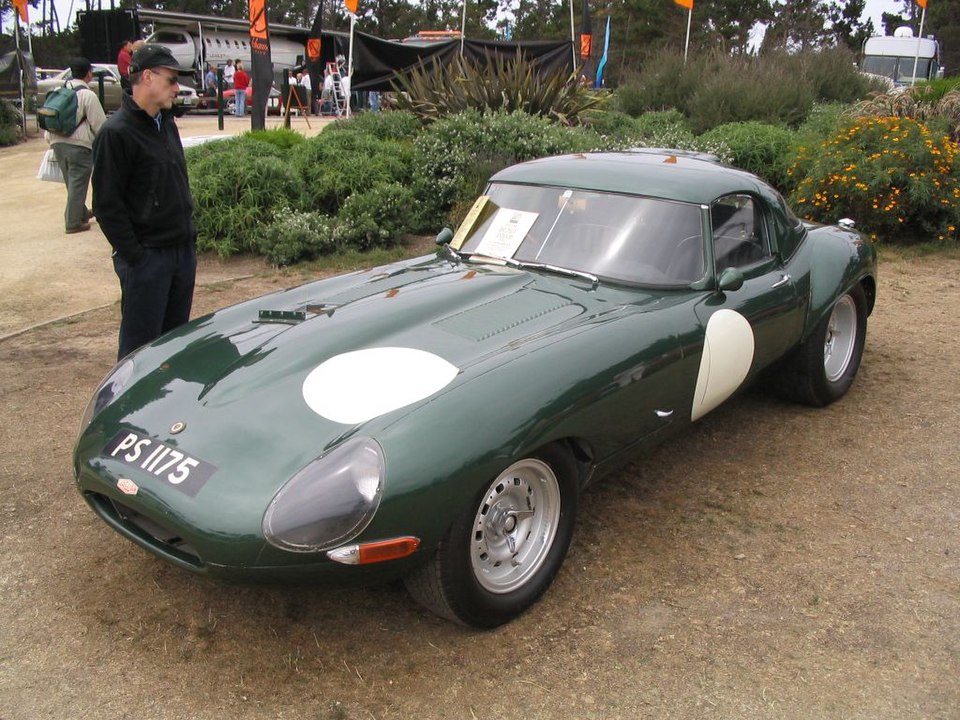
The E-Type’s romance lives in its long hood and triple carburetors, but that same analog setup makes emissions consistency hard across temperature, altitude, and traffic. Modern rules focus heavily on cold start and evaporative losses, expecting sealed fuel systems, precise fueling, and catalysts that light quickly and stay effective. In original form, an E-Type’s warm-up richness and mixture drift would push hydrocarbons and carbon monoxide above current limits, unless it were thoroughly reengineered. A clean-looking restoration would not solve that variability, because the core metering stays analog and coarse by modern standards.
1973 Porsche 911 Carrera RS 2.7
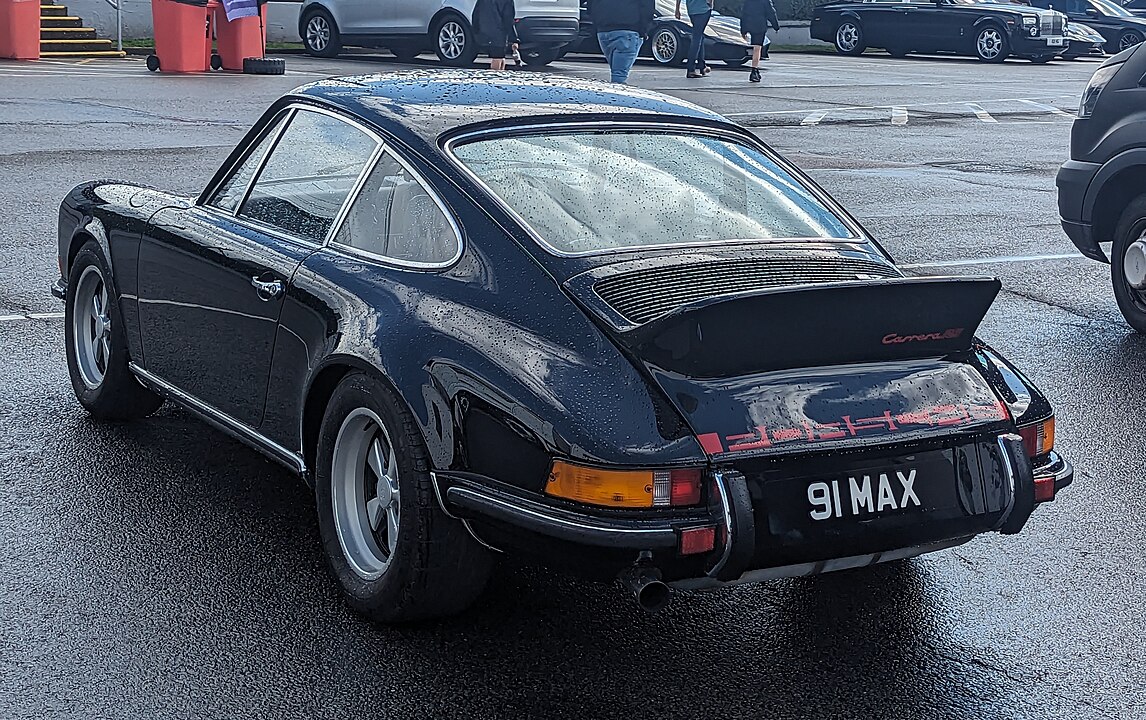
The Carrera RS 2.7 is celebrated for light weight and an air-cooled flat-six, yet its era predates today’s ultra-precise emissions control and nonstop self-checking. Air-cooled temperature swings and older fuel metering make it difficult to hold mixtures at the exact targets modern catalysts require across an entire test cycle. Meeting current standards would mean modern injection, updated aftertreatment, and full diagnostics, which changes the RS from a period piece into a restomod in all but name. The car could be made cleaner, but only by adding the sensors and control layers it was never built to carry in 1973.
1968 Lamborghini Miura
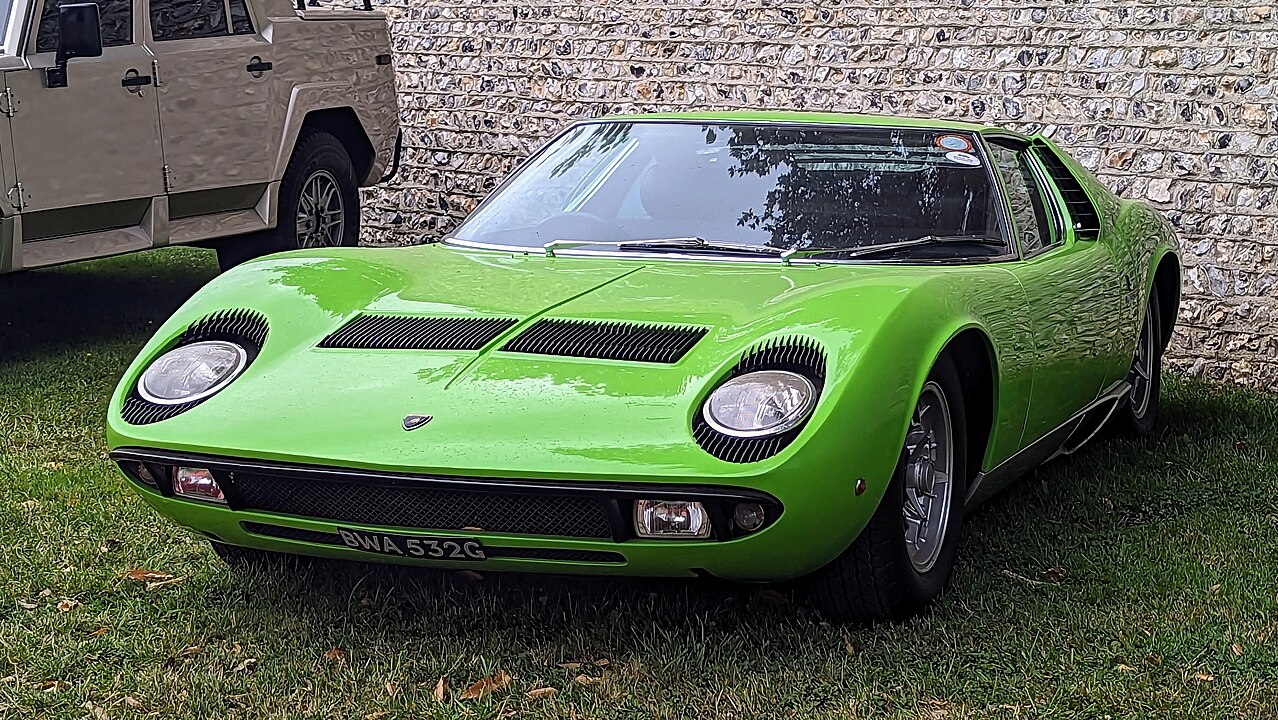
The Miura helped define the supercar, but its carbureted V12 and power-first cam timing were never designed around low emissions, especially during cold start and idle. Modern standards demand clean warm-ups, sealed vapors, and catalysts that can handle transient driving without letting hydrocarbons or NOx spike. Retrofitting the Miura to comply would require reinventing its intake, exhaust, and controls, leaving little of the original behavior that makes the car feel alive at low speed. The gap is less about neglect and more about architecture: it was designed before emissions targets shaped engine layout choices.
1975 Ferrari 308 GTB
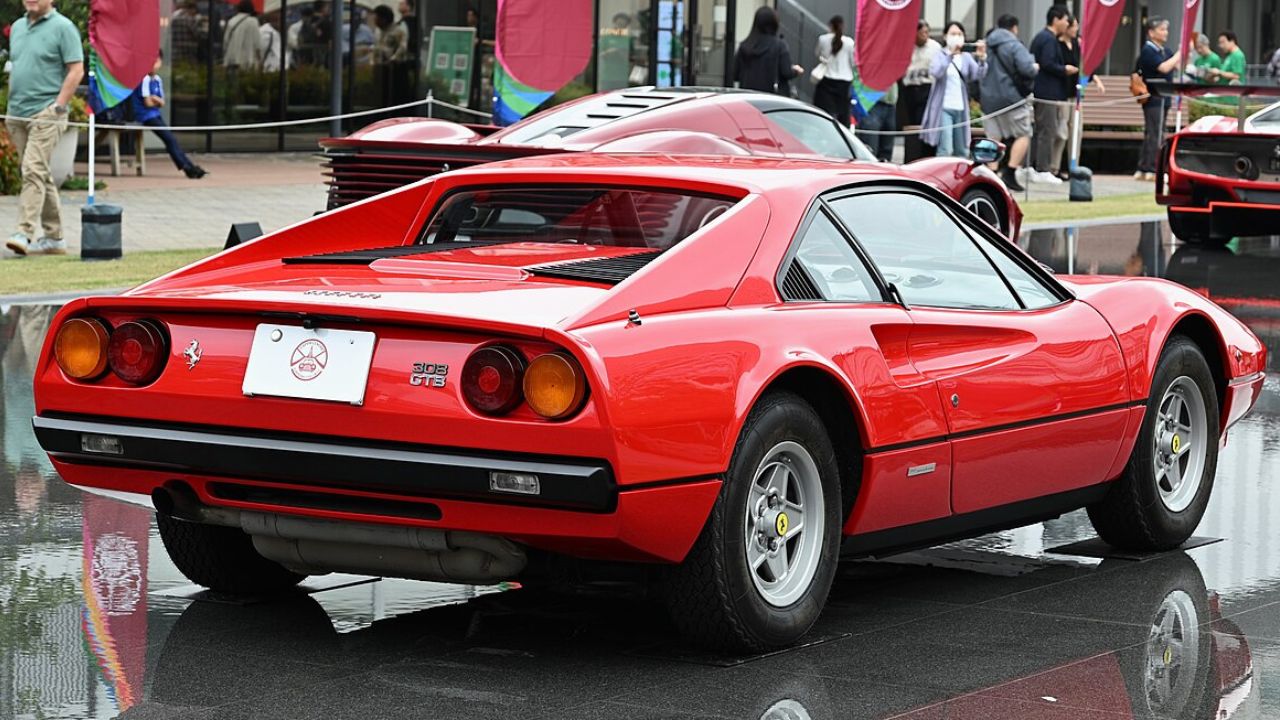
Early 308 GTBs relied on carburetors and a high-rev tune that feels eager, but it also makes emissions swing more with weather, traffic, and driver input. Modern certification expects tight air-fuel control, quick catalyst lightoff, sealed evap systems, and diagnostics that detect misfire, sensor drift, and tiny leaks. A stock carbureted 308 would have a hard time keeping output stable enough to meet today’s limits, especially in stop-and-go conditions where warm-up dominates. That is why later cars moved to injection and tighter control, even if purists miss the simpler linkage-and-jet feel today.
1987 Buick GNX
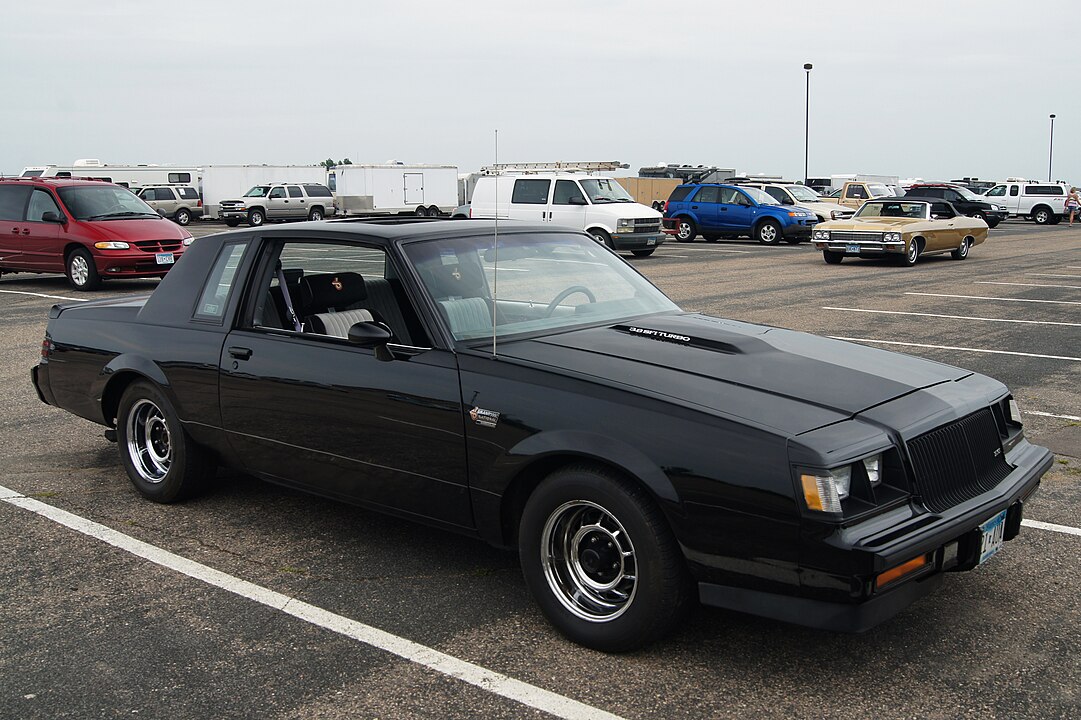
The GNX was quick partly because it ran rich under boost to keep the turbo V6 safe, a strategy that tends to raise hydrocarbons and carbon monoxide compared with modern turbo engines. Today’s rules assume precise mixture control, catalysts protected by careful temperature management, and onboard diagnostics that verify emissions performance for years. Even though it is newer than most classics, a stock GNX would still face a steep compliance gap without upgraded aftertreatment, tighter evap controls, and modern monitoring logic. Modern turbos make similar power with cleaner burn because the catalyst and calibration are engineered together.
1970 Volkswagen Beetle

The classic Beetle is beloved for simplicity, but an air-cooled, carbureted flat-four without modern aftertreatment would struggle under today’s cold-start focused testing. Modern standards also police evaporative emissions, expecting sealed tanks, charcoal canisters, and systems that detect leaks smaller than a pinhole. In stock form, the Beetle’s warm-up behavior and basic fuel control would push tailpipe numbers above current limits, even if the engine is perfectly maintained and tuned. Its appeal is mechanical clarity, yet modern compliance is a network of sensors, sealed vapors, and constant self-tests.
1977 Land Rover Series III

The Series III was built to be fixable anywhere, not to be clean under a lab cycle, and its simple fueling and older engine design reflect that priority. Modern emissions programs require catalytic aftertreatment, vapor sealing, and diagnostics that confirm the system stays within limits in real-world driving. With carburetion and minimal exhaust cleanup, a stock Series III would struggle to meet current standards, and updating it enough to comply would erase much of its straightforward charm. The tough part is that compliance is continuous now, so a one-time tune is not enough to satisfy the system year after year.
1984 Toyota Corolla AE86
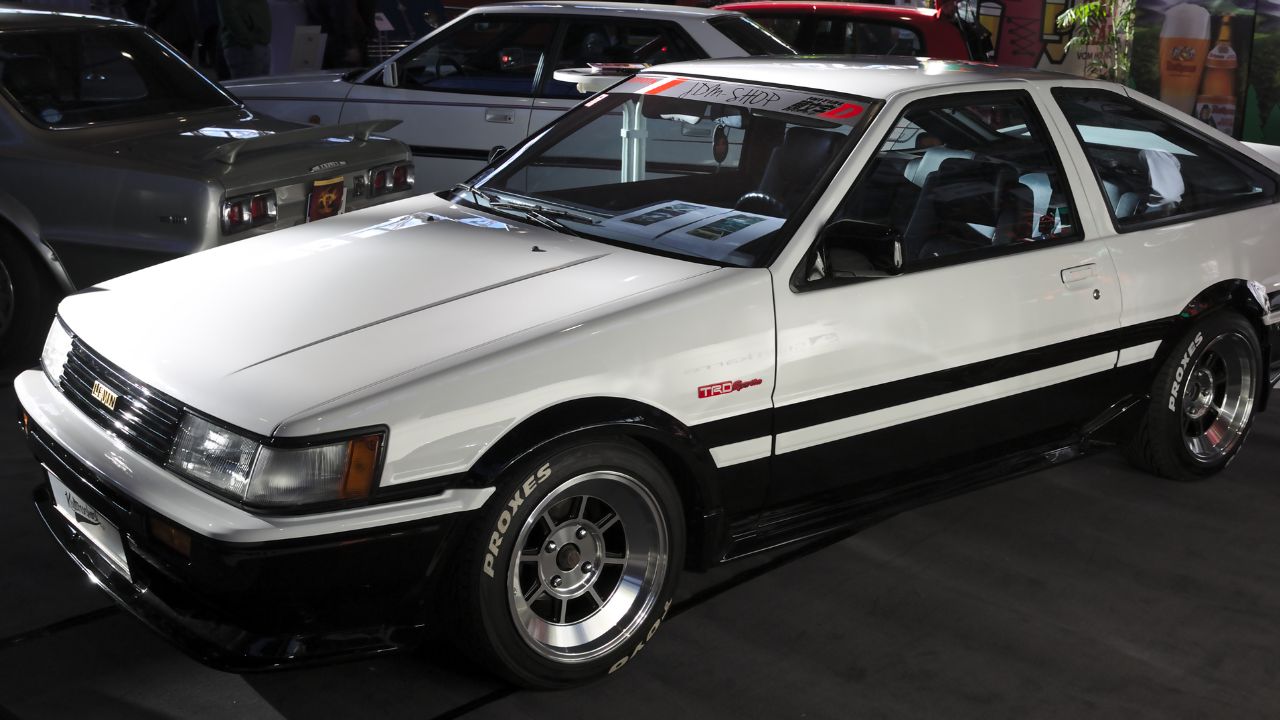
The AE86 sits in a transition era: it has some emissions equipment, but not the precision, catalyst performance, and monitoring expected in modern certification. Current rules demand low output across cold start, steady cruise, and transient throttle, with onboard diagnostics that can spot misfires and aging components early. In original spec, the AE86 would likely miss today’s limits without newer fuel control and aftertreatment, even though its light feel and balance remain timeless on a back road. The fun survives, but compliance would demand newer controls that keep emissions low without relying on owner tuning discipline.
1966 Saab 96 Two-Stroke

The Saab 96 two-stroke is charmingly odd, but two-stroke combustion burns oil as part of normal operation, which drives hydrocarbons and particulates far beyond modern limits. Even with careful tuning, unburned fuel escapes more easily through the exhaust, especially at idle and on overrun, where modern tests still measure closely. Cleaning it up enough for today would mean redesigning the engine concept itself, which is why the two-stroke branch largely vanished when emissions rules tightened. It is a wonderful artifact, but modern emissions math leaves almost no room for a design that consumes oil by design.