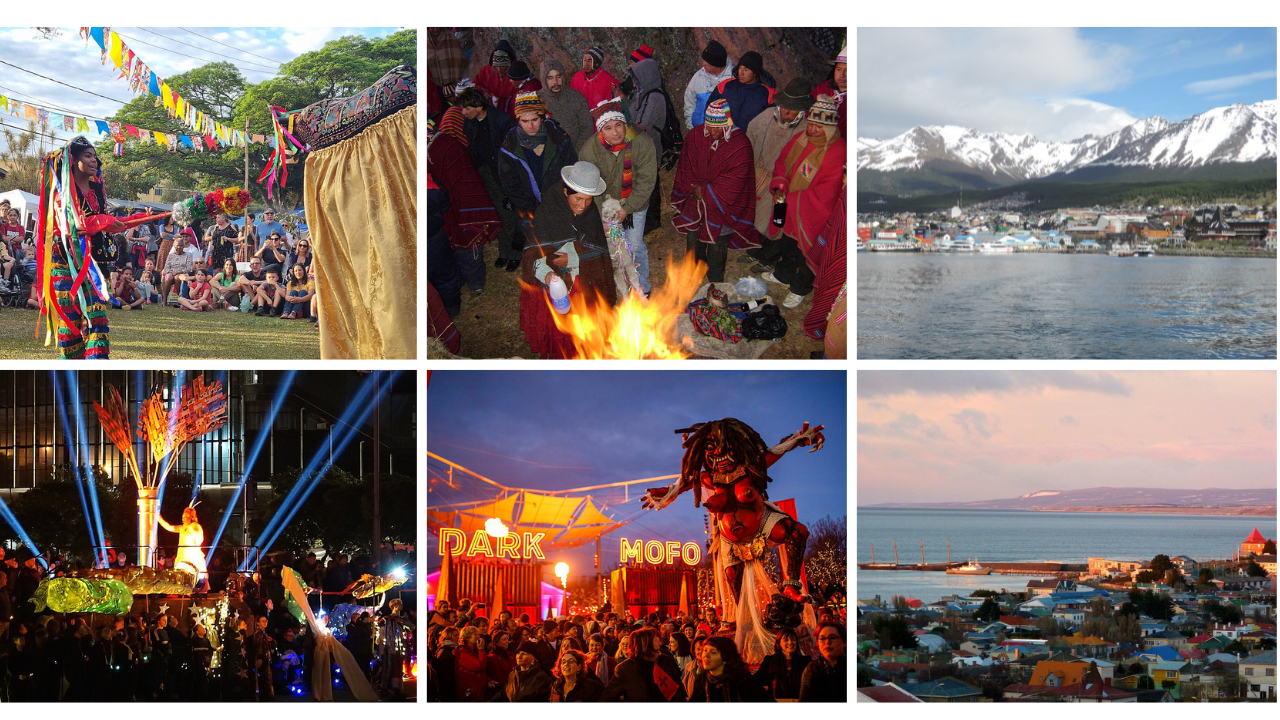
Solstice festivals do not belong to December. In the Southern Hemisphere, the year’s deepest winter arrives in June, when nights stretch long and daylight feels briefly rationed. Communities answer that dark hinge with fire, music, ceremony, and food meant to be shared, not saved. Some gatherings are rooted in Indigenous astronomy and farming cycles, greeting the first sunrise as a reset for land, memory, and responsibility. Others are newer city festivals that still honor the same basic truth: winter is easier to bear when it is faced together. Across oceans and languages, these celebrations turn the longest night into a marker of endurance, then into a quiet agreement that light will return. It returns, even when it returns slowly.
Inti Raymi (Cusco, Peru)

Held on June 24 in Cusco, Inti Raymi honors Inti, the Inca sun, close to the June solstice that marks deep winter in the Andes. The reenactment flows from Qorikancha to the Plaza de Armas and up to Sacsayhuamán, with priests, drummers, and hundreds of performers moving like a living mural. Vendors pass steaming drinks, drums bounce off stone, and the thin air makes every chant feel sharper. It is not nostalgia so much as a reset: the darkest stretch has turned, and the city steps into the next season together. Seats fill early, balconies drape flags, and the crowd quiets at key moments like a theater that already knows the lines.
Willkakuti (Tiwanaku, Bolivia)

Before dawn on June 21, crowds gather at Tiwanaku on Bolivia’s Altiplano for Willkakuti, the Aymara Return of the Sun, timed to the winter solstice. Bolivia recognizes it nationally, but the mood at the stones is plain and focused: offerings are prepared, incense rises, and hands lift to meet the first rays as renewed strength for the year and for the work that follows. The waiting matters, hours in freezing wind with blankets, thermoses, and breath clouds, because the sunrise has to be earned. When light finally hits faces and stone at once, the cheer is not staged, it is relief made visible before music loosens the morning.
We Tripantu (Mapuche Lands, Chile and Argentina)
Around the June solstice, Mapuche communities observe Wiñoy Tripantu, often called We Tripantu, as the return of the sun and the start of a new cycle. Families stay together through the longest night with food, songs, and stories, then greet dawn with cleansing practices tied to water and renewal, treating the cold as part of the lesson and the morning as a clean threshold. The focus is continuity, not spectacle: elders explain why winter matters, children learn the seasonal logic, and the first light is read as a real signal that nature is restarting its work, slowly and on its own terms, with gratitude for rain and soil.
Fiesta Nacional de la Noche Más Larga (Ushuaia, Argentina)

Ushuaia turns June 21 into a point of pride with the Fiesta Nacional de la Noche Más Larga, built around Argentina’s longest night at the winter solstice. Events often stretch across several days, stacking concerts, dance, and local culture so the city stays warm while darkness crowds the windows and the wind keeps everyone honest. The idea is blunt and effective: winter gets less intimidating when it is shared. Restaurants lean into hearty specials, streets stay bright late, and locals plan meetups as if the town is daring the night to outlast it with laughter spilling from halls, and the waterfront feeling like summer in coats.
Matariki (Aotearoa New Zealand)

Matariki arrives in late June or early July, when the Pleiades rise before dawn and Māori communities welcome a new year in Aotearoa New Zealand. Since 2022 it has been a public holiday, and its shifting date keeps the celebration tied to the sky rather than a fixed calendar box, which helps the meaning stay intact. Dawn ceremonies, remembrance for those who died, and shared kai sit at the center, with festivals adding performances and community meals across the country, plus stargazing that makes the pre-dawn cold feel worth it. The tone stays grounded: pause, honor, look up, and set intentions as the days begin to lengthen again.
Dark Mofo (Hobart, Tasmania)

Each June, Hobart’s Dark Mofo turns midwinter into firelight, art, and late nights that refuse to end early, echoing solstice instincts in a modern key. The 2026 run is June 11–22, and the city fills with installations, processions, and Winter Feast energy that makes cold air feel negotiable. The famous Nude Solstice Swim turns sunrise into a shared dare, with thousands sprinting toward icy water, then laughing in towels and red caps. Beneath the provocation is a steady point: when winter peaks, people gather, burn, sing, and walk back into light together. The festival’s edge gets the headlines, but its real power is how it gives people permission to be outside, together, at the coldest point of the year.
Festas Juninas (Brazil)

Brazil’s Festas Juninas fill June with bonfires, lanterns, forró, and corn-based comfort food, celebrating saints days across the country during Southern Hemisphere winter. Introduced through Portuguese influence and adapted from older European customs, the tradition flips seasons, so fire and dance become an answer to chilly nights near the solstice. Schoolyards and plazas turn into temporary villages under strings of flags, with quadrilha dancing, hot drinks, and playful rural costumes. It feels devotional and joyful at once, and in colder southern states the bonfire is as practical as it is symbolic, and the music runs late.
Winter Carnival (Punta Arenas, Chile)

Punta Arenas carries the solstice spirit into July with its Winter Carnival, bringing parades, music, dance, and fireworks over the Strait of Magellan, when midwinter still feels in charge. It may not always land on the exact solstice date, but it speaks to the same reality: Patagonia’s winter is huge, so the city makes it public, loud, and welcoming. Floats and bands move through the center, families crowd the waterfront, and light is staged on purpose, not by accident, with vendors selling snacks and drinks between bursts of song. Fireworks reflect off dark water, and the horizon looks less like an edge and more like a promise.