Royal courts are easy to picture as jewels and chandeliers, but the real story is the rulebook. Etiquette was never small talk; it was a control system that signaled rank, protected privacy, and kept ambition in check. A glance could grant permission. A pause could deny it. From London drawing rooms to Kyoto ceremonial halls, courtiers learned to move with restraint because every motion was readable. Some customs have softened with time, yet the old logic still holds: respect is performed in public, and power is managed through ritual. The surprising part is how ordinary actions become loaded with meaning. Sitting, greeting, gifting, and even where a foot points can carry consequences in rooms built for symbolism.
The Bow That Sets the Room

In parts of the British tradition, a small neck bow or a restrained curtsy can still frame a formal introduction, especially in settings tied to the Crown. It sounds quaint until the purpose clicks: titles lead, conversation waits to be invited, and physical closeness is never assumed. The gesture is less about submissiveness than calibration. It tells the room who holds precedence, signals that cameras and chatter are not the point, and lets everyone settle into a rhythm where courtesy looks effortless because the boundaries, once stated without words, cannot be misunderstood. In court spaces, that clarity becomes comfort.
Bowing Has Geometry, Not Guesswork
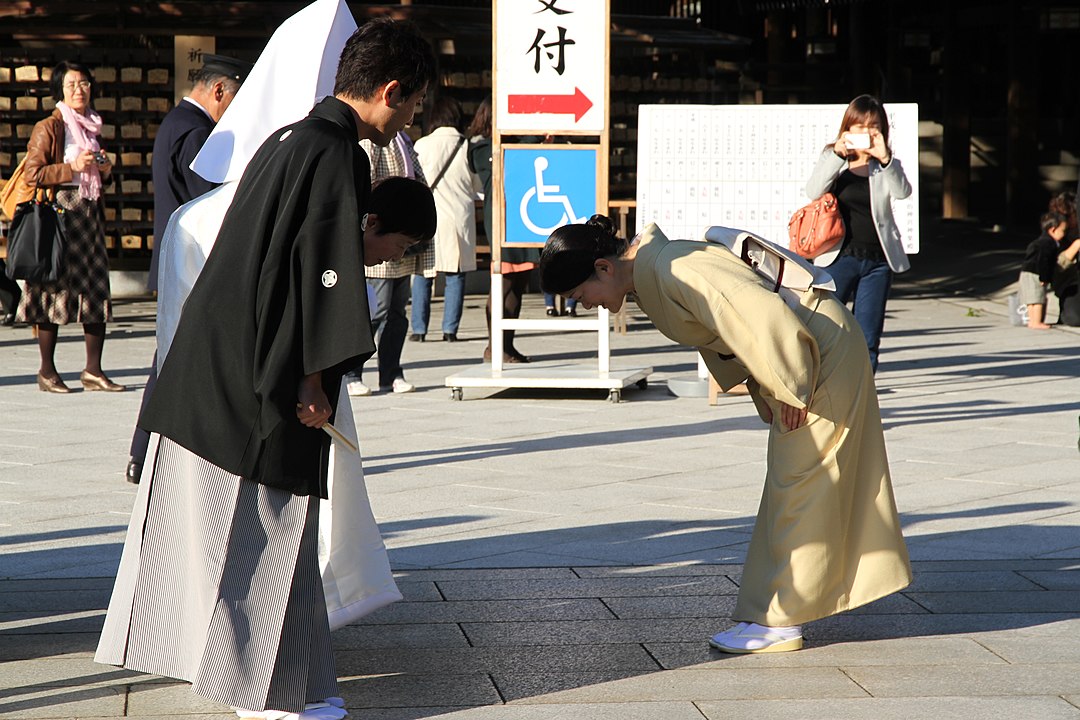
In Japanese courtly settings, respect is expressed with a bow that has rules, not vibes; depth, stillness, and timing all signal formality. More solemn moments call for deeper angles and cleaner pauses, and etiquette guidance discourages bowing while walking or talking because haste can read as indifference. What makes it unforgettable is the discipline behind it: courtiers rehearse the motion until the body remembers, degrees of bend quietly map hierarchy, and a straight back, quiet hands, and a measured rise turn a greeting into choreography where even a small wobble can feel surprisingly loud. Silence does half the work.
Feet Stay Humble, Even in a Palace
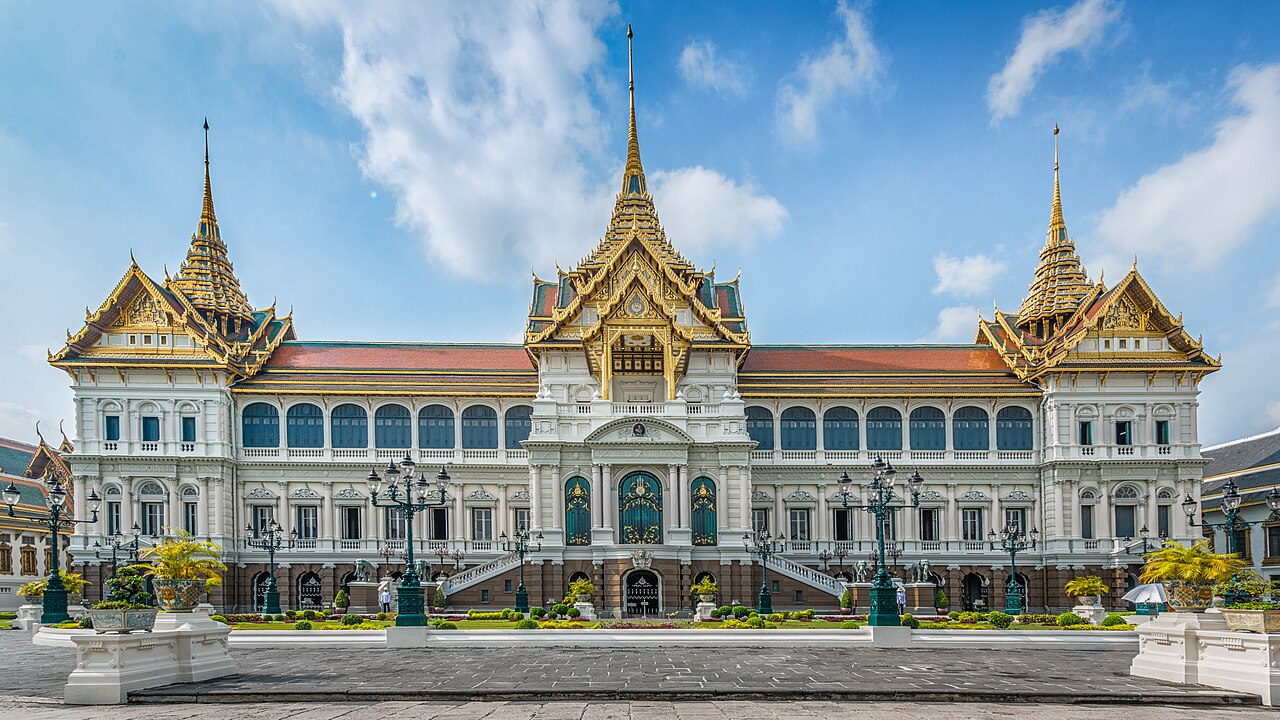
In Thai royal and temple-linked etiquette, the body carries a ranking system: the head is treated as the highest point, and feet as the lowest. That is why pointing feet toward people, sacred objects, or royal imagery is seen as a sharp breach, and why stepping on currency can offend because it bears the monarch’s portrait. The rule surprises outsiders because it is so ordinary and so strict at once; a relaxed stretch, crossed legs, or an absentminded toe can change the mood instantly, and careful seating and quiet movement become a way of showing loyalty without saying a single word. In court, manners begin at ground level.
A Chair Could Be a Promotion or a Humiliation
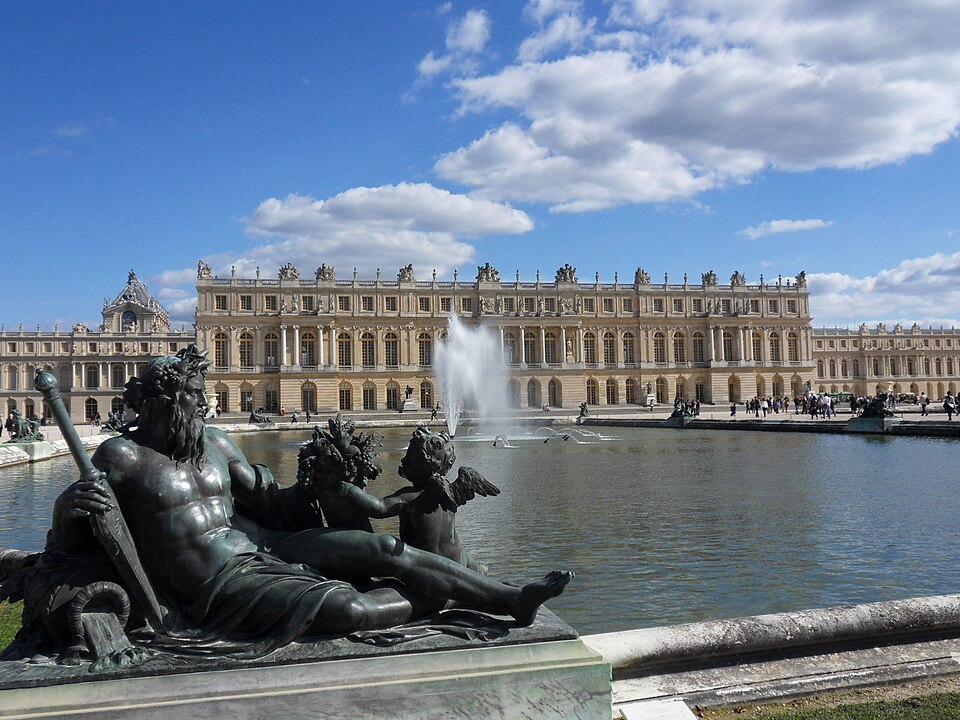
At Versailles, comfort was political. The court ran on precedence so detailed that furniture became a public scoreboard, separating those allowed to sit from those meant to stand, and even distinguishing who earned an armchair, a plain chair, or only a stool. Access rituals around the king’s daily routine rewarded proximity and punished impatience, turning a morning greeting into a ladder of permission. The shock is how quickly status could be read across a room: one offered seat could signal favor, and one missing seat could announce a quiet fall, long before anyone dared to speak it out loud. Everyone watched and understood.
The Nine-Kowtow Rule Was Real
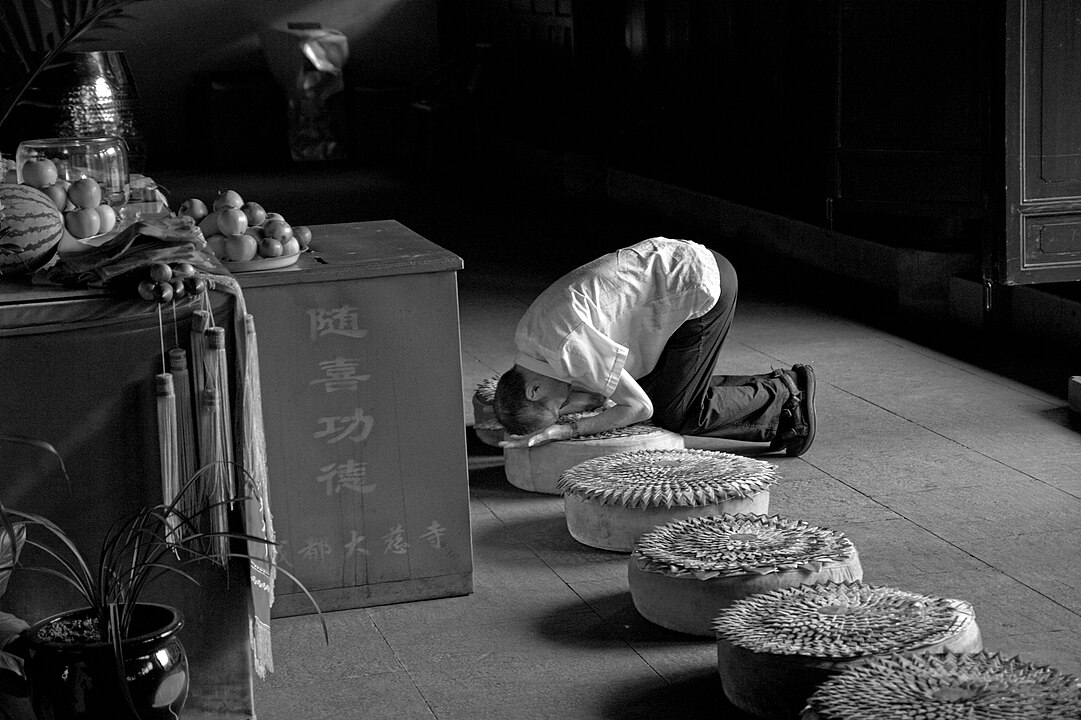
In imperial China, the highest form of deference could demand the grand kowtow: repeated kneelings and full prostrations with the forehead to the ground. It was not a spontaneous show of humility; it was a rehearsed sequence, performed in the right order and rhythm, because mistakes could be interpreted as defiance rather than clumsiness. What makes the rule hard to forget is the design behind it: authority was meant to be felt in the body. The floor became part of the message, and submission was made visible, repeatable and impossible to misread, especially when diplomats and officials were measured by how completely they complied.
No One Approached the Emperor Empty-Handed
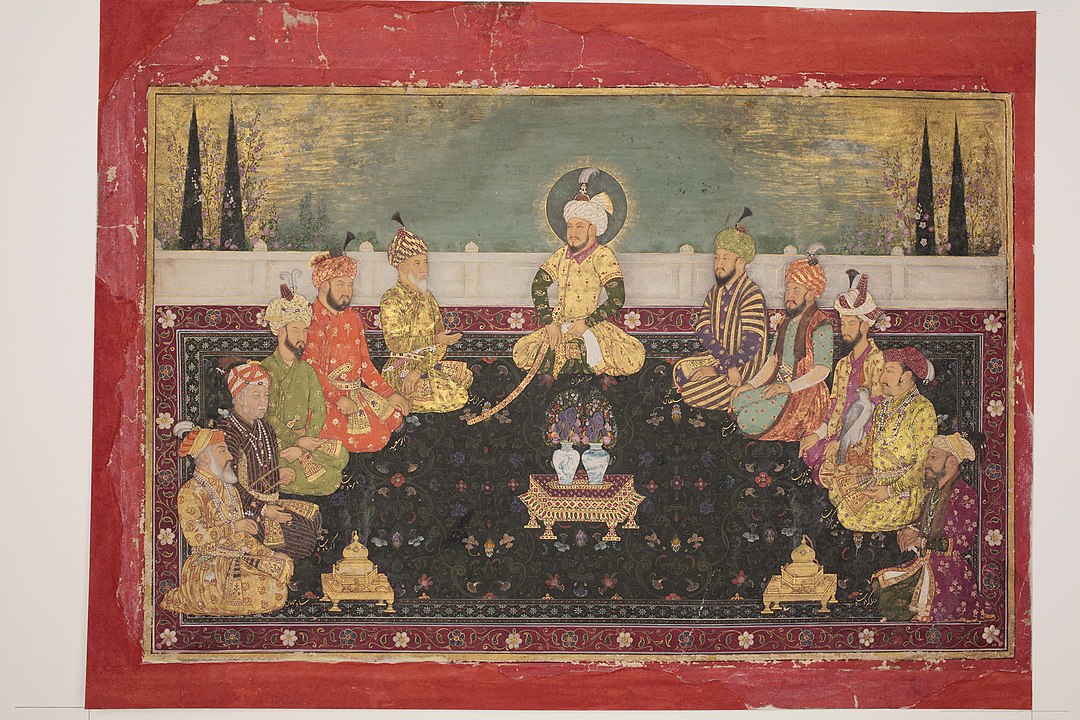
In the Mughal court, approaching the emperor empty-handed was not neutral; it could look like disrespect. Customs around nazr and peshkash made gifting a formal language of allegiance, scaled from modest offerings to lavish presentations meant to be remembered. The exchange did more than flatter. It created a visible record of loyalty, rewarded service with robes of honor, jewelled ornaments, and public praise, and reminded everyone that access had a price measured in courtesy, ceremony, and tangible proof of devotion, not in private promises whispered in corridors. A gift was a greeting, and a warning at the same time. Always.
A Handshake Could Be the Wrong Kind of Familiar

In several Gulf royal settings, formality can include restraint in touch, especially across genders, where a greeting may shift to a nod or a hand placed over the heart unless the other person clearly initiates contact. To outsiders, skipping a handshake can feel distant, but the intention is the opposite: it avoids presumption, protects dignity, and keeps the focus on words and posture rather than physical familiarity. The rule matters most in high-visibility rooms. One casual reach can become the headline, while a careful greeting communicates respect, boundaries, and confidence without making a scene. Protocol saves trouble.
The Palace Schedule Could Outrank the Public
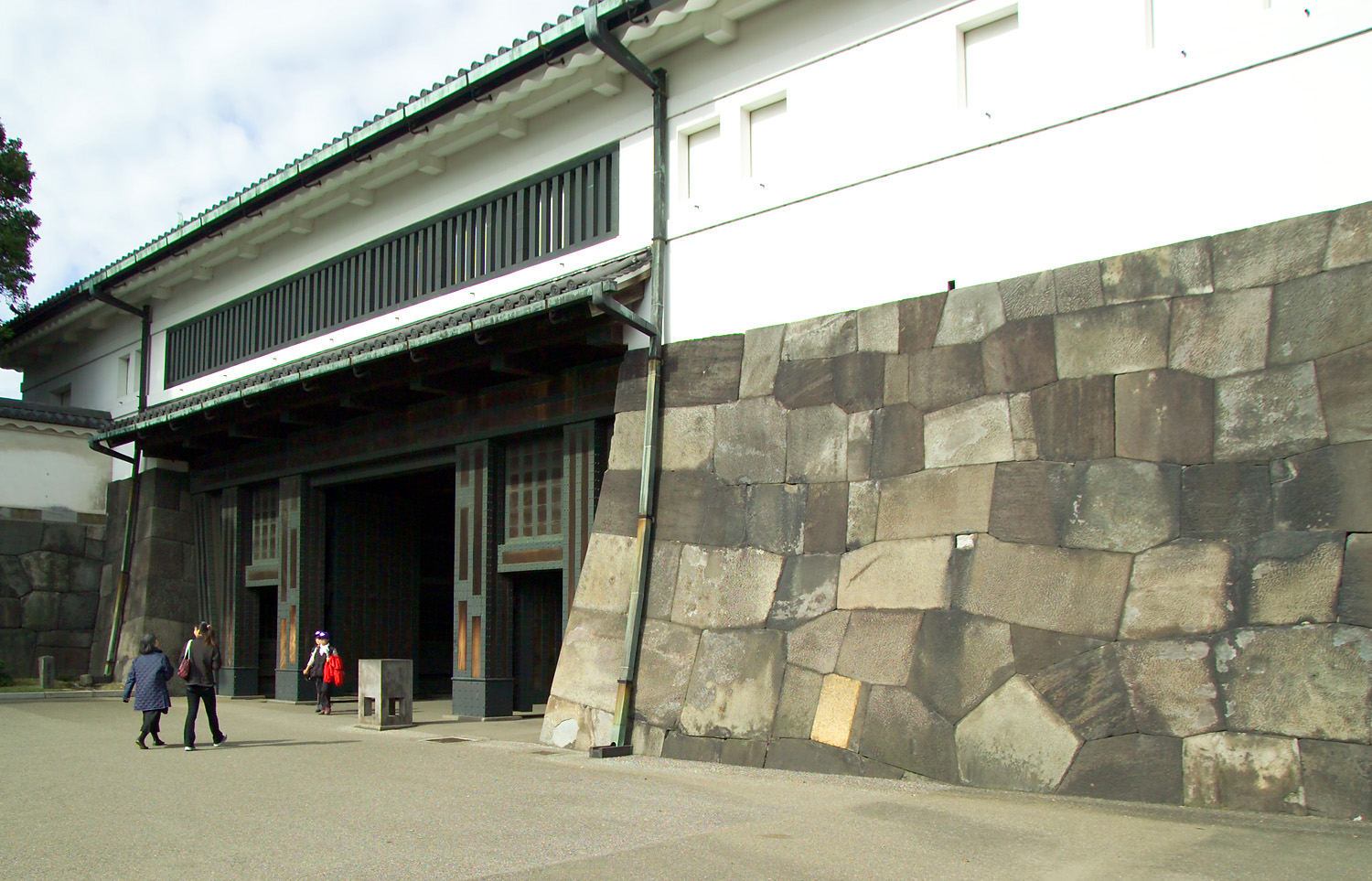
In Japan’s imperial context, the palace is not framed as entertainment first, which is why public access can be shaped around ceremonial duties and official calendars. Openings, tours, and even visible routines may shift when court obligations take priority, and the change is often communicated with quiet simplicity rather than pageantry. What feels unbelievable is how firm the boundary is without sounding harsh: the institution’s rhythm outranks curiosity, and patience becomes part of good manners, a reminder that some places are built to symbolize continuity, not to accommodate every plan. In that world, waiting is respectful.