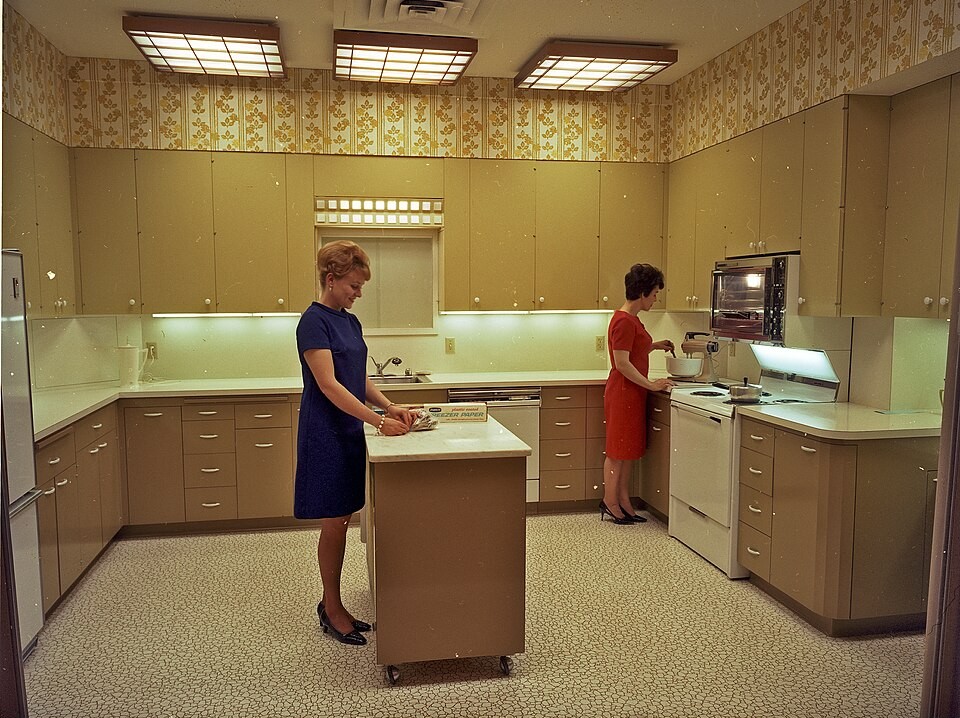
Before streaming queues and endless choice, children’s TV arrived on a schedule and felt communal. Early shows mixed puppets, songs, and gentle instruction with the bright weirdness of live studios, while cartoons migrated from theaters to weekend mornings. The medium taught rhythms: breakfast with a familiar host, a school-day countdown to the after-school block, and a Saturday ritual that made living rooms sound like playgrounds. Parents learned the same faces and trusted the calm tone, even when sets were cardboard and effects were simple. Local stations added hosts, contests, and birthdays, turning TV into a neighborhood bulletin board with music. On rainy days, it was company; on sunny ones, it was the countdown until it was time to run outside.
“Howdy Doody” Turned Puppets Into Prime-Time Stars
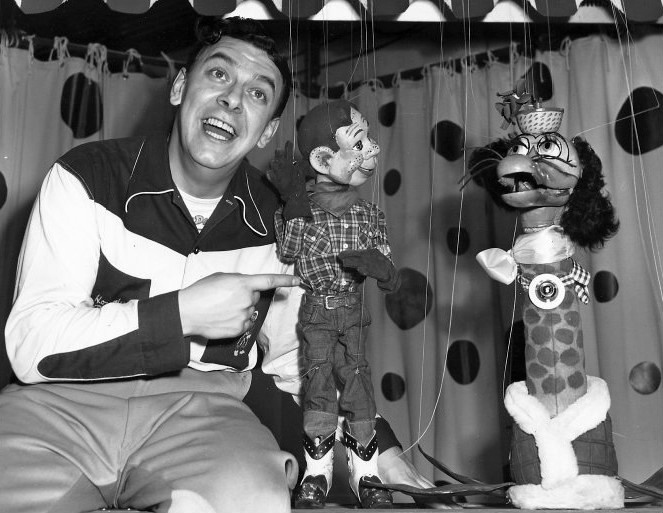
Premiering on NBC on Dec. 27, 1947, “Howdy Doody” made puppets feel like neighbors, with Buffalo Bob as ringmaster of a noisy kid club where jokes, songs, and small contests landed with the warmth of a local fair. The studio audience of children, the steady return of familiar faces, and the simple thrill of being talked to directly turned watching into a shared ritual, even when the picture shimmered and the antenna needed coaxing. When the show moved into color in 1956, it didn’t just brighten the set; it signaled a new era where childhood and technology were learning each other’s pace, week after week, in many living rooms too.
“Romper Room” Made Television Feel Personal
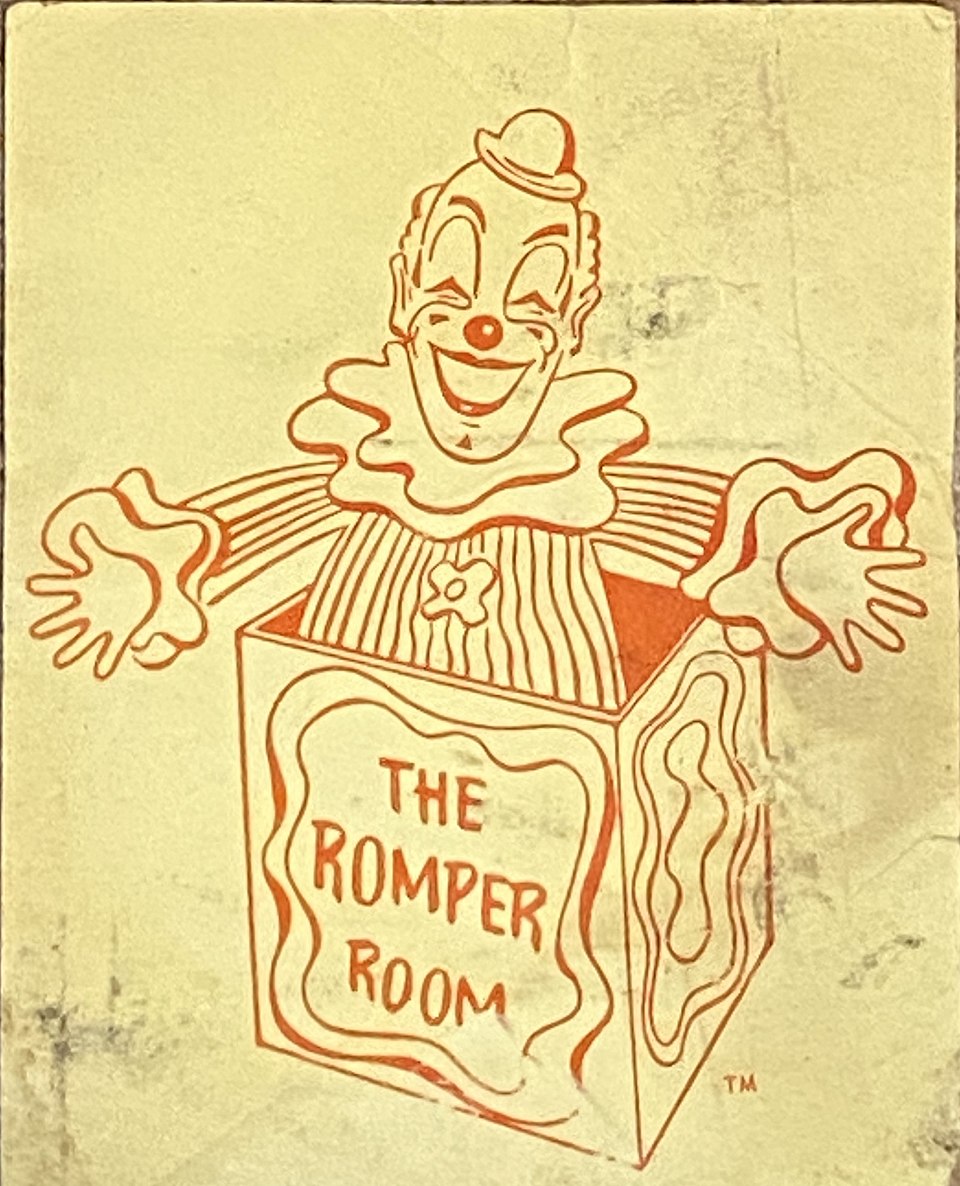
First airing on Feb. 10, 1953, “Romper Room” treated preschoolers like capable people, turning songs, stories, crafts, and simple manners into a daily routine that felt both playful and steady. Because the format was franchised, many cities had their own “Miss” host, so children heard a familiar accent and saw local birthdays and school shout-outs, as if the TV were keeping a community bulletin board. The “Magic Mirror” sign-off, with the host naming children she saw at home, sold a gentle illusion of being noticed, and it nudged early TV toward participation long before anyone called it interactive, even on fuzzy reception too.
“Captain Kangaroo” Set the Tone for Morning TV
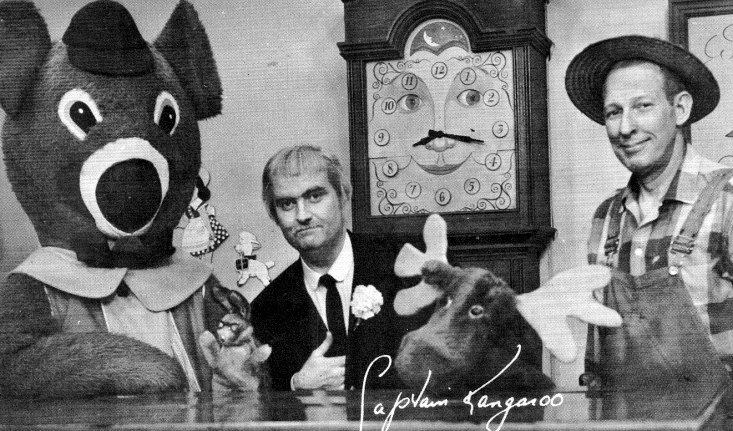
Debuting on CBS on Oct. 3, 1955, “Captain Kangaroo” turned weekday mornings into a calm ritual, with Bob Keeshan talking to children like they deserved patience, not noise. Over its long run, it blended cartoons with songs, sketches, and story time, then slipped in visits with craftspeople, musicians, and everyday workers, while the simple set and recurring friends made the show feel like a familiar room. Often airing early in the morning, it became the backdrop to cereal bowls and missing shoes, and its steady tone showed that children’s TV could be warm, curious, and unforced without losing attention, for adults half-listening.
“The Mickey Mouse Club” Invented On-Screen Belonging
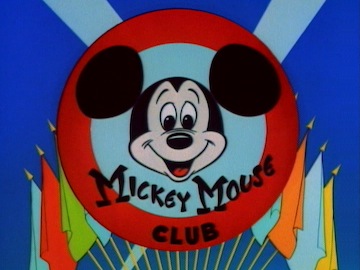
Premiering on Oct. 3, 1955, “The Mickey Mouse Club” fused variety-show polish with kid energy, turning weekday afternoons into a bright, disciplined burst of singing, dancing, and serial storytelling that synced perfectly with the after-school clock. With Jimmie Dodd as the steady host, the Mouseketeers led skits, newsreel-style segments, and continuing adventures, while roll calls, themed days, and matching ears made belonging feel like something that could be worn. It taught an early media lesson too: fun, identity, and shopping were allowed to share the same stage, and children learned to navigate that mix with a grin at home.
“Mister Rogers’ Neighborhood” Taught Emotional Vocabulary

Beginning its national run on Feb. 19, 1968, “Mister Rogers’ Neighborhood” offered a rare kind of quiet, where Fred Rogers changed into a cardigan and sneakers, spoke slowly, and treated emotions as facts, not flaws. The steady rituals, the trolley ride to the “Neighborhood of Make-Believe,” and visits with bakers, musicians, and factory workers made ordinary life feel explainable rather than threatening, like someone had finally translated the adult world. Without preaching, it built a usable emotional vocabulary, showing that anger, worry, and loneliness could be named, discussed, and carried with care in plain language every day.
“Sesame Street” Made Learning Look Like Pop Culture
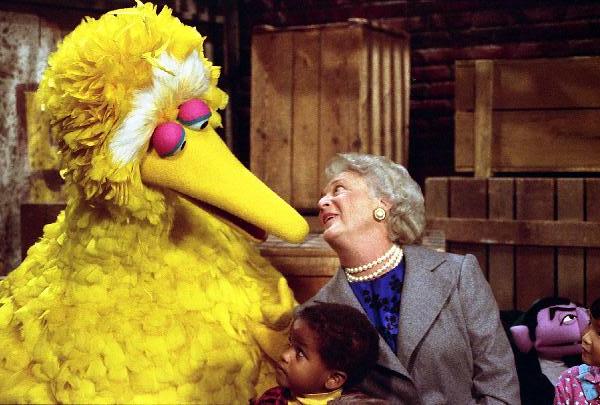
When “Sesame Street” premiered on Nov. 10, 1969, it treated a city stoop as a classroom and the TV screen as a place where comedy could carry real instruction without sounding like school. Fast cuts, hooky songs, and Muppet mayhem made letters and numbers feel like pop culture, while quick sketches borrowed the rhythm of ads and sitcoms, then returned to a clear point before attention drifted. Built with research behind the scenes and a diverse cast in front of the camera, it reset expectations for educational TV, showing that public television could be smart, funny, and contemporary without losing warmth and still feel cool on air.
Saturday Mornings Became a Weekly Ritual
By the mid-1960s, Saturday morning blocks hardened into a weekly ritual, turning one sleepy time slot into a bright parade of animated heroes, slapstick, and cliffhangers that started in pajamas and sticky-fingered quiet. Networks and advertisers learned to program by age, and the cadence of bumpers, commercials, and toy tie-ins trained children to think in episodes, seasons, and brands, with cereal mascots acting like recurring characters. The same era also sparked backlash about violence and noise, pushing standards, watchdog pressure, and later waves of gentler science, art, and nature programming that parents could live with.
“The Bugs Bunny Show” Put Theaters in the Living Room
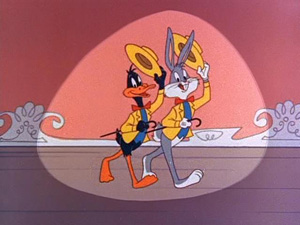
Debuting on ABC on Oct. 11, 1960, “The Bugs Bunny Show” helped move Looney Tunes from theaters into living rooms, packaging shorts with a host framework that made older cartoons feel current, even in primetime. When reruns slid into Saturday mornings in 1962 and later into color in 1966, children absorbed razor timing, big-band music, and gags that rewarded repeat viewing, while adults caught the satire drifting above young heads. With edits for broadcast standards and the constant reshuffling of segments, it also taught a quiet lesson about reruns and nostalgia: the same jokes could belong to siblings parents, and kids all at once.
“Schoolhouse Rock!” Turned Lessons Into Earworms
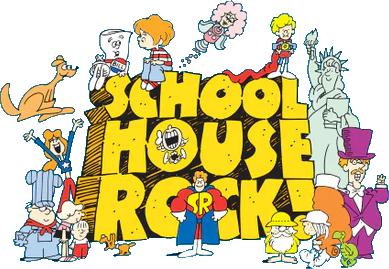
Debuting on ABC on Jan. 6, 1973, “Schoolhouse Rock!” used 3-minute musical cartoons to sneak grammar, civics, math, and history into the spaces between Saturday shows, turning a break into a tiny lesson. Because the segments were short and replayed for years, the hooks stuck, turning conjunctions, bills, and multiplication into characters with plot and jokes, so “I’m Just a Bill” could live in a kid’s head like a real hit. Dropping in between programs like a friendly interruption, it proved a jingle could carry concepts without scolding, and it made learning sound worth humming on the walk to school long after the TV went dark.