A spare key sounds like mercy, the backup that keeps a late night from turning into a wait on the steps. But the moment it lives outside, convenience pushes people toward the same predictable hiding habits.
Those spots get handled in ordinary ways: a mat gets shaken, a cushion gets flipped, a planter gets watered, and a key shifts into view. Moisture and grit take their turn, dulling the cuts and making the spare less reliable when it matters.
The smarter move is control, not camouflage. A coded lockbox, a keypad, or a trusted person holding the spare off-site keeps access steady for the right caller and boring for everyone else.
Under the Doormat
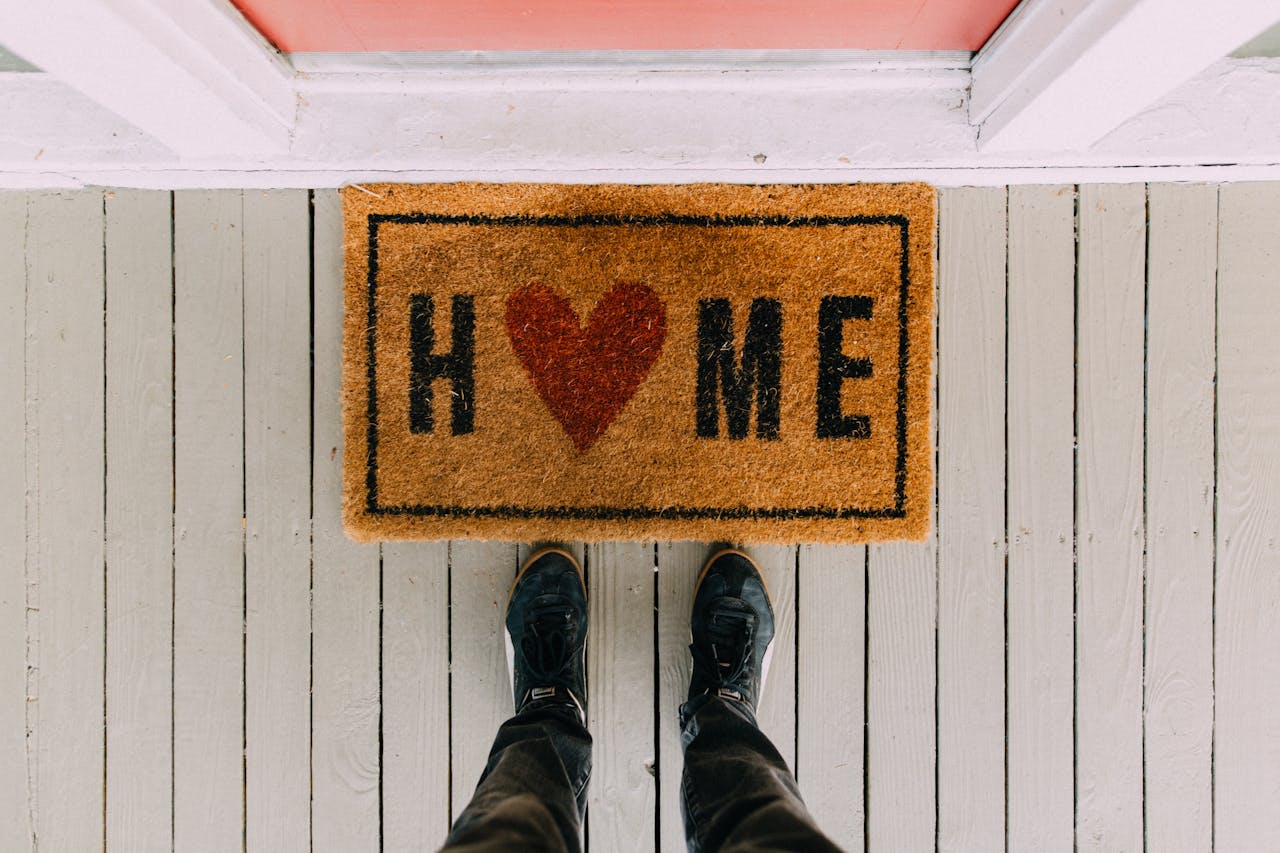
Under a doormat is popular because it feels effortless, yet it is the first place curious hands check. Mats get lifted by wind, sweeping, and package drops, and the spare can slide to the edge where it is visible. Routine chores like shaking out dust or swapping a mat can expose the stash without anyone noticing.
The mat also traps moisture and grit, which can corrode metal and pack debris into grooves until the key sticks. The hiding logic is obvious: the backup sits inches from the lock, where attention lands at the door. A safer plan moves the spare away from the threshold, behind a code box, or into the care of a trusted holder.
Fake Rock or Hide-a-Key Decor

Fake rocks and hide-a-key decor promise camouflage, but they often look handled in a way real landscaping does not. The prop sits in the same perfect spot near the steps, clean of mud, and never seems to move with wind or watering. Yard crews notice these patterns during weekly visits.
Over time, sun fades paint, sprinklers leave mineral marks, and the seam that holds the compartment becomes easier to spot. Because many yards use the same store-bought pieces, the idea stops being clever and becomes familiar. If outdoor storage is necessary, a small lockbox with a changeable code offers control, while decor depends on nobody looking twice.
On the Door Frame or Behind Trim
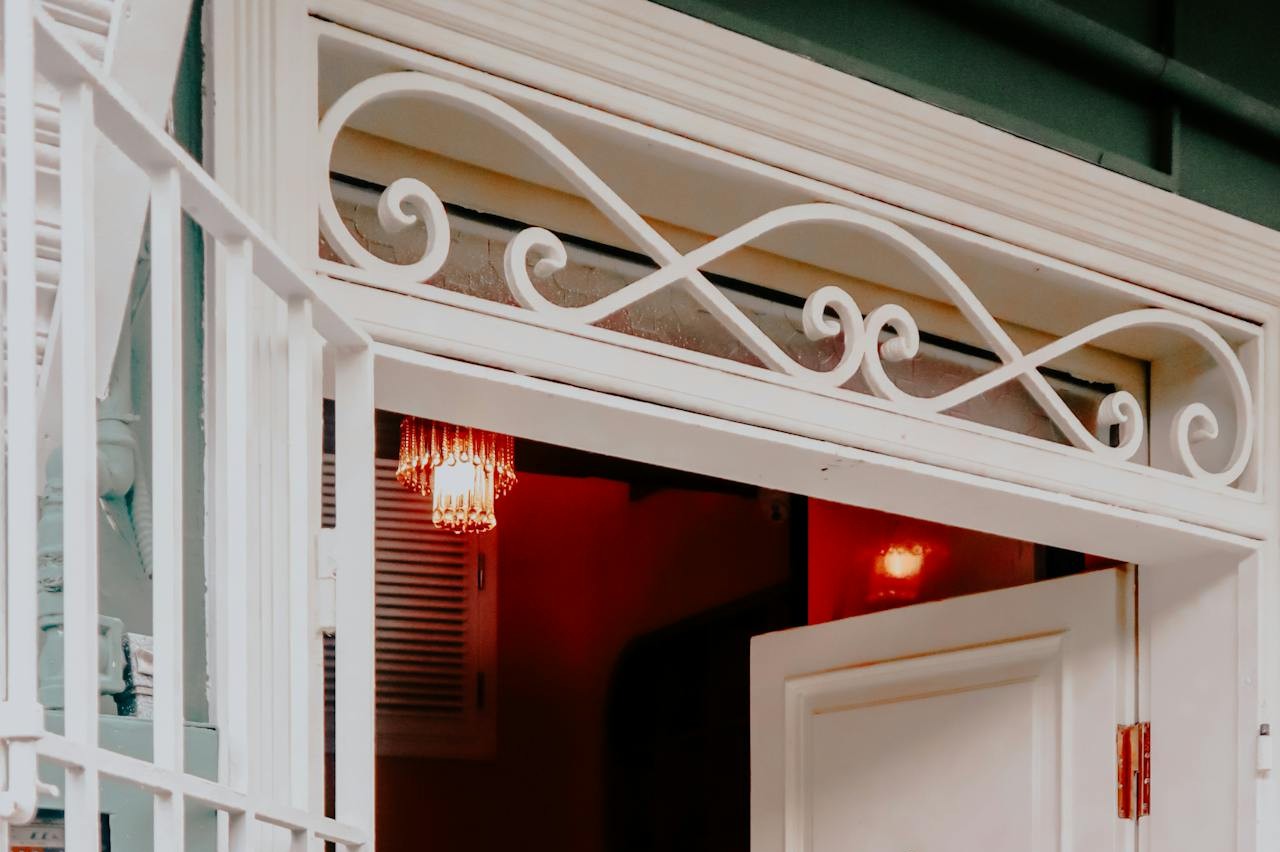
A key tucked on the top ledge of a door frame or behind exterior trim feels smart because it stays out of sight. But the logic is easy to guess, since it sits inches from the lock and can be checked in seconds without making a scene. Holiday wreath hooks and decor often nudge that ledge, too.
Normal upkeep can ruin the plan. Fresh paint can glue metal in place, dust can bury it, and a hard door close can knock it loose. Installers and painters naturally scan edges while working, and gutters drip grime that makes the key look like debris. A spare works better in a coded lockbox or off-site, where access is deliberate instead of guessable.
Inside the Mailbox
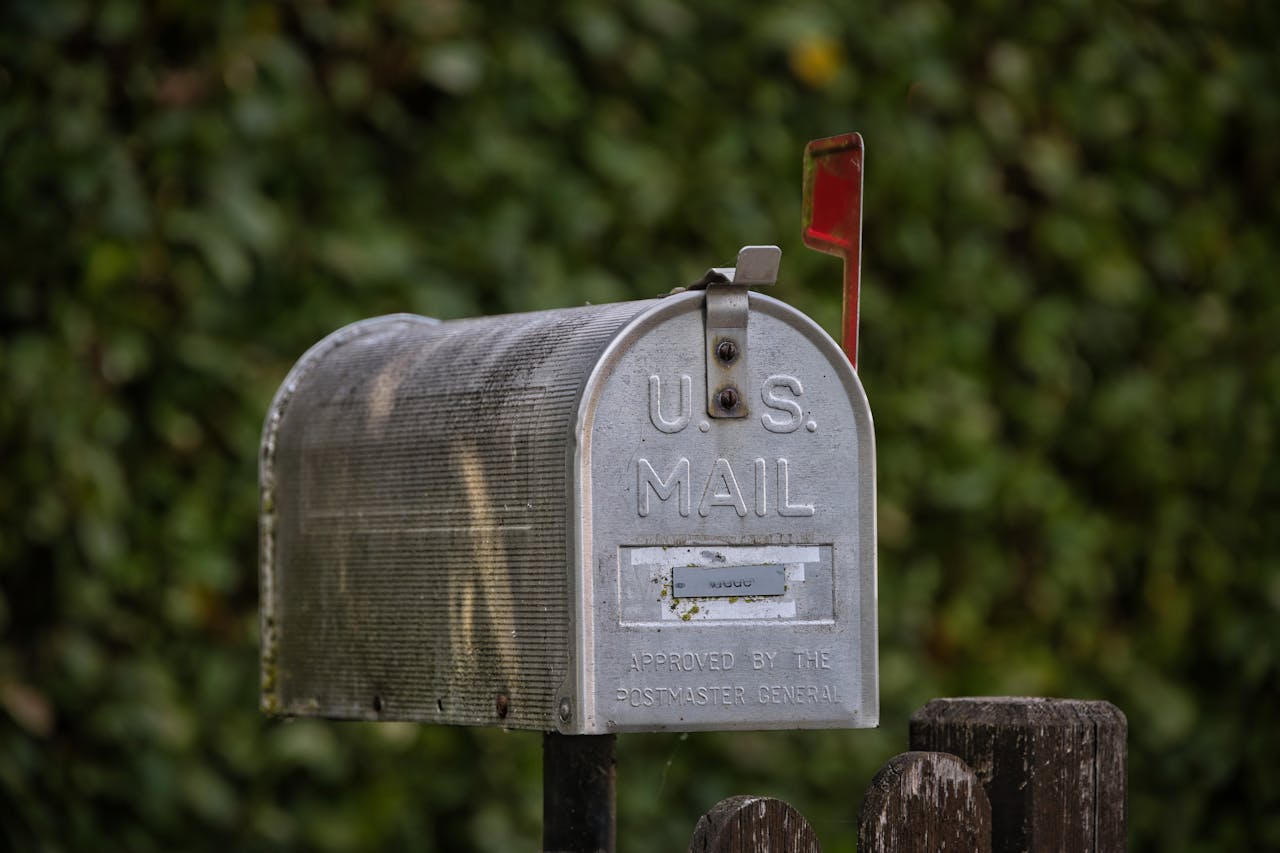
A mailbox feels private because it has a lid, but it is designed to be opened, often daily. Carriers, neighbors returning misdelivered letters, and building staff all have normal reasons to touch it, which widens the audience. In cluster boxes, many people stand there each day.
Weather adds another risk. Condensation and damp paper can rust metal, and tape loosens until the key drops into view. Even without a label, the location suggests the key belongs nearby, which is more information than a spare should reveal. A better backup stays behind a code, or with someone trusted, where routine access does not turn into accidental discovery.
Under a Porch Cushion or Patio Furniture
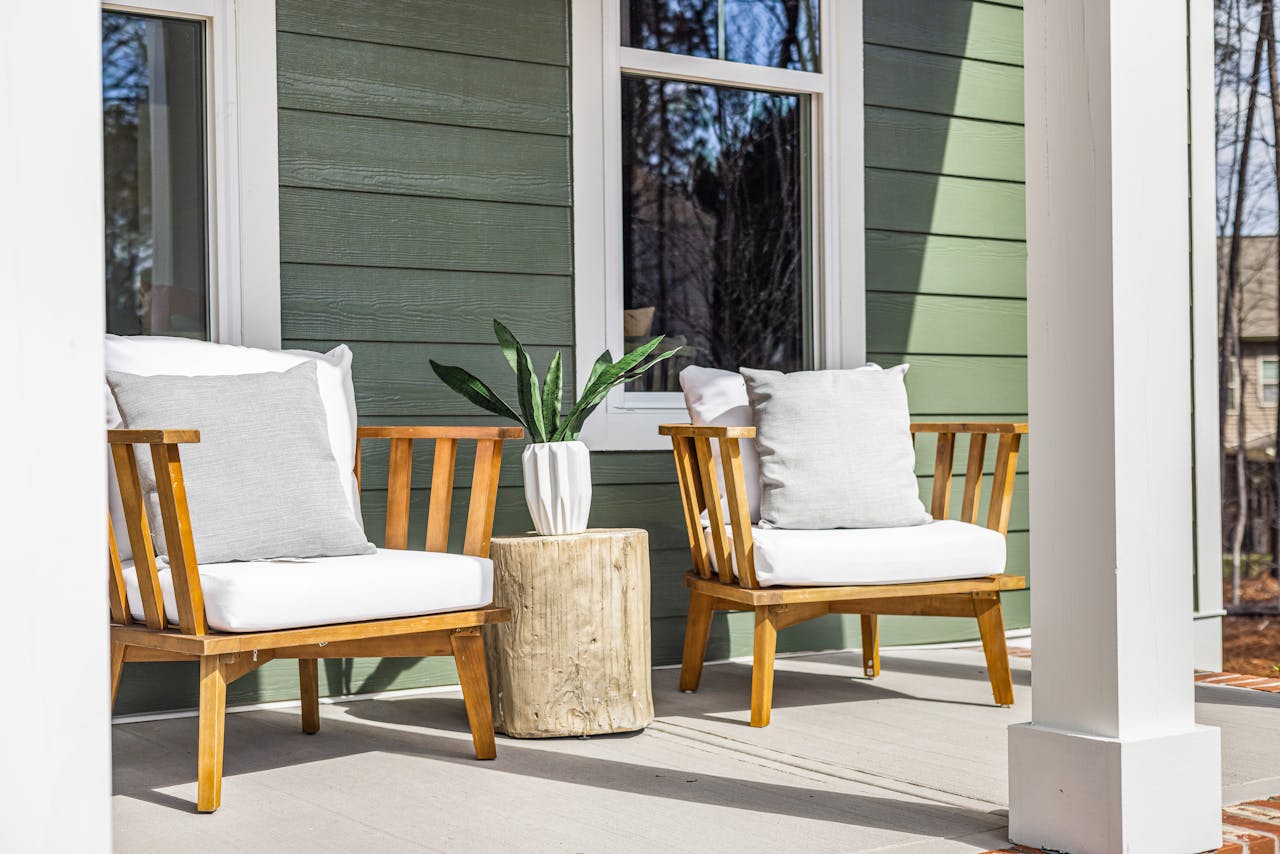
Porch cushions and patio furniture feel like a natural hiding layer because they blend into the scene. They are also moved constantly for rain, sweeping, storage, and last-minute tidying before guests arrive, which makes exposure almost inevitable. Pets and kids add surprises.
Outdoor fabric holds moisture, and keys slip into seams, fall into gravel, or get carried off with stacked cushions. The hiding spot can change without notice when chairs are rearranged, borrowed, or pulled close to the door for shade. A spare needs stability, so a coded lockbox or a trusted off-site holder beats any plan that depends on furniture staying put.
In a Flowerbed or Potted Plant
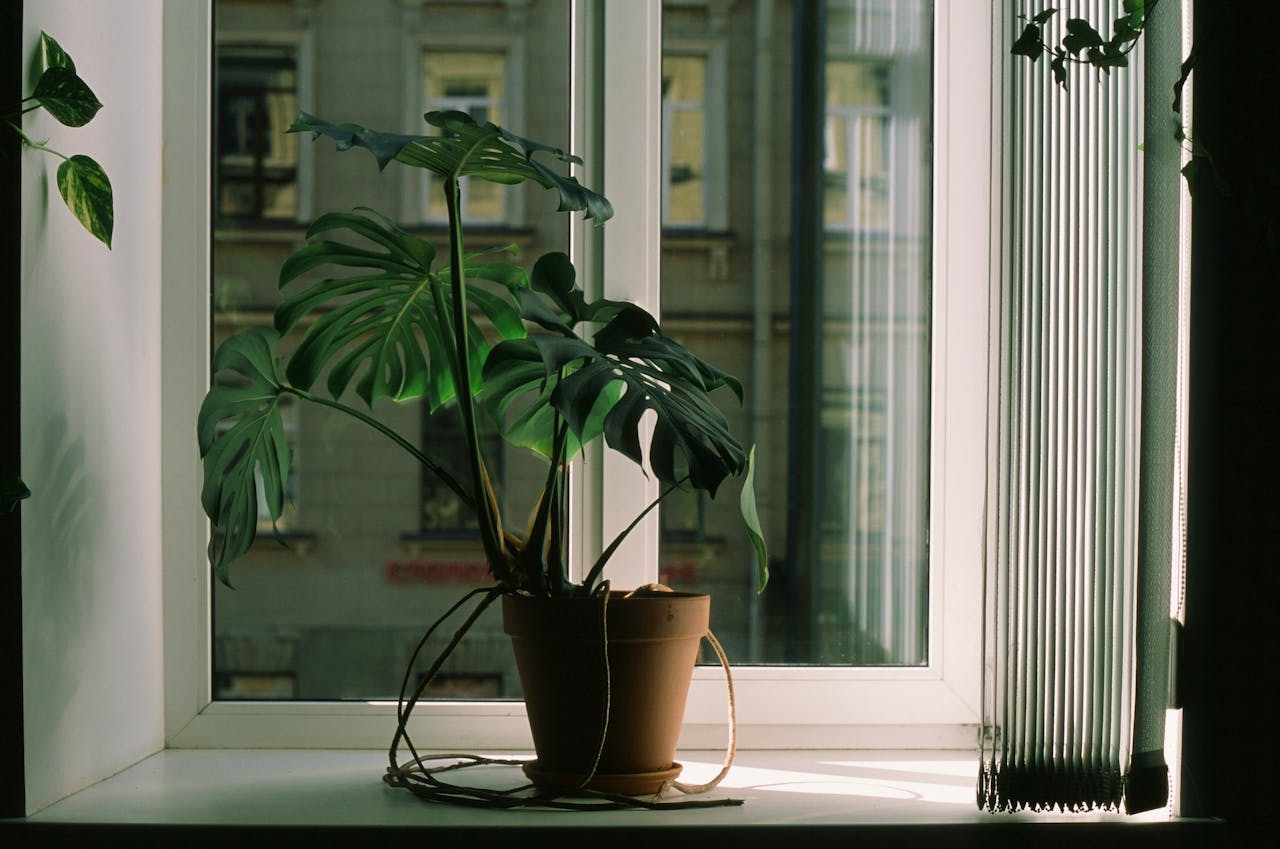
Soil and planters feel discreet, but gardens are meant to be disturbed. Watering erodes dirt, pets scratch, and seasonal replanting turns hiding into digging, often right where a spare was pushed for easy recall. A helpful neighbor watering plants can spot the metal on a sunny morning.
Even when the key stays buried, grit packs into grooves and corrosion builds, so the backup may not turn cleanly later. Mulch shifts after storms, and a metal head can surface near a pot rim where it looks out of place. Because these spots usually sit near the entry, the logic is predictable. Controlled access, like a lockbox or keypad, stays reliable.
Inside the Grill or Under a Cover
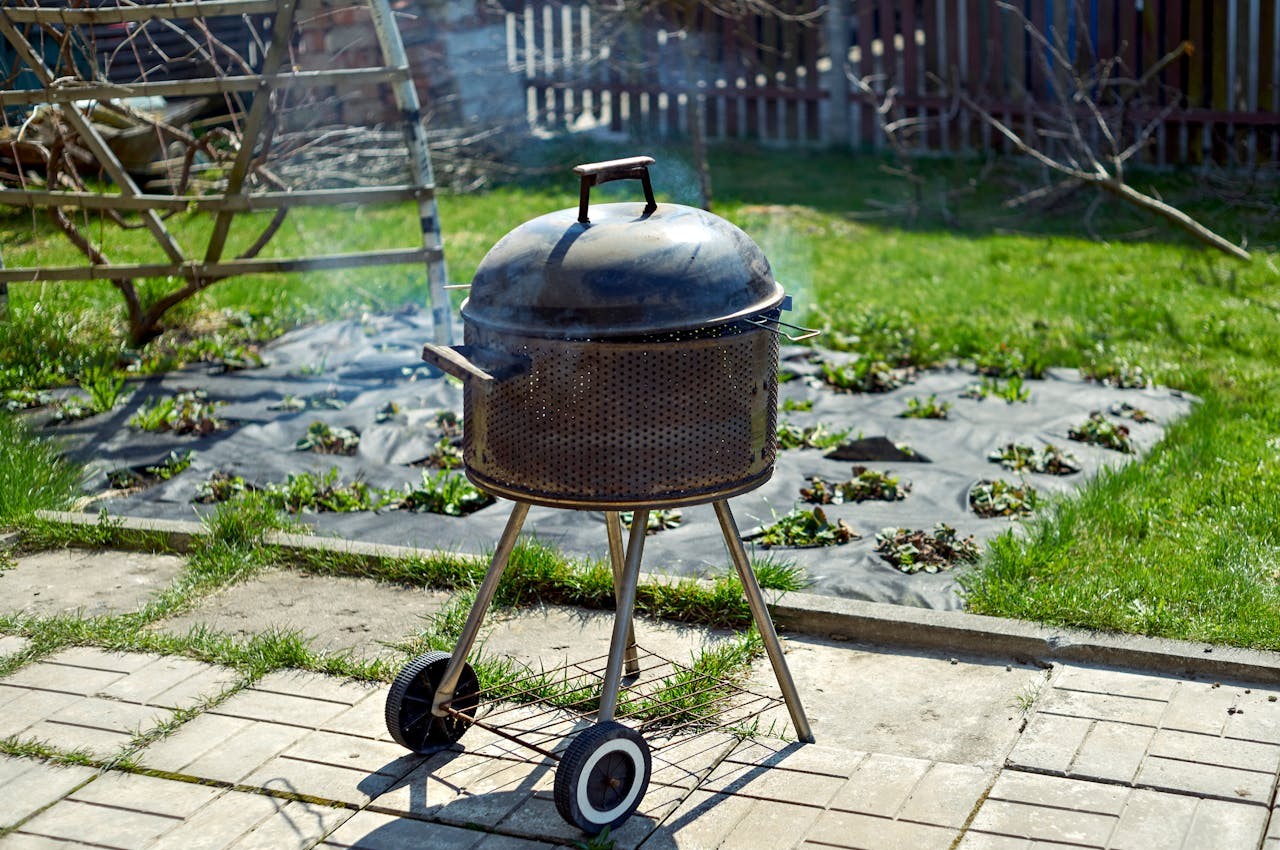
A grill, cooler, or equipment cover seems safer than the front mat because it feels unrelated to the door. In practice, outdoor gear is handled often: lids open, covers blow off, and items get moved during cookouts, cleanups, and seasonal storage on weekends.
Heat, grease, and moisture can gum up metal, and shifting parts can drop the key into corners that turn retrieval into guesswork. Because gatherings involve many hands, the hiding spot can become a shared discovery without anyone trying to find it. A spare works best when access is deliberate, using a code box or a keypad, not a hiding place that depends on distraction.
In an Unlocked Shed or Garage
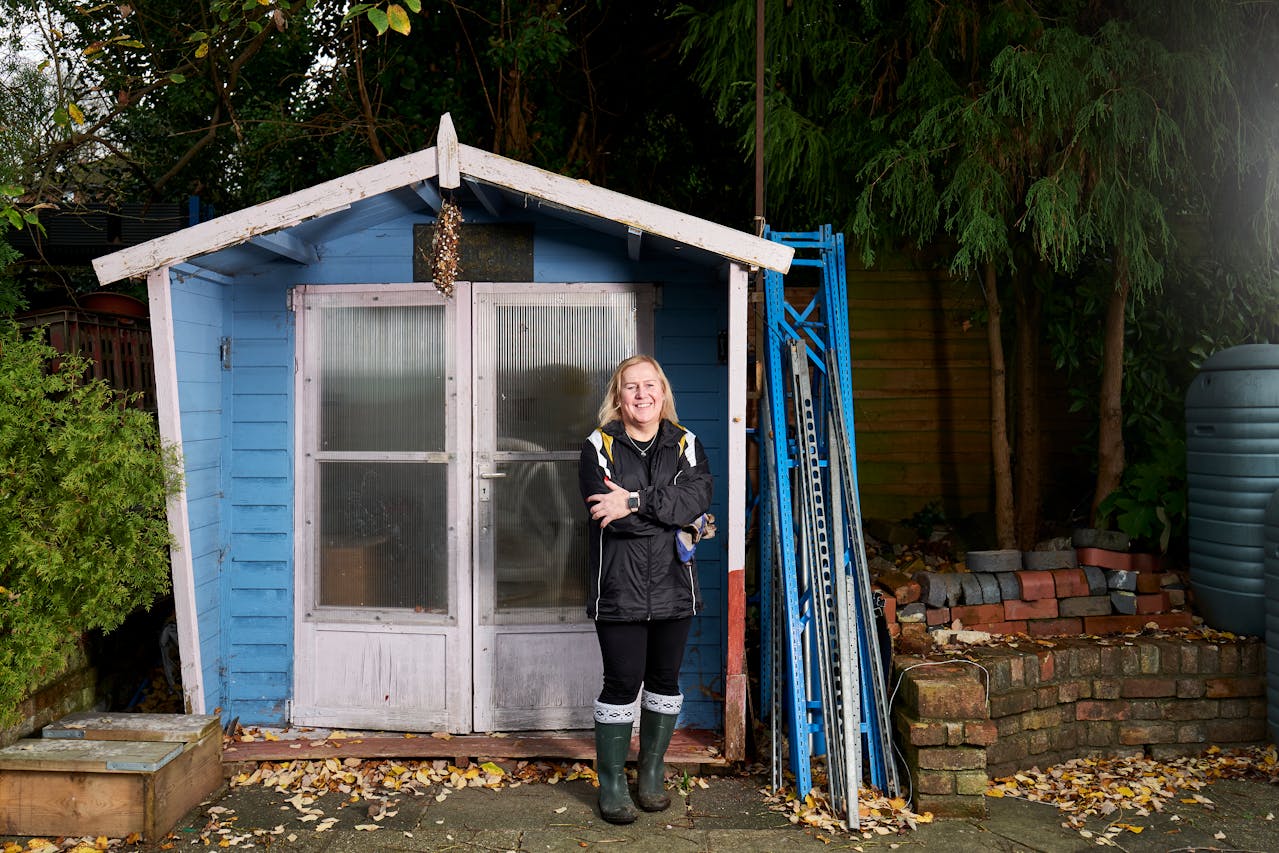
A shed or garage can feel like a safer stash because it is out of street view, but these spaces are often the loosest-controlled doors on a property. They get left ajar during chores, and helpers, neighbors, or delivery drop-offs may step in for normal reasons. Tools get borrowed.
Keys tossed in a drawer or hung on a hook are easy to notice while searching for tape, gloves, or a flashlight. Clutter also makes the spare unreliable, disappearing under rags or boxes until the moment it is needed. A better backup stays behind a deliberate barrier, like a coded lockbox, or with a trusted person off-site, where access is consistent.