Remote work has reshaped where people choose to live, and a growing number of governments have built legal pathways that let location-independent professionals stay for months or years on defined terms. These programs vary in length, income requirements, tax treatment, and family access, but they share a similar aim: capture income and spending while drawing clear lines around employment, social services, and housing. The visas reveal how migration policy, urban planning, and local economies intersect when the workplace can be anywhere. They also force a new conversation about what sustainable, long-stay tourism looks like for communities.
Estonia: Legal Clarity That Extends E-Residency Logic
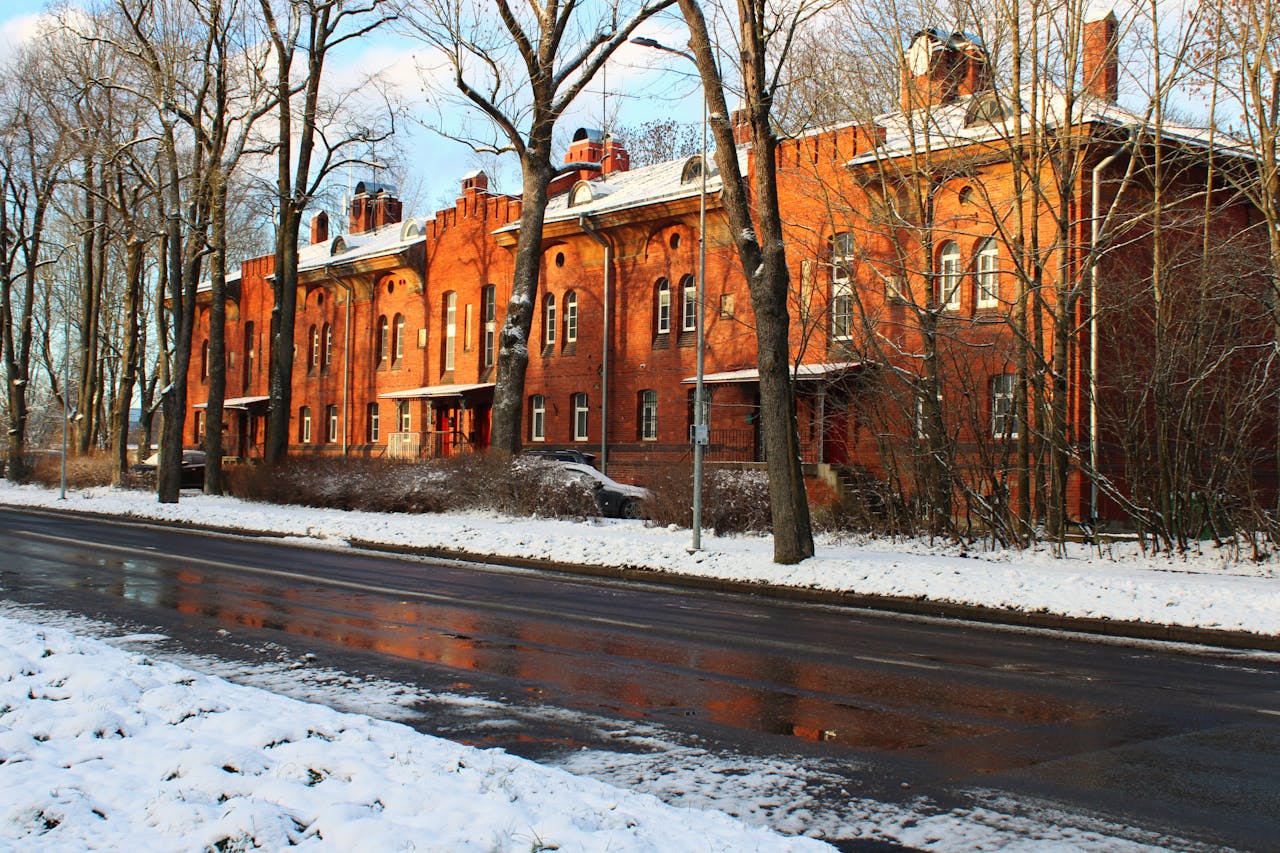
Estonia framed its nomad pathway as part of a broader digital-state experiment that treats remote work as manageable and measurable rather than chaotic. The permit required stable monthly income, proof of foreign employment or business activity, and sufficient health insurance, and it fit naturally beside e-residency tools that let entrepreneurs run companies online. For policymakers, the appeal was practical: welcome skilled visitors whose spending helps local economies without immediate claims on employment or welfare, while keeping tax lines clear. For towns, the permit invited people who might spend in cafes, coworking spaces, and housing without replacing local jobs, but it also nudged officials to monitor housing markets and neighborhood change so community needs did not get lost in short-term gains.
Portugal: Flexible Residency Routes Attractive To Long-Stay Nomads

Portugal’s established residency options, including visas that remote workers commonly use, blend practical flexibility with a quality-of-life argument rooted in mild climate and vibrant cities. Applicants typically demonstrate steady foreign income, a stable address, and medical coverage; some routes lead to multi-year renewal and eventual longer-term residence. Portuguese officials adjusted rules to balance demand with concerns about housing pressure in popular neighborhoods, aiming to ensure that remote arrivals complement rather than displace long-term communities. For remote professionals the appeal is clear: good internet, cultural life in small and large cities, and a legal path that tolerates experimentation without demanding immediate integration into local labor markets.
Spain: Tax Incentives Paired With Startup-Friendly Rules
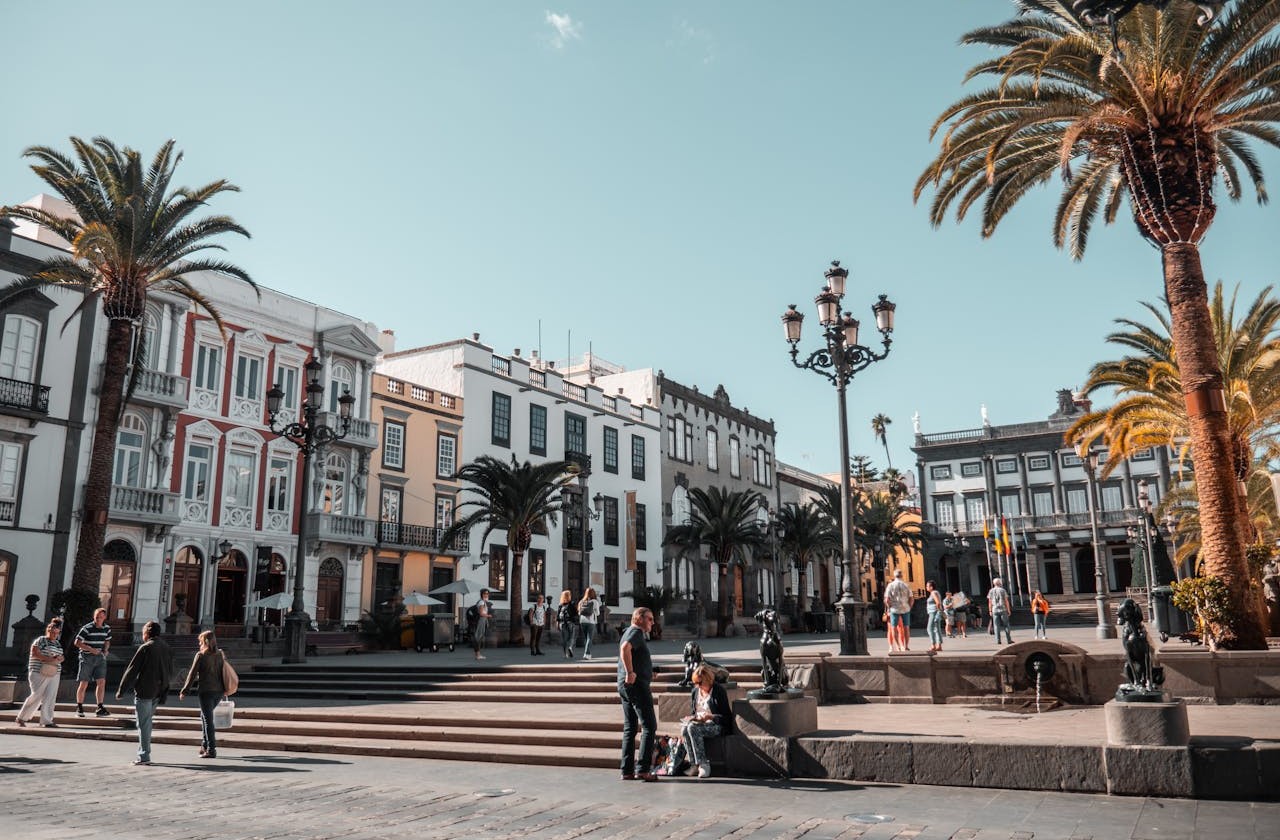
Spain introduced remote-worker pathways alongside reforms designed to attract international talent to startup hubs and creative sectors, coupling residence rights with possible tax incentives under defined conditions. The permits require proof of remote employment or freelancing tied to clients abroad and set minimum income thresholds meant to ensure self-sufficiency. Spain links these visas to broader ambitions for innovation corridors and regional regeneration, incentivizing stays in less crowded cities while trying to shield strained urban housing markets. The approach shows how a nomad visa can be a lever for economic diversification, but also why authorities watch neighborhoods for early signs of displacement and commercial turnover that favors visitors over residents.
Greece: One-Year Residency With Local Impact Controls
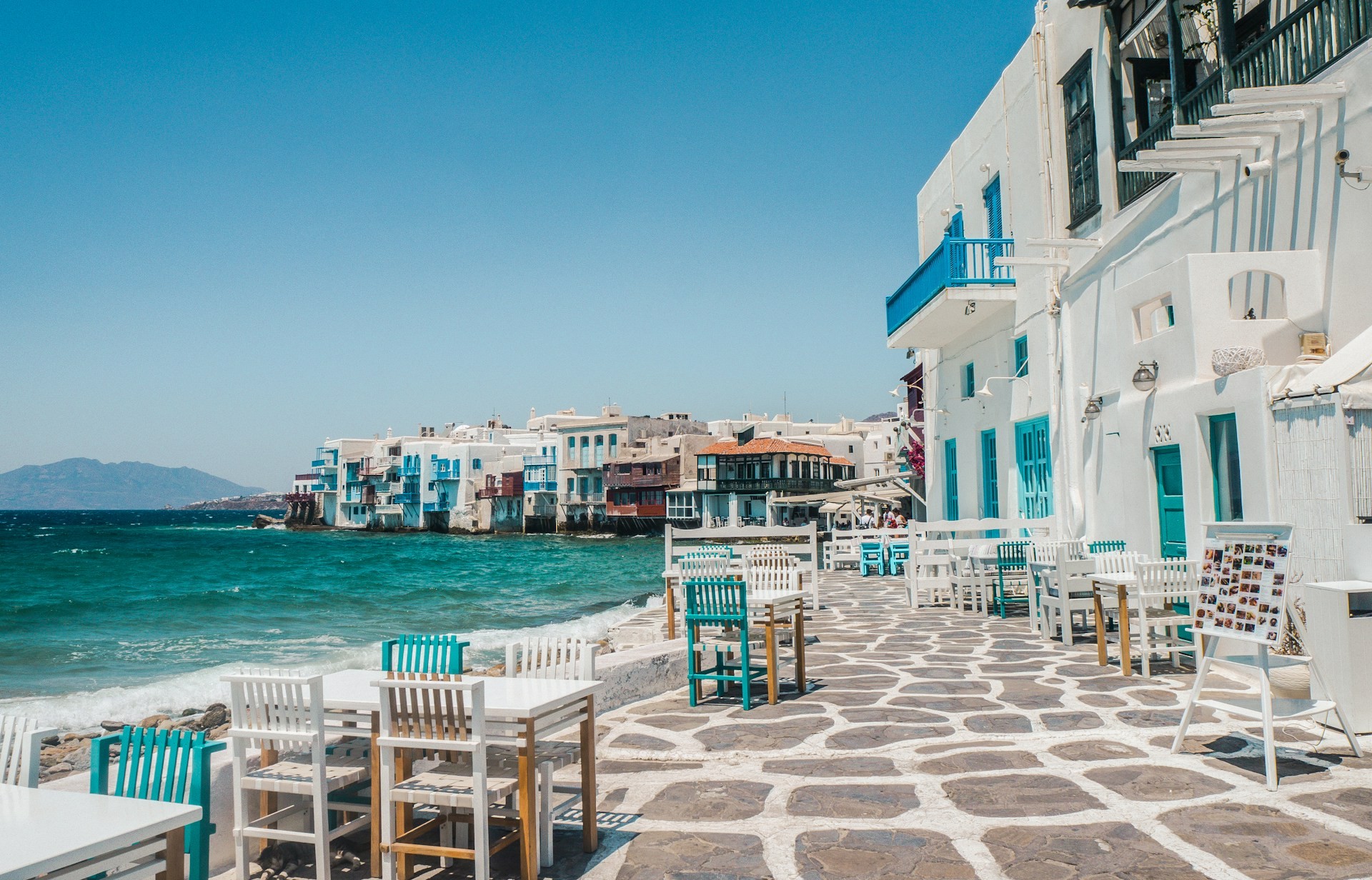
Greece designed its nomad permit with a one-year term that can be renewed, asking applicants to show steady remote income and comprehensive health insurance while offering residence rights tied to cultural and seasonal destinations. Officials framed the program as a way to spread tourism dollars across smaller towns and islands where longer-term remote stays can support local shops and services outside peak seasons. At the same time, Greece set conditions meant to avoid pressure on limited housing stock and fragile utilities, incentivizing arrivals in areas with capacity rather than the most famous hotspots. The policy recognizes that remote residents can bring steady demand and community investment when rules align with local needs.
Barbados: Simple, Family-Friendly Short-Term Residency
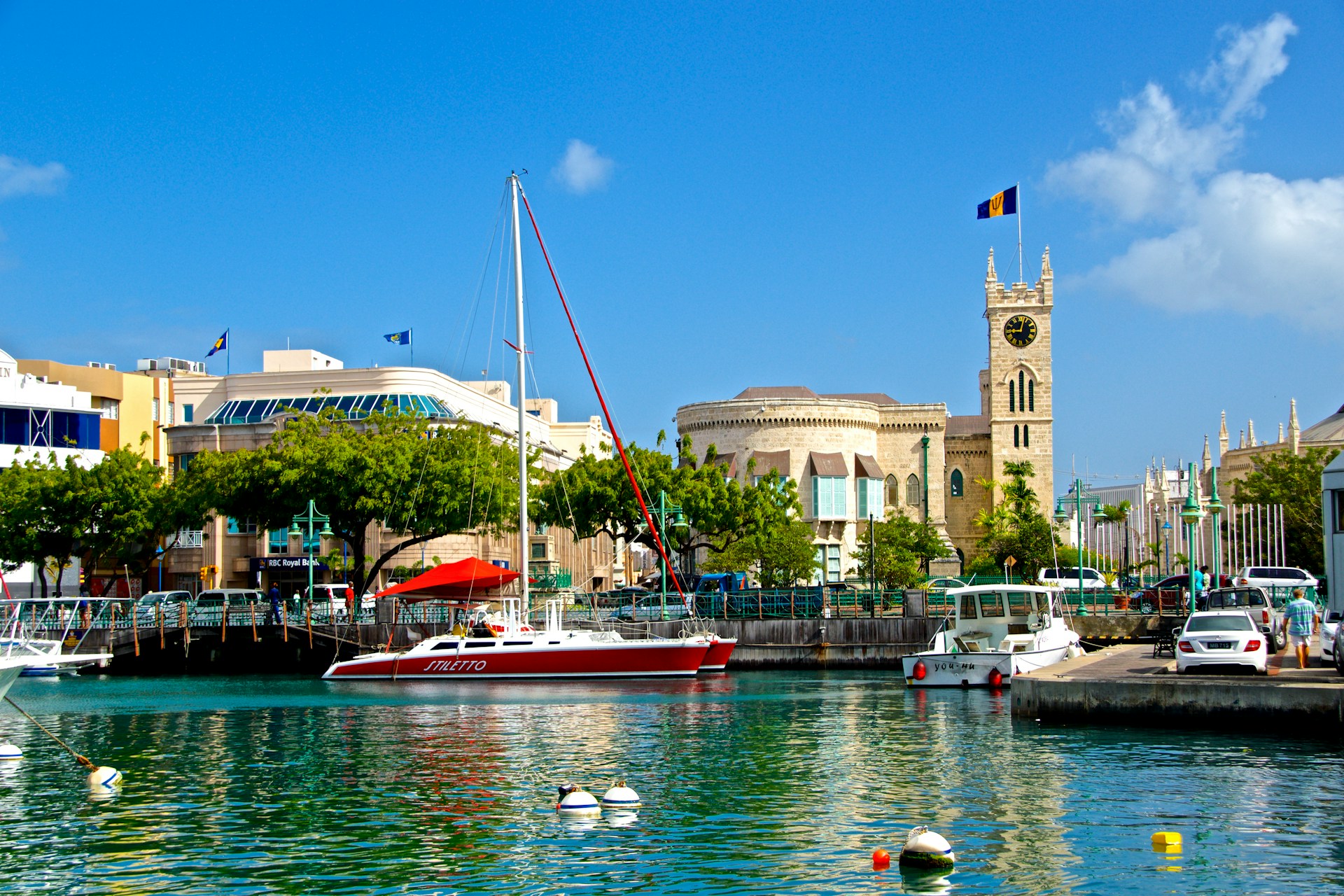
Barbados created a straightforward one-year remote permit structured for professionals and families who want a tropical base without entering the local labor market. The permit’s ease online application, clear income thresholds, and renewable terms made it attractive to those who could work remotely while contributing to local hospitality and rental markets. Barbados aimed to capture shoulder-season revenue and longer-length stays that traditional tourism patterns miss, offering a version of residency that relies on respect for local regulations, tax rules, and community expectations. The island’s approach highlights how a single permit can generate meaningful spending without the complexities of full migration.
Malta: EU-Adjacent Access With Regulatory Clarity

Malta’s Nomad Residence Permit offers non-EU nationals the chance to live on the island while remaining employed by firms outside Malta, with one-year initial authorization and renewal possibilities. Requirements center on proof of ongoing remote work, minimum income standards, and health insurance, while the country’s compact size, English-language environment, and Schengen proximity make it attractive for professionals who value travel and regional access. For policymakers the objective is to attract high-value stays that feed local services without adding pressure to the domestic labor market; for local communities it raises questions about housing pricing, but also presents opportunities for new kinds of long-stay tourism that support neighborhood economies across slower months.
Croatia: A Coastline-Friendly Yearlong Stay Option
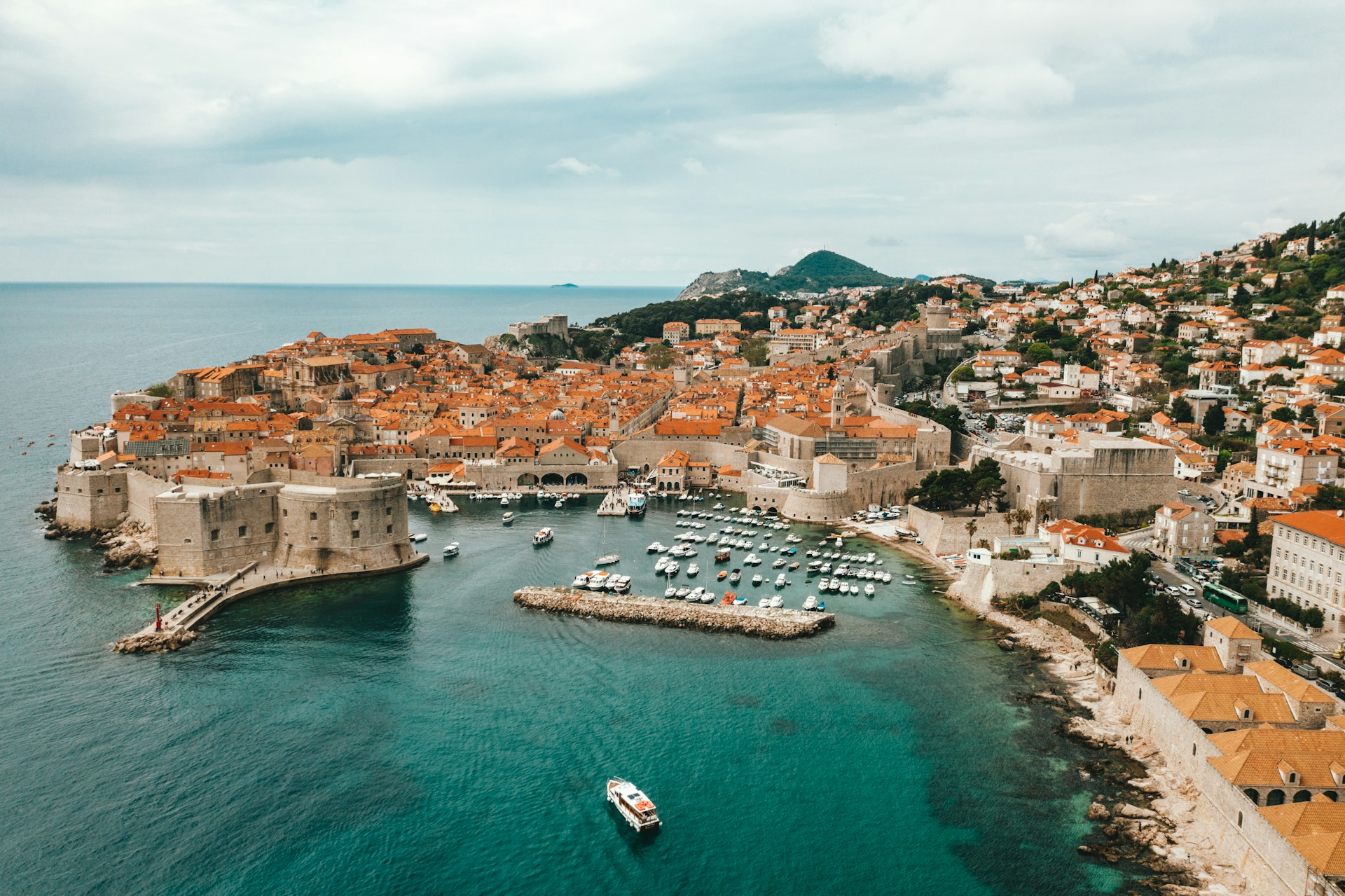
Croatia’s digital nomad regime allows non-EU remote workers to baselines in coastal towns for extended periods commonly up to a year on permits explicitly excluding local employment. Applicants provide evidence of remote income, foreign employment or clients, and adequate insurance, and local authorities have pushed to align these rules with efforts to preserve local housing affordability in tourist-focused communities. The permit suits professionals who prefer seasonal variety and proximity to nature while avoiding entanglement with domestic labor markets. Croatia’s program shows how a nodal approach limiting work rights while welcoming presence can funnel remote spending into local economies without blurring the line into permanent labor migration.
Cayman Islands: Longer Permits With Financial Thresholds
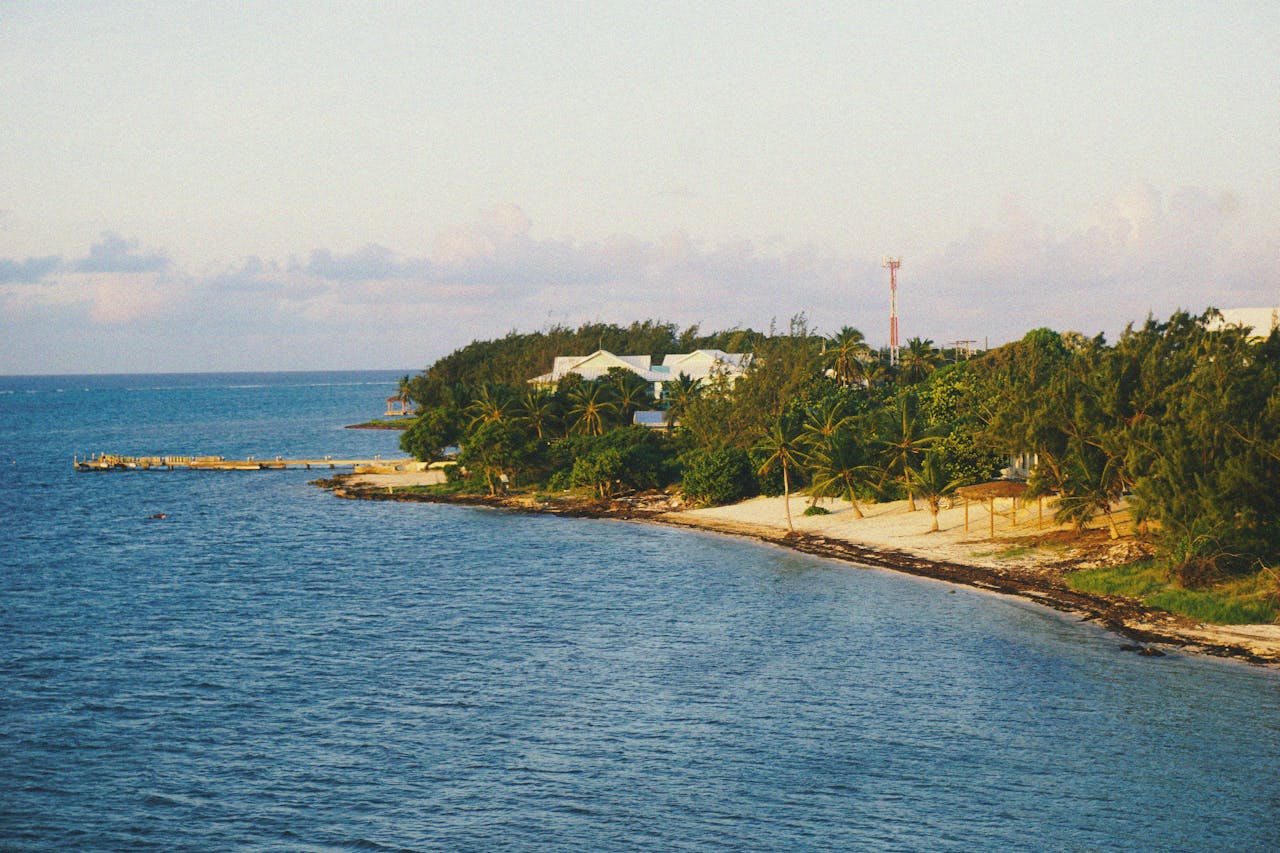
The Cayman Islands Global Citizen program offers longer-term stays often stretching to two years, designed for high-earning professionals who work remotely for foreign employers or operate nonlocal businesses. The package requires higher income thresholds and emphasizes financial transparency and proof of remote activity, reflecting the island’s wider financial-sector orientation. For small economies that prize regulatory clarity, the program aims to attract sustained spending into services, housing, and local business without creating competition in domestic job markets. The Caymans model shows how tighter vetting and higher minimums can shape a particular profile of remote resident rather than simply increasing visitor volume.
Iceland: Seasonal Stays Balanced With Infrastructure Limits
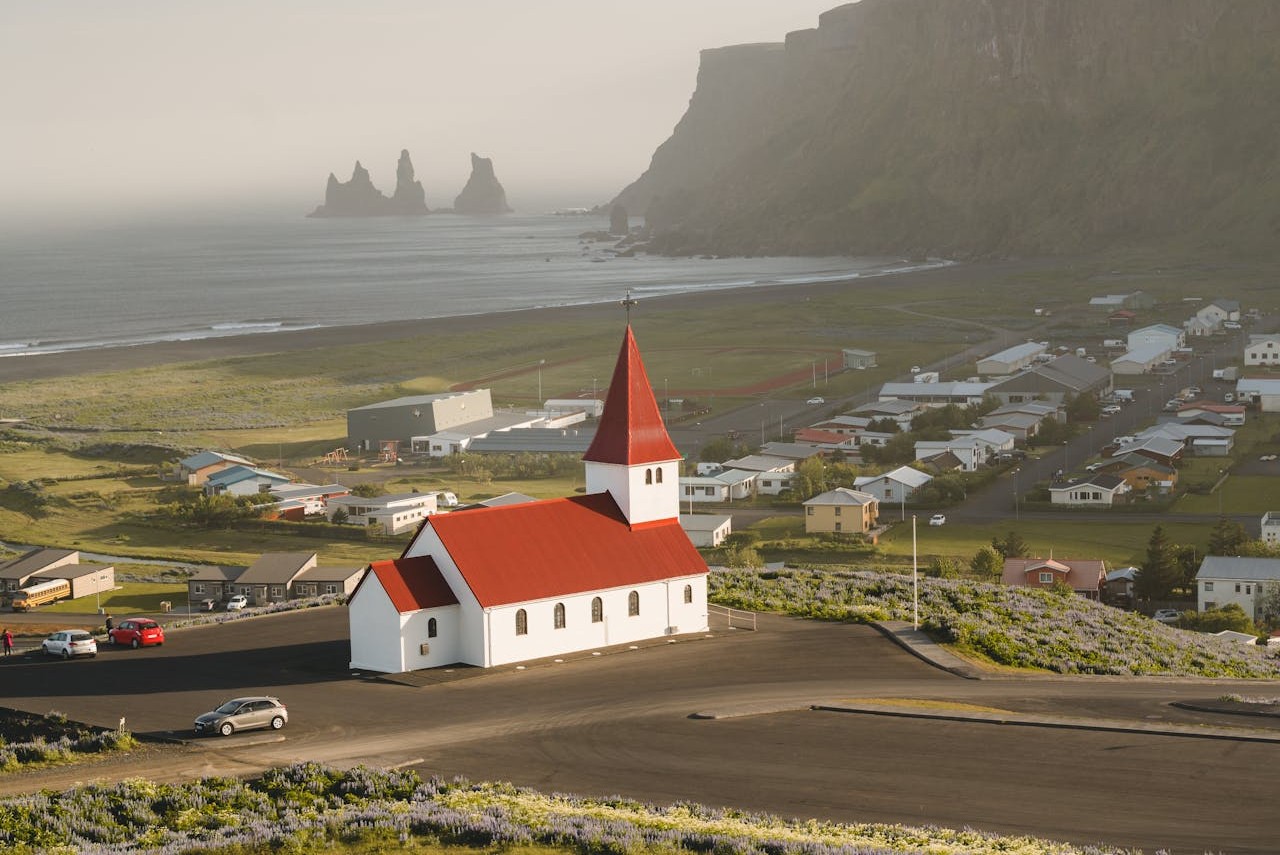
Iceland’s remote-worker permits offer shorter stays often three to six months designed to bring visitors through shoulder seasons and spread tourism demand across slower months. The rules prioritize applicants with stable remote income and health coverage and are framed to protect small-town infrastructure and fragile ecosystems that can be overwhelmed in brief summer windows. Iceland’s approach recognizes the environmental limits of thinly populated regions and uses time-limited permits to create economic value without long-term strain on housing and services. The model suggests that shorter, monitored stays can be a pragmatic compromise for countries with unique natural assets and limited public capacity.
Costa Rica: Long-Stay Comfort With Ecological Sensitivity
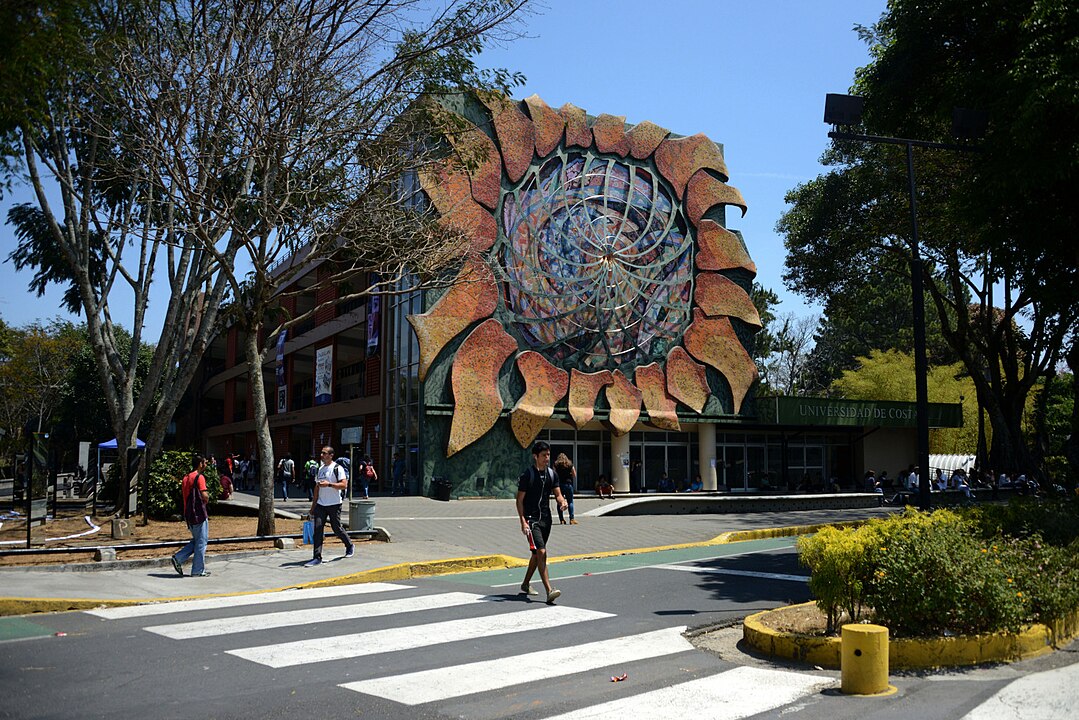
Costa Rica built its digital nomad visa around long-stay comfort and environmental balance, inviting remote workers who earn income abroad to settle for up to a year with the option to renew. Applicants must demonstrate stable foreign income, proof of insurance, and a commitment to remote-only work that does not enter Costa Rica’s domestic job market. The country’s appeal rests in its biodiversity, solid internet infrastructure, and culture of outdoor living, yet officials remain mindful of the pressures that long-stay visitors can place on rental markets and coastal towns. The visa encourages economic activity that supports local businesses while reinforcing the national priority of ecological stewardship and community centered development.