Houseplants calm a room, but some common favorites are quietly unsafe for cats and dogs. A curious bite, a fallen leaf, or sap on a paw can lead to drooling, vomiting, or a sore mouth, and the risk is highest when plants sit at nose level on a sill or side table.
Problems tend to start on ordinary days: a cat brushes past blooms and grooms the pollen, or a dog chews a stem left after pruning. New gifts and bargain finds add another twist, because labels rarely spell out pet risk. A little plant literacy, plus smarter placement and quick cleanup, keeps the cozy green mood without turning curiosity into a panicked drive.
Sago Palm
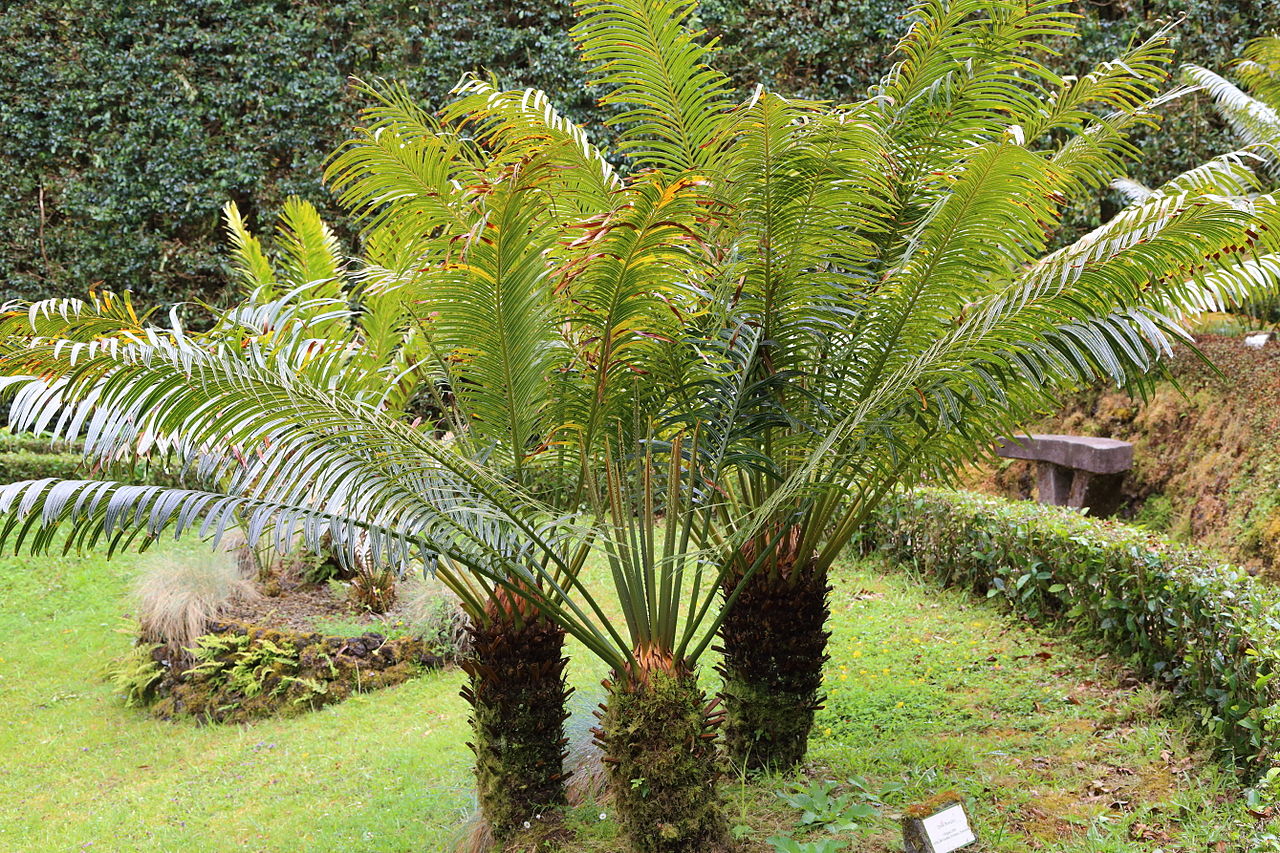
Sago palm sells as a hardy, sculptural accent, and it often shows up in entryways where pets linger. The problem is the plant’s toxin can hit the liver hard, and early signs may look like a simple stomach bug.
Seeds carry the highest concentration, so a dropped nut is far riskier than a leaf that seems harmless. After chewing, pets may drool, vomit, or grow weak, and the situation can escalate quickly without care. Because pieces roll under furniture, the danger can surface later, after everyone forgets the plant exists. Homes that want the same silhouette often choose parlor palm or areca palm instead, and skip cycads entirely.
True Lilies and Daylilies

Lilies look like the safest kind of beauty, especially in winter bouquets that brighten a quiet room. For cats, true lilies and daylilies are a different story, because tiny exposures can trigger acute kidney injury.
The riskiest groups include Lilium and Hemerocallis, the category that covers Asiatic, Easter, Oriental, and many daylilies. Pollen sticks to fur like dust, then gets swallowed during grooming, and even vase water can carry risk. Early signs can be vague, such as drooling, vomiting, or low energy, which makes the danger easy to miss. Many pet households keep the drama by choosing roses, orchids, or sunflowers instead.
Golden Pothos
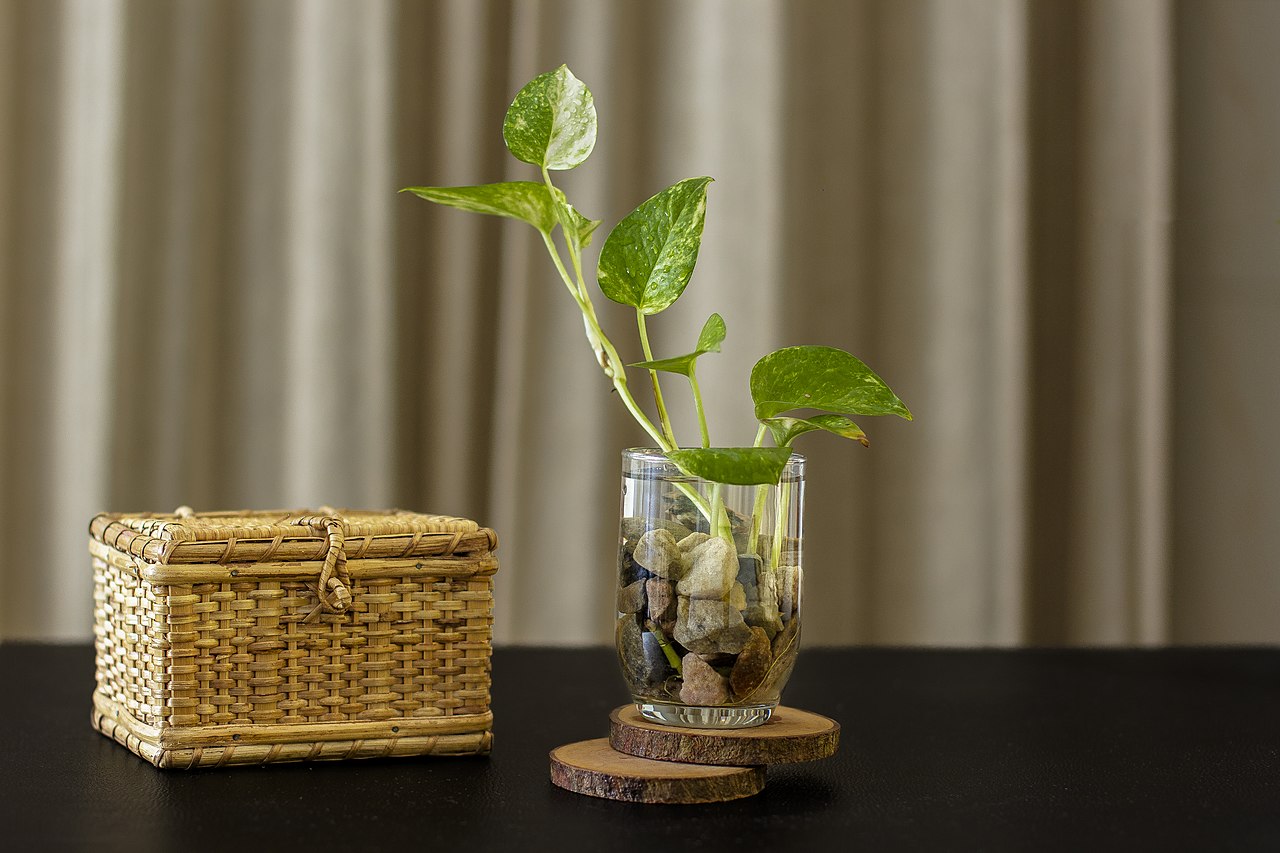
Golden pothos is famous for forgiving growth and long vines that make shelves feel alive. Its leaves contain insoluble calcium oxalate crystals, which can irritate the mouth and throat the moment a pet chews.
Pets that sample it may drool, retch, or vomit, and some paw at the face because the sensation is sharp and immediate. Mild swelling can make swallowing uncomfortable, even when the bite was small. The biggest trap is convenience: it is often hung within jumping range, and dropped leaves become easy snacks. Many homes keep the trailing look with spider plant or peperomia, and place pothos only in pet-free rooms.
Philodendron
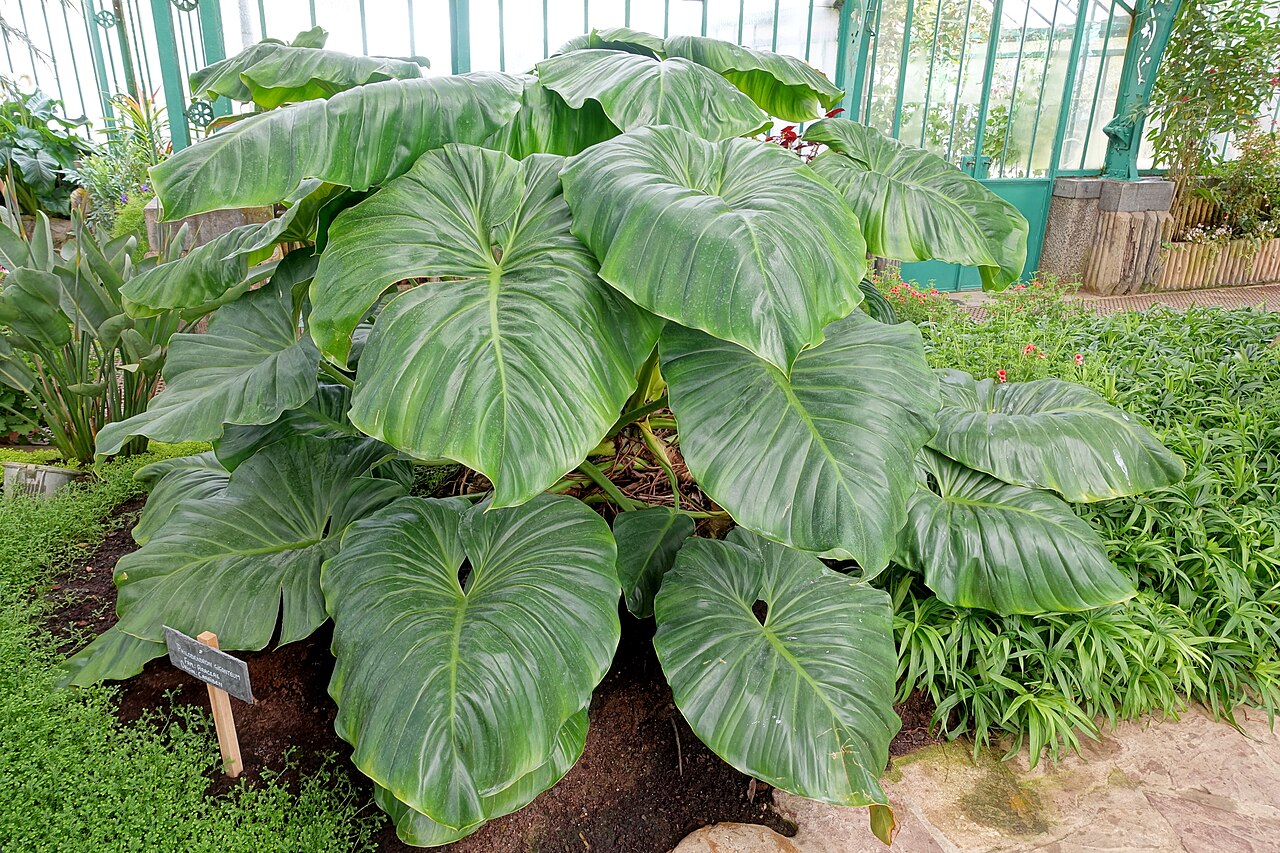
Philodendrons fit almost any decor, from heartleaf vines to larger split-leaf statement plants. Like other aroids, they contain insoluble calcium oxalate crystals that can cause immediate oral irritation.
A chew can bring heavy drooling, vomiting, and obvious discomfort, and some pets refuse food because the mouth feels raw. Pain and mild swelling can make swallowing difficult for hours, even after a quick bite. The milky sap can also bother eyes if a paw rubs after contact during play or repotting. For a similar deep-green look, many pet households pick prayer plants or peperomia, which offer bold leaves without the sting.
Peace Lily
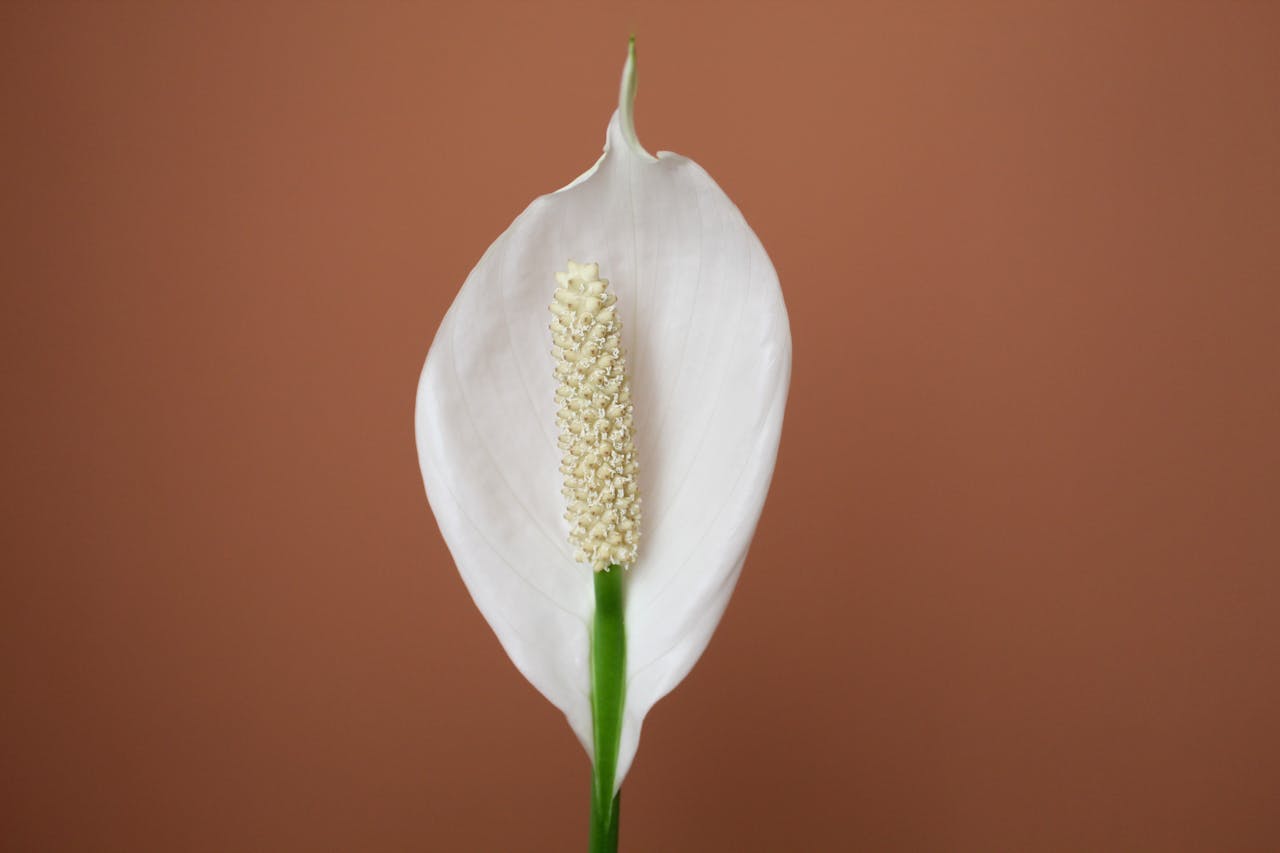
Peace lily sounds gentle, and its white blooms tolerate lower light, which is why it ends up on desks and coffee tables. It is not a true lily, but it is an aroid with insoluble calcium oxalates that can sting the mouth and throat.
Pets that chew a leaf may drool, vomit, or paw at the face, and swallowing can look strained because tissues feel inflamed. Most cases are painful and unpleasant, even if brief. Trimmed leaves on the floor are a common trigger after repotting, and the broad foliage invites repeat sampling. Many pet households swap in African violets or certain orchids, which keep the calm look without the bite.
Dieffenbachia (Dumb Cane)
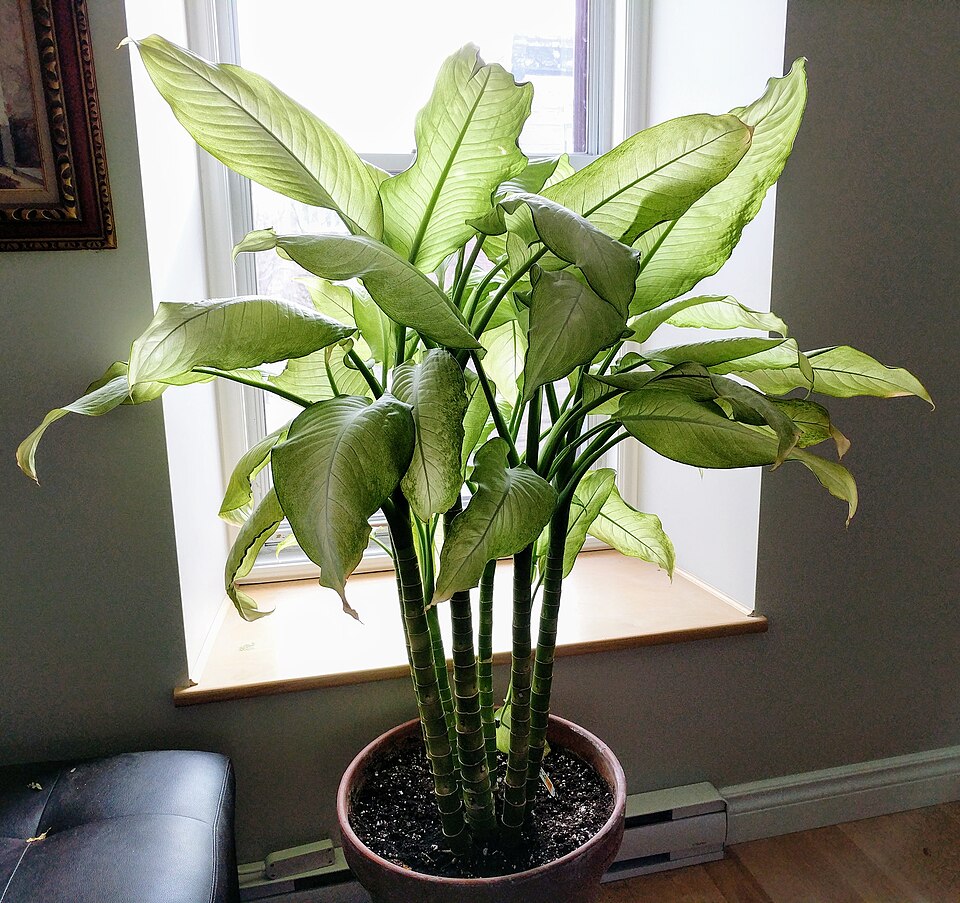
Dieffenbachia brings bold, speckled leaves that read tropical without much effort, so it often gets placed in busy hallways. The sap contains insoluble calcium oxalates and enzymes that can cause intense mouth irritation when chewed.
Pets may drool heavily, gag, or vomit, and swelling can make swallowing difficult and vocalizing sound strained. Some paw at the face because the sensation is sharp. The risk is not only chewing; a snapped stem can leak onto the floor during moving or cleaning, then get licked. Homes that want drama without the danger often choose calathea or fittonia, which deliver pattern and color with less risk.
Aloe Vera
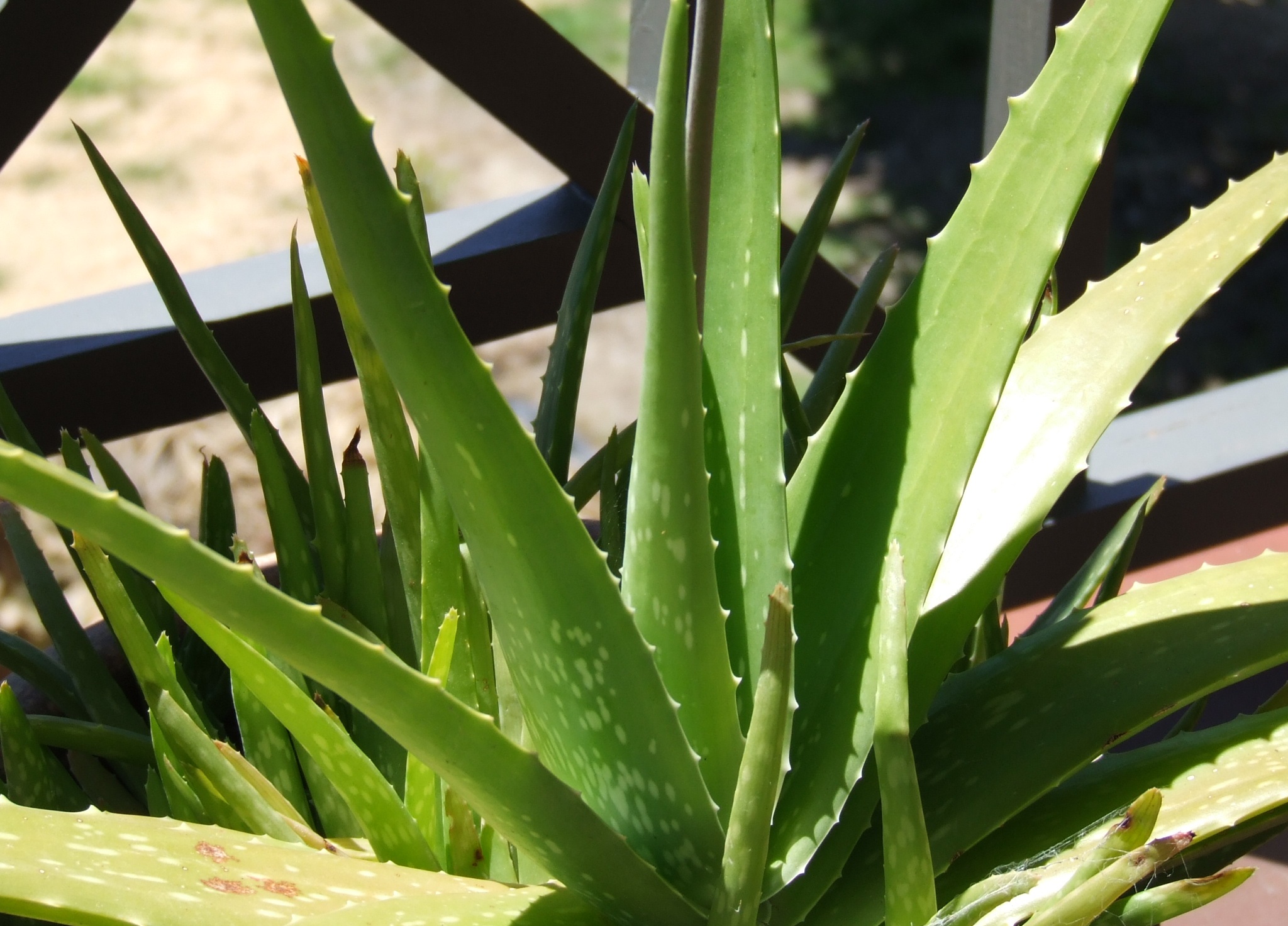
Aloe vera has a wholesome reputation, and the spiky rosette looks tidy on a bright kitchen sill. For pets, the trouble is the bitter latex and outer leaf layers, which contain compounds that can upset the stomach if chewed.
Dogs and cats that nibble may vomit, develop diarrhea, or seem unusually tired, and the taste does not always stop a biter. The clear gel leads some owners to assume the whole plant is safe, but the pet risk sits closer to the rind than the center. Broken tips can drop after watering, turning into easy floor snacks. Many homes use haworthia or echeveria for the same sculptural mood, and keep aloe out of reach.