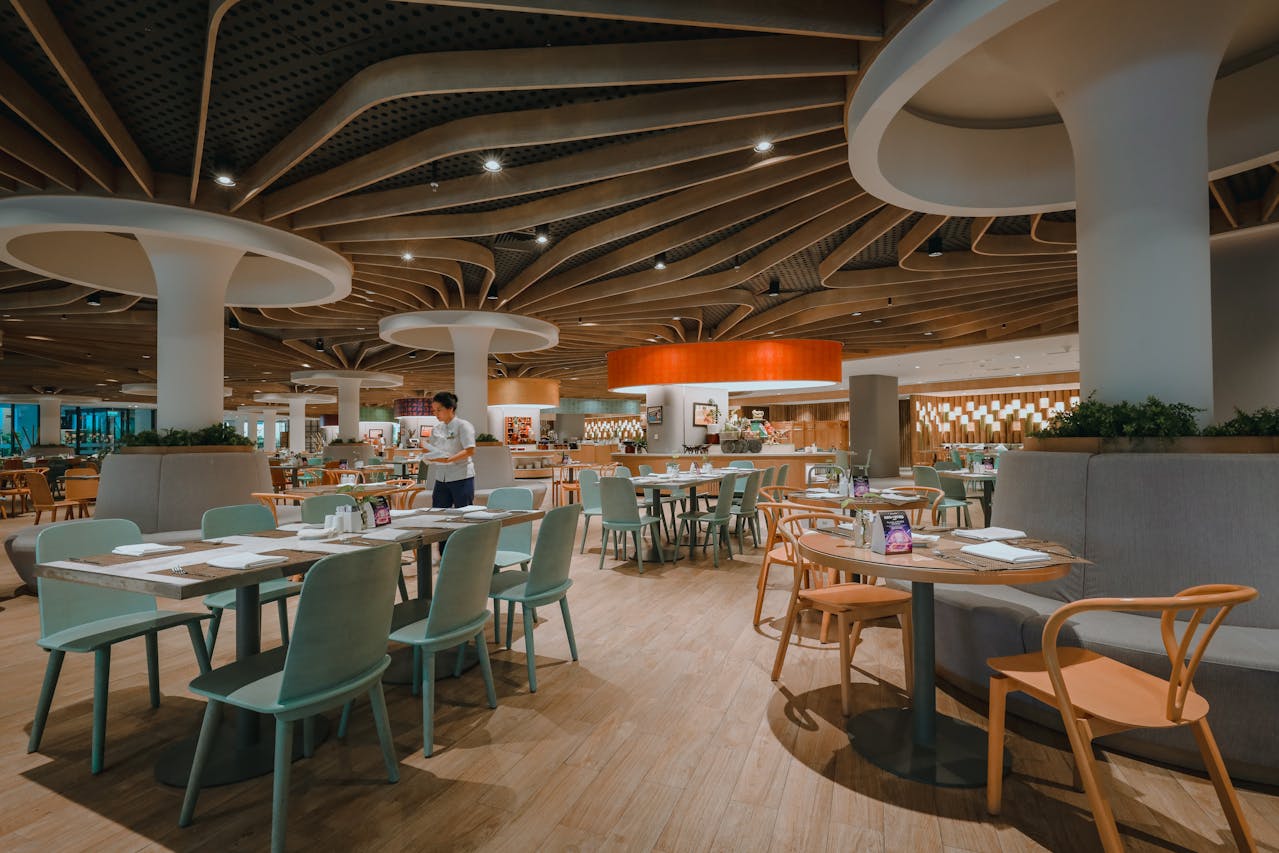
Casual dining once promised an easy night: familiar food, a steady pace, and a server who handled the small stuff without making it feel like work. In 2026, many dining rooms run on scans, apps, kiosks, and payment prompts that keep interrupting the table. These tools help restaurants stretch short staffs and protect thin margins, yet they also flatten the experience into steps and alerts. Phones stay out, conversations pause, and the first minutes turn into troubleshooting. When the path to a sandwich includes logins, upsells, and surprise line items, the room feels less welcoming, even when the kitchen still delivers.
QR-Only Menus That Hide the Details
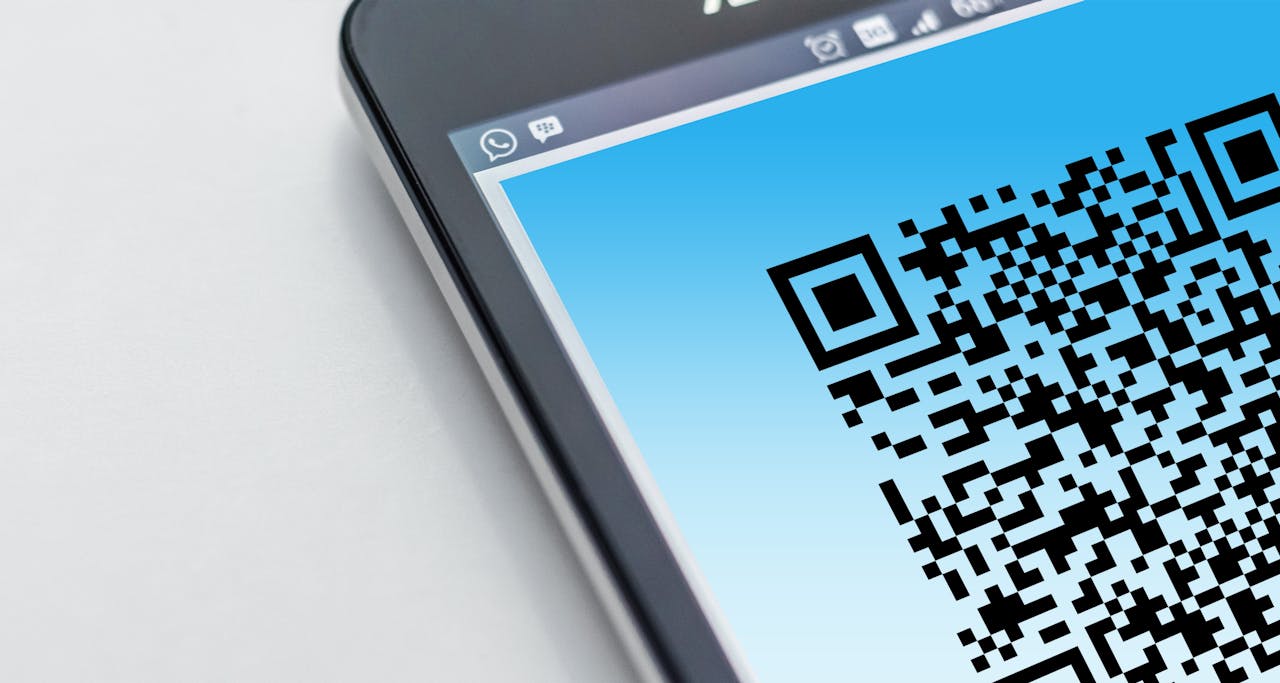
QR-only menus save printing costs, but they also make the first minutes feel like a setup task. A weak signal, a dead battery, or a clunky web menu turns ordering into troubleshooting, and details like allergens or upcharges can be easier to miss while everyone scrolls on separate screens. Accessibility suffers too when type is tiny and zooming breaks the layout completely.
Some restaurants also route the link through tracking pages, sign-ups, or pop-up promos that delay the basics. Instead of settling in, the table starts by negotiating a phone interface, and the meal begins on a small, bright screen rather than in the room.
App-Only Ordering That Turns Dinner Into Account Setup
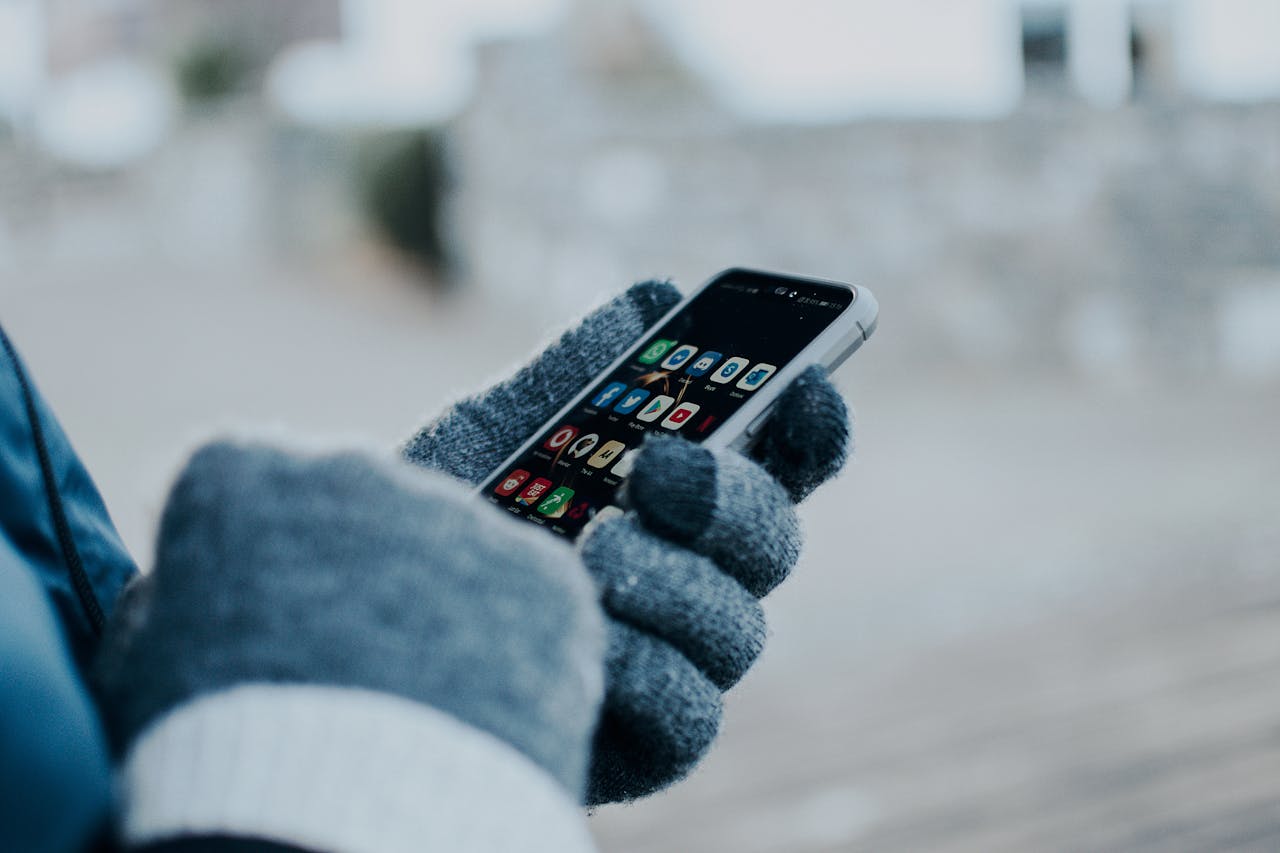
Mobile ordering can be fast, but app-only systems often add friction before anyone eats. Creating an account, confirming a location, and saving a card turns a simple meal into a checkout flow, while upsells crowd the screen and basic modifiers hide behind tabs. Even small hiccups, like an app update or spotty Wi-Fi, can stall the whole table before drinks arrive.
When something goes wrong, staff may have limited power to fix what the software locked in. Split checks get messy, allergy notes can vanish between screens, and the table loses momentum while dinner waits on a password reset or a spinning loader. In quiet silence.
Tabletop Tablets That Push Upsells Instead of Hospitality

Tabletop tablets were sold as convenience, yet they often feel like a tiny ad kiosk parked beside the ketchup. Games, surveys, and constant prompts pull attention away from conversation, and bright screens can clash with low lighting that is meant to feel relaxed. Some systems nudge add-ons with one-tap buttons, and accidental charges are hard to contest in the moment.
Payment flows on these devices also stack choices: tip buttons, donations, email receipts, and feedback questions. The end of the meal becomes a rapid sequence of taps, and staff may check in less because the tablet is treated as the primary point of contact.
Self-Order Kiosks Replacing the Human Welcome
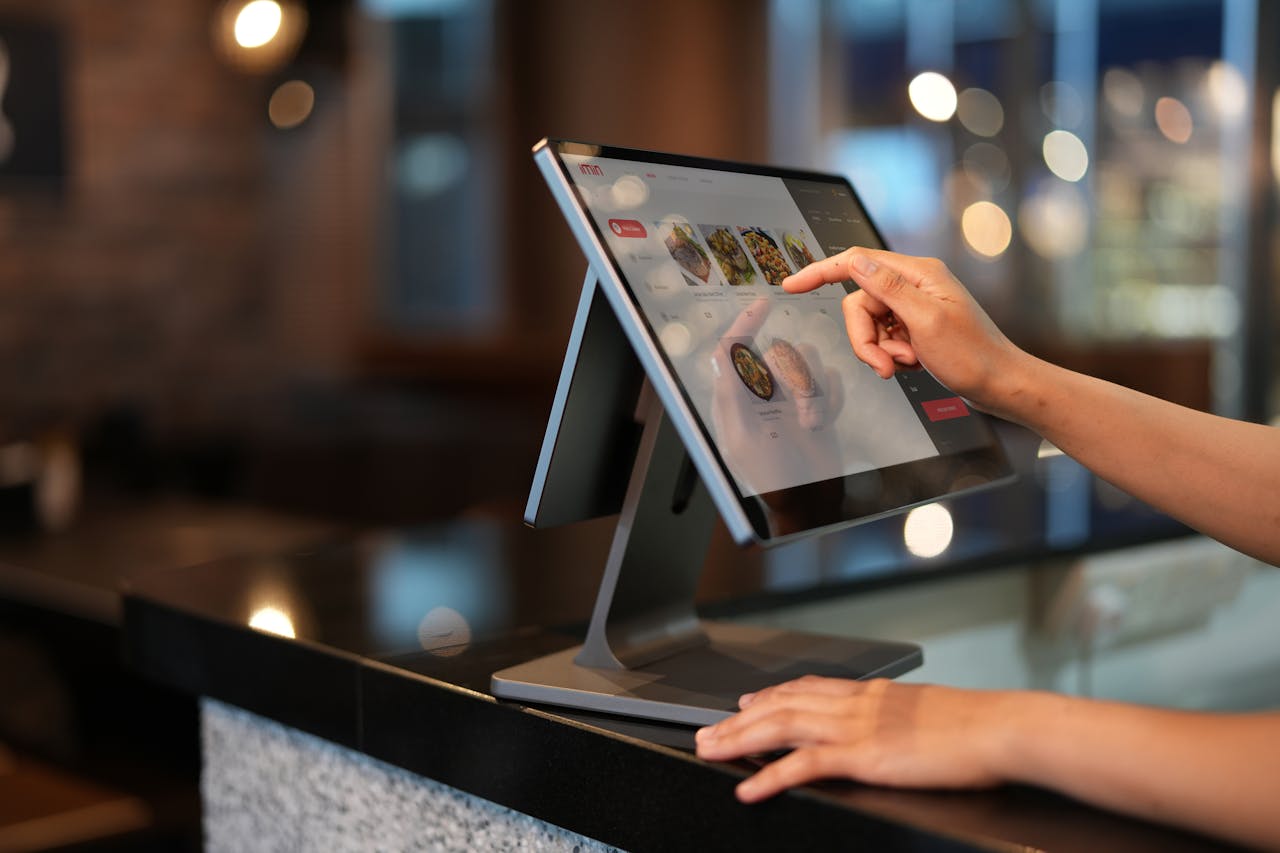
Self-order kiosks speed up lines on paper, but they also remove the small human welcome that sets a tone. A screen cannot notice confusion, answer a quick question about spice or portion size, or adapt when a guest needs extra time, and the interface often hides simple requests behind layers of modifiers. Accessibility can be uneven for low-vision diners, guests, or anyone navigating a second language.
Mistakes also shift downstream. When an order comes out wrong, the fix may require a manager override, the line grows quieter and tenser, and staff end up directing traffic and troubleshooting terminals instead of reading the room.
AI Hosts and Phone Bots That Miss the Moment
AI phone agents and automated hosts can take reservations and answer common questions without putting callers on hold. The problem is that the front desk is not just logistics; it is timing, tone, and judgment, especially when a party is late or needs specific seating. In a loud restaurant, speech systems can struggle with accents, kids talking, or a bad connection.
Bots can mishear names, miss special notes, or loop through options while the doorway backs up. When a text link replaces a calm human explanation, small glitches take longer to untangle, and the room feels less like hospitality and more like intake for everyone.
Digital Tip Screens That Turn Gratitude Into Pressure
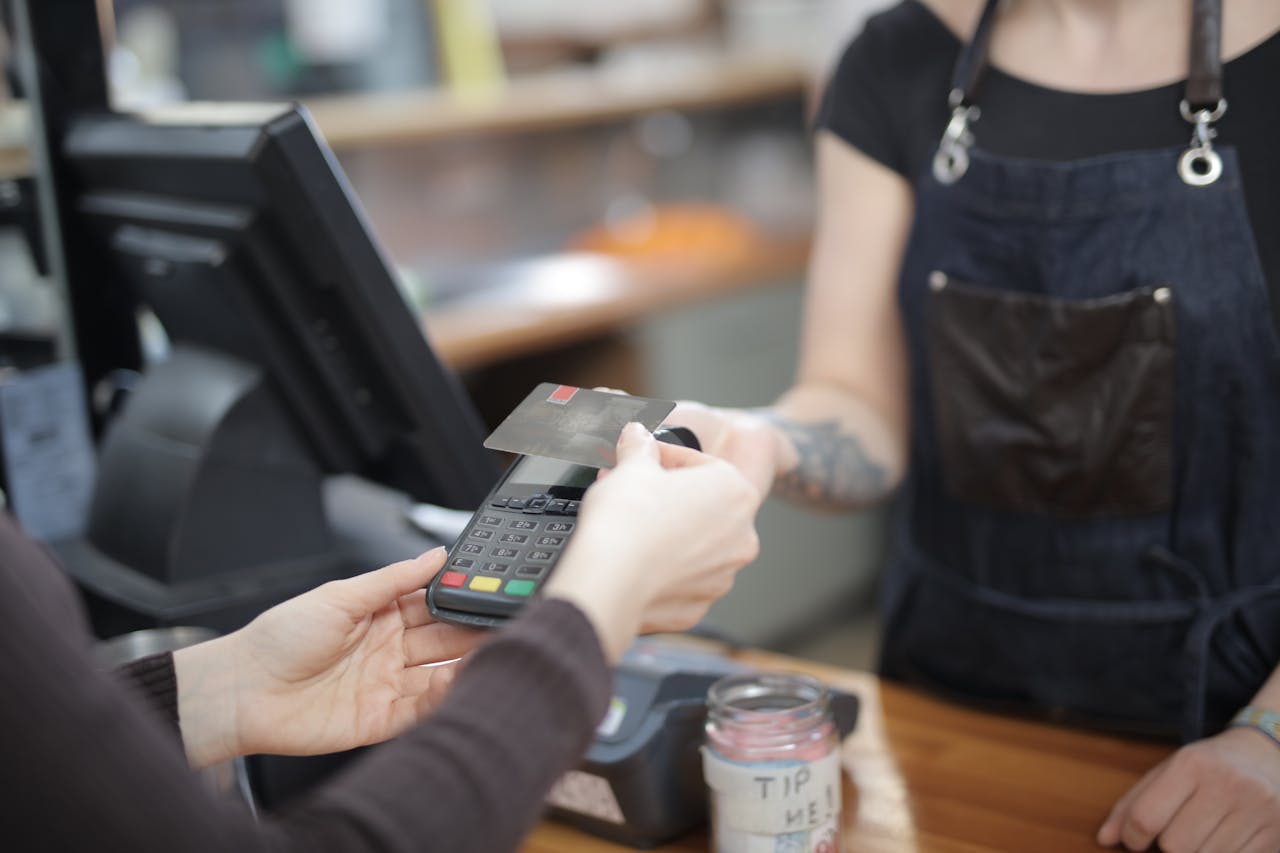
The tip moment used to be private and quiet, but now it often arrives as a bright screen with large preset buttons. Suggested percentages can start high, custom options may be smaller, and the prompt can appear even when ordering and payment were mostly self-serve. Some systems also stack a donation ask and an emailed receipt request before the card can be removed.
That mismatch creates tension, not generosity. Behavior research has found that screen-based tipping can increase discomfort and irritation, even when tip amounts do not move much. The last interaction becomes a social test, and it can linger longer than the food.
Dynamic Pricing and Shifting Digital Menu Boards
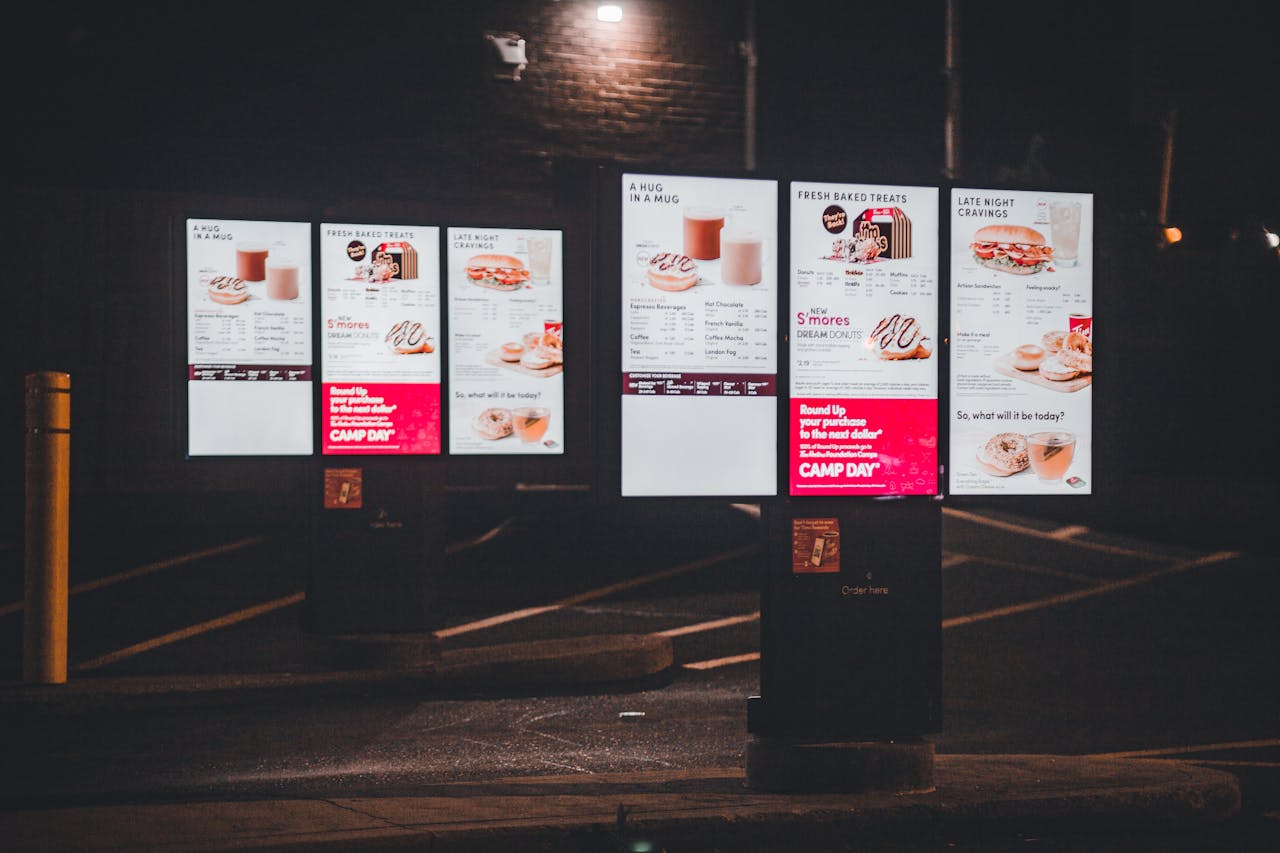
Digital menu boards let restaurants update items instantly, which helps with sold-out specials and supply swings. They also make price changes effortless, and some brands have tested time-based pricing or app-only deals that shift what the same meal costs across the day. When signage is vague, guests may only learn the real total after ordering.
Even when the goal is off-peak discounts, the uncertainty can erode trust. Backlash to dynamic pricing trials shows how sensitive diners are to peak-hour markups. Casual dining relies on clear value, and a moving price can feel like a rule change midstream. That feeling sticks.
Loyalty Apps That Gatekeep Deals and Track Everything
Loyalty programs used to be simple, but many casual chains now gate their best prices behind an app. Deals, bundles, and even basic coupons can require an account, location permissions, and constant notifications, splitting the dining room into insiders and everyone else. The discount starts to feel like a trade for data and attention.
The result is a meal with hidden rules. Two tables can order the same items and pay different totals, and staff get stuck explaining promo codes and point balances instead of describing the food. What should be casual becomes one system to manage. It wears people down, and the payoff feels small.
Delivery-First Operations That Sideline Dine-In Guests
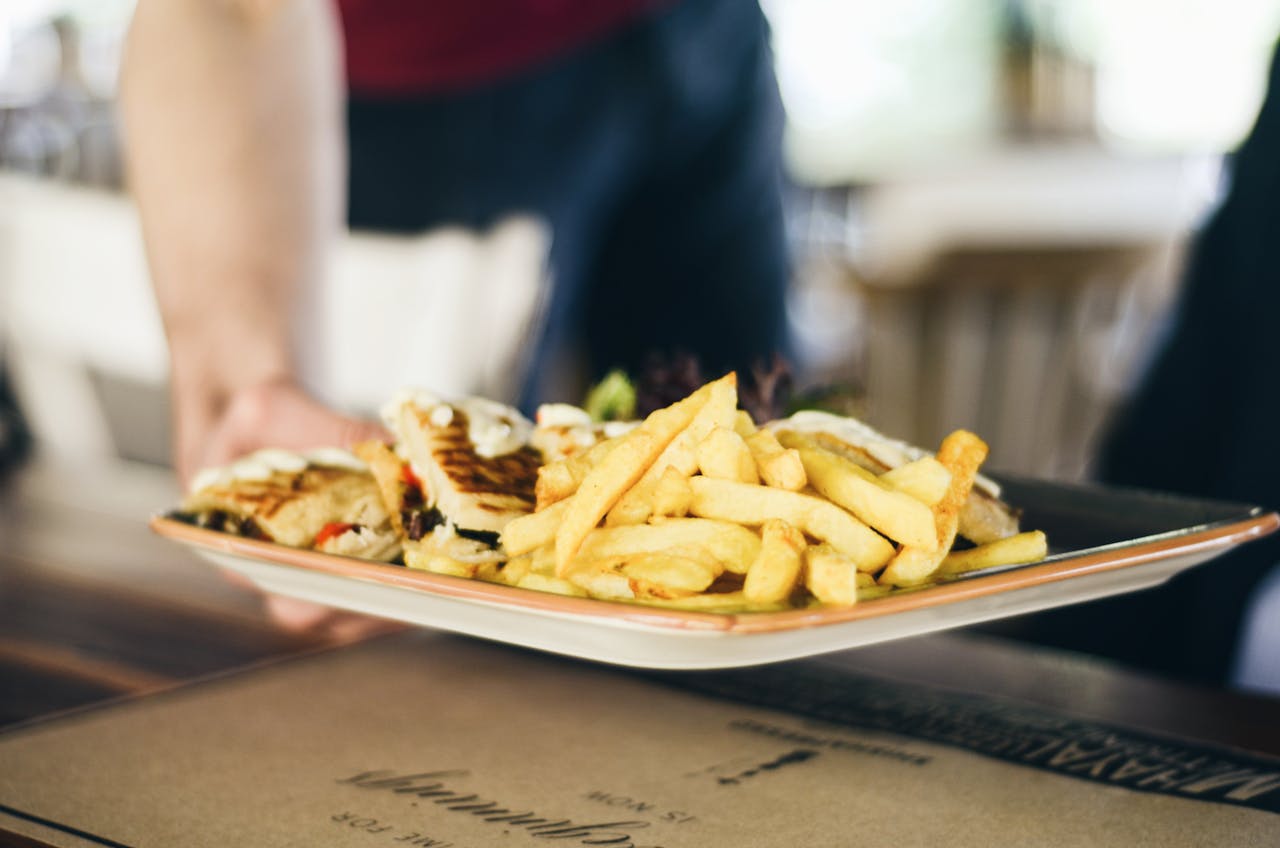
Online ordering and delivery can boost sales, but it also changes what kitchens prioritize on busy nights. When the line feeds dine-in, curbside, and third-party drivers at once, ticket times stretch, plates cool faster, and the dining room feels like it is competing with a stream of bags. The entrance can turn into a constant handoff zone, with phones buzzing and names being called.
Front-of-house staff get pulled into sealing orders, managing pickup shelves, and fielding driver disputes. Menus drift toward items that travel well, packaging piles up, and the space starts to resemble a dispatch area, even when tables are full.
Automated Fees and Smart Checkouts That Confuse the Final Bill

Modern POS systems make it easy to add service charges, convenience fees, or kitchen surcharges with a few taps. When those line items are not clearly explained up front, the total can feel like it changed after the decision to order was already made, especially when suggested tips are calculated on top of the added fees. Some checkouts also slip in membership prompts or donation asks at the worst moment.
Digital receipts often arrive later, separating the moment of paying from the moment of noticing. Staff may have no script beyond a vague explanation, and what should be a clean goodbye ends in confusion and quiet resentment.