Some houses hold fame the way wood holds scent, quietly and for decades. After the crowds move on, a staircase still remembers pacing, a kitchen still hints at midnight rehearsals, and a study keeps the shape of a mind at work. Across cities and small towns, curators have preserved private rooms that once felt too ordinary to be historic. Now they read like time capsules: costumes beside closets, drafts beside garden paths, and music lingering in corners. These tours do not chase gossip. They translate public lives into intimate details, making effort visible and legacy feel close. Even the wallpaper can still feel like a signature, and the silence can sound like a final encore.
Graceland, Elvis Presley’s Home
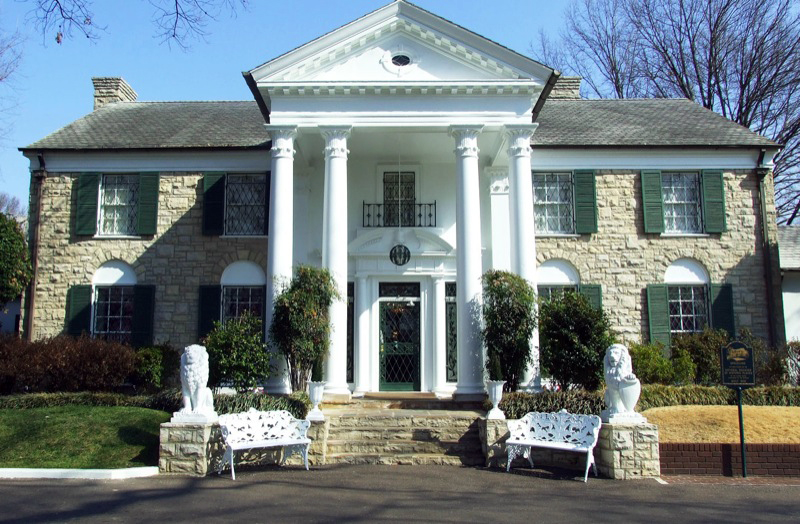
Graceland in Memphis feels like a lived-in set, not a shrine, with lush 1970s rooms, stained-glass light, and the Jungle Room carrying equal parts comfort and swagger. The house tour keeps the focus on how Elvis protected a private rhythm inside constant attention, then Elvis Presley’s Memphis across the street restores the public roar with cars, stagewear, guitars, and studio-era context that explains the scale of the machine around him. It lands because the details stay human: a hallway mirror, a stack of well-worn records, and décor that reads like confidence made physical, warm and a little defiant at the end of each room.
Paisley Park, Prince’s Creative Fortress
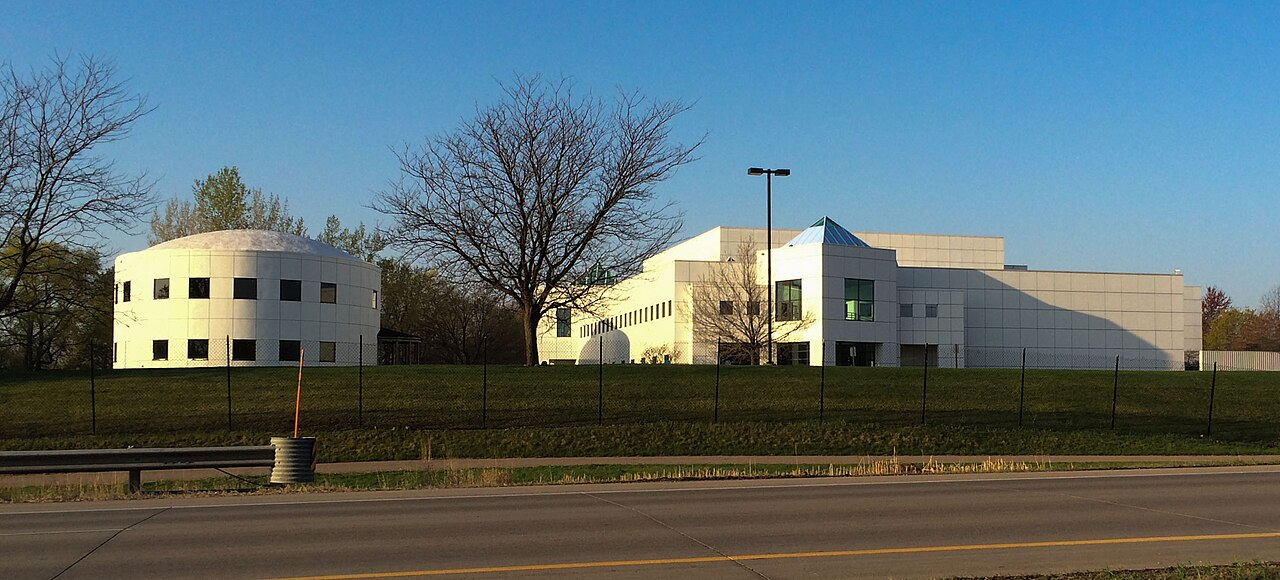
Paisley Park in Chanhassen was built as home, studio, and stage, so the tour moves like a track list: hush, build, then a bright reveal that explains why Prince guarded the place so fiercely. Guides lean into process over mythology, pointing out how spaces were engineered for sound, privacy, and sudden creative pivots, with instruments, costumes, handwritten notes, and control-room details showing the work behind the mystique, not just the persona. It feels less like a museum and more like a working idea preserved mid-motion, where the lighting, sightlines, and stage access hint that rehearsal could start again at any minute today.
Casa Azul, Frida Kahlo’s Blue House
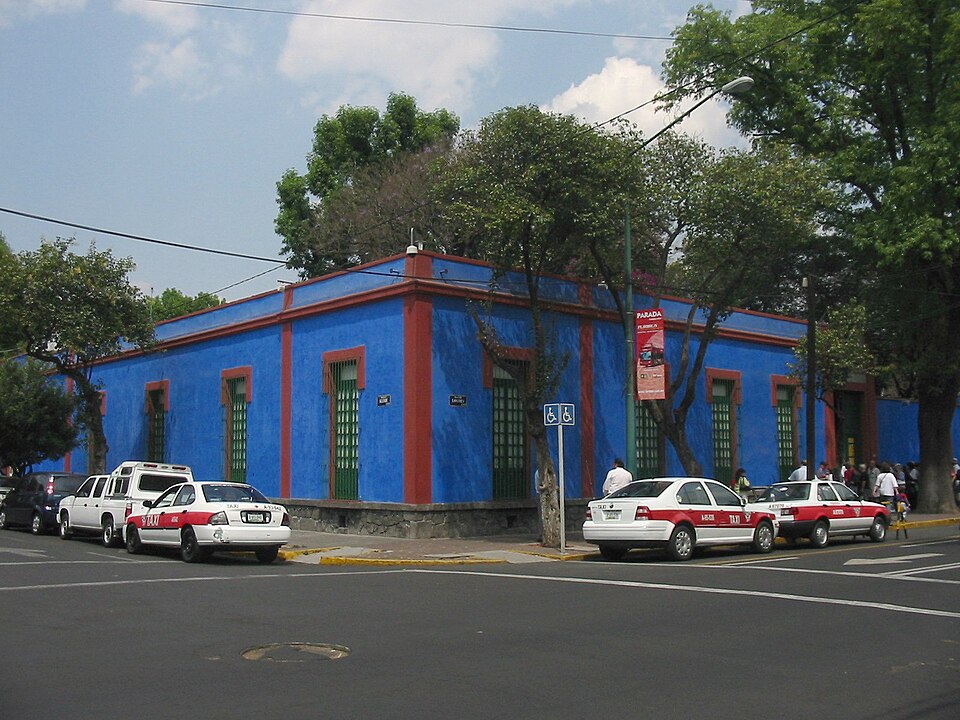
Casa Azul in Coyoacán holds Frida Kahlo’s world in saturated color, with cobalt walls, a sunlit courtyard, and rooms arranged around painting, recovery, and stubborn joy. Instead of polishing her into a poster, the museum lets personal objects, family photographs, textiles, and the garden’s quiet geometry show how art was made between ordinary needs and extraordinary will, often under tight physical limits and constant observation. The house keeps an intimate tempo even when lines grow long, and each doorway frames a small, decisive statement, making the myth feel grounded in daily life with color doing the remembering for her.
Hearst Castle, The Hollywood Host’s Hilltop
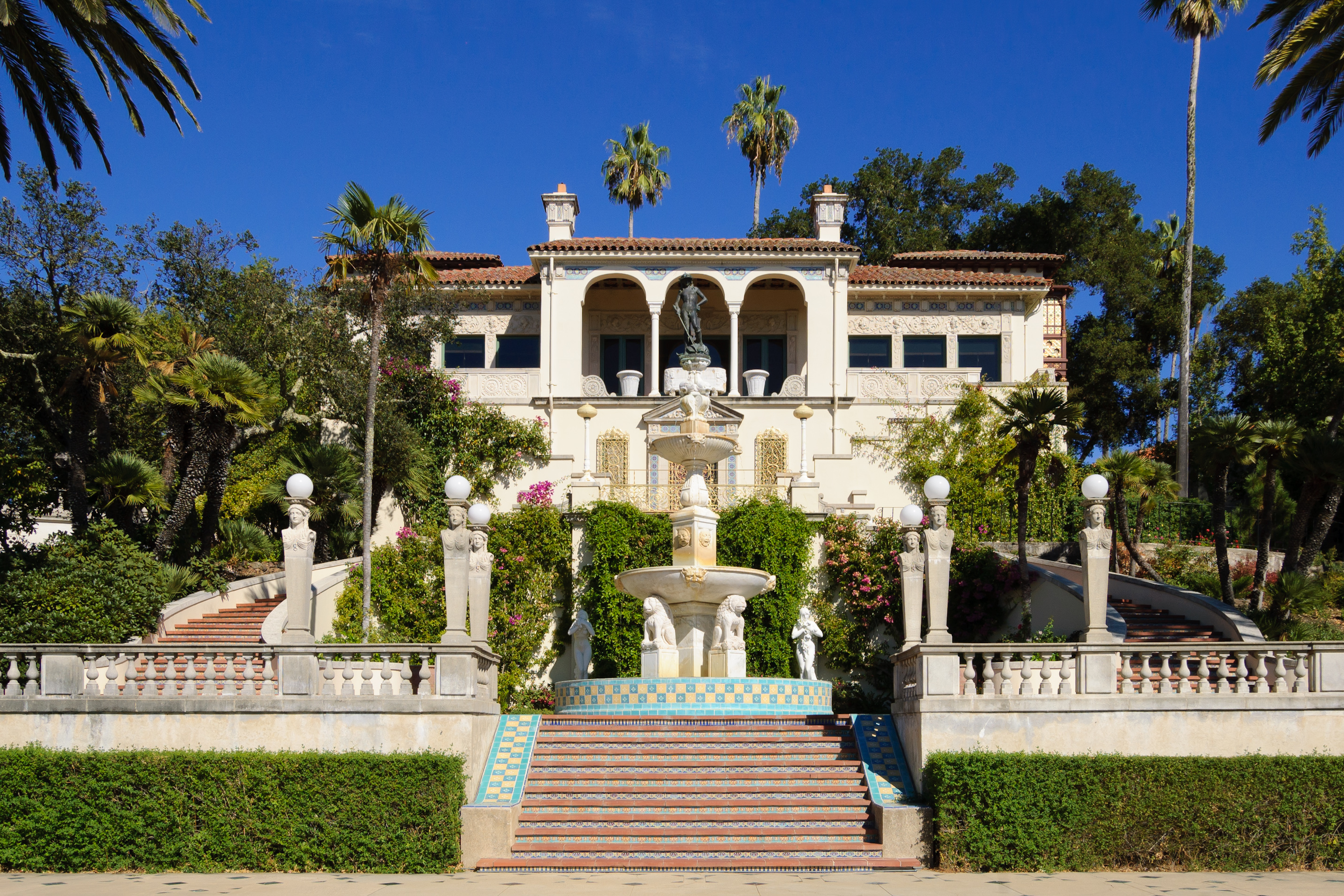
Hearst Castle above San Simeon turns private ambition into a public walk-through, with ocean air drifting through rooms packed with tapestries, carved ceilings, imported stone, and art collected to overwhelm on purpose. Guided routes shift the emphasis depending on the day, but the effect stays the same: a host’s instinct for spectacle, built to impress famous weekend guests and keep conversation moving from cocktails to midnight. Between interiors, terraces and pools reset the mood, and the light off the Pacific softens the scale just enough to make the extravagance feel strangely livable even when it borders on unreal here.
The Mark Twain House, Hartford’s Gilded Age Wit
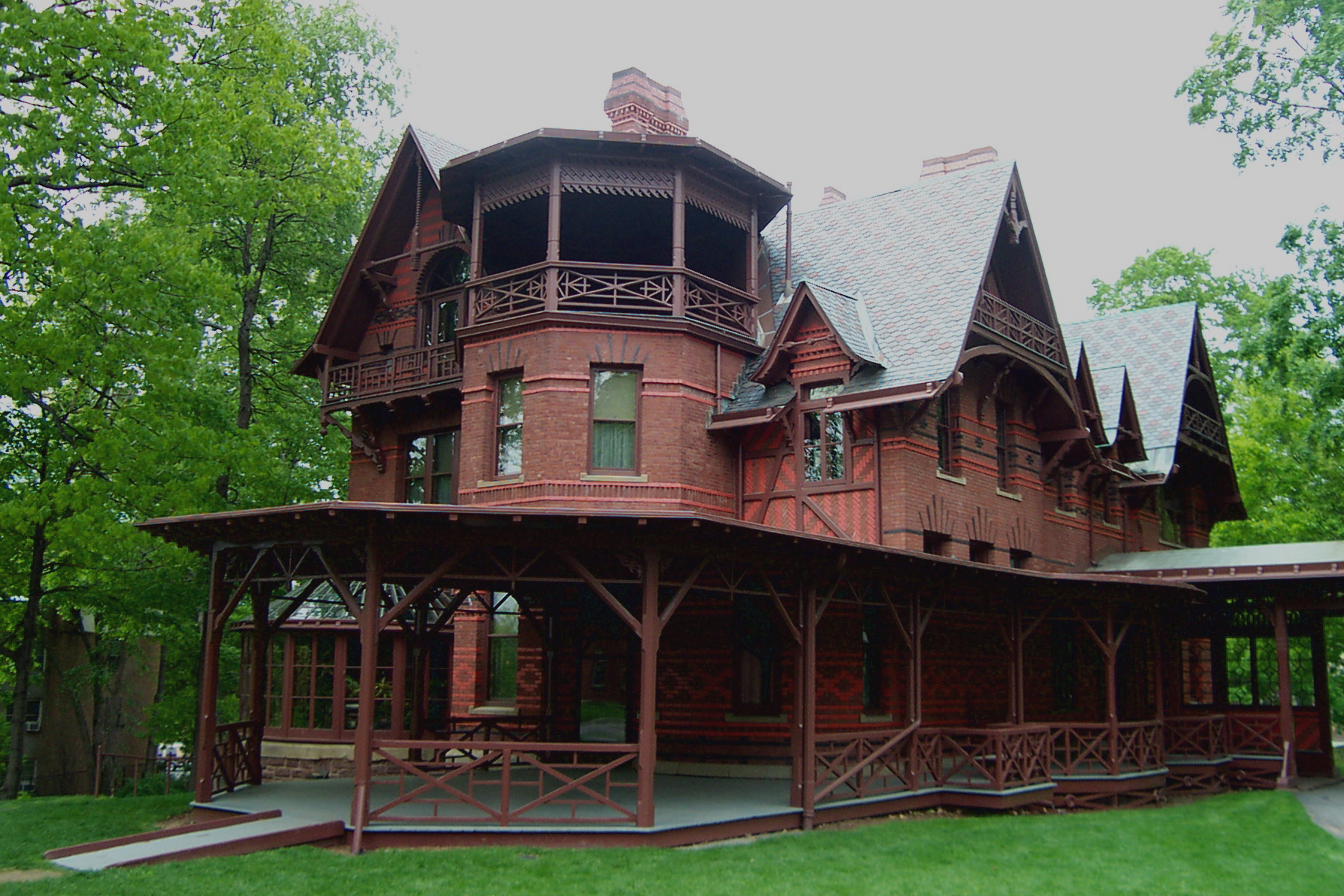
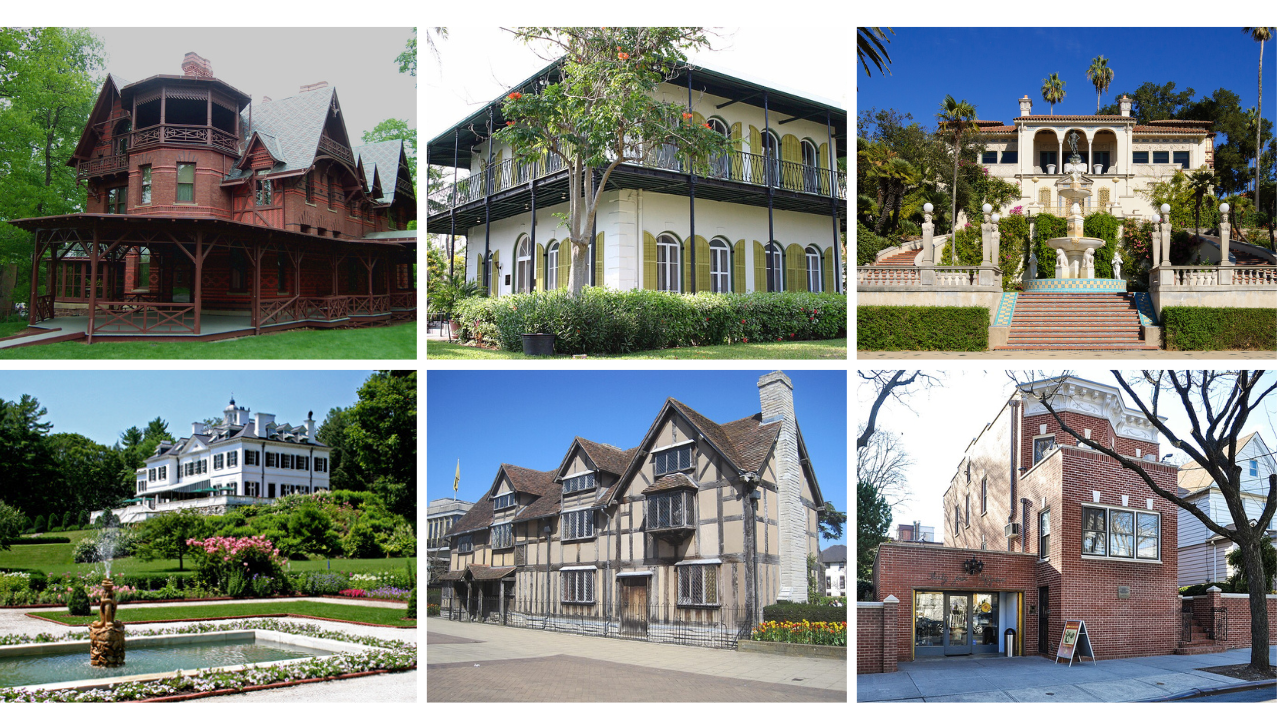
The Mark Twain House in Hartford looks playful from the street, all sharp angles and dark wood, but the tour quickly turns into a lesson on craft, pressure, and performance offstage. This is where Samuel Clemens wrote major work, and guides connect room design to daily habits, money worries, family dynamics, and the constant parade of guests who treated the place like a salon, expecting stories as readily as supper. Because tours are guided, the mansion never becomes a photo loop; it stays a narrative about discipline, deadlines, and humor sharpened into prose, with each room showing how a public voice was built in private.
The Ernest Hemingway Home, Key West’s Literary Hideout
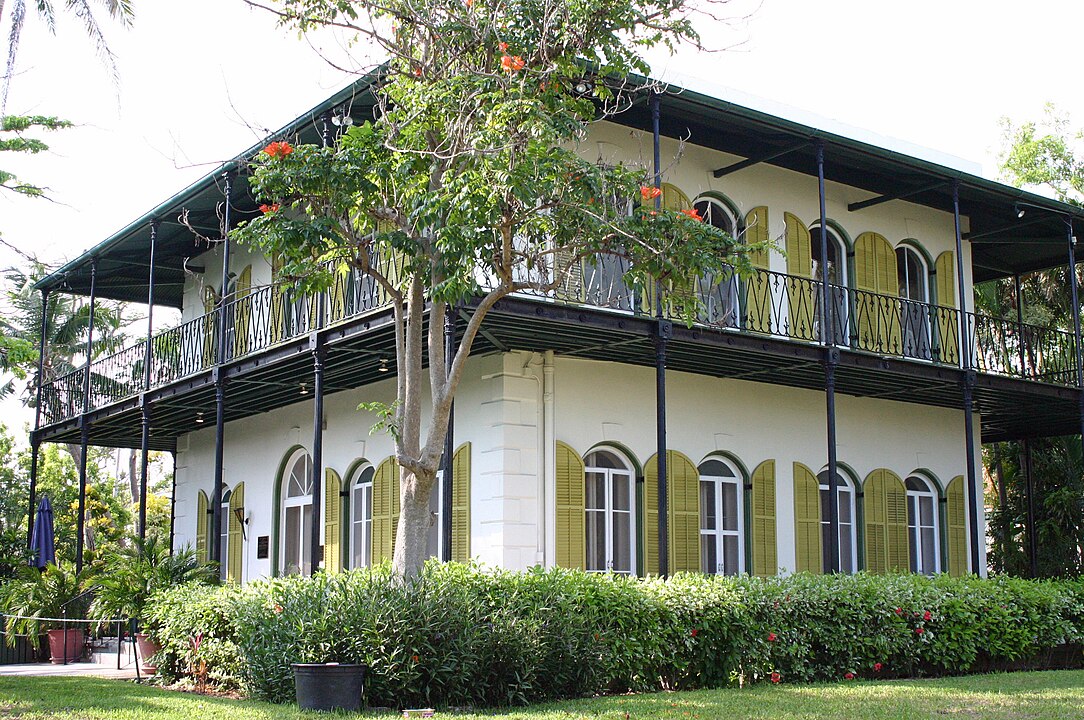
Hemingway’s Key West home balances swagger with shade, using thick walls, breezy rooms, and a courtyard garden that seems designed for cooling down after hard sentences and loud nights. Guides keep the story practical, tracing work rhythms, friendships, and the push-pull between fame and focus, while the resident polydactyl cats sprawl like they own the place, turning legend into something oddly domestic. The house works because it is not grand; it feels like a chosen refuge where confidence met routine, and routine kept the words coming, day after day, until the rooms learned the sound of work without fuss or apology ever.
The Mount, Edith Wharton’s Carefully Made World
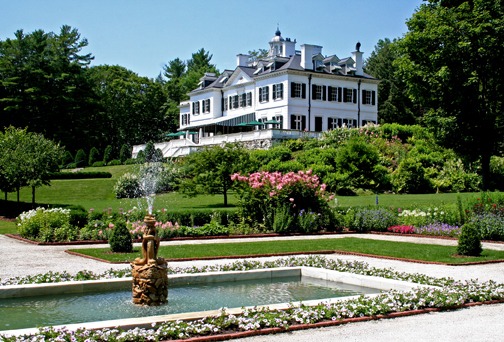
Edith Wharton’s The Mount in Lenox reads like architecture with an editor’s eye, where sightlines, light, and movement feel as intentional as paragraph breaks. Docents treat the house as a form of authorship, showing how design decisions shaped hosting, solitude, and the daily concentration required to produce work at scale, with rooms that manage noise, views, and social flow as carefully as dialogue. Outside, terraces and gardens extend the same logic, composed instead of decorative, giving the estate a calm that feels earned, not staged, and quietly modern in its restraint even in winter light and quiet up close too.
Frank Lloyd Wright Home And Studio, Oak Park Origins
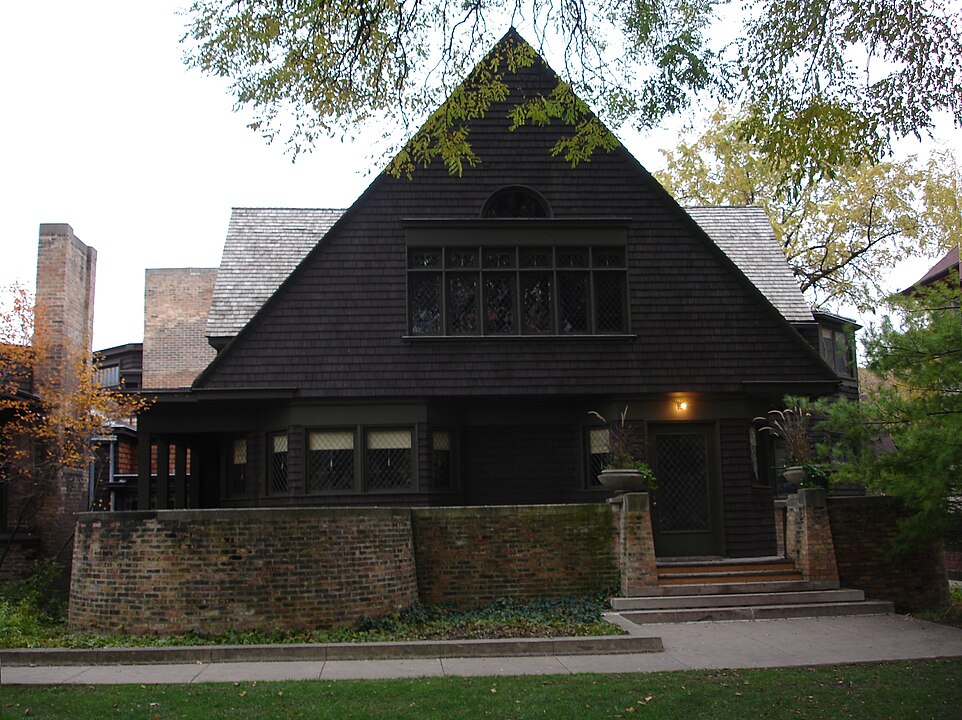
Frank Lloyd Wright’s Home and Studio in Oak Park is where big theories were tested on domestic scale, so the tour feels like watching architecture learn to speak. Guides point out early Prairie moves in real time: compressed entries that open into light, rooms that flow instead of stacking, and details that reject convention while still serving everyday life, then the studio side shows how clients and commissions shaped the experiments. It remains a family house, too, with additions and adjustments that reveal ambition, budget pressure, and restlessness, making the brilliance feel earned, not effortless, in every corner there.
Louis Armstrong House Museum, Queens In Swing Time
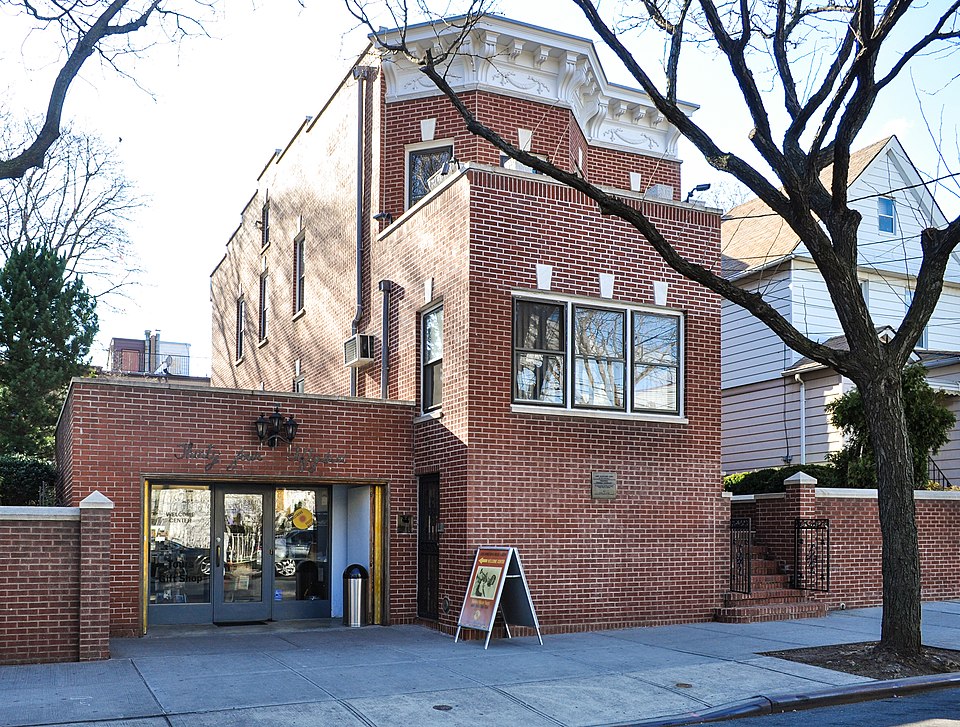
Louis Armstrong’s brick house in Corona, Queens stays refreshingly modest, and that restraint becomes the headline the moment the tour begins. Timed visits move through preserved rooms that frame a life built on hospitality and discipline, from domestic corners to memorabilia that hints at constant travel, then the visitor center deepens the story with recordings, photos, and context that keeps the home from feeling like a relic. The result is intimate without being fragile, a place where swing-era joy and everyday routine sit comfortably in the same chair, still in rhythm with neighbors’ footsteps outside and a horn in memory.
Shakespeare’s Birthplace, Stratford’s Original Stage
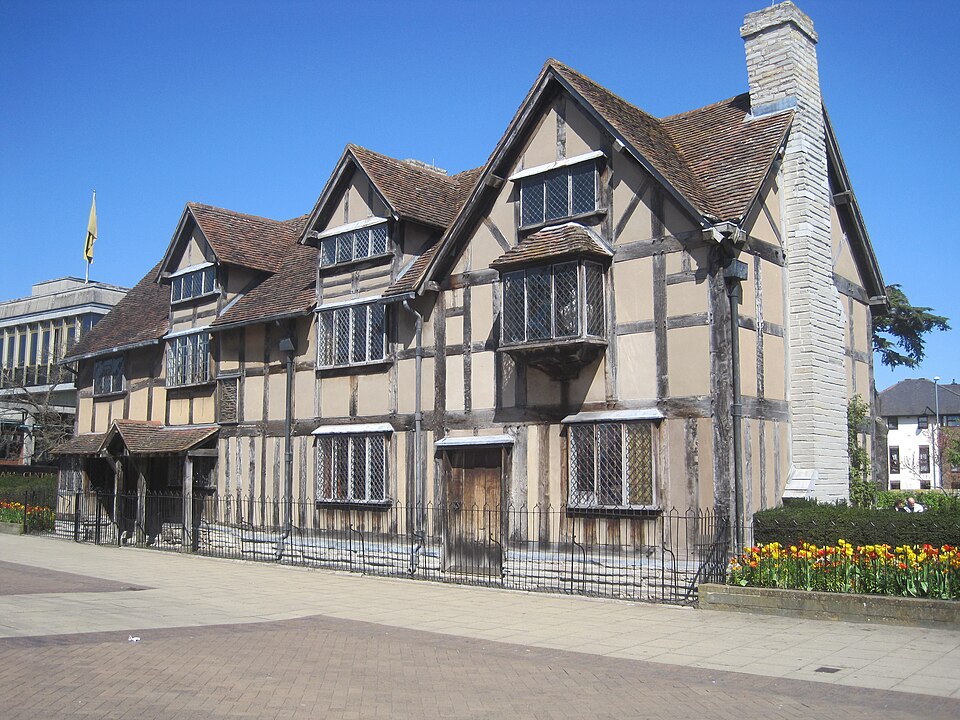
Shakespeare’s Birthplace in Stratford-upon-Avon is not a palace; it is a tight, timber-framed house whose creaking stairs make early fame feel unlikely, which is exactly why it persuades. The rooms and courtyard ground the story in family trade and provincial life, while careful interpretation avoids turning the site into pure reverence, letting the ordinary scale, worn thresholds, and simple domestic layout carry the emotion. Outside, the garden offers a slower beat, and the walkable streets around it keep the past feeling local, as if language could start here again on any quiet afternoon, with no spotlight required at all.
Mozart’s Birthplace, Salzburg In One Yellow Building
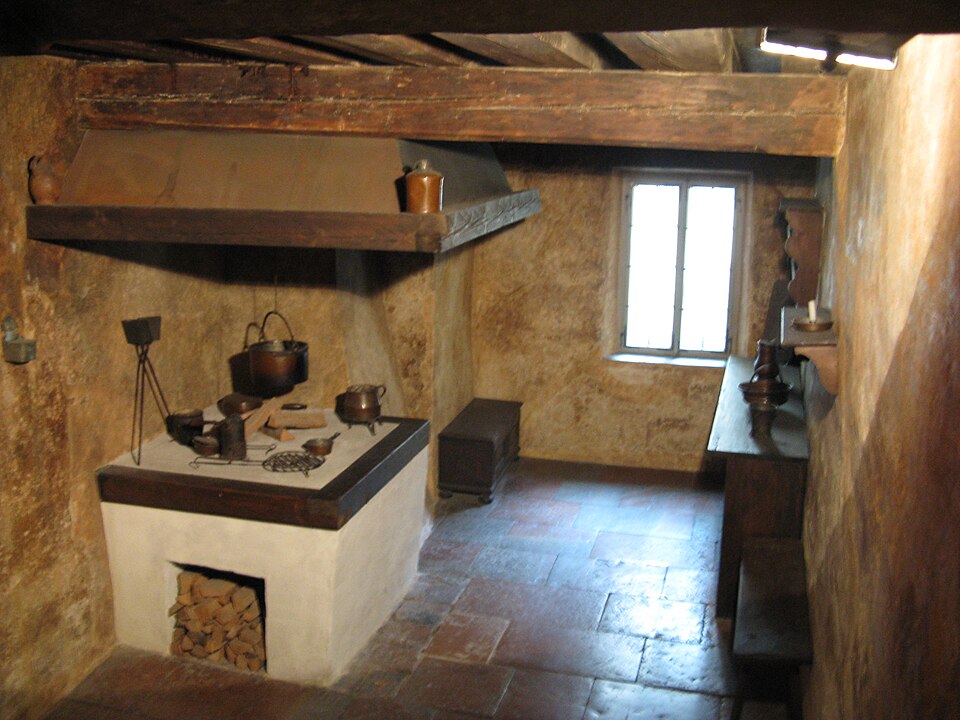
Mozart’s Birthplace on Salzburg’s Getreidegasse looks almost too tidy from the street, but inside it restores the messy reality of talent growing inside a busy household. Exhibits move through original rooms and reconstructed domestic scenes, mixing instruments, letters, portraits, and everyday objects so the eighteenth century feels legible rather than museum-flat, and the family’s constant motion becomes part of the soundtrack. It is a compact visit with a long aftertaste, less about grandeur and more about the conditions that let music take over a life, one small room at a time in the middle of a city lane and keep it moving.
Bob Marley Museum, Kingston’s House Of Sound
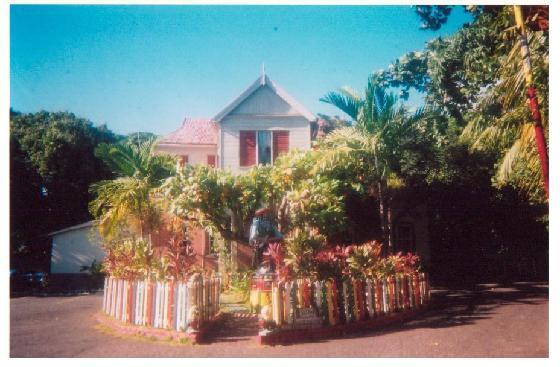
At 56 Hope Road in Kingston, the Bob Marley Museum preserves a working life, not just a legend, with rooms that still feel tuned for writing, meeting, and recording when the day demanded momentum. Guided tours move through the house and exhibits with a rhythm, letting photographs, stage pieces, memorabilia, and the lived-in layout explain how reggae became both message and industry, without forcing the story into worship or tidy morality. The tone stays warm, never fussy, and the meaning lands in small contrasts: quiet corners beside public imagery, simplicity beside fame, and a home that kept its center while the world got louder.