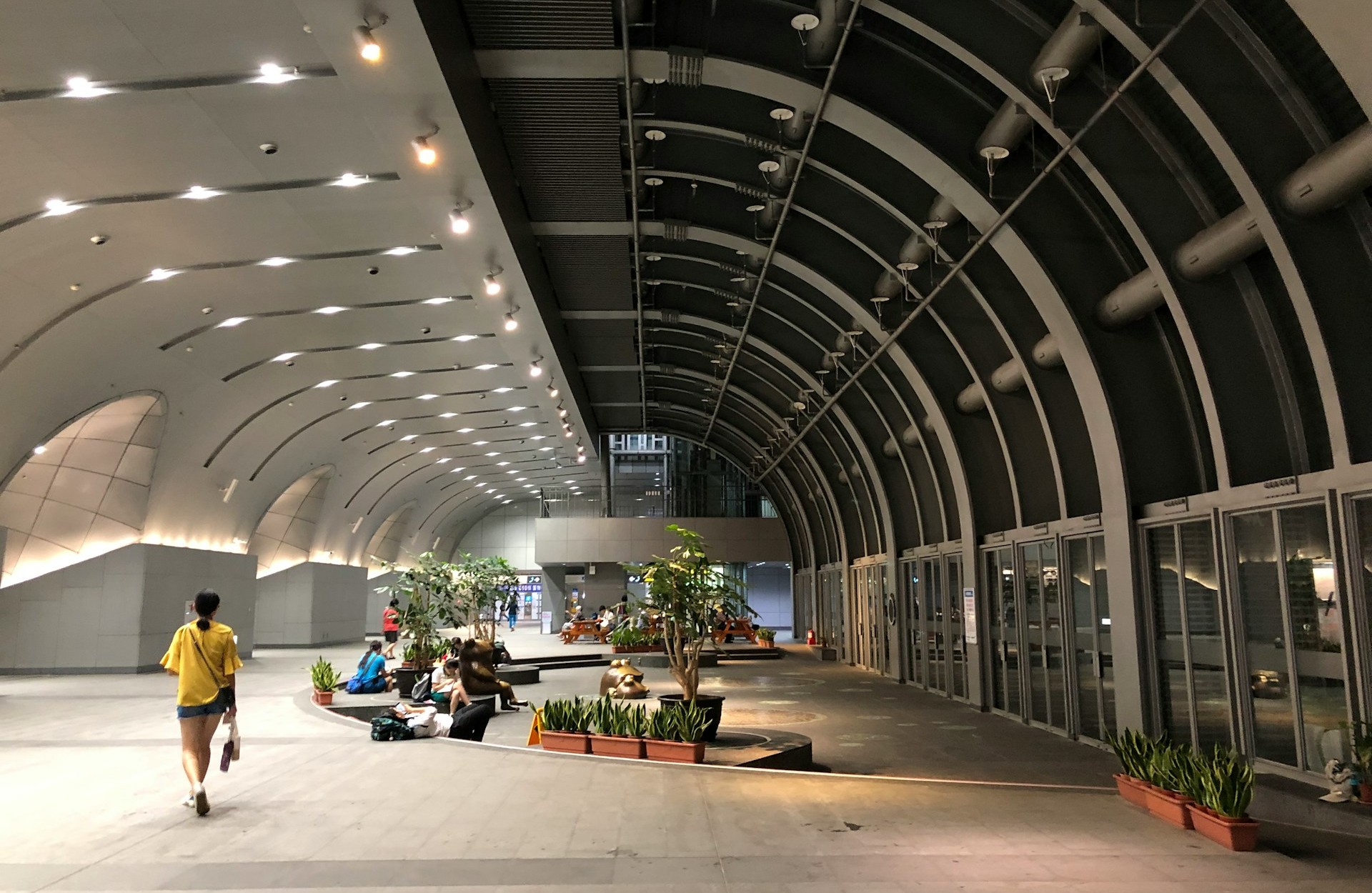
Airports are dressing the wait in softer light, smarter tech, and a stronger sense of occasion. ACI World says global air travel was on track to reach 9.8 billion passengers in 2025, even as its traveler survey found rising expectations for comfort, wellness, and premium experiences. IATA found the same hunger for speed, with most passengers wanting to reach the gate fast and clear formalities before arriving. The result is a terminal that looks calmer and polished, while the emotional math of a long connection often feels tighter than ever, especially once walking distances and crowded holding spaces start pressing in.
Biometric Boarding Feels Sleek Until the Line Stalls
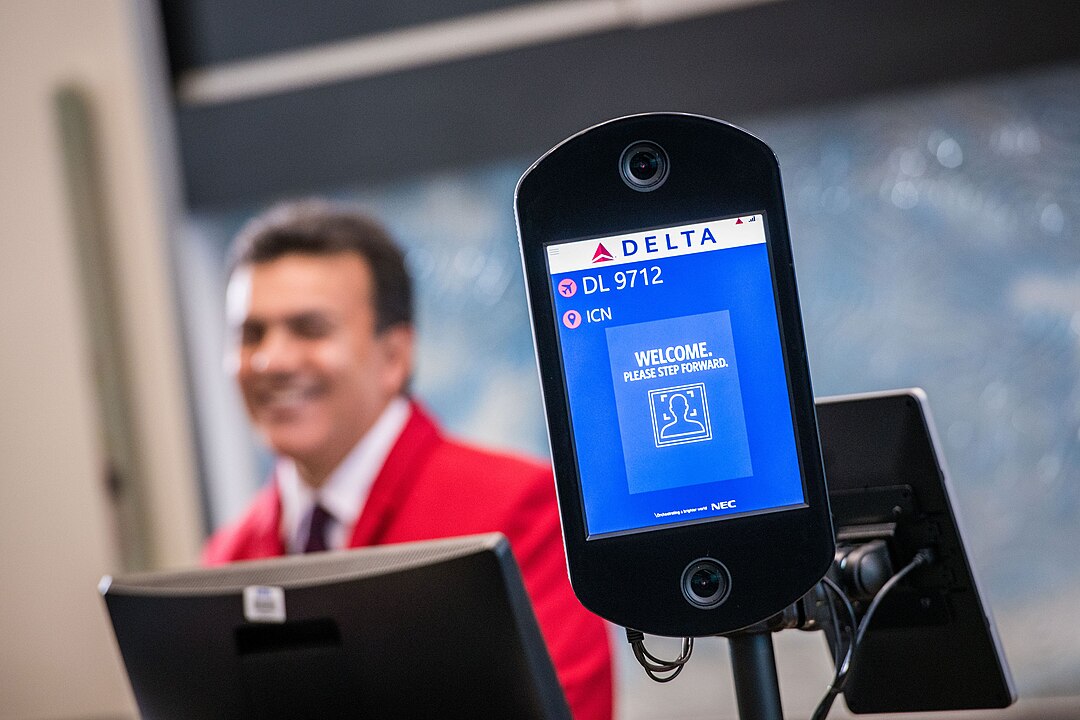
Biometric boarding sells a kind of frictionless glamour. IATA says travelers are increasingly open to biometrics, and TSA is evaluating facial comparison technology while accepting digital IDs through select wallet and state app platforms. On paper, that feels like the elegant future airports have been advertising.
When it works, the process can feel almost invisible. When a checkpoint stalls, a document needs second look, or a traveler gets routed into a mixed line, the spell breaks fast. The stress does not disappear because the camera replaced a paper handoff. It changes shape, becoming quieter, more technical, and still urgent.
Automated Security Lanes Still Cannot Fix Time Pressure
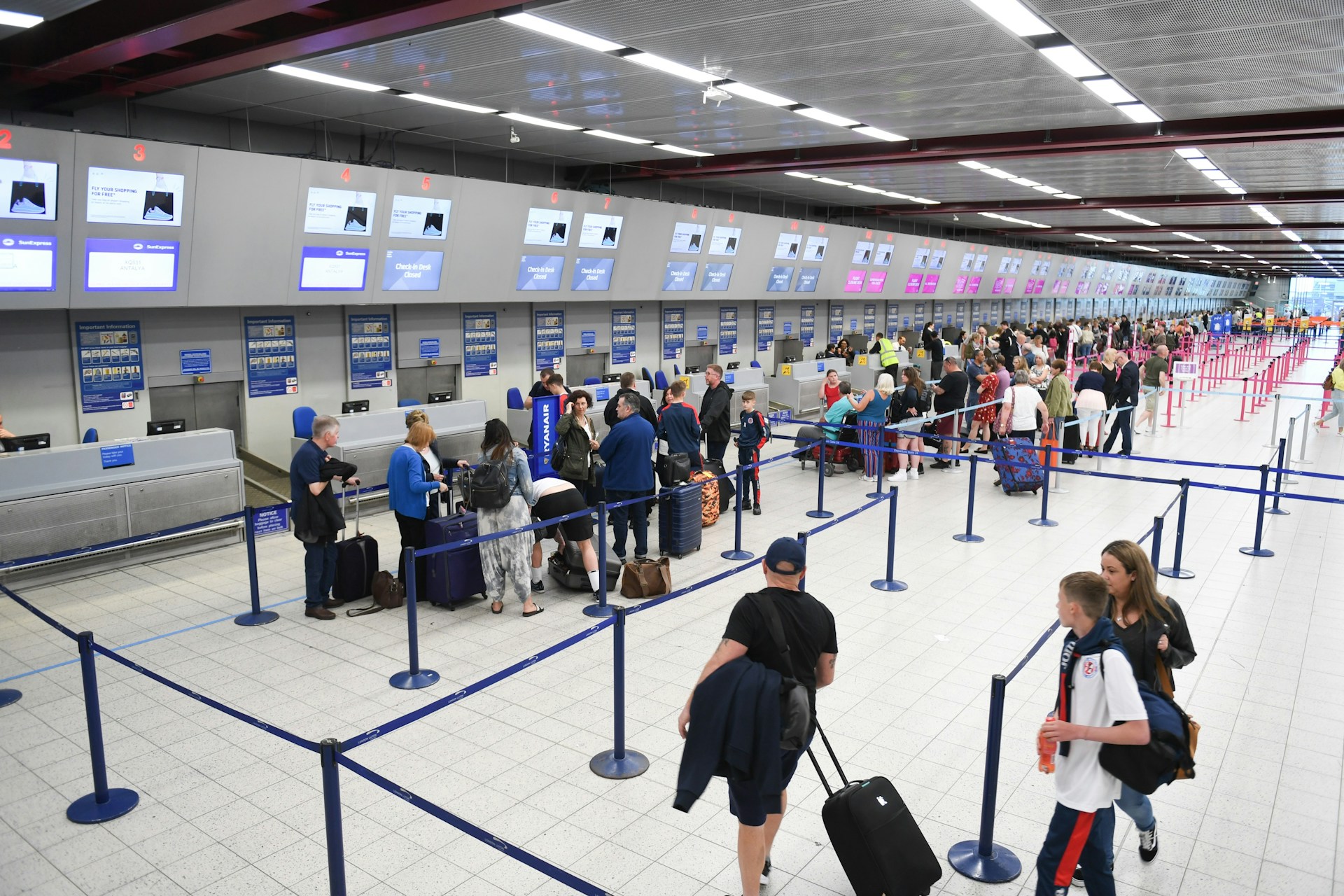
Automated screening lanes and CT scanners promise order travelers associate with better airports: fewer tray pileups, less fumbling, a steadier pace. TSA has been installing automated screening lanes with computed tomography, and IATA says most passengers still judge the airport by how quickly they can reach the gate.
That matters. A faster tray belt may help for a few minutes, but it does not fix pressure from late arrivals, long walks, or a connection that was already too tight. The machine can modernize the checkpoint, yet the body still feels the old rush, shoulder to shoulder with everyone else trying to buy back time.
Lounge Access Looks Luxurious but Feels More Controlled
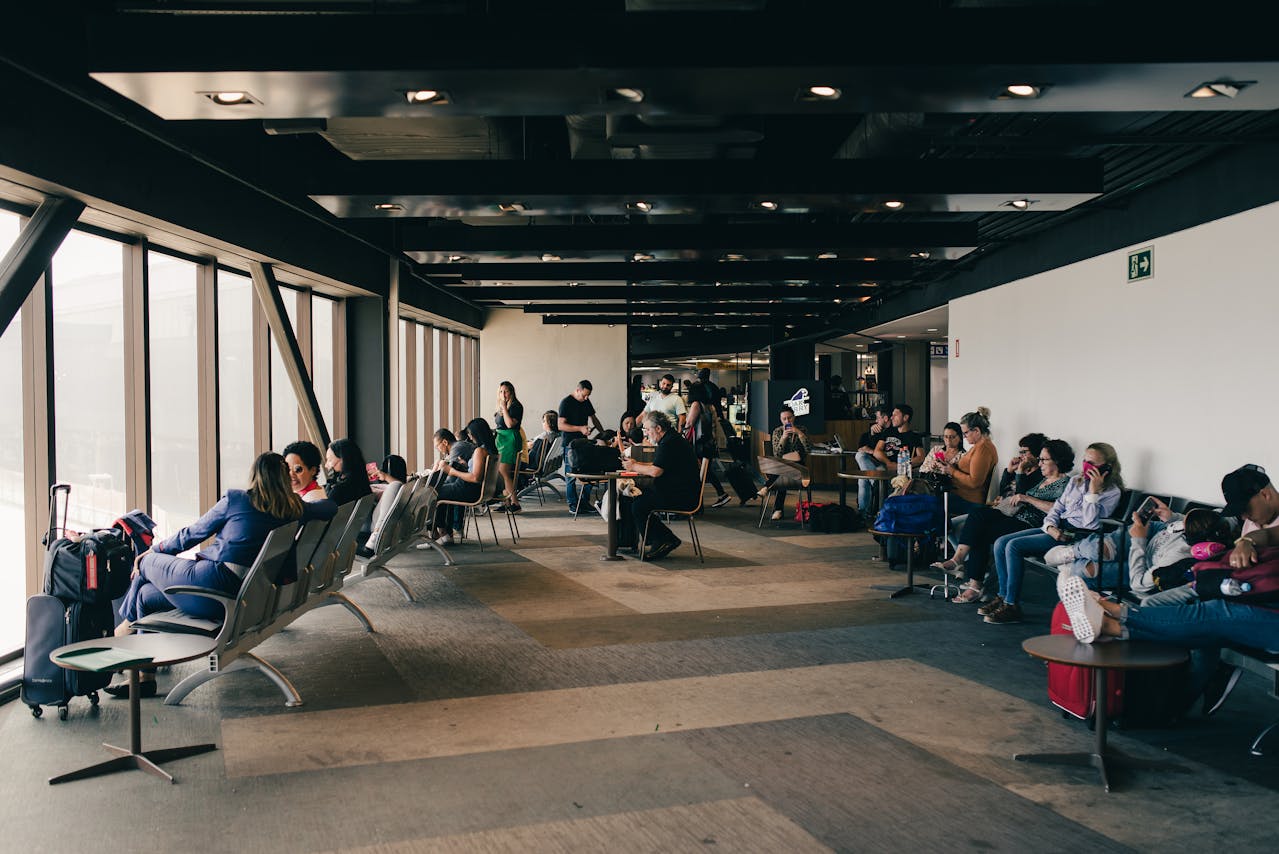
The modern lounge has become an airport symbol of glamour. ACI says travelers increasingly expect premium experiences, yet Delta’s Sky Club rules show how strained that demand has become: eligible Reserve cardholders get 15 visits a year unless they meet a high spending threshold, and basic economy tickets do not qualify.
That tells the story better than any marble counter or cocktail. Lounges still offer calm, but the calm is rationed, timed, and filtered because too many people want the same refuge at once. For a long layover, the velvet-rope version of comfort can heighten stress almost as much as the crowded concourse outside.
Sleep Pods Sell Rest by the Hour, Not Relief
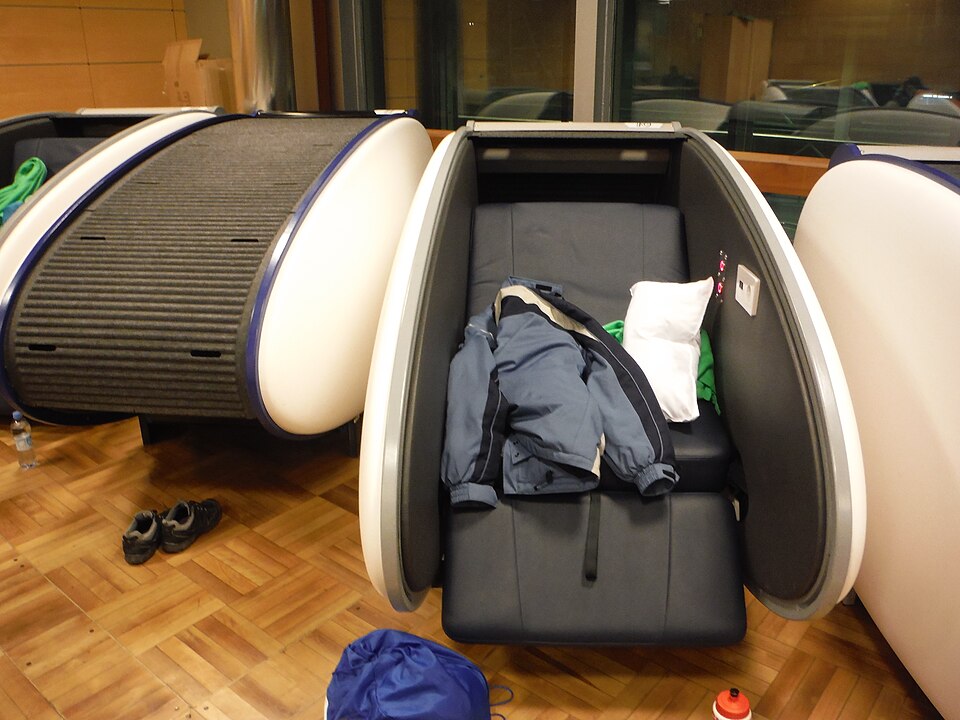
Sleep pods and in-terminal hotels package rest as sleek airport luxury. Hamad International offers Sleepover pods from two-hour naps to full-night stays, plus quiet rooms across the terminal, while SFO promotes the Grand Hyatt at SFO as its on-airport luxury hotel with AirTrain access. The idea is simple: exhaustion can be solved beautifully.
Sometimes it can. But layover stress does not come only from tiredness; it comes from cost, uncertainty, and fear of missing the next leg. Even a pod can feel less like indulgence than an hourly truce with fatigue, bought inside a place that never really stops asking travelers to stay alert.
Smart Maps Help, but They Cannot Shrink the Airport

Interactive maps and virtual queue tools suggest airports can choreograph every step of a connection. SFO offers a map, JFK offers interactive maps, and Terminal 4 at JFK lets passengers reserve a TSA time slot during limited morning hours. The terminal begins to feel less like a maze and more like a managed itinerary.
But the map cannot shorten a terminal, and the reservation window cannot cover every traveler or every hour. JFK also notes that many connecting passengers still need to clear TSA again after changing terminals. Digital guidance is useful, yet it often works as reassurance around friction rather than escape from it.
Quiet Rooms Reveal How Loud the System Still Feels
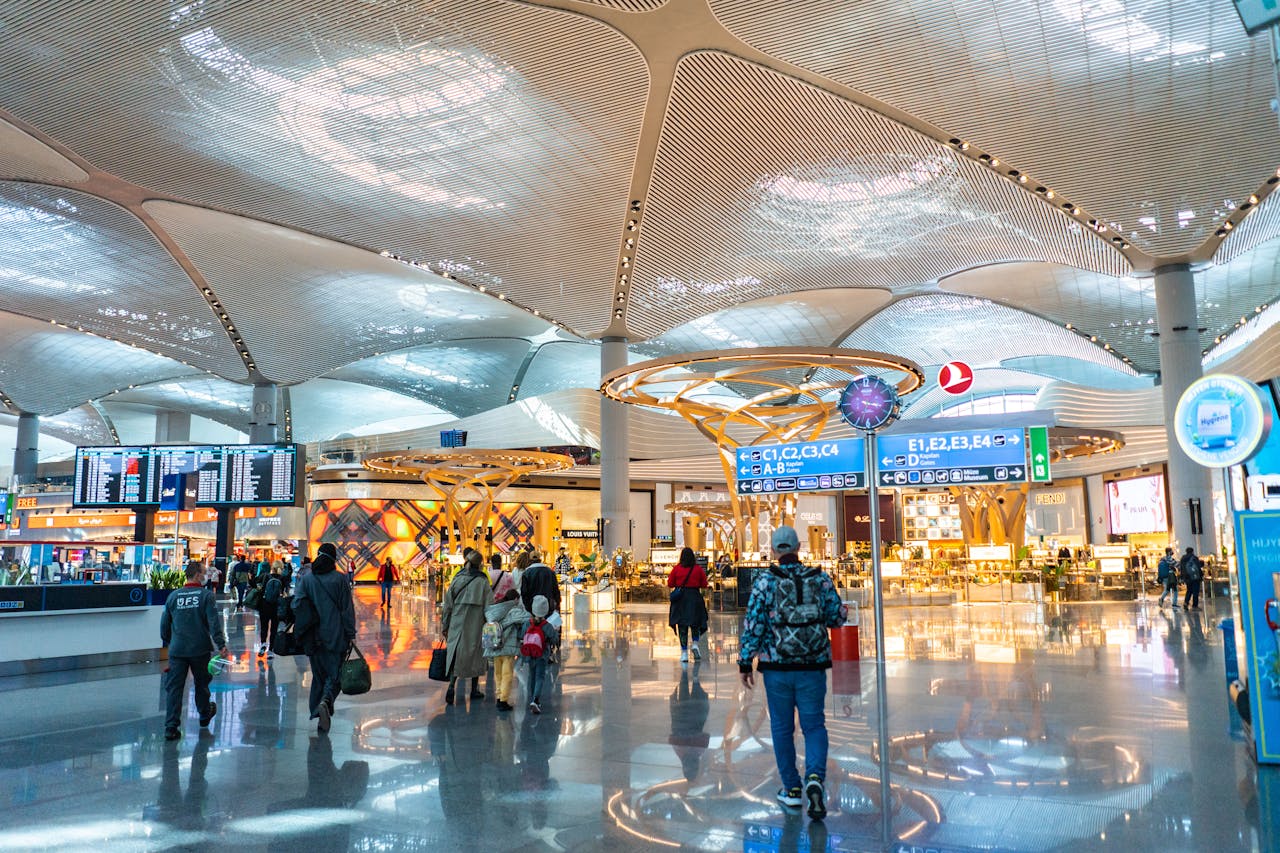
Wellness rooms are among the most humane airport changes. SFO’s sensory room was designed for neurodivergent travelers and families, with interactive features meant to ease pre-flight anxiety, while Hamad’s quiet rooms offer recliners for rest. These spaces answer a need inside a loud system.
Yet their usefulness reveals the strain outside their doors. A quiet room matters because the wider terminal is overstimulating. A sensory room matters because modern air travel can still overload the senses before boarding begins. The innovation is valuable, but it also admits that the baseline experience remains hard on the nervous system.
Artful Terminals Add Beauty, Not Certainty
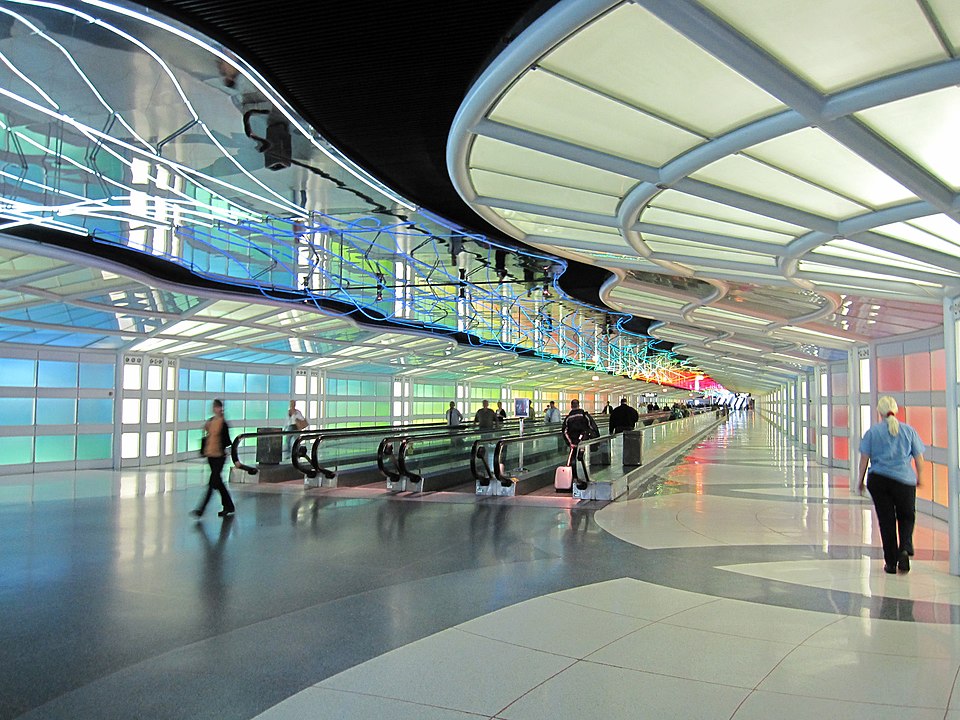
Airport design now leans into cultural calm. SFO Museum presents roughly 40 exhibitions a year across the terminals, and Hamad’s Orchard pairs indoor greenery, luxury retail, and digital displays to make transit feel almost destination-like. The mood is curated to suggest that time waiting can feel elevated.
It helps, but only to a point. Art cannot settle a delayed departure, and a garden cannot make an uncertain connection feel secure. These spaces offer dignity during the wait, which matters more than cynics admit. Still, a beautiful terminal cannot disguise the fact that many layovers remain long exercises in suspended control.