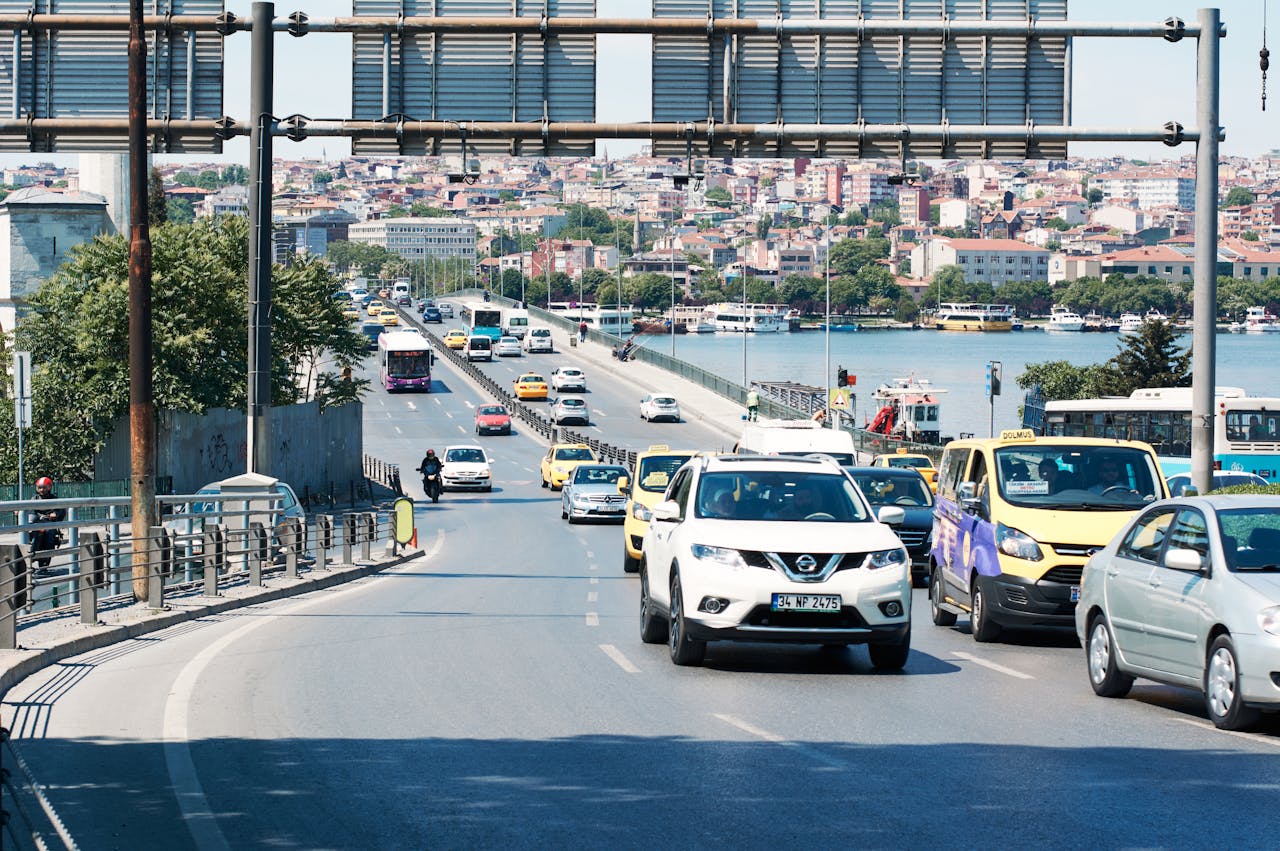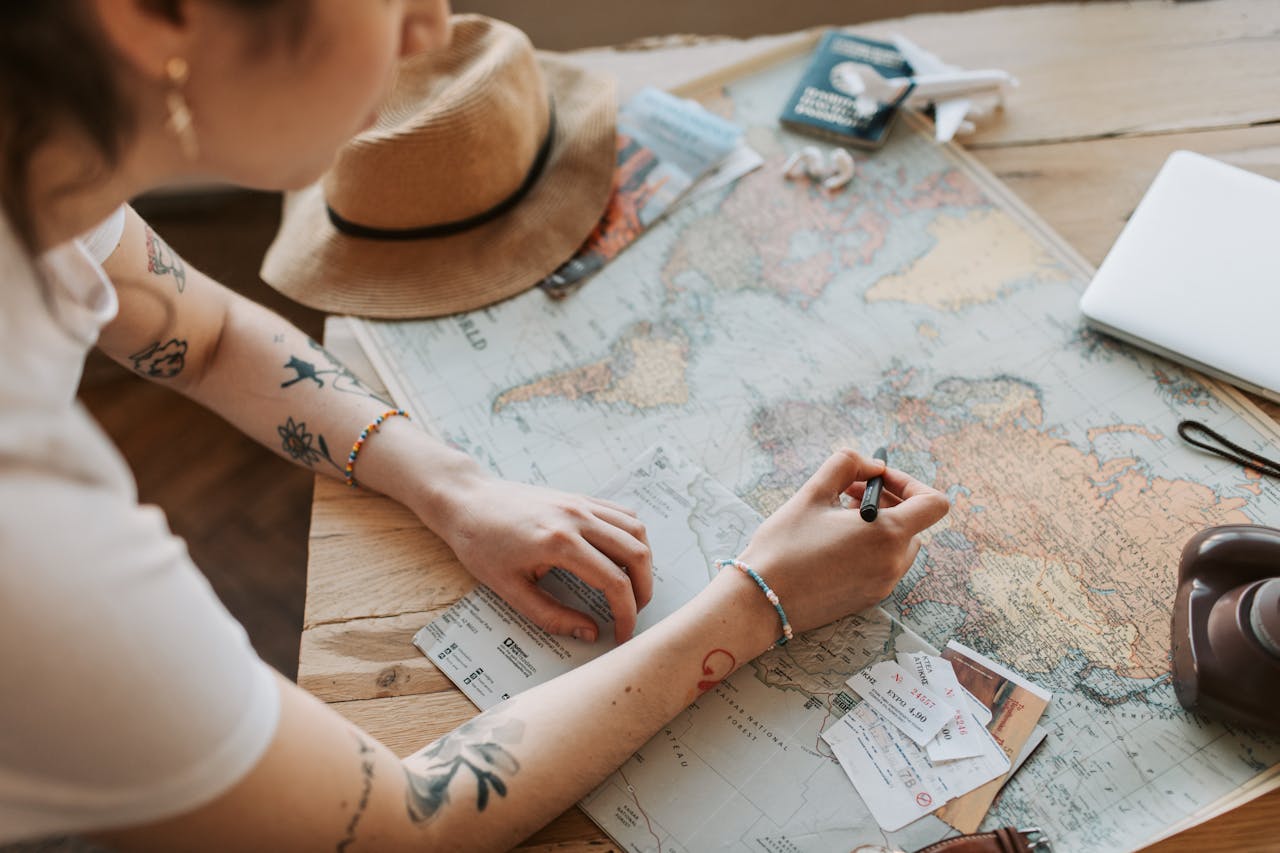
Something is shifting in the way people talk about travel. The old brag of stamp-filled passports is giving way to quieter stories: a favorite bakery remembered by name, a park bench claimed at the same hour each day, a city understood by its ordinary rhythms. Slow travel is not a rejection of ambition so much as a recalibration of what feels rich. With crowds swelling, prices rising, and attention stretched thin, many travelers are choosing fewer moves and longer stays. The reward is not just comfort. It is a deeper sense of place, and a trip that lingers after the suitcase is unpacked. In every season, the pace slows, and small choices start to feel like the real itinerary.
Time Feels Like a Luxury Again
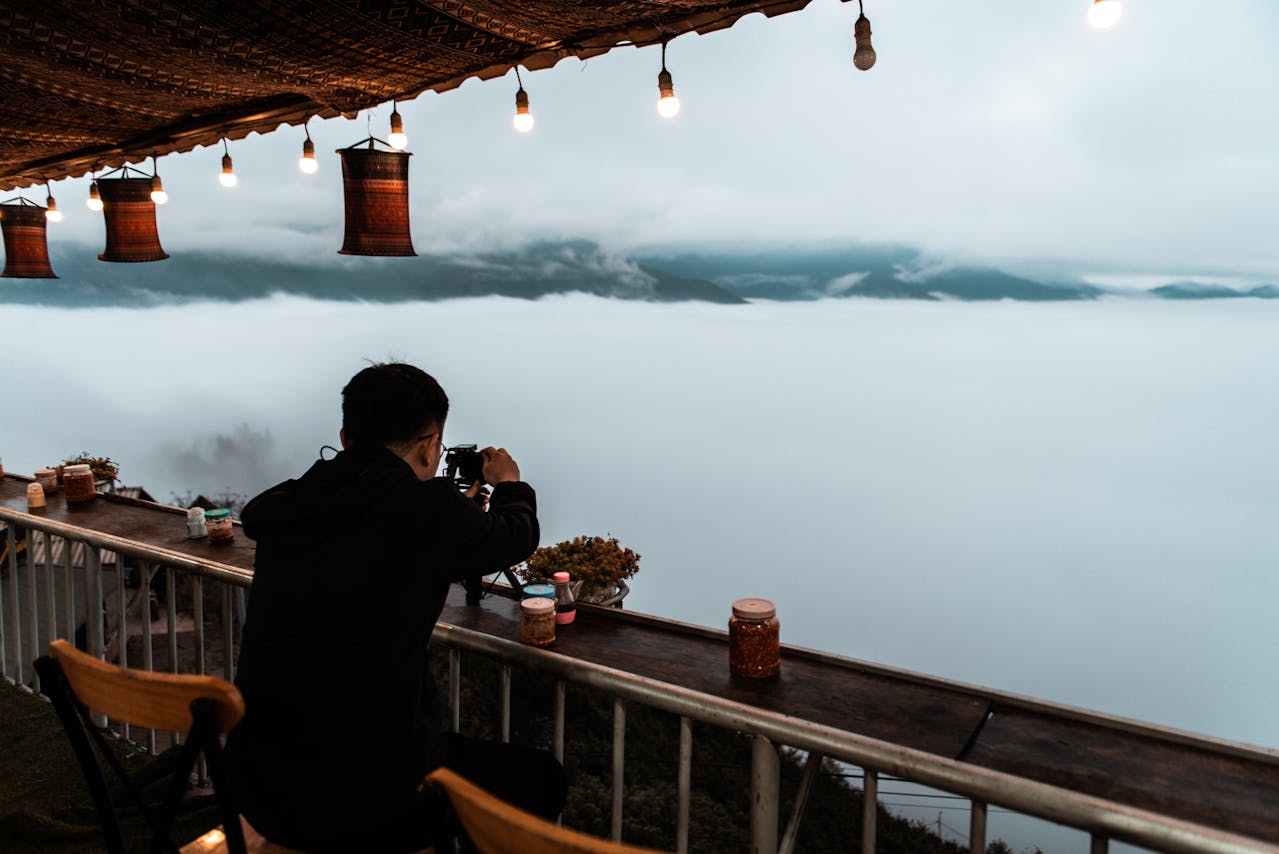
Slow travel treats time as the main currency, not a constraint to outrun. When fewer check-ins, connections, and packing cycles sit on the calendar, days stop being chopped into attractions, queues, and transit apps, and the must-see anxiety loses its grip. That extra margin makes room for jet lag to fade, for laundry and long lunches to happen without guilt, and for the quiet relief of returning to the same corner café, learning the barista’s cadence, noticing the light on familiar streets, and feeling the neighborhood settle into something recognizable by day three, then, for once, walking home without a map again.
Familiarity Turns Into a Kind of Belonging
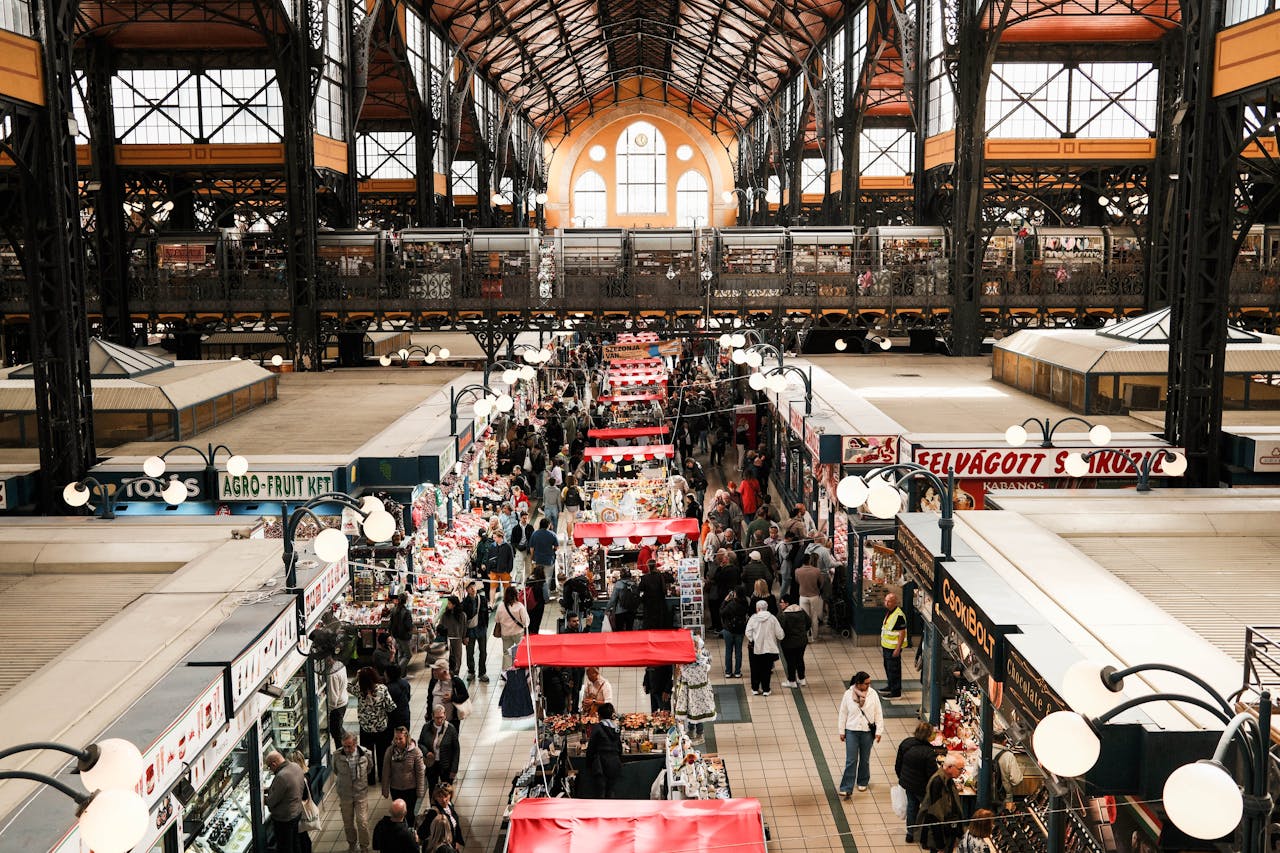
A longer stay allows a place to be understood beyond its highlights, because routines reveal what postcards hide. Repetition turns strangers into familiar faces: the grocer who saves the ripest fruit, the museum guard who nods at 10 a.m., the café owner who remembers an order, and the neighbor who points toward a weekday market instead of the crowded square. With that steady contact comes language practice, calmer navigation, and the chance to follow local events like a concert in a school courtyard or a temple festival, so the city’s real pace shows itself in small, ordinary moments that feel earned, not staged.
Overcrowded Places Reward Fewer Moves
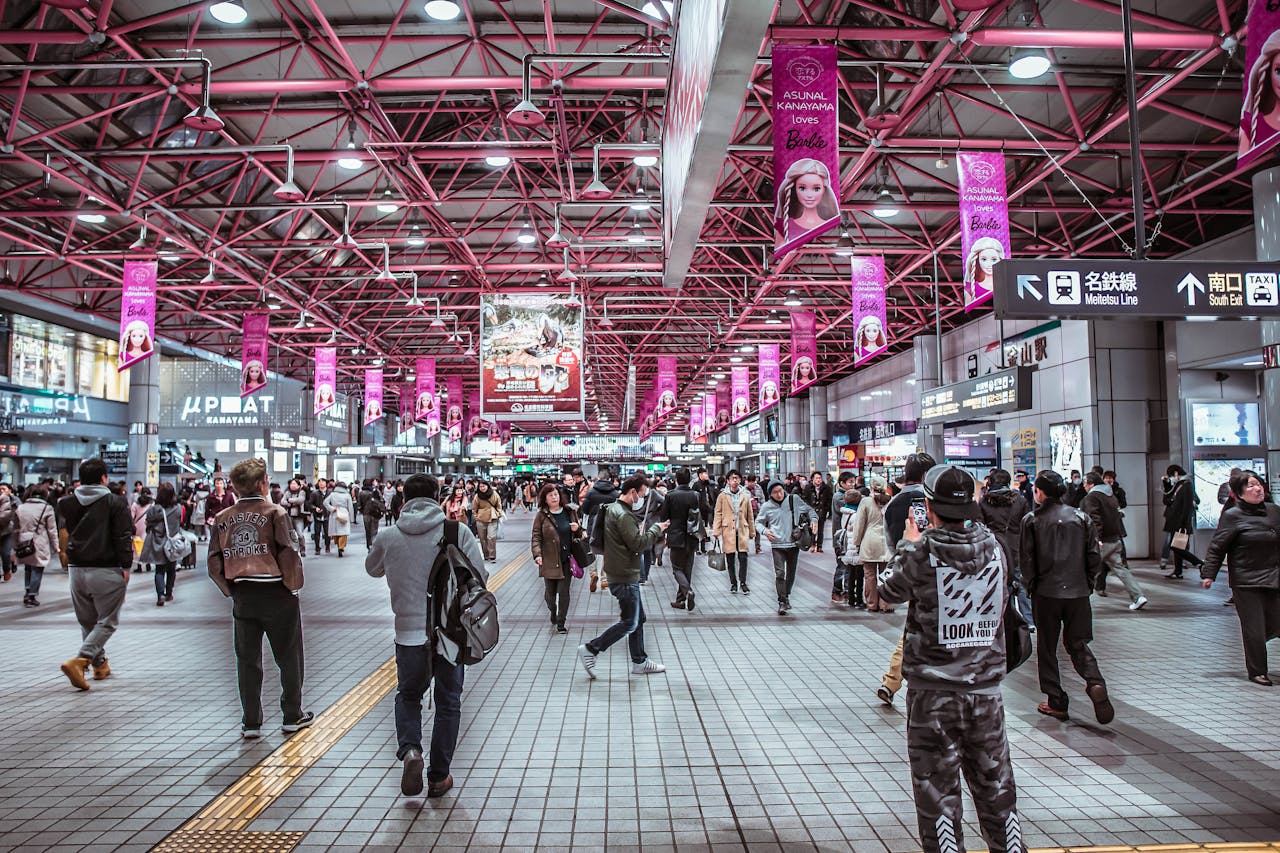
Slow travel fits an era when destinations are managing crowds with timed tickets, tourism taxes, and pressure on housing. By cutting down on flights, transfers, and one-night stays, travelers dodge a pile of baggage fees and check-in costs, reduce waste, and often choose trains or buses because the schedule finally allows it. The economic impact changes, too: longer visitors buy groceries, use laundries and pharmacies, tip the same servers twice, and wander beyond the souvenir strip, spreading money into everyday streets instead of concentrating it in a single frantic weekend. It gives hosts more breathing room, too.
Rest Becomes Part of the Itinerary

Many travelers are chasing a different souvenir now: steadier attention. Slow days leave room for reading on a balcony, cooking a simple meal, or sitting through a rainstorm without hunting for a backup plan, and those pauses ease the screen-bright mindset that follows modern life everywhere; sleep resets, and conversations stretch past the first polite question. With less pressure to document and optimize, sensory memory takes over: shutters clacking at dawn, bread scent drifting down a side street, a familiar route becoming comforting, and joy arriving quietly, then lingering long after the return home for weeks.
Flexibility Wins in an Unpredictable World
Slow travel suits a world that has become harder to forecast, from heat waves to transit strikes and sudden closures. Instead of pinning the experience to a fragile chain of flights and hotel check-ins, a longer base reduces the number of failure points and leaves room to adapt without panic. It also aligns with remote work and longer rentals, where a city can be explored in layers: day trips instead of cross-country leaps, a new neighborhood instead of a new country, and a trip that stays coherent even when plans shift, turning disruptions into detours, not disasters, and keeping curiosity intact for everyone involved.