In the 1970s, certain foods felt permanent, stamped into family routines by habit, advertising, and the convenience boom. Then laws arrived, sometimes after new science, sometimes after public pressure, sometimes after a species or a community could not absorb one more loss. What vanished was rarely food in the abstract. It was a specific formula, a particular color, an ingredient tied to wildlife, or a tradition that depended on a loophole. Manufacturers reformulated, restaurants rewrote menus, and shoppers adjusted without always knowing why the flavor had shifted. Decades later, those disappearances read like small historical markers, showing how regulation can change what people crave, what they trust, and what they leave behind. The pantry kept moving, quietly, year by year.
Cyclamate-Sweetened Diet Sodas and Desserts

In the early 1970s, diet sodas and gelatin desserts leaned on cyclamate for a sweetness that felt smooth, rounded, and noticeably less harsh than other low-calorie options of the era. It blended easily with citrus and cola, helping diet drinks taste closer to their full-sugar counterparts. When U.S. regulators removed cyclamate from the food supply, brands rushed to reformulate, and the shift moved quickly through lunchboxes, soda fountains, and diner coolers. Labels changed with little explanation, and many shoppers noticed only after the first sip. New sweetener blends kept calorie counts and health claims intact, but the softer flavor vanished, leaving a sharper aftertaste that signaled something familiar had quietly ended.
Foods Tinted With Red Dye No. 2

Pink drinks, candy shells, and strawberry-looking fillings relied on Red Dye No. 2 for a bold, party-bowl brightness that made bargain treats look confident and consistent, even when fruit content was mostly imagination. After the dye was banned in the mid-1970s, the change was obvious on shelves: fruit punches dulled, bakery icing shifted tone, and manufacturers tested substitute reds that wouldn’t brown in heat or fade in sunlight. Recipes stayed familiar, but the visuals changed the experience, and many households swore the flavor changed, too, because color sets expectations before the first sip and bite for good.
Sea Turtle Soup

In some coastal circles, sea turtle soup carried old-fashioned prestige, served as if wildlife were simply another ingredient to claim and celebrate on special occasions, especially in places that tied it to heritage and ceremony. Stronger species protections in the 1970s made capturing and selling sea turtles illegal, and the supply chain that once supported it dried up quickly, so the dish slipped from celebration into cautionary tale. “Mock turtle” recipes lived on with veal or beef, but the original bowl became something older relatives remembered, not a specialty a kitchen could legally source, and even longtime servers learned to redirect customers without starting an argument.
Whale Meat and Whale Oil Products
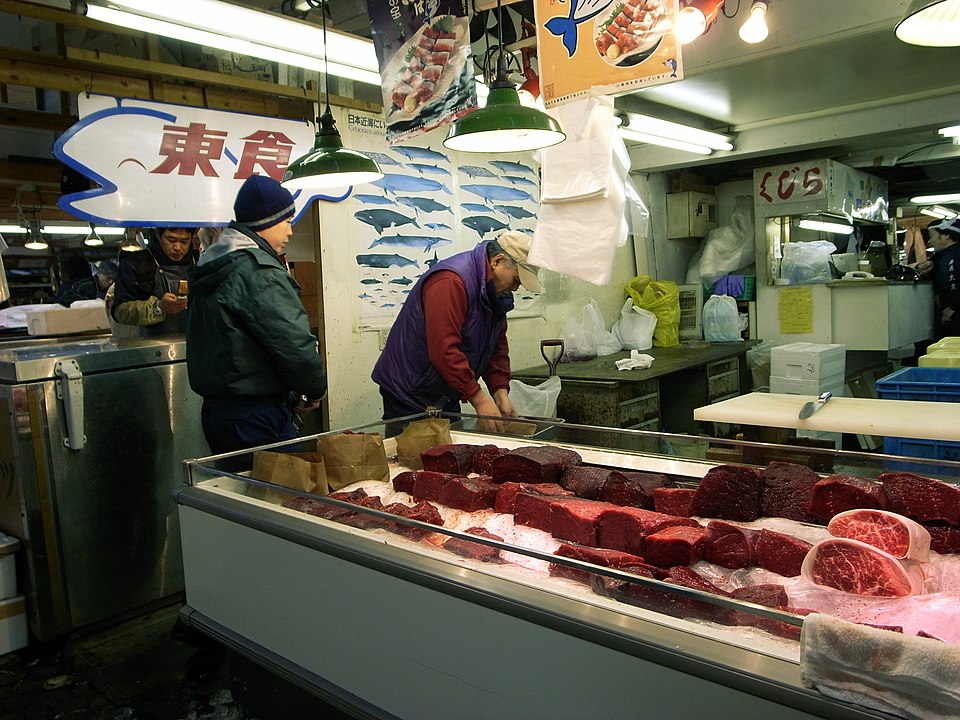
The 1970s still held traces of a whaling pantry: specialty imports and regional habits that treated whales as food and framed the ocean as a storehouse, from steaks to oils used in certain products. As U.S. marine-mammal protections tightened, commercial taking and trade became unlawful, and distributors stopped treating whale products as routine inventory, and specialty shops stopped stocking it because demand suddenly felt risky. Alternatives filled the practical gap, but the deeper shift was cultural, as whale products moved from niche curiosity to something many diners could not imagine choosing, even if some people still remembered it as ordinary.
Shark Fin Soup in Key U.S. Markets
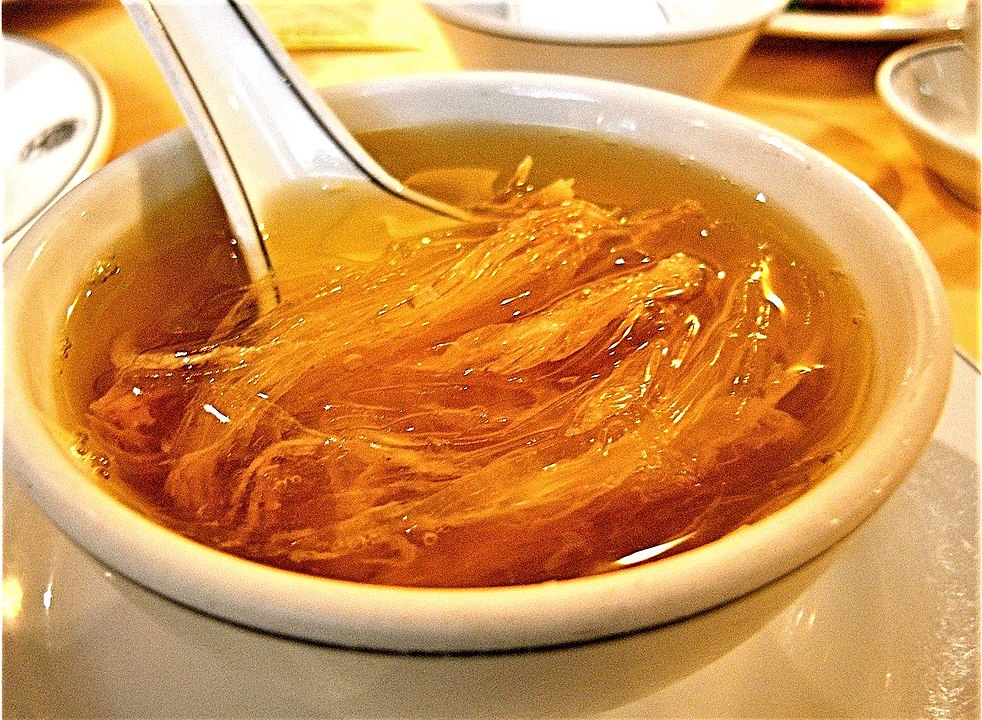
For banquets, shark fin soup once signaled status and tradition, prized for its slippery texture and the message it sent, more than for taste. As U.S. states began banning possession and sale of shark fins, sourcing turned risky, suppliers thinned out, and many kitchens dropped the dish rather than gamble on enforcement, supply, or reputational fallout at weddings and corporate dinners, where menus are remembered. Chefs preserved the ceremony with gelatinous stand-ins and fin-style soups, but the real centerpiece kept fading from major markets, replaced by symbolism and safer signatures that still felt celebratory.
Foie Gras in California Dining Rooms
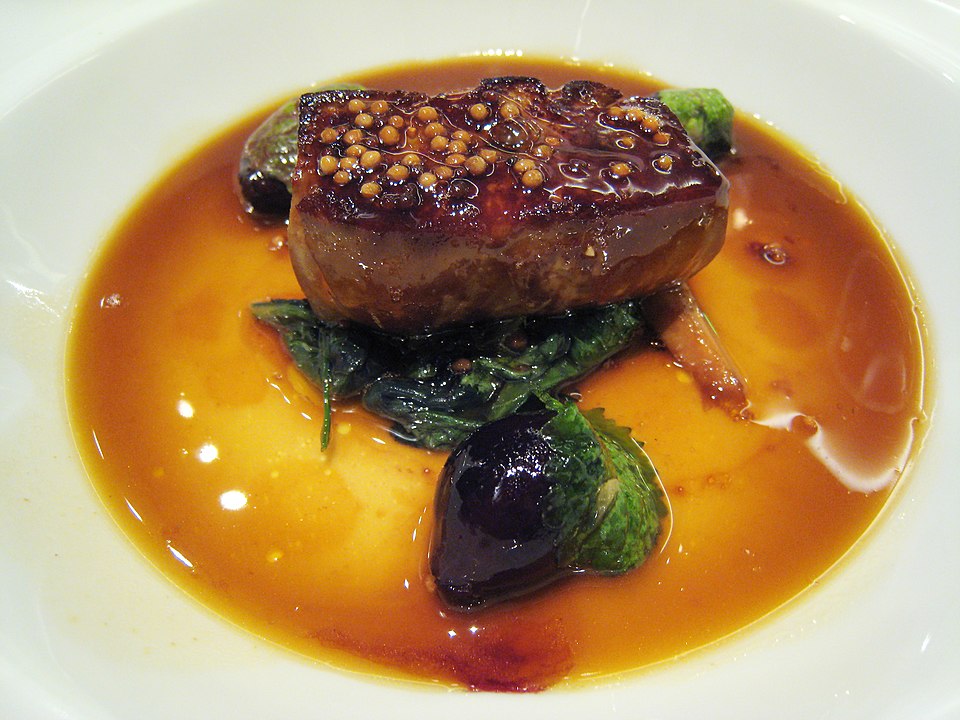
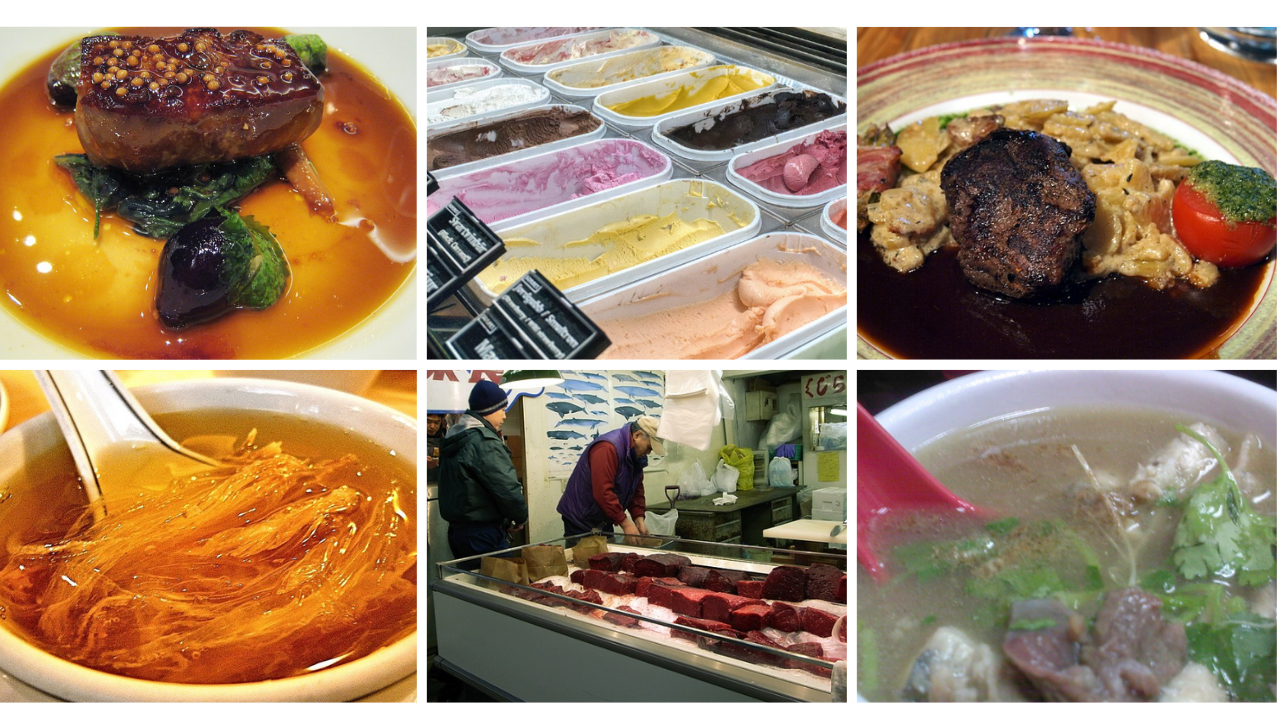
Foie gras fit the 1970s fine-dining mood: small portions, big luxury, and a sense that indulgence was part of the performance, served as torchon or seared slices with sweet wine, brioche, and a little theater. California’s restrictions on force-feeding birds, and on selling products made from that practice, pushed foie gras off many menus and forced chefs to rethink how to deliver that plush richness without crossing a legal line. Some shifted to chicken-liver mousse, duck pâté, or plant-based riffs that mimic the texture, keeping the decadence while admitting the method had become the problem people couldn’t ignore.
Old-School Trans Fat Frying and Baking Fats

Many 1970s packaged snacks were built on partially hydrogenated oils because they were cheap, stable, and kept pastries crisp for weeks, even through warm car rides and slow pantry time between shopping trips. When regulators moved to remove those oils from the food supply, factories rebuilt recipes from scratch, with test kitchens chasing the same snap in chips, the same clean break in frosting, and the same shelf life without the same shortcut. The brands survived, but that specific waxy mouthfeel largely disappeared, and longtime fans noticed even when they couldn’t explain why.
Fresh-Pressed Cider Without Safety Warnings

Cloudy, fresh-pressed cider once moved through fall markets with a wholesome reputation that didn’t require footnotes, poured from jugs that smelled like orchards, cold mornings, and damp leaves. After safety rules for untreated juice, packaged unpasteurized cider had to carry warning labels, and many producers shifted to pasteurization or equivalent steps to keep broad distribution, insurance, and risk manageable for bigger accounts. The result was a quieter loss: less danger, but also less of that wild, fermented edge, and fewer jugs that tasted slightly different from one weekend to the next at the same stand.
Raw Milk Across State Lines

Raw milk had a back-to-the-land aura by the late 1970s, framed as closer to the farm and more “real” than supermarket cartons, with taste held up as proof even when the debate was really about trust and risk. Federal rules later barred interstate sales, shrinking distribution and making raw milk a local exception rather than a national product that could travel freely through big retail networks, making it harder to treat as a simple staple. It still exists under patchwork state policies, but the casual idea of buying it anywhere disappeared, and the legal boundary became part of the product’s identity and controversy, with access shaped as much by geography as by preference.
Horse Meat on American Plates
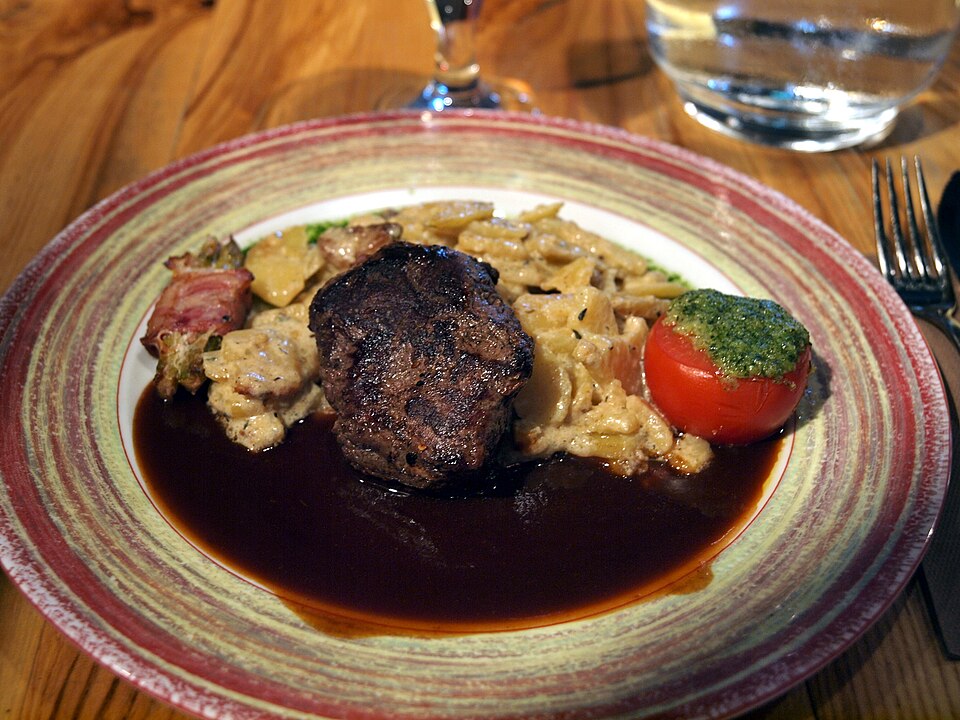
In parts of the United States, horse meat once showed up at butcher counters, treated as practical protein rather than provocation, and sold without ceremony to buyers who already knew what to do with it. Over time, state prohibitions and limits tied to federal inspection made commercial sale far harder, and the remaining demand shifted toward imports, niche channels, or disappeared altogether as stores stopped asking. What vanished was not just meat, but familiarity: recipes, norms, and the expectation that a butcher might stock it, leaving the know-how to fade as customers and shops moved on.
Seal Products in European Markets
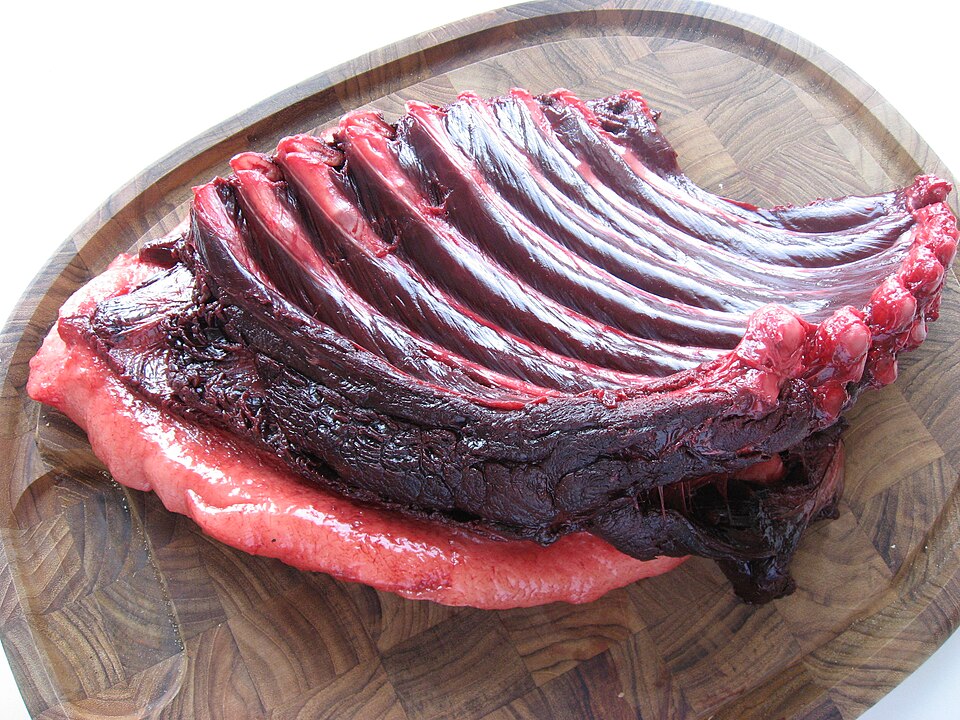
Seal meat and oils passed through niche European shops in the 1970s as if wildlife products were simply another imported good, distant from the hunt, and easy to ignore at the register. Later European trade restrictions shaped by animal-welfare concerns shut down much of that commerce, and major retailers avoided the category, so the product slipped off shelves without much noise, debate, or nostalgia in most cities. Exemptions remained for certain Indigenous hunts, but the mainstream market largely closed, and the recipes tied to seal thinned out until the ingredient became more rumor than option for everyday cooks.