In countless small towns across the South, recipes travel the way stories do, passed across porches, church basements, and crowded kitchen tables. A hand-written card might be smudged with flour, but the instructions stay clear: stir until it looks right, bake until the house smells sweet, season until the pot quiets down. These dishes were built for feeding many, stretching pantry staples, and turning leftovers into pride, from Sunday dinners to Friday fish fries. Each bite carries a region’s rhythm: gardens, smokehouses, roadside fruit stands, and the gentle certainty of a familiar pot on the stove. Year after year.
Chicken And Dumplings In A Broth-Pot
Few plates say home like chicken and dumplings simmered in a broth built from a whole bird, onions, celery, bay leaf, salt, and a heavy shake of black pepper, kept going until the kitchen windows fogged. In many small-town kitchens, the dumplings were rolled thin on a floured counter, cut into ribbons, and dropped in by hand, thickening the pot into something halfway between soup and comfort, with parsley stirred in at the end if the garden allowed. It showed up after hunting days, winter colds, and long shifts, stretching one chicken into supper for many, for neighbors, too, then settling overnight into a richer bowl.
Tomato Gravy Over Cathead Biscuits
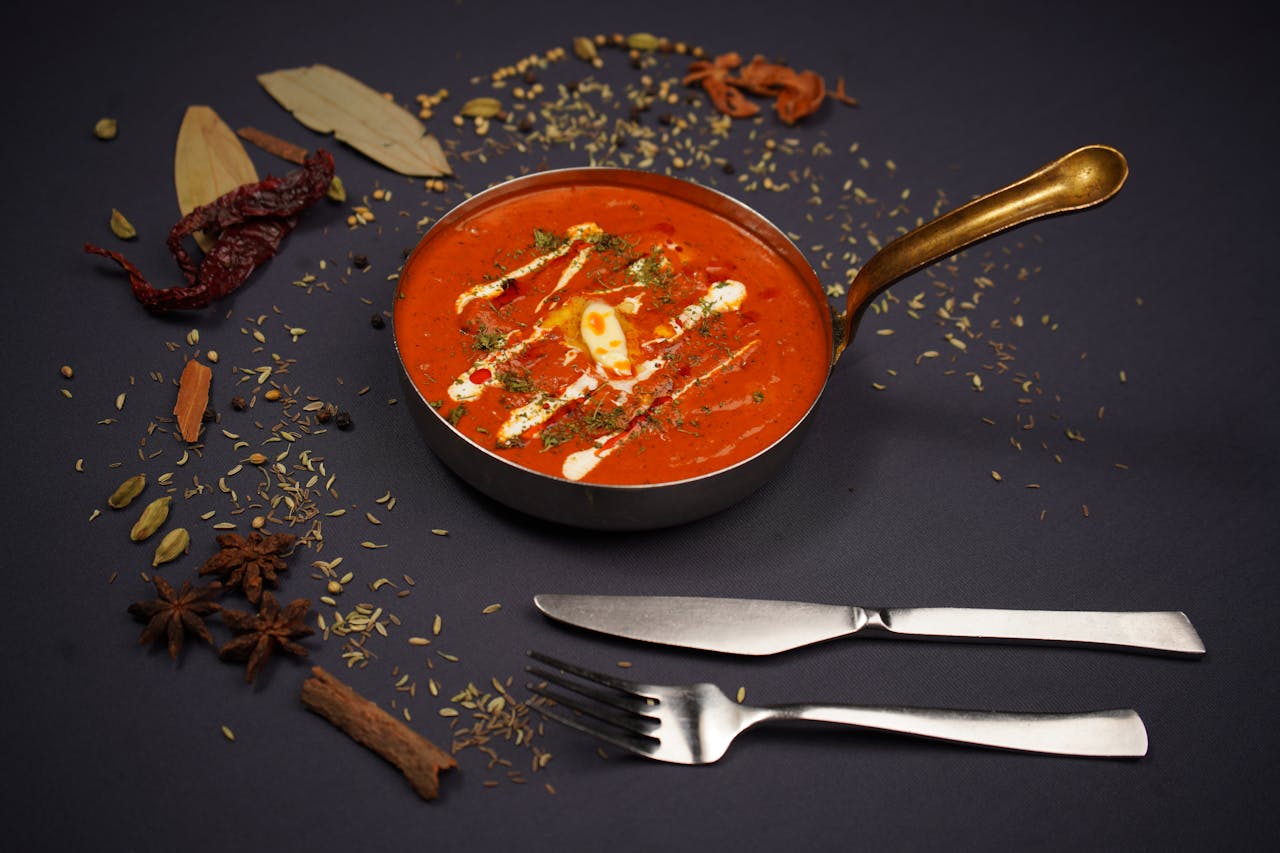
Tomato gravy is a small-town miracle: canned summer tomatoes, bacon drippings, flour, and a splash of milk whisked in a cast-iron skillet until the sauce goes silky and blush-colored. Families leaned on it when gardens were generous and pantries were plain, softening the tang with a pinch of sugar, adding minced onion or sausage if it was on hand, and cracking pepper until the steam carried a bite. Ladled over split biscuits at dawn or late supper, it turned a few staples into a meal that felt deliberate, not desperate, especially when the biscuits were buttermilk-tall, and it always traveled well to a neighbor’s table.
Pimento Cheese For Sandwiches And Snacking
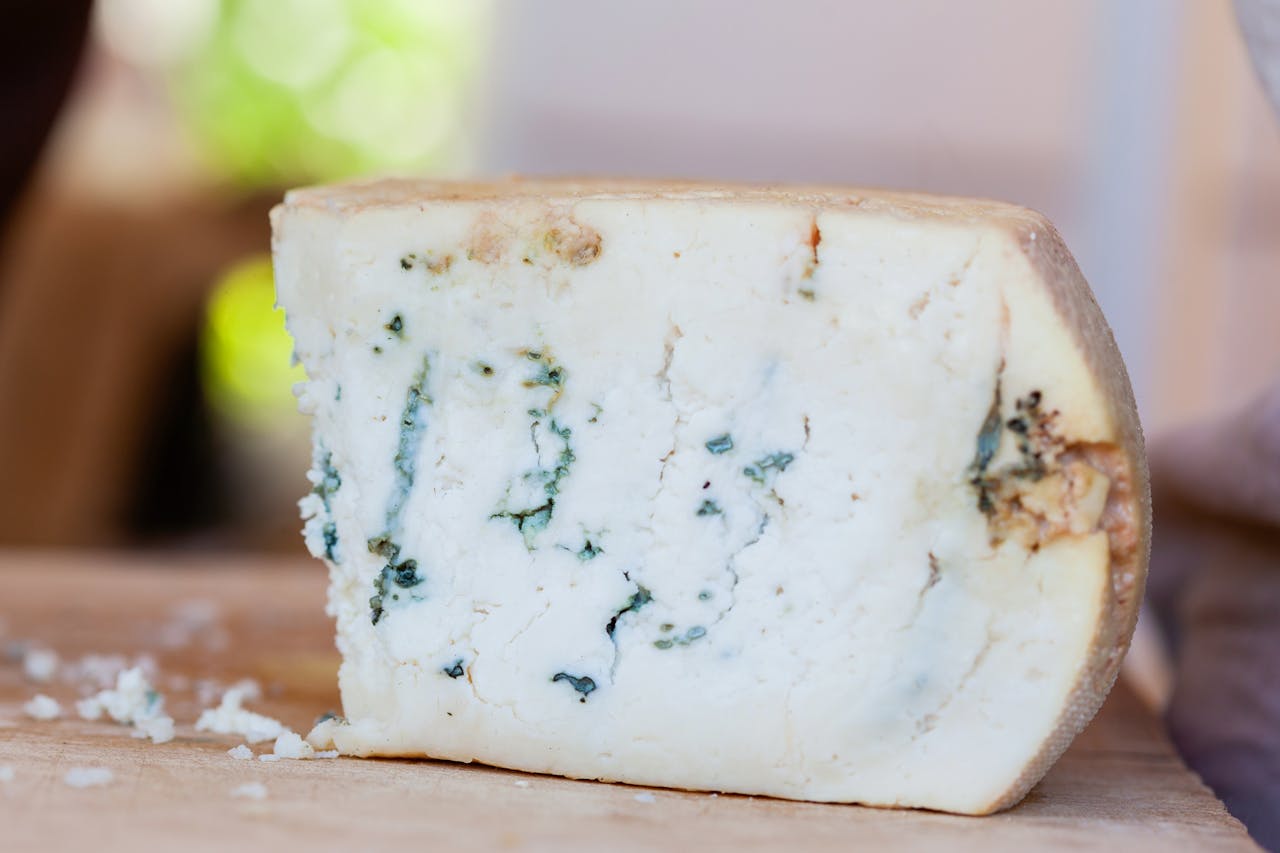
Pimento cheese sat in many refrigerators like a promise, stirred up with sharp cheddar, mayonnaise, diced pimentos, and enough cayenne to keep it lively, then covered and left to settle into itself. Small-town cooks argued over texture, grating by hand for a smoother spread or leaving bigger shreds for a sandwich that fought back, sometimes adding cream cheese, minced pickles, or a dash of hot sauce depending on the family line. It showed up at ball fields, bridge nights, and funeral receptions, tucked into crackers, celery, or white bread, proving that hospitality can be thrifty and still unmistakably personal. Always.
Collard Greens With Smoke And Potlikker
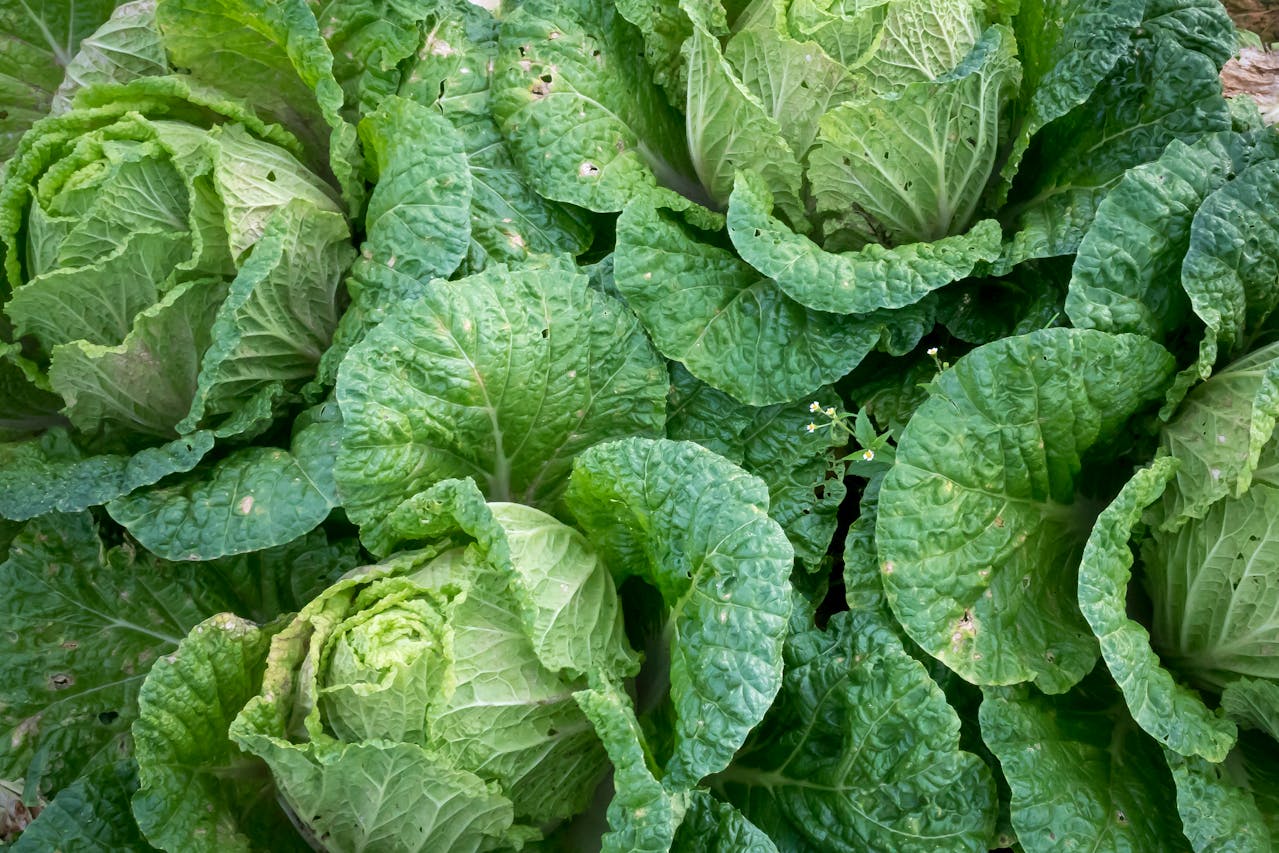
Collard greens were often the backbone of a Sunday table, washed again and again to chase out grit, then cooked low and slow with smoked ham hocks or a strip of fatback until the leaves turned silky and deep green. In small towns, the potlikker mattered almost as much as the greens, a smoky, salty broth brightened with vinegar and pepper sauce, meant for sopping with cornbread or spooning over rice when plates needed stretching. Served beside beans, fried chicken, or New Year’s peas, the flavor carried smoke and patience, teaching that a humble vegetable can taste like celebration when treated with time. For a crowd.
Hoppin’ John With Rice And Pork
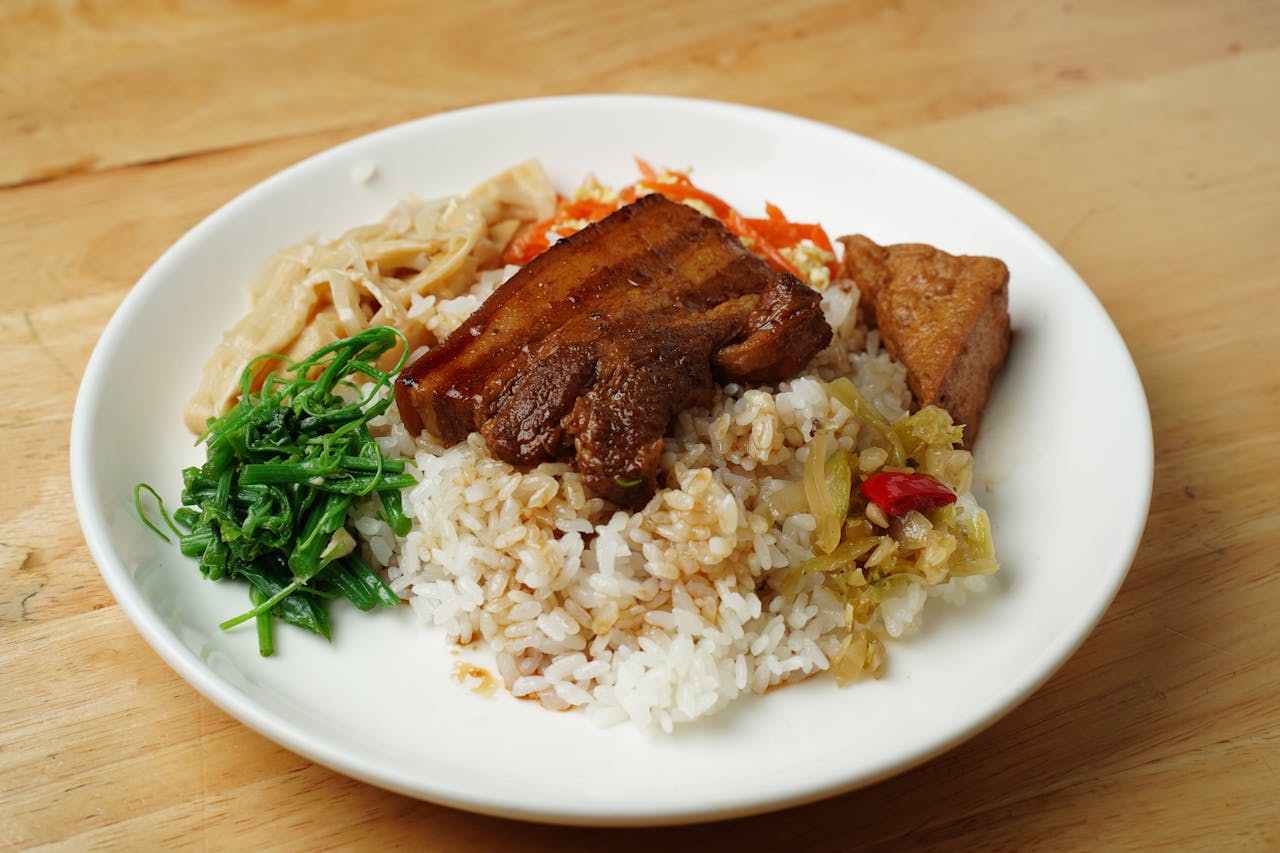
Hoppin’ John, the mix of black-eyed peas and rice, often began with onions, celery, and smoked pork rendered in a pot, then simmered with bay leaf, thyme, and enough stock to turn the kitchen fragrant. It showed up on New Year’s Day for luck, but small-town cooks kept it in rotation all year because the ingredients were steady, forgiving, and built for feeding extended family, plus whoever stopped by after work. Leftovers were spooned into lunch pails or pan-fried into crisp cakes, and with greens, cornbread, and pepper vinegar on the table, the dish balanced thrift and ritual in one comforting bowl. Without much fuss.
Okra And Tomatoes From The Garden
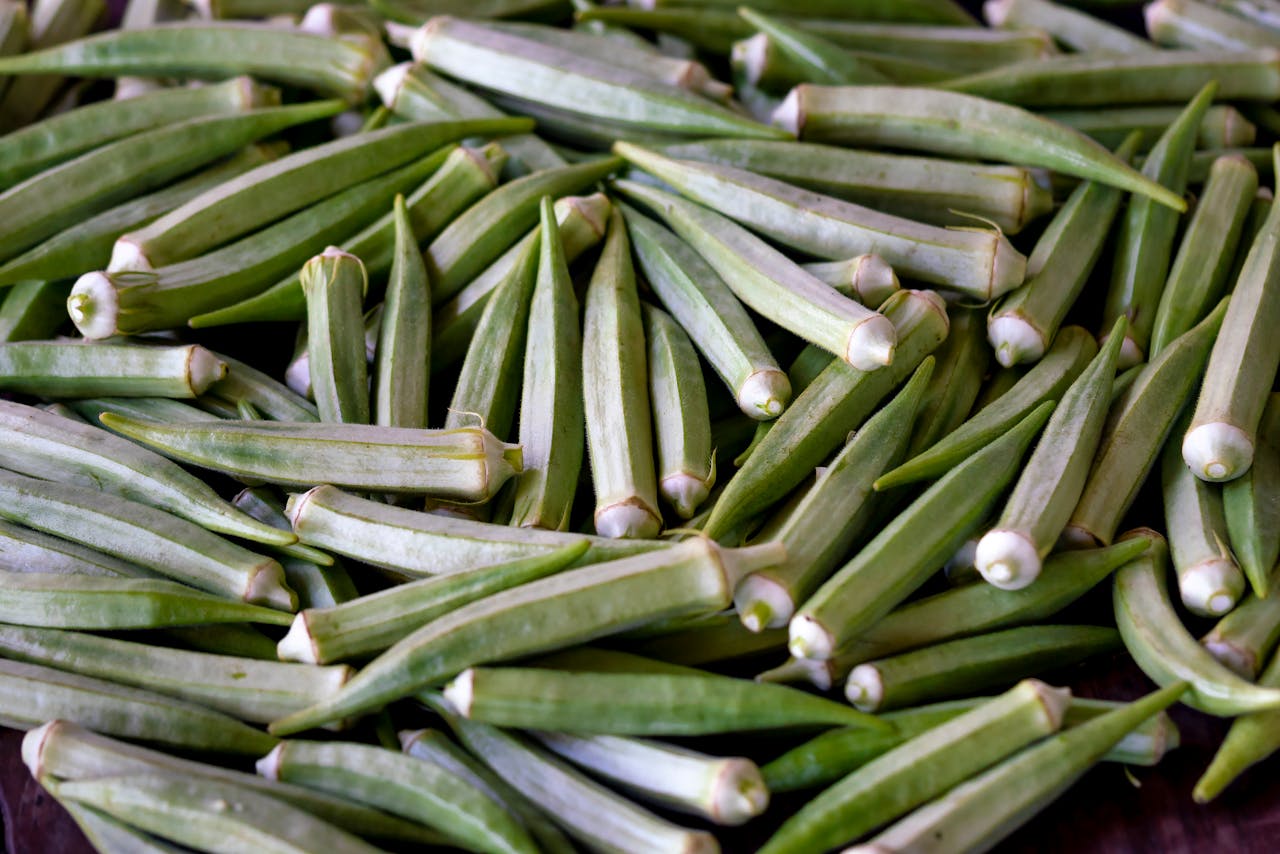
Okra and tomatoes made sense in the months when gardens overflowed, marrying sliced pods’ thickening power with the brightness of ripe fruit or a jar pulled from the pantry, plus garlic if it was close by. Many small-town cooks started with bacon or ham, softened onions in the drippings, added corn kernels or lima beans when a pot needed stretching, and let it bubble until the mixture turned glossy and spoonable, cutting any gumminess with a splash of vinegar. Piled over rice or served with cornbread, it tasted like late summer saved in a bowl, hearty enough to be supper and light enough to follow a midday heatwave.
Cornbread Dressing For Holiday Tables
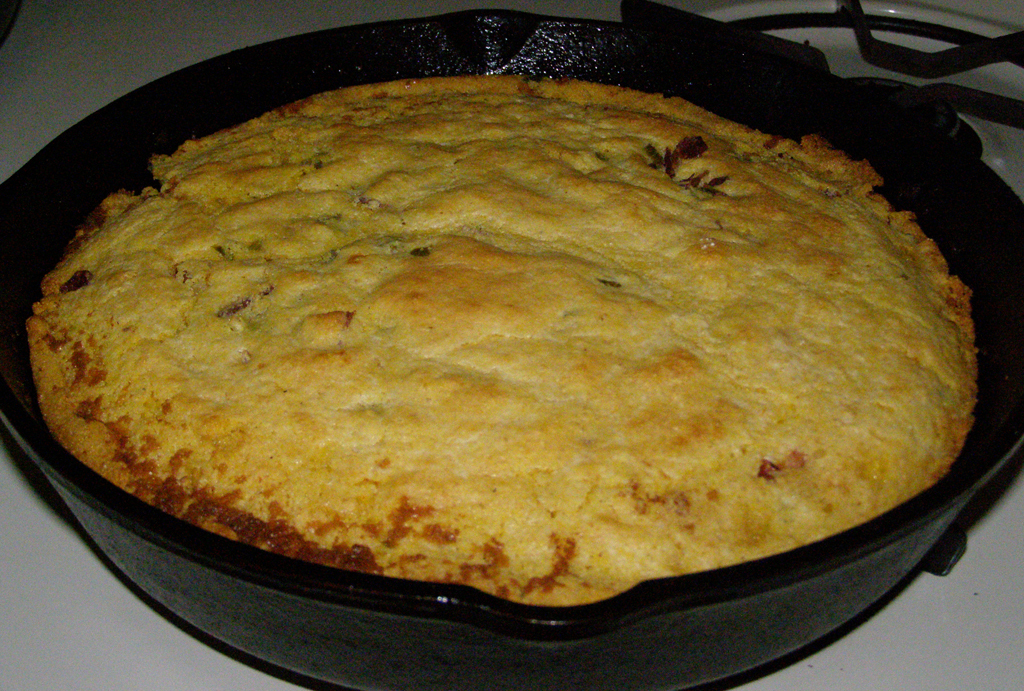
Cornbread dressing was the holiday anchor in many small-town homes, built from crumbled cornbread and day-old biscuits, then moistened with chicken stock and dotted with sautéed onion, celery, and butter until the pan smelled like a reunion. Families argued about sage, giblets, or a pinch of thyme, but the real decision was texture, tasted and adjusted until it held together without turning heavy, ready for gravy. Baked in a cast-iron skillet or deep dish until the top browned and the edges crisped, it carried the comfort of make-ahead cooking, and leftover squares disappeared at breakfast. Often reheated in a skillet.
Buttermilk Fried Chicken In Cast Iron
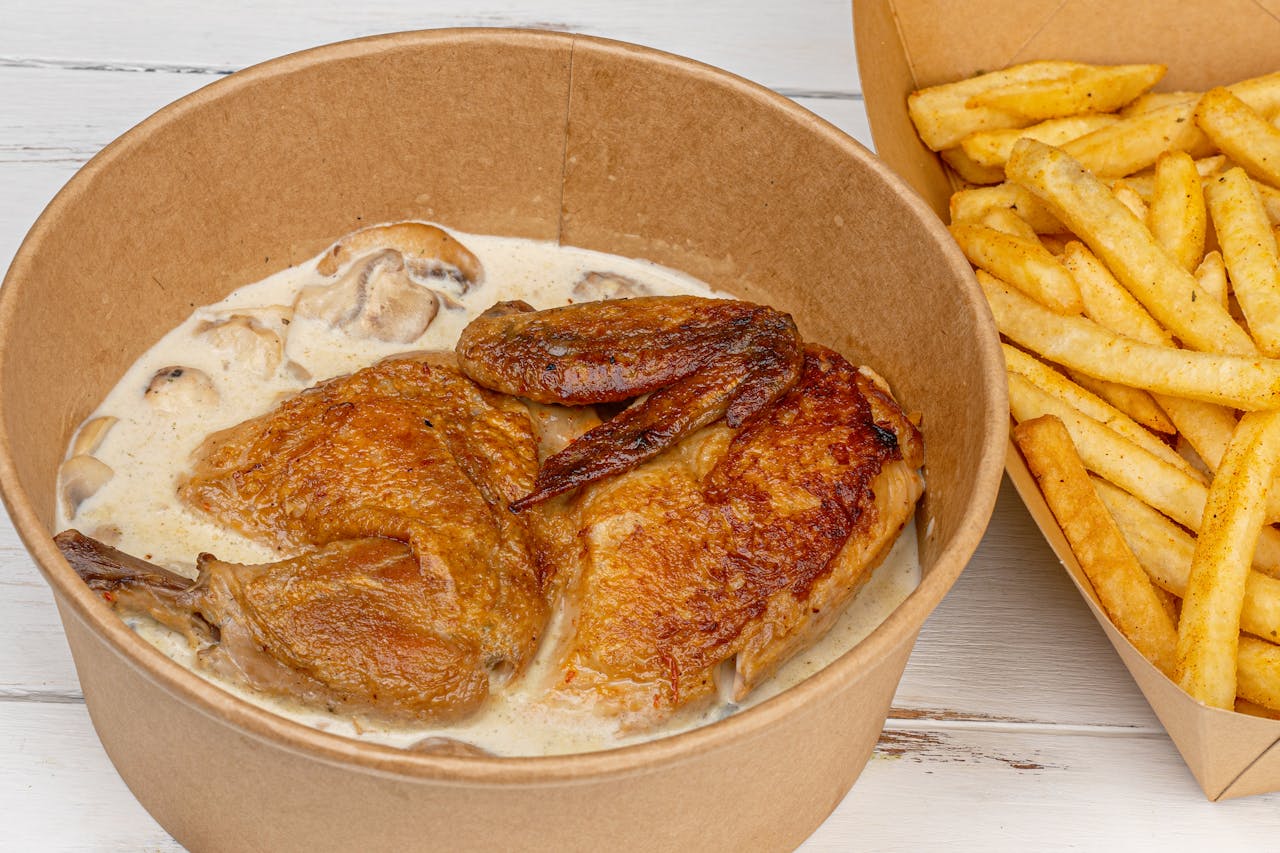
Buttermilk fried chicken was a Sunday showpiece, soaked in tangy buttermilk with salt, pepper, and hot sauce, then dredged in flour seasoned with paprika and garlic until each piece wore a craggy coat. Small-town cooks trusted cast-iron skillets for steady heat, fried in batches, kept the oil clean with a quick skim, and drained the chicken on brown paper sacks, listening for that last hiss to fade before piling it high on a platter. It arrived at reunions, picnics, and post-service dinners with pickles and white bread, and the first bite always sounded the same: crisp, proud, and unmistakably home. For everyone there.
Shrimp And Grits With A Savory Pan Sauce
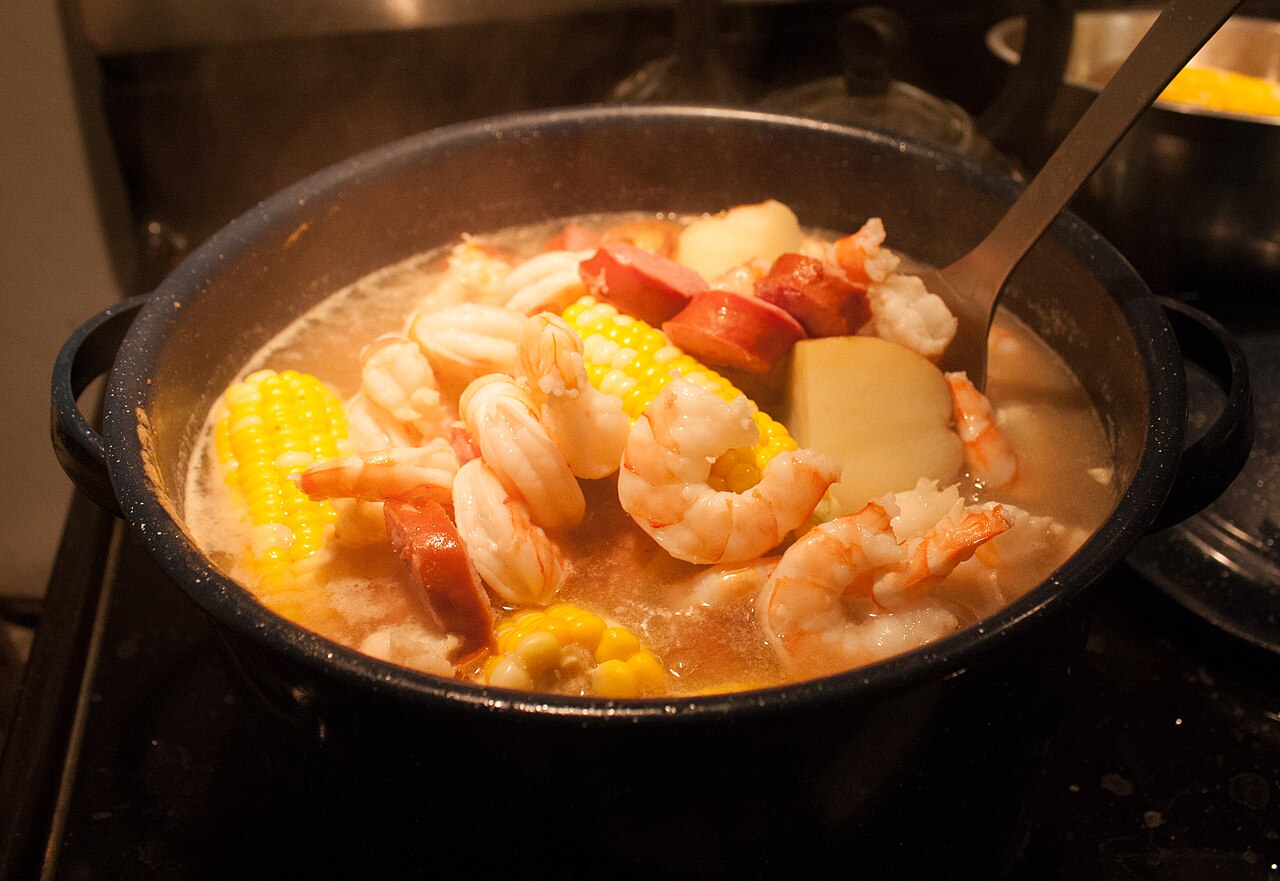
Shrimp and grits bridged coast and inland, pairing quick-sautéed shrimp with slow, creamy grits made from stone-ground corn, stirred until the kernels turned tender and sweet. In small-town diners, the pan sauce often began with bacon drippings, garlic, and green onions, sometimes folding in tomatoes or a splash of broth, then finished with butter, lemon, and hot sauce, built to cling to every spoonful. Served in a wide bowl with pepper on top and hush puppies on the side, it felt celebratory without being precious, a weeknight comfort that could pass for a special occasion. Especially when the shrimp came off the dock.
Skillet Cornbread With A Crisp Edge
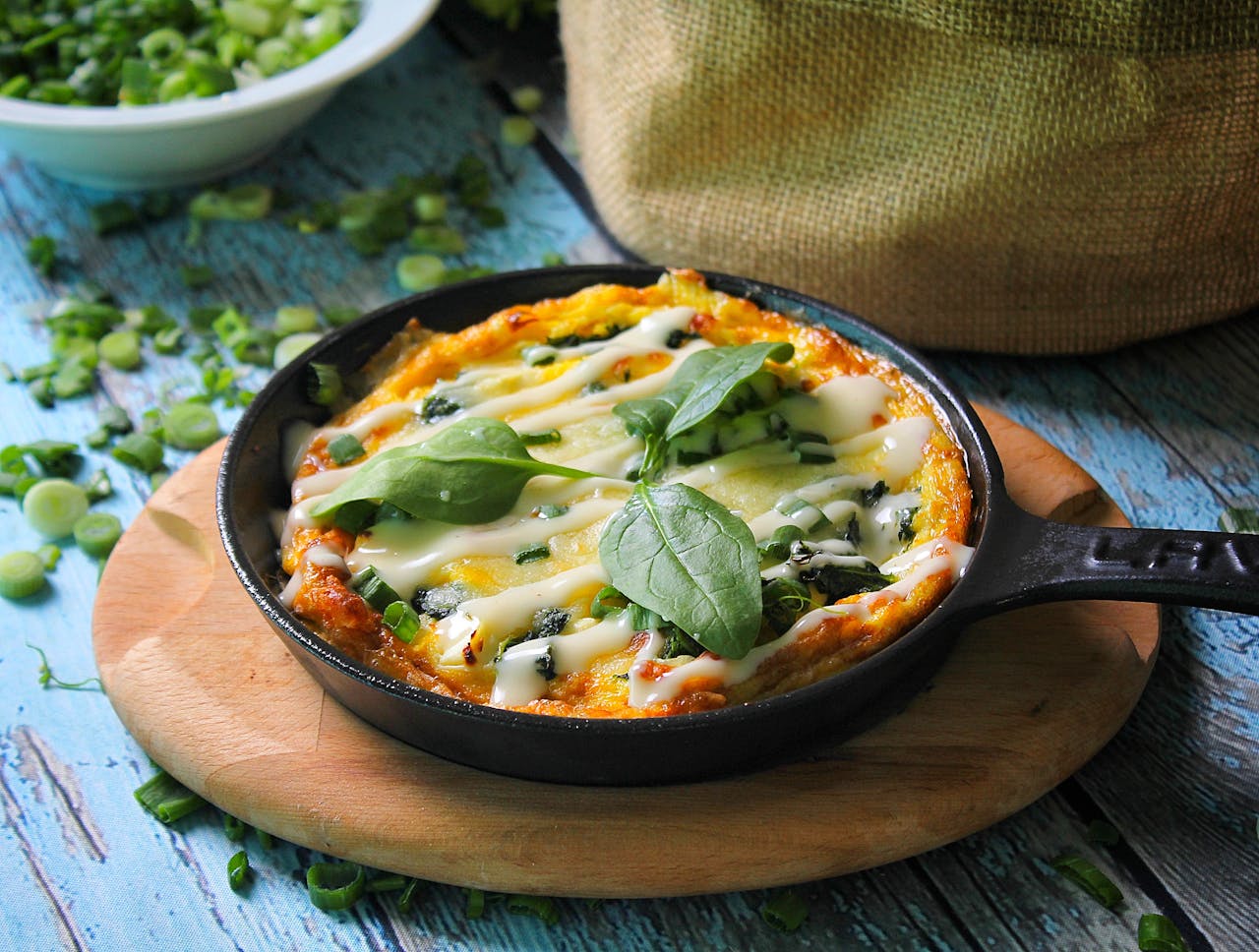
Skillet cornbread came out of the oven with a browned edge that snapped, thanks to bacon grease heating in cast iron until it almost smoked before the batter ever touched it, a sound that meant supper was close. Small-town cooks kept the crumb plain but proud, with buttermilk, a spoon of flour for lift, and just enough sugar to round the corn’s bite, then listened for the sizzle as the rim set in seconds and the center rose. Split warm and buttered, crumbled into beans, or dunked into greens and potlikker, it worked like a daily tool, and the cold leftover wedge still disappeared with morning coffee. In quiet kitchens.
Banana Pudding Layered In Glass
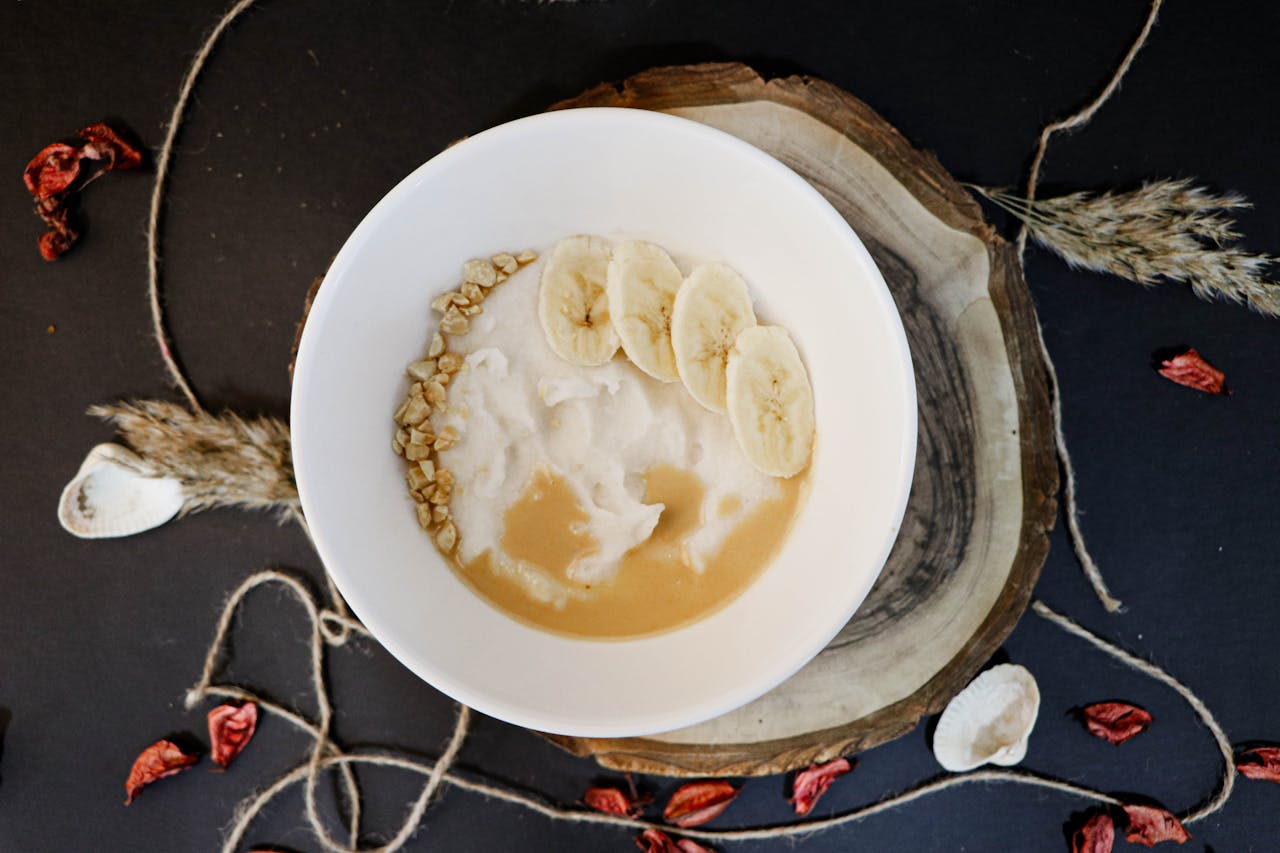
Banana pudding was a reliable potluck peace offering, layered with vanilla custard, sliced bananas, and wafer cookies that softened into cake as the bowl chilled, usually made the night before so it could settle. Small-town cooks cooked the custard on the stove until it coated a spoon, added a touch of nutmeg or butter, then folded in whipped topping or crowned it with meringue, depending on family custom. Served in a big glass dish that showed every stripe and slice, it felt both humble and special, and it vanished quickly once the first spoon broke the surface. With kids hovering close and plates already claimed.