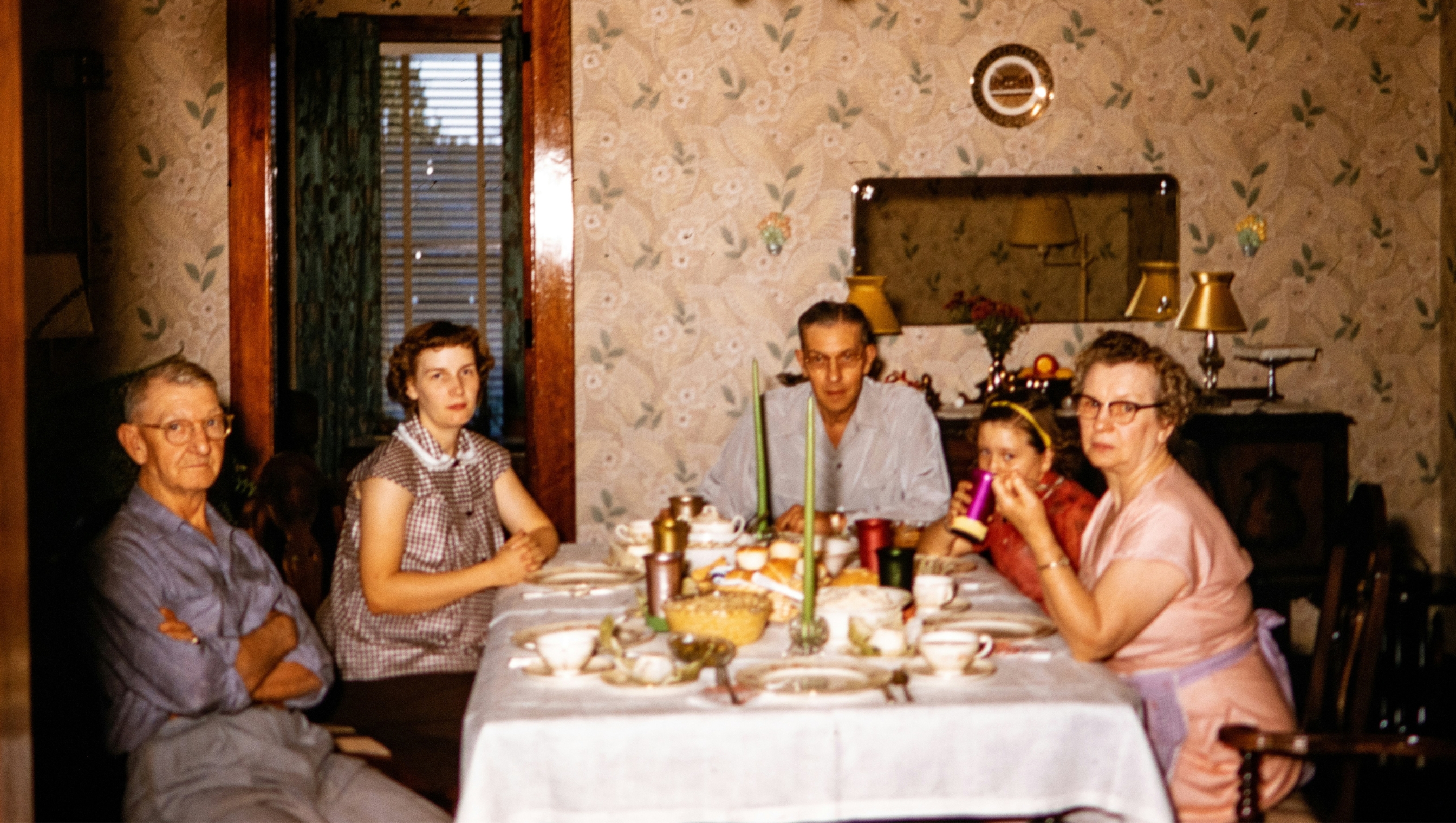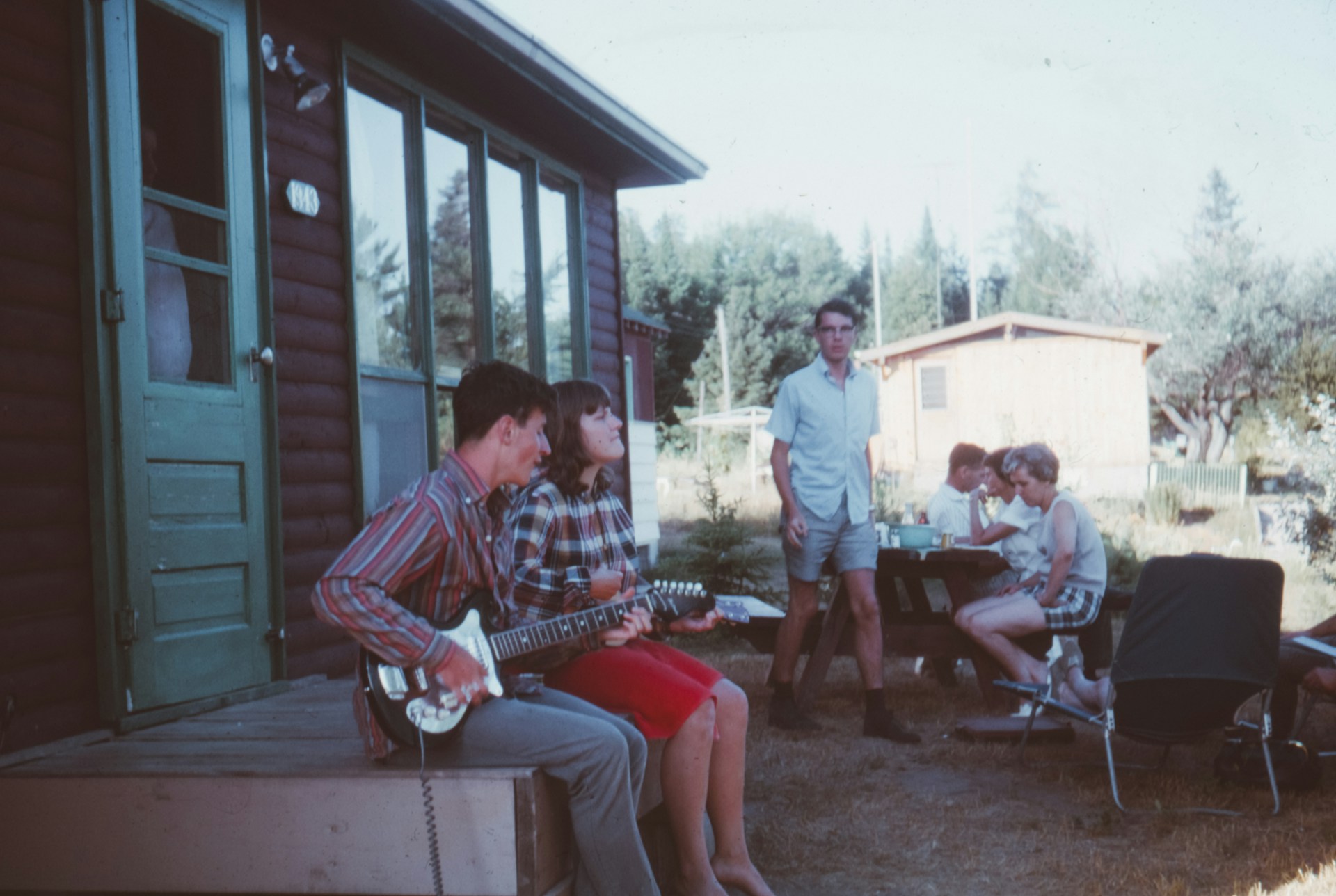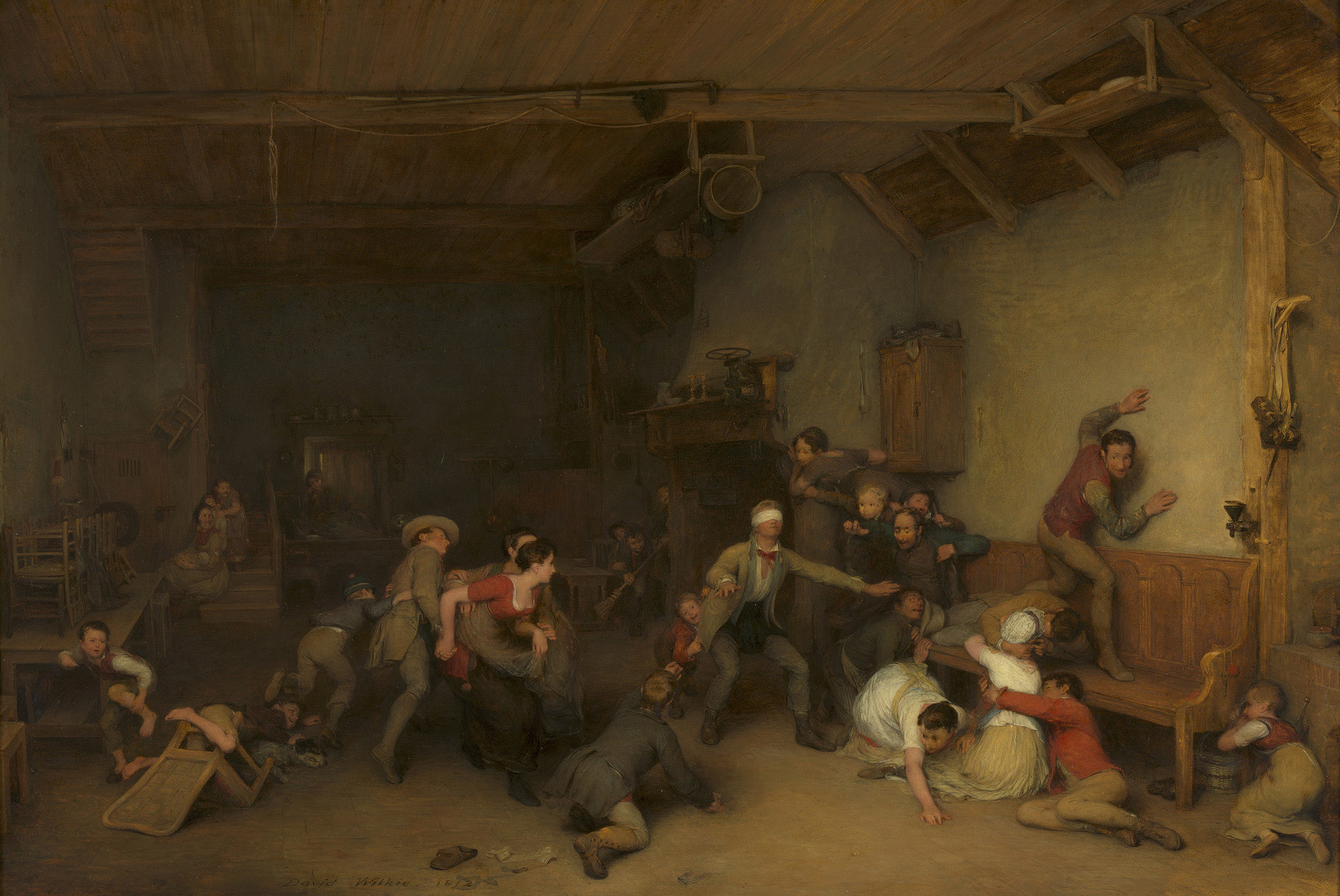
In the glow of gaslight and candle flame, a respectable Victorian parlor could turn rowdy fast. Games were meant to loosen stiff manners, spark flirting, and prove nerve, but they also ignored risks that feel obvious now. In rooms crowded with drapery, crinolines, and strong spirits, a little mischief could catch, spill, or swing wide. Fire bowls sat on polished tables, blindfolds turned guests into battering rams, and forfeits dared people to swallow laughter, soot, or flour. The thrill was rarely subtle; it lived in the moment everyone realized the entertainment might bite back. Then the teacups came out anyway.
Snapdragon
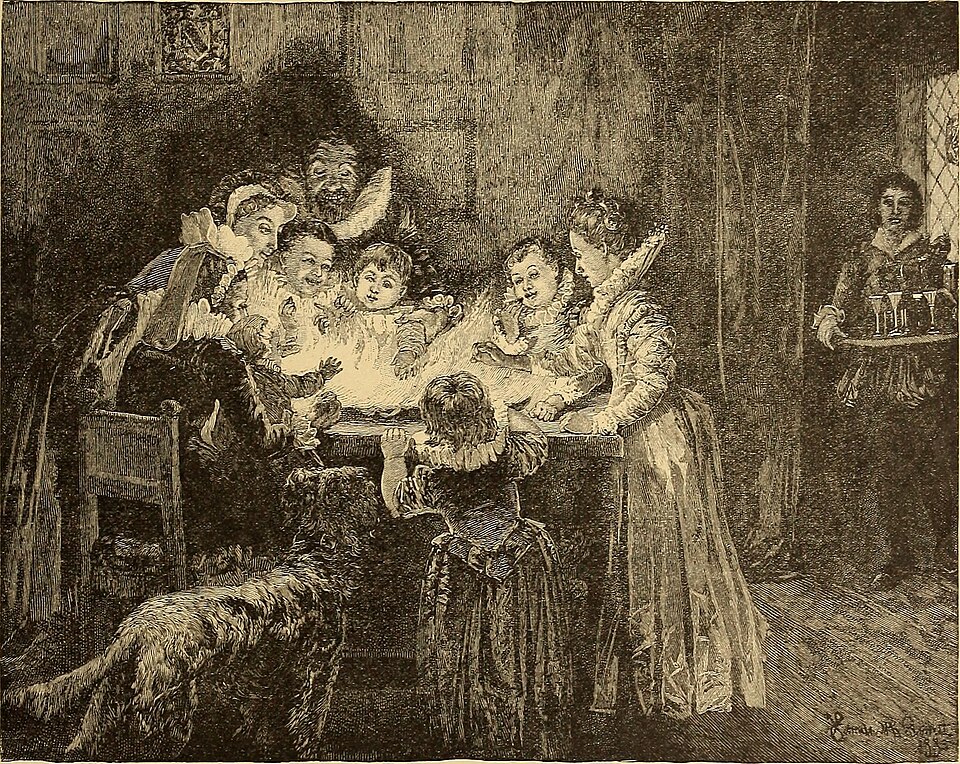
Snapdragon looked like pure holiday magic: raisins and almonds floating in a broad, shallow dish of warmed brandy, the lamps turned down, and the surface ignited into a ghostly blue. Guests crowded close and, one by one, plunged a hand through flame to snatch the fruit, then smothered the little blaze by closing the mouth and swallowing fast, all while friends cheered the near misses. The stunt relied on calm hands and clear heads, two things Victorian parties rarely prized once the air smelled of spirits, the light was low, and sleeves brushed the table’s edge, so bravado became dessert and minor burns counted as proof.
Flapdragon
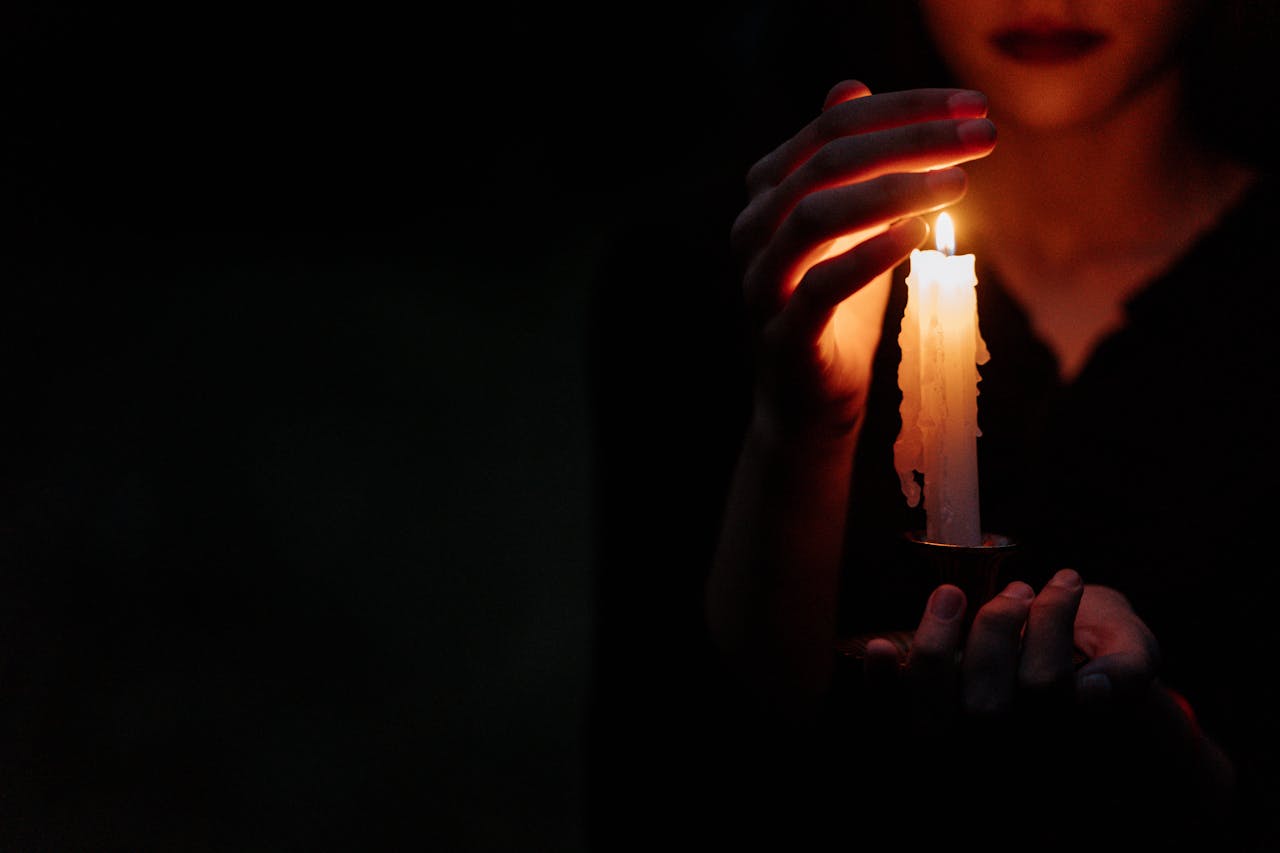
Flapdragon took the Snapdragon impulse and aimed it straight at the face: a lighted candle was set into a mug of ale or cider, and the drink had to be swallowed before the flame died. Heat, smoke, and dripping wax hovered inches from moustaches, hairlines, and lashes, while the liquor encouraged bigger gulps, shaky hands, and worse decisions. In a packed parlor, friends jostled behind the drinker, fabric brushed the table, and hot fumes filled the lungs; one spill could feed the fire and one waxed finger could lose its grip, yet a sooty scorch was still worn like a joke until scabs made breakfast sting for days.
Jack’s Alive
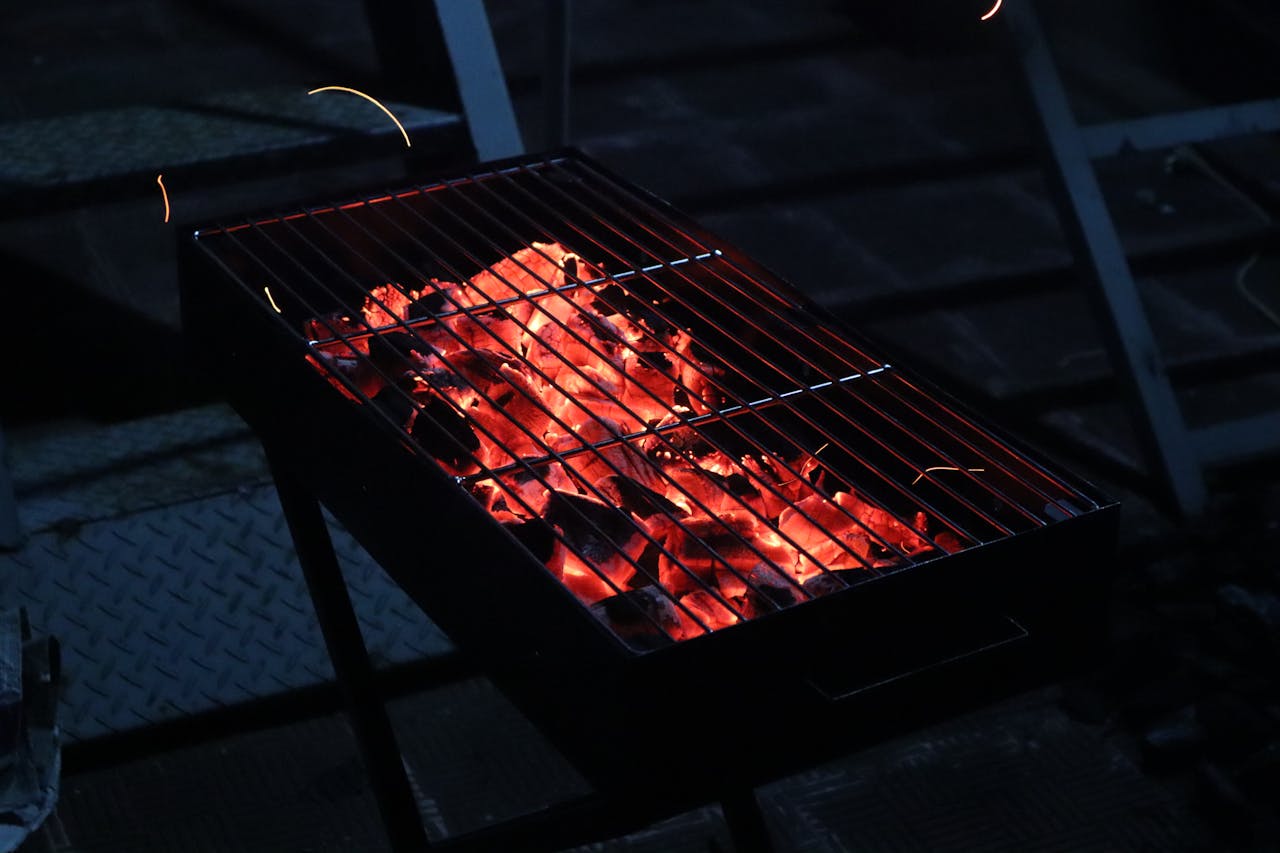
Jack’s Alive asked children to treat a live ember like a toy: a twist of paper was lit, the flame blown out, and the glowing coal passed from hand to hand. The rhyme made it a race against time, since the person holding the paper when the spark finally died owed a forfeit, so everyone tried to pass it at the last possible second. In a room full of dry decorations and long sleeves, the game rewarded exactly what adults usually banned, gripping a hot spark until fingertips burned, flicking ash over carpet, and trusting the ember would not flare back to flame the moment someone dropped it just to earn a laugh, briefly.
Blind Man’s Buff
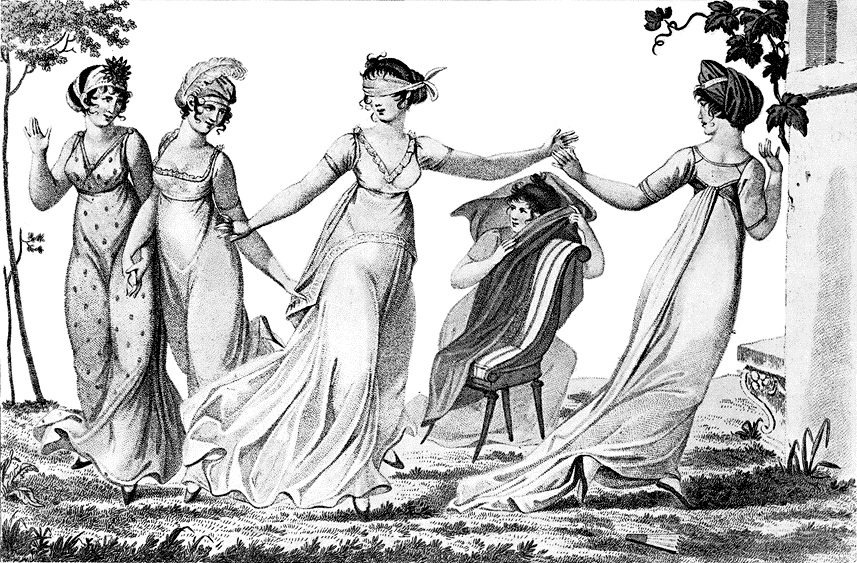
Blind Man’s Buff turned a polite room into a collision course: one guest was blindfolded, spun until dizzy, and set loose to tag the others by sound. Everyone else darted, teased, and dodged, and Victorian descriptions even allow obstacles left in the way so people would tumble, with bruises and knocked heads treated as part of the joke. With slick rugs, sharp table corners, glass ornaments, and a crowd fueled by punch, the game could become a chain reaction of falls and toppled chairs, which helps explain the old rumor that bone-setters quietly approved and kept their doors open late the next day for limps and headaches.
Hot Cockles
Hot Cockles dressed roughness in rules, the kind of parlor fun that sounded innocent until it started. A blindfolded player knelt with their head in someone’s lap, one hand held out behind the back, palm up, while the rest of the room took turns delivering a slap that had to be identified. The guessing kept it from turning into pure bullying, but the posture was awkward and the swings were not always gentle; stinging palms, strained necks, and spiteful overhands could hide inside the laughter because the victim never saw the blow arrive, and late-night rounds brought heavier hands and shorter tempers all around.
Questions and Commands

Questions and Commands promised order in the middle of party chaos, but it carried a sharp edge: obey the command, answer the question, or pay a penalty on the spot. Victorian accounts mention punishments like having the face blackened with soot from the hearth, turning flirtation into a gritty mask that could sting eyes, stain clothes, and prompt coughs after the laughter faded. Because one person controlled the dares, the game rewarded escalation, and a single reckless instruction, delivered with a grin and a glass in hand, could push someone into a fall, a forced gulp, or a panic they were expected to hide in public.
Bullet Pudding
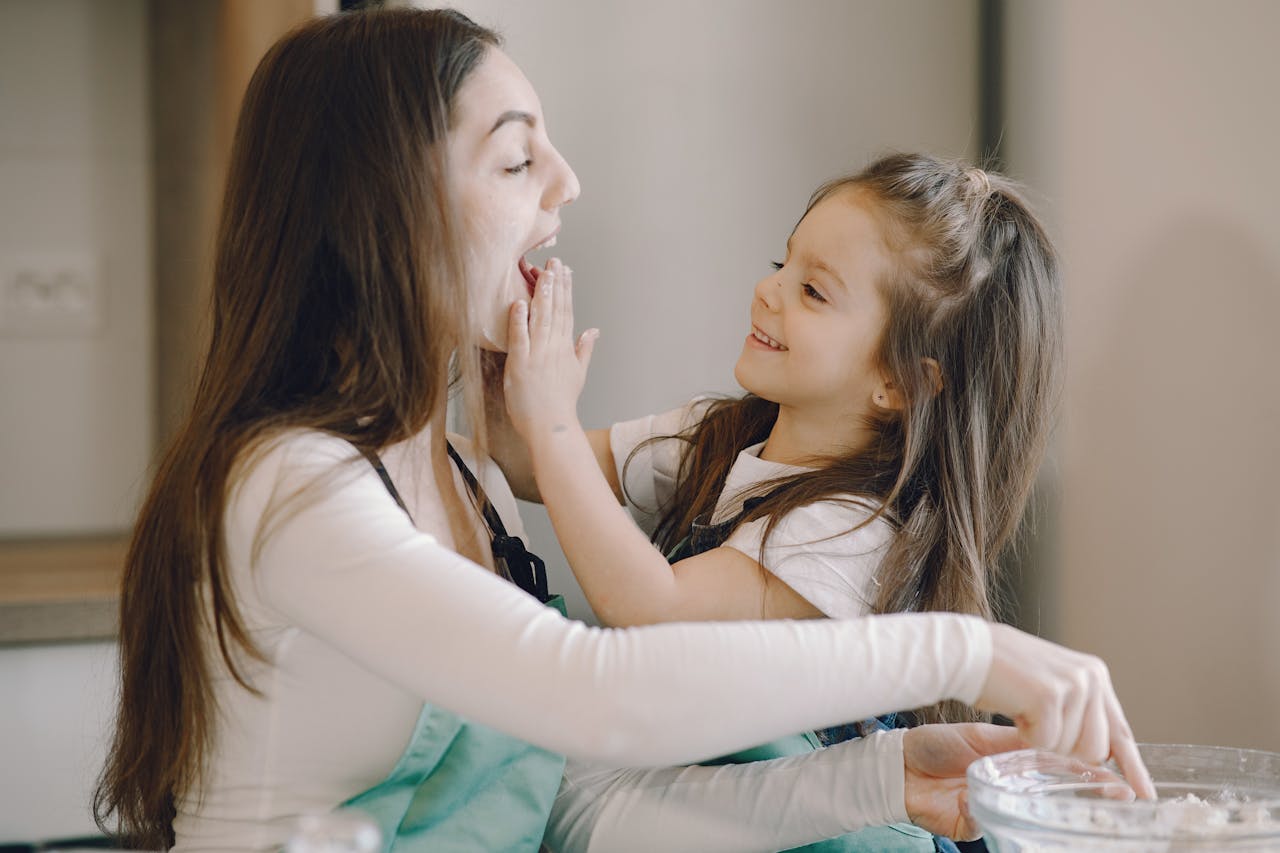
Bullet Pudding began like a joke and ended as a strange little choking test, perfect for a society that loved pranks with rules. A mound of flour was piled into a “pudding” with a small coin or bullet balanced on top, then guests cut careful slices until the prize fell and the unlucky cutter had to root it out using only nose, chin, and mouth, hands strictly forbidden. The room was warned not to laugh, since flour could get up the nose and mouth and choke, but the spectacle almost guaranteed snorts and gasps, coating faces white and turning a silly forfeit into a moment that genuinely threatened someone’s breathing.
Shoeing the Wild Mare
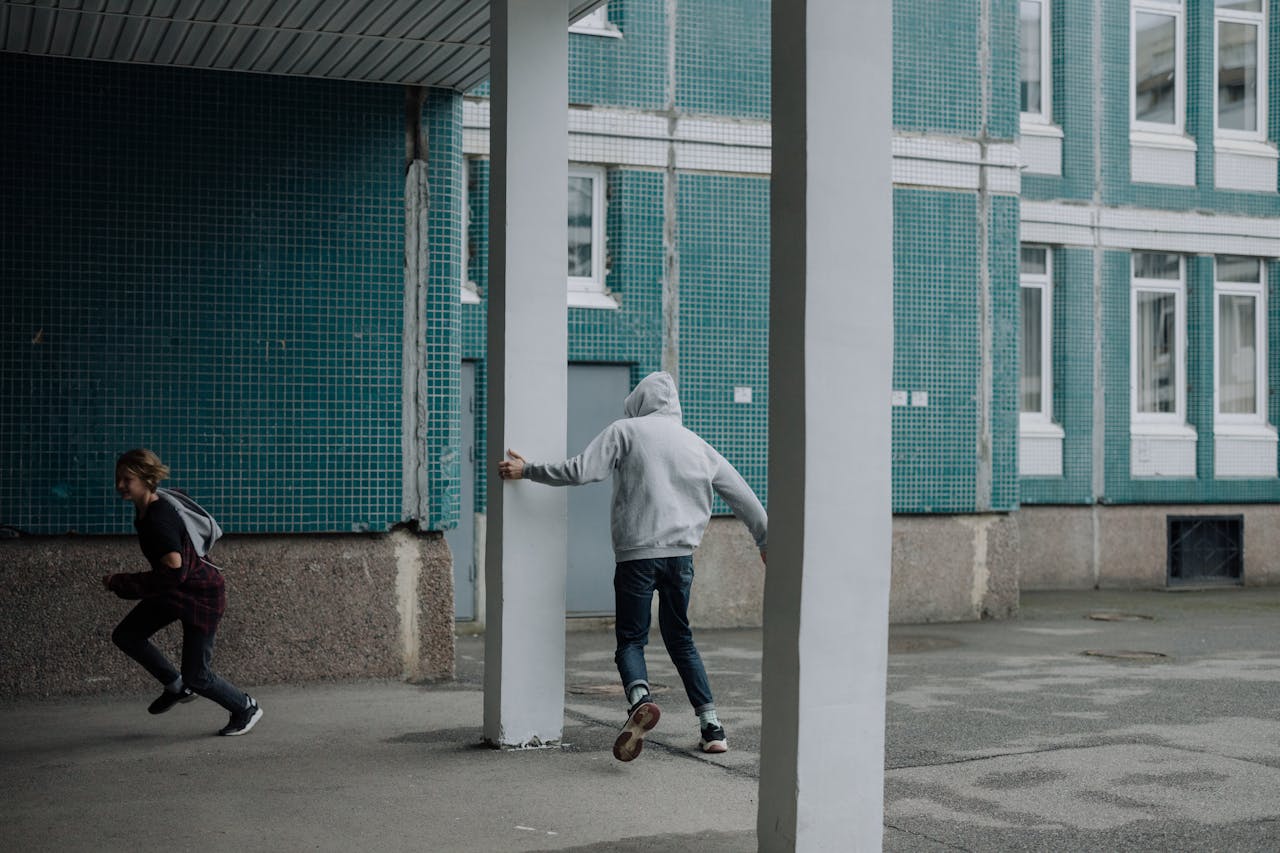
Shoeing the Wild Mare turned the house or yard into a hunt, the sort of “active game” that arrived after dinner when energy had nowhere else to go. One person, the “mare,” was given a head start and then pursued by the rest, who tried to catch and “shoe” the runner before they could outrun the pack, a rule that practically invited tackling disguised as tradition. The description reads lighthearted, yet the physics were not: sprinting past furniture, grabbing at sleeves, and piling on at the finish line made bruises, sprains, and cracked knuckles feel less like mishaps and more like the predictable price of being caught.
Puss in the Corner
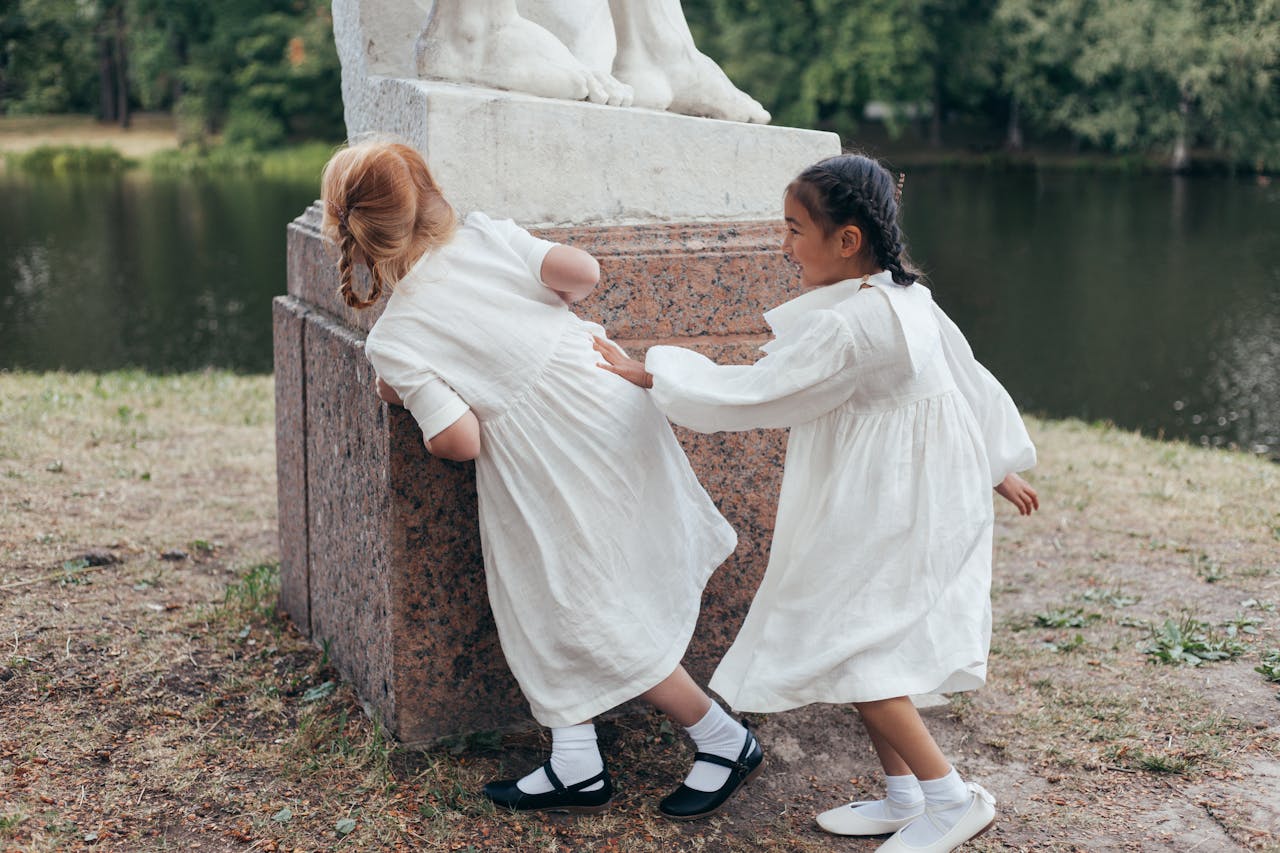
Puss in the Corner ran on sudden bursts of speed, the kind that made skirts swing wide and polished shoes lose traction. Four players claimed corners while a “puss” stood in the middle, waiting for a signal that sent everyone scrambling to swap places at once, with the center player trying to steal a corner in the chaos. Even instructions suggest clearing furniture first, but Victorian parlors loved tables and ornaments; the fun was the near-miss, the bumped shoulder, and the panicked lunge that could turn one playful dash into a hard fall before anyone admitted it hurt and the round kept going, laughter over the thud.
Sardines
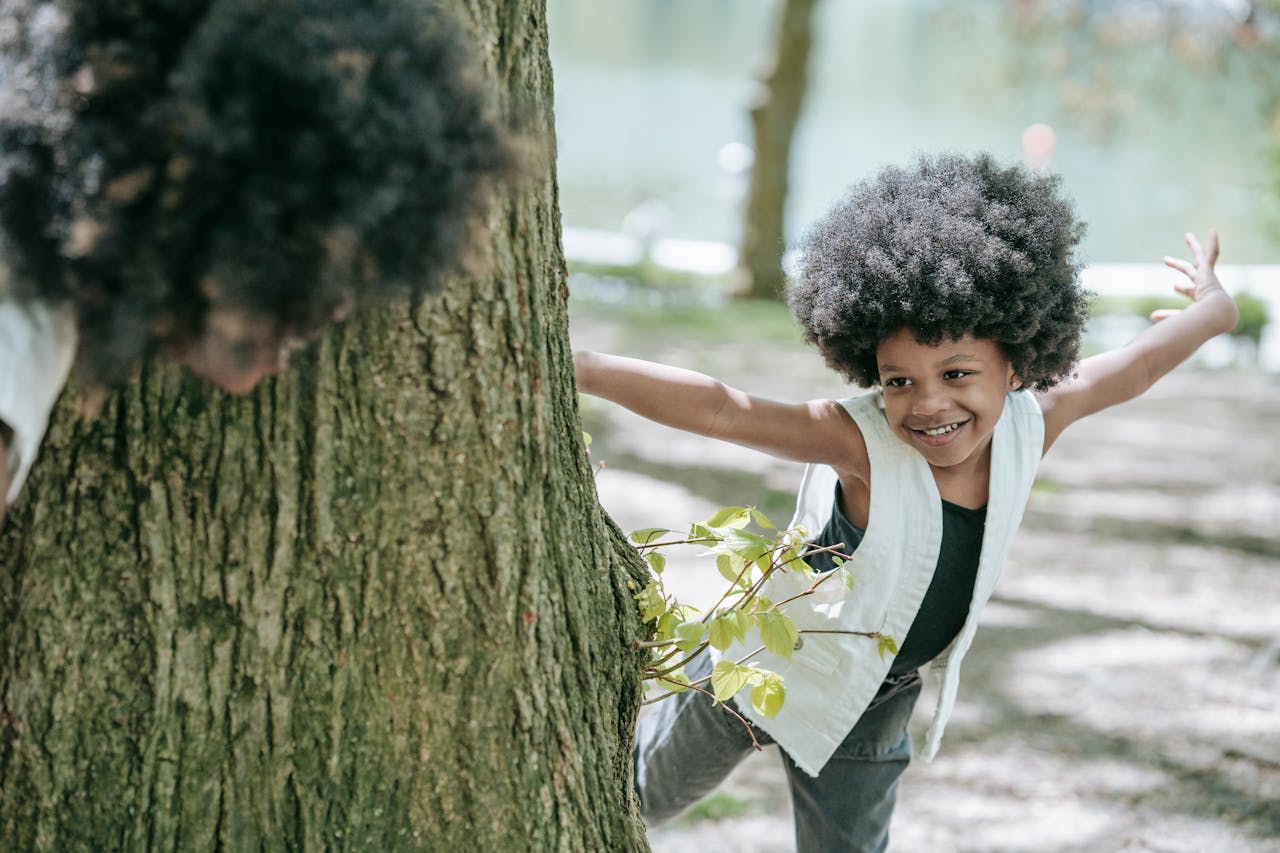
Sardines sounded wholesome, a hide-and-seek cousin, until the hiding place turned into a test of air and balance. One player hid while everyone searched, but each finder had to squeeze into the same spot and stay silent, so the hiding place slowly filled with bodies until the last person was left outside, frantic and out of options. Victorian houses offered cupboards, trunks, and under-stair nooks that felt roomy until several guests packed in, breathing dust and pressing knees and elbows into ribs; in the dark, a stuck latch or a toppled stack could turn the game into a brief, real panic before someone called time.