9 Old Professions That No Longer Exist (and What They Taught Us)

9 Old Professions That No Longer Exist (and What They Taught Us)
Wikimedia Commons
Old jobs disappeared, but they still teach teens planning, safety, teamwork, timing, and why posted rules matter every day today.

Some jobs shaped daily life in the United States, then vanished as machines and laws changed. Knowing them explains the rules we use now. From mill towns in 1810 to spaceflight checks in 1962, Virginia, these roles kept mornings on time, streets lit, food cold, and messages moving. Their end dates matter, like 1912 for a phosphorus ban and 2006 for the last U.S. telegram. They also show how standards, like 1883 time zones, grew from real problems. Use these lessons with schoolwork, teams, and first jobs today. Small details, such as inches of ice or posted routes, kept people safe.

1. Knocker-up
Knocker-up
Nationaal Archief, Copyrighted free use/Wikimedia Commons

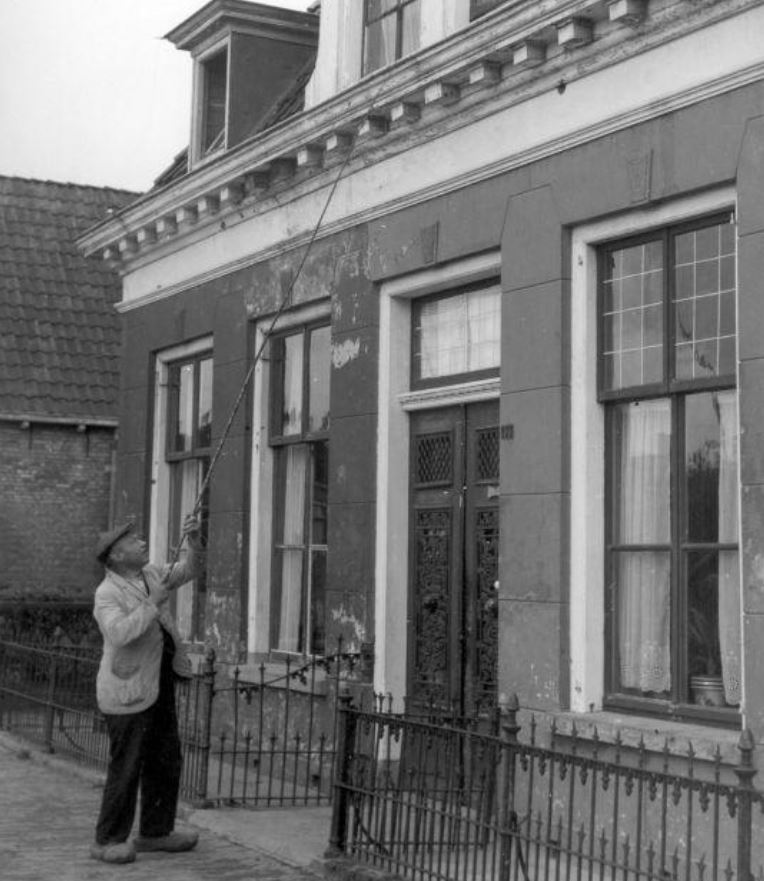
Knocker-ups woke sleeping workers by tapping windows with long poles, mostly in British mill towns like Manchester by 1810. The service spread across Lancashire in the 1850s, and some used pea shooters for upper floors. In the United States, mass alarm clocks became cheap in the 1920s, often under $3, so the job faded. This history reminds us to plan reliable wakeups. Teens can set two alarms, check volume on Sunday nights, and avoid risky tricks like climbing ledges or striking glass. Being on time helps teams and buses run smoothly.

2. Lamplighter
Lamplighter
Public Domain/Wikimedia Commons

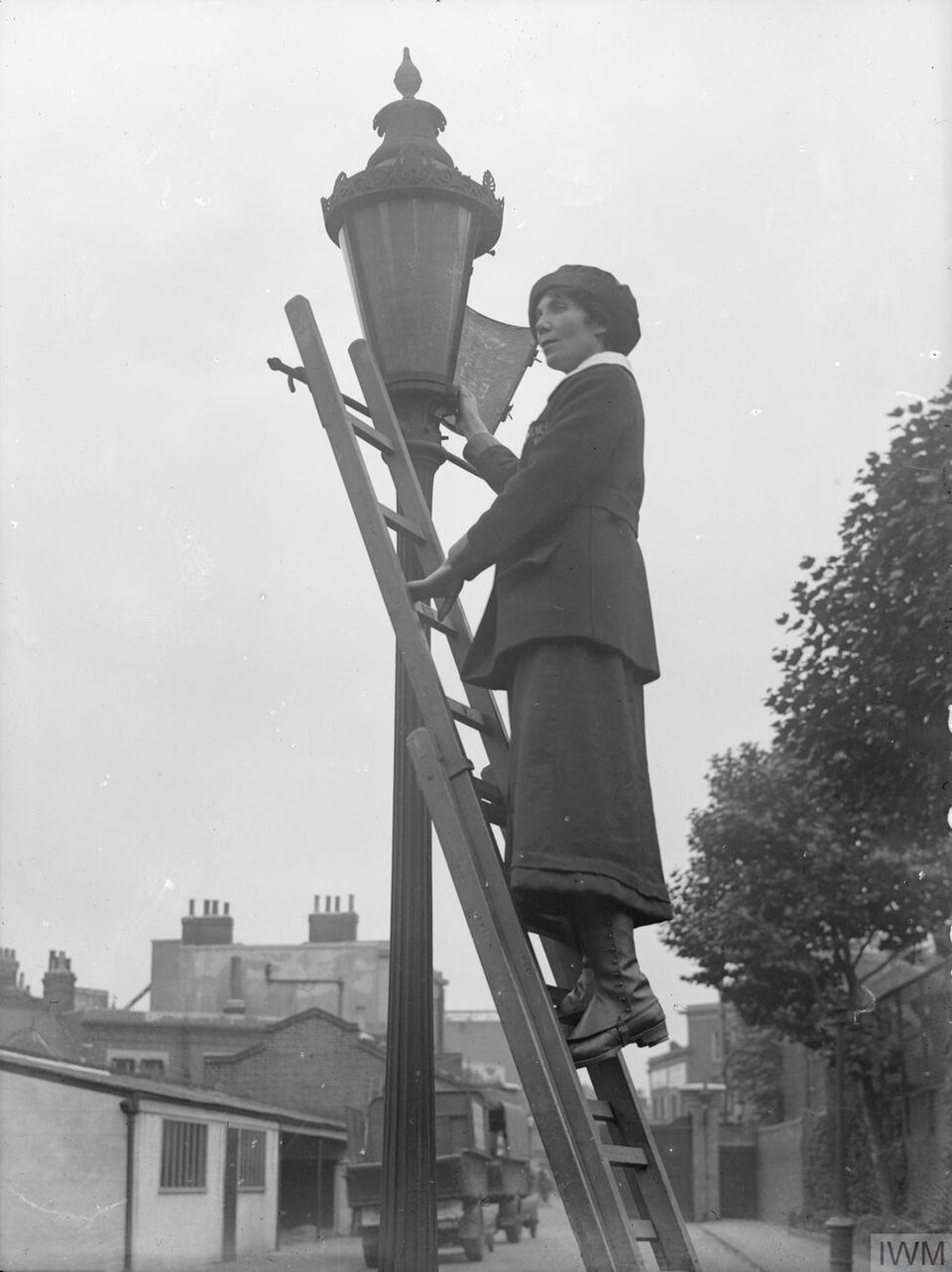
Lamplighters lit and doused gas streetlights at dusk and dawn, using ladders and flame on fixed routes. Cities began switching to electric lights in the 1880s after early tests in Cleveland in 1879 and New York soon after. By the 1910s the job was shrinking, and by the 1930s it was rare in U.S. towns. Their routines show how upkeep keeps streets safe. After storms, crews still inspect bulbs, timers, and lines. If your block goes dark, report it. Always keep distance from gas, use dry hands, and avoid sparking tools.

3. Ice Cutter
Ice Cutter
Public Domain/Wikimedia Commons

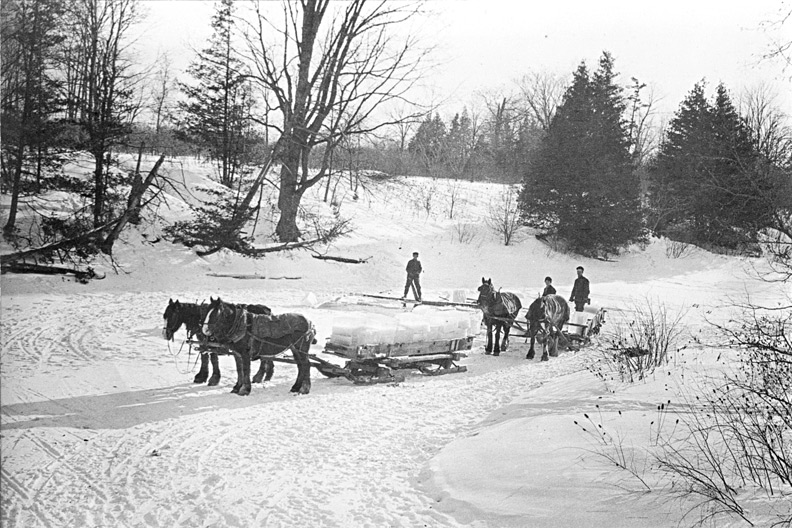
Before home refrigerators, crews cut lake ice each winter, then hauled 200 to 300 pound blocks into sawdust-cooled icehouses. Boston trader Frederick Tudor shipped New England ice to Havana in 1806, and even to Calcutta in 1833. Electric fridges spread after 1927 when GE released the Monitor Top, and the natural ice trade collapsed by the 1930s. This story shows timing and storage. Workers waited for at least 12 inches of clear ice and kept ropes ready. Cold water disables muscles fast, so lookouts used whistles near inlets where thickness could drop inches.

4. Bowling Pinsetter
Bowling Pinsetter
Public Domain/Wikimedia Commons

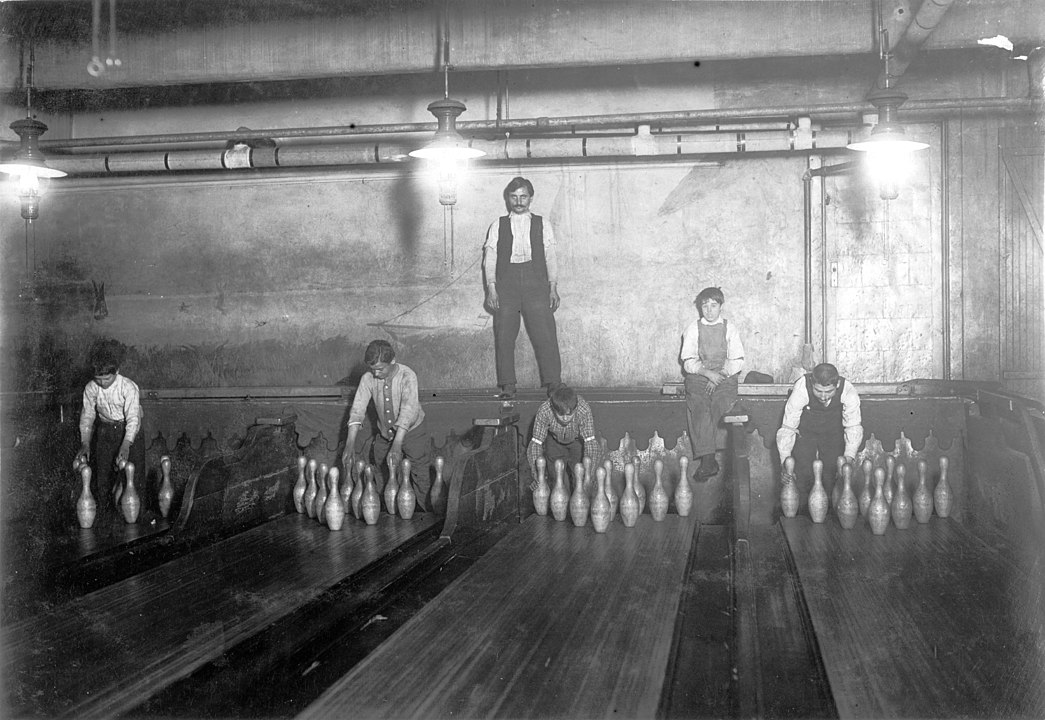
Pinsetters once sat behind lanes to clear pins and reset racks by hand. Pay could be 5 to 10 cents per game in the 1930s. AMF introduced an automatic pinspotter in 1946, and by 1956 many centers used machines for spotting and ball return. Manual jobs faded across the United States. The change teaches balance, automation plus safety. Older alleys often top 85 dB, so ear protection helps. Follow posted lane rules, use guards, and wait for machines to stop. Managers log repair dates for belts and sensors to keep resets steady on busy weekends.

5. Morse Telegraph Operator
Morse Telegraph Operator
Public Domain/Wikimedia Commons

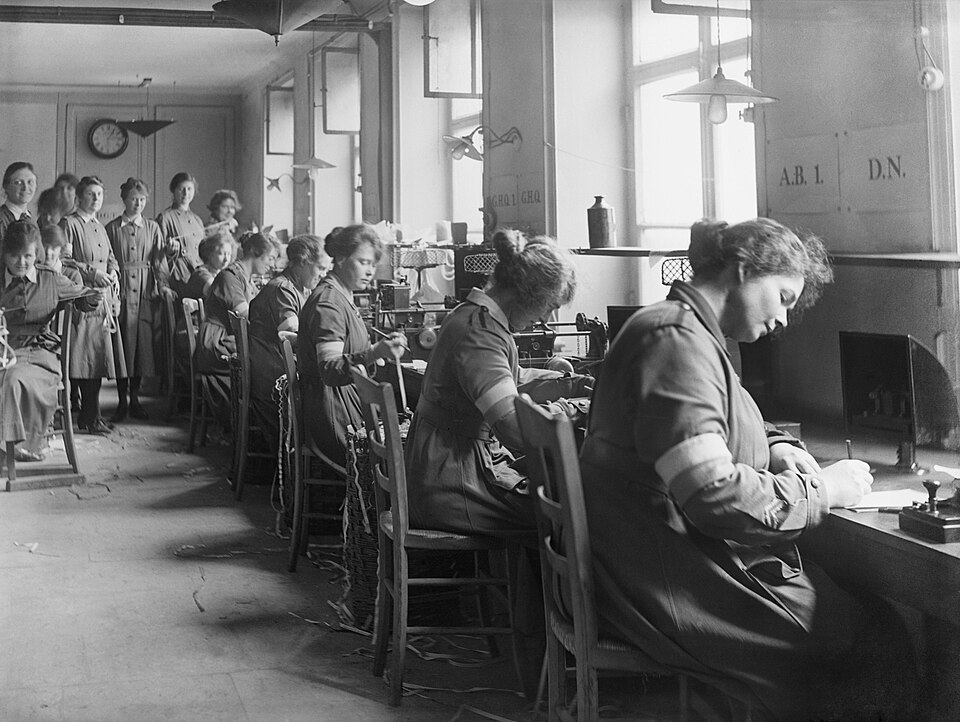
Morse telegraph operators sent messages over wire using dots and dashes. The first U.S. public line opened in 1844 between Washington, DC, and Baltimore, a 38 mile route. Operators learned around 25 words per minute and handled railroad and newspaper traffic. Railroads adopted standard time zones in 1883 to reduce collisions, and telegraph timing helped keep trains on schedule. Phones and teletype replaced the job. Western Union ended domestic telegrams in 2006. Clear formats still save time, so confirm city codes and dates before changes.

6. River Driver
River Driver
Jpbazard, CC BY-SA 3.0/Wikimedia Commons

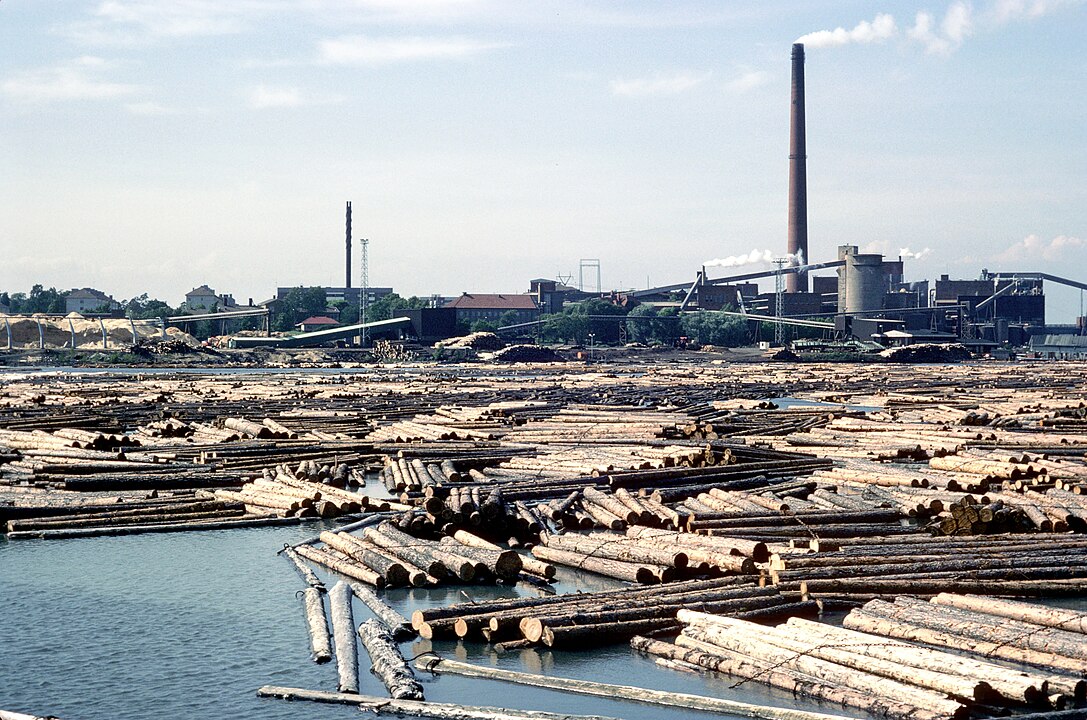
River drivers guided floating logs down spring rivers using pike poles and spiked boots. Crews cleared jams that could stretch hundreds of yards, then walked miles along banks to keep timber moving to mills. As trucking and rail expanded, states ended the practice. Maine’s Kennebec River held its final log drive in 1976. The work shows how seasons set schedules. Ice-out in Maine often comes in April, which once triggered drives. Cold water and unstable logs can drown workers, so life jackets and throw ropes remain essential in river jobs.

7. Linotype Operator
Linotype Operator
Public Domain/Wikimedia Commons

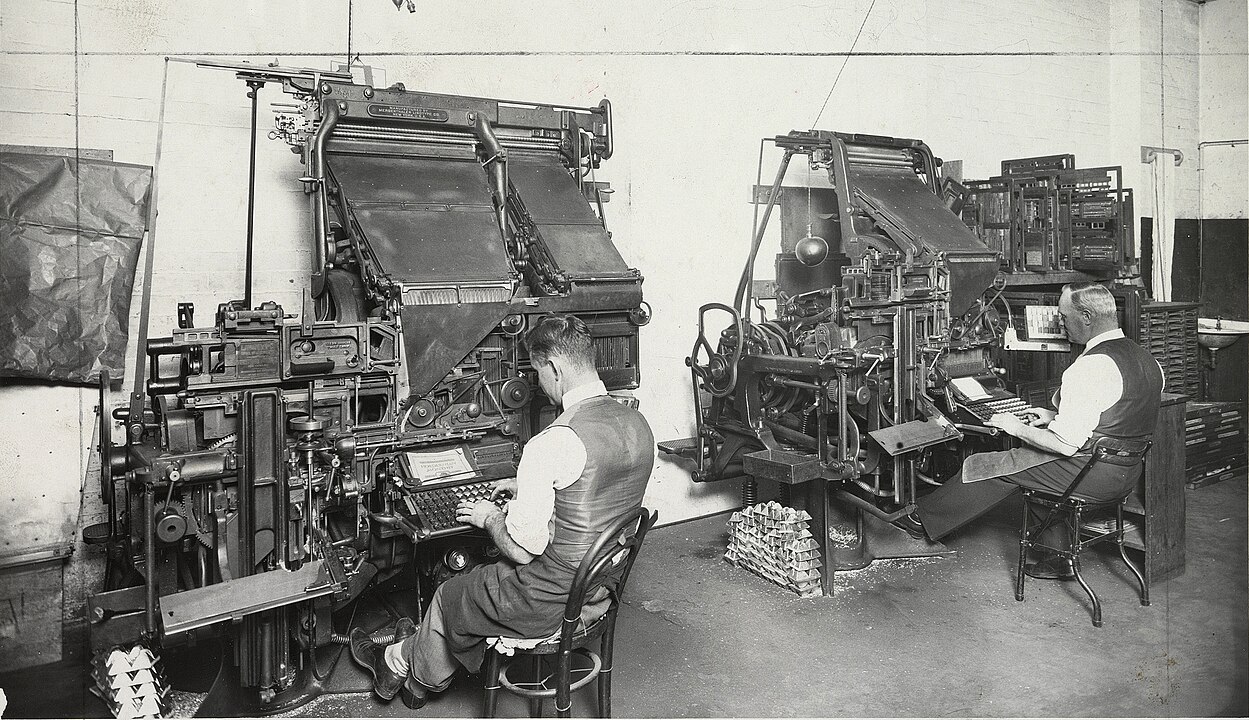
Linotype operators cast whole lines of hot metal type for newspapers and books. Ottmar Mergenthaler’s machine debuted in 1884 and boosted output in big city shops. Operators managed 550 degree Fahrenheit metal, matrices, and keyboards with more than 90 keys. Phototypesetting and digital layout replaced hot metal in the 1960s and 1970s. The New York Times ended hot metal in 1978. These details stress training and heat safety. Shops logged melt temperatures and checked extinguishers each month to satisfy codes and insurance rules.

8. Human Computer
Human Computer
Public Domain/Wikimedia Commons

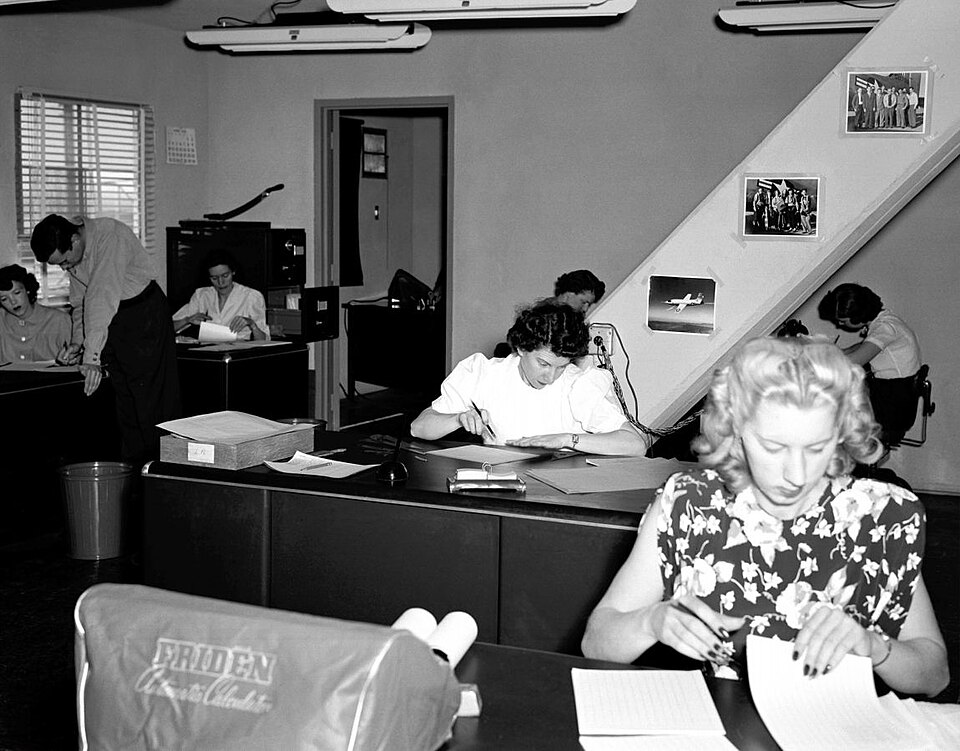
Before electronic machines, human computers solved math by hand for engineering and science. At NASA’s Langley lab in Virginia, teams computed flight paths in the 1940s and 1950s. Katherine Johnson checked John Glenn’s 1962 orbital path, verifying early IBM results before launch. By the 1970s, digital computers replaced the job title. Independent checks still prevent errors. For labs and exams, write units like meters and seconds, then verify inputs. Slide rules were common in 1959. Many teams posted dated formula sheets to avoid mixups.

9. Matchstick Dipper
Matchstick Dipper
Public Domain/Wikimedia Commons

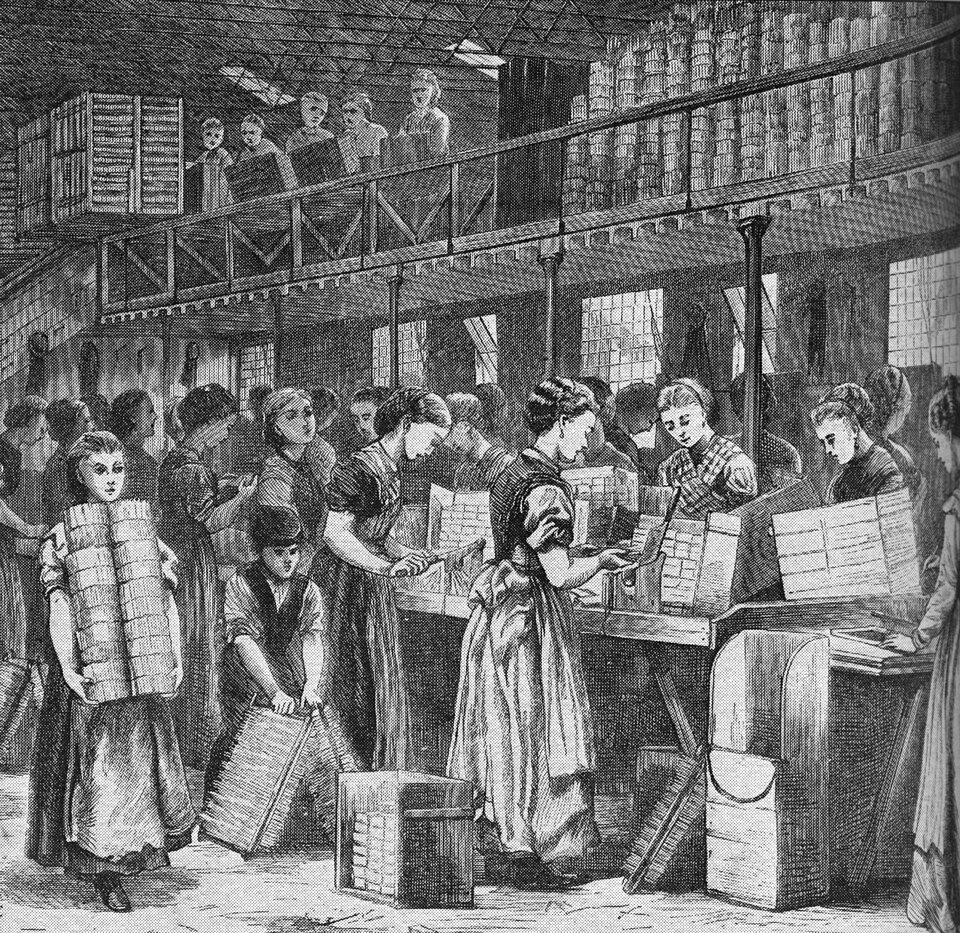
Match workers once dipped splints in white phosphorus, which ignited easily but released toxic fumes. The danger caused phossy jaw, a painful bone disease documented in London factories by the 1880s. Pressure grew for reform, and Britain banned white phosphorus matches in 1910. The United States followed with a federal tax and ban in 1912. Modern plants use safer chemistry like red phosphorus and strict ventilation. At home, store matches high and dry, and keep them away from small children and heaters to prevent fires.

0 Shares:
You May Also Like
7. Gift Math And Adjusted Timelines
Read More

10 Souvenirs That Replaced Postcards, and Why They Took Over

# 10 Souvenirs That Replaced Postcards, and Why They Took Over Postcards used to be the official proof that someone had gone somewhere else, even for a weekend. One photo, a rushed note, and a stamp did the job. As phones made updates instant and mailing got fussier, the postcard shifted from habit to novelty. Shops did not stop selling memories, they just changed the format. People started picking objects that stayed in daily circulation: something to wear, use, taste, or display. These souvenirs carried place and personality without requiring neat handwriting or a correct address. The result is a quieter kind of storytelling, where the trip keeps resurfacing in kitchens, pockets, and routines long after the suitcase is zipped away. Even the smallest keepsake can outlast paper. ## Fridge Magnets Postcards showed up late, then got buried, no stamp, no address, no delivery gamble saving the moment. Fridge magnets solved that by living in plain sight, pinning grocery lists and kid art under the same skyline, ferry silhouette, or metro line diagram, so the memory stayed active instead of archived. Shops moved past generic landmark photos into neighborhood slogans, food sketches, and mini maps, because one glance could bring back market chatter and platform noise; they pack flat, survive rentals and moves, and invite multiples, turning a single fridge door into a casual, constantly updated timeline of places that still matter. ## Travel Stickers And Decals Stickers turned souvenirs into something that traveled again. Instead of mailing a postcard to one person, a decal could live on a laptop, water bottle, bike frame, or scuffed suitcase, building a layered map of routes through station codes, park crests, bookstore logos, and hand drawn mascots that sparked conversation in cafés and airport lines. Because they are waterproof, cheap, and sold in sets, they became easy gifts and easy trades, and wear looks honest, not ruined; each scratch and overlap shows what came after, making the object feel like a passport with a growing, visible history that never needs framing. ## Enamel Pins And Patches Enamel pins and patches gave the postcard image weight and texture, turning a skyline or mascot into something that could be worn. A tiny badge of a mountain ridge, museum logo, or neighborhood diner sat on a jacket or backpack for years, acting like a quiet signal in transit stations and coffee lines, not a message begging for postage. Shops leaned into limited runs, artist collaborations, and city only series, so the souvenir felt chosen, not generic; extras were gifted, swapped, or used to cover a tear, and the metal or thread handled rain and repeat trips with ease while a pinboard at home kept the timeline intact. ## Keychains And Bag Charms Keychains and bag charms replaced the postcard rack impulse with something that had a job to do. Keys get grabbed every morning, and charms ride on zipper pulls and backpacks, so a metal tag or leather fob kept the trip in circulation, stamped with coordinates, an arrival year, or a street sign shape that felt like a postmark without the paper. Many versions doubled as bottle openers or tiny tools, so the souvenir earned its space, and pocket wear became part of the story, turning scratches and softened edges into proof that the memory moved through real weekdays, rentals, and commutes, not just a perfect weekend photo. ## Tote Bags, Tees, And Caps Apparel made souvenirs feel less like clutter and more like identity. A tote from an art bookstore, a tee from a surf town, or a cap from a ballpark got worn again and again, carrying the place into errands, classes, and casual nights out, and sometimes turning into the default travel uniform on the next flight. Shops shifted from generic landmark photos to sharper typography, neighborhood slang, and local brand logos that signaled taste as much as geography; the best pieces were soft, well cut, and easy to pack, so gifting one felt practical, and the souvenir kept earning attention without taking up shelf space or needing a frame. ## Mugs And Local Drinkware Mugs turned travel into a daily ritual instead of a mailed update, because morning coffee landed in ceramics printed with a neighborhood map, a museum crest, or a local roaster logo and the memory resurfaced when the kettle clicked off. Cafés and galleries pushed limited designs, handmade glazes, and seasonal runs, so the purchase felt closer to a small piece of art than a generic souvenir. Tumblers, pint glasses, and tea cups also solved storage: they stack, survive moves, and look better with use, and they show up at dinners and chats, letting one shelf hold years of trips without becoming a dusty pile of paper. ## Snacks, Spices, And Pantry Finds Edible souvenirs did what postcards tried to do, but faster, because a jar of chili crisp, a regional spice blend, or a bag of saltwater taffy could be opened the night someone got home and turn storytelling into tasting. Markets and airports helped by selling sealed sweets, vacuum packed coffee, and sturdy tins built for carry ons, so the food survived long routes and still felt tied to the place where it was found. It also dodged clutter: once shared at an office desk or family table, it disappeared, yet the flavor lingered, and people often remembered a street, a song, or a shopkeeper’s grin more clearly than any glossy photo. ## Ornaments And Tiny Home Decor Ornaments became postcards with a return date, because a hand painted bauble from a night market or a miniature landmark for the tree reappeared every December and unboxing it felt like rereading a message from an older self. Outside the holidays, tiny home décor did the same work: coasters, tea towels, ceramic tiles, and matchboxes that lived on counters, ready to be noticed during ordinary mornings. These pieces asked for no postage and no framing, only a place in the house, and they resurfaced at the right moments, when guests arrived, when winter gatherings started, or when a quiet afternoon made nostalgia feel welcome. ## Art Prints, Zines, And Pocket Books Small prints and zines gave the postcard a smarter cousin, because instead of the same sunset photo, travelers brought home risograph posters, line drawings of street corners, and pocket guides written by locals, sometimes signed or numbered, which made the memory feel chosen, not grabbed. The message lived in the taste of the selection, not the handwriting, and the paper felt worth keeping because it had a point of view. Unframed pages fit clip rails, journals, or gallery walls, and buying from an artist table or neighborhood bookshop let the souvenir support the place directly, keeping the trip alive through design, not postage. ## Tattoos As Travel Keepsakes For some travelers, the replacement became permanent, and that permanence was the appeal. A tiny wave, coordinates, or a symbol developed with a local artist could not be lost in a move or tossed in a cleanout, and booking an appointment made the souvenir feel like commissioning art, not grabbing merch near the register. It also solved the postcard problem cleanly: no postage, no delay, no single recipient, just a story carried forward on skin, whether it is a port city anchor or a mountain contour line, quiet until a sleeve rolled up or a wrist turned and the place appeared again, right on time in conversation or solitude. The postcard never really lost its charm; it lost its role. Modern souvenirs win because they do not ask for extra steps, and they refuse to stay hidden. A magnet gets touched, a mug gets lifted, a spice blend gets passed across the table, and a pin rides through another trip. That repetition is the secret. Instead of proving travel happened, these objects let the memory keep happening, in small flashes that feel honest. In the end, the best keepsake is the one that blends into daily life and still pulls a place back into focus, without fanfare. **Excerpt (130 characters):** Postcards faded, but magnets, mugs, stickers, snacks, and small art brought travel home, letting memories live in real life still.