In the 1970s, television wasn’t background noise. It was a nightly meeting place where families laughed, debated, and copied the best lines before the credits rolled. Sitcoms, cartoons, kids’ shows, and late-night sketches all competed to create phrases that could travel from the couch to the cafeteria by morning. In a pre-internet culture, those repeated lines became a kind of social shorthand. A good catchphrase carried attitude, comfort, or a wink of rebellion, and it helped strangers recognize each other in public with a single quote.
And I Would’ve Gotten Away With It, Too, If It Hadn’t Been for Those Meddling Kids!
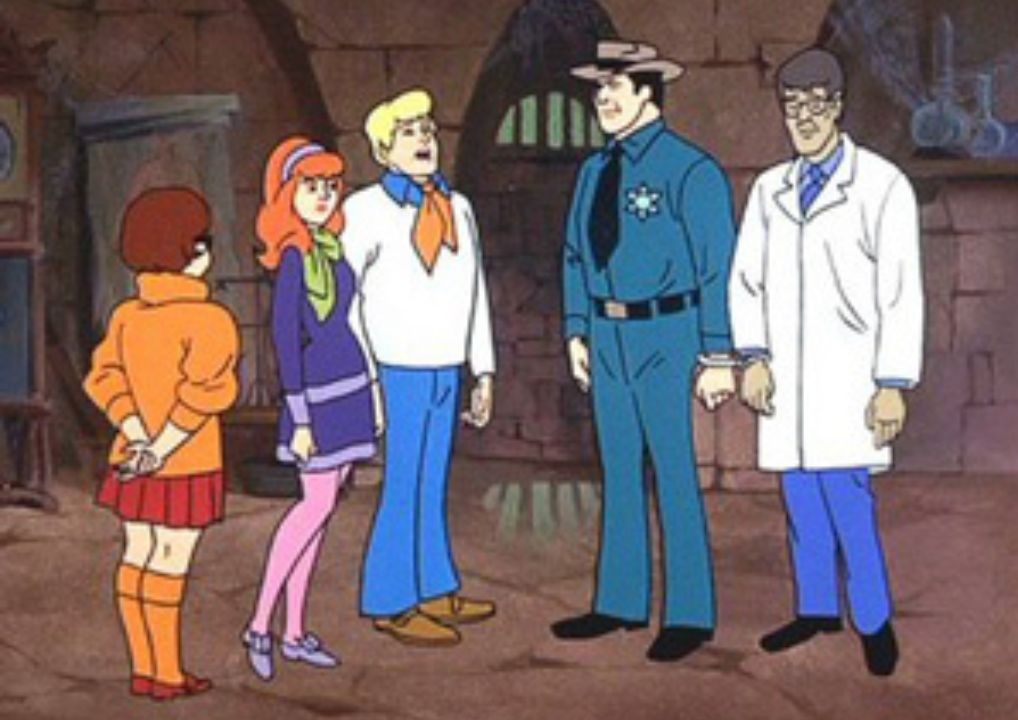
Every episode of “Scooby-Doo” set up the same delicious rhythm: a spooky threat, a string of frantic chases, and then the mask sliding off to reveal a very human trick. The culprit’s irritated confession, “And I would’ve gotten away with it, too, if it hadn’t been for those meddling kids!” made failure sound funny instead of pathetic. In the 70s, the line became the universal excuse for any plan spoiled by curiosity, whether it was a prank interrupted, a surprise discovered, or a shortcut called out. It sounded best delivered with mock outrage, then a laugh that reset the room.
Nanu Nanu
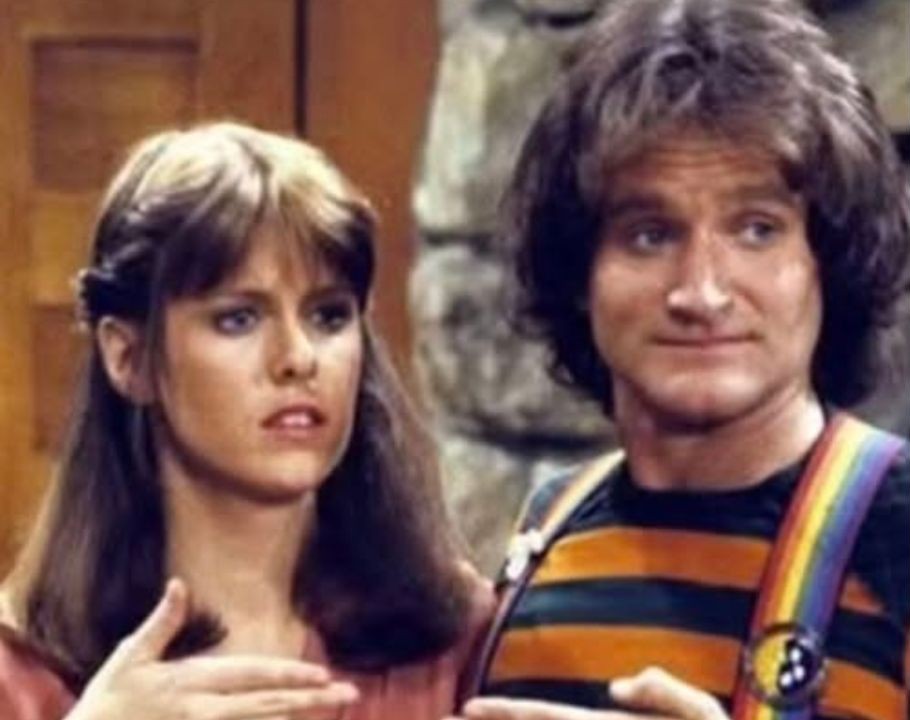
Mork’s greeting on “Mork & Mindy” was short, strange, and musical, and that made it perfect for repetition in a way most TV lines never achieve. “Nanu Nanu” came with a crisp salute and Robin Williams’ elastic energy, so even a plain hello suddenly felt like a performance. Kids used it in hallways and on playgrounds, while adults used it at work to break tension without making anyone the butt of the joke. It stuck because it was pure play, a friendly signal that said, for a moment, seriousness could wait. The words even sounded friendly to people who had never seen the show, which helped it survive outside fandom.
Good Night, John Boy!
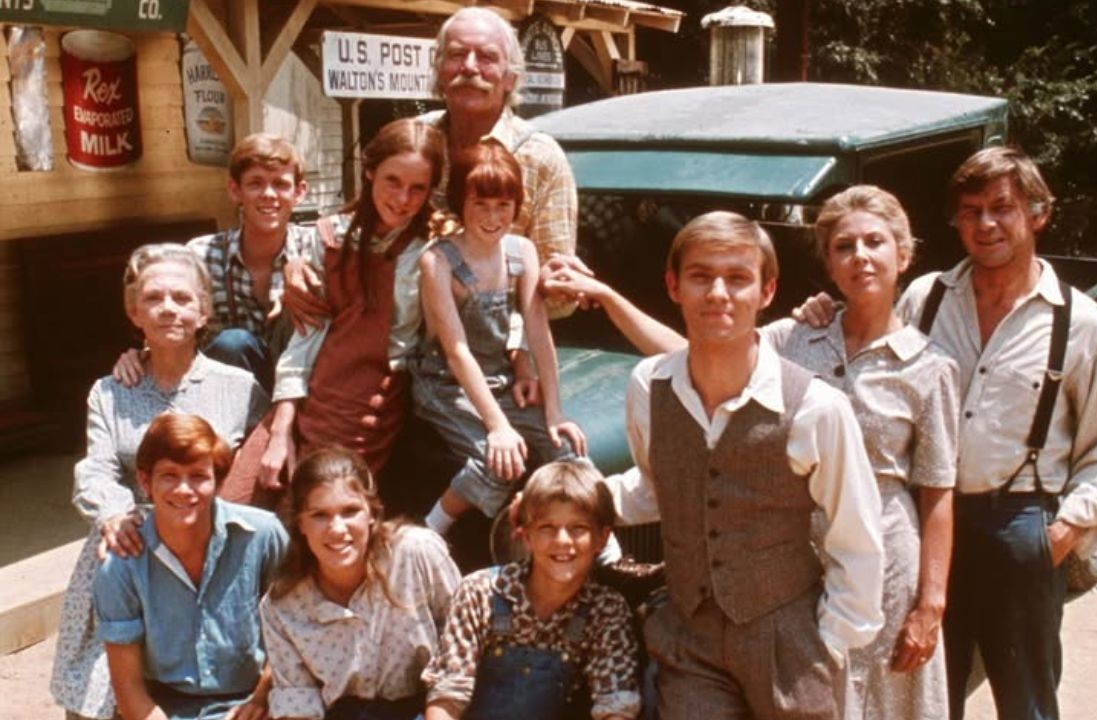
“The Waltons” ended with a ritual that felt like warm light moving through a dark house. Voices called goodnight across bedrooms and stairwells as lamps clicked off one by one, and the familiar capstone, “Good night, John Boy!” landed with quiet certainty. In the 70s, families repeated it at bedtime, and friends borrowed it to end phone calls, because it carried comfort without forcing sentiment. The phrase made ordinary endings feel steadier, like the day could close with kindness even when it had been long. The cadence mattered, and saying it slowly made a messy day feel neatly put away again.
Dy-No-Mite!
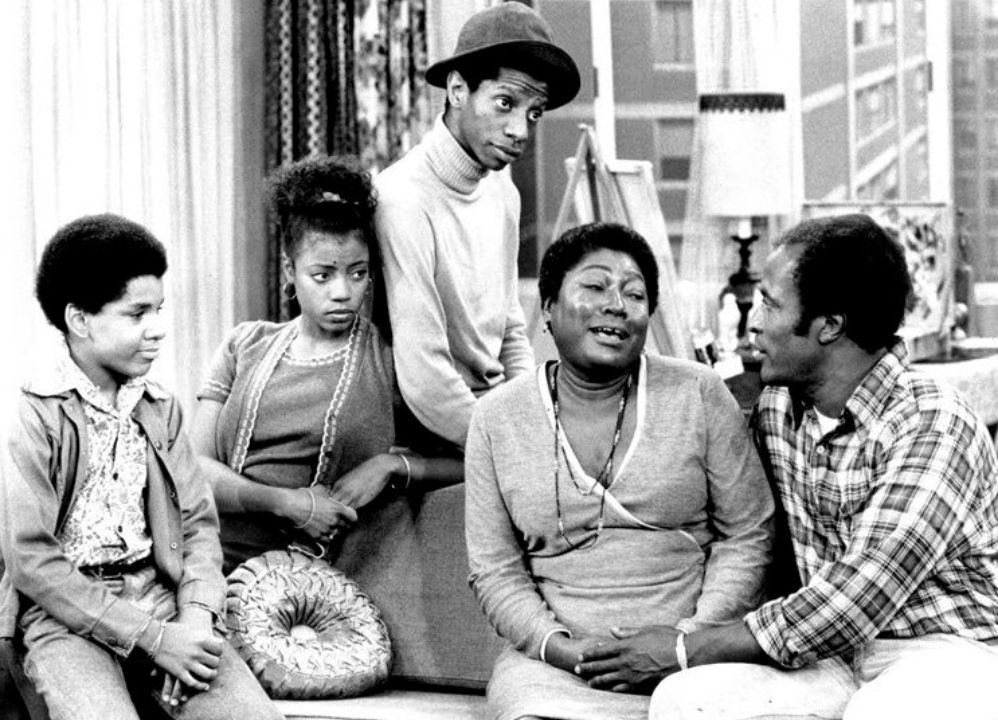
“Good Times” balanced humor with everyday pressure, and J.J. Evans supplied the shout that let the room breathe again. When something pleased him, he stretched approval into “Dy-No-Mite!” with the timing of someone who understood how joy can be a survival skill. It escaped the show because it fit almost any small victory, from a good grade to a bargain found to a joke that finally landed. Said out loud, it turned approval into celebration, and it gave people a way to cheer without needing a long speech. Posters, school jokes, and playground chants kept it alive, long after an episode ended.
Up Your Nose with a Rubber Hose!
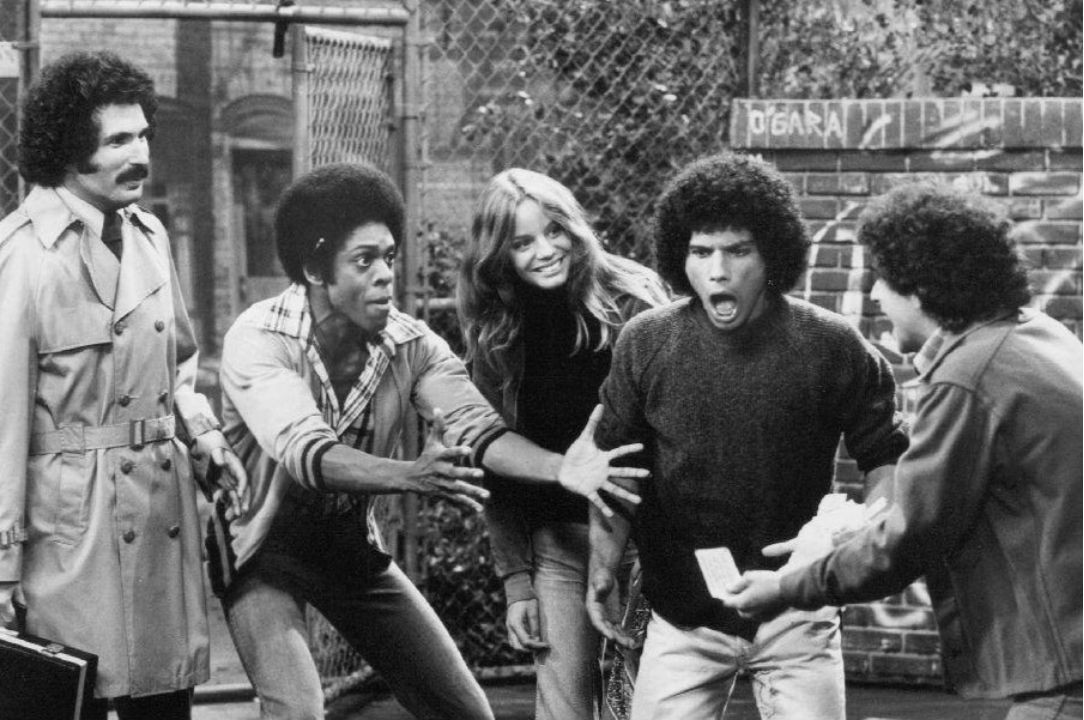
“Welcome Back, Kotter” turned classroom trouble into warm, streetwise comedy, and the Sweathogs’ fast comebacks felt like a language all their own. Vinnie Barbarino’s signature insult sounded tough, yet it stayed goofy enough to repeat without starting real drama, which made it perfect for kids practicing attitude and adults quoting it as parody when a conversation needed a reset. It pushed back, ended the moment, and left room for laughter, so it echoed through hallways and living rooms as a safe way to show irritation, then move on. The absurd detail of a rubber hose kept it cartoonish, so it landed as playful, not harsh.
Won’t You Be My Neighbor?
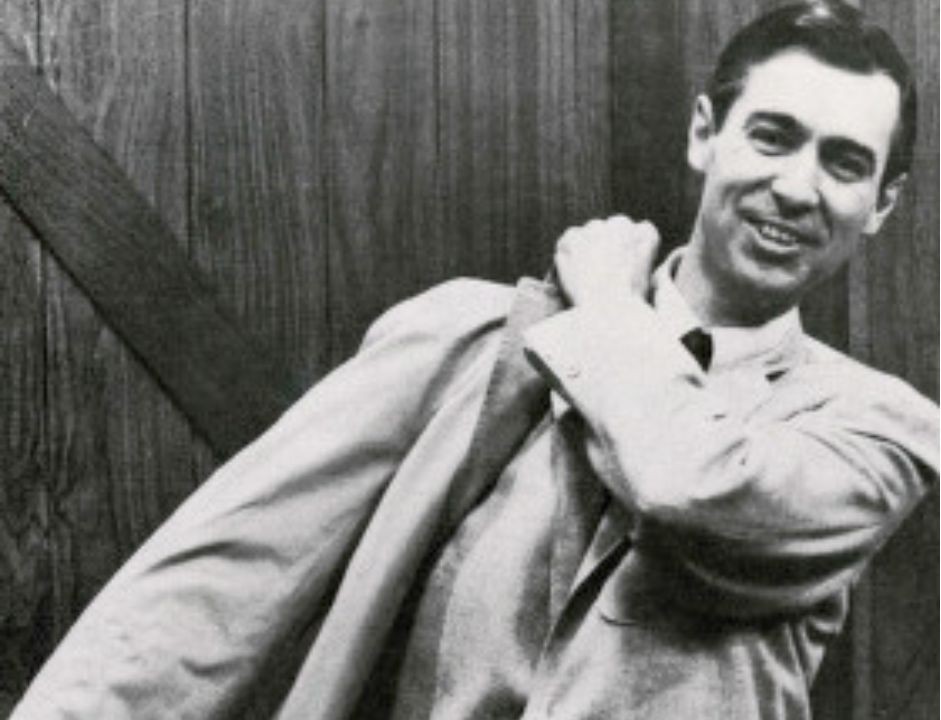
Fred Rogers opened “Mister Rogers’ Neighborhood” with a question that carried patience, respect, and a steady welcome. With the cardigan, the sneakers, and the calm pace of a living room visit, the show made space for feelings to be named and handled gently, not rushed past. Parents and teachers repeated the sentiment because it set a tone without lecturing, and it made kindness feel practical in classrooms, clinics, and homes. Its power came from consistency, the same words showing up like a dependable friend at the same time each day, even when the world felt loud too.
Don’t Make Me Angry. You Wouldn’t Like Me When I’m Angry.
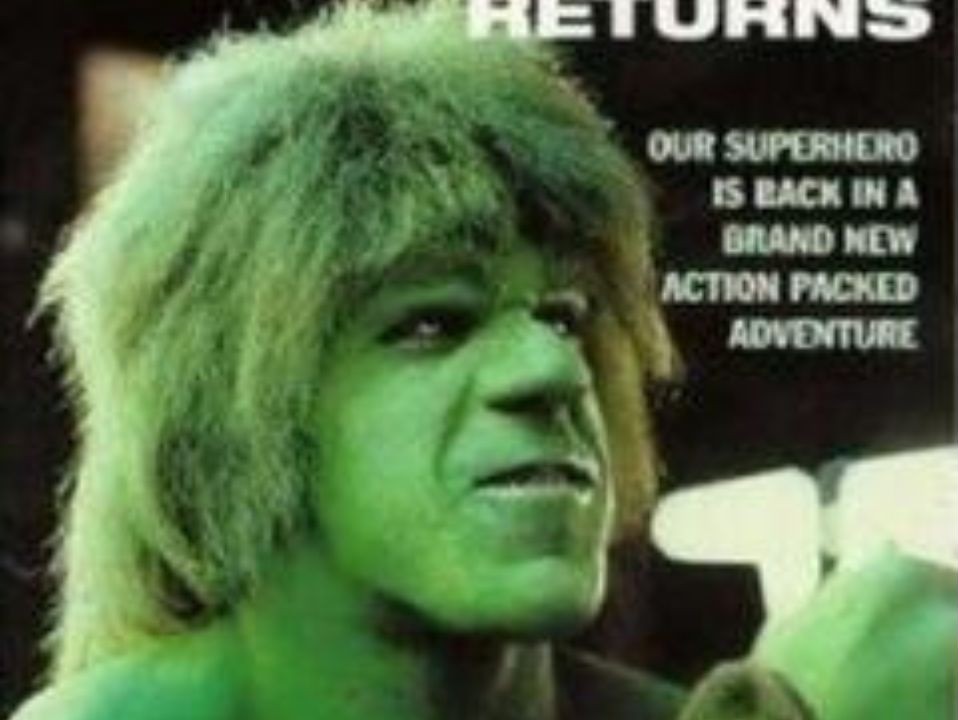
On “The Incredible Hulk,” Dr. David Banner tried to stay calm because strong emotion triggered an unwanted change that could derail his life in seconds. The famous warning line carried exhaustion more than swagger, a boundary from someone tired of managing pressure while chasing normalcy, and the long pause before it happened did as much work as the effect itself. Viewers repeated the idea as a half-joking way to say patience was thinning without raising the temperature, and it stuck because it balanced tension with restraint while making self-control feel cinematic in everyday arguments and crowded rooms.
Who Loves Ya, Baby?
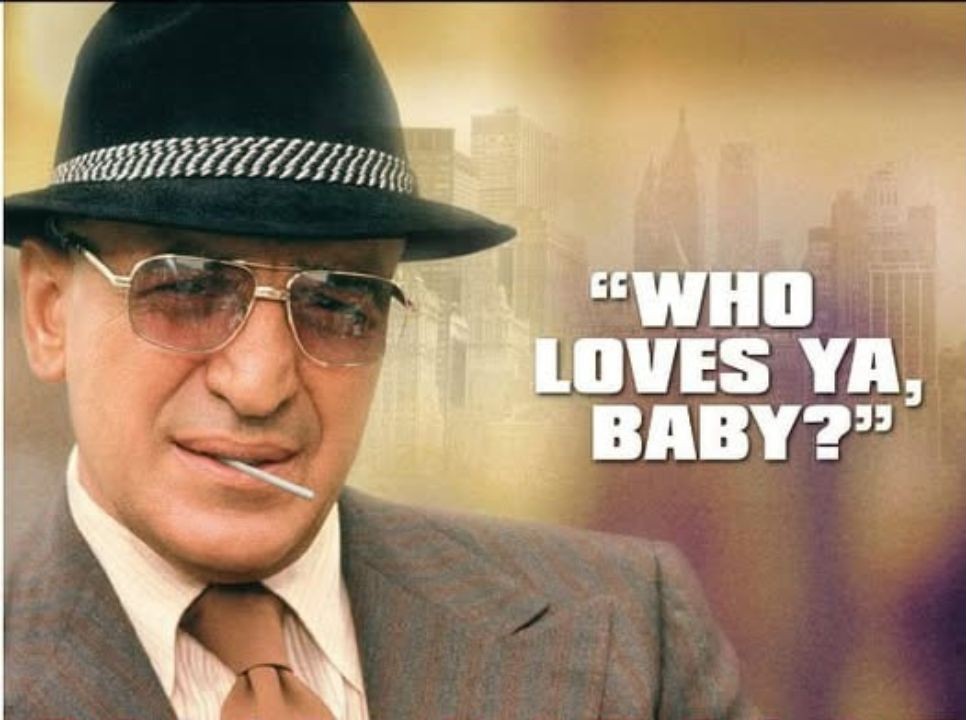
“Kojak” gave TV a detective with swagger, a lollipop, and a line that made toughness sound oddly affectionate. When Telly Savalas tossed out “Who loves ya, baby?” it could cap a case, punctuate a joke, or soften a hard moment with a smirk that said everything was under control. People borrowed it to add confidence to everyday talk, from playful teasing to a quick exit after a point was made. The phrase worked because it carried charm instead of menace, and it let someone sound cool without sounding cold in the process. The lollipop swagger made the quote feel iconic, not forced.
Stifle Yourself!
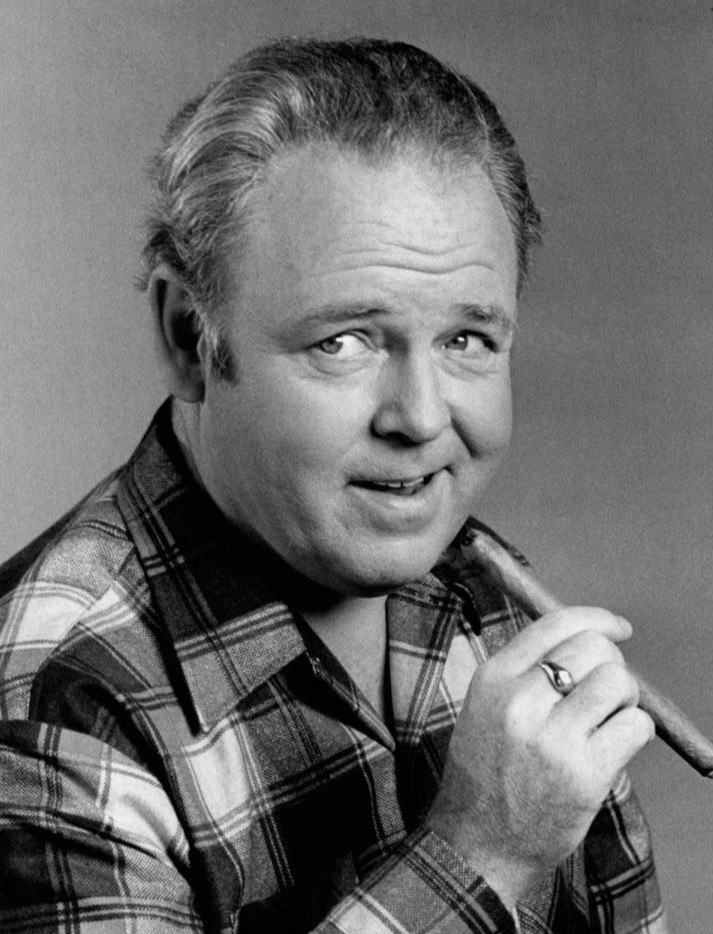
“All in the Family” thrived on arguments that felt uncomfortably real, and Archie Bunker’s sharp “Stifle yourself!” became his quick way to shut down Edith when he ran out of patience. The line caught on because it sounded theatrical and old-fashioned, like a scold from another era, which made it easy to imitate as parody. Families repeated it to vent irritation without truly attacking anyone, often with an exaggerated tone that turned it into a joke instead of a jab. It became shorthand for sitcom-style bickering, the kind that spikes, then cools down. It was prickly but the exaggeration kept it comedic.
Kiss My Grits!
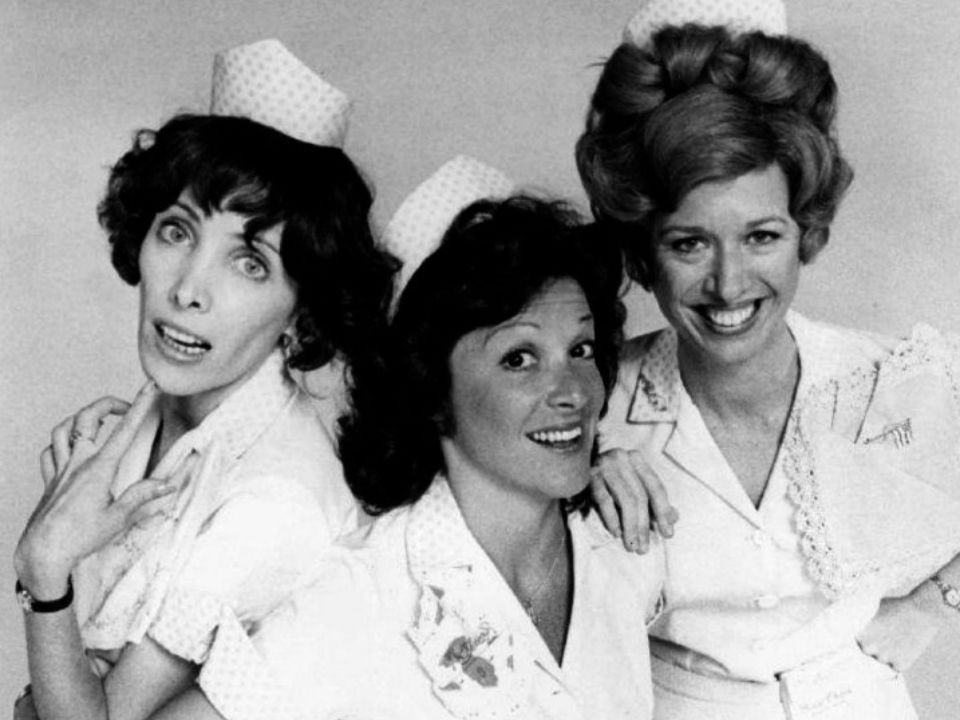
“Alice” turned a diner into a stage for workplace banter, and Flo’s “Kiss my grits!” delivered a refusal that was blunt but still safe for prime time. That balance is why it spread, because it offered a comeback that set a boundary without using language people wouldn’t say around family. The phrase popped up in kitchens, schools, and offices whenever someone pushed too far, and it often came out with a grin to keep the mood from turning sour. It carried Southern flavor, sharp timing, and the simple satisfaction of standing firm in a single breath. It landed with a grin, so the boundary felt firm, not bitter.
We Are Two Wild and Crazy Guys!
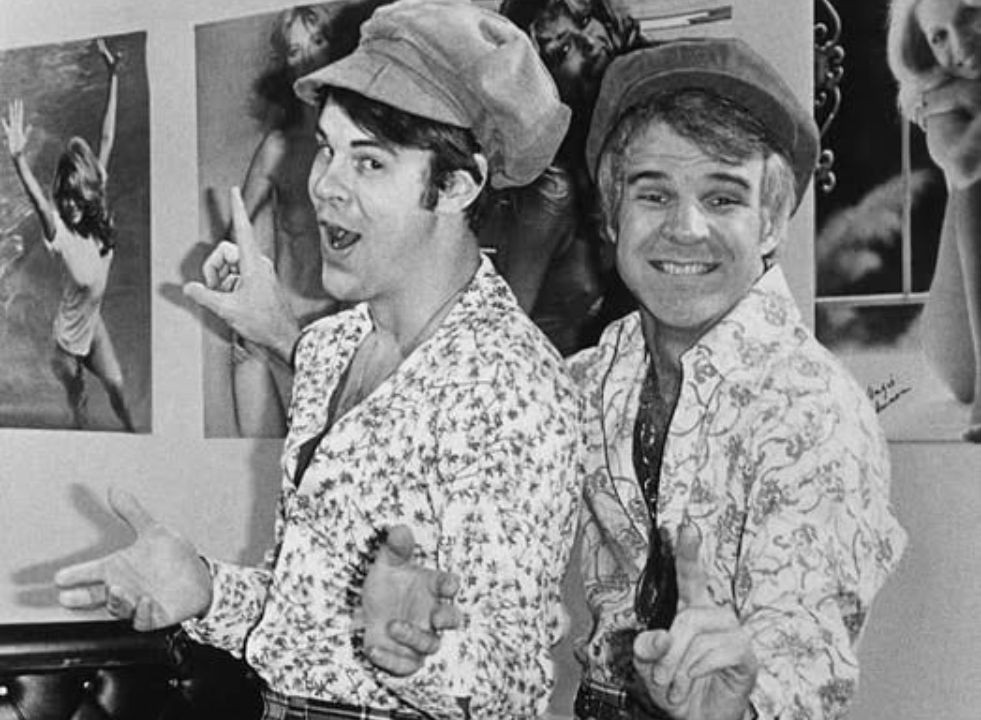
Early “Saturday Night Live” proved that a sketch could plant a phrase in the culture overnight. The Festrunk brothers’ boast, “We are two wild and crazy guys!” was funny because it was pure performance, confidence pushed so far it became self-mockery. Friends repeated it at parties to announce harmless mischief, or to joke about acting fearless when they were clearly not, which made the line feel inclusive rather than arrogant. It worked as a wink at bravado itself, capturing a 70s appetite for big personalities and loud laughs. Saying it was a way to admit the act was the fun.
Book ‘Em, Danno!
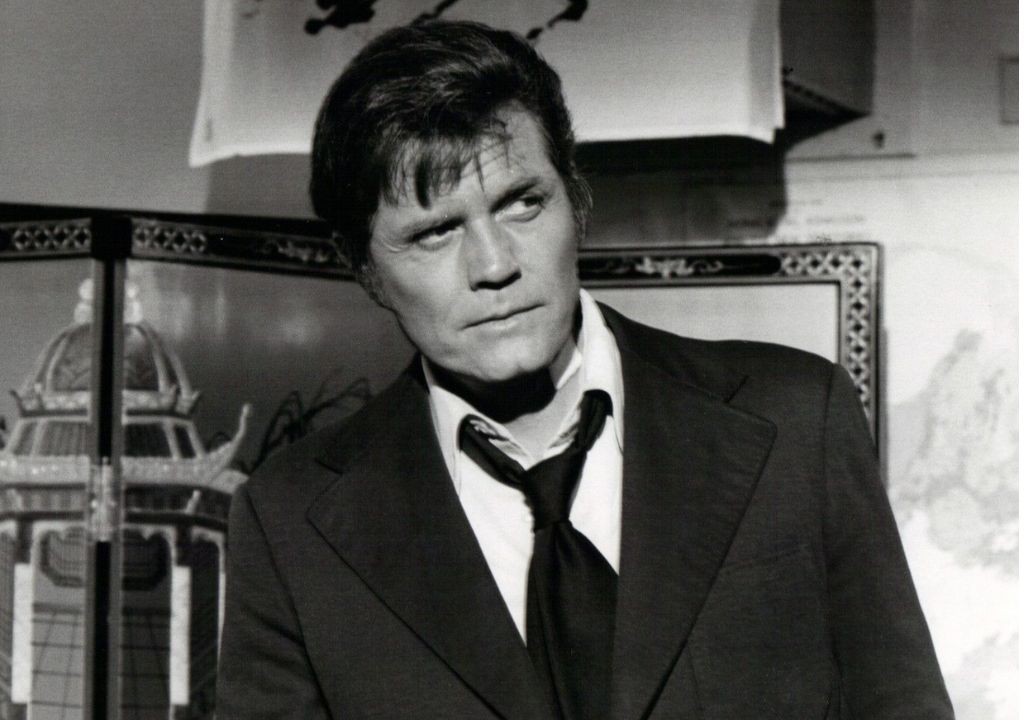
On “Hawaii Five-O,” Steve McGarrett’s command, “Book ’em, Danno!” served as the crisp final beat after the chase and the confrontation. It sounded official, fast, and final, which made it easy to borrow whenever someone got caught, whether it was a serious slip or a harmless prank. The phrase helped police jargon leak into casual talk, turning procedure into punchline, and it gave people a tidy way to end a story with consequences attached. Short and rhythmic, it carried the satisfying snap of closure, like a door clicking shut at the exact right moment. It gave conversations a tidy end, like a TV freeze-frame.