Disasters rarely end when the flames die down or the water retreats. What often follows is a quieter storm, fueled by anger and the need to name a culprit. Sometimes investigators trace what happened with care; other times, a single person is pushed forward as the answer everyone wants. Misjudged emperors, musicians, scientists, and captains have all carried blame that did not fit the facts. Their stories show how grief, fear, and power can twist memory long after the smoke has cleared.
Emperor Nero And The Great Fire Of Rome
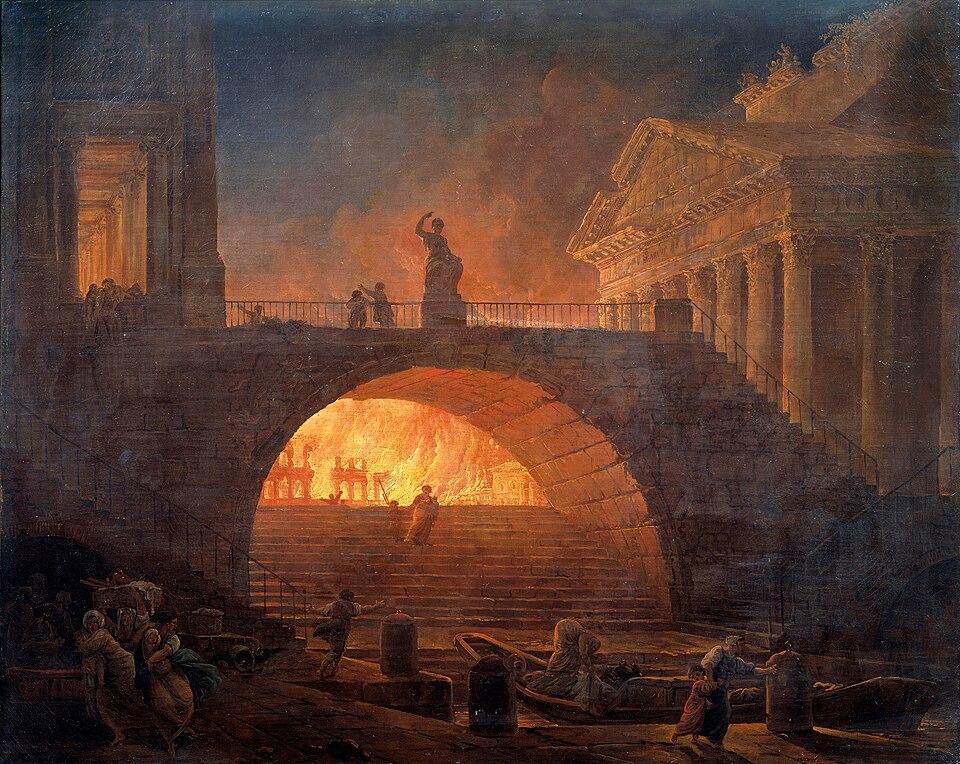
For generations, Nero has been painted as the emperor who watched Rome burn, but the evidence refuses to back that up. Sources place him away from the city when the fire started and describe him opening estates to refugees and funding rebuilding. The real fuel lay in cramped wooden housing, dry wind, and poor planning, yet gossip proved more durable than brick. His name became shorthand for cruelty while the risks of an overgrown city escaped serious judgment. Over time, that mismatch between rumor and record became a lesson in how eager people are to crown a single villain. The fire spread on its own harsh logic
Jeronima Muntanyola And The Storms Of Catalonia
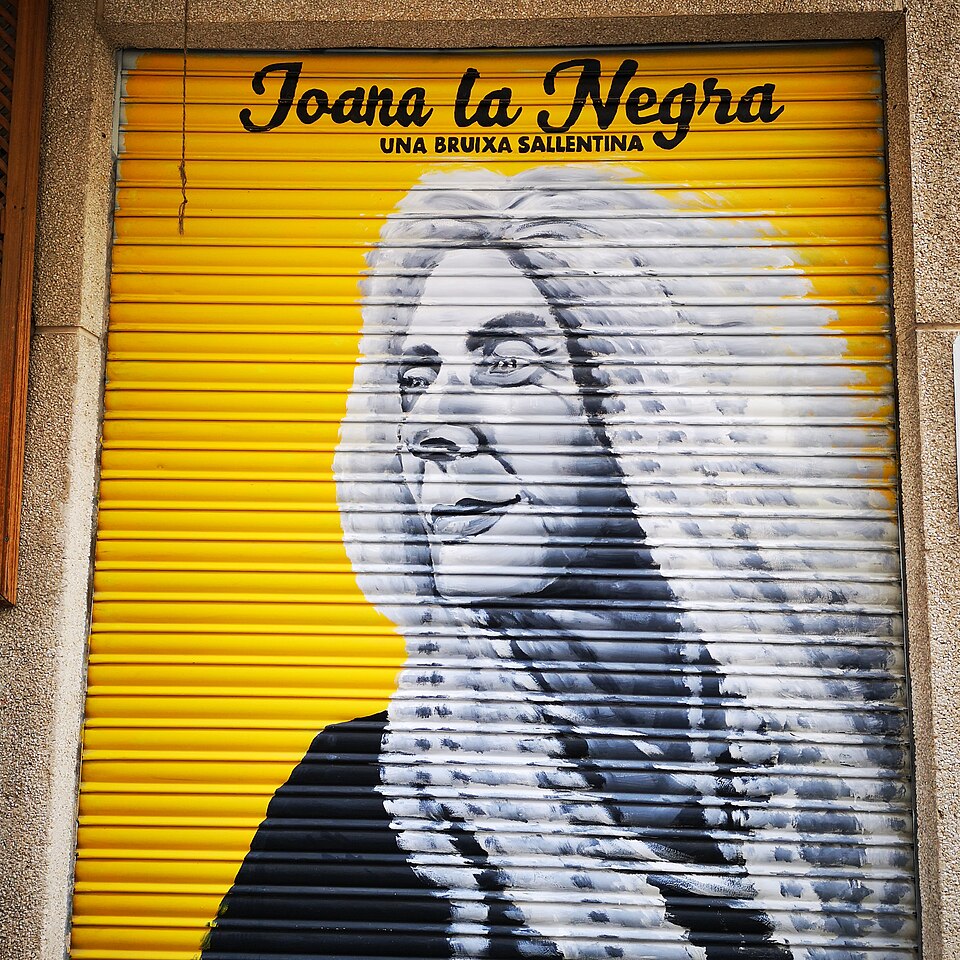
In seventeenth century Catalonia, healer Jeronima Muntanyola lived through seasons of hunger, storms, and mounting fear. As crops failed and debts rose, neighbors looked for a human cause and turned toward the older woman who mixed herbs and prayers on the village edge. Accused of summoning hail, disease, and dead livestock, she confessed under torture and was executed as the architect of the misery. Weather, fragile systems, and harsh taxes left no visible body to punish, so grief and anger narrowed onto the one person who could not push back. Her story lingers as a reminder of how disaster hunts for a face now.
Marie Antoinette And The Bread Crisis
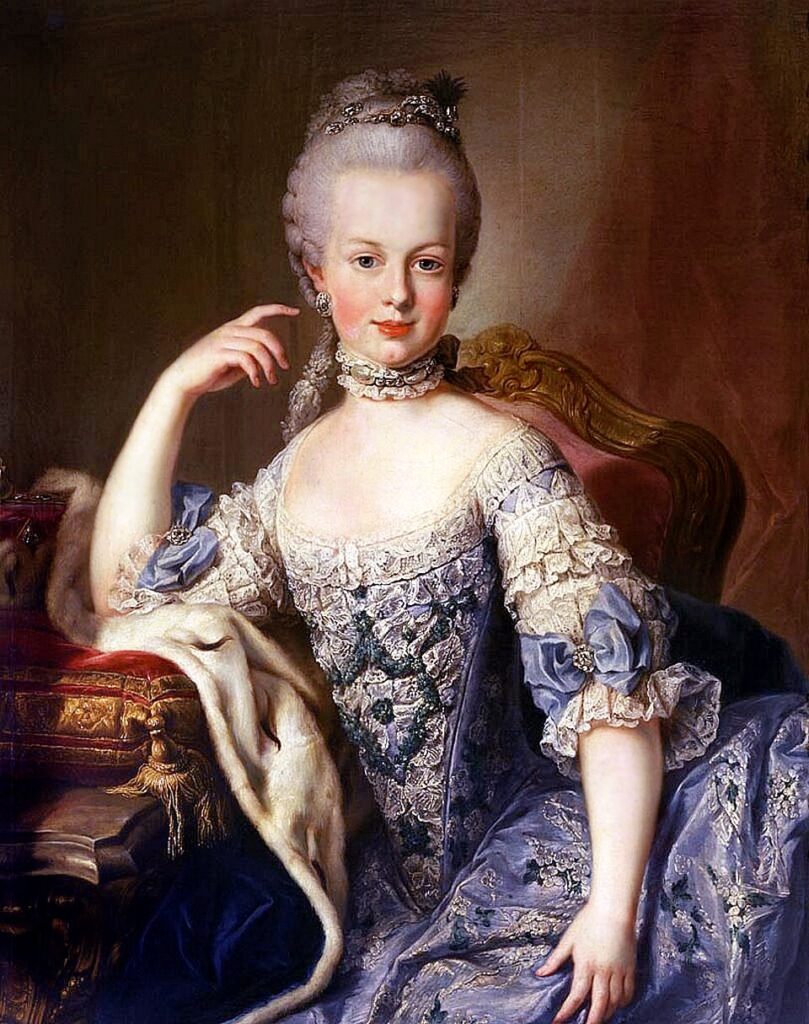
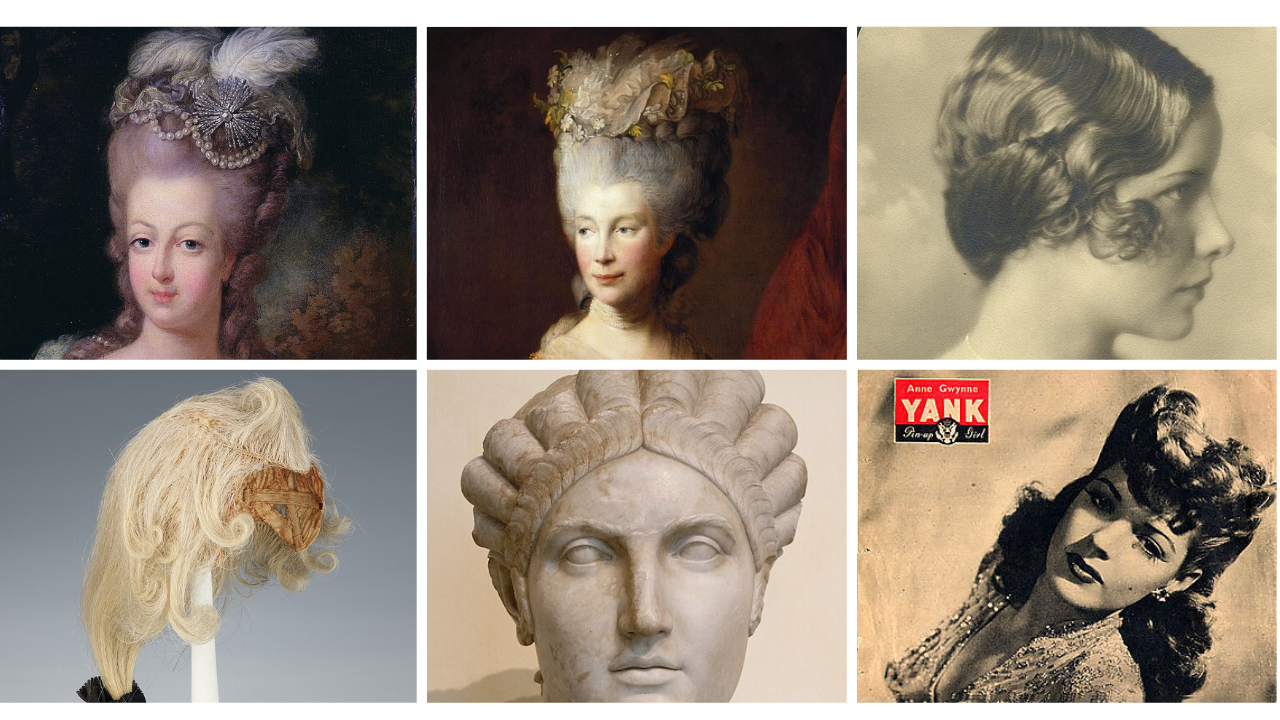
Marie Antoinette is still framed as the queen who shrugged at hungry peasants with a joke about cake, even though that line appeared in print before she set foot in France. The phrase was too perfect to abandon, so it fused with her image and turned a complicated fiscal crisis into a story about one shallow woman. In reality, war debts, bad harvests, and unfair taxes pushed people toward revolt. Blaming her taste for silk simplified a breakdown that had been building for years in ledgers and fields rather than at the dessert table. That mismatch shows how a single line, repeated often, can outweigh quieter facts.
Catherine OLeary And The Great Chicago Fire
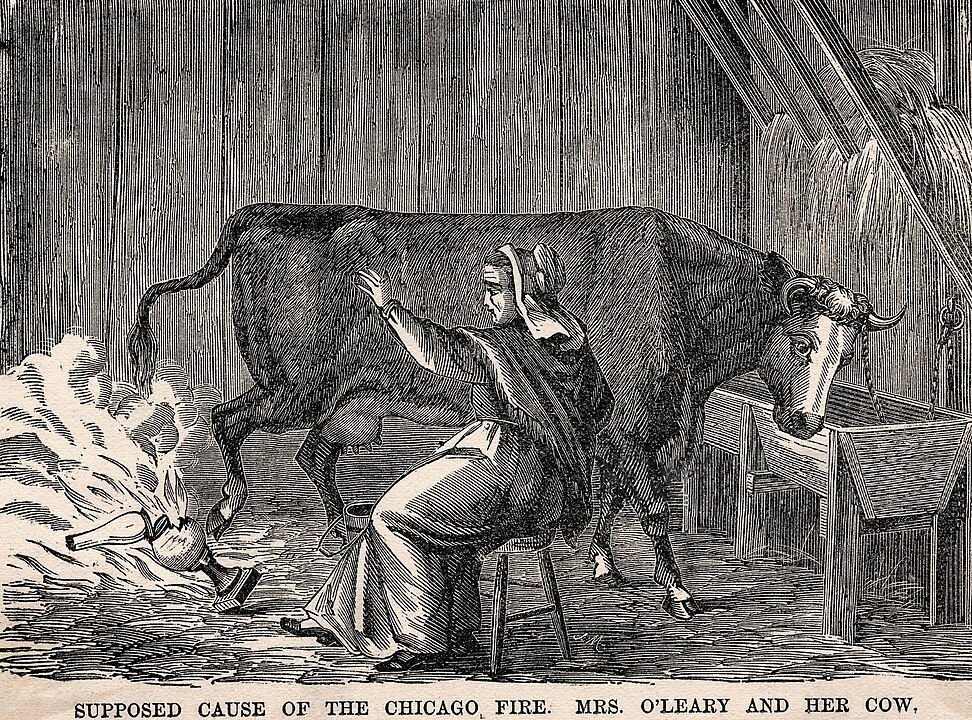
In 1871, Chicago searched for someone to blame for the fire that tore through its wooden grid, and an Irish immigrant named Catherine OLeary became the perfect suspect. A reporter spun a story about her cow kicking over a lantern, and the tale hardened into civic folklore even after he admitted he invented it. Investigators later pointed to dry winds, careless use of lamps, and crowded structures as the real accelerants. OLeary died with her name still pinned to the disaster, carrying guilt that belonged to a vulnerable city instead. Her story shows how rumor and bias, once printed, can cling tighter than truth !
Nikolai Vavilov And Soviet Famines
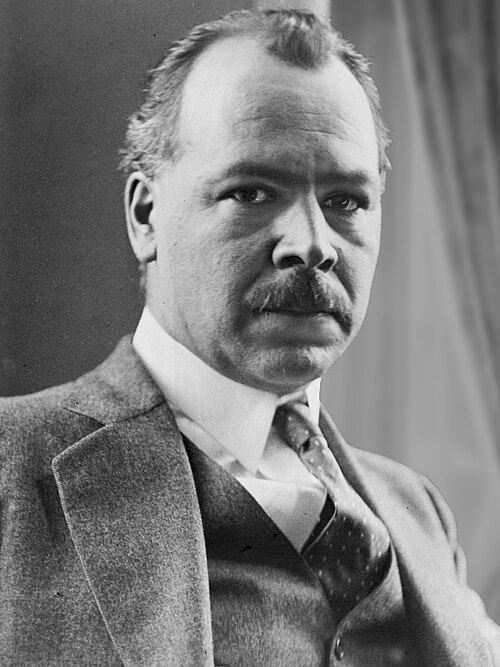
Nikolai Vavilov spent his life chasing seeds across continents, trying to breed crops that could survive harsh climates, yet he was branded a traitor when Soviet harvests failed. While forced collectivization and bad policy crushed yields, officials claimed his science was slow, elitist, and unhelpful to workers. He was arrested, starved in prison, and written out of the story while a rival promoted comforting fake answers. Today, global seed banks and plant labs quietly depend on his collections, exposing how power punished the person working hardest to prevent hunger. His fate shows truth bending to power now.!
Captain Charles McVay And USS Indianapolis
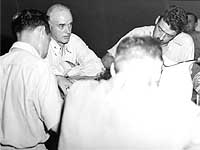
Captain Charles McVay took the USS Indianapolis through a secret wartime delivery, then watched his ship sink under torpedoes and his crew scattered into the Pacific. Rescue delays, missed messages, and sharks turned the loss into one of the worst American naval disasters, yet McVay alone was court martialed for not zigzagging. The submarine commander later testified that maneuvers would not have changed the attack, but the verdict stood. Years after his death, Congress cleared his name, revealing how institutions often pick one man to carry their shame. His story shadows every memorial service held for the ship.
Yoko Ono And The Breakup Of The Beatles
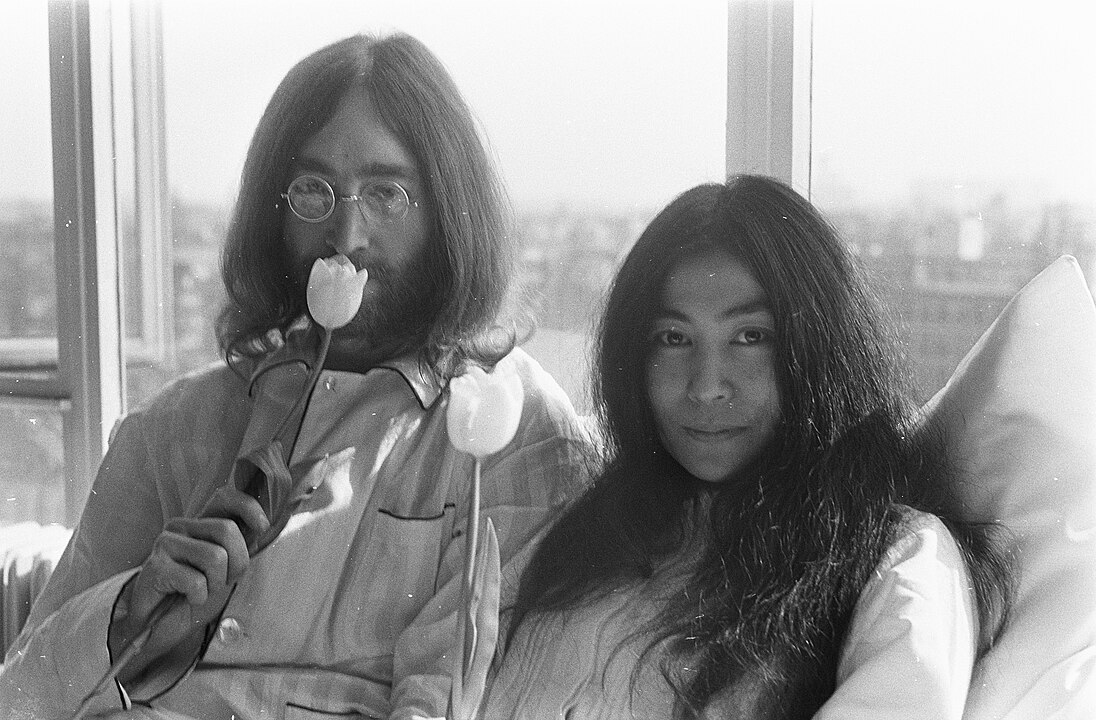
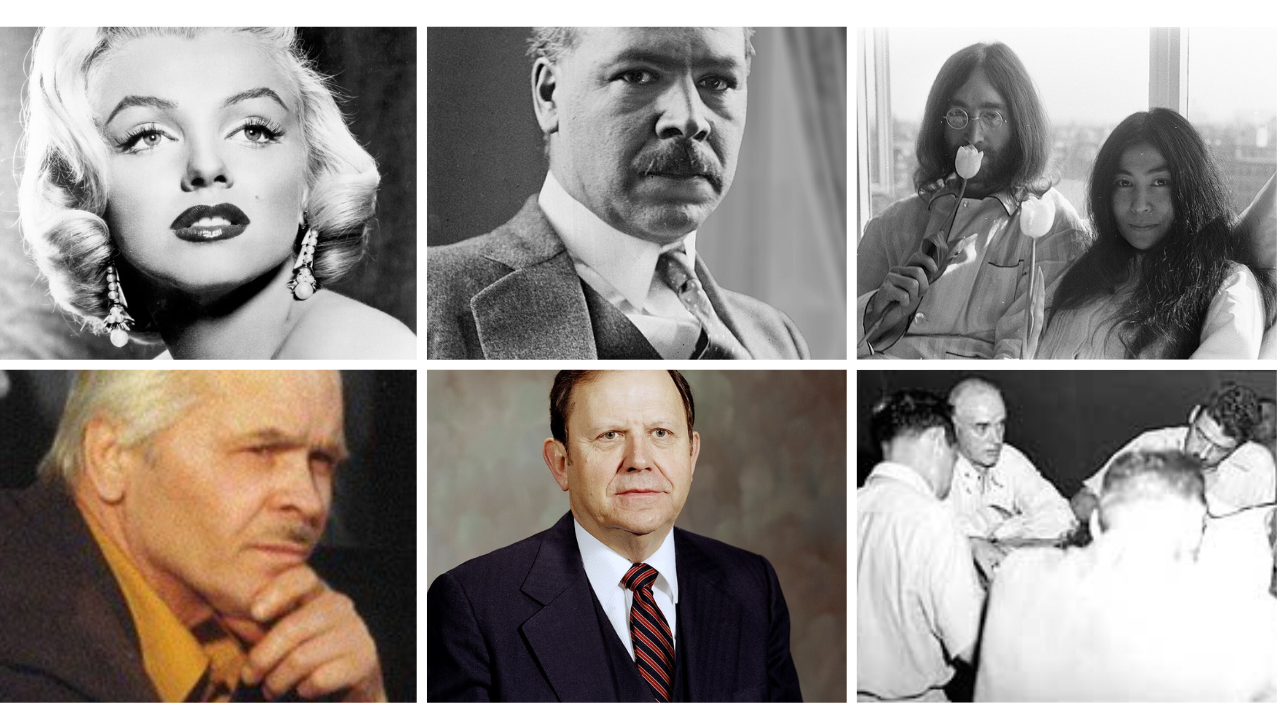
When the Beatles unraveled, Yoko Ono became the easy answer for fans who could not accept that their favorite band was done. Her presence in the studio, her art, and her closeness to John Lennon made her a target for jokes, headlines, and open hostility. Yet the band members themselves later pointed to business fights, exhaustion, and diverging tastes as the real causes of the split. The myth lasted longer than many careers, leaving Ono to carry the weight of a breakup she never orchestrated. That gap between what the band said and what people repeated shows how grief over loss seeks an outsider. Again and again.
Anatoly Dyatlov And The Chernobyl Explosion
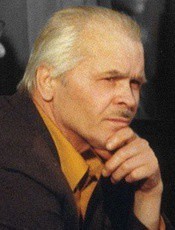
When reactor four at Chernobyl exploded, Anatoly Dyatlov quickly became the man most people pictured at the heart of the disaster. He had overseen the late night safety test, and Soviet courts framed the catastrophe as the product of his stubbornness and temper. Later reviews exposed deep design flaws, ignored reports, and a culture that punished anyone who raised concerns about risk. Dyatlov deserved some blame, yet the sharp focus on his errors let the system that shaped him avoid the same bright, uncomfortable light. His story sits between guilt and scapegoating, a reminder that disasters hinge on one man too.
William Lucas And The Challenger Disaster
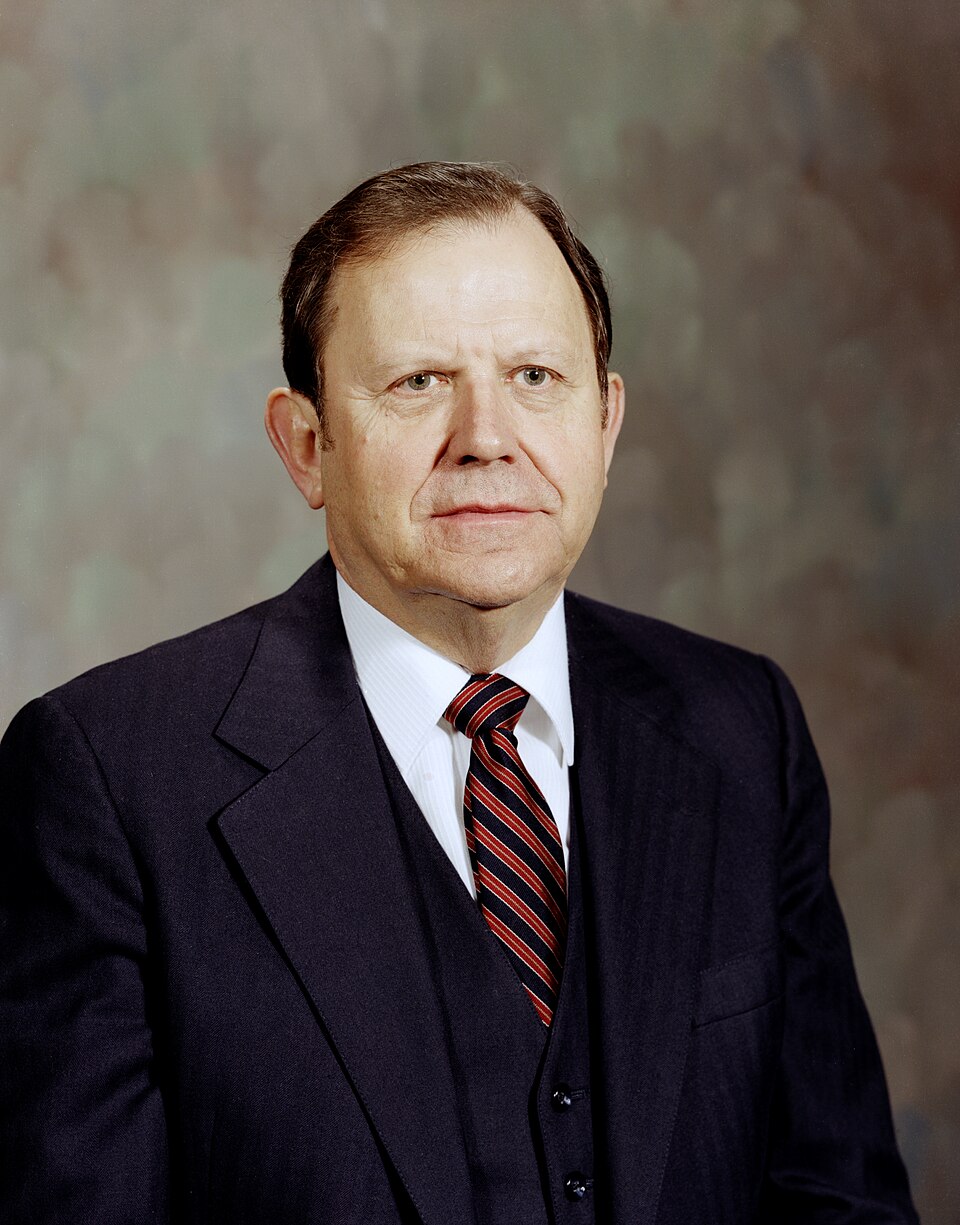
After the Challenger broke apart in the sky, William Lucas of the Marshall Space Flight Center found his long career reduced to one morning. Investigators tied the loss to failing O ring seals on boosters developed under his watch and painted him as the face of arrogance and delay. Yet the inquiry also described schedule pressure, scattered communication, and managers ignoring urgent warnings. Lucas became the name attached to that pattern, while the broader engineering culture that set the stage for failure quietly stepped back into the shadows. His experience shows how anger fixes on one figure, not on systems.
Marilyn Manson And Columbine
After the Columbine shootings, Marilyn Manson suddenly found his face on television screens whenever people searched for an explanation. Commentators insisted that his dark lyrics and stage persona had pushed the killers toward violence, even though investigations found no real link and pointed instead toward grievance, access to weapons, and a hunger for notoriety. His shows were canceled and record sales collapsed while gun laws, school culture, and media coverage received less heat. Art made an easier scapegoat than the uncomfortable mix of factors that actually fed the tragedy. His tale shows fear bent cause.