12 Most Embarrassing Fashion Trends Every Decade Wants to Forget

12 Most Embarrassing Fashion Trends Every Decade Wants to Forget
Pexels/Wikimedia Commons
Trends fade fast. Learn the dates and details, then choose smarter pieces today so tomorrow’s photos still look good.

Styles move fast, regrets last longer. Every decade pushes a look that felt bold, then aged badly in photos. This countdown tours plastic, polyester, and puzzling fits with numbers you can check, like release years, fiber types, and even lens sizes. None of this is a crime, just a caution. Trends repeat, usually with tweaks that fit 2025 better. Try what you like, skip what you don’t, and learn the facts so your closet choices feel smart, not scary, in 10 years.

1. 1970s Platform Shoes

Platform Shoes
Carlos Rubio Tristan/Pexels

Platforms towered in discos by 1977, with soles stacked 3 to 5 inches and leather uppers perched on wood or plastic. The look shot up with acts like the Bee Gees and Studio 54’s opening in 1977. Doctors warned about ankle sprains on slick floors, so clubs posted no-running rules. Even men wore thick soles with flared pants. By 1980, slimmer sneakers took over city blocks. If you try vintage, check the glue, 1970s adhesives can crumble after 40 years and drop a heel mid-step.

2. 1980s Shoulder Pads
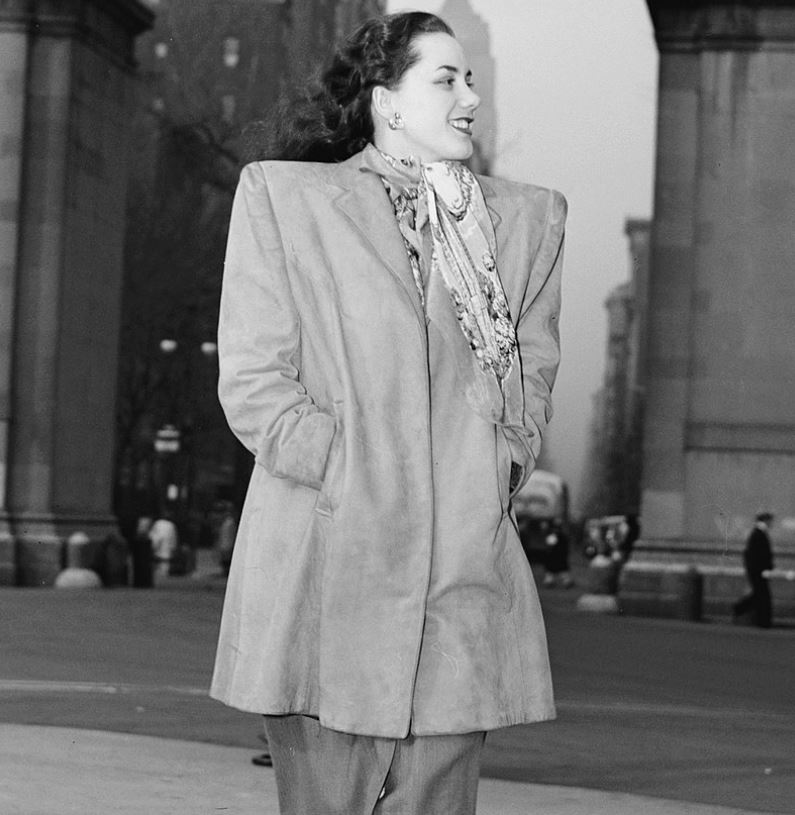
Shoulder pads in everything
The Library of Congress, Public Domain/Wikimedia Commons

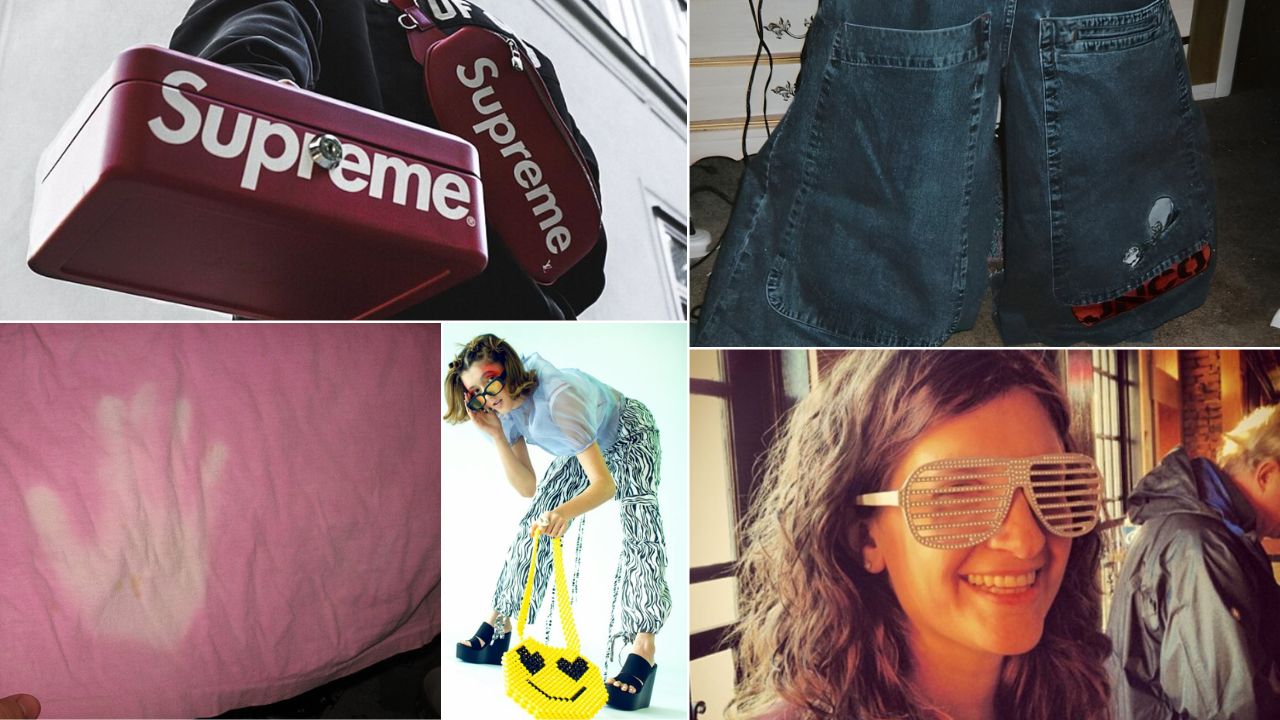
Power dressing pumped up silhouettes with foam or plastic pads sewn into jackets and dresses. By 1987, broad-shouldered blazers ruled offices and TV shows like “Dynasty.” Pads added 2 to 3 inches on each side, exaggerating the V shape. Dry-clean tags from that era even list pad removal instructions. The goal was authority in a decade chasing promotions. Later, minimal lines returned in the 1990s. If you thrift a blazer today, check the pad seams, crushed foam from 30+ years can warp a sleeve.

3. 1990s JNCO Mega-Width Jeans
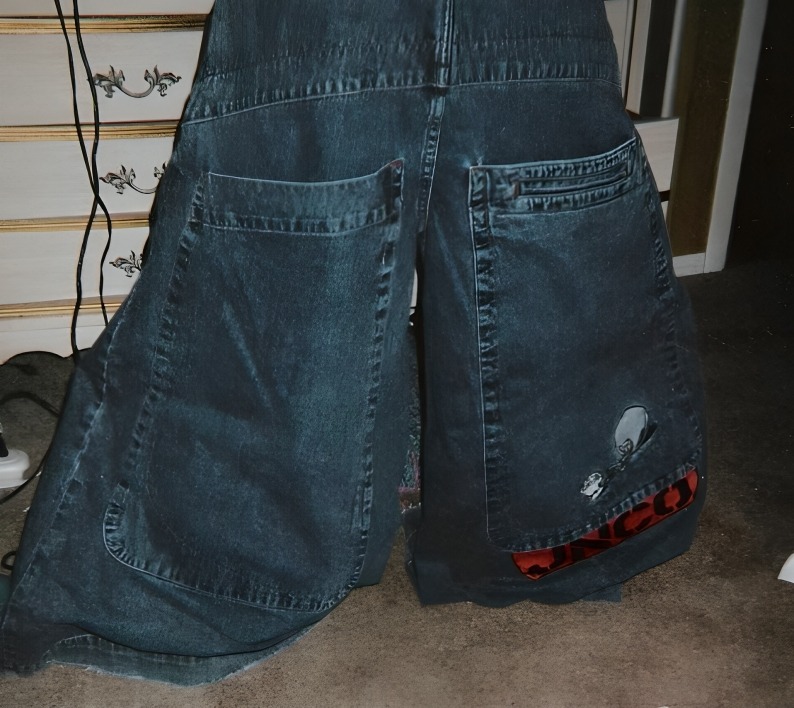
Wearing JNCO Jeans Made You Instantly Cool
Public Domain/Wikimedia Commons

Extra-wide denim peaked in the late 1990s. JNCO’s flagship pairs list leg openings up to 50 inches, wider than many waist sizes. Back pockets were so deep that a 12-inch ruler could vanish. School dress codes, common by 1998, cited safety and trip hazards. At the same time, skate shoes ballooned, making cuffs drag and fray. By 2001, the look faded as straight and boot cuts returned. If you wear wide today, aim for a 22 to 24 inch opening and hem above the pavement.

4. 1980s Parachute Pants

Parachute Pants
DARKMODE CINEMA/Pexels

Nylon ripstop pants landed in 1984 dance videos, inspired by the same grid fabric used in real parachutes. Zippers ran along thighs and calves for flair, sometimes 10 or more per pair. The swish sound announced every step. Labels listed 100% nylon, which traps heat and sparks static in dry winters. Fire codes in clubs set maximum occupancy, partly because synthetic outfits and crowded rooms do not mix well in a blaze. Cotton joggers took over by 1988 as comfort beat shimmer.

5. 2000s Low-Rise Jeans

Super Low-Rise Jeans
Mizuno K/Pexels

By 2003, rises dropped under 8 inches, pulling waistbands below hip bones. Brands advertised 6 to 7 inch measurements from crotch seam to top button. Sitting exposed skin to cold bus benches and metal chairs. Schools updated dress codes to cover midriffs, especially during 2004–2006. The look paired with crop tees and thin belts that carried no weight. Health pros warned about contact dermatitis from nickel buttons. Mid-rise fits, around 9 to 10 inches, returned by 2010, balancing comfort, coverage, and the seated test.

6. 2007 Shutter Shades
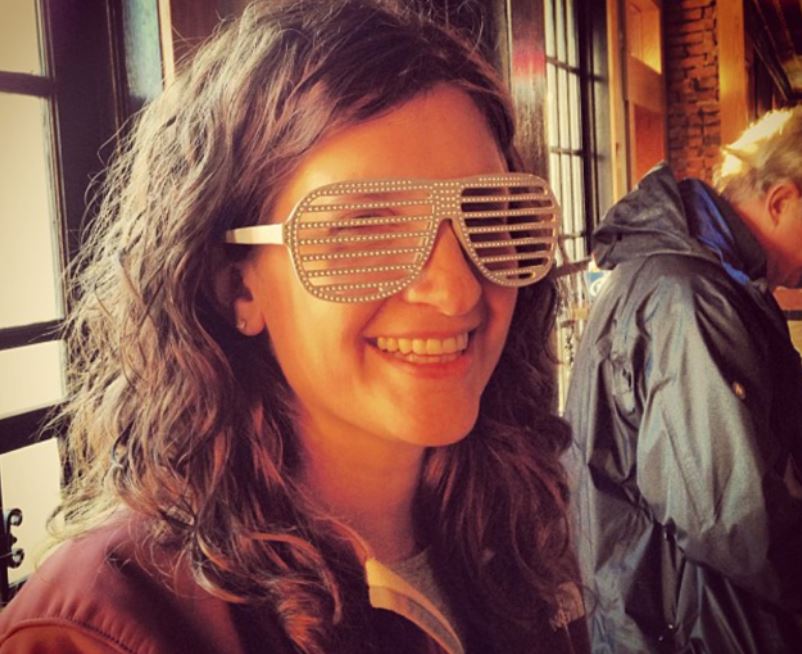
2007 Shutter Shades
Wacknally, CC BY-SA 4.0/Wikimedia Commons

Shutter shades arrived in 2007, with plastic slats instead of lenses. They blocked about as much glare as a window blind, which is to say not much. UV protection requires proper lenses labeled UV400, a detail these frames usually lacked. Concert venues began banning objects that reduce visibility, citing safety near steps and railings. Photos from 2008 festivals show crowds squinting at noon. If you want the vibe in 2025, choose slatted frames with clear UV lenses, or keep them strictly for indoor costume nights.

7. 1991 Hypercolor Heat-Change Tees
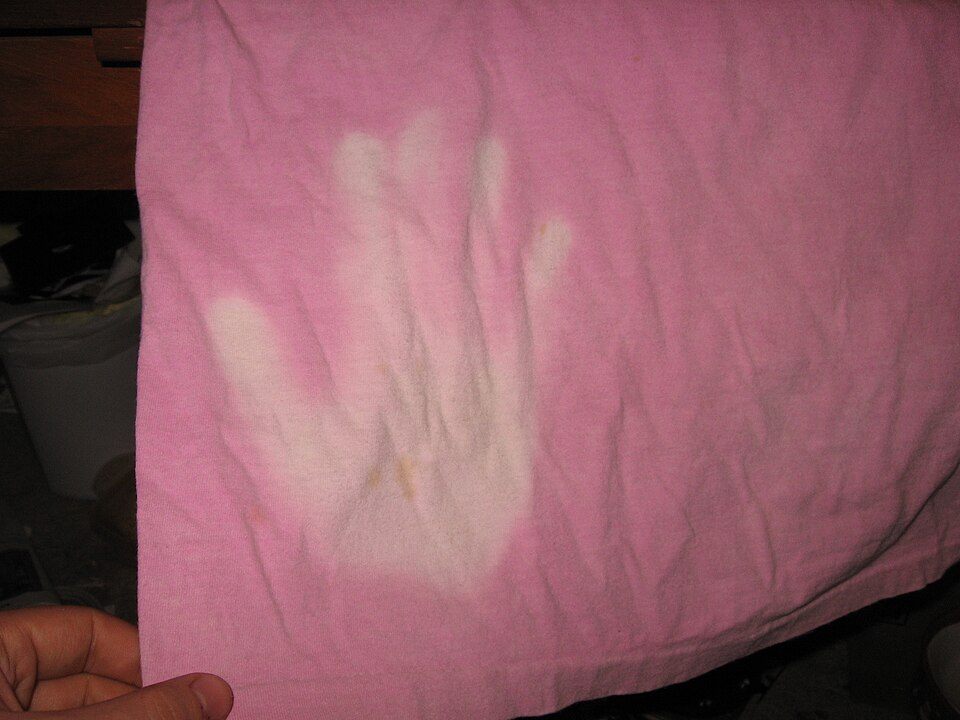
1991 Hypercolor Heat-Change Tees
Public Domain/Wikimedia Commons

Hypercolor shirts hit malls in 1991, dyed to shift hues around 86°F, the temperature of warm hands. Science class cool, sweat class awkward. Heat prints stuck under backpacks and armpits by lunchtime. Care tags demanded cold-water washes and no dryer heat, yet dorm laundries ignored directions. The effect faded after a few cycles, making $20 tees look tired fast. Today’s thermochromic inks are better, but the lesson stands, if a shirt documents every warm spot, expect regret in yearbook photos.

8. 1966 Paper Dresses
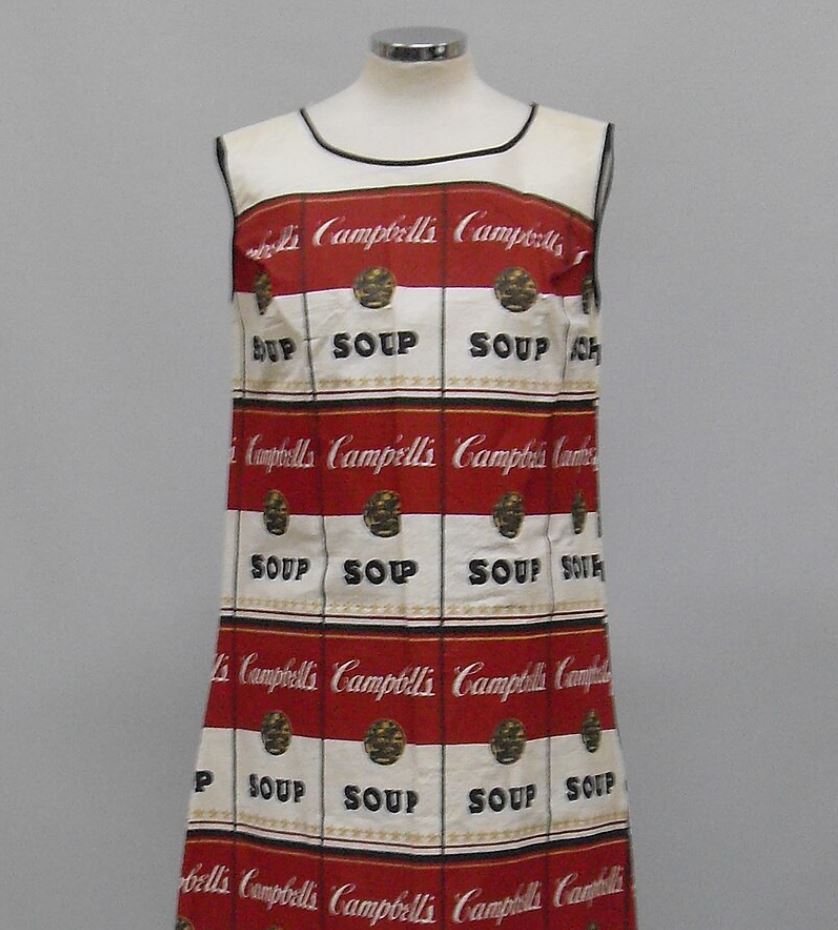
Paper Clothes
Peloponnesian Folklore Foundation, CC BY-SA 4.0/Wikimedia Commons

In 1966, the Scott Paper Company sold disposable paper dresses for $1.25, a novelty that spread to boutiques by 1967. Most were cellulose with rayon fibers, labeled flammable unless treated. Tags warned against open flames and high heat irons. Hemlines were cut with scissors at home, clippings littered floors. Laundry? None, you tossed it. Fire codes and common sense pushed the fad out by 1968. If you display one now, keep it away from lamps, bulbs can reach 140°F and scorch edges.

9. 1970s Polyester Leisure Suits
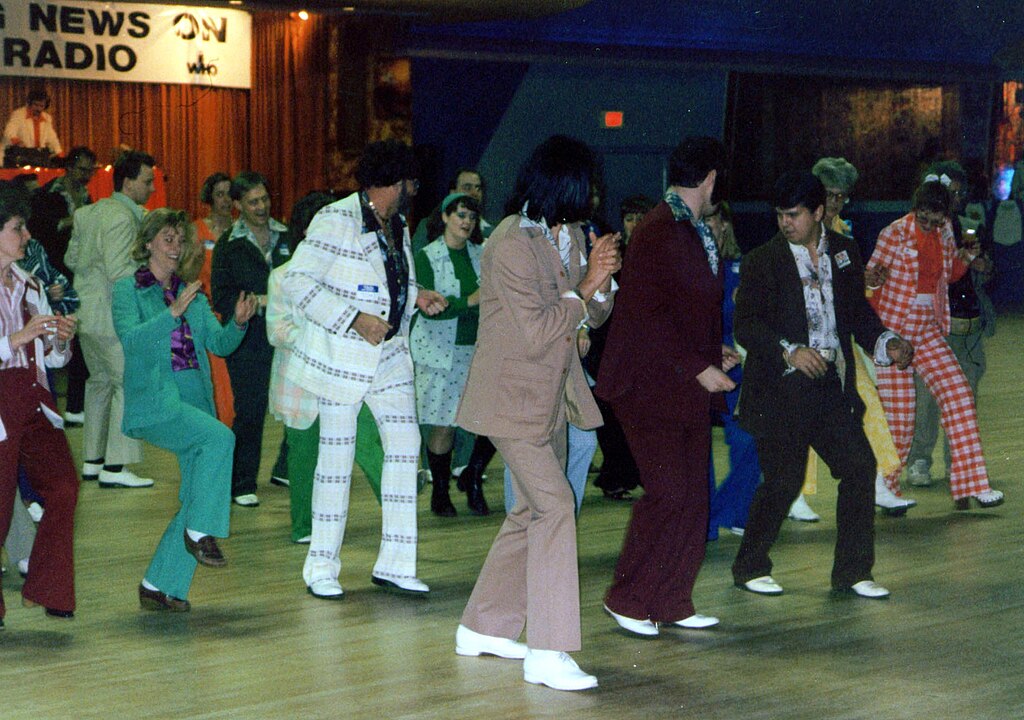
Leisure Suits
Daniel Hartwig, CC BY 2.0/Wikimedia Commons

Polyester double knit dominated late 1970s night life, usually pastel jackets with flared trousers and point collars. Fabric content tagged 100% polyester trapped heat, so dance floors felt like saunas by midnight. Jacket vents were short, often under 8 inches, limiting movement. Cleaning required solvent baths at dry cleaners, which added cost. By 1982, tailored wool and cotton blends returned to offices and restaurants. Vintage finds still exist, but check inseams and seat seams, double knit can snag on booths and split under stress.

10. 2003 Trucker Hats, Brim Too High
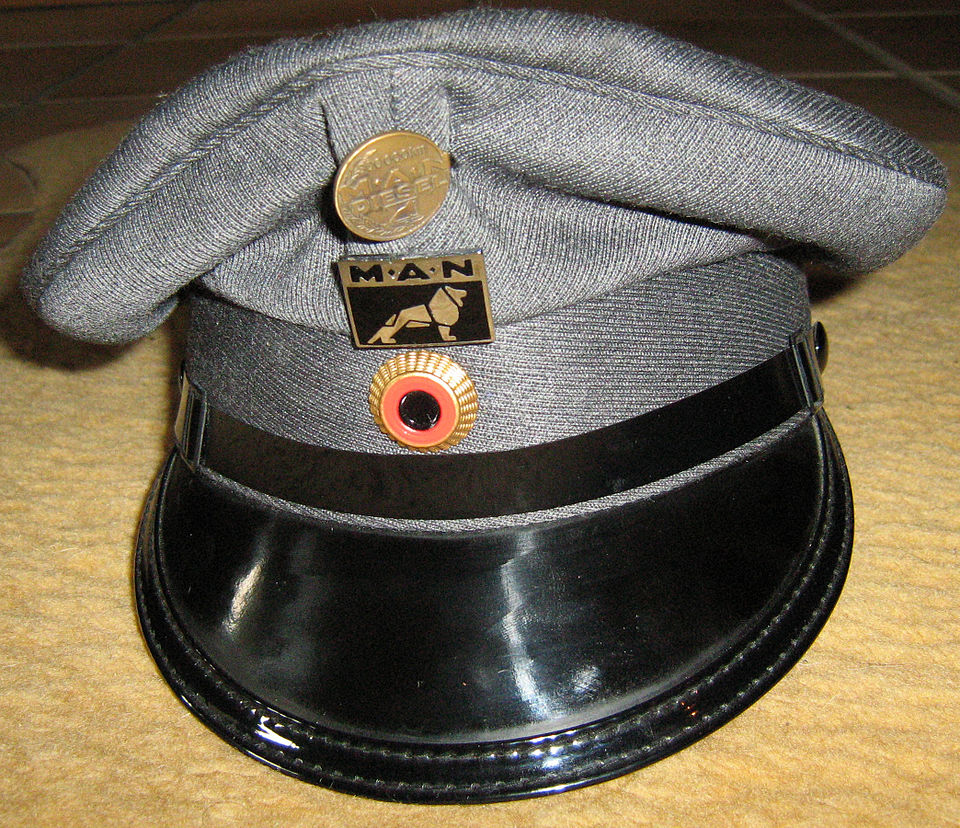
Trucker Hats Everywhere
Elkawe, Public Domain/Wikimedia Commons

Trucker caps with foam fronts and mesh backs surged in 2003–2004, pushed by bold logos and high crowns. The front panel sits around 3.5 to 4 inches tall, which rides above many heads and looks boxy in photos. Sweat stains spread on foam faster than on cotton twill. Concert security asked fans to tip the hat forward for ID checks, a small sign the shape was impractical. By 2006, low-profile caps, about 3 inches in front height, quietly replaced the billboard look.

11. 2018 Tiny Sunglasses

Tiny sunglasses
Wolrider YURTSEVEN/Pexels

Micro shades shrank fast in 2018, with lens widths under 50 mm and narrow temples pinching ears. Fashion shoots loved the razor line across a face, but sunlight did not. The American Academy of Ophthalmology recommends broad lenses that block 99-100% of UVA and UVB. Small lenses leave gaps at the brow and sides. Photos look sharp, driving does not. If you try the look, pick wrap styles labeled UV400, and keep a larger pair, 55-58 mm lenses, for real daylight.

12. 2010s Logo Overload, Head-to-Toe Branding
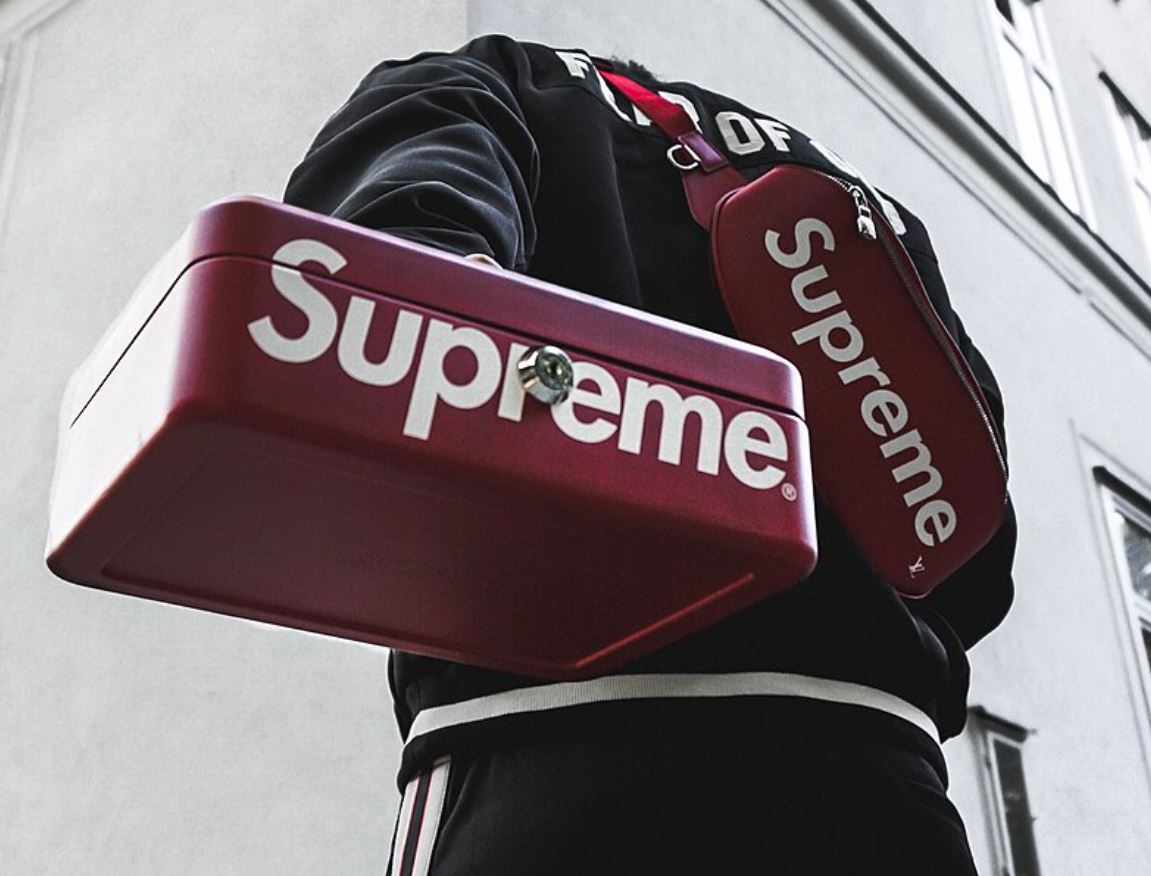
Logos Overload
Mux Jasper, CC BY 2.0/Wikimedia Commons

Head-to-toe logos peaked around 2017–2019, with hoodies, belts, and sneakers shouting brand names in 2 inch letters. School dress codes sometimes flagged large alcohol or drug-referencing logos, adding confusion at doors. Budgets took hits, too, with single tees priced over $300. Counterfeits flooded flea markets, and U.S. customers risked seizures under Customs rules for trademark violations. The smarter 2025 move is one bold piece per outfit, then quiet basics. Your wallet, and your future photos, will thank you.


0 Shares:
You May Also Like
Read More

9 Department Stores Closing Scores of Locations

# 9 Department Stores Closing Scores of Locations Department stores used to feel permanent, like part of the architecture of childhood and city life. Now many of those anchors are shrinking fast, closing locations in waves that rarely make front page news but quietly reshape whole neighborhoods. Behind the scenes are high leases, heavy debt, and shoppers who split their spending between discount chains and online carts. Vacant escalators and dark display windows tell a simple story. A retail model that once promised everything under one roof is giving way to something leaner. ## Macy’s Macy’s is still a powerhouse during major holidays, yet the brand is actively pulling back from underperforming malls. The company has laid out a multiyear plan to shut dozens of weaker stores while concentrating investment on flagships, luxury beauty, and smaller off mall formats. Mall managers see the closures as a turning point. Once Macy’s leaves, it is rare for another full line department store to take on that footprint, so mixed use redevelopment quickly becomes the realistic path. ## JCPenney JCPenney has been in survival mode for years, cutting locations, rewriting brand strategy, and revamping stores that still perform. Recent rounds of closures tend to target aging malls where traffic has thinned and renovation would be expensive. What remains is a leaner chain focused on reliable basics, home goods, and private labels meant to keep middle income families coming back. In towns that lose a Penney’s anchor, the absence is obvious, especially during back to school and holiday shopping. ## Sears Sears once taught Americans how to outfit entire homes, from tools to appliances to Sunday clothes. Now the chain is down to a small scattering of locations after repeated closure waves and years of financial strain. Each shutdown feels less like a surprise and more like the last chapter of a very long story. Former Sears buildings are becoming storage facilities, entertainment centers, or simply sitting empty, with faded brand signs still clinging to the concrete and sparking memories. ## Kmart Kmart’s decline has shadowed Sears, often sharing owners, parking lots, and final liquidation banners. From blue light specials and busy discount aisles, the company has slipped to only a few remaining stores spread across the map. Many communities have watched their local Kmart shut with little fanfare, replaced by smaller chains or nothing at all. The closures leave behind wide aisles, low ceilings, and a wave of nostalgia for an era when a weekend stop at the discount department store felt routine. ## Hudson’s Bay Hudson’s Bay carried deep Canadian roots and grand downtown buildings, but tradition could not offset heavy costs and changing shopping habits. The chain has now closed or sold off most department store sites, even as it experiments with other concepts and real estate plays. City blocks that once framed holiday window displays are being redrawn as office towers, hotels, or residential projects. For longtime shoppers, the loss of such a historic name lands harder than a typical retail exit. ## Debenhams Debenhams anchored many British high streets, balancing affordable fashion with familiar cosmetics halls. After years of pressure from online rivals and discount players, the company finally collapsed, shuttering its remaining department stores and moving the brand into a digital only format. Those closures left large gaps in central shopping districts, where new tenants range from fast fashion outlets to leisure complexes. The Debenhams name survives on screens, but the physical experience of wandering its floors has become a memory. ## Bon Ton Bon Ton and its sister banners once stitched together a network of regional department stores across smaller American cities. When the company slid into bankruptcy, liquidation arrived swiftly and took hundreds of locations with it. In many markets there was no immediate replacement, only darkened anchors and clearance signs that slowly came down. Local shoppers lost a familiar place to find dresses, coats, and home goods, and mall owners gained another big box puzzle to solve in a difficult leasing climate. ## Lord & Taylor Lord and Taylor carried an air of old school elegance, especially at its historic urban flagships. Years of ownership changes, aggressive discounting, and the shock of the pandemic finally pushed the brand into a full store closure plan. The physical chain is gone, even as the name continues online under new management. Grand buildings that once hosted fashion shows and elaborate window displays are being sliced into offices and coworking hubs, turning a traditional department store into a flexible workplace. ## Stage Stores Stage Stores never enjoyed global name recognition, but its regional chains filled a quiet role in small towns and rural hubs. When the company could not recover from mounting losses, it closed hundreds of locations under banners such as Goody’s and Peebles. Those anchors often sat in modest shopping centers that lacked other large apparel options. After the closures, shoppers in those communities were left with long drives to bigger cities or a heavier reliance on parcel deliveries for everyday clothing. Department stores closing by the dozens signal more than a shift from one retail brand to another. They mark the end of a specific way of browsing, where escalators, perfume counters, and wedding registries lived in the same building. As these anchors are carved into apartments, clinics, offices, and gyms, the spaces stay busy, but the mood changes. What was once a shared social ritual around sales events and window displays is dissolving into scattered errands across many smaller formats. Excerpt: Familiar department stores are closing by the dozens, leaving hollow anchors behind and nudging shoppers toward a new retail map!.