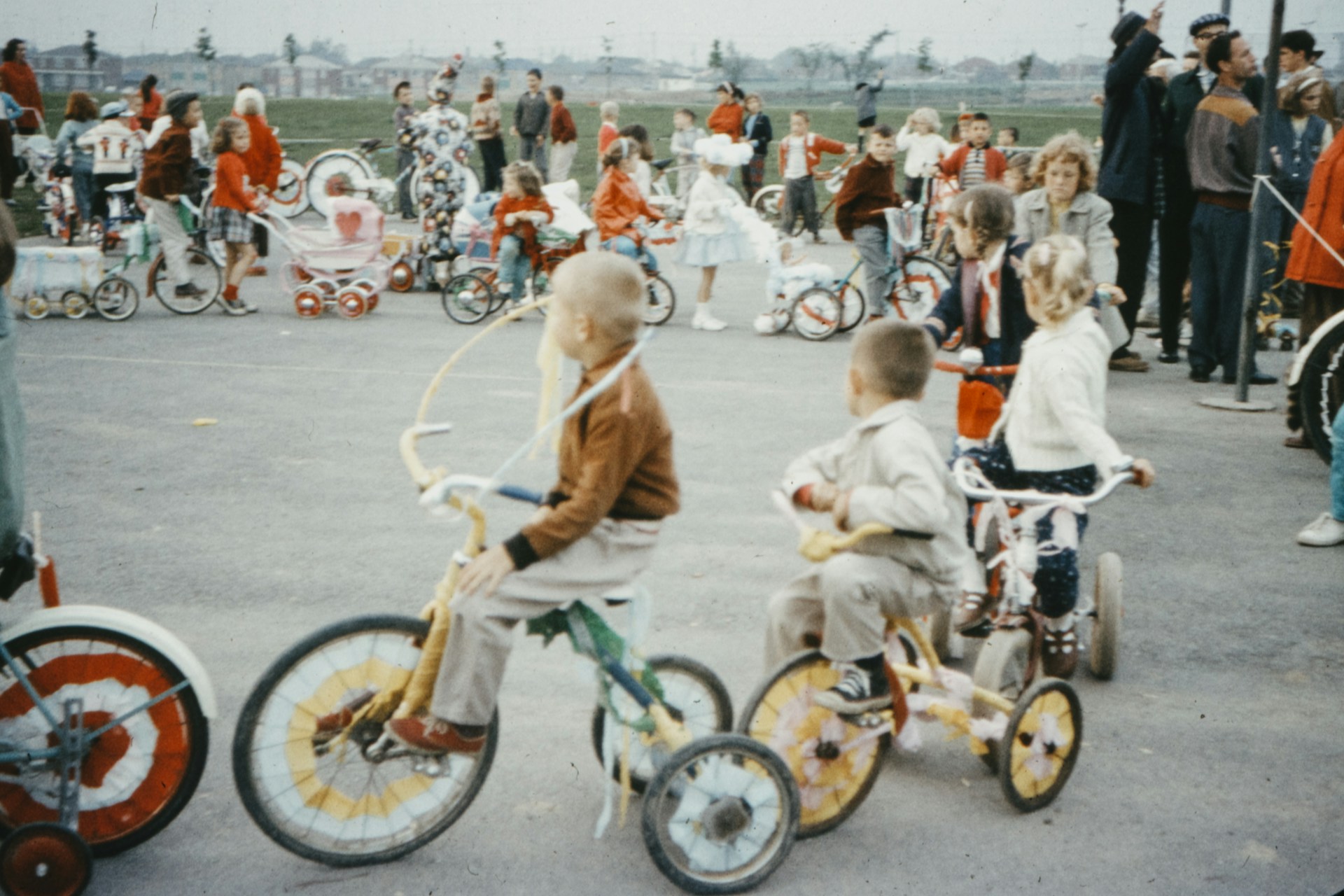
In many American neighborhoods of the 1960s, childhood looked wide-open, noisy, and gloriously unsupervised. Kids crossed town on bikes, wandered creeks till dusk, and piled into cars without the restraints now considered basic. Back then, much of it felt normal, even responsible, because the social rulebook trusted community eyes and luck more than formal safeguards. Today, those same scenes can trigger citations, school concern, or a call to child services. What changed was not only parenting culture, but law, safety science, medical data, and a harder public line around preventable risk across the United States.
Riding Unrestrained in Family Cars

In the early 1960s, many children rode standing on a bench seat, sleeping across a parent’s lap, or wedged between siblings with no restraint at all. By 1968, federal standards required seat belts in new passenger cars, signaling how quickly safety expectations were changing. The idea of toughing it out in traffic lost ground as crash data improved.
Today, every state enforces child passenger restraint laws, and penalties can include fines that vary by jurisdiction. What once passed as ordinary family logistics is now read as a safety violation, especially for younger children expected to ride in age-appropriate seats and boosters.
Moving Young Kids to the Front Seat Too Soon
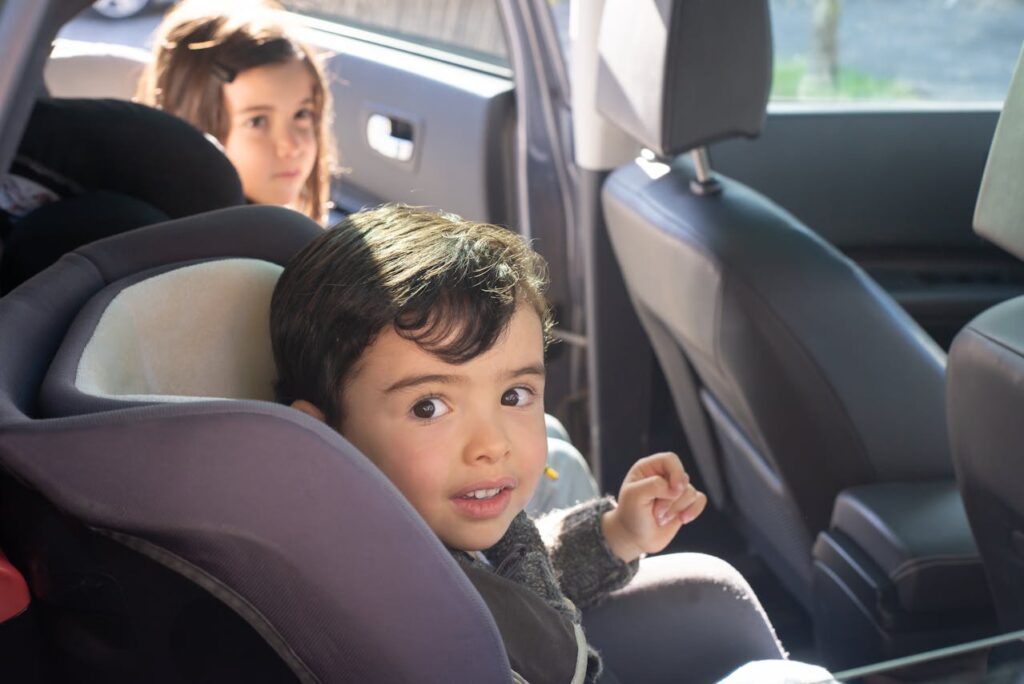
A generation ago, small kids in the front seat were common, especially on errands where everyone squeezed in and no one questioned it. Airbags and modern crash analysis changed that norm. Health agencies now stress that children are safest properly buckled in the back seat until age 13, not because of preference, but physics.
In many communities, putting a younger child up front can bring sharp social backlash and, after a collision, serious legal scrutiny. Parents who follow old habits can be seen as ignoring established guidance that has become part of school messaging, pediatric advice, and public safety campaigns now.
Letting Children Ride in Pickup Beds
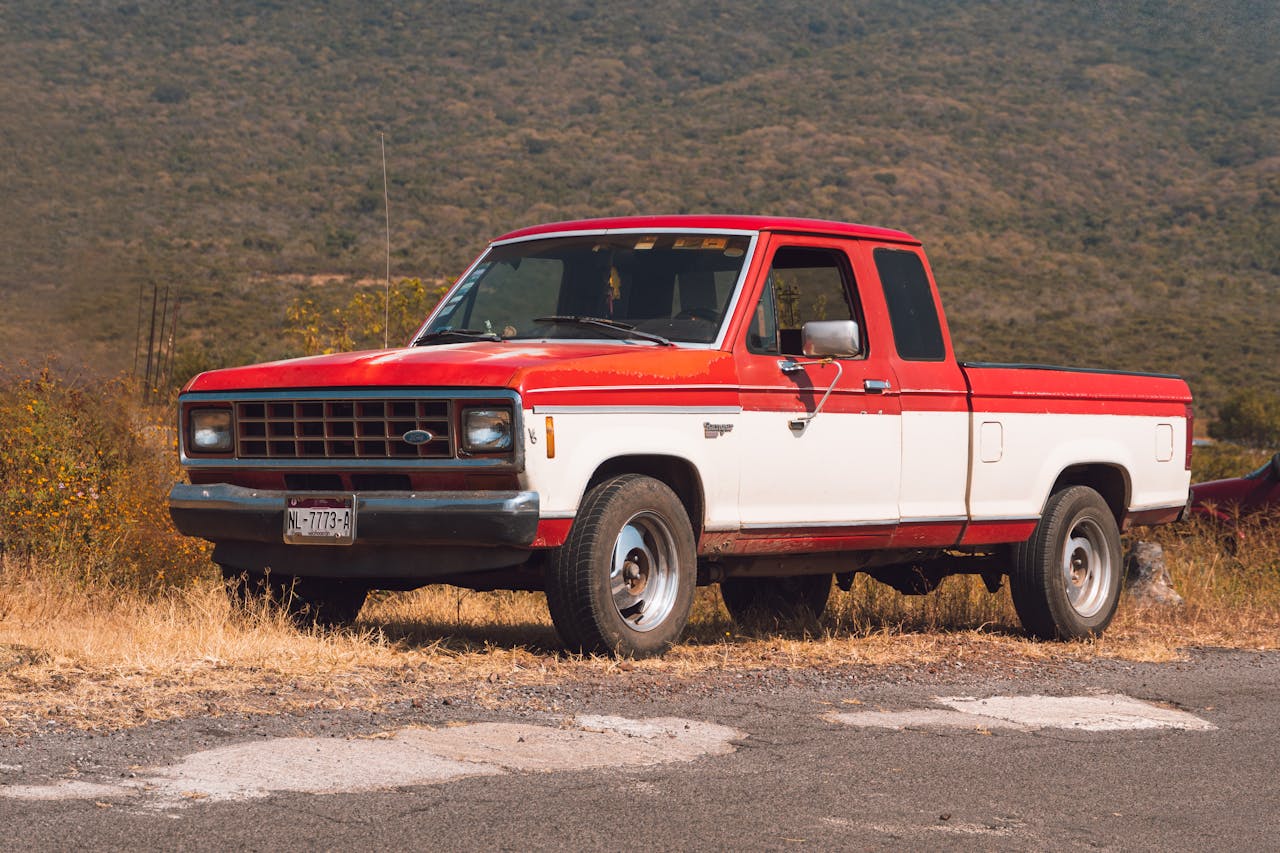
In the 1960s, riding in the open bed of a pickup felt like summer freedom, with cousins laughing against the wind on short drives through town. Today, safety organizations state plainly that cargo beds are not designed for passengers and offer no real crash protection. That shift reflects injury research and harder legal standards.
State rules differ, but many now restrict or prohibit minors from riding there, and violations can draw fines or citations. What once symbolized rural ease can now put a parent in conflict with traffic law, insurance liability, and the expectation that children must ride where restraints actually exist.
Leaving Children Unattended in Parked Cars

For many mid-century parents, leaving a child in a parked car for a quick stop was treated as harmless convenience, not a crisis decision. Current safety guidance rejects that idea completely. NHTSA reports that hot-car deaths remain a recurring U.S. tragedy, with more than 1,000 child fatalities since 1998. Heat risk climbs faster than adults expect.
Several states now spell out legal limits on leaving children unattended in vehicles, and even where laws differ, public response is immediate and severe. A choice once dismissed as ordinary can now bring police contact, neglect concerns, and lasting social judgment in one afternoon.
Allowing All-Day Roaming With No Check-Ins

The classic rule was simple: be home when the streetlights came on. Children in the 1960s often ranged far beyond their block, with no phones, no check-ins, and no adult shadowing every move. That freedom could build resilience, but it also normalized long gaps in supervision.
Today, child welfare definitions in many jurisdictions frame inadequate supervision as a form of neglect when serious risk is foreseeable. Context still matters, yet community standards have shifted sharply. A parent who repeats the old pattern of all-day, unsupervised roaming can face public scrutiny that previous generations almost never imagined.
Biking and Skating Without Helmets

Few 1960s bike rides included helmets, reflective gear, or even a serious safety talk. Scraped knees were considered part of childhood, and hard falls were written off as character-building stories for dinner. Current evidence tells a different story: properly fitted helmets lower the risk of head and brain injury, and helmet laws increase use.
Because of that evidence, schools, leagues, and local ordinances now treat unhelmeted riding by children as preventable exposure, not harmless nostalgia. Parents who ignore the norm may not always get a ticket, but they can face social pushback, liability concerns, and questions after crash.
Smoking Around Children Indoors and in Cars

Cigarette smoke trailed through living rooms, station wagons, bowling alleys, and diners during the 1960s. Smoking was so common that in 1965 about 42% of U.S. adults smoked, making child exposure feel routine rather than alarming. Medical guidance has since flipped the script.
Public health agencies now link secondhand smoke in children to serious harms, including higher risks of respiratory illness, ear disease, asthma flare-ups, and sudden infant death syndrome. A parent lighting up in a closed car with kids today is far more likely to be seen as breaching a basic duty of care than preserving a harmless family habit.
Storing Medicine and Chemicals Within Easy Reach

Many 1960s homes kept aspirin, cough syrup, and household chemicals in easy-open containers, often in low drawers or unlocked cabinets near the sink. At the time, few families saw packaging as a life-saving technology. That changed with poison-prevention policy in the 1970s and later enforcement requiring child-resistant closures for many products.
Even now, medication overdoses remain a leading reason young children land in emergency departments, which is why storage rules are repeated so often by pediatric teams. A parent using lax storage habits today can quickly face accusations of preventable neglect after a single accident.
Ignoring Lead Paint Hazards in Older Homes

Lead paint sat on countless walls, windows, cribs, and toys through much of mid-century America, long before the federal residential ban in 1978. Children lived with peeling paint and lead dust hazards that many adults neither recognized nor discussed in everyday parenting conversations.
Current standards are far less forgiving: homes built before 1978 trigger disclosure rules, renovation safeguards, and immediate concern when chipping paint appears around young kids. A parent who ignores visible lead hazards now can face landlord complaints, school reports, and formal intervention where earlier generations mostly heard silence.
Using Hard-Surface Playgrounds as Normal
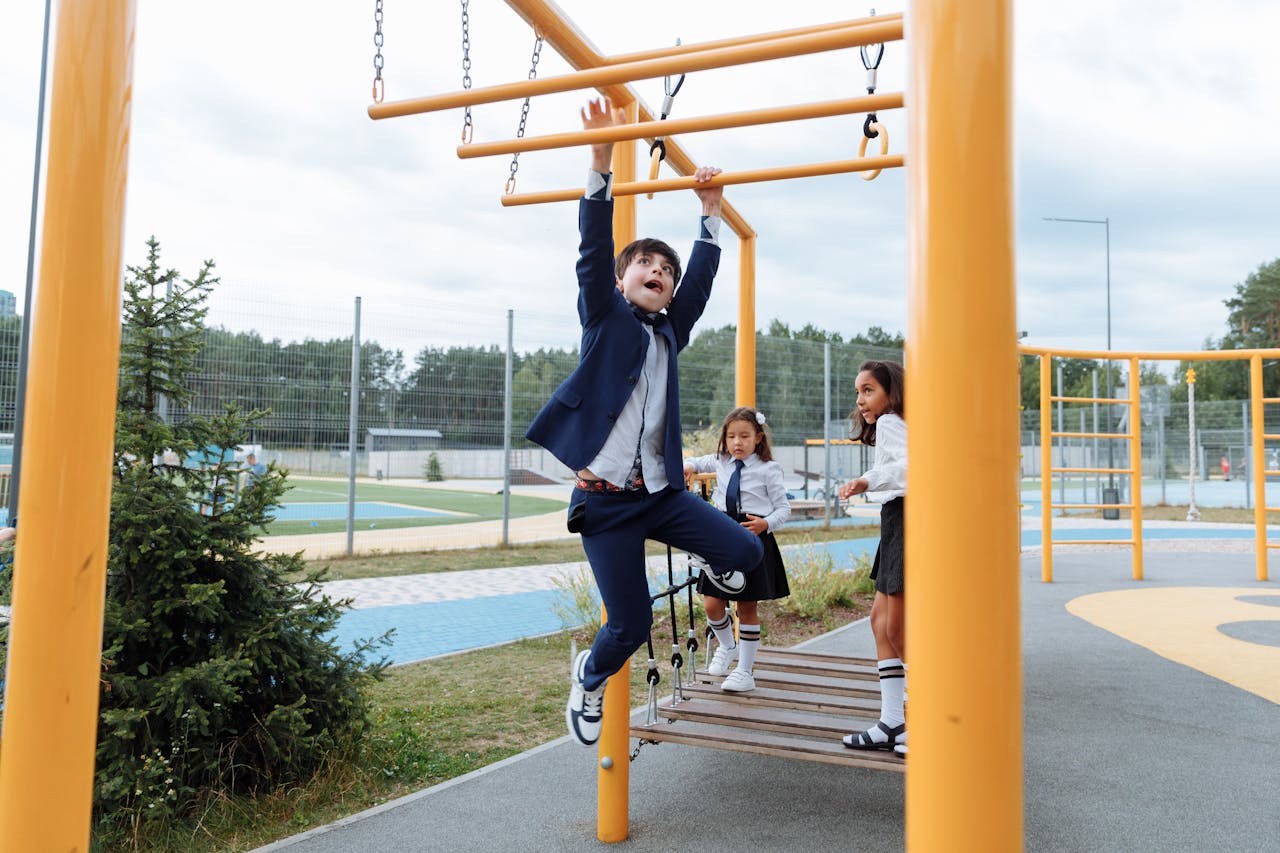
Playgrounds in the 1960s often featured towering metal slides, fast merry-go-rounds, and hard ground beneath everything. Asphalt, packed dirt, or concrete were common landing zones, and injury risk was accepted as the price of outdoor fun. Today, that trade-off is no longer socially acceptable.
Safety guidance now warns against hard surfaces under equipment and pushes impact-tested materials that absorb falls. When parents choose unsafeguarded play areas and a child gets hurt, the response is rarely a shrug. It is more likely to include incident reports, institutional liability reviews, and pointed questions about preventable risk.
Treating Lawn Darts and Similar Toys as Harmless

Backyard play once included lawn darts, metal-tipped projectiles sold as family fun and passed around at cookouts without much concern. After severe injuries and child deaths, the U.S. Consumer Product Safety Commission banned lawn dart sales in 1988, drawing a clear line between nostalgia and unacceptable danger.
That shift captured a broader change in parenting accountability. Products once marketed to ordinary households can later be judged unsafe by modern evidence, and caregivers are expected to adapt fast. Holding on to old high-risk toys today can invite both social criticism and legal exposure if something goes wrong.