
In the United States, law is not only written in federal statutes and state codes. Some of its strangest lines live in town ordinances shaped by weather, wildlife, tourism, and old civic grudges. A boardwalk rule can grow from one reckless summer of collisions. A ban on feeding animals can start with droppings, disease, or a handful of well-meant breadcrumbs. These regulations rarely make headlines, yet they quietly steer daily behavior, especially where sidewalks are crowded, neighbors are close, and reputations matter. Taken together, the oddities read less like comedy and more like a portrait of local life, including what communities fear, protect, and try to keep peaceful after dark. Many are enforced lightly, yet they remain on record.
Wearing High Heels Without a Permit in Carmel-by-the-Sea, CA

Carmel-by-the-Sea, CA, treats high heels like a small legal category, not just a fashion choice, and that surprise is part of the town’s charm. Rules have required a free permit for shoes with heels higher than 2 in. and a base smaller than 1 sq. in., a nod to cracked sidewalks, hidden tree roots, and the reality that a single slip can turn into a claim when vacation energy meets uneven pavement. The permit is often issued with a smile at City Hall and kept as a souvenir, yet it doubles as a gentle warning to slow down, watch the ground, and accept that storybook streets were built for wandering, not striding, even now.
Skateboarding on the Boardwalk in Rehoboth Beach, DE

In Rehoboth Beach, DE, the boardwalk is treated as a slow lane when summer crowds arrive, and the rules aim to keep it that way. From May 15 to Sept. 15, skateboards and similar fast-wheeled gear are barred from the boardwalk, and skateboards are also prohibited on many streets and sidewalks, pushing tricks and speed away from the tightest pedestrian corridors. There is still a morning rhythm for certain wheels, but the overall effect is a calmer promenade for strollers, toddlers, and sunset walkers, where the loudest sound is meant to be the surf rather than bearings and sudden swerves near the bandstand and shop fronts.
Feeding Roaming Chickens in Key West, FL

Key West, FL, is famous for chickens that wander like they own the sidewalks, but the friendliness stops at the handout. Local rules prohibit feeding free-roaming poultry, a response to swelling flocks, noise, droppings, and the way regular snacks pull birds into doorways, outdoor dining patios, hotel steps, and crosswalks where drivers do not expect a sudden hop. It reads like a quirky ban until cleanup, bites, and disease concerns enter the picture, and then it feels like boundary-setting: admire the birds, photograph them, but do not make the streets a cafeteria that grows bigger every week. Too.
Feeding Wild Pigeons in San Carlos, CA
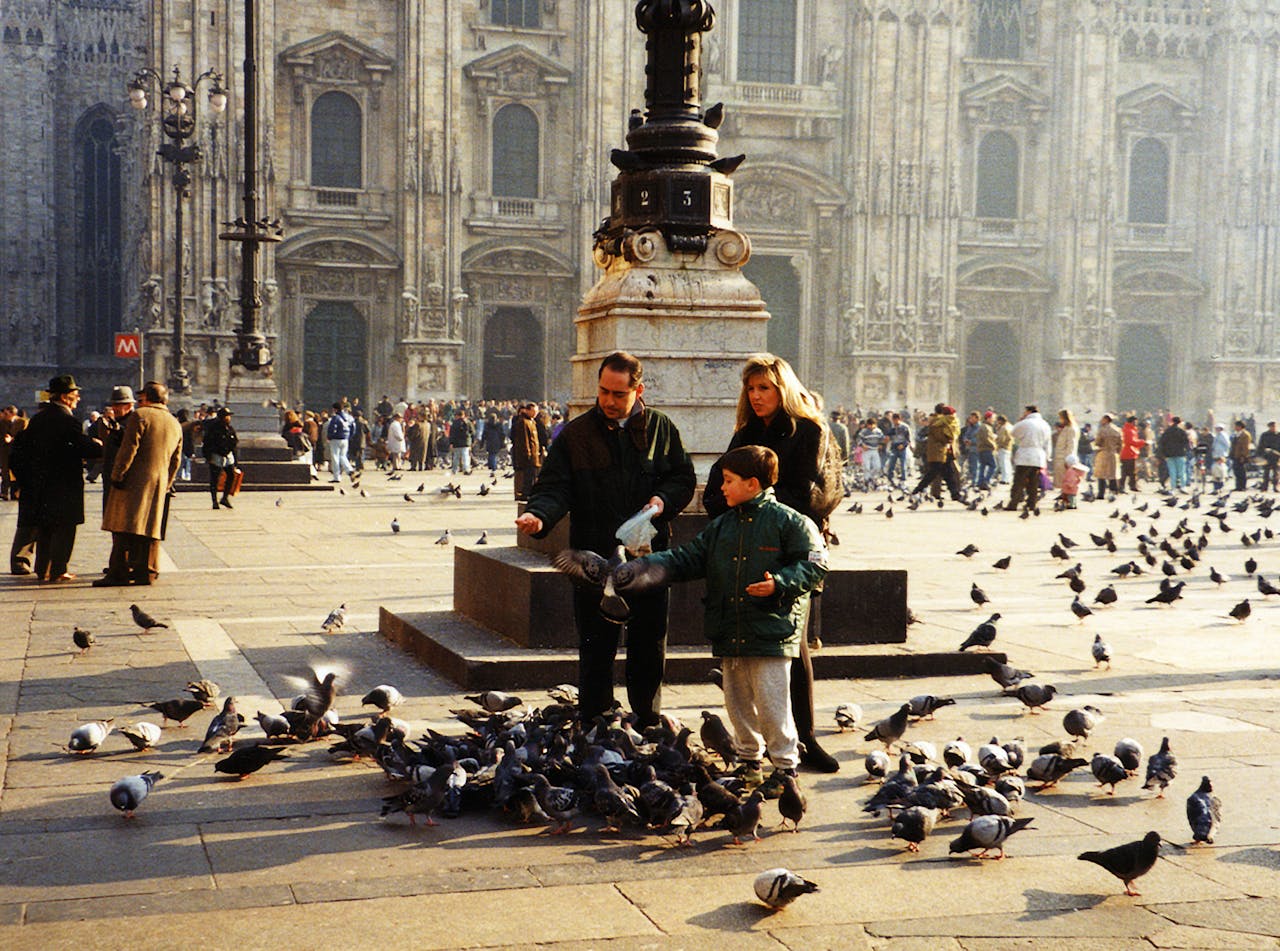
In San Carlos, CA, tossing crumbs to pigeons is treated less like a sweet habit and more like a nuisance with wings. The city prohibits feeding wild pigeons on public streets and on public and private property, aiming to curb droppings, pests, and the steady drift of birds into outdoor dining, storefront awnings, and apartment eaves where nests multiply quickly. The rule also tries to stop the chain reaction that starts with one generous lunch break and ends with a flock that returns every afternoon, louder and less cautious, drawing complaints, attracting scavengers, and turning sidewalks into cleanup zones for weeks.
Hanging Laundry in Front-Facing Areas in Clovis, CA

Clovis, CA, folds neighborhood aesthetics into its nuisance rules, right down to the laundry line. The city treats hanging clothing or routinely washed items on porch railings, fences, hedges, or similar supports in front-facing yard areas as a public nuisance, pushing towels and drip-drying shirts out of the street view. Supporters call it pride of place, critics call it cosmetic policing, but the ordinance reveals a familiar tension: thrift and daily survival can clash with a curated streetscape that promises order, property value, and calm, while most drying is nudged toward backyards and out of sight on bright days.
Whistling or Singing on the Street Late at Night in Stone Park, IL

Stone Park, IL, gets unusually specific about late-night noise, down to the human voice itself. Village rules prohibit yelling, shouting, hooting, whistling, or singing on public streets, especially between 11:00 p.m. and 7:00 a.m., or anytime the sound disturbs the peace of nearby homes, offices, or hotels. It sounds strict until summer windows, thin walls, and shift workers enter the story, and then it reads like a sleep-protection pact: voices echo off brick, carry across alleys, and turn a single joke or chorus into a neighborhood-wide disturbance that lingers long after the speaker has moved on in warm months.
Keeping Indoor Upholstered Furniture Outdoors in Rochester, IL

Rochester, IL, draws a hard line between indoor comfort and outdoor display, even when a porch looks like the perfect living room. Local rules prohibit upholstered furniture or other items designed mainly for indoor use from being kept outdoors on decks, lawns, or near alleys, where rain, mildew, rodents, and even fire risk can turn one couch into a problem for a whole block. The ordinance is less about taste than momentum: once one weathered chair appears, abandoned pieces tend to follow, and soon the line between a cozy porch and a dumping spot becomes hard to see, especially after a few storms and cleanup gets delayed.
Feeding Wild Animals in Shoreview, MN

Shoreview, MN, treats feeding wildlife as a well-meant mistake that can spiral fast. City rules prohibit intentionally feeding wild animals, a response to deer, geese, and raccoons learning to expect snacks, camping near roads and patios, and losing the caution that keeps both people and animals safe. It also works as public-health prevention, because congregating animals spreads illness, increases droppings, draws predators, and invites conflict, especially near parks and shorelines where one generous yard can reshape the behavior of an entire local flock or herd and linger in the area long after winter begins. Too.
Spitting on Sidewalks in Prosperity, SC

Prosperity, SC, keeps an old-fashioned hygiene rule on the books: no spitting on sidewalks. Town rules prohibit spitting on sidewalks and in public buildings such as schools and churches, blending sanitation with a lingering sense of public decorum that once mattered during outbreaks of serious respiratory disease. It can sound quaint until the heat bakes a sidewalk into sticky grime and festival crowds line up near storefront steps, when the ordinance reads less like prudishness and more like a small act of communal self-defense, protecting public space that everyone has to share from one careless moment each week.
Using a Vehicle for Lodging Overnight in Banks, OR

Banks, OR, treats sleeping in a vehicle on public property as more than a private choice once night falls. Local rules prohibit using a vehicle for lodging on public streets, lots, or other public property between 9:00 p.m. and 6:00 a.m., and they describe the cues that suggest lodging, like bedding, extended stays, or routines that look like camping rather than a short stop. Supporters frame it as safety and parking turnover for businesses and morning commuters, but the human reality is complicated, because a need for rest can suddenly read as a violation, turning a quiet night into a citation on a quiet street.