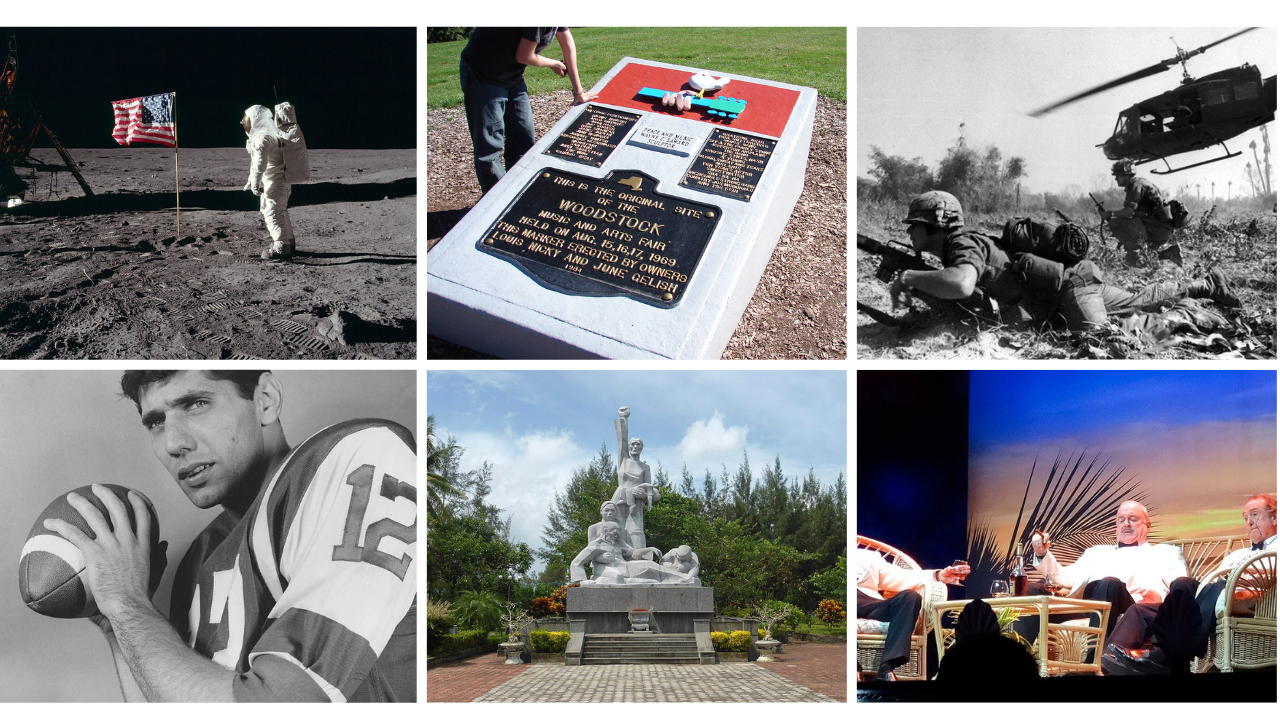
Memory turns 1969 into a blur of moonlight, music, and headlines, but the year was far more layered than the popular snapshots suggest. Major events unfolded in quick succession, and many were later compressed into simpler stories that felt easier to retell. A troop withdrawal was mistaken for peace. A festival myth eclipsed what actually happened on the ground. Even famous entertainment milestones were remembered out of order. Looking back with cleaner context reveals a year that was less tidy, more surprising, and more human than legend allows. The details still matter because they change what that era meant, deeply.
Richard Nixon’s Inauguration Was Not an Instant Turning Point
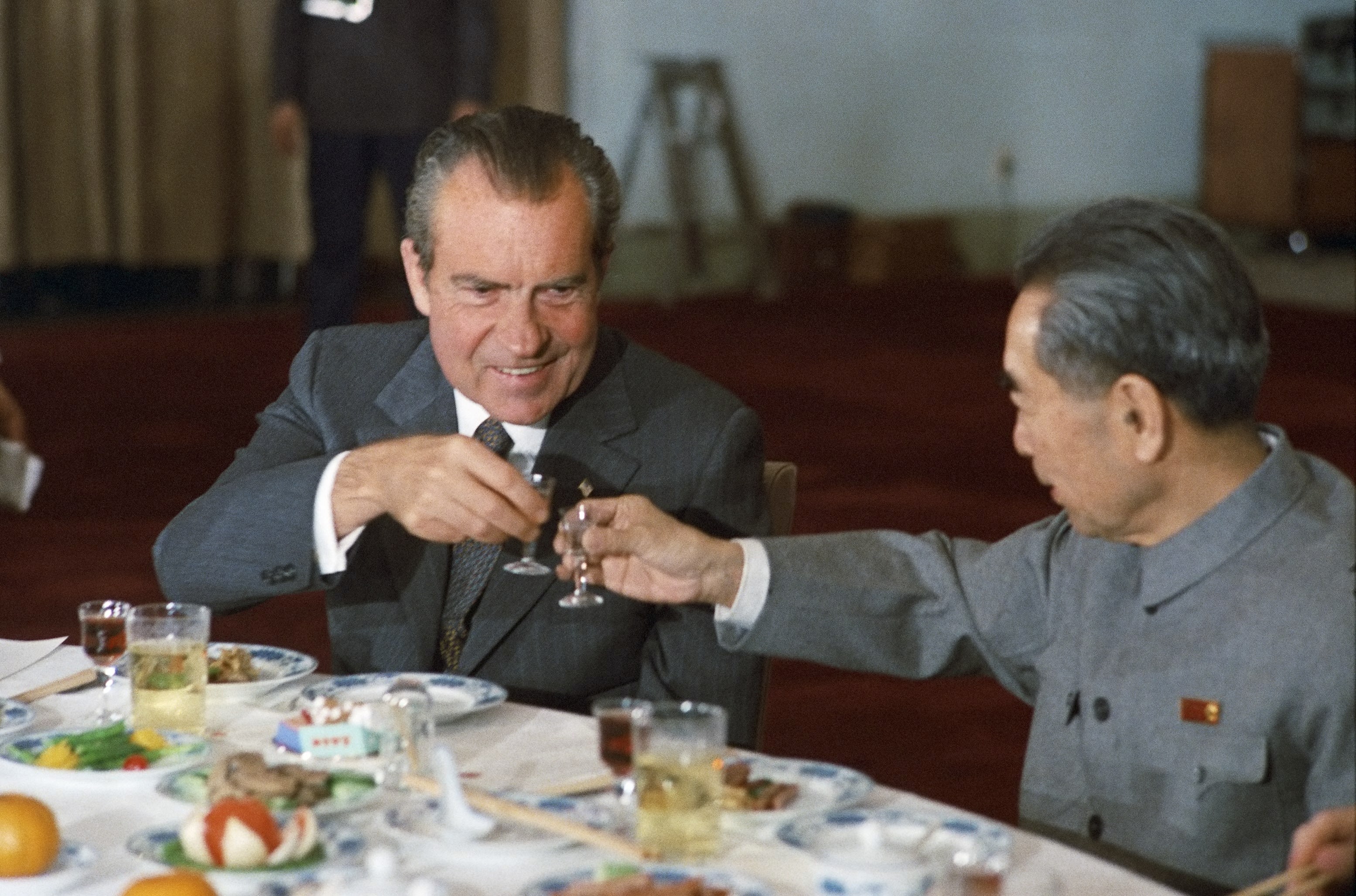
Richard Nixon took office on Jan. 20, 1969, and public memory often folds that moment into a neat promise that the Vietnam conflict would quickly fade. In reality, his inaugural tone emphasized national resolve and effort, not an immediate settlement, and the war remained central to U.S. life.
The common rewrite treats inauguration day as a policy finish line. It was not. Even as strategy shifted, years of combat, protest, and negotiation still lay ahead. The image of instant change feels clean in hindsight, but 1969 opened with uncertainty, not closure. That gap between rhetoric and reality shaped the entire year. for many.
Joe Namath’s Guarantee Was Bold, but Not Magic
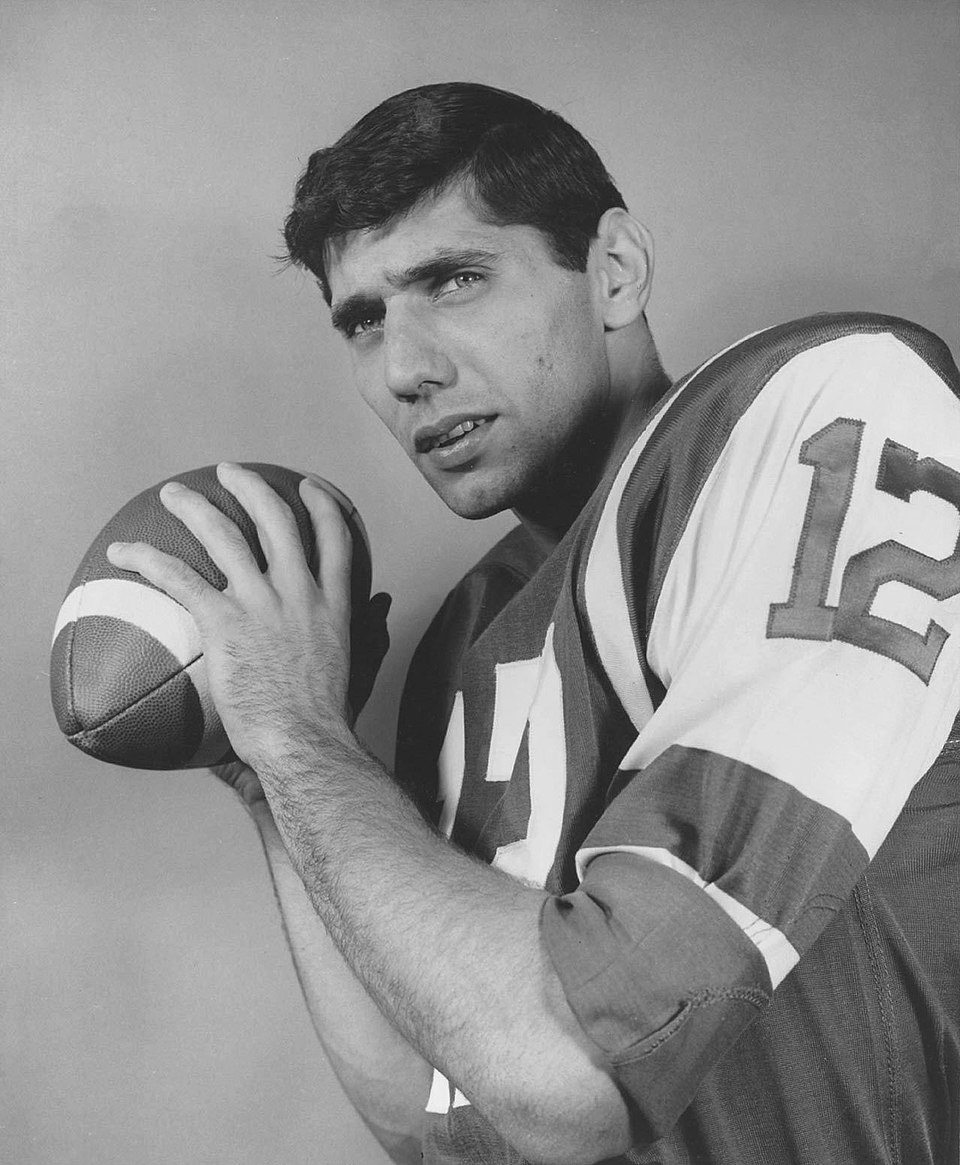
Joe Namath’s famous guarantee before Super Bowl III is remembered as swagger that somehow became destiny, but the fuller story is sharper. On Jan. 12, 1969, the New York Jets defeated the heavily favored Baltimore Colts 16-7, and the upset helped force a serious rethink of AFL quality.
Many retellings exaggerate the quote while skipping the context: Namath made the claim in a high-pressure media setting, then backed it with disciplined execution. The game did not merely crown a champion. It altered how professional football balance was understood before the merged league era truly settled. That is why the moment still lands.
The Miracle Mets Were More Than a Feel-Good Surprise

The 1969 World Series is often remembered as a charming Cinderella footnote, yet the New York Mets’ run was more disruptive than nostalgic. They beat the favored Baltimore Orioles four games to one, turning a franchise once defined by losing into the face of baseball’s most startling reversal.
Memory tends to soften that shock by framing the title as inevitable momentum. It was the opposite. The gap in expectations was enormous, and the result rewired how fans talked about underdogs for decades. In New York, the phrase Miracle Mets was not marketing language. It was disbelief made permanent. Even now, it feels improbable.
Monty Python’s Breakout Started Faster Than People Recall
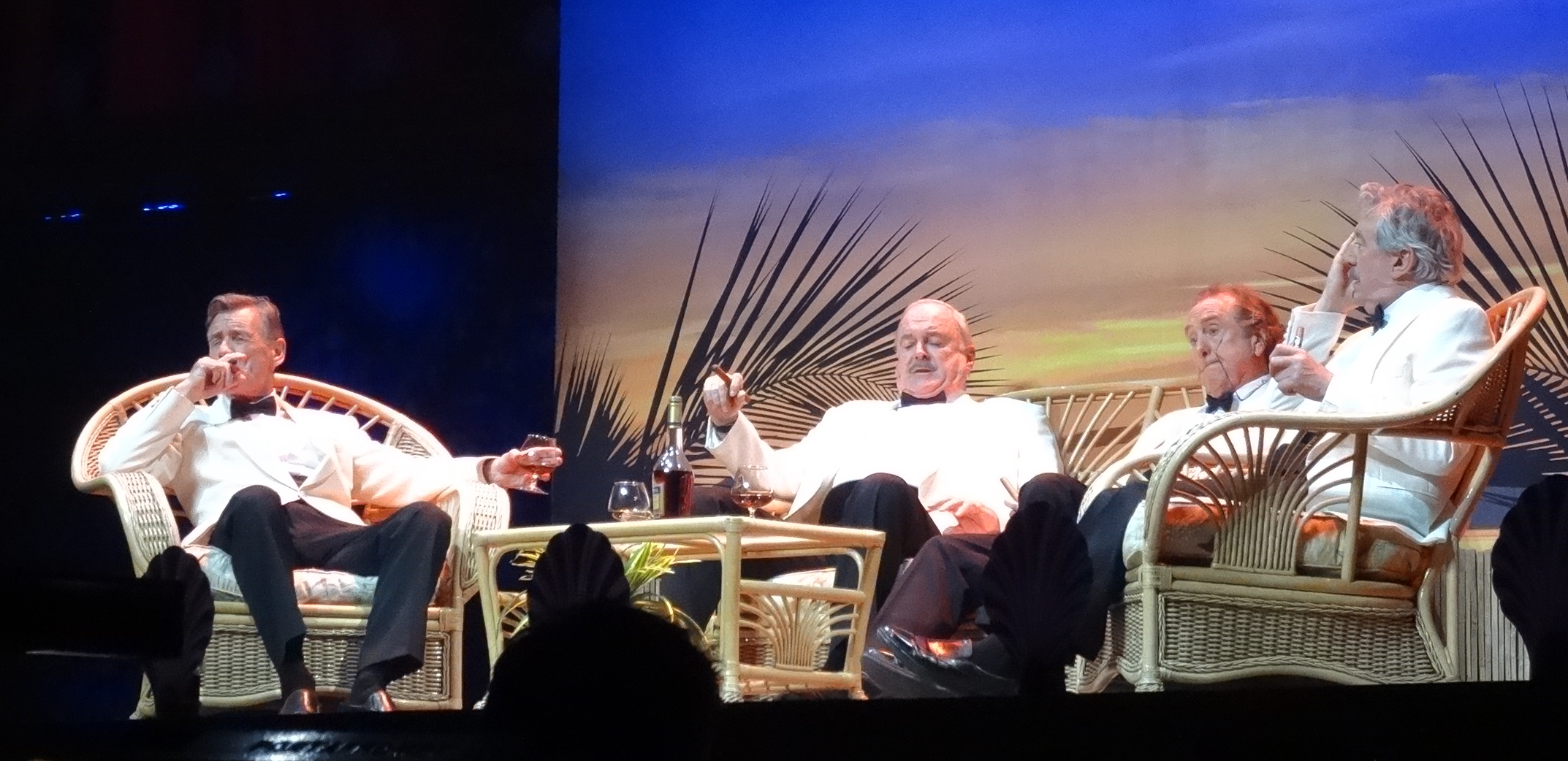
Many people place Monty Python’s rise in the 1970s, but the essential beginning sits in 1969. The group formed on May 11, and later that year BBC aired “Monty Python’s Flying Circus,” introducing a sketch style that ignored tidy punchlines and embraced absurd structure.
What gets misremembered is speed. The troupe did not spend years quietly preparing a perfect launch. Formation, broadcast, and cultural impact arrived in rapid sequence. That fast start explains why their tone felt like a break from television norms rather than a gradual evolution of existing comedy habits. By year’s end, the shift was visible worldwide.
“Star Trek” Ended Abruptly, Not With a Planned Farewell
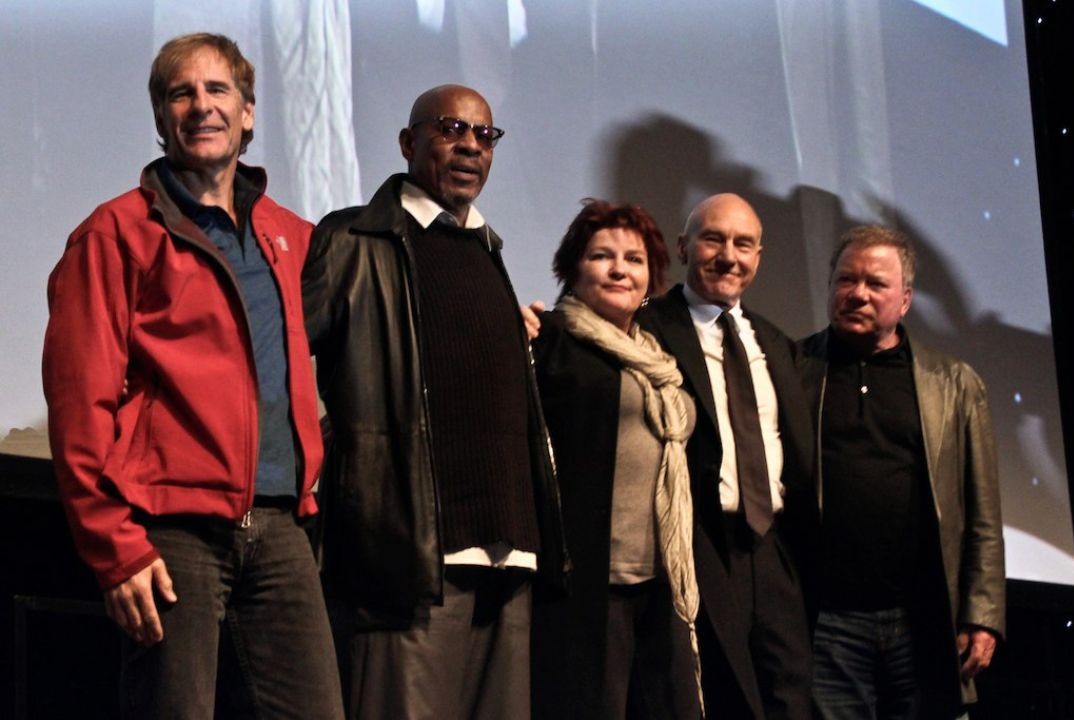
The original “Star Trek” is often remembered as a show that ended with ceremonial closure, but its final NBC broadcast was abrupt. On June 3, 1969, “Turnabout Intruder” aired without cast or audience knowing it would serve as the farewell episode for the initial run.
Later films and series blurred that memory, making the ending feel more planned than it was. In truth, cancellation came with little narrative ceremony, and fans carried the unfinished feeling into syndication years. That unresolved exit became part of the franchise mythology, proving that endings do not need polish to become iconic. Episode order confusion fed myth.
Vietnam Drawdown Began in 1969, but the War Did Not End
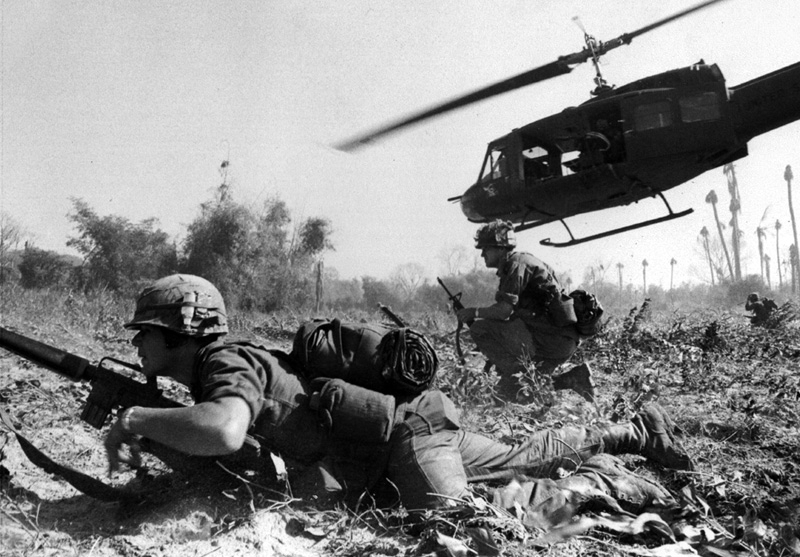
A common memory says the United States ended its Vietnam role in 1969. The historical record says otherwise. The first withdrawal phase began that summer, and on July 7, 814 soldiers from the 9th Infantry Division departed as part of a broader 25,000-troop reduction.
That movement mattered, but it was an opening step, not a conclusion. American forces remained in Vietnam for years, and major political arguments at home continued through a painful stretch of escalation, negotiation, and protest. The misremembered version compresses time. The lived version dragged on until 1973. In 1969, the war’s end was still distant.
Apollo 11 Was a Sequence, Not a Single Snapshot
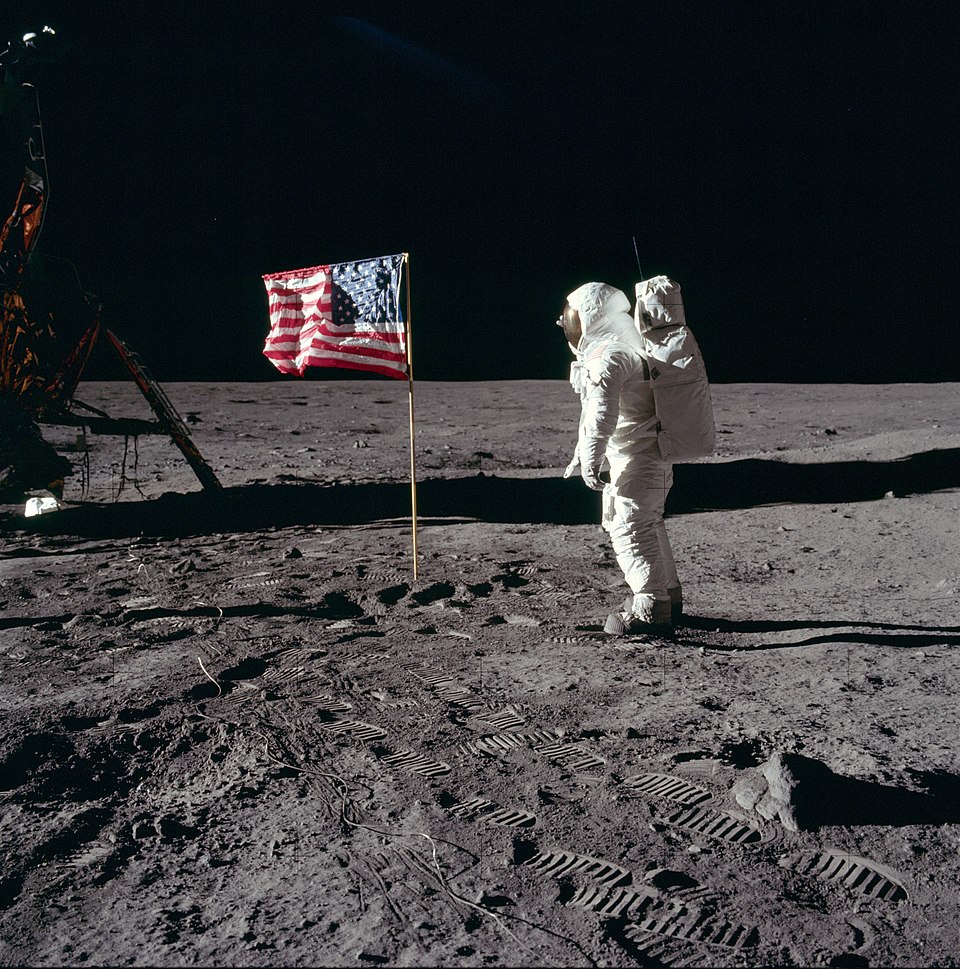
The moon landing is remembered as a single cinematic instant, yet Apollo 11 unfolded in stages that often get flattened. The lunar module touched down on July 20, 1969, and roughly six hours later Neil Armstrong stepped onto the surface, followed by Buzz Aldrin, as millions watched worldwide.
Another frequent mix-up treats the famous line as a perfect transcript in every replay. Audio quality and reporting quirks fueled decades of debate over one tiny word, while the broader achievement stayed unchanged. They returned with 47 pounds of lunar material, turning spectacle into enduring scientific work. History keeps the sequence.
Woodstock Was in Bethel, and It Was Far From Frictionless
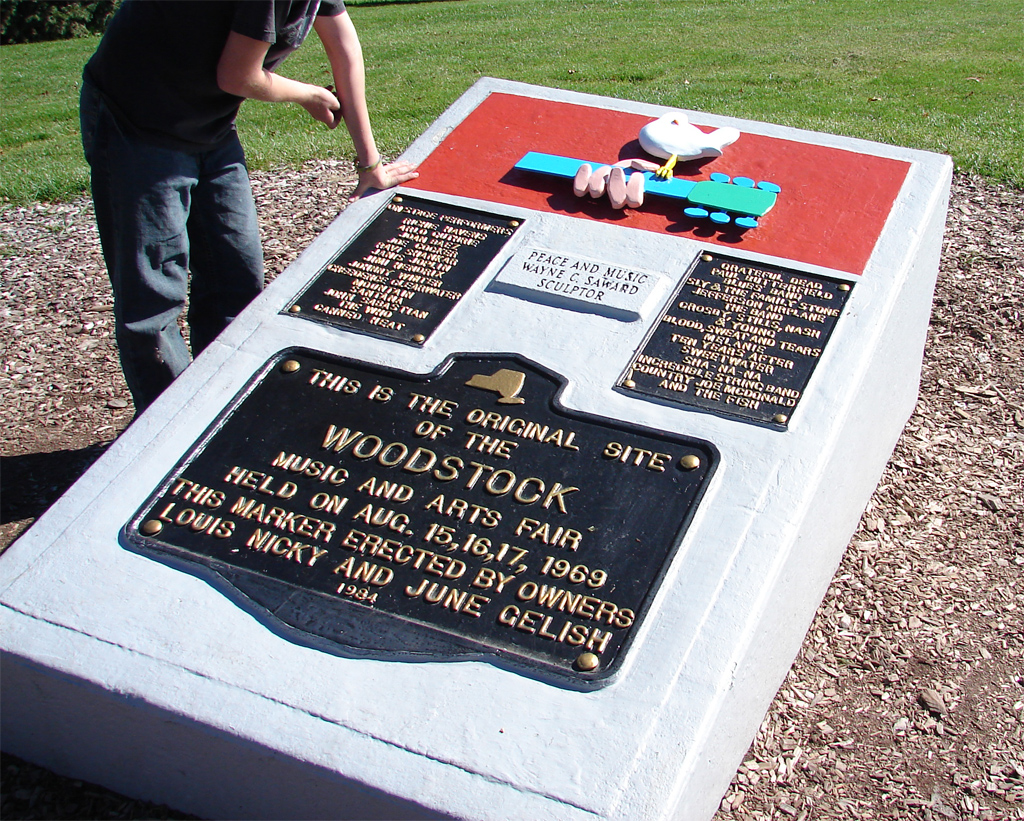
Woodstock is often recalled as a perfectly organized celebration in the town whose name it carries. Neither detail is right. The festival ran Aug. 15-18, 1969, on a dairy farm in Bethel, N.Y., and attendance climbed past 400,000, overwhelming roads, staffing plans, and basic logistics.
Popular memory smooths the rough edges into nostalgia. In practice, it became legendary partly because it improvised under pressure: traffic lockups, supply strain, weather trouble, and a crowd far larger than expected. That friction did not diminish the music. It explained why the event became shorthand for a generation’s scale and improvisation.
The First U.S. ATM Was Useful, but Limited
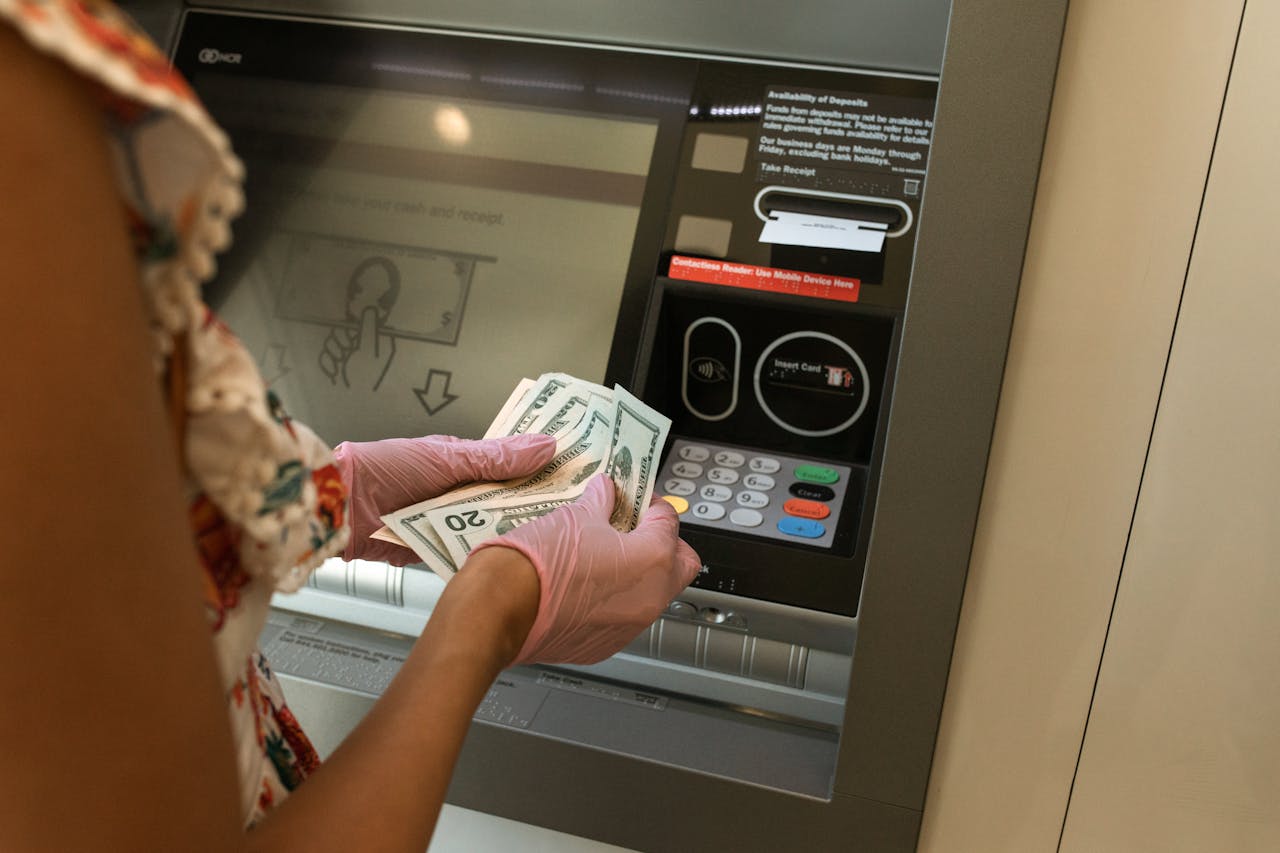
Many people imagine ATMs arrived as full mini-banks from day one. The first U.S. installation was narrower. On Sept. 2, 1969, Chemical Bank in Rockville Centre, N.Y., began operating a machine designed primarily to dispense cash, not to handle the full set of services users expect today.
The misremembered story skips that early limitation and jumps straight to modern convenience. Even in the early 1970s, additional features were phased in gradually. The breakthrough was still enormous: banking moved beyond teller windows and fixed hours, and a waiting-line annoyance became the seed of routine self-service finance. at scale.
The Beatles’ Final Chapter Was Not a Single Ending
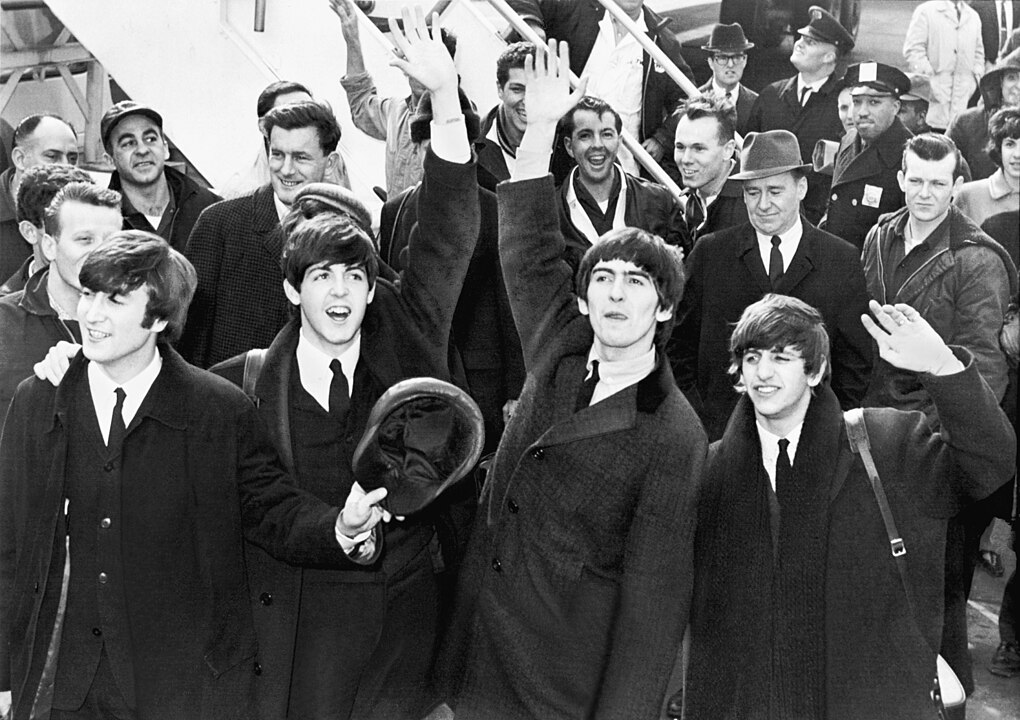
The Beatles’ ending is commonly remembered as a clean final chapter, but 1969 tells a more complicated sequence. They played their last public performance on Jan. 30 atop Apple Records in London, then released “Abbey Road” in Sept. as their last album recorded together.
Because “Let It Be” arrived later in 1970, memory often mislabels chronology and treats release order as recording order. The distinction matters. “Abbey Road” captures the group in late-stage collaboration, while the rooftop set marks the public endpoint. Together, those moments show a band finishing in fragments, not in a single farewell scene. That nuance counts.
The 1969 Best Actress Tie Was a Real Cultural Jolt
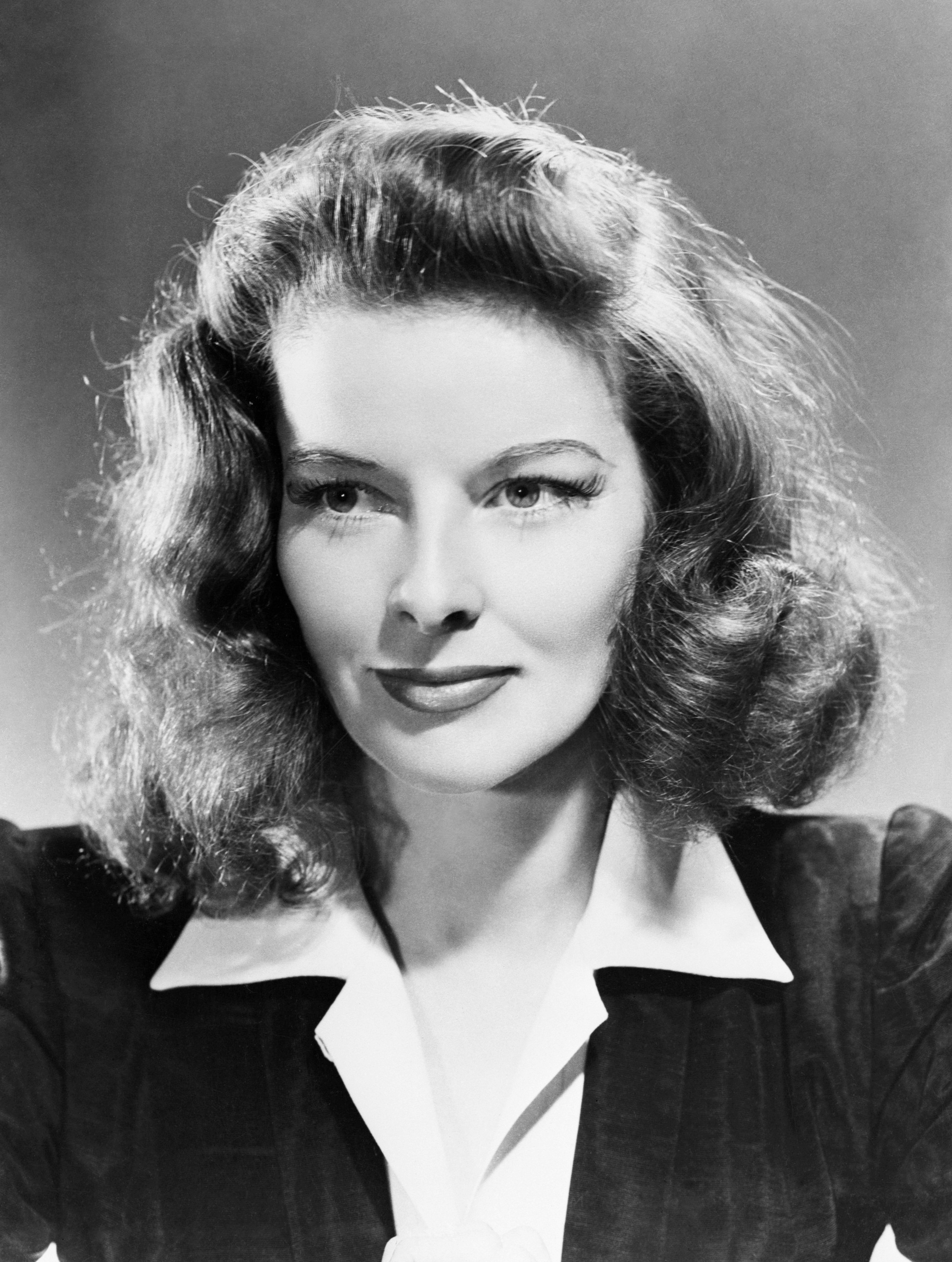
Awards history from 1969 is often retold as routine, yet the 41st Academy Awards delivered a rare headline. On April 14, Katharine Hepburn for “The Lion in Winter” and Barbra Streisand for “Funny Girl” tied for Best Actress, the first tie in a major acting category in decades.
Retellings usually flatten the night into a trivia line and miss why it resonated. Hepburn was not present, Streisand accepted with visible emotion, and two distinct screen personas shared one result. The tie worked as a cultural bridge between established prestige and a rising modern star system. That split still defines the ceremony in public memory.
My Lai’s Date and Its Exposure Are Often Blended Incorrectly
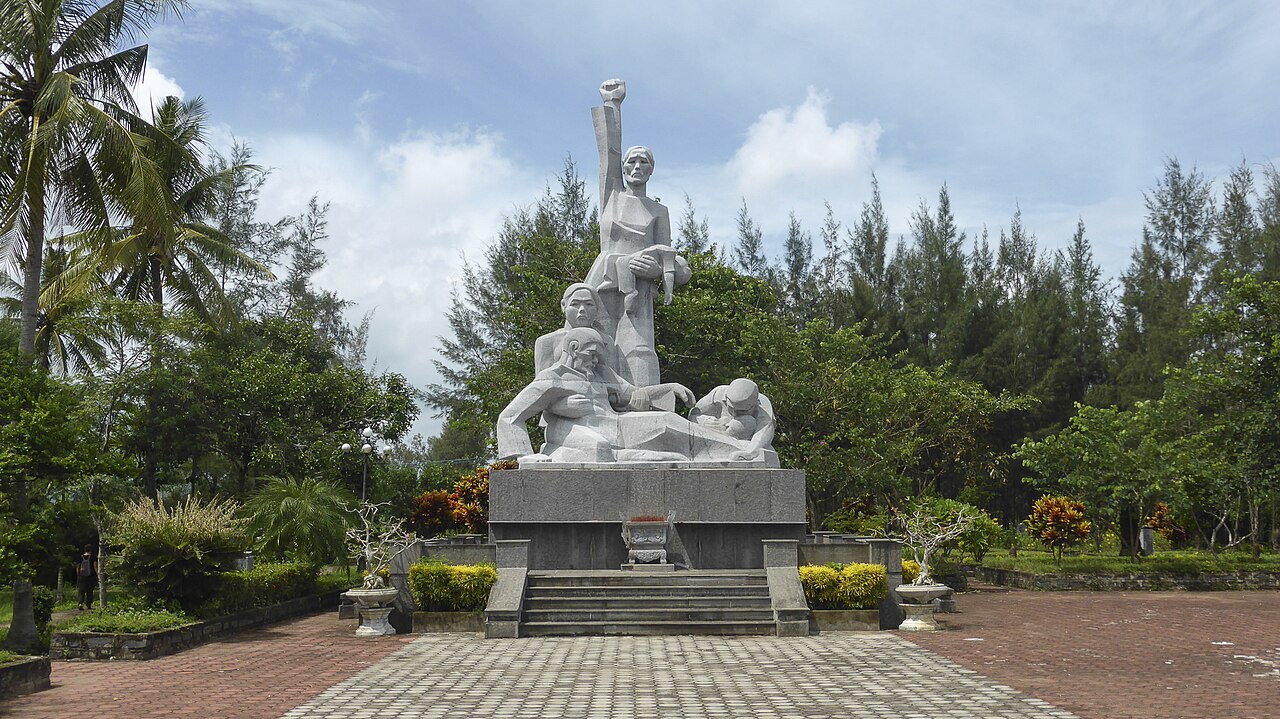
One of the most serious memory errors about 1969 is timeline confusion around My Lai. The massacre occurred on March 16, 1968, but the story reached broad public attention after reporter Seymour Hersh’s Nov. 13, 1969, dispatch exposed allegations against U.S. troops.
Many summaries collapse event and revelation into the same date, which hides how long truth can be delayed in wartime. The reporting forced national reckoning, challenged official narratives, and left a lasting lesson about journalism under pressure. Remembering the correct sequence is not a detail obsession. It is a matter of historical honesty. That gap shaped trust.