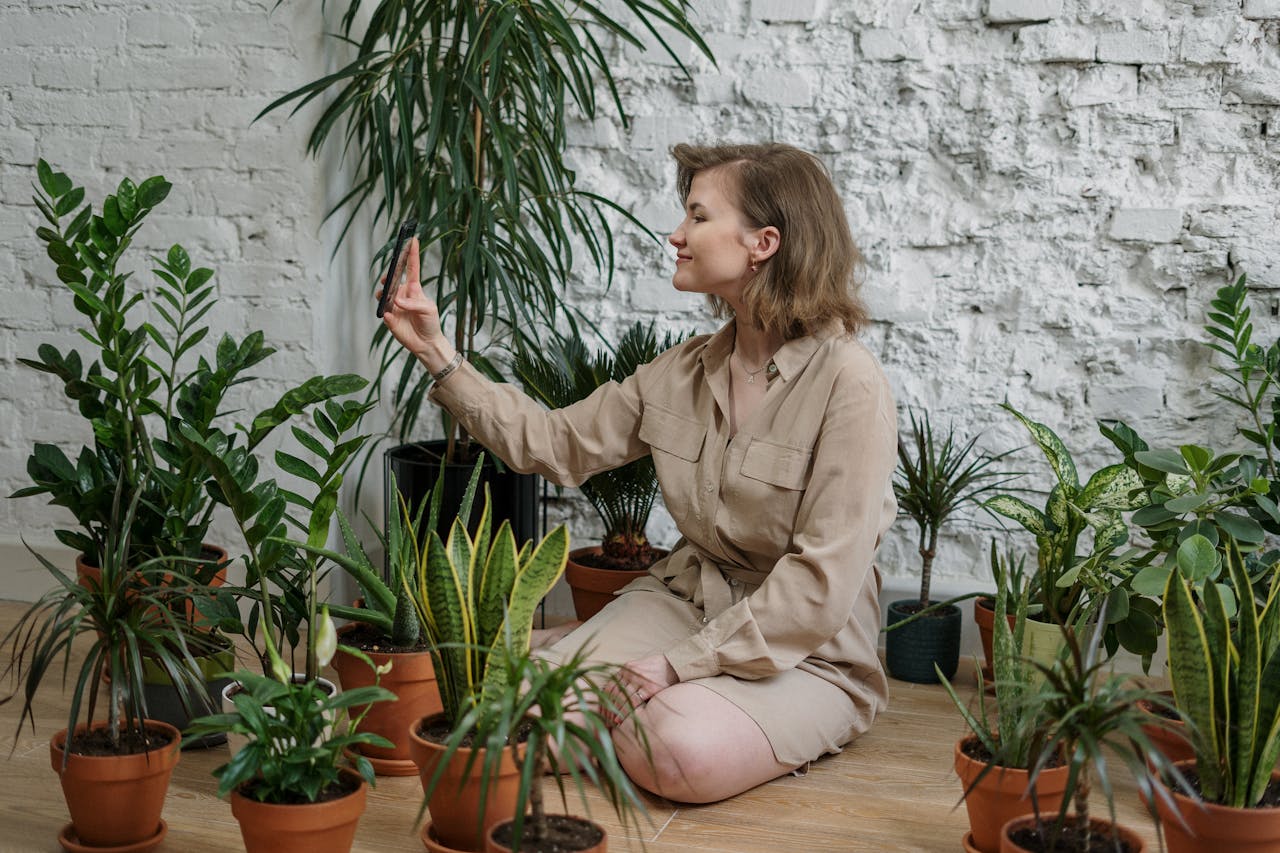
Biophilic design started as a quick fix: a pothos on a shelf, a fiddle-leaf in the corner, a promise of calm. Now the idea is maturing into something more architectural and more sensory, shaped by climate reality, tighter homes, and a hunger for rooms that feel alive without looking staged. Instead of counting plants, the focus shifts to daylight that moves, materials that read like geology, and layouts that echo a walk through shade and sun. The result is comfort that lasts past the novelty phase, because nature is built into the room, through structure, rhythm, and restraint, not parked inside it, day after day.
Daylight Becomes the Main Feature
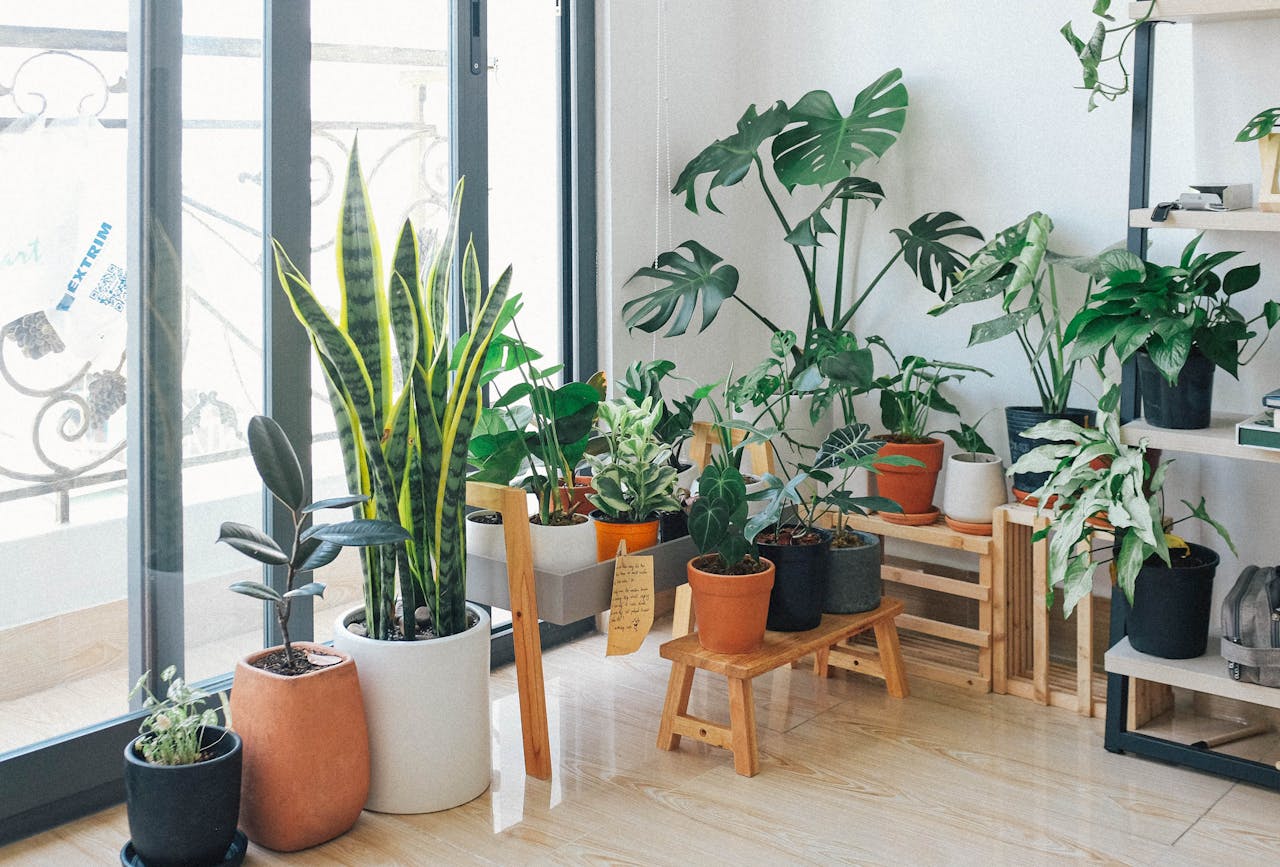
Biophilic design is leaning harder on real daylight, not just greenery near a window, because light is the nature cue that touches everything at once. Designers widen sight lines to the brightest opening, borrow sun with transoms or interior glass, and use pale limewash, matte stone, and warm oak to bounce brightness deeper into the plan while keeping surfaces calm. When night arrives, circadian-minded lighting drops in color temperature and intensity, moving from task-bright to firelight-soft, so the home keeps a natural tempo even on gray weeks and early sunsets, and sleep feels less negotiated for everyone at home.
Natural Materials Take Over the Touch Points

The houseplant phase treated nature as decor; the new phase treats nature as a material library, chosen for touch, sound, and longevity. Clay plaster, limewash, cork, rattan, wool, and honed stone bring depth that paint cannot fake, and their small imperfections, grain shifts, and mineral specks make a room feel lived-in rather than showroom-smooth. Reclaimed wood, recycled glass, and natural pigments also age with grace, so surfaces pick up patina instead of looking worn, and low-odor finishes support cleaner air, turning everyday contact into a quiet reminder that a home can evolve, not just stay pristine, for years.
Biomorphic Forms Replace Botanical Prints
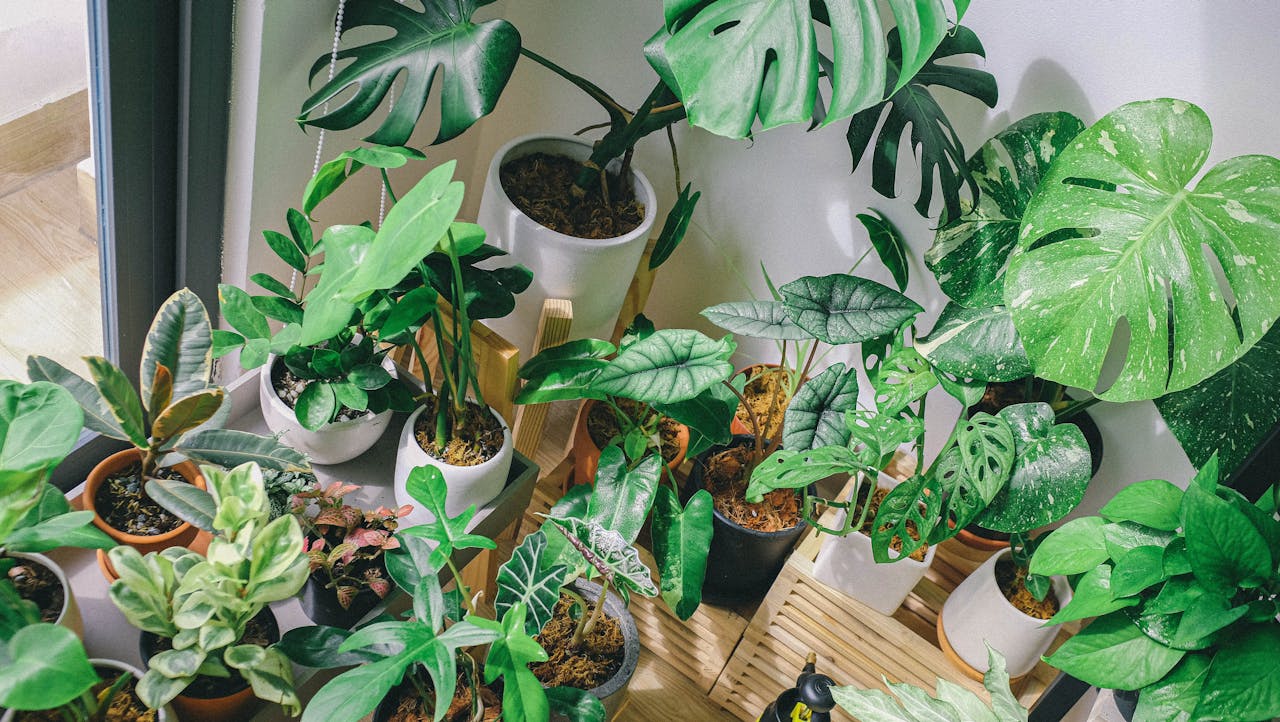
Biophilic rooms are moving past leaf prints and into forms that feel naturally familiar, even when no plant is in sight and no green shows up at all. Curved corners, arched openings, scalloped edges, and ripple-like textures borrow from shells, dunes, and river stones, softening the hard geometry that makes many modern interiors feel sharp and slightly tense. Subtle fractal patterns in tile, textiles, screens, or millwork add visual interest without noise, and when light hits them, the shifting shadows act like a slow, indoor weather system that calms attention, especially when craft leaves small variations, over time.
Airflow and Thresholds Get Designed, Not Assumed
Air is becoming a design element again, not an invisible service handled only by machines, because the body reads freshness before it reads style. Operable windows, transoms, ceiling fans, and well-placed vents are mapped to support cross-breezes and quick flush-outs after cooking, cleaning, or rainy-day humidity, so the whole home feels lighter without chasing temperature extremes. Layered thresholds, like a mudroom bench, a screened porch, or a sliding panel, create a gentle transition between inside and outside, letting breezes, bird sounds, and the scent of wet earth register without letting comfort collapse.
Water and Acoustics Do the Calming
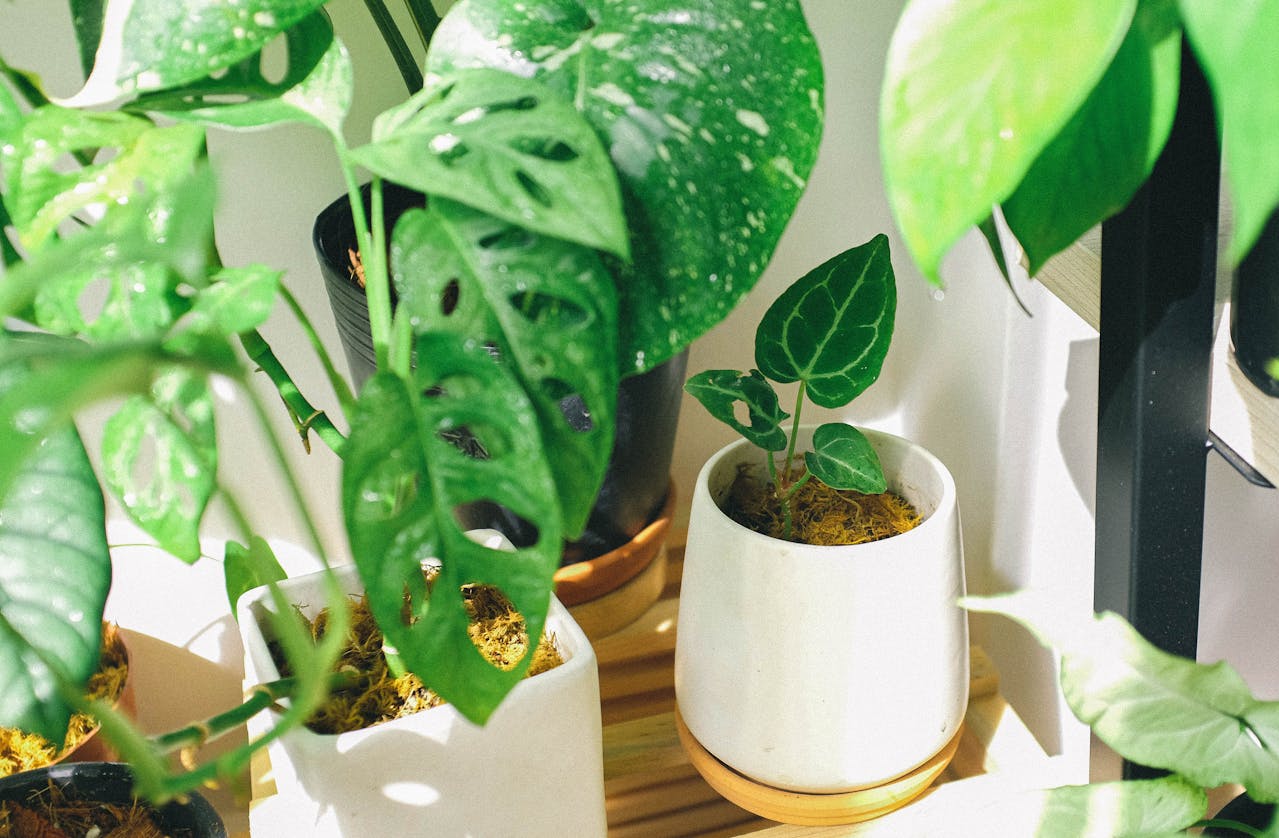
The new biophilic mood is as much about sound as it is about sight, replacing the harsh echo of bare rooms with softer, more natural acoustics that settle the mind. Rugs, wool drapery, cork panels, and slatted wood ceilings absorb noise the way forest ground does, while small water elements, like a tabletop fountain, a courtyard basin, or even a rain chain, add a steady pulse that masks street chaos. Even plumbing is being treated with care, with quieter fixtures, calmer exhaust fans, and gentler spray patterns that turn daily routines into moments that feel closer to rainfall than to machinery, especially at night.
Microclimates Replace One-Setting Comfort
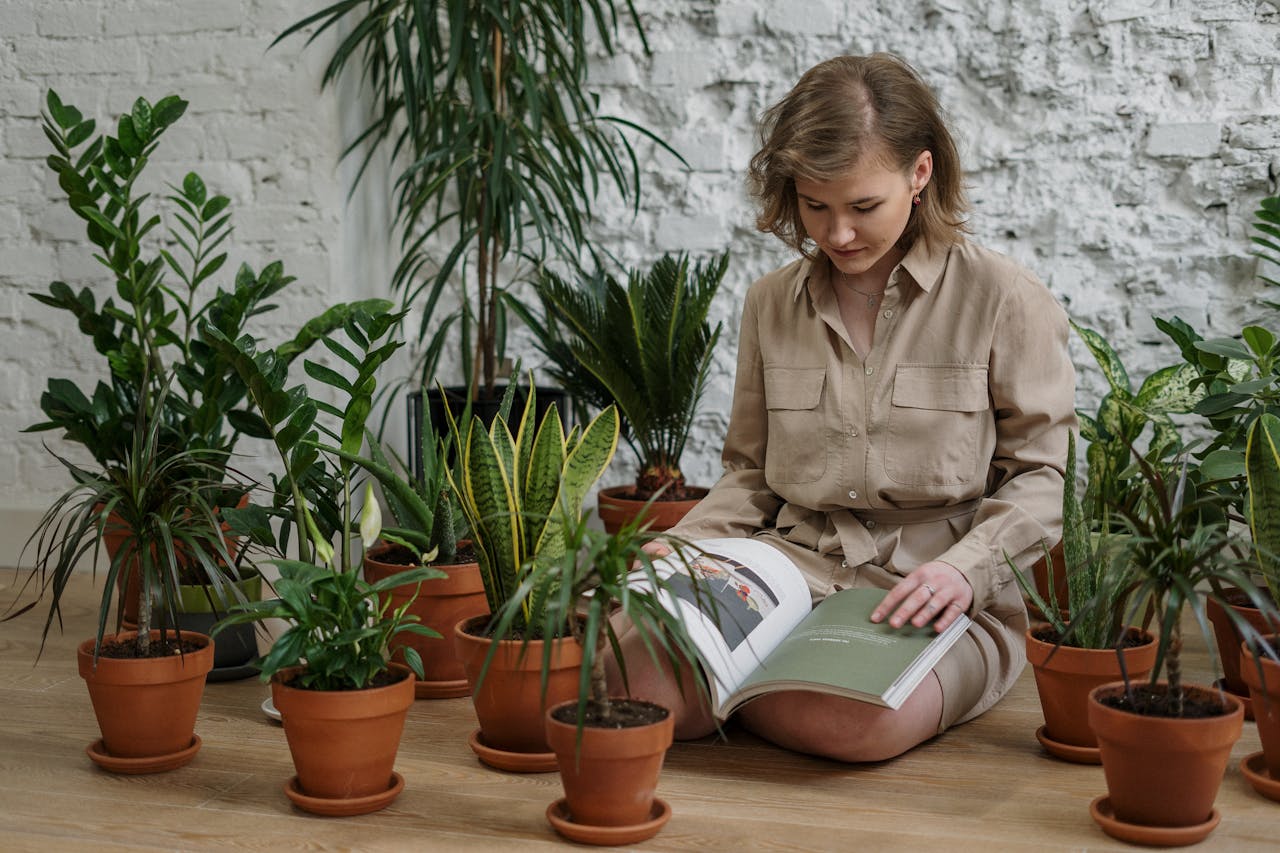
Instead of blasting one thermostat setting across a whole floor, biophilic thinking is creating small comfort zones, the way shade under a tree feels different from sun on stone. Window films, exterior shades, and trees reduce heat gain, while breathable textiles, layered throws, and area rugs help a room hold warmth without feeling sealed; a cool tile bath and a warm wood nook can coexist by design. Moisture control is moving beyond dehumidifiers, with better ventilation, clay-based finishes that buffer humidity, and systems tuned to keep skin, wood, and air from swinging between damp and brittle, season after season.
Prospect and Refuge Shape Layout Decisions
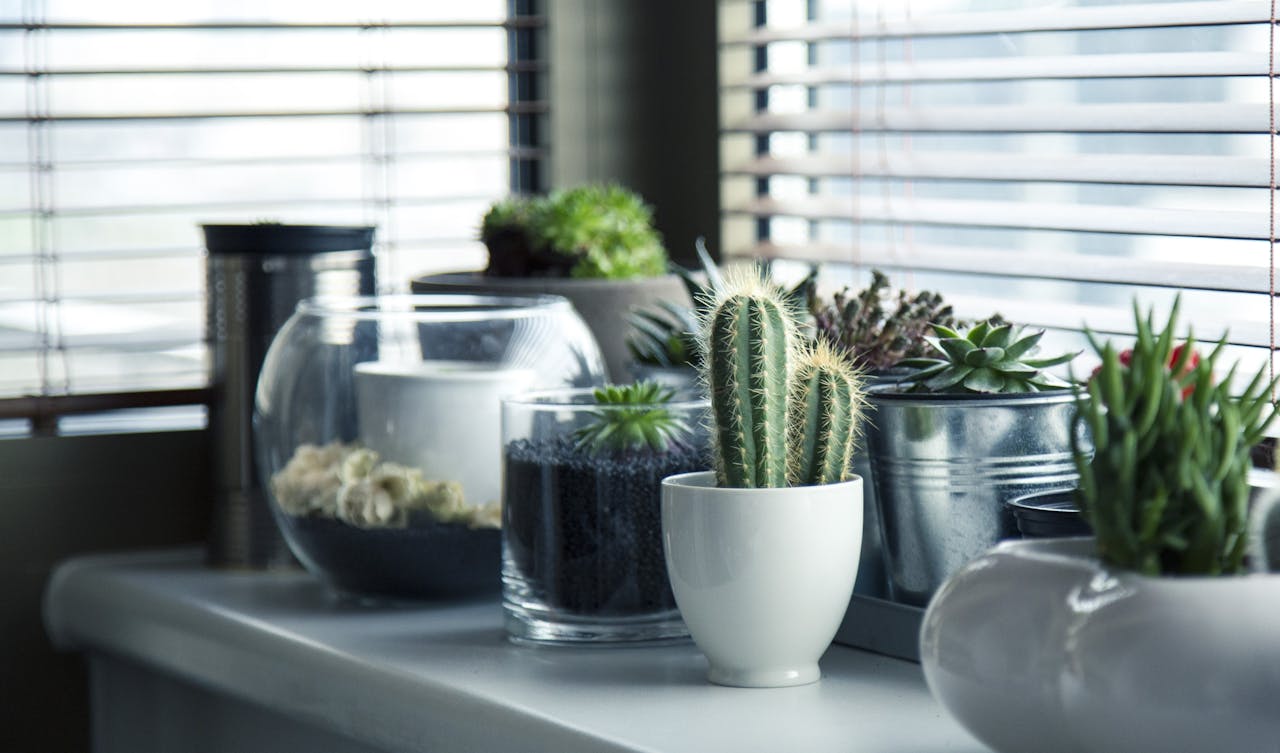
Biophilic design is getting more psychological, using space to create safety and curiosity at the same time, the way a trail alternates between lookout and shelter. Window seats, reading nooks, and lower-ceiling corners offer refuge, while a clear view to a brighter zone, like a garden door, a kitchen window, or a long hallway, provides prospect and makes circulation feel easy rather than forced. These moves do not require more square footage; they rely on furniture placement, partial partitions, built-in ledges, and intentional sight lines that let a home feel like a landscape, with places to gather, pause, and disappear.
Outdoor Biodiversity Becomes Part of the View
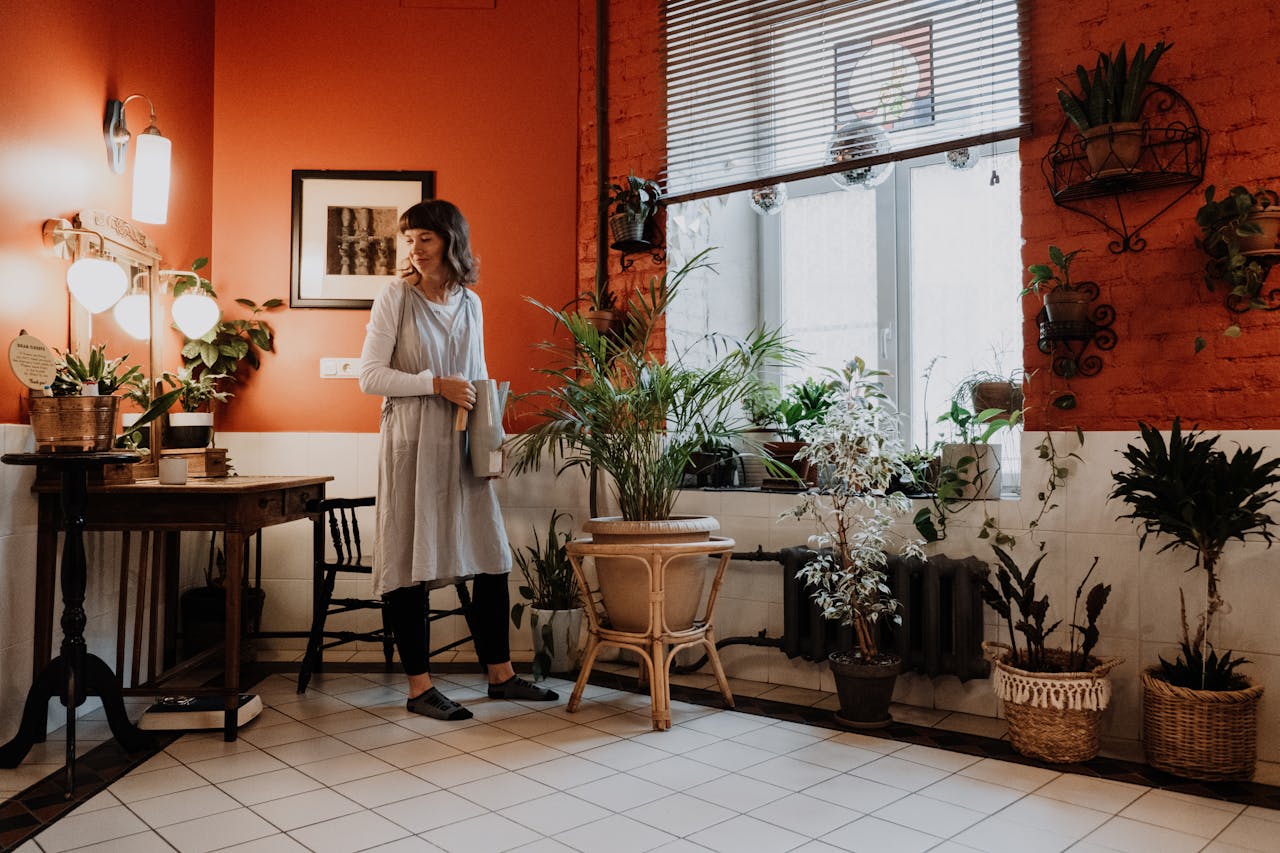
A single houseplant is comfort, but a living edge around a home is connection, and that is where biophilic design is heading as yards and balconies do more work. Native plantings, habitat pots, and pollinator gardens support birds and insects, while bringing seasonal change right up to the glass, from spring buds to late-summer seed heads, and even helping manage stormwater with permeable surfaces. Moves like a birdbath, a rain chain, or outdoor lighting that is warmer and dimmer make exterior spaces friendlier to wildlife, and the indoor view becomes a changing scene with life, not a static indoor display, all year.
Quiet Tech Keeps Nature Cues Steady

Biophilic design is quietly partnering with technology, not to gamify a room, but to keep nature cues consistent when schedules get hectic. Shades that track sun, irrigation that reacts to rain, humidity sensors, and air monitors that trigger fresh-air cycles help a home hold onto the pleasant parts of the outdoors while avoiding the spikes that cause discomfort. Paired with low-maintenance greenery, like moss art, drought-tolerant planters, or small indoor trees sized for the ceiling height, these tools make the connection to nature feel dependable, not like a hobby that collapses after a busy month and a missed watering.