Email sign-offs are small, but they set the emotional temperature of a message in a single beat. When the closing feels pushy, overly intimate, or strangely formal, the reader notices, even if the rest is solid. Most awkward sign-offs are not rude. They are simply mismatched to the relationship, the topic, or the moment. Clear writing and a steady tone rarely need decoration, and the best closers leave room for an easy reply. These phrases tend to do the opposite, turning a straightforward note into something that feels scripted or tense.
Thanks In Advance

Thanks in advance often reads like the outcome is already decided and the recipient is there to comply, which can raise defenses before the request is even weighed. It lands worst when the ask is sizable, the timeline is fuzzy, or the sender is outside the decision chain, because gratitude starts sounding like pressure rather than courtesy. A better close names the action and date plainly, offers a quick off-ramp such as If that timing is tight, please suggest an alternative, and then ends with Thanks or Appreciate it so the tone stays confident, fair, and easy to answer for everyone in one line.
Warmest Regards

Warmest regards tries to signal friendliness, yet it can feel like a costume that does not match the message, especially with new contacts or transactional threads. In routine work email it often reads as scripted politeness, or as extra warmth pasted onto a firm note, which makes readers wonder what is being softened and can distract from the actual request. Best, Regards, or Thank you keeps the tone current, and any warmth can live in one specific line such as Appreciate the quick turnaround or Thanks for your careful review, which sounds earned, avoids awkward intimacy, and still leaves the message confident and human.
Have A Blessed Day

Have a blessed day can be sincere, but in mixed audiences it assumes shared beliefs or a shared comfort level that may not exist, especially with first-time contacts. In hiring, customer support, or vendor email, that single line can shift a practical thread into something personal, and recipients may feel unsure how to respond without either mirroring it or ignoring it. If kindness is the goal, a neutral close like Many thanks, Appreciate it, or Have a great afternoon delivers the same warmth, avoids guessing what the other person values, and keeps attention on the request, the timeline, and the next step.
Respectfully
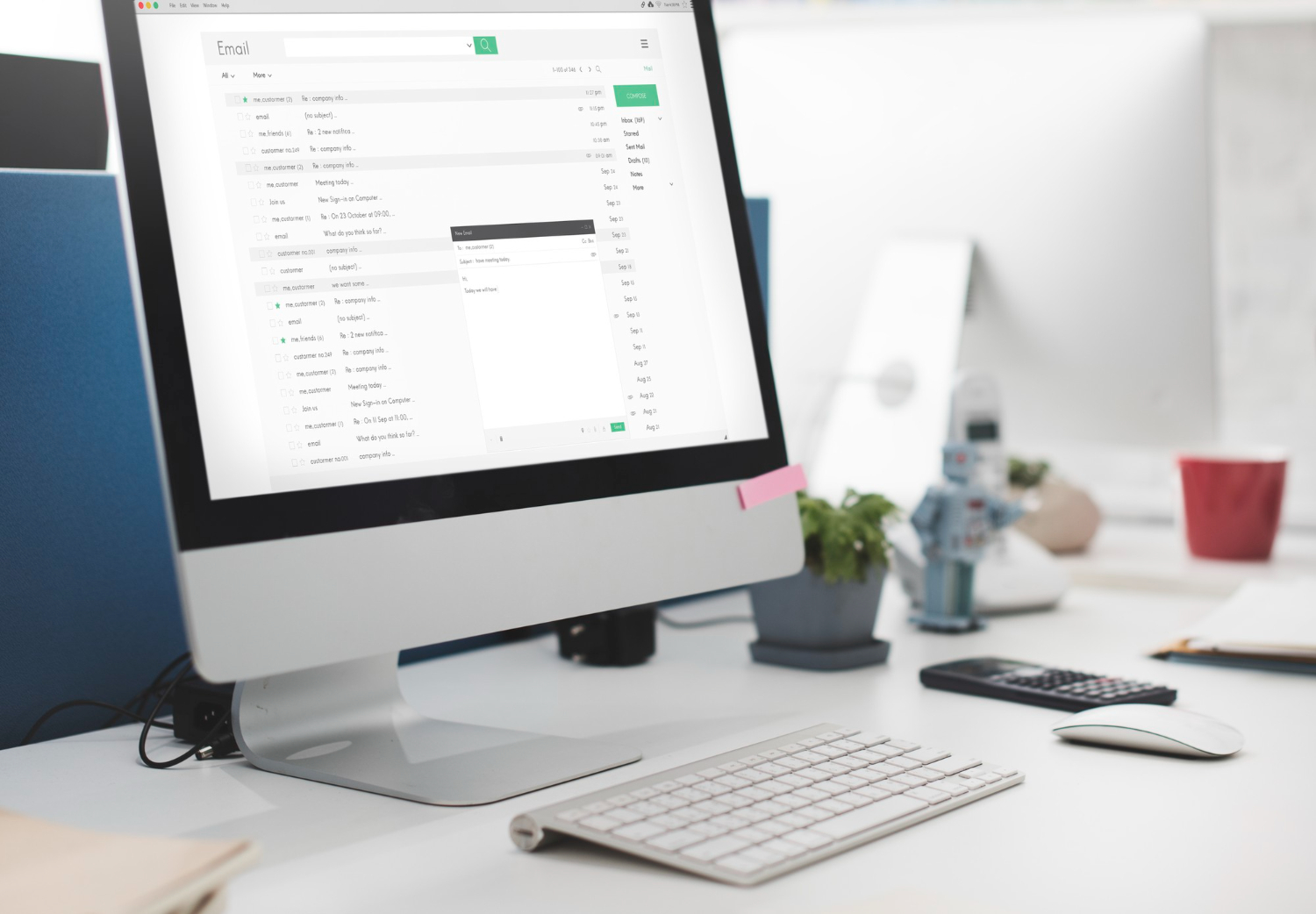
Respectfully often signals conflict, even when the message is meant to be routine, because many readers have learned to hear it as a polite warning, especially in internal threads. Used casually, it can make a simple update feel tense, and the recipient may start scanning for hidden criticism instead of focusing on the decision, the data, or the request being communicated. If firmness is needed, plain language does more: state the decision, the reason, and the next step, then close with Regards or Thanks so the tone stays steady, clear, and professional, reserving Respectfully for truly formal letters where distance is expected.
Cheers

Cheers can be friendly, but its meaning shifts by culture, seniority, and industry, so it can land oddly in formal or sensitive threads, even when the content is perfectly polite. Paired with billing disputes, compliance notes, or performance topics, it may feel like forced casualness or an inside tone that not everyone can comfortably mirror, which creates avoidable friction. Keeping Cheers for teams where it is already common, and using Best or Regards for first-time contacts and external partners, prevents tone surprises and helps the message read consistently across teams, time zones, and different levels of formality.
Stay Awesome

Stay awesome aims for upbeat energy, yet it can sound like a slogan pasted onto an email about deadlines, corrections, or approvals, which makes the tone feel mismatched. When the thread is stressful, that cheeriness can feel detached from reality, and recipients may read it as filler that avoids the real point or tries to manufacture closeness, like a social post copy-pasted into work. If positivity matters, make it concrete: thank someone for a quick review, a careful check, or a timely reply, and then close with Thanks or Best so the goodwill is tied to real effort and the message stays friendly without feeling forced.
Sent From My iPhone
Sent from my iPhone is a default footer, but it can suggest the sender cared more about speed than clarity, especially when it appears on a first introduction or a serious request. In sensitive topics it reads like a prewritten excuse for typos, which quietly weakens trust when details matter and the recipient needs to rely on accuracy and follow-through. Most email apps allow the line to be removed or replaced with a name or role, and a short closing like Thanks, Best, or Regards signals intention, keeps standards high, and looks clean on any screen, while still allowing brief, mobile-friendly writing.
XOXO
XOXO belongs in close friendships, not in threads where roles and boundaries still matter, because it changes the relationship frame in a single beat and can blur expectations. Outside a very personal context, it can read as flirtatious or unserious, and the recipient may feel awkward about how to reply, which is the opposite of efficient, professional communication. Warmth is still possible without that risk: add one friendly sentence in the body that fits the situation, then end with Best or Thanks so the tone stays kind, clear, and easy to answer, reserving playful sign-offs for personal notes or marketing that is explicitly casual.
With Gratitude
With gratitude is well meaning, yet it often reads like a template pasted into every message, regardless of what was asked or delivered, so it stops sounding personal. Overuse dulls the sentiment, and it can feel performative when paired with a pushy follow-up or a vague demand, because the words do not match the pressure underneath and the reader senses the mismatch. A better close names the specific help being appreciated, then ends with Thanks or Appreciate it. That sounds sincere, precise, and easy to accept, and it keeps the thread focused on what happens next instead of on a grand tone that the relationship has not earned.
Fondly

Fondly can work in personal notes, but in business email it often feels out of place, like a greeting card sign-off attached to a status update. It implies a level of closeness that the thread may not have earned, so recipients spend a moment decoding tone instead of acting on the request, especially with new partners or clients. If the aim is friendliness, Best or Regards does it cleanly, and warmth can show up as a simple line that recognizes effort or offers flexibility, such as Thanks for moving quickly or Happy to adjust the timing if needed, without leaning on sentimental language at all.
Kindly

Kindly has picked up baggage online, so even sincere use can trigger a small trust flag before the reader reaches the request. It can also sound patronizing when paired with commands or repeated reminders, which undermines the polite intent and makes the message feel scripted rather than direct. Swapping it for Please plus a clear verb usually fixes the tone immediately: Please send the file by 3 p.m., or Please confirm the address. It reads more natural in American English, keeps attention on the task, and reduces the chance that wording becomes the story instead of the work for everyone involved.