Some places feel secret because they are invisible. Others feel secret because they look ordinary, tucked behind office parks, service roads, and quiet hillsides. Governments often prefer the second kind. A facility that resembles a lab or a data center draws less curiosity than something theatrical, even when its work shapes national decisions. The result is a subtle geography of power: sites acknowledged in public records yet emotionally distant, humming in the background of daily life. Hidden in plain sight is less a trick than a design choice.
Area 51, Nevada, United States
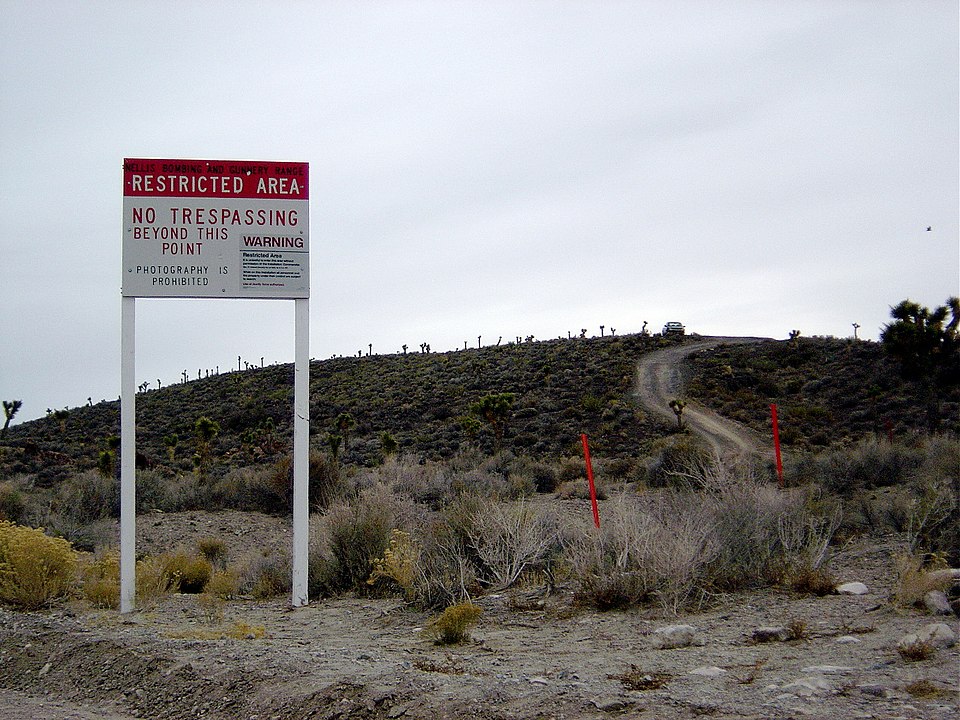
Area 51 is fenced off near Groom Lake, but the real concealment was always policy: restricted airspace, controlled access, and years of official silence. Declassified histories later acknowledged the site’s role in Cold War flight testing, which is why it reads less like a myth and more like a very practical runway in a very empty basin. That emptiness is the camouflage. Low buildings and long tarmac look ordinary from above, and the desert discourages lingering. Even the routine signs, patrol roads, and plain hangars help it blend into the logic of aviation, not spectacle. The secrecy lives in what is not said, not in what is seen.
Cheyenne Mountain Complex, Colorado, United States
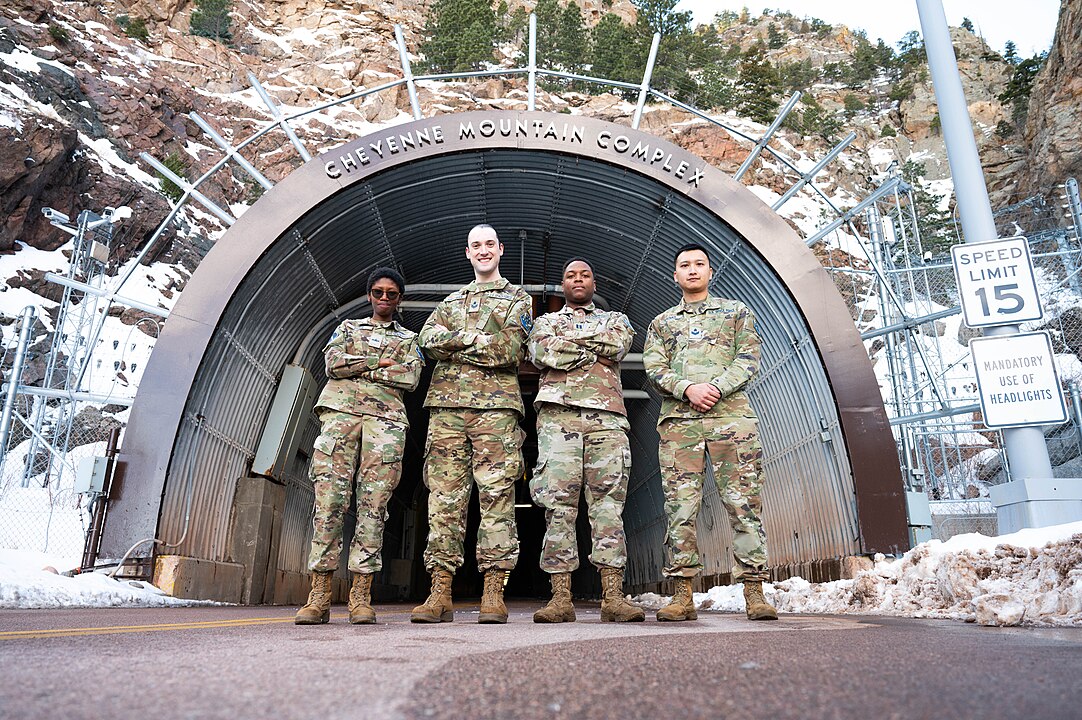
From the highway, Cheyenne Mountain looks like normal granite outside Colorado Springs, which is the point. Inside sits a hardened complex built during the Cold War and still maintained for continuity and training. Public descriptions frame it as an alternate operations site, designed to keep core command functions running if primary hubs fail. The secrecy is practical rather than mystical: redundancy, protected communications, and routines that do not need publicity. A mountain entrance and a few surface buildings can appear unremarkable, while the real value is the resilience hidden in rock.
Mount Weather Emergency Operations Center, Virginia, United States
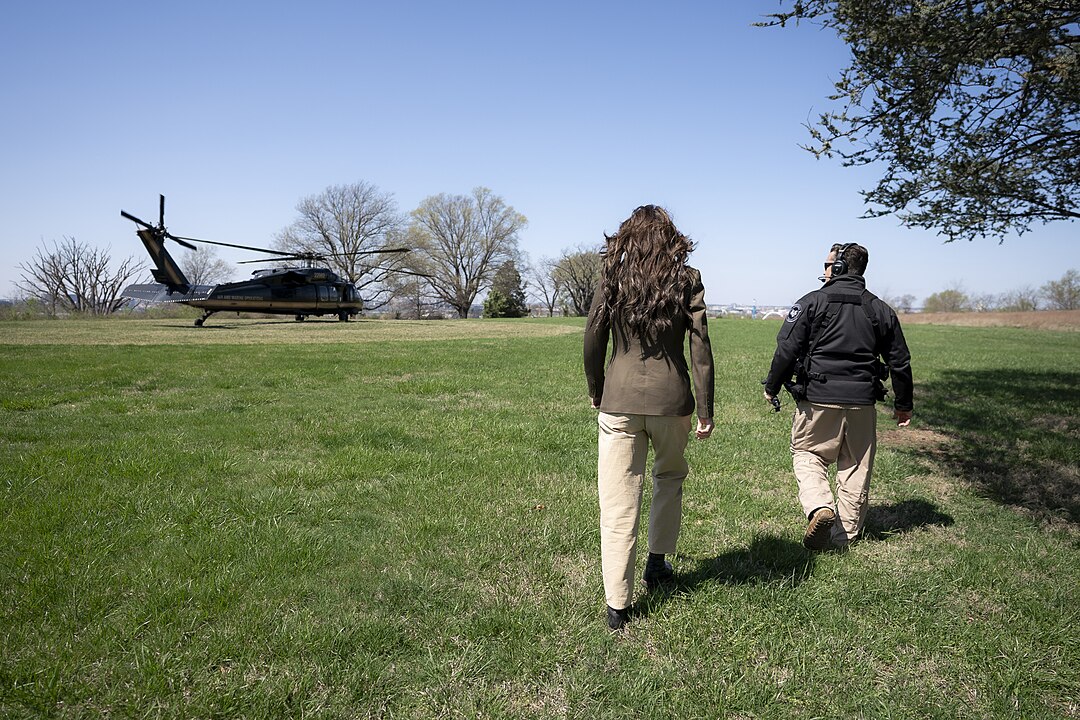
Mount Weather reads like a quiet federal campus in the Blue Ridge, with gates, roads, and low buildings that resemble any remote government installation. Its public role is tied to continuity planning, a place meant to function when normal offices and communications cannot. That purpose explains the understatement. A continuity site should be useful, not famous, and it should be able to run on routine even when everything else is disrupted. The plain look is part of the design, keeping attention on the mountain and not on the systems that would quietly take over. It is ordinary architecture carrying an extraordinary contingency plan.
The Greenbrier Bunker, West Virginia, United States
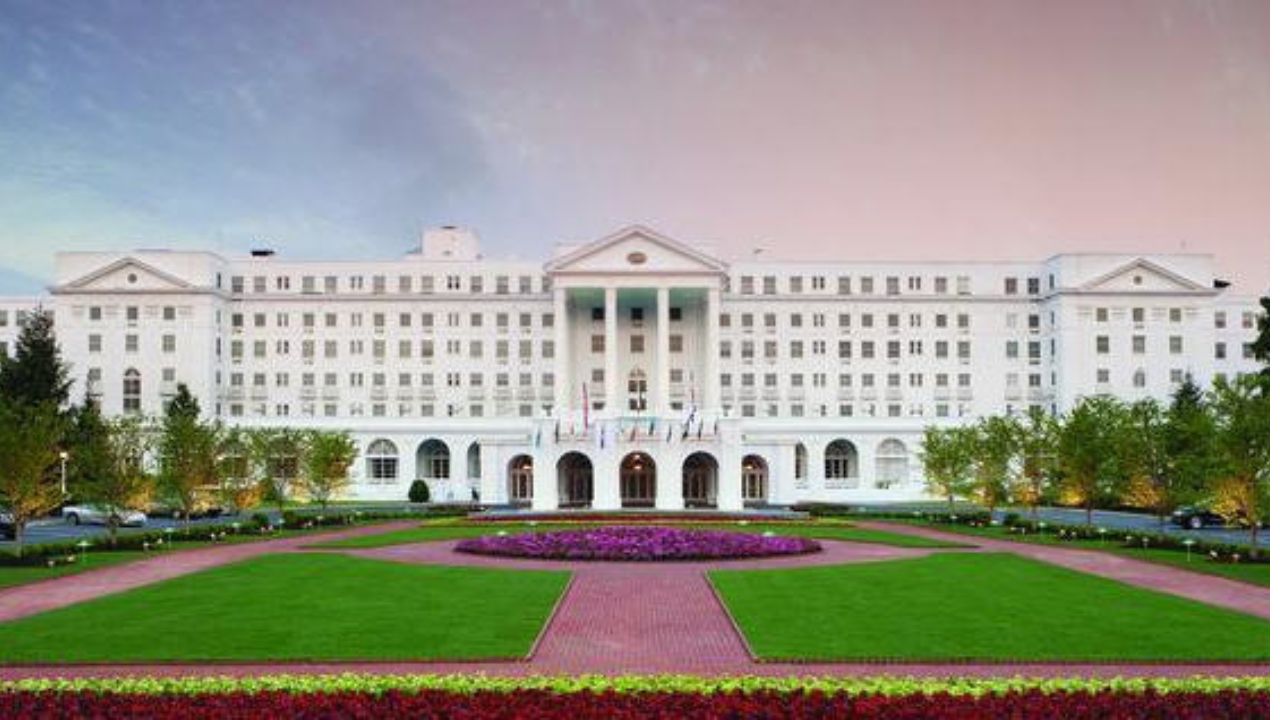
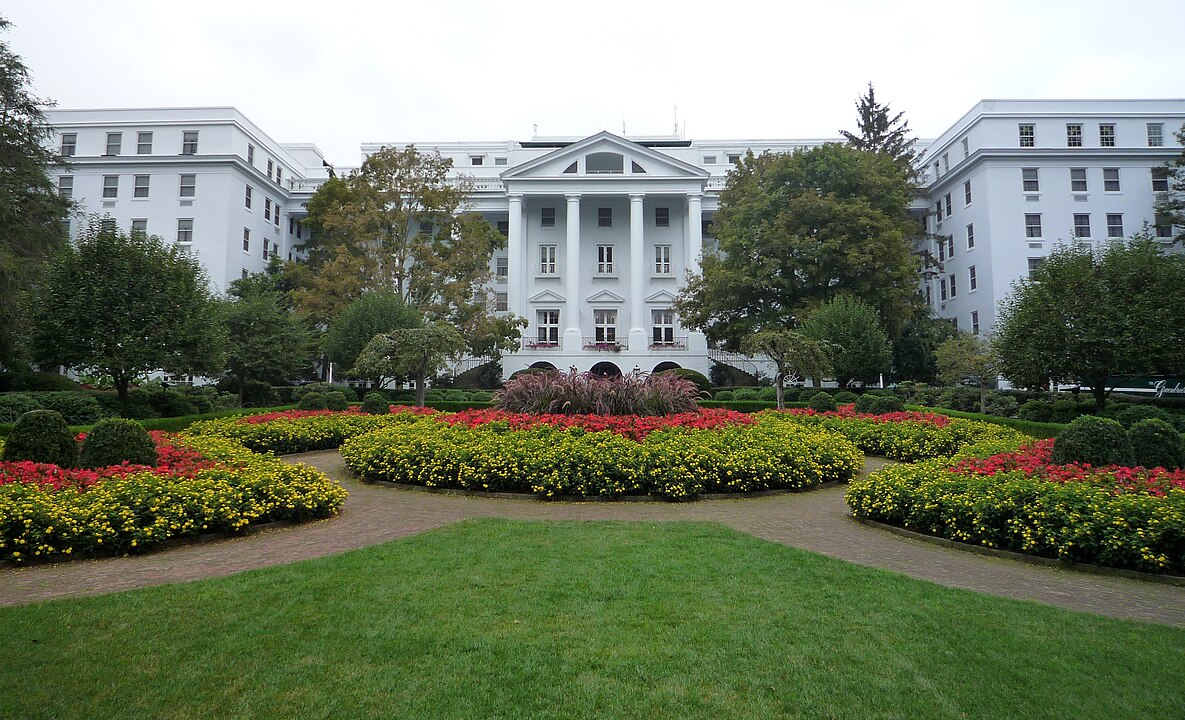
The Greenbrier’s secret was not a remote desert or a guarded gate, but a luxury resort that already expected constant activity. Beneath one wing sat a Cold War relocation facility for Congress, built with cover stories, controlled access, and the normal noise of deliveries and renovations. It stayed hidden for decades because the surface life made secrecy easy: guests came and went, staff moved in the back corridors, and construction never raised eyebrows. When the program became public in the early 1990s, the lesson was blunt. The safest disguise is often comfort and routine, not isolation. Nothing looks less suspicious than a parking lot.
Utah Data Center, Utah, United States
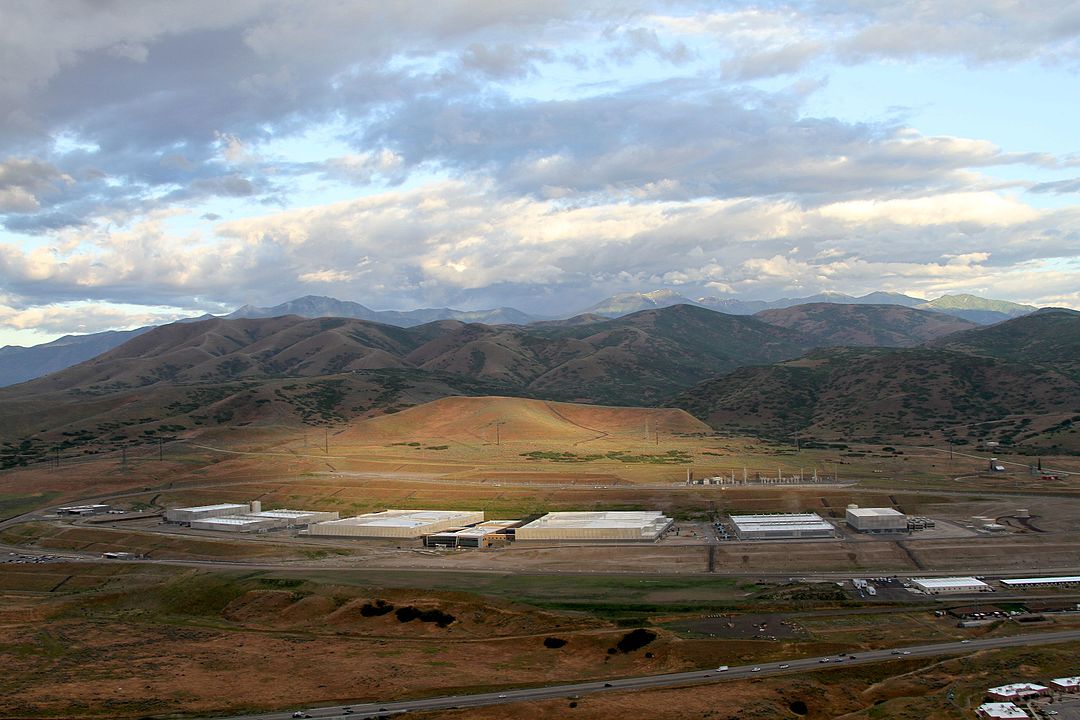
Near Bluffdale, the Utah Data Center looks like a large industrial tech campus: clean geometry, fences, and heavy utility infrastructure. Public reporting identifies it as an intelligence-community data storage site associated with the NSA, while operational details remain classified. The concealment strategy is architectural. Data centers are designed to be generic, because function matters more than appearance, and that blandness works as camouflage. From the road, it can read as just another secure facility feeding on power and fiber. Only the scale hints that the work inside may touch far more than local traffic.
Porton Down, Wiltshire, England
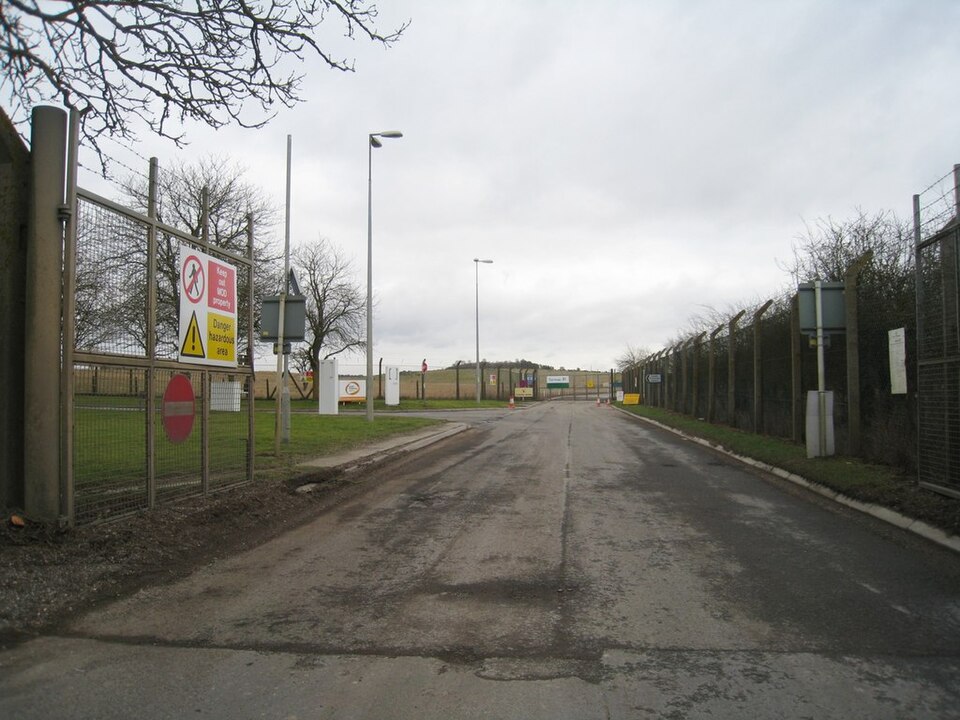
Porton Down sits in the Wiltshire countryside like a broad research campus, the sort of place that could host laboratories, offices, and training rooms. It is publicly known as a major U.K. defense science site with roots in early chemical defense research, and it still operates with tight controls. What feels hidden is the line between the public mission and the classified work that cannot be discussed in detail. From outside the perimeter, it reads as routine buildings and service roads, which lowers curiosity. The plainness is the message: serious research rarely needs drama, only fences, protocols, and time.
RAF Menwith Hill, North Yorkshire, England
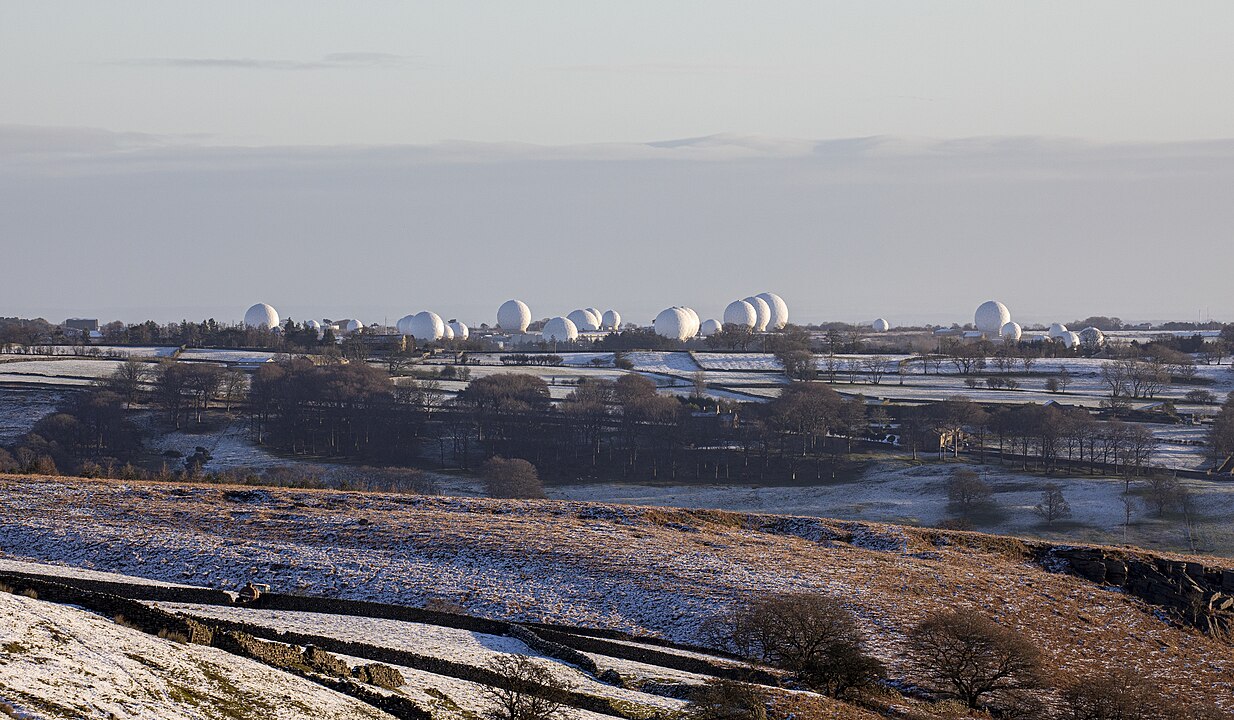
RAF Menwith Hill is visually obvious, marked by white radomes that dot the landscape like oversized golf balls. That visibility is part of its plain-sight paradox. Public descriptions characterize it as a major satellite ground station tied to signals intelligence, operating under U.K. control with substantial U.S. presence. The structures announce importance while revealing almost nothing about daily function. Over time, familiarity does what fences cannot. Locals drive past, tourists take photos, and the site becomes background scenery, even as its purpose stays politically sensitive and tightly managed.
Joint Defence Facility Pine Gap, Northern Territory, Australia
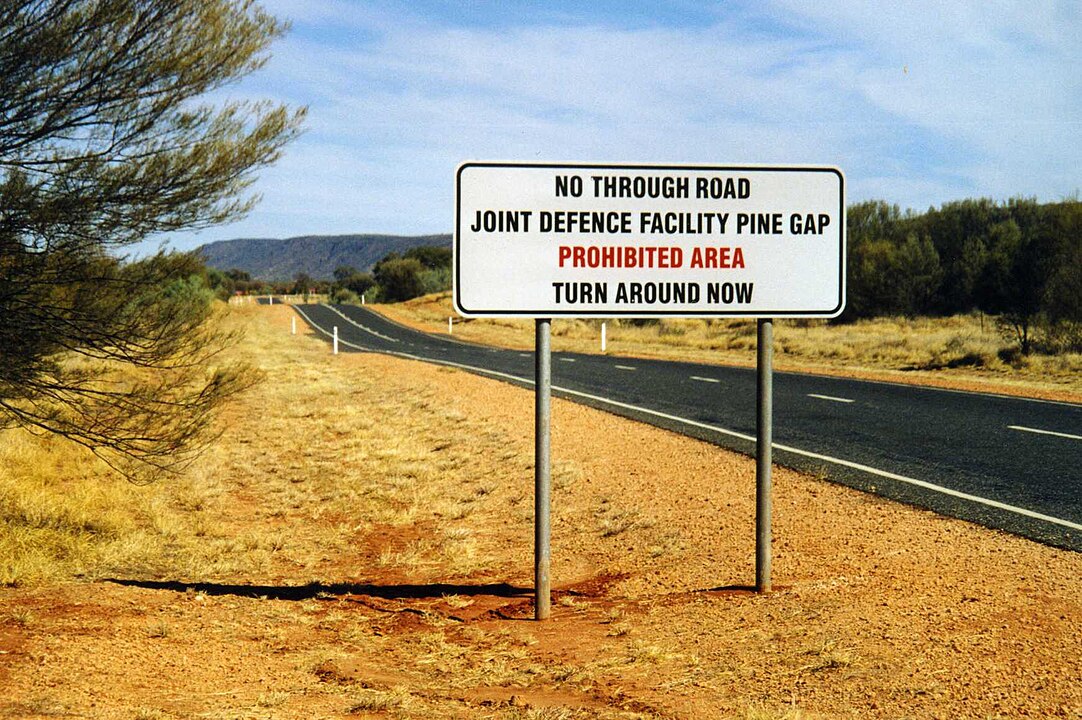
Outside Alice Springs, Pine Gap sits behind fences on red earth, a cluster of radomes and dish structures that can resemble telecom hardware at a glance. It is officially described as a joint Australia–United States facility linked to satellite communications and intelligence support, and it has been debated publicly for decades. The plain-sight effect comes from the shapes. Radomes are familiar pieces of infrastructure, so the eye files them as technical rather than political. Distance does the rest. In the vast interior, the facility can feel like just another node in the landscape, quietly tied to decisions made far away.
National Reconnaissance Office Headquarters, Virginia, United States
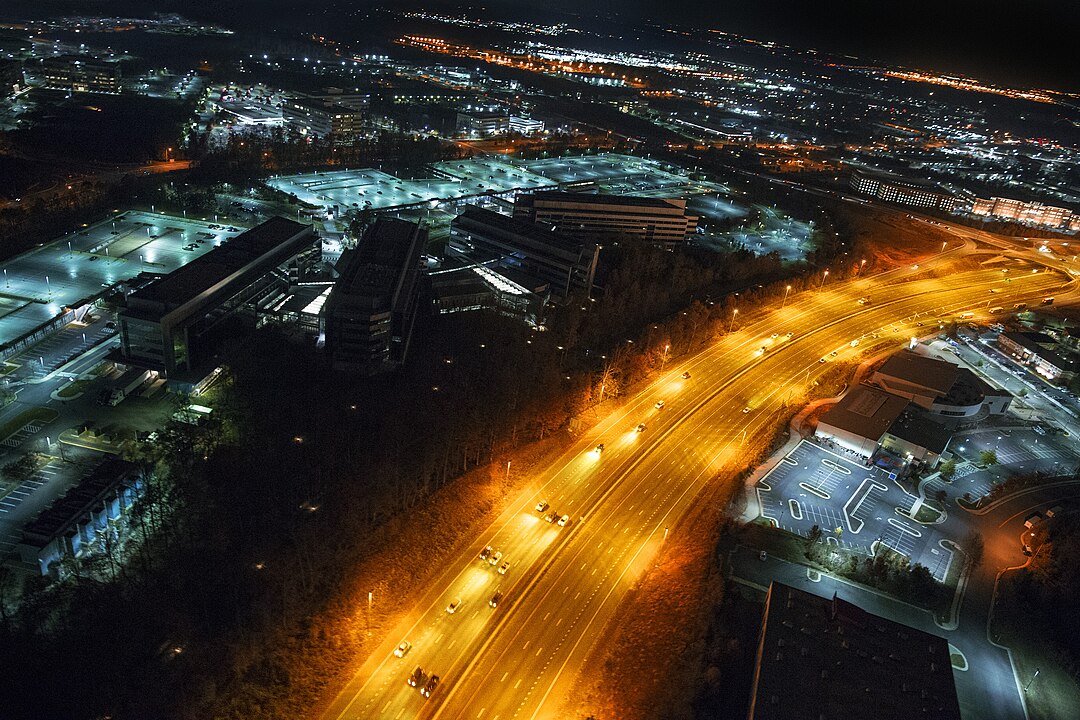
In Chantilly, Virginia, the National Reconnaissance Office headquarters blends into a landscape of office parks, parking garages, and commuter traffic. In a region dense with contractors and federal agencies, anonymity becomes a form of security, and a low-profile campus draws less attention than a fortified landmark. The NRO’s publicly stated mission centers on reconnaissance satellites and the ground systems that deliver intelligence. The building does not need to look special. Its plainness reflects a modern reality: secrecy often rides on normal architecture, normal schedules, and public indifference.