
Valentine’s Day is often pictured as one universal ritual: red roses, fixed dinner plans, and a tidy idea of romance. But the date lands differently once local customs get involved. In some places, love is filtered through workplace etiquette, friendship, or a seasonal shift in the land. In others, it becomes a game of anonymous notes, a public wedding hall packed with families, or a glass raised for vineyards still asleep in winter. These traditions do not erase the heart of the holiday. They widen it. They show how affection can be coded, communal, practical, or quietly brave, depending on where Feb. 14 falls on the cultural calendar, and why small gestures can carry big meaning.
Japan’s Giri Choco and Honmei Choco

In Japan, Valentine’s Day runs on social codes as much as romance. Women typically give chocolates, and the label quietly does the talking: giri choco is the courteous, obligation-style gift for coworkers, bosses, and classmates, while honmei choco is reserved for true romantic feelings and is often higher-end or handmade. Department stores turn into chocolate galleries, and packaging can feel as important as flavor. Some groups add tomo choco for friends, which spreads the ritual across schools and offices. White Day on March 14 invites men to answer, so Feb. 14 becomes the first chapter in a monthlong, widely noticed exchange.
South Korea’s Black Day Noodles
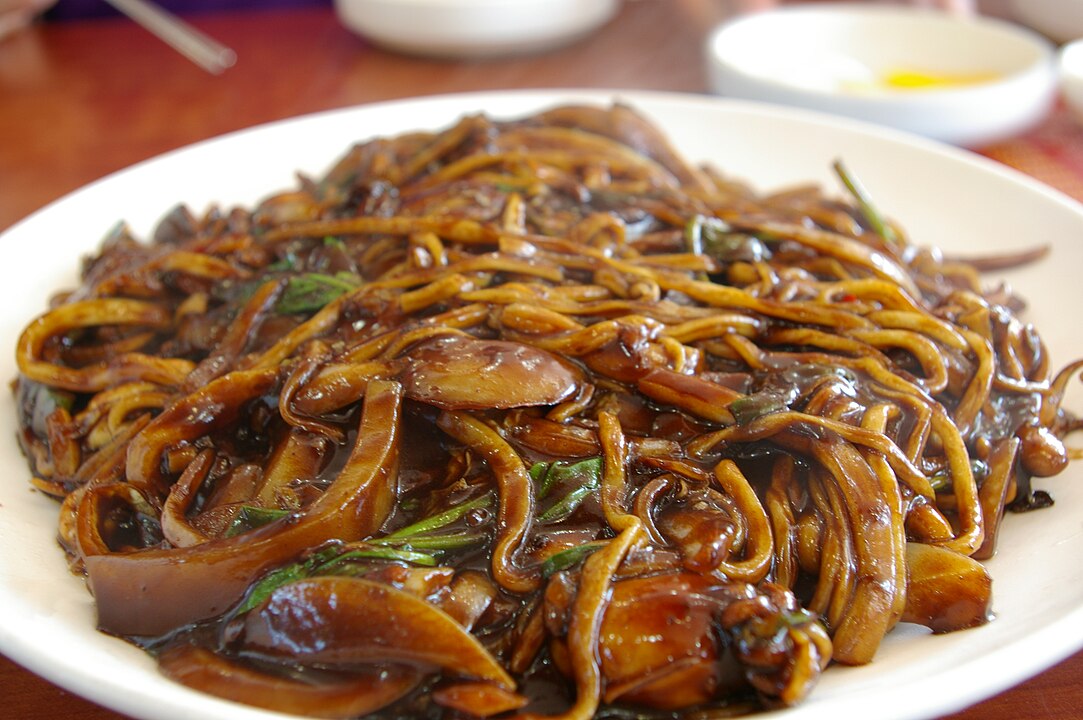
South Korea keeps the holiday rolling with a tidy calendar of follow-ups. After Feb. 14 and White Day on March 14, April 14 becomes Black Day, when many singles meet friends, dress in dark colors, and order jjajangmyeon, noodles coated in glossy black bean sauce. The mood is less gloom than comic relief: groups squeeze into casual spots, steam fogs the windows, and the sauce stains lips like a badge. People joke about who got chocolates, who did not, and what to do next, then walk out full and laughing. It turns being left out into a ritual of belonging, right when spring starts to show up. The joke stays warm, too.
Denmark’s Gaekkebrev Mystery Letters

In Denmark, romance can arrive as a paper puzzle instead of flowers. Gaekkebrev are delicate, hand-cut letters with a short rhyme inside, often sent anonymously and signed with dots that match the number of letters in the sender’s name. A pressed snowdrop may be tucked in, hinting at late-winter hope. If the recipient guesses who made it, the sender owes an Easter egg later; if not, the egg goes the other way. The charm is the suspense: coworkers compare clues at lunch, students trade theories in hallways, and the poem keeps working long after the envelope is opened. It is sweet without being heavy, and it rewards effort.
Wales’s St. Dwynwen and Carved Love Spoons
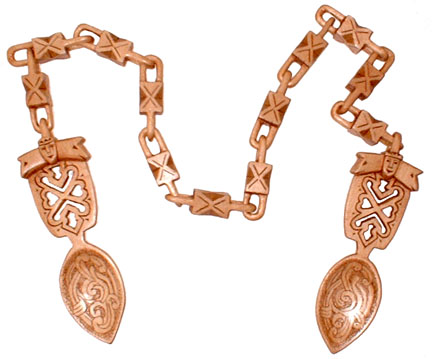
Wales has its own love day on Jan. 25, honoring St. Dwynwen, and the mood feels more folk tradition than glossy holiday. The saint’s story is tied to Ynys Llanddwyn off Anglesey, where sea wind and dunes make romance feel grounded and local. One gift stands out: the carved wooden love spoon, shaped by hand and packed with symbols that hint at devotion, like hearts for affection, knots for loyalty, wheels for support, or keys for a shared future. The work matters, because carving takes time, patience, and skill. Many couples keep the spoon as an heirloom, proof that love can be crafted, not just purchased. It lasts year after year.
Finland’s Friendship Day
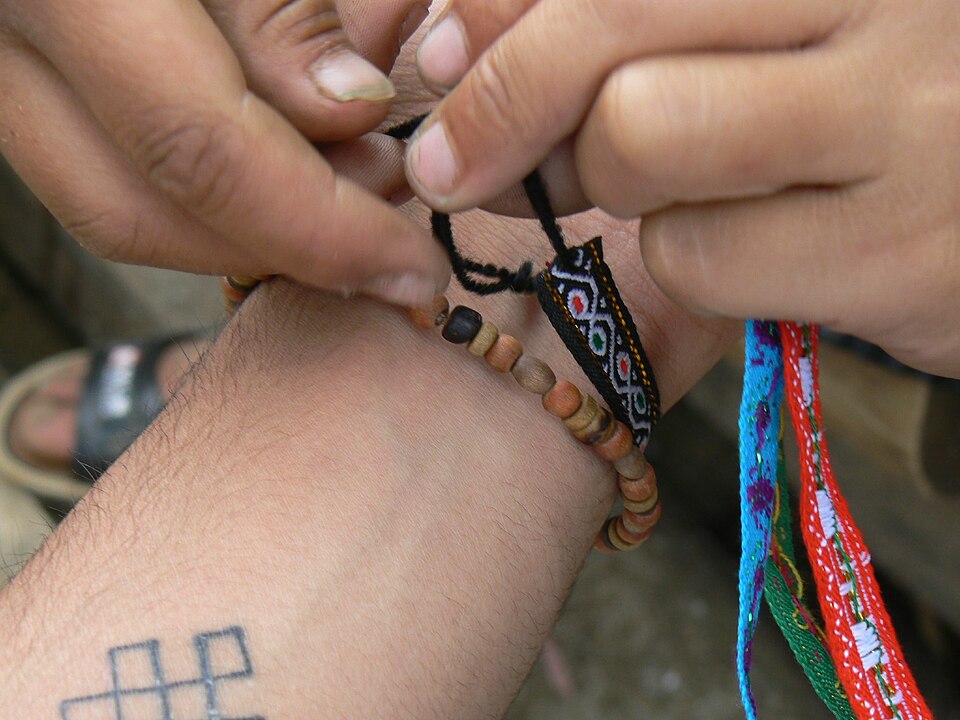
Finland softens Feb. 14 by widening the circle. The day is called Ystävänpäivä, Friend’s Day, and it leans toward appreciation of friends, classmates, neighbors, and chosen family as much as romantic partners. Schools and offices pass out cards, and small gifts often move through whole groups, not just couples, so nobody has to sit out the celebration. In a season when daylight is still short, the tradition fits: a warm note, a shared coffee, a quick visit after work. Love is treated as social glue, not a performance, and that makes the holiday feel steadier and easier to carry through winter. Romance still shows up, just gently.
Slovenia’s Keys of Roots

In parts of Slovenia, St. Valentine is remembered as a spring marker before he is treated as a romance mascot. A familiar saying claims he brings the keys to the roots, meaning the ground begins to wake and the first work in fields or vineyards can start. Folk beliefs also link the day to birds pairing off, so affection is framed as something that returns with light, not something scheduled by a store. In rural areas, the date can land as a checkpoint: a look at the vines, a plan for pruning, a toast to the season ahead. Feb. 14 feels like a quiet green light after winter, with muddy boots and the sense that warmth is on its way.
Philippines Mass Weddings

In the Philippines, Feb. 14 often becomes a public celebration of commitment. Many towns and cities host mass wedding ceremonies where dozens or even hundreds of couples marry on the same day, sometimes with local support that reduces costs or helps with paperwork. The scenes look cinematic: rows of matching outfits, a mayor or officiant leading the vows, and families cheering for people they may have just met. Afterward, couples line up for group photos that feel like a single, giant promise. Romance lives in the small glances, but the larger point is community, treating love as something a place can witness together.
South Africa’s Name on a Sleeve

South Africa has a Valentine’s custom that takes a familiar phrase literally. Some people pin the name of a loved one, or a crush, onto a sleeve, wearing the truth in public for a day. It can be bold or playful: a neat label at school, a scribbled note at an office party, a wink of paper at a café. The tradition invites teasing, guessing, and kind encouragement from friends, since everyone can see the risk. Even when the name stays private with a nickname or initials, the message is clear: feelings are allowed to be out in the open. It keeps the holiday light, since the gesture costs almost nothing but still asks for nerve.
Bulgaria’s Vine Pruning and Wine Day

In Bulgaria, Feb. 14 often shares the spotlight with Trifon Zarezan, a celebration tied to wine and the work of vinegrowers. Communities prune vines, pour early toasts, and treat the day like a blessing for the harvest ahead. In villages and wine regions, the energy can feel more like a festival than a date night: folk songs, grilled food, and glasses raised in cold air. Hands smell of grape wood, and the talk turns to weather, soil, and family recipes. Valentine’s romance does not disappear; it simply blends into local pride and shared tables. Love, like wine, needs tending, and it is better when it is enjoyed together.
Peru’s Orchids Instead of Roses

Peru meets Feb. 14 in high summer, often near Carnival season, so the holiday tends to feel bright and outdoorsy instead of hushed. Many people favor orchids over roses, swapping the usual red-and-pink script for blooms that feel more local, dramatic, and varied in color. Florists lean into that range, and the gift reads as both romantic and place-specific. With festivals and vacations already in the air, Valentine’s gestures can blend into larger gatherings, music, and warm evenings. The result is a love day that feels less imported and more Peruvian, as if affection is being celebrated under open sky rather than staged indoors.