Somewhere between the inbox and the instant reply, a quieter kind of connection still survives. Across continents, people keep inventing reasons to put thoughts on paper, choose a stamp, and trust distance to do its slow work. In some places the postal system holds mail for a single morning so greetings arrive together; in others, volunteers answer strangers with kindness, or a post office delivers prayers straight to a shrine. Each tradition turns ordinary handwriting into ceremony, giving time, texture, and a little suspense to human closeness, like a doorbell that rings days later with a familiar voice inside.
Japan’s Nengajo New Year Postcards
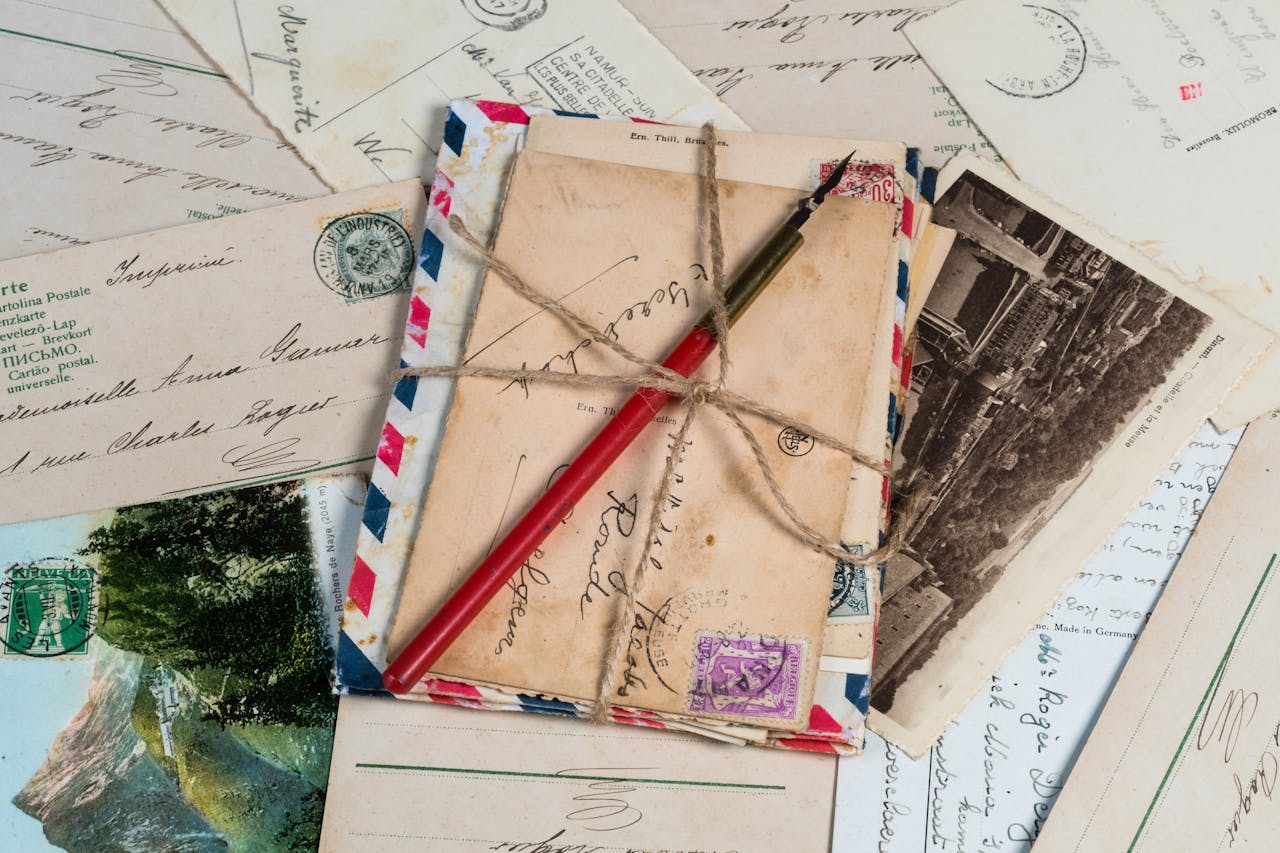
In Japan, nengajo are New Year postcards written in December and posted early, then held so they can be delivered together on Jan. 1, like a coordinated dawn chorus of ink. Many cards carry printed lottery numbers, so a simple greeting doubles as a tiny annual game when the winning numbers are announced, and post offices even create dedicated counters for the seasonal rush. The ritual rewards care more than cleverness: seasonal designs, respectful wording, and the deliberate act of renewing ties with people who might not be contacted the rest of the year, yet still matter, card by card, year after year, at the same hour.
South Korea’s One-Year Slow Mailboxes
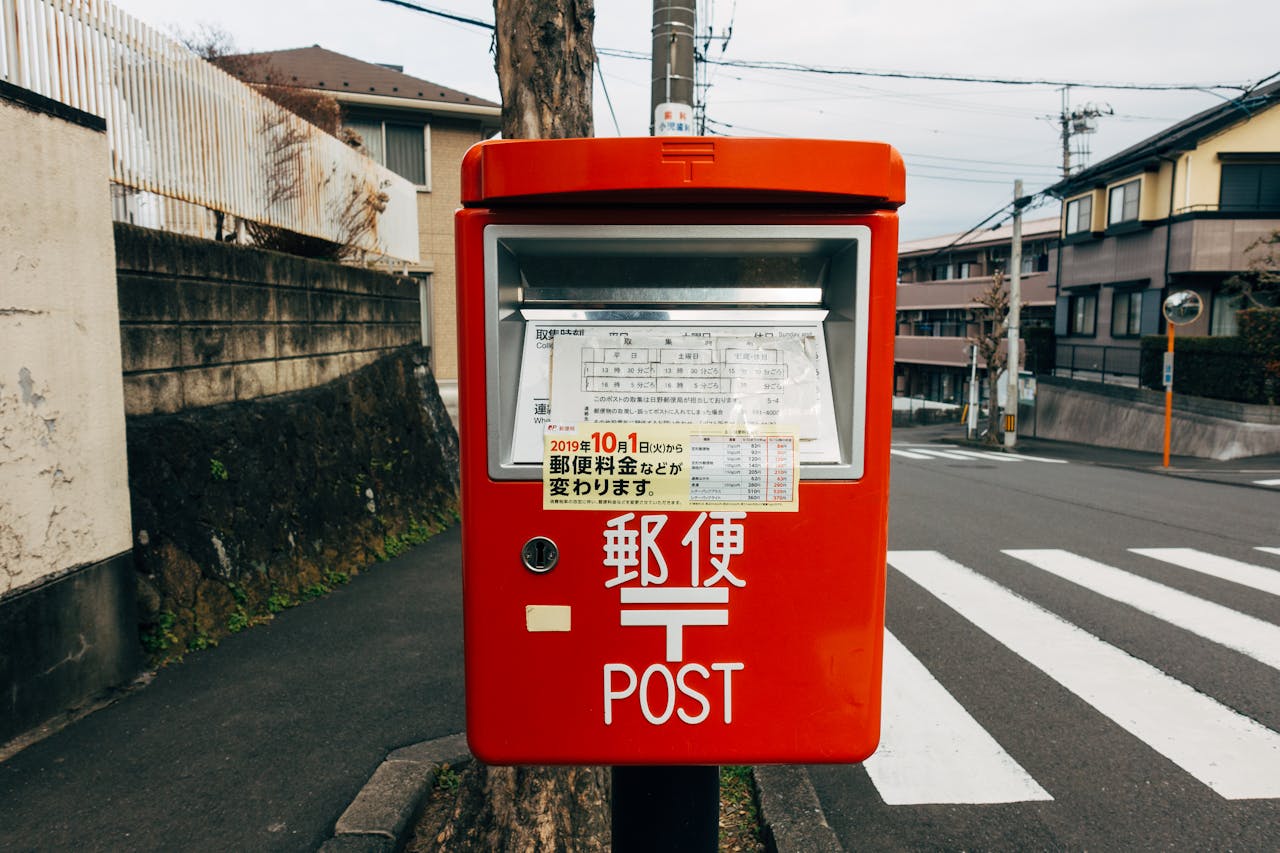
South Korea has embraced slow mailboxes that delay delivery for a full year, letting a postcard arrive like a message from a past self, stamped with the date when the ink was fresh. Some versions are run in partnership with Korea Post and show up in unexpected places, including cafés and tourist stops, where writers tuck in small hopes meant for a different season, then trust the system to deliver it a year later at no extra cost. In an ultra-connected culture, the delay becomes the gift: no tracking, no pinging, just the soft shock of recognition when the card finally lands and time folds in on itself, gently, at home.
Portugal’s Postcrossing Surprise Exchange
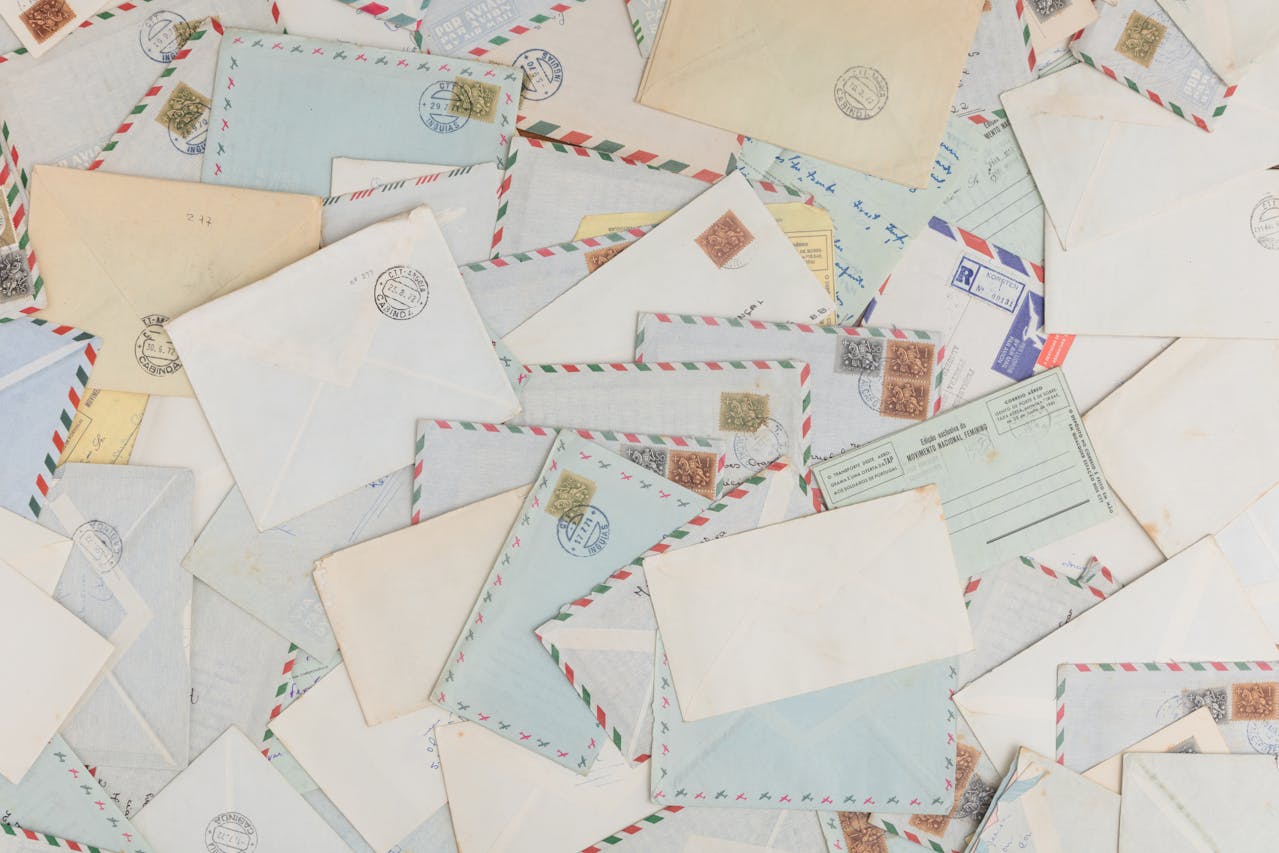
Postcrossing began in Portugal in 2005 with a simple rule: send a postcard to a stranger, then receive one back from somewhere else in the world, as if the mailbox ran on chance and goodwill. The platform assigns an address and a postcard ID, and the pleasure is built into the randomness, since the next card might arrive from a famous skyline or a small village with a hand-drawn map in the margin. Over time, many participants develop personal rites, like matching stamps to the picture, writing in careful block letters for readability, and saving every card in dated bundles that quietly chart the years, mile by mile.
Italy’s Letters to Juliet in Verona
In Verona, letters addressed simply to Juliet still arrive from around the world, carrying heartbreak, gratitude, and big life questions that feel safer on paper than in conversation. A volunteer group connected to the Juliet Club answers the mail in Juliet’s voice, continuing a tradition that began in the twentieth century and turned a tourist landmark into an unlikely correspondence desk. The exchange works because it asks for sincerity, not proof: a careful page, an honest confession, and the hope that somewhere in the city of stone courtyards and echoing steps, a stranger will write back with steadier words, today.
France’s Père Noël Reply Service
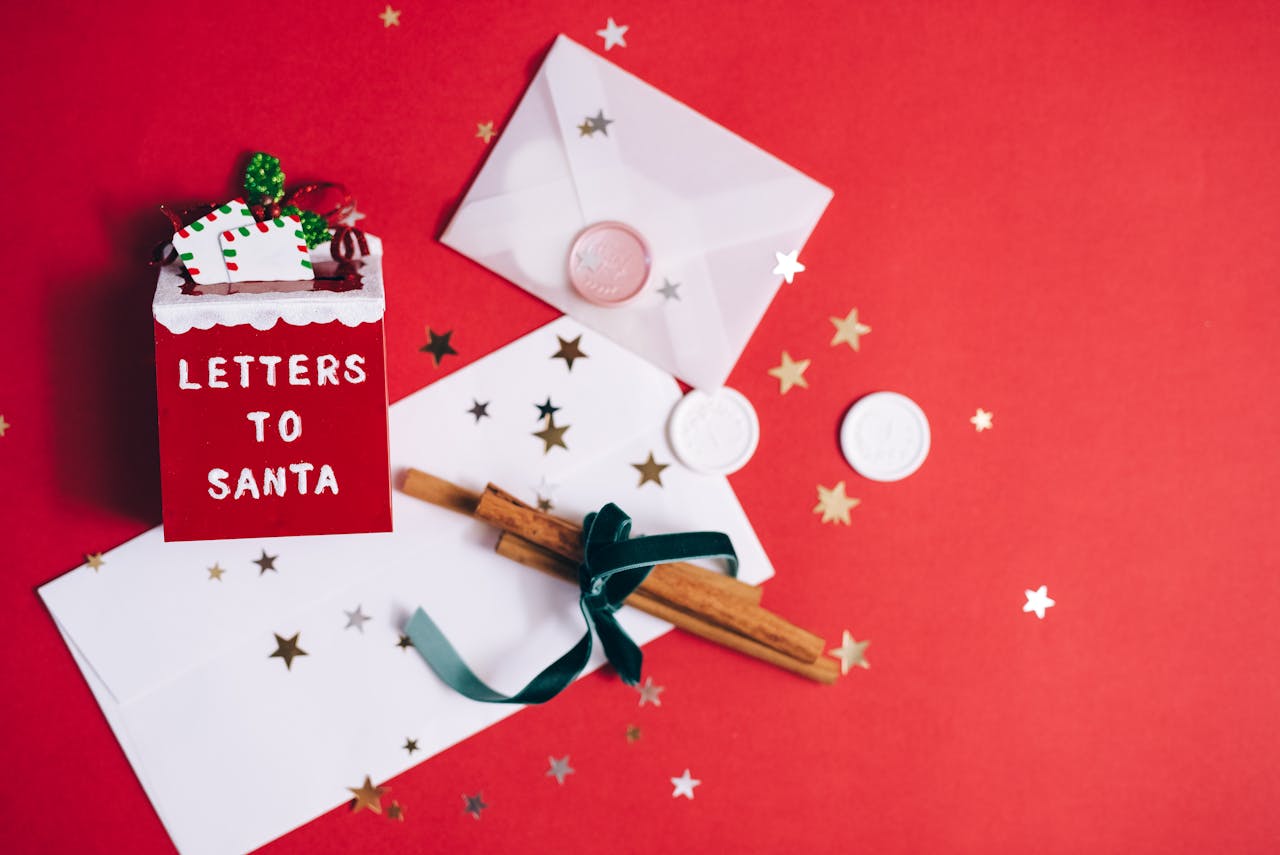
France treats children’s holiday mail with unusual seriousness: letters to Père Noël can be sent, and La Poste’s Santa secretariat prepares replies each season from its Libourne address. For many families, the routine is as important as the wish list, with careful handwriting, polite phrasing, and return addresses checked twice so a response can find its way back, sometimes alongside a festive card. It turns the postal system into part theater, part public kindness, and gives December an extra hinge of anticipation, when an official envelope arrives carrying proof that imagination and institutions can collaborate.
Finland’s Santa Claus Main Post Office Postmark
At the Arctic Circle in Rovaniemi, Finland’s Santa Claus Main Post Office turns ordinary mail into a souvenir, stamping letters with a special Arctic Circle postmark used only there. Visitors write cards at long tables, drop them with postal elves, and can even arrange for greetings to be mailed closer to Christmas, even if the note was written in midsummer daylight. Because it is a working post office inside a storybook setting, the ritual feels practical: an address, a stamp, a crisp imprint, and the sense that the postmark itself carries Lapland’s atmosphere across oceans, neatly, for collectors and dreamers alike.
Canada’s North Pole Postal Code for Santa
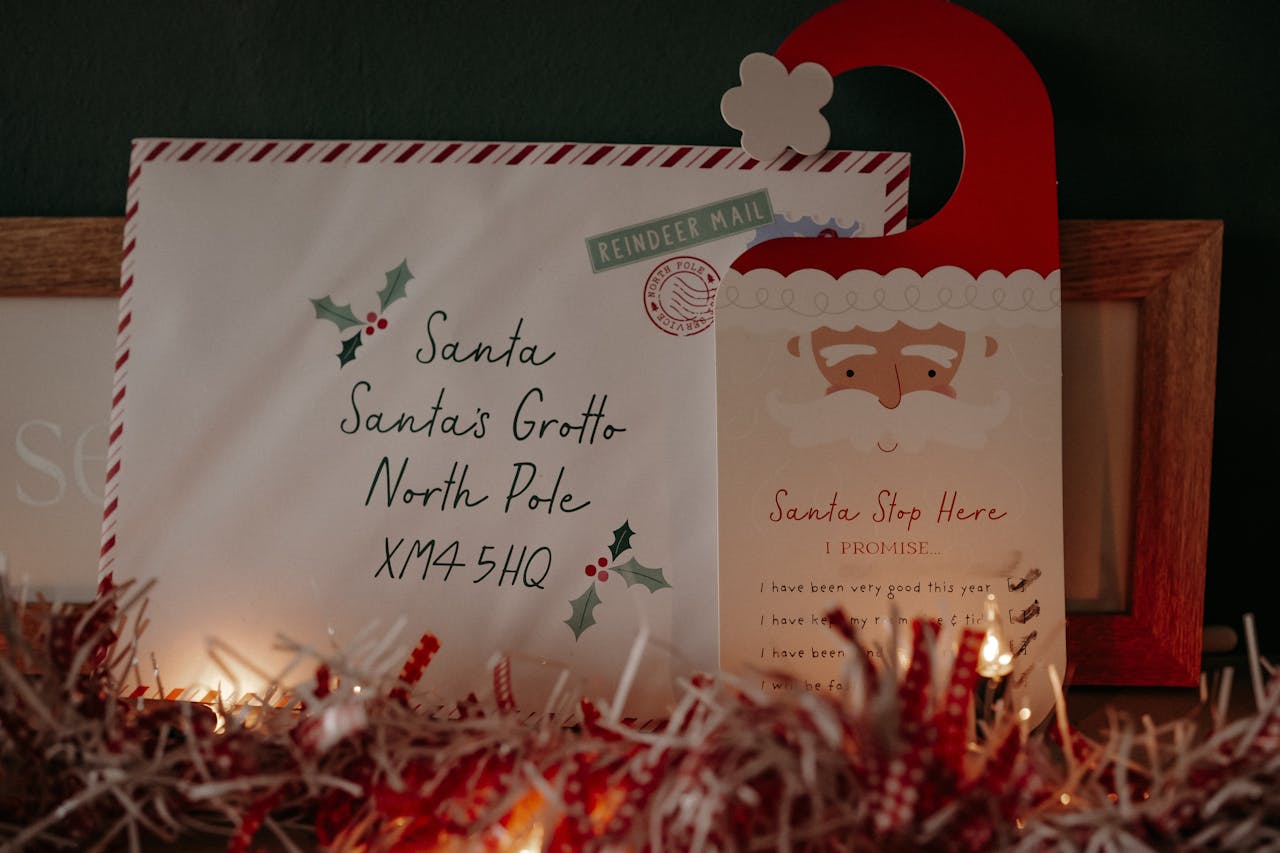
Canada Post treats Santa mail as a real service, complete with a North Pole address and the famously playful postal code H0H 0H0. Letters can be mailed without a stamp inside Canada, but the tradition has its own rules of care: include a clear return address, and many families bundle siblings’ notes in one envelope so nothing gets separated in transit. The program even welcomes mail from abroad, aiming to send replies back in the same language, which turns sorting belts and holiday volunteers into part of the story, and makes the arrival of a reply feel like an official endorsement of imagination, every winter, again.
Germany’s Weihnachtspostfilialen in Storybook Towns
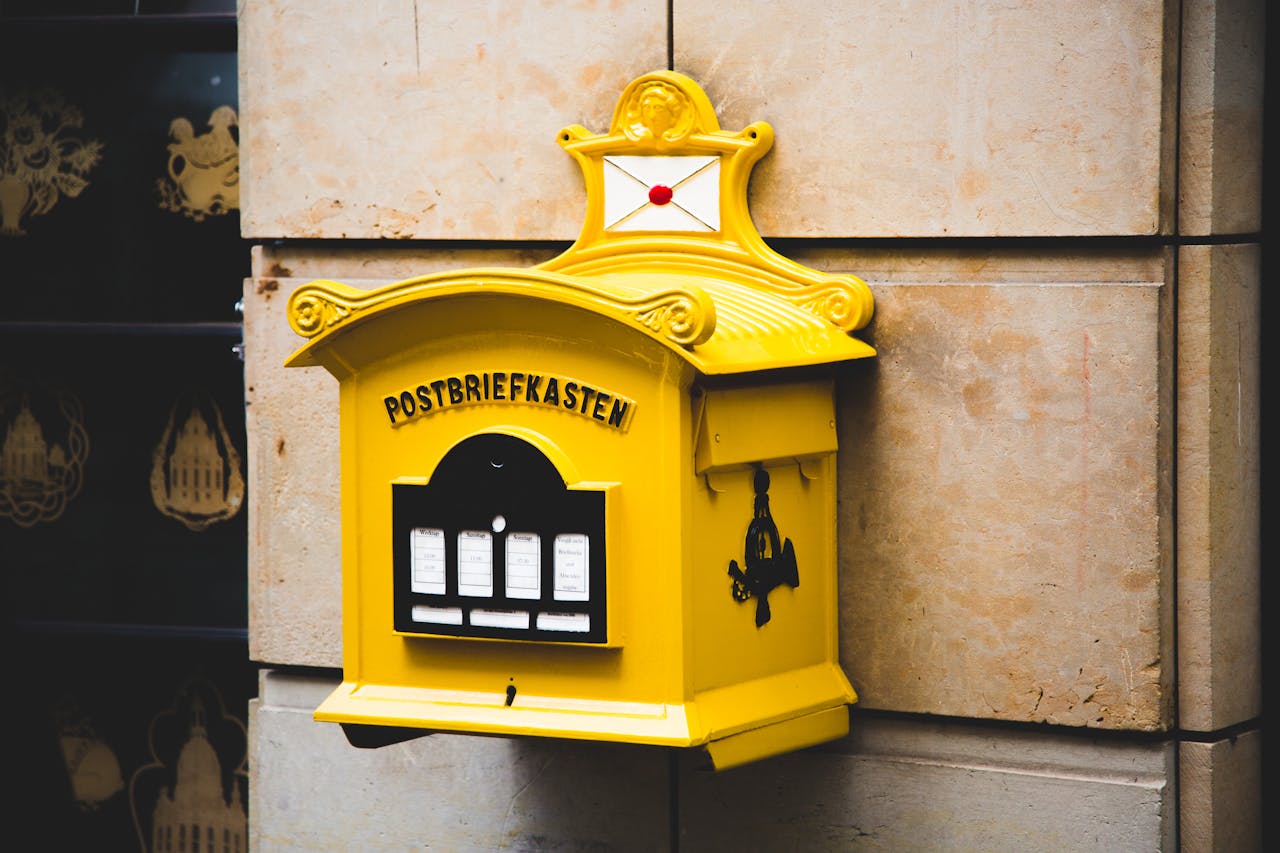
Germany runs seven Weihnachtspostfilialen, special Christmas mail branches in places with names that sound like a poem, including Himmelpfort and Engelskirchen, each with its own address. Deutsche Post collects children’s wish letters from Germany and abroad, then volunteers read them and send replies, as long as a return address is included, turning a simple envelope into a conversation with a character. Even the deadlines feel like part of the spell, since the mail must arrive early enough for an answer to travel back before Christmas, often with a special stamp or postmark that makes the reply feel kept, not tossed.
Austria’s Christkindl Post Office in Steyr
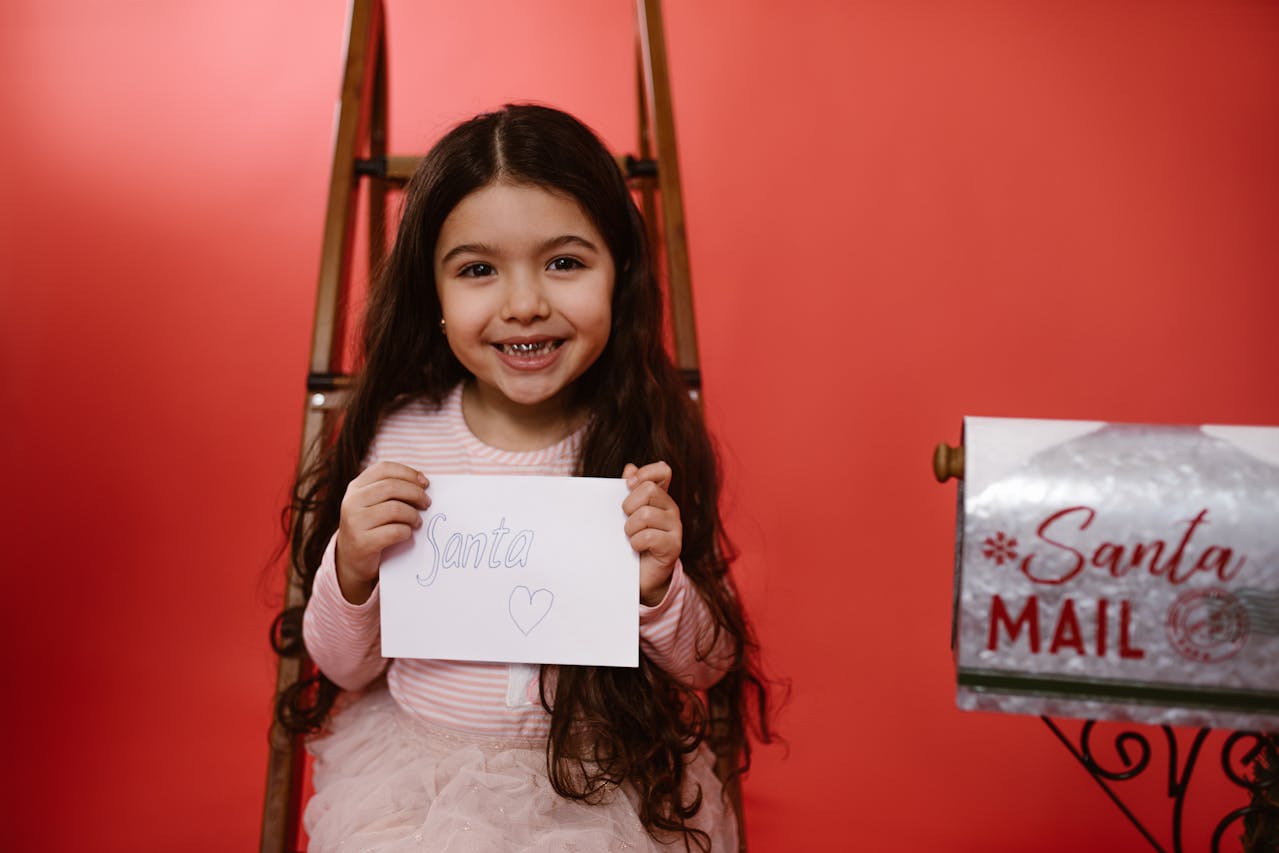
Near Steyr, Austria, the village of Christkindl runs a Christmas post office famous for its special holiday postmark, a small round seal that turns a card into a keepsake. The tradition dates back to the mid-twentieth century, and Austrian Post still leans into it, offering a “Via Christkindl” sticker so mail can be routed through the village without making the trip in person. Behind the charm is real logistics: sacks of greetings, careful hand-stamping, and a seasonal rhythm that proves one tiny place can lend its name, and its ink, to celebrations far beyond Upper Austria, year after year, through Advent, each season.
India’s Sabarimala Post Office Delivering Letters to a Shrine
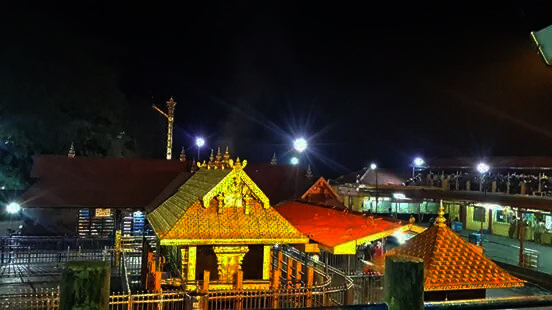
Near Kerala’s Sabarimala temple, a small post office is known for delivering letters addressed to Lord Ayyappa, treating prayers as real mail with real handling instead of symbolic gestures. Devotees write requests, thanks, and personal vows, slip them into envelopes like ordinary correspondence, and the letters are taken to the temple, where they are placed before the deity and then handed to temple authorities. During pilgrimage season the routine becomes a steady, humble procession of paper, and it offers a rare comfort: private hopes can be stamped, carried, and respectfully received, without needing an audience.