Before GPS optimized every mile, road trips ran on hunches, diner coffee, and signs that promised something strange ahead. Families chased giant mascots, gravity pranks, neon courts, and buildings that took themselves seriously while also being in on the joke. These stops did more than break up the drive. They turned the highway into a narrative, with small rituals like stamping a brochure, buying a postcard, and taking a photo that became a running family reference. On hot afternoons, an air-conditioned gift shop felt like rescue; at night, a bright sign could feel like a lighthouse. The classics still hold because they trade a simple detour for a memory that sticks, and a story worth repeating later.
Wall Drug’s Free Ice Water Legend
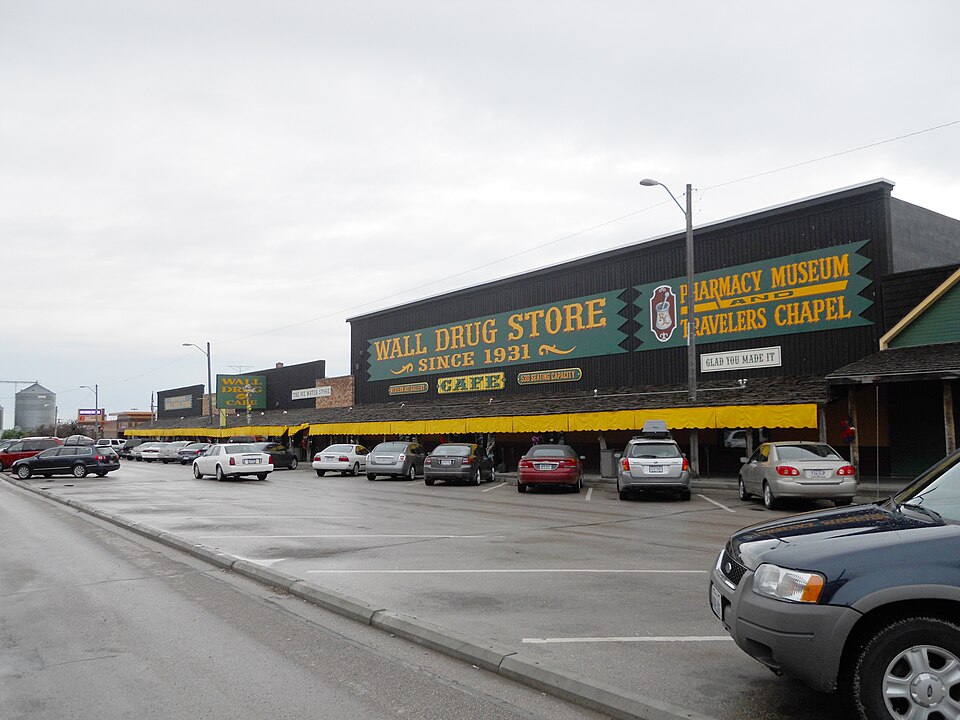
Wall Drug turned a prairie problem into a promise: heat, long miles, and thirsty drivers with nowhere to hide. In the 1930s, the offer of free ice water, repeated across miles of billboards, pulled families off the highway near the Badlands and into a sprawl of counters, boots, postcards, donuts, and oddly comforting clutter. The stop still feels generous because it delivers relief first, then invites wandering through a diner, a gift shop labyrinth, and photo ops that range from harmless Western kitsch to dead-serious souvenirs. It is a reminder that a detour can be practical, funny, and genuinely welcoming at the same time.
The Corn Palace’s Annual Crop Art Makeover
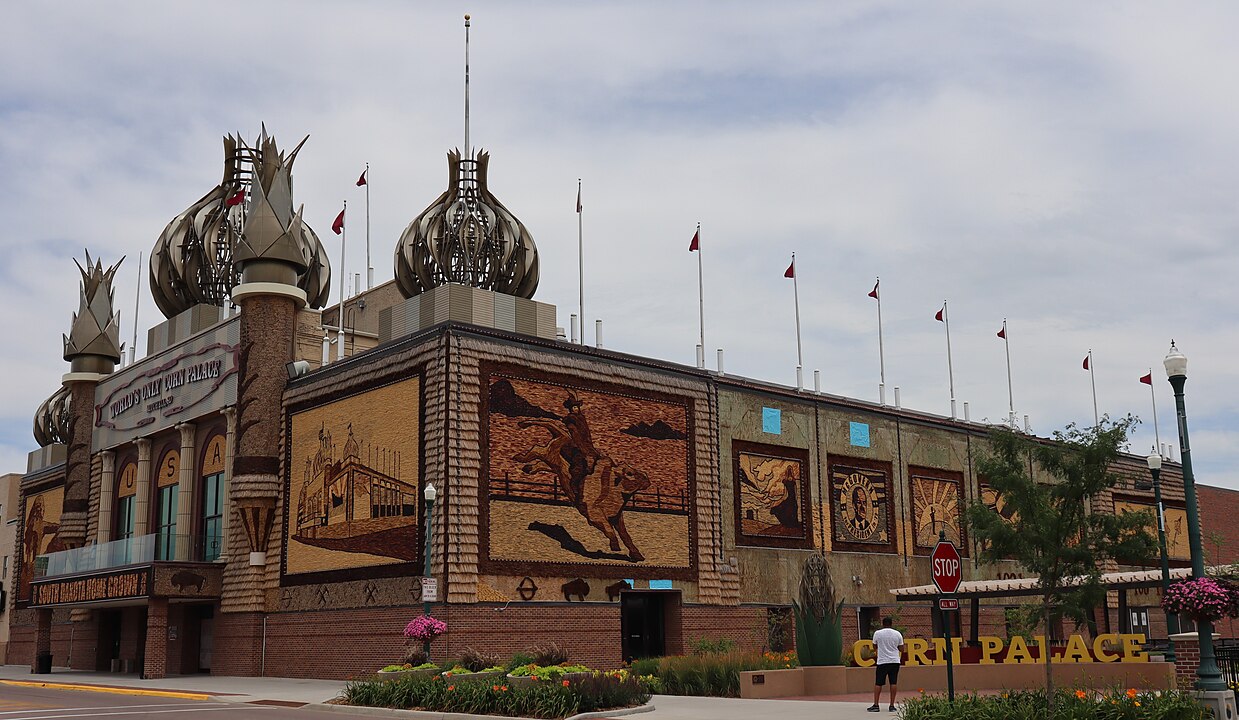
Mitchell’s Corn Palace looks like a civic building that decided it deserved a new outfit every year, then actually followed through. Since the 1890s, its exterior has been covered with murals made from corn and other grains, redesigned season by season so repeat visitors never see the same face twice, even from the same parking spot. Inside, it hosts concerts, games, and community events, which keeps the spectacle grounded and useful instead of purely decorative. The charm comes from how seriously the town takes the idea, turning harvest colors into architecture that feels proud, eccentric, and easy to love.
The World’s Largest Ball of Twine That Keeps Growing
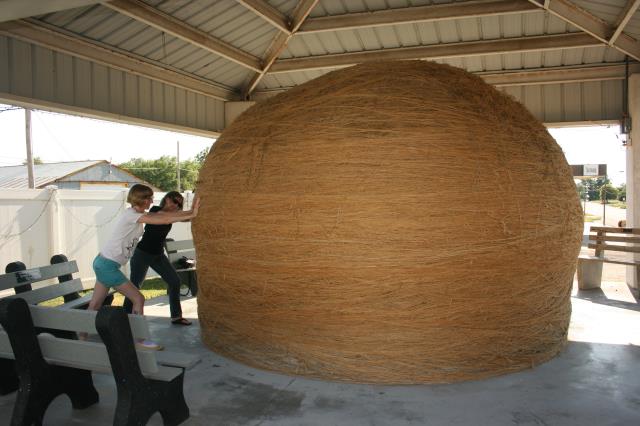
Cawker City’s twine ball proves that patience can compete with neon when the idea is honest and slightly stubborn. Frank Stoeber started winding twine in 1953, and the project grew from one person’s obsession into a community ritual, with more twine added so the monument stays alive instead of finished. Under its gazebo, the ball is funny at first glance, then oddly moving as the story sinks in and the scale becomes real, dense, and unmistakably handmade. It celebrates small effort repeated, plus the quiet pride of neighbors who kept showing up with one more loop, one more knot, year after year, until the stop became tradition.
Paul Bunyan and Babe Built for Passing Motorists
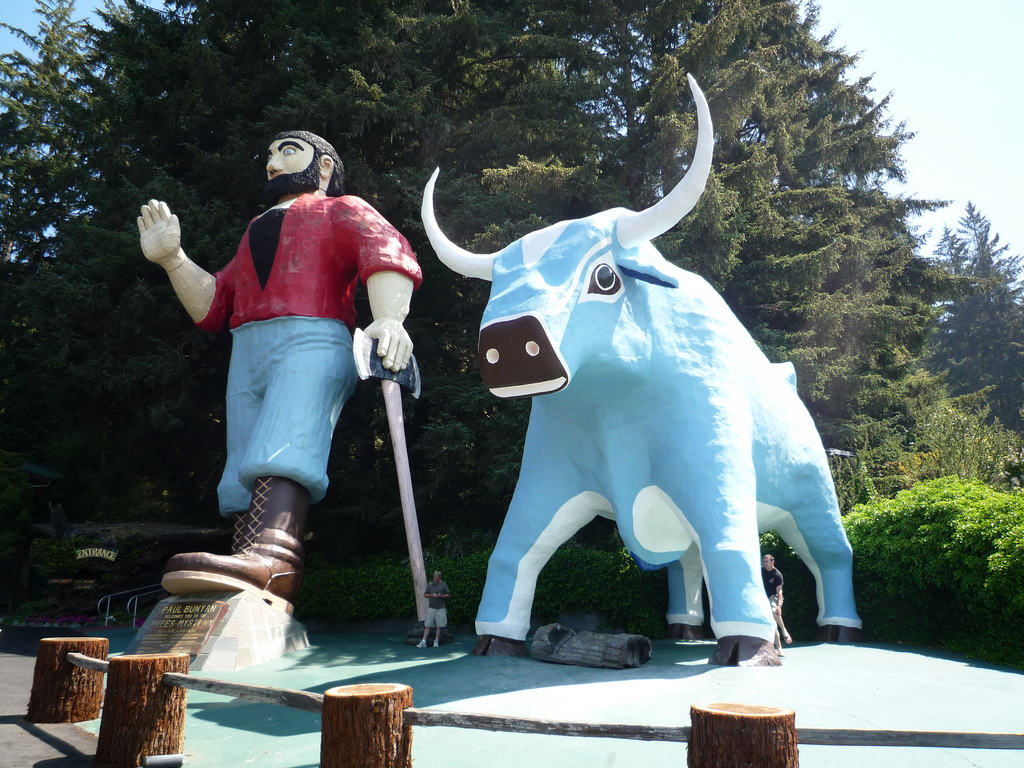
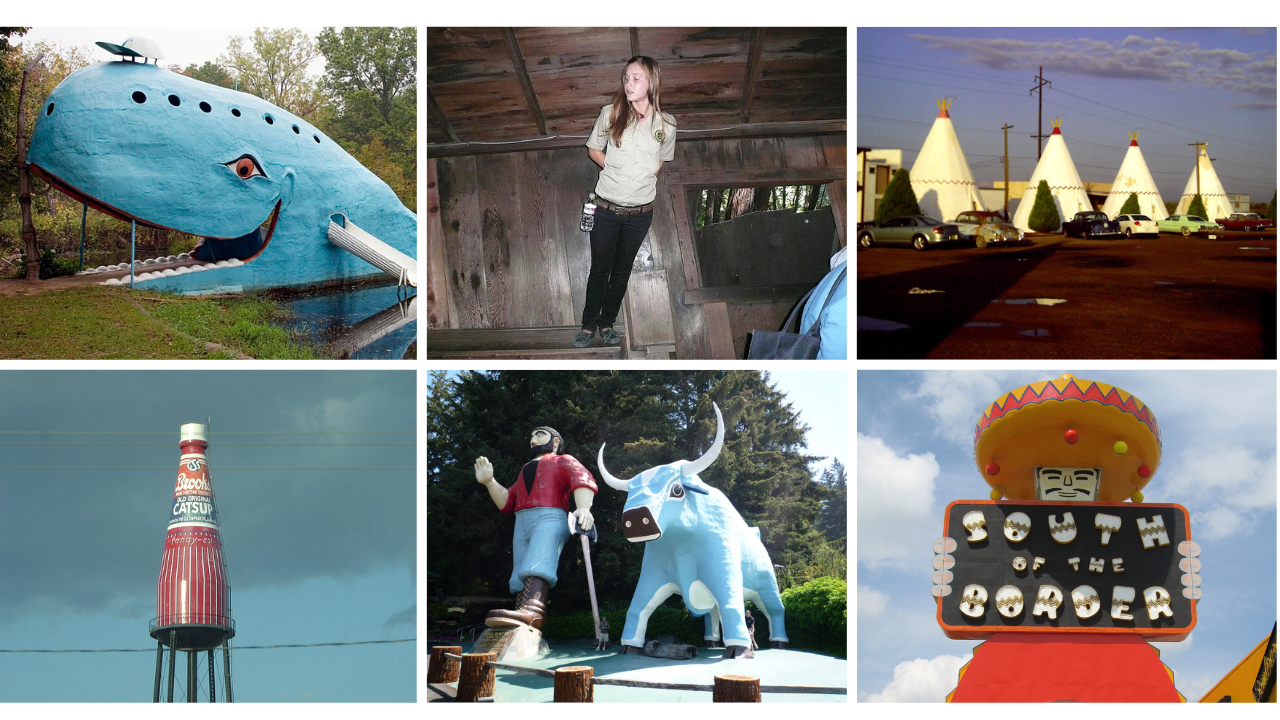
Bemidji’s Paul Bunyan and Babe the Blue Ox do not aim for subtlety, and that is exactly why they still stop traffic. Unveiled in 1937, the statues turned logging lore into a friendly landmark that motorists could spot, name, and photograph in minutes, no backstory required and no ticket booth needed. The figures feel cheerful rather than slick, like a town-sized greeting placed right where road fatigue starts to show and the mind needs a reset. A quick photo becomes a shared joke, the lake adds calm light, and the stop lands as proof that folk stories can still live on pavement and keep a town memorable.
Carhenge’s Stonehenge Joke in Spray Painted Steel
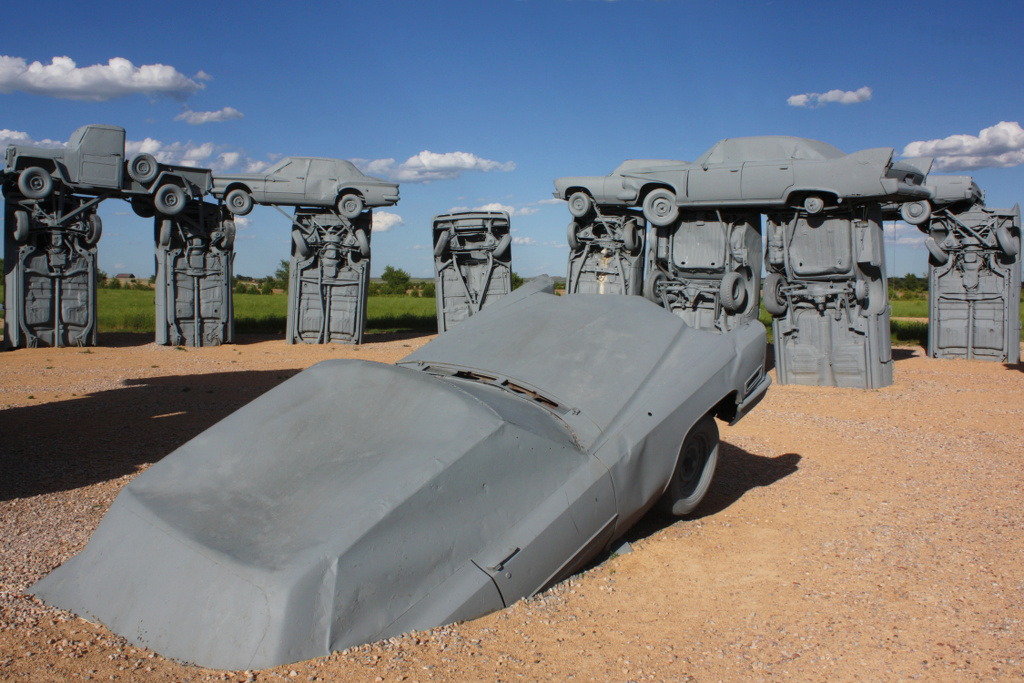
Carhenge translates ancient mystery into Great Plains humor: old cars, open sky, and a straight-faced pose that never breaks character. Dedicated in 1987, it arranges 39 vehicles in a circle about 96 feet wide, painted gray so the shapes read like monoliths instead of scrap, especially at dawn or late afternoon. The joke lands, but the site also feels strangely ceremonial in the wind, like a private tribute left out for anyone willing to turn off the highway and stand still for a minute. It rewards the detour with quiet space, big sky, and a photo that looks impossible until the caption explains the punchline.
The Mystery Spot’s Gravity Bending Showmanship
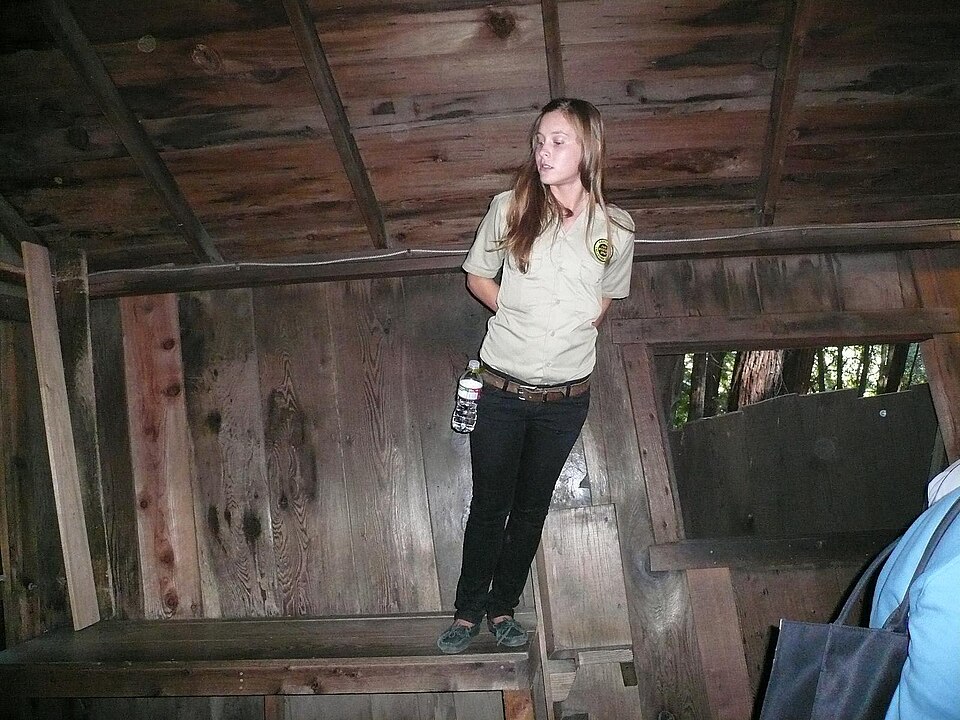
The Mystery Spot sells surprise without much decoration, because the redwoods already set the mood before anyone steps inside. Opened in 1940 near Santa Cruz, it centers on a tilted cabin and demonstrations where perspective plays tricks, making balls seem to roll uphill and bodies appear to shift in height along slanted boards. The experience is less about explanations and more about shared disbelief as guides keep the pacing brisk and lightly theatrical, with small pauses for photos and nervous laughter. Groups leave amused, slightly puzzled, and pleased to carry a pocket-sized mystery back onto ordinary pavement.
The Blue Whale That Became Route 66’s Smile
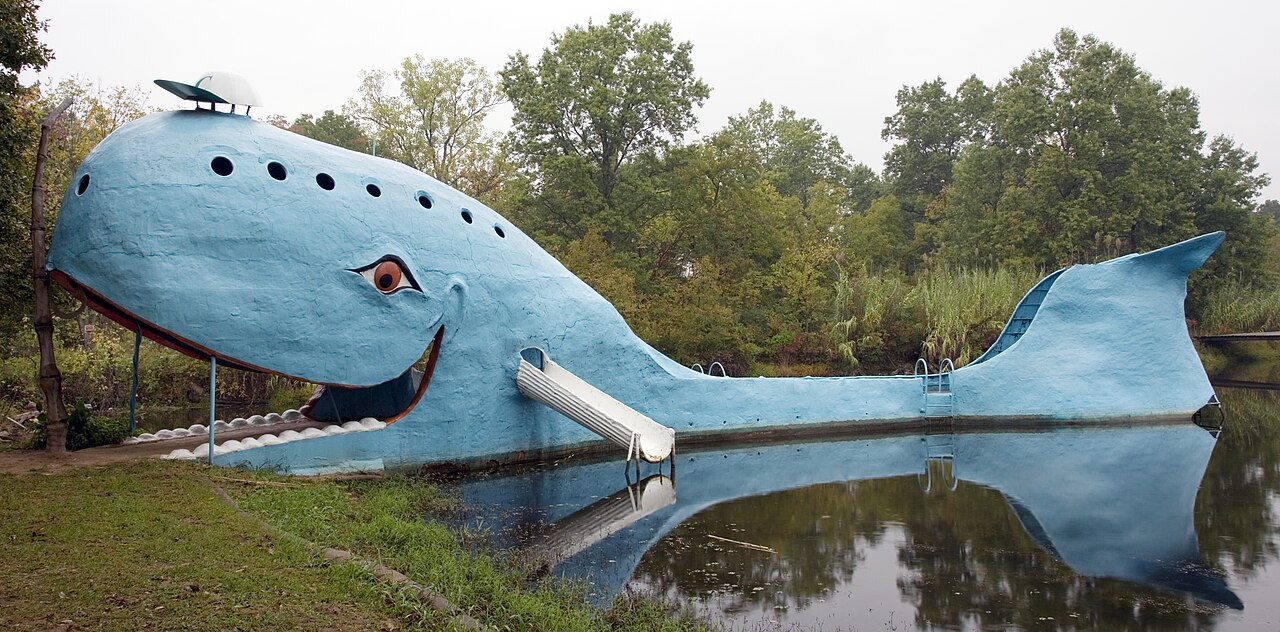
The Blue Whale of Catoosa is cheerful architecture built with one clear goal: make people stop, stretch, and smile. Revealed on Sept. 7, 1972, as a surprise gift, the grinning whale became a Route 66 magnet, paired with a pond and picnic grounds that turned a break into a small outing. Even when the water is quiet, the place reads as generous and unbothered by trends, the kind of landmark that never tries too hard and never looks embarrassed by its own charm. It offers bright color, shade, and a clean sense of harmless fun, then sends travelers back to the road with lighter faces, better photos, and a story that sounds made up.
Cadillac Ranch’s Always Changing Paint Layer
Cadillac Ranch turns the Texas Panhandle into a public notebook where the pages are made of steel, dust, and spray paint. Installed in 1974 by Ant Farm, 10 Cadillacs are buried nose-first in the ground, their tailfins angled toward the sky like a frozen parade set against open fields. Visitors repaint them constantly, so the surface becomes a rolling record of names, jokes, anniversaries, and arguments in color, layered thick enough to feel almost soft. The stop is fast, messy, and satisfying, and it breaks a flat drive with the rare permission to make something, even if it lasts only until the next coat.
The Wigwam Motel’s Sleepover Time Capsule
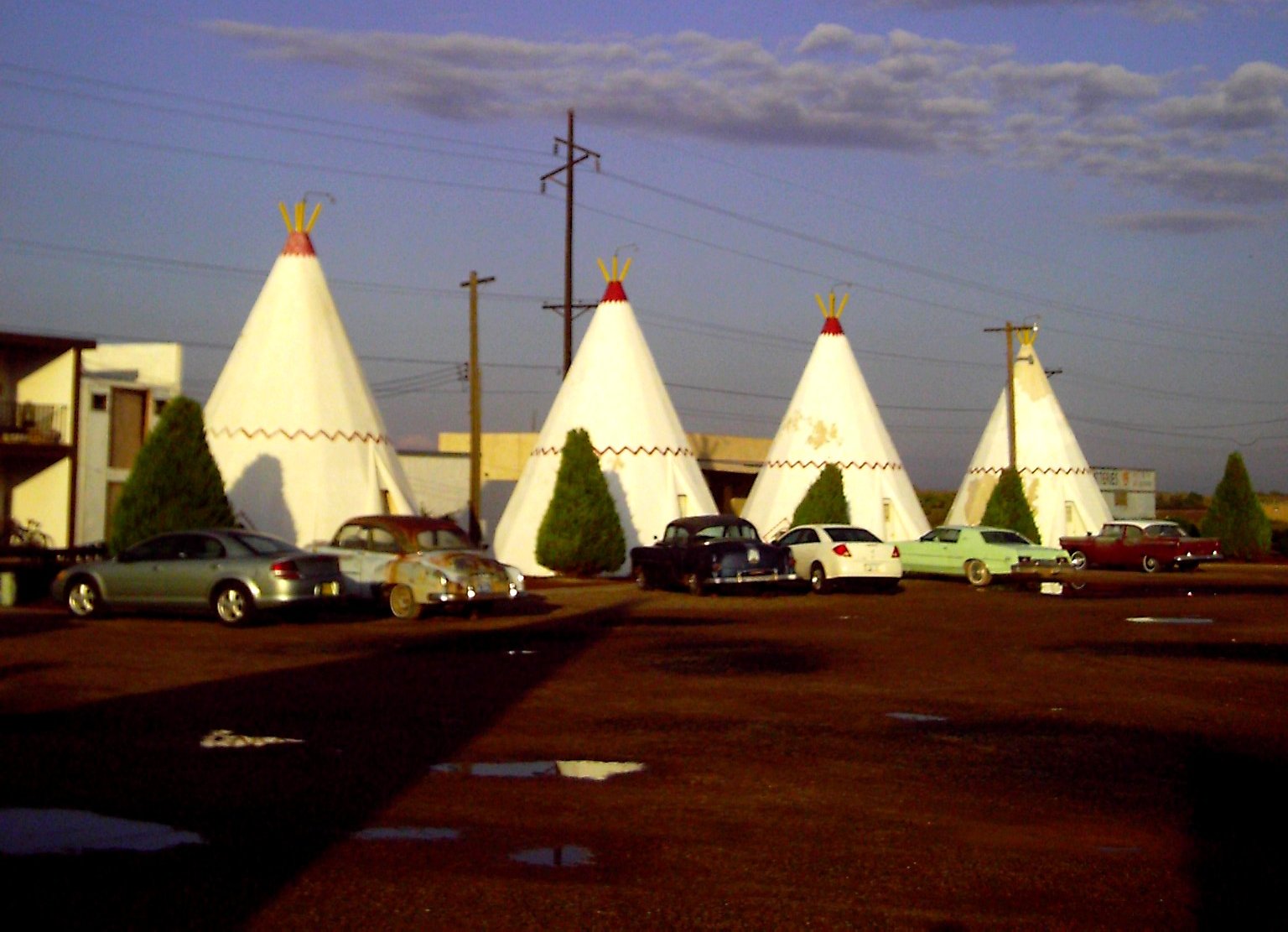
The Wigwam Motel in Holbrook makes the night itself part of the attraction, not just the necessary pause between miles. Built in 1950 on Route 66, its concrete wigwams line a tidy court, each one a compact room with a door near the parking spot and neon that turns the evening into a postcard. The design is pure mid-century roadside imagination, and it still delivers that promise without trying to modernize the charm away or sterilize the story. A stay there turns lodging into a souvenir, with cinderblock coolness and that calm moment when the highway finally goes quiet and the trip feels like it has a plot.
South of the Border’s Neon Borderland Theater
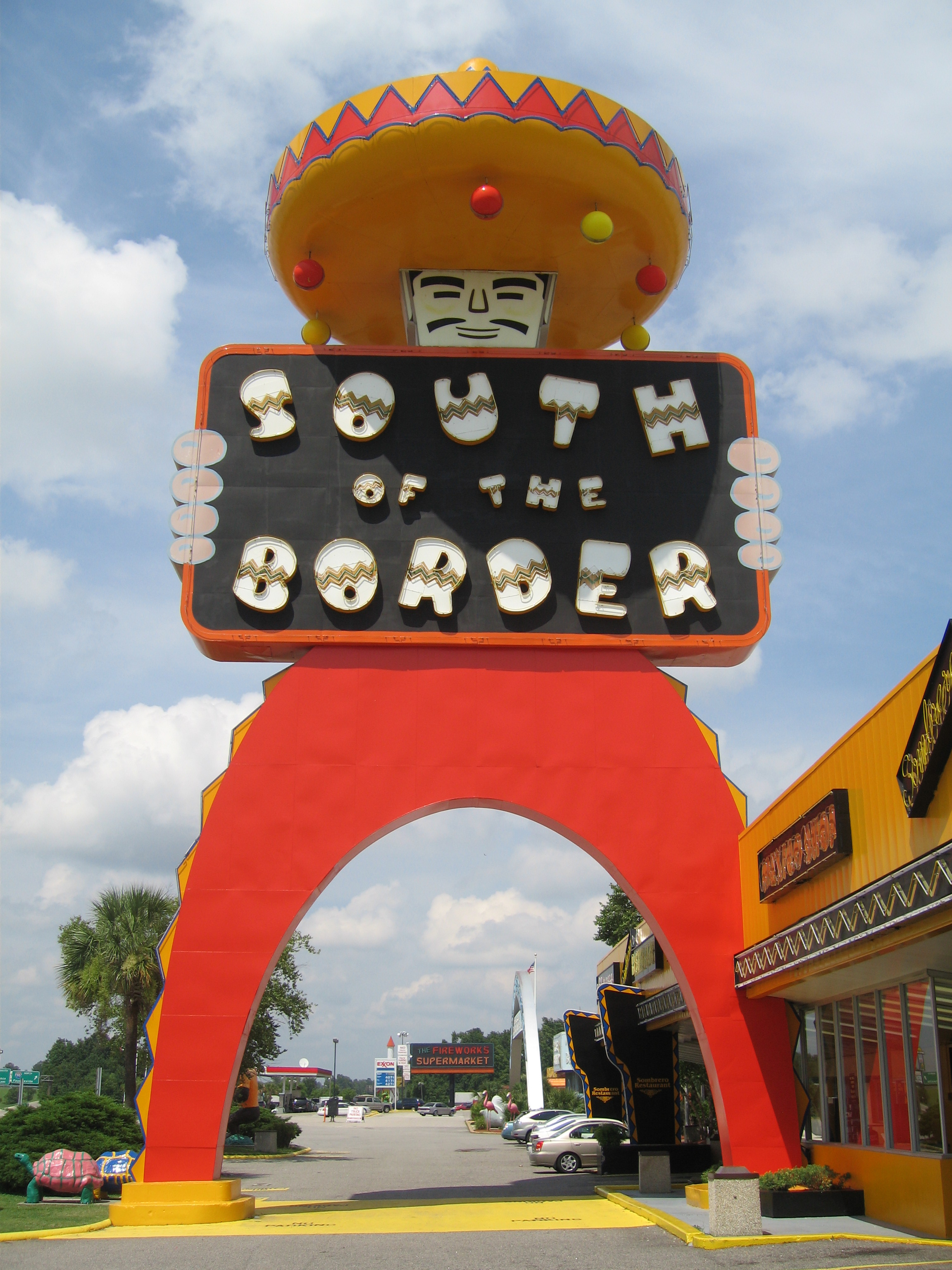
South of the Border turns a state line into a roadside stage, then lights it up until no one can pretend to miss it. Opened in 1950 in Hamer, South Carolina, the complex uses billboards, neon, shops, and quick food to break the monotony of I-95 and give drivers something to anticipate beyond the next exit. The styling is loud on purpose, but the function is practical: a clean reset, a stretch, and a laugh that cuts through fatigue without asking much effort. It works because it understands the road’s mood swings, then answers with spectacle, bathrooms, snacks, and a memory that feels oddly specific to that stretch of asphalt.
See Rock City Barn Signs That Promised a Destination
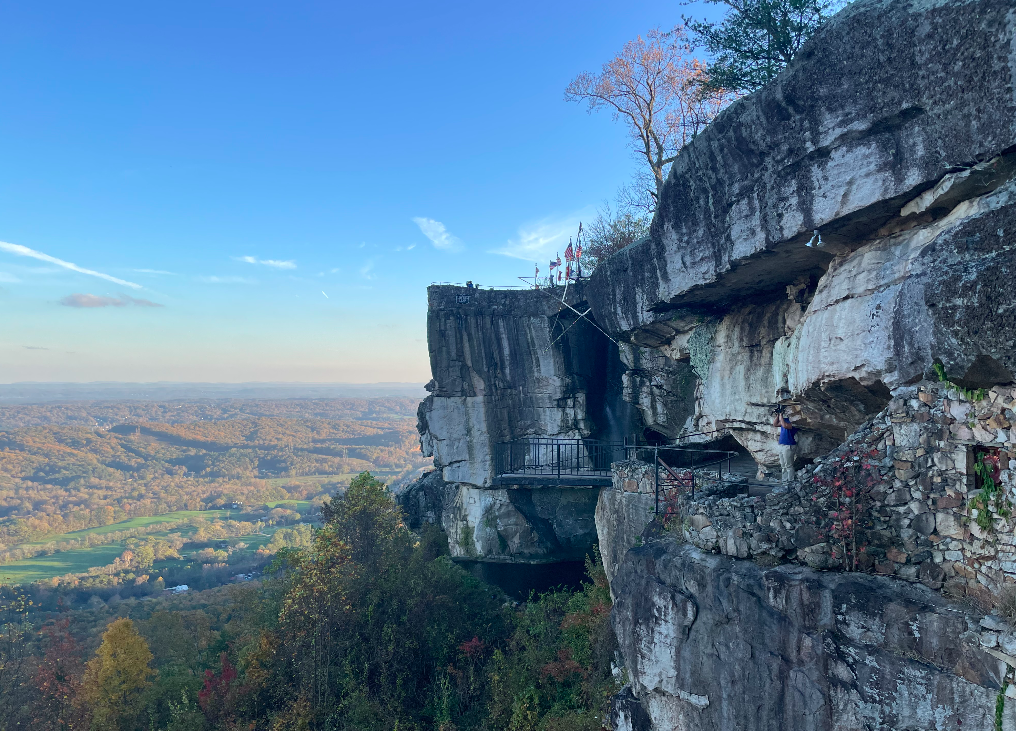
Rock City mastered anticipation long before anyone needed a marketing degree to explain it. After opening in 1932 on Lookout Mountain, it spread its name through barn signs painted in 1935, turning rural rooftops into directions shared across 19 states and making the phrase feel inevitable. Seeing one sign after another made the drive feel like a scavenger hunt, not just distance, and it gave kids and adults the same small jolt of progress at the same time. The gardens and boulder paths deliver the payoff, but the lasting trick is how the road itself starts to feel like part of the attraction, with every sign acting like a drumbeat.
The World’s Largest Catsup Bottle on the Skyline
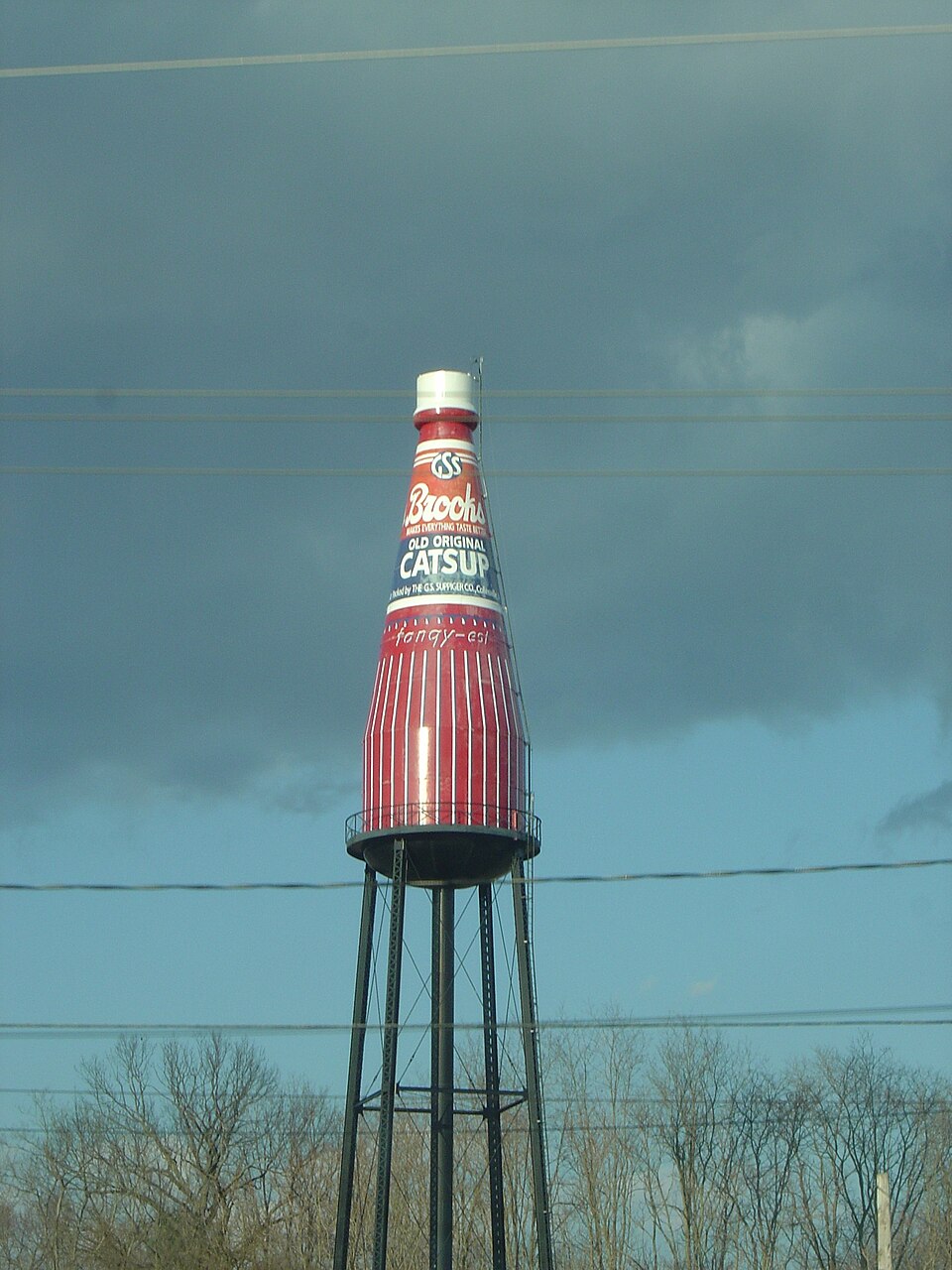
Collinsville’s catsup bottle proves that even a water tower can have charisma if a town commits and keeps showing up for it. Built in 1949 for the Brooks catsup plant, the structure looks like a giant bottle perched on a thin stem, visible enough to pull drivers off the route for a quick look and a photo without much planning. What keeps it charming is the care behind it, not just the shape, because the landmark was restored by volunteers in the 1990s and maintained with pride. It still reads as a friendly joke with civic warmth underneath, the kind of landmark that makes a place feel remembered on a fast drive.