10 Everyday Household Items That Are Illegal to Own

Santa Barbara, California
Photopippo, Own work, CC BY-SA 3.0/Wikimedia Commons
Quiet bans can turn blinds, bulbs, roofs, and baby gear into low key contraband hiding in plain sight inside ordinary homes today.

Laws do not always target dramatic contraband. Often, they quietly redraw the line around ordinary objects that once seemed harmless. In many places, safety research, pollution rules, and noise complaints have turned familiar household items into things that stores cannot sell and professionals cannot install. Regulations vary by country, state, and even city, yet the pattern is similar. A basement shelf or garage corner can hold products that now sit on the wrong side of modern standards without anyone noticing.

Corded Window Blinds With Long Cords

Old Style Corded Window Blinds
David Mallet, CC0 / Wikimedia Commons

Old style blinds with loose, dangling cords still hang in many homes, yet regulators now treat exposed cords as a serious strangulation hazard for children. Modern rules push manufacturers toward cordless designs or fully enclosed mechanisms, and noncompliant models are barred from new sales in several regions. For landlords, keeping them in rentals can trigger failed inspections. What once felt like a small decor choice is now a child safety issue with legal teeth.

Lead Based Paint In Forgotten Cans
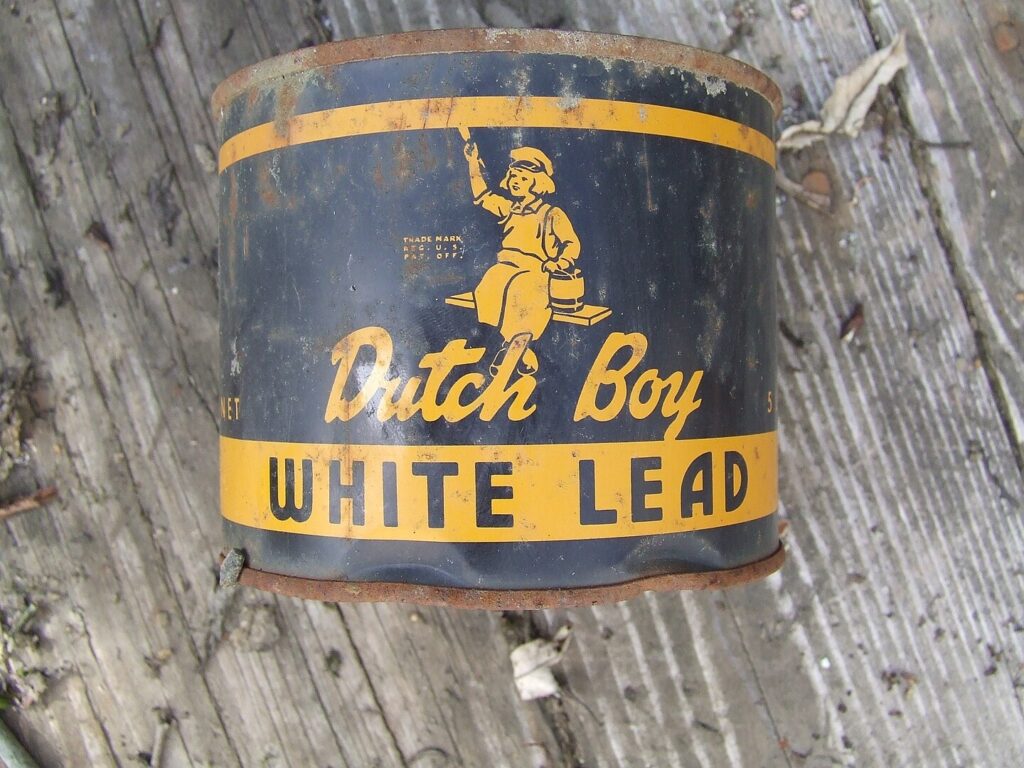
Lead-Based Paint
Thester11, CC BY 3.0/Wikimedia Commons

Lead based paint has been banned from most residential uses for decades, but old cans and coated trim linger in older houses. The pigment may sit quietly until someone sands, scrapes, or renovates, releasing dust that health agencies link to developmental harm in children. Many jurisdictions treat selling or reusing lead based paint as illegal and require special procedures for removal and disposal. A rusty can on a basement shelf can count as regulated hazardous material rather than a handy spare.

Mercury Fever Thermometers In Cabinets
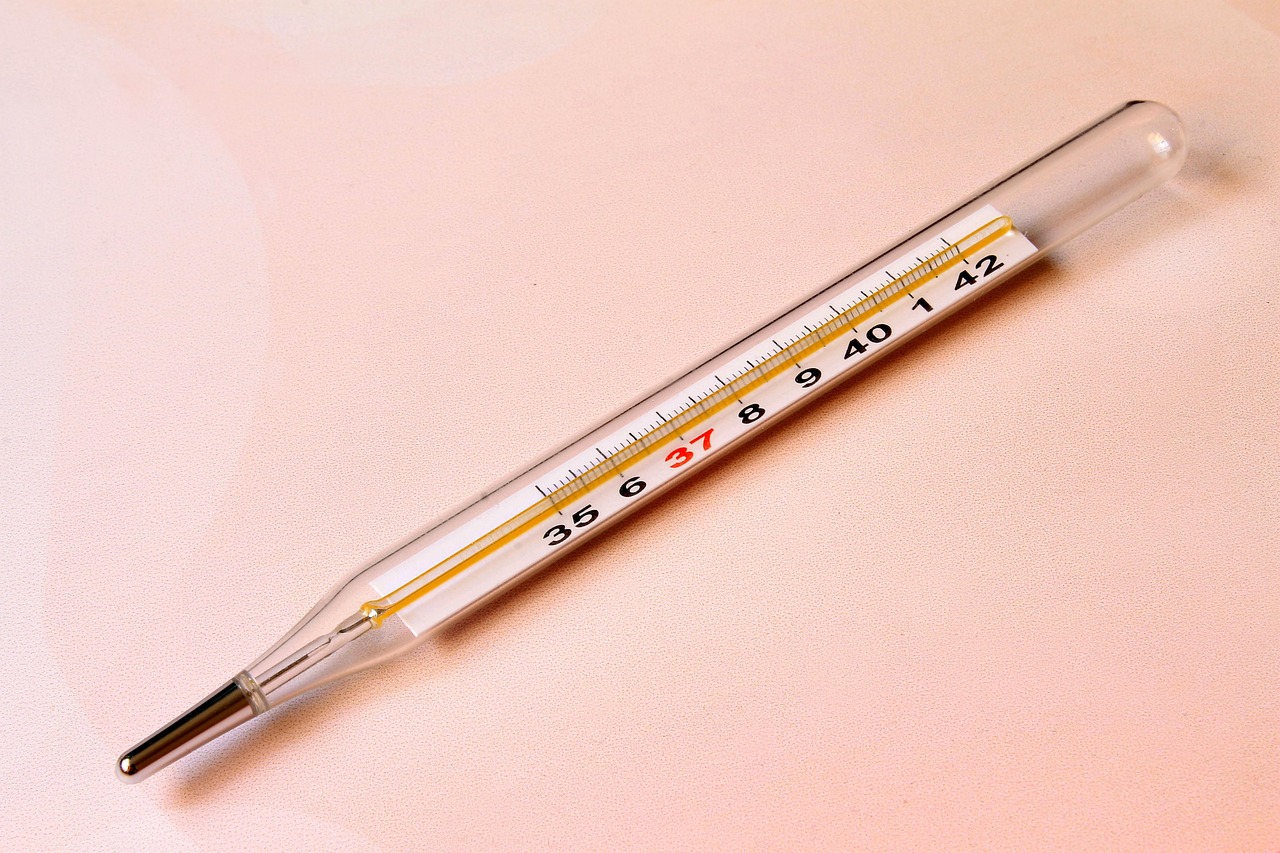
Mercury Fever Thermometers
Gadini/Pixabay

Slim glass thermometers filled with silvery liquid once defined home health care. As the risks of mercury spills became harder to ignore, many regions outlawed the sale of mercury fever thermometers and labeled them hazardous waste. Tossing a broken one in regular trash or down the drain can violate local rules, especially where strict household hazardous waste programs exist. Digital thermometers have replaced them in pharmacies, yet a single tube in a medicine cabinet can still carry real regulatory baggage.

Padded Crib Bumpers In Nurseries

Padded Crib Bumpers
RDNE Stock project/Pexels

Soft padded bumpers were marketed as cozy and protective, then linked to suffocation and entrapment risks in infant sleep environments. Several national and state level laws now ban the manufacture and sale of traditional padded bumpers, and licensed child care settings are often required to keep cribs bare and breathable. Parents who store bumpers for a future baby or loan them to friends may not realize that the products are treated as unsafe by law. A pretty fabric ring has shifted into forbidden nursery gear.

R 22 Refrigerant Tanks In The Garage

R 22 Refrigerant
cottonbro studio/Pexels

Air conditioners built for R 22 refrigerant still run in many homes, even as production of the chemical has been phased out to protect the ozone layer. In several countries, rules now restrict who can handle, buy, or sell R 22, and unlicensed stockpiling of new cylinders can break environmental regulations. Homeowners sometimes inherit spare tanks from past repairs without realizing the legal shift. What looks like a practical backup for an aging unit may now belong only in the hands of certified technicians.

Traditional Incandescent Bulbs In Bulk

Traditional Incandescent Light Bulbs
Vladyslav Dukhin/Pexels

Classic incandescent bulbs once filled every closet and bedside lamp. Sweeping efficiency standards in many regions now prohibit the sale of general service bulbs that fall below set lumen per watt thresholds, which removes most traditional incandescents from legal store shelves. A few specialty types remain allowed, but pallet sized stashes or retail displays of banned models can lead to enforcement. A single bulb in a reading lamp is unlikely to raise alarms, yet large inventories have quietly become contraband for sellers.

Gas Powered Leaf Blowers In Certain Cities

Leaf Blower
Browning031 at English Wikipedia, Public Domain/Wikimedia Commons

The buzz of small gas engines used to signal weekend yard work. Noise complaints and air quality concerns have pushed many cities to ban gas powered leaf blowers entirely or restrict their use to narrow time windows. Some regions have also stopped the sale of new gas powered handheld equipment, steering residents toward battery tools instead. Landscaping crews caught using banned blowers risk fines, and property owners can share liability. A machine that once symbolized tidy lawns can now violate local clean air goals.

Outdated Space Heaters Without Safety Features
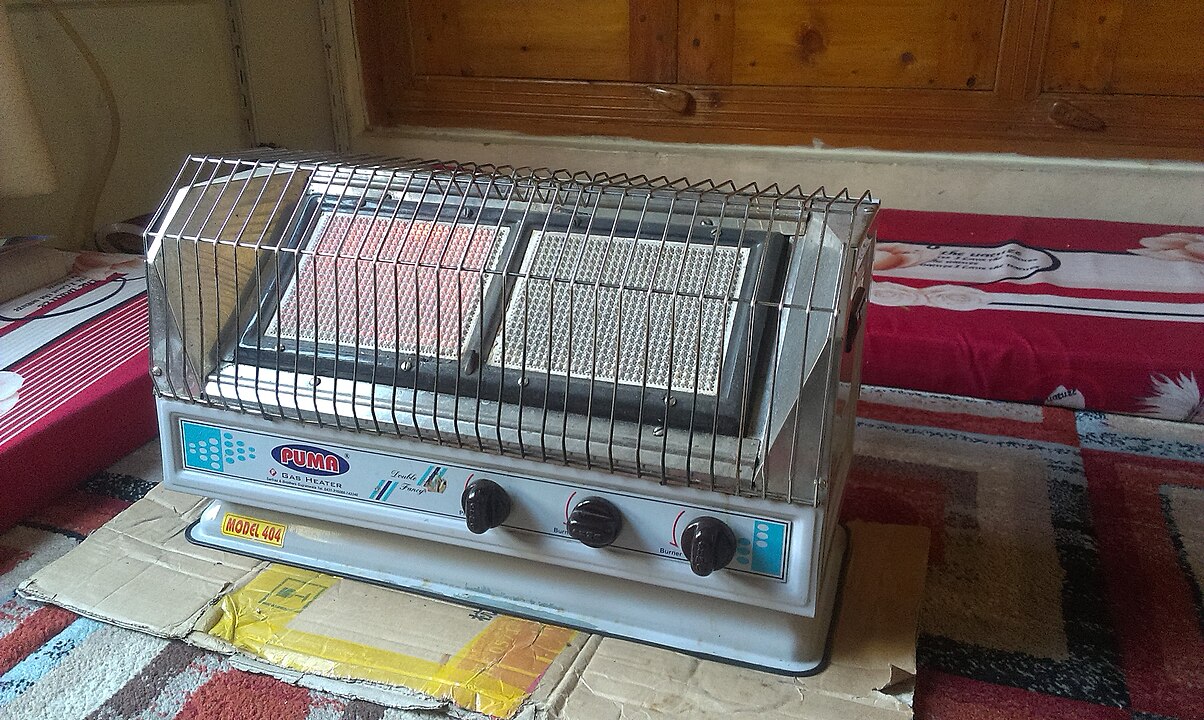
Unvented Gas Space Heaters
Kskhh, CC BY-SA 4.0 / Wikimedia Commons

Portable heaters remain legal in many places, but certain older models have effectively been outlawed by building codes and rental regulations. Units that lack automatic tip over shutoff, overheat sensors, or stable casings have been blamed for fatal fires and carbon monoxide incidents. When inspectors visit rentals or dormitories, these devices may be tagged for removal on the spot. Insurance policies sometimes exclude coverage if unapproved heaters are in use. A compact metal box meant to fight winter chill can instead break fire safety rules.

Banned Garden Chemicals On The Shelf

chemical
Davide Baraldi/Pexels

Bottles of weed killer or insect spray often outlive the rules that first allowed them. Several active ingredients once sold in home and garden products have been banned or sharply restricted after new research on health and environmental risks. Labels might not mention the change, but updated laws can make it illegal to sell, apply, or dispose of these products in regular trash. Municipal programs sometimes host special collection days for them. A row of familiar brands in the shed can represent chemicals that regulators want gone.

Wood Shake Roofs In Fire Hazard Zones

Wood Shake Roofs
Wikideas1, CC0/Wikimedia Commons

Wood shake roofs once signaled rustic charm and borrowed the aesthetic of mountain cabins. In wildfire prone regions, modern building codes now demand noncombustible or high fire rated materials, and some local rules outright forbid new wood roofs or major repairs with shakes. Homes that keep old roofs in designated hazard zones can struggle with insurance renewals or face pressure to upgrade. What started as a design choice now conflicts with community efforts to reduce flying embers and neighborhood wide fire spread.


0 Shares:
You May Also Like
Read More

9 Department Stores Closing Scores of Locations

# 9 Department Stores Closing Scores of Locations Department stores used to feel permanent, like part of the architecture of childhood and city life. Now many of those anchors are shrinking fast, closing locations in waves that rarely make front page news but quietly reshape whole neighborhoods. Behind the scenes are high leases, heavy debt, and shoppers who split their spending between discount chains and online carts. Vacant escalators and dark display windows tell a simple story. A retail model that once promised everything under one roof is giving way to something leaner. ## Macy’s Macy’s is still a powerhouse during major holidays, yet the brand is actively pulling back from underperforming malls. The company has laid out a multiyear plan to shut dozens of weaker stores while concentrating investment on flagships, luxury beauty, and smaller off mall formats. Mall managers see the closures as a turning point. Once Macy’s leaves, it is rare for another full line department store to take on that footprint, so mixed use redevelopment quickly becomes the realistic path. ## JCPenney JCPenney has been in survival mode for years, cutting locations, rewriting brand strategy, and revamping stores that still perform. Recent rounds of closures tend to target aging malls where traffic has thinned and renovation would be expensive. What remains is a leaner chain focused on reliable basics, home goods, and private labels meant to keep middle income families coming back. In towns that lose a Penney’s anchor, the absence is obvious, especially during back to school and holiday shopping. ## Sears Sears once taught Americans how to outfit entire homes, from tools to appliances to Sunday clothes. Now the chain is down to a small scattering of locations after repeated closure waves and years of financial strain. Each shutdown feels less like a surprise and more like the last chapter of a very long story. Former Sears buildings are becoming storage facilities, entertainment centers, or simply sitting empty, with faded brand signs still clinging to the concrete and sparking memories. ## Kmart Kmart’s decline has shadowed Sears, often sharing owners, parking lots, and final liquidation banners. From blue light specials and busy discount aisles, the company has slipped to only a few remaining stores spread across the map. Many communities have watched their local Kmart shut with little fanfare, replaced by smaller chains or nothing at all. The closures leave behind wide aisles, low ceilings, and a wave of nostalgia for an era when a weekend stop at the discount department store felt routine. ## Hudson’s Bay Hudson’s Bay carried deep Canadian roots and grand downtown buildings, but tradition could not offset heavy costs and changing shopping habits. The chain has now closed or sold off most department store sites, even as it experiments with other concepts and real estate plays. City blocks that once framed holiday window displays are being redrawn as office towers, hotels, or residential projects. For longtime shoppers, the loss of such a historic name lands harder than a typical retail exit. ## Debenhams Debenhams anchored many British high streets, balancing affordable fashion with familiar cosmetics halls. After years of pressure from online rivals and discount players, the company finally collapsed, shuttering its remaining department stores and moving the brand into a digital only format. Those closures left large gaps in central shopping districts, where new tenants range from fast fashion outlets to leisure complexes. The Debenhams name survives on screens, but the physical experience of wandering its floors has become a memory. ## Bon Ton Bon Ton and its sister banners once stitched together a network of regional department stores across smaller American cities. When the company slid into bankruptcy, liquidation arrived swiftly and took hundreds of locations with it. In many markets there was no immediate replacement, only darkened anchors and clearance signs that slowly came down. Local shoppers lost a familiar place to find dresses, coats, and home goods, and mall owners gained another big box puzzle to solve in a difficult leasing climate. ## Lord & Taylor Lord and Taylor carried an air of old school elegance, especially at its historic urban flagships. Years of ownership changes, aggressive discounting, and the shock of the pandemic finally pushed the brand into a full store closure plan. The physical chain is gone, even as the name continues online under new management. Grand buildings that once hosted fashion shows and elaborate window displays are being sliced into offices and coworking hubs, turning a traditional department store into a flexible workplace. ## Stage Stores Stage Stores never enjoyed global name recognition, but its regional chains filled a quiet role in small towns and rural hubs. When the company could not recover from mounting losses, it closed hundreds of locations under banners such as Goody’s and Peebles. Those anchors often sat in modest shopping centers that lacked other large apparel options. After the closures, shoppers in those communities were left with long drives to bigger cities or a heavier reliance on parcel deliveries for everyday clothing. Department stores closing by the dozens signal more than a shift from one retail brand to another. They mark the end of a specific way of browsing, where escalators, perfume counters, and wedding registries lived in the same building. As these anchors are carved into apartments, clinics, offices, and gyms, the spaces stay busy, but the mood changes. What was once a shared social ritual around sales events and window displays is dissolving into scattered errands across many smaller formats. Excerpt: Familiar department stores are closing by the dozens, leaving hollow anchors behind and nudging shoppers toward a new retail map!.