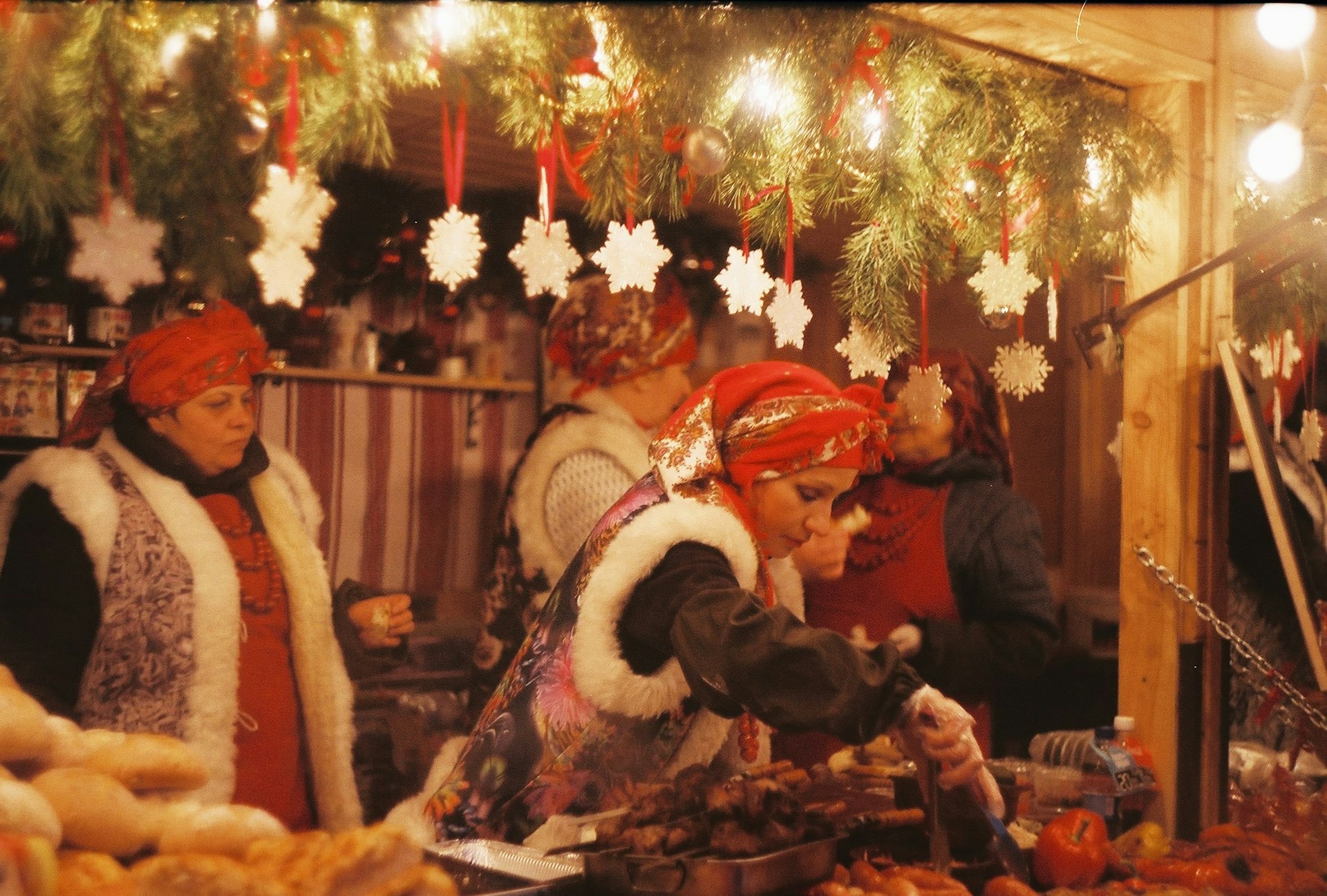
Christmas has never been a single script. Over centuries, families stitched together fires, church rituals, and odd little games that made the season feel personal and alive. Many of those customs have quietly slipped away, leaving behind half-remembered phrases in carols, old photos, or a story an elder repeats every December. Looking back at them is not just nostalgia. It shows how technology, safety rules, and shifting beliefs keep rewriting what the holidays look like, even while the tree and gifts stay the same.
Yule Logs That Lit Up The Longest Night
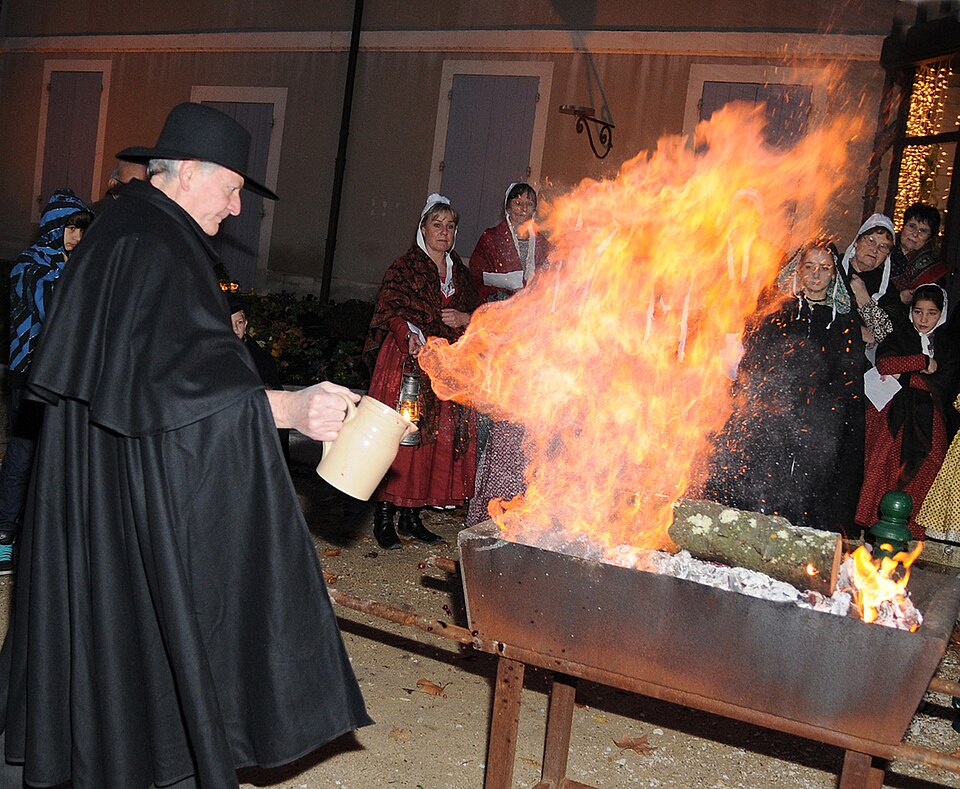
Long before electric lights, many families dragged in a huge yule log, sometimes so big it needed several people to move it into place. The log burned through the longest nights of winter, a stubborn answer to darkness and a wish for the sun to return. In northern Europe it carried real weight as protection and blessing, not just decoration. As apartments shrank, central heating spread, and fire codes tightened, the idea of a tree-sized log in the living room quietly aged out. The spirit survived in smaller gestures, like scented candles, televised fireplaces, and desserts that borrow the name but not the heat.!!
The 12 Days Of Christmas As A Real Season
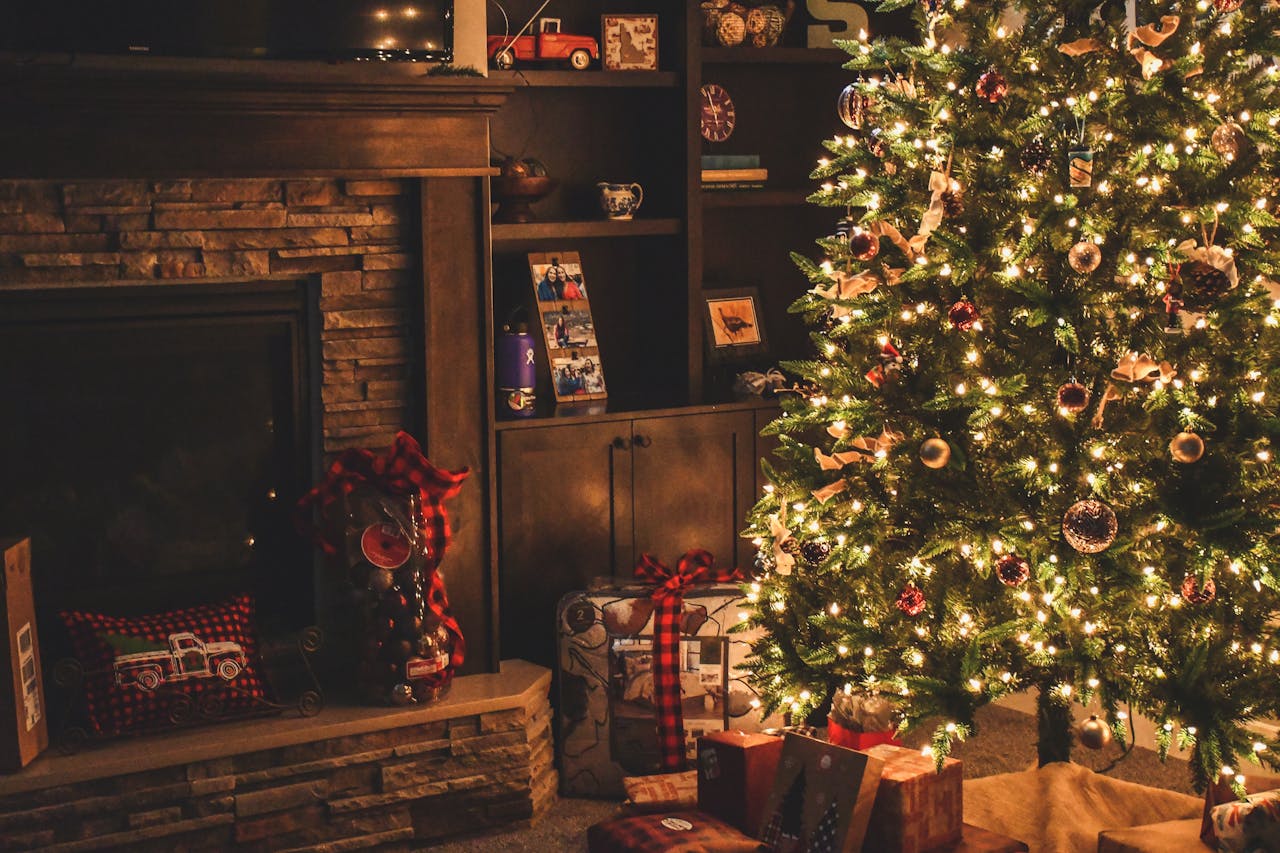
For early Christians, Christmas did not end when wrapping paper hit the floor on Dec. 25. The season stretched from Christmas Day to Jan. 6, tracking the journey of the Magi and closing with Epiphany or Three Kings Day. Households paced their feasting, visits, and small gifts across those 12 days instead of pouring everything into one burst. Modern work calendars, school terms, and retail sales turned that gentle arc into a single noisy morning, leaving only the carol to hint at how long the feast once lasted. In some places Epiphany once mattered as much as Christmas, yet now trees hit the curb by Jan. 6. again.
Homemade Candy Marathons In Winter Kitchens
Before shelves overflowed with factory sweets, winter kitchens doubled as small candy workshops. Families stirred hot sugar on stoves, tested syrups in cold water, and waited for pans of fudge, brittle, and peppermint creams to cool on every flat surface. Those trays were not just snacks; they were proof of effort and care when sugar felt special, not routine. Cheap year-round chocolate, long workdays, and crowded apartments left less room for pots of bubbling syrup, and the tradition quietly thinned out in many homes. Some relatives still guard stained recipe cards, but for many the ritual survives as a memory.!
Haunted Christmas Ghost Stories By The Fire
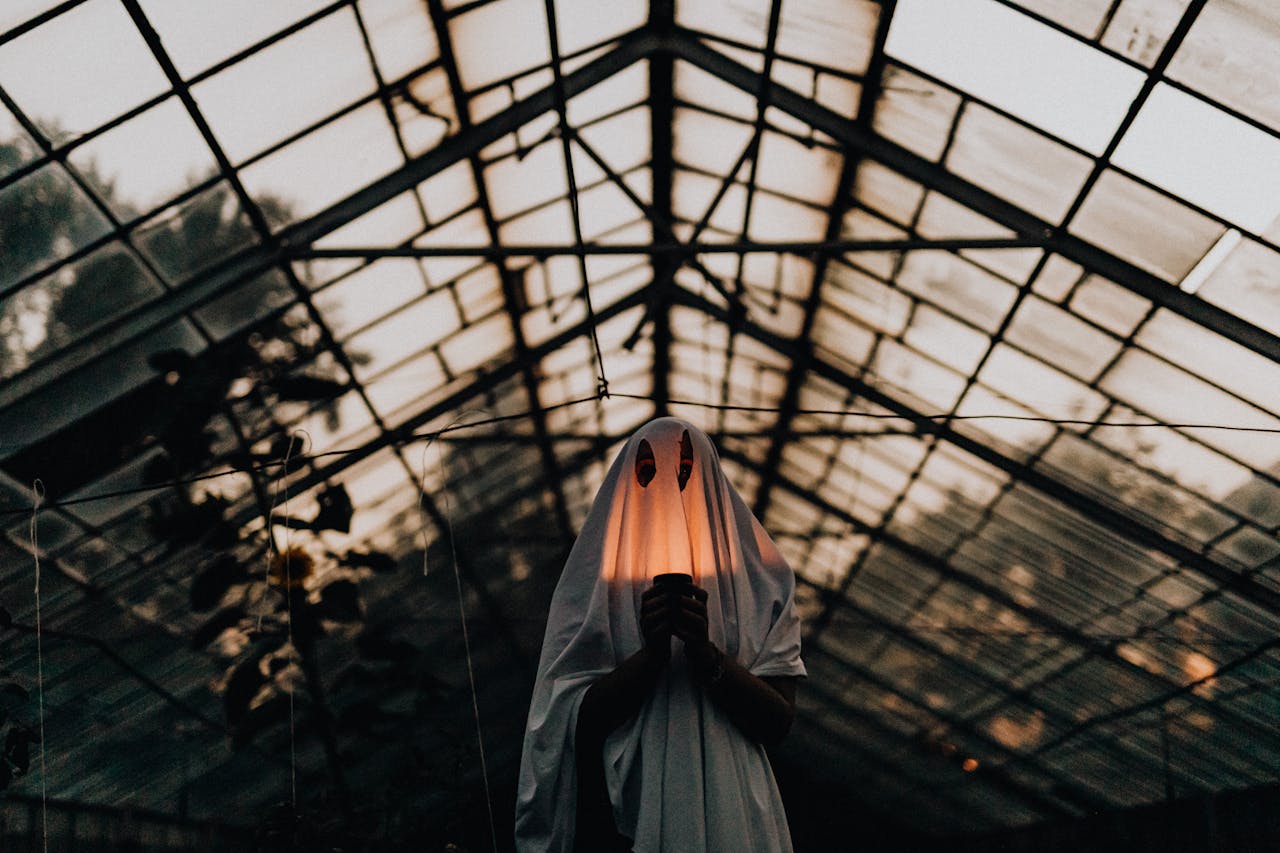
Victorian families once leaned into the long December nights by pairing carols with ghost stories, crowding near the tree while someone spun a tale about restless spirits and hard lessons. The mix of warmth and unease fit a season that hovered between joy and darkness. As Puritan suspicion of superstition took hold in North America, and Halloween rose as the preferred time for frights, those fireside hauntings lost ground. Dickens and his ghosts survived, yet most other Christmas spirits faded into archives and footnotes. Modern gatherings favor nostalgia and laughter, scaring children on Christmas Eve feels odd.
The Hidden Christmas Pickle Game
The Christmas pickle sounds ancient, yet its history is murky at best. Families were told to hide a green glass pickle deep in the tree; whoever spotted it first earned the first gift or a small bonus present. For years shops marketed it as a German tradition, but surveys in Germany found most people had never heard of it. Without a clear story or emotional anchor, the game felt easy to drop, and in many houses the pickle now sits forgotten in a box of novelty ornaments. It survives mainly as a trivia note at parties, proof a sales pitch can pose as folklore. That detail feels meaningful. ok
Creepy Victorian Christmas Cards
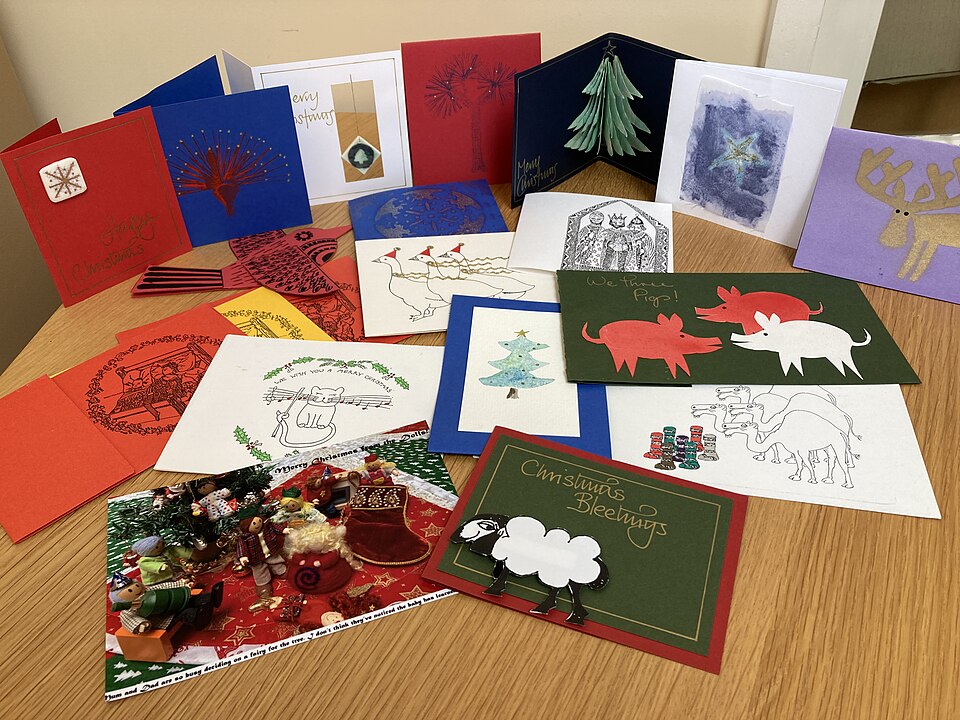
Early mass-produced Christmas cards often looked anything but gentle. Victorian printers cheerfully sold scenes of unsettling animals, strange jokes, and children in surreal trouble, trusting that sharp humor would spark conversation in crowded parlors. As Christmas branding softened around family warmth and respectable piety, those disturbing designs lost their place on mantelpieces. Today they mostly live in museum collections and archives, where researchers read them as clues to a more complicated emotional landscape. Modern cards lean on safe, gentle scenes, and stranger images rarely leave archives.!!
Sugarplums No One Can Quite Define
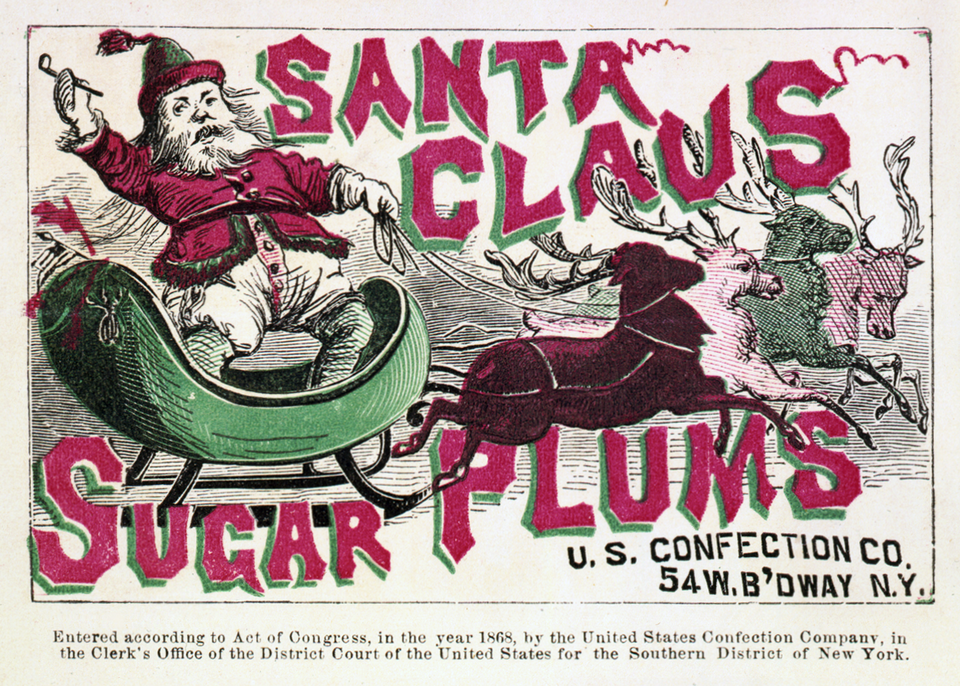
Sugarplums sound simple in carols, yet the real thing was a labor of slow coating and careful drying, not a quick bite from a plastic bag. In early England the word covered candies made from nuts, seeds, and spiced fruits rolled into jewel-like balls, expensive enough to signal status as well as taste. Industrial candy making and cheap refined sugar pushed people toward uniform chocolates and wrapped bars instead. The name stayed in stories, while the original textures and effort slipped mostly out of daily life. Some bakers and food historians revive them, but for many the word means mood more than dessert again.
Candles Balancing On The Christmas Tree
Placing real candles on Christmas trees began in 17th-century Germany, when a lit tree in a dark room looked like a small private miracle. Families clipped wax tapers onto branches and watched carefully as flames flickered over dried needles and wooden floors. It was beautiful and genuinely dangerous, serious enough that insurers refused to cover fires started that way. Once electric strands grew cheaper and easier to string, their steady glow pushed the candle tradition into old photos and rare reenactments. The romance of flame still appeals, but few households accept the risk for a few minutes of beauty. ok!
Cooking The Christmas Goose
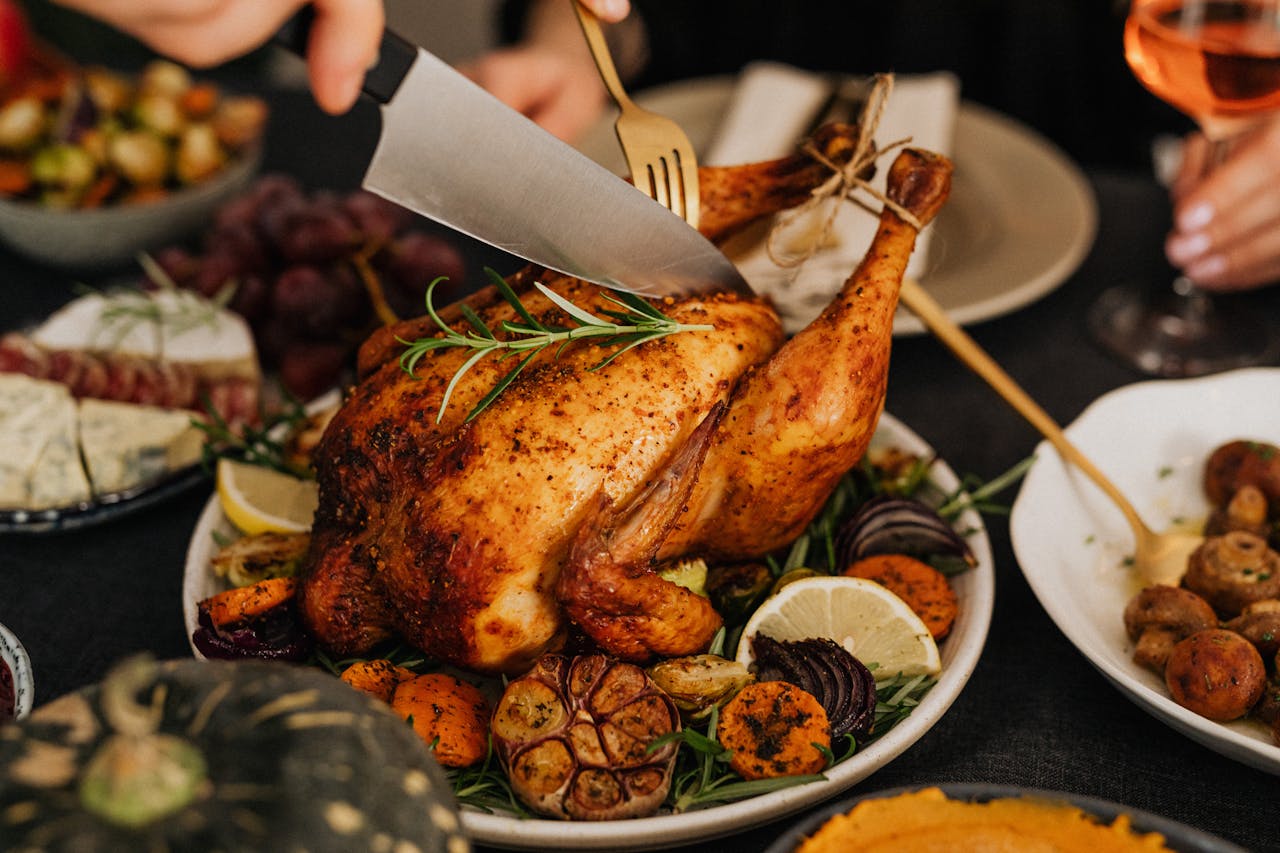
In Victorian England, a Christmas goose offered rich meat and useful fat to families who could not spare a cow or pig for one dinner. Geese laid eggs only in warmer months and ate plenty, so roasting one in winter felt like a deliberate choice to celebrate. As turkey farming expanded in the United States and beyond, the larger bird became cheaper to raise and easier to serve large gatherings. Popular culture followed, and the goose slipped from centerpiece to historical footnote. Some chefs still praise its flavor and crisp skin, yet cost, anxiety, and habit keep most modern ovens full of turkey or ham instead.!!
The Lord Of Misrule And Festive Anarchy
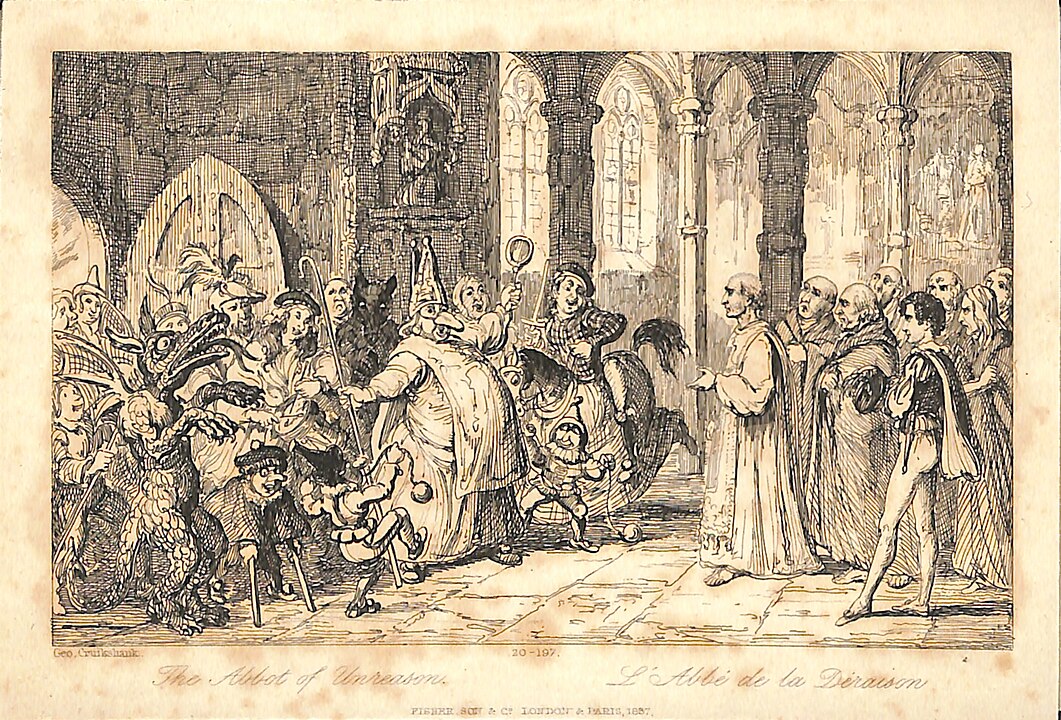
Medieval courts sometimes chose a Lord of Misrule a minor figure briefly crowned to run Christmas games with jokes and mock commands. The role carried echoes of Saturnalia, when Roman cities turned hierarchy upside down and let license replace rigid manners for a short time. As monarchies centralized power and later societies embraced tidier public behavior, the idea of sanctioned holiday chaos grew less welcome. Over time the title disappeared, leaving only a vague memory of nights when the least powerful person in the room set the mood. Modern culture enjoys teasing authority, but that impulse flows into satire not formal reversals of rank.
\