A once-in-50-years snowfall is rarely about deep drifts. It is about warm places that run on summer habits suddenly facing winter physics.
Forecasters can flag flurries for Tampa and Jacksonville, or even over the Atlantic north of the Bahamas, when Arctic air sweeps across warmer water and sparks ocean-effect snow. The trouble starts early: flights reposition late, bridges glaze first, and one closed ramp can stall a whole metro. As winter storm watches appear and timing shifts, travelers get locked into plans that no longer match the roads. In cities without plows or salt stockpiles, small totals still wreck a weekend fast.
Forecast Confidence Can Shift Overnight
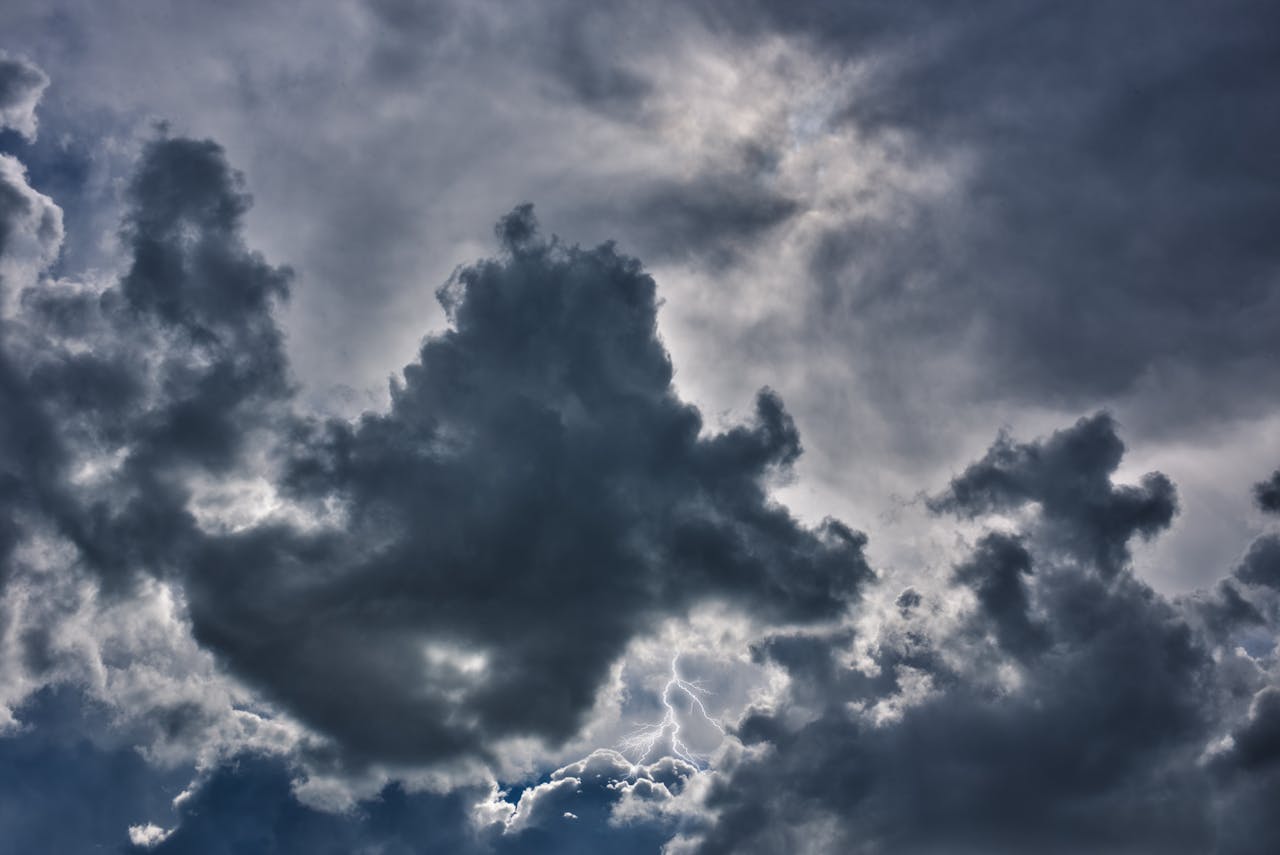
Rare-snow setups are stressful because a one- or two-degree swing decides whether moisture falls as cold rain, sleet, or flakes that finally stick. Forecast confidence can rise fast when a potent storm organizes offshore, and National Weather Service watches can flip to warnings as impacts start.
That speed traps travelers. Flights are booked, check-in times are set, and then the safer window moves by half a day as impacts begin as soon as Friday. In places that do not treat roads often, the first slick bridge or closed ramp becomes the real forecast, because it turns a minor event into gridlock. Delays spread far past the flakes.
Airports Without De-Icing Get Overwhelmed
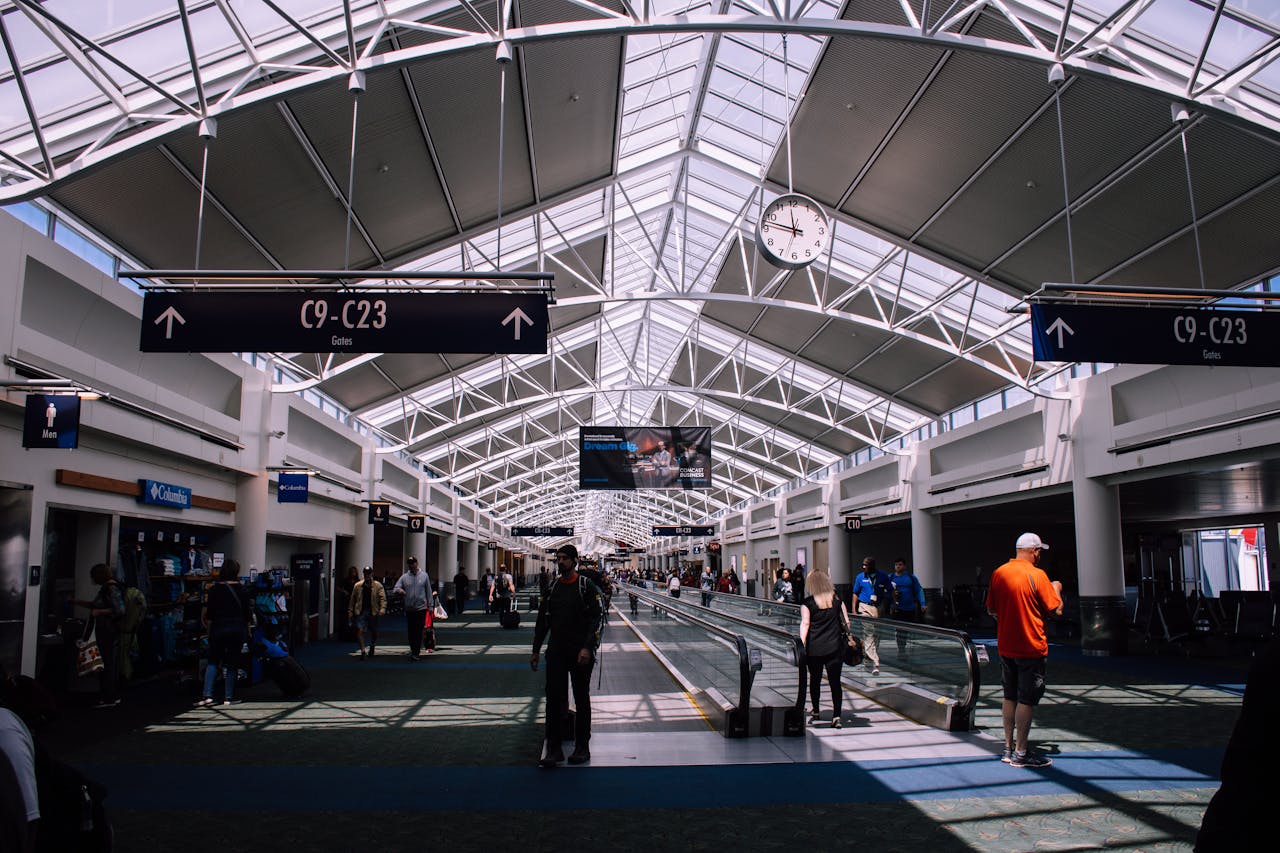
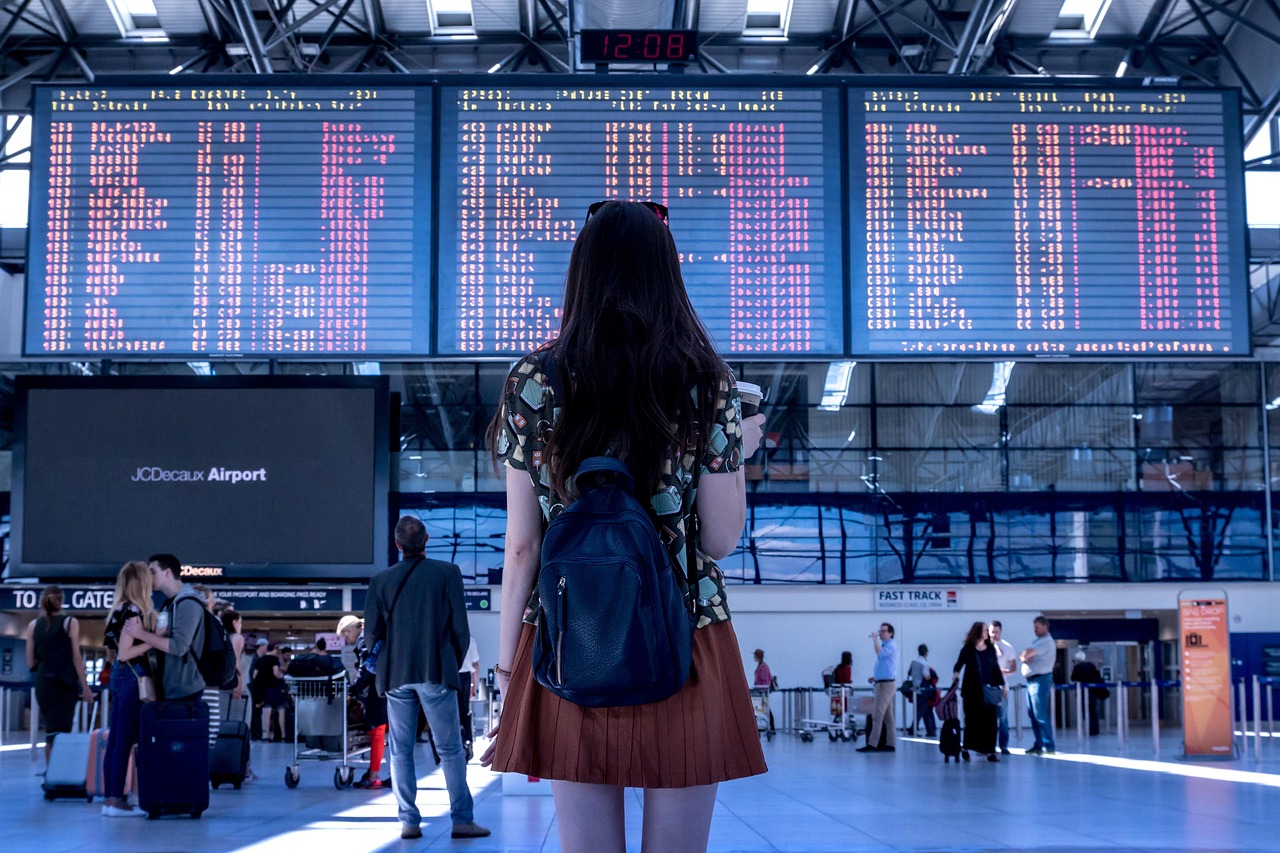
Airports in warm regions can run all winter with minimal de-icing gear, so the first freeze exposes every shortcut at once. A thin film on wings, jet bridges, or runway paint can pause departures, strand crews, and start cancellations that ripple outward. Even light flurries can matter when surfaces sit near freezing.
The chaos is not always heavy snow. It is the queue: a few de-icing trucks, limited trained staff, and planes arriving on tight turns. When gates fill and crews time out, baggage stacks up, connections snap, and rebooking lines grow fast. An airport can look fine at noon and jam by dusk, with no spare crews nearby.
Bridges And Overpasses Freeze First
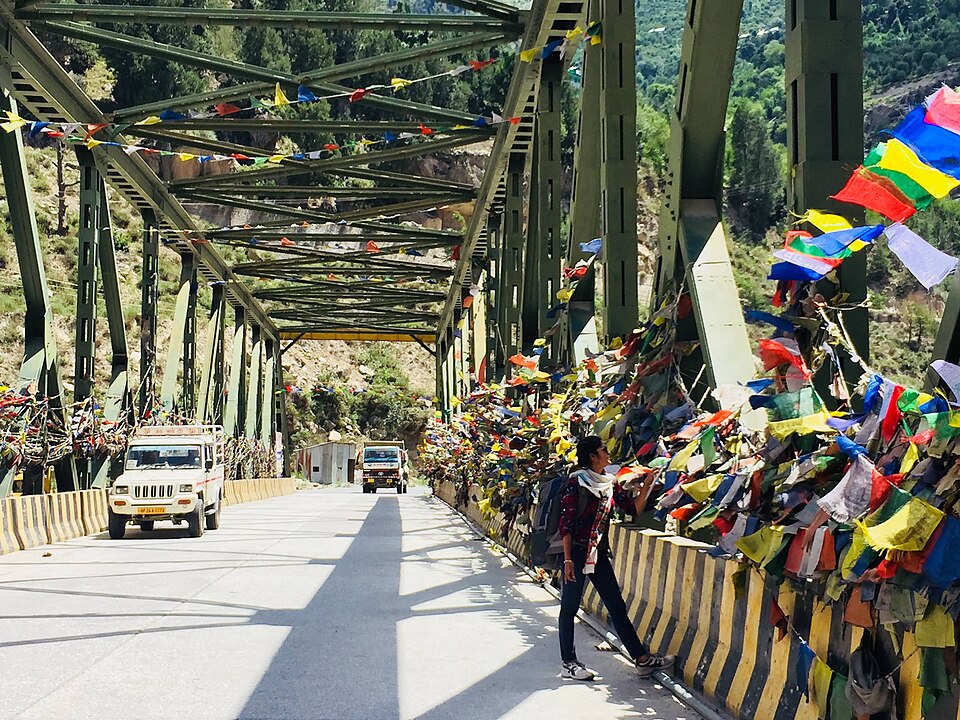
In snow-light regions, bridges and overpasses become the first problem because cold air reaches both sides of the deck and freezes moisture quickly. A road can look merely wet on the ground, while elevated lanes hide a slick glaze that drivers notice too late. When wind chills drop into the 20s, refreeze after sunset is fast.
Travelers warn that disruption is geometry. One icy ramp to the airport, one causeway to a beach town, or one river crossing near downtown can choke traffic for hours. Without routine brine and deep salt stockpiles, a few minor crashes can block lanes and keep tow crews circling the same bottleneck.
Transit Systems Run Out Of Backups
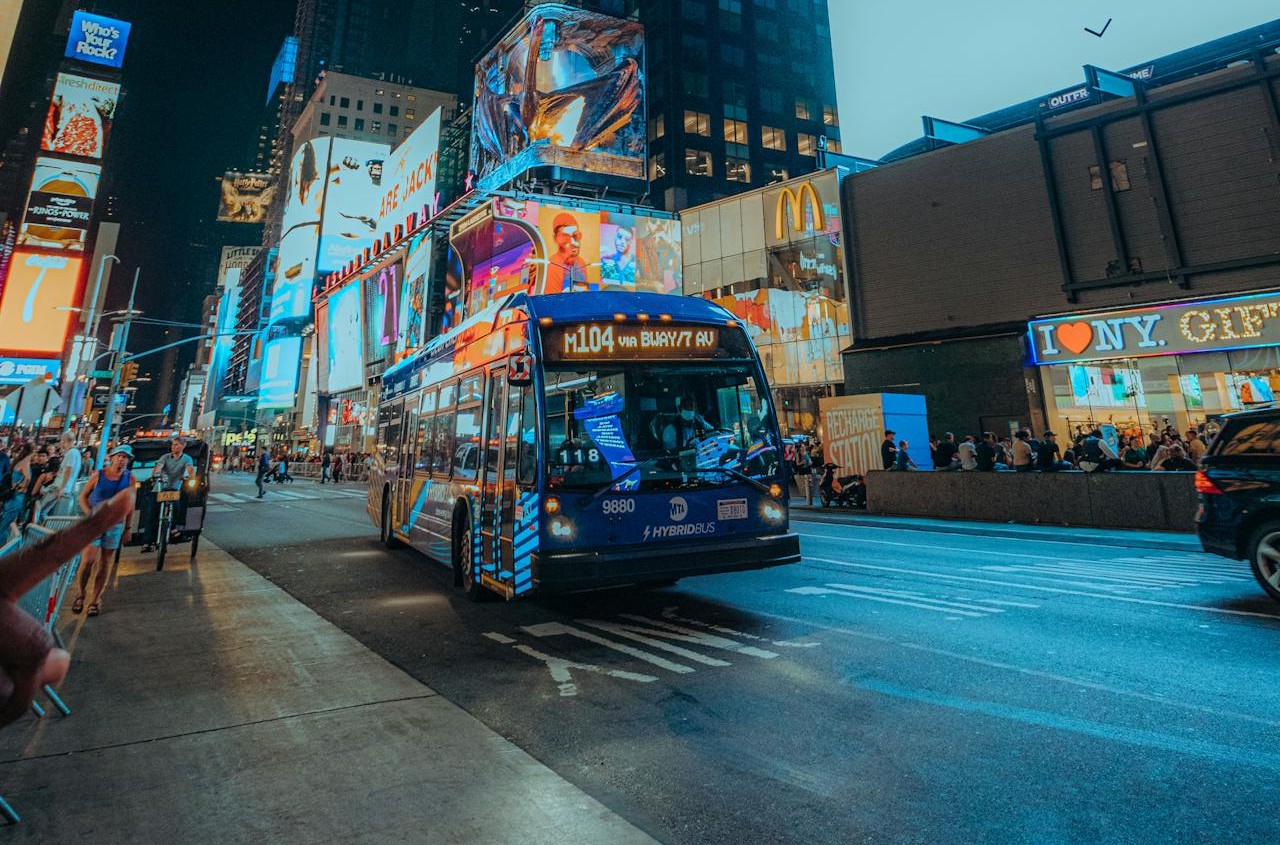
Transit systems that rarely see snow often lack the gear that keeps service steady, like switch heaters, yard plows, and cold-rated power equipment. A light event can still force slowdowns because routes cross bridges, steep grades, and exposed platforms.
When bus tires lose grip on untreated hills, service gets cut for safety, and schedules fall apart. Rail doors can ice up, and crews may struggle to reach depots for early shifts. Travelers end up stuck in long waits while ride-share prices climb, and the last mile turns into a careful walk on slick sidewalks. Stations built for heat offer little shelter from wind too.
Rental Cars Become Instant No-Go Zones

Warm-climate rental fleets are usually not winterized. Many cars run all-season tires, chains are scarce, and counters are not set up for sudden demand for traction gear. When snow sticks, agencies may pause pickups, and airports can restrict exits as conditions change.
Travelers describe a fast shrink of options. A 6-mile drive becomes risky when ramps glaze and tow trucks are tied up. Insurance warnings, closed bridges, and low visibility can turn a simple errand into an all-day problem, especially at night. With few plows and little salt, roads reopen slowly even after sunrise, and cancellation windows disappear fast.
Sidewalks And Parking Decks Turn Slick

Tropical cities are built for downpours, not traction. Smooth pavers, painted crosswalks, and glossy parking decks can turn slick when temperatures hover near freezing. A daytime melt can look harmless, then refreeze into black ice as the sun drops. Arctic air on the backside can push wind chills into the 20s.
Travelers warn that the risk feels small until it is personal. Luggage wheels skid, curb cuts turn into slides, and a short walk from a hotel to a restaurant becomes tense. When emergency rooms and tow services are already busy, even minor falls and fender-benders add hours to a schedule that had no slack in it.
Hotels Fill Up While Utilities Strain

When flights cancel and highways clog, hotels near airports and interstates fill within hours, even in places where winter vacancies are normal. Front desks turn into command posts, and late arrivals compete with stranded crews for the last open room.
Cold snaps also stress buildings that were designed for heat. Pipes in older structures can struggle, outdoor water lines can freeze, and backup generators may be tested in unfamiliar ways. Travelers often end up sharing thin updates from weather apps and airline alerts, while food service narrows and checkout times slide, because everyone is waiting on the same reopening.
Recovery Lingers After The Snow Stops
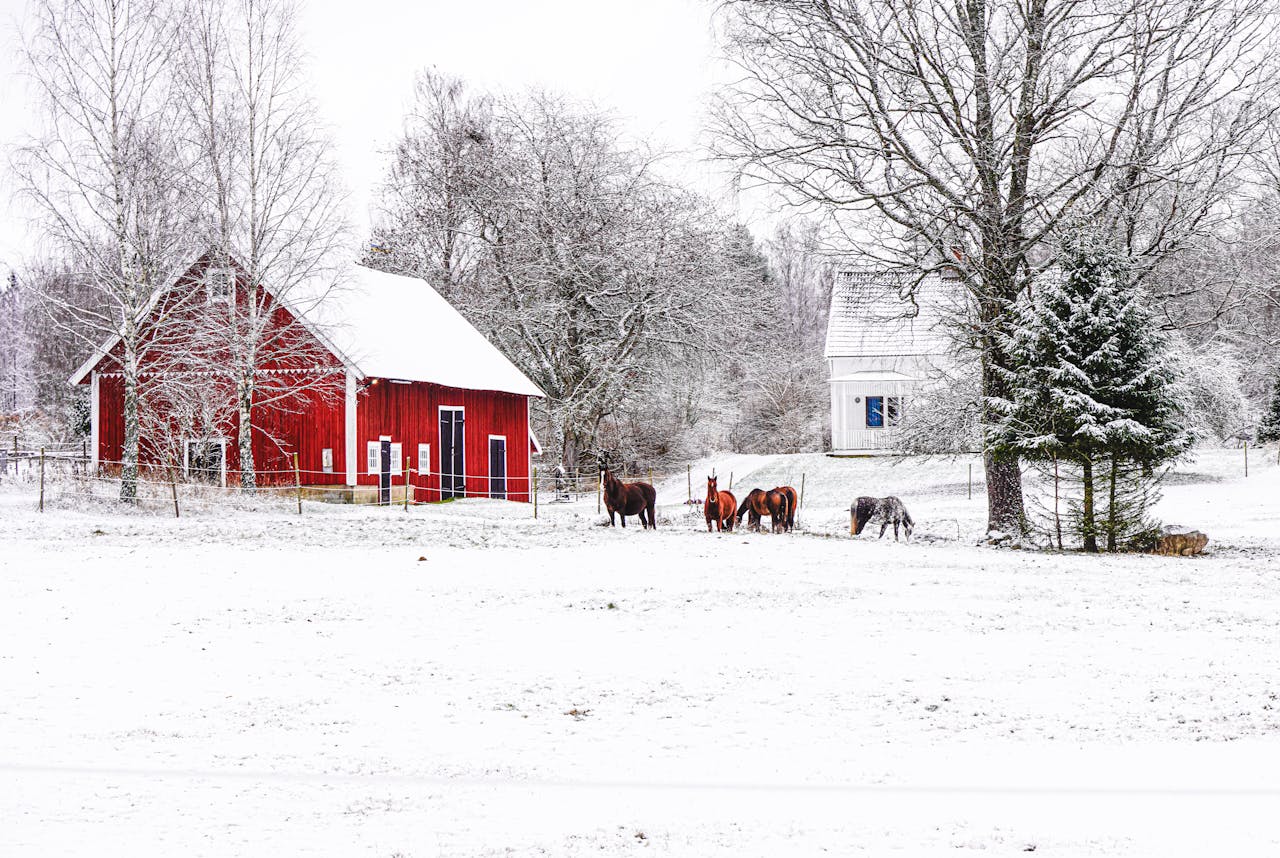
When temperatures rise, travelers expect an instant reset, but warm regions often recover slowly because winter response is thin. Meltwater pools, then refreezes overnight, and crews must clear small crashes, reset signals, and reopen ramps one by one.
Cold air can also leave quieter damage. AccuWeather’s Paul Pastelok has warned that a sharp chill can harm fruits and vegetables across Florida, even when snowfall is only flurries. That kind of hit shows up in closed farm roads, limited menus, and pricing surprises. For travelers, the lag feels personal: everything reopens, just not at the same time. Rebooking becomes a second trip.