Car nostalgia can be loud, but memory is selective. The names that dominate feeds usually came with movie cameos, giant production runs, and decades of merch. Quietly engineered cars, even brilliant ones, often vanish into the background noise.
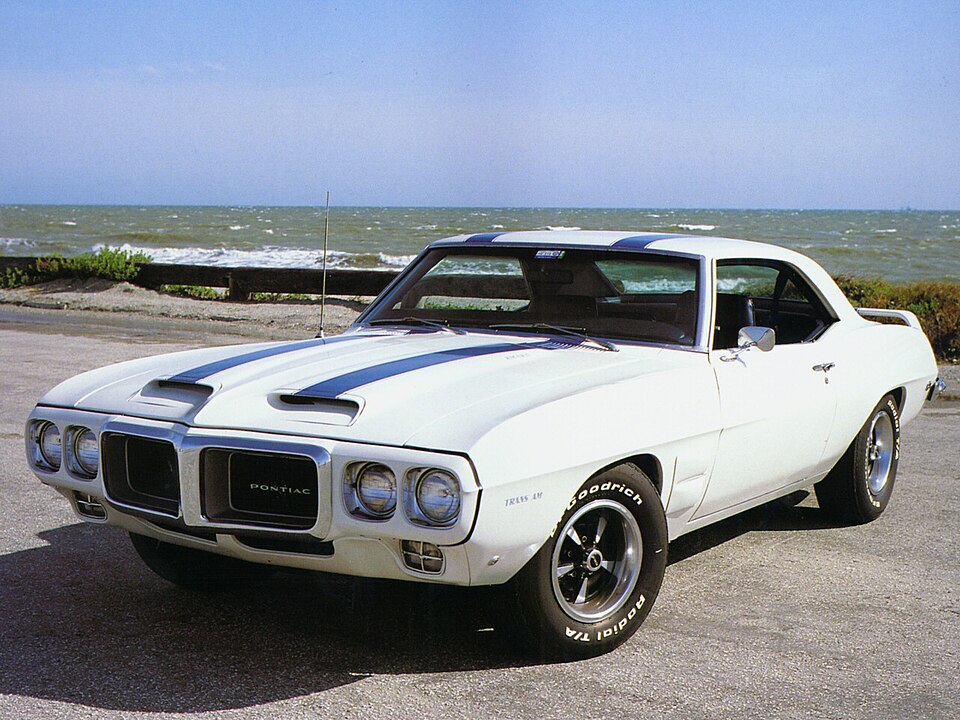
That pattern helps explain why the 1970 Pontiac Firebird Trans Am is still a phantom in mainstream conversation. It arrived with serious hardware, tiny production, and a purpose-built identity, then got overshadowed by later pop-culture versions of the badge. For younger enthusiasts, the downside of nostalgia is not indifference. It is inheritance gaps that algorithms rarely correct.
Scarcity Was Baked In From Day One
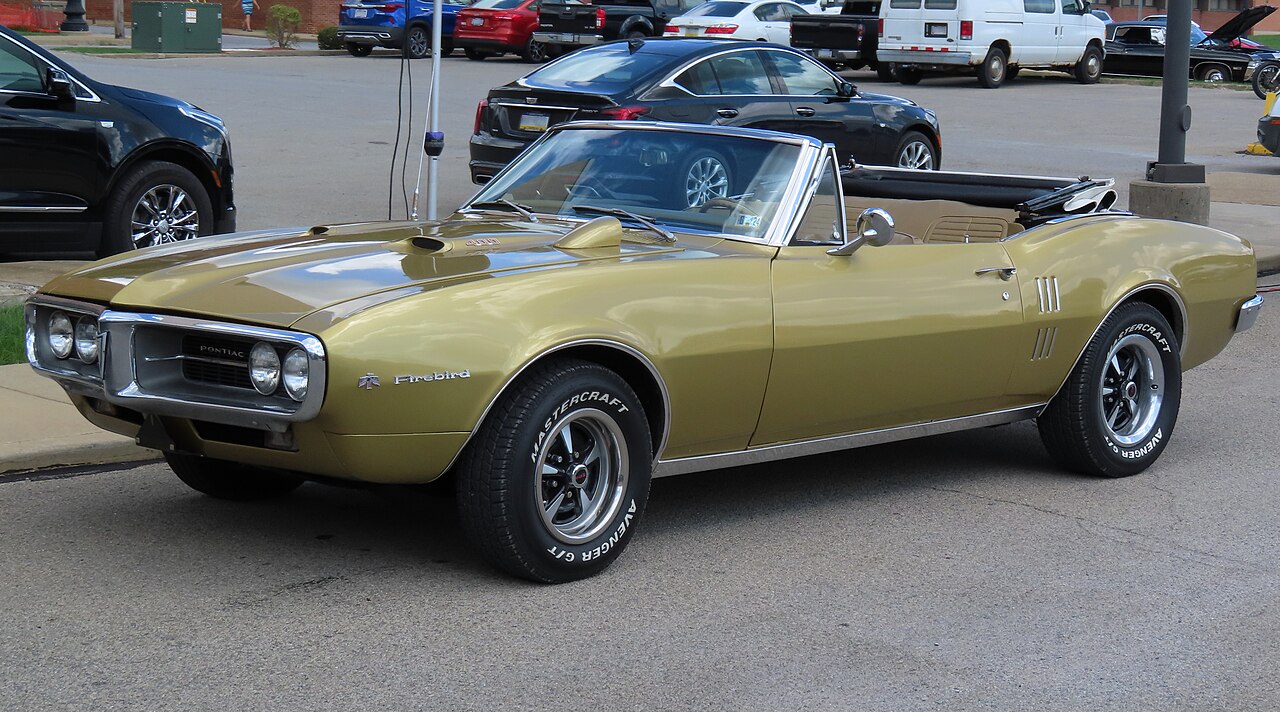
The scarcity story started at the factory, not the auction block. For 1970, Pontiac built 48,739 Firebirds, yet only 3,196 were Trans Ams, and just 88 carried the Ram Air IV package. That was never volume strategy. It was a focused performance statement during a crowded muscle era.
When a car begins life this rare, cultural visibility becomes fragile. Fewer cars on streets meant fewer childhood memories, fewer family photos, and fewer local references passed down to younger fans. Its low profile was engineered by math before nostalgia even had a chance, which is why recognition still lags even among serious young collectors.
It Was Engineered As A System, Not A Slogan
What made the 1970 Trans Am matter was balance, not hype. Contemporary sources describe heavy-duty springs, larger stabilizer bars, front disc brakes, and cooling-focused details that supported repeat hard driving, not just one clean launch. Pontiac was tuning for endurance as much as acceleration.
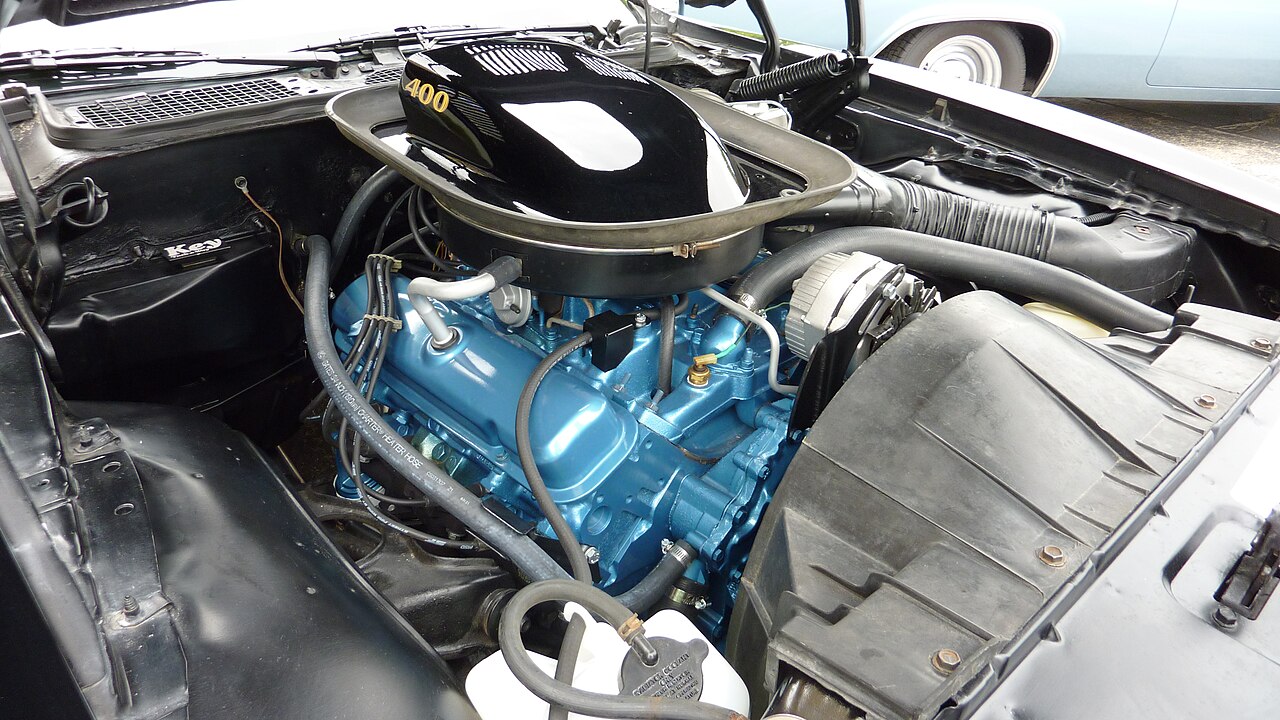
Engine talk usually dominates nostalgia, but this car was engineered as a whole system. Depending on trim and source, period writeups place it in the mid-300-horsepower range, yet its bigger story was composure under stress. That road-first philosophy is what modern enthusiasts claim to value, which makes its obscurity feel ironic.
The Z28 Was A Relative, Not A Duplicate
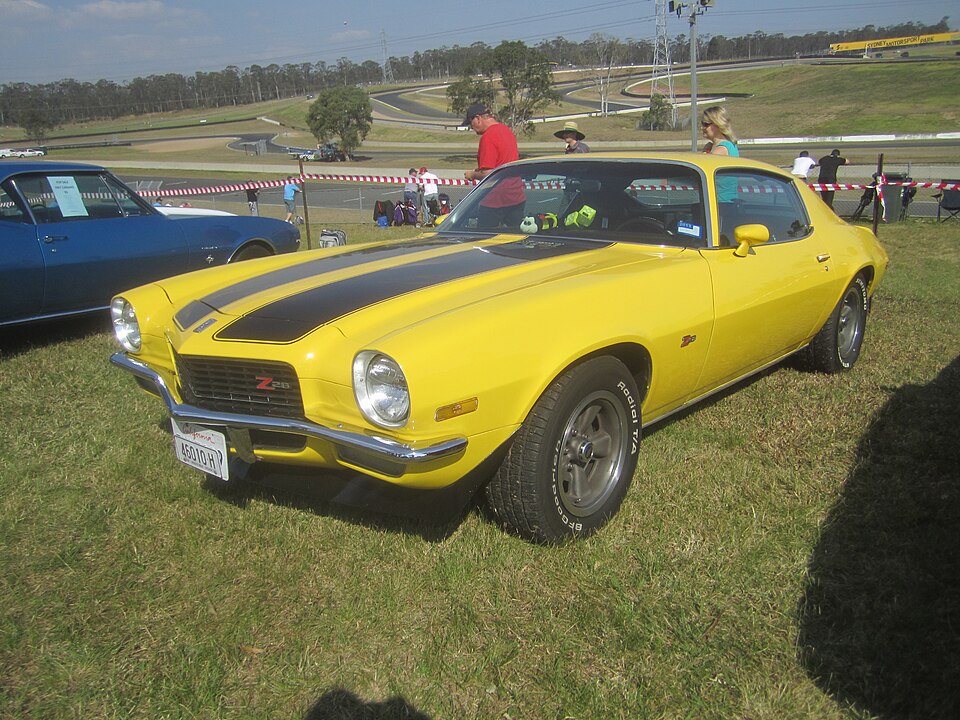
The Camaro Z28 and Firebird Trans Am shared an F-body platform, but treating them as mechanical twins misses the point. The 1970 Z28 used Chevrolet’s 350, while Pontiac leaned on its own 400-based formula and a different character at the wheel. They were siblings in layout, not clones in intent.
Production volume widened the memory gap. Chevrolet built 8,733 Z28 coupes in 1970, nearly triple Trans Am output, so more people grew up seeing Z28 badges in garages, ads, and local shows. More sightings became more stories, more stories became stronger nostalgia, and stronger nostalgia shaped what later generations learned first.
A Transitional Model Year Got Lost In The Shuffle
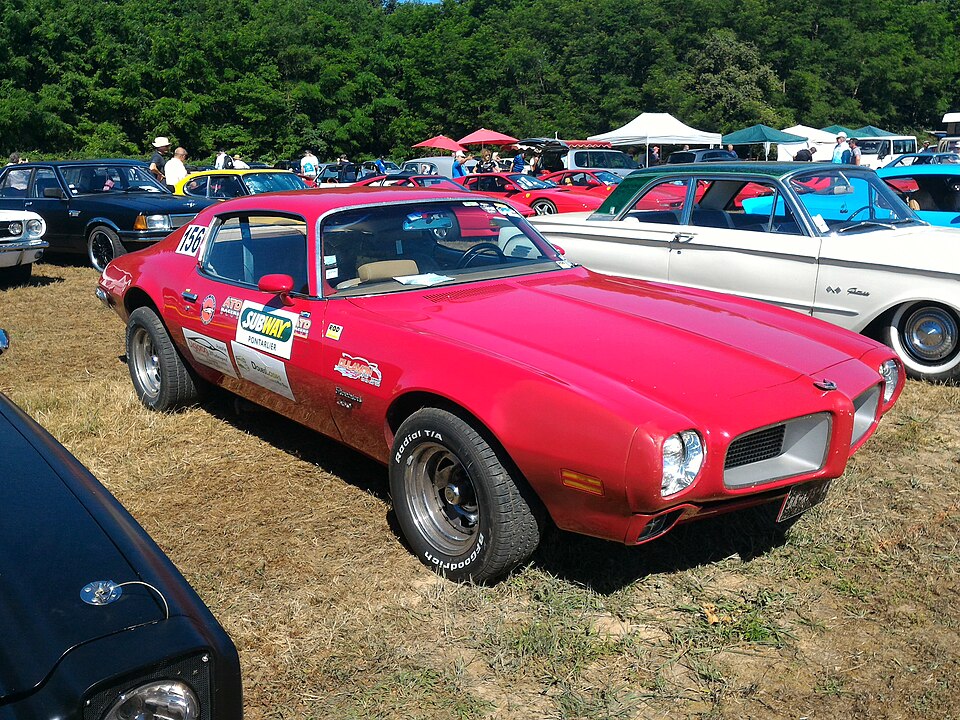
Timing also worked against the legend. The redesigned second-generation Firebird arrived late in the 1970 model year because of tooling delays, so historians and collectors often label it a 1970½ car. That nuance is fascinating, but nuance rarely wins on fast feeds or short-form nostalgia edits.
Cars that fit neat timeline boxes are easier to celebrate, catalog, and sell as cultural shorthand. A transitional car asks for context first, emotion second, and that order can bury it in modern content cycles. The result is familiar: later Trans Ams get remembered first, while this foundational year gets skimmed in broad muscle retrospectives.
Color Lore And Clone Confusion Keep Newcomers Guessing
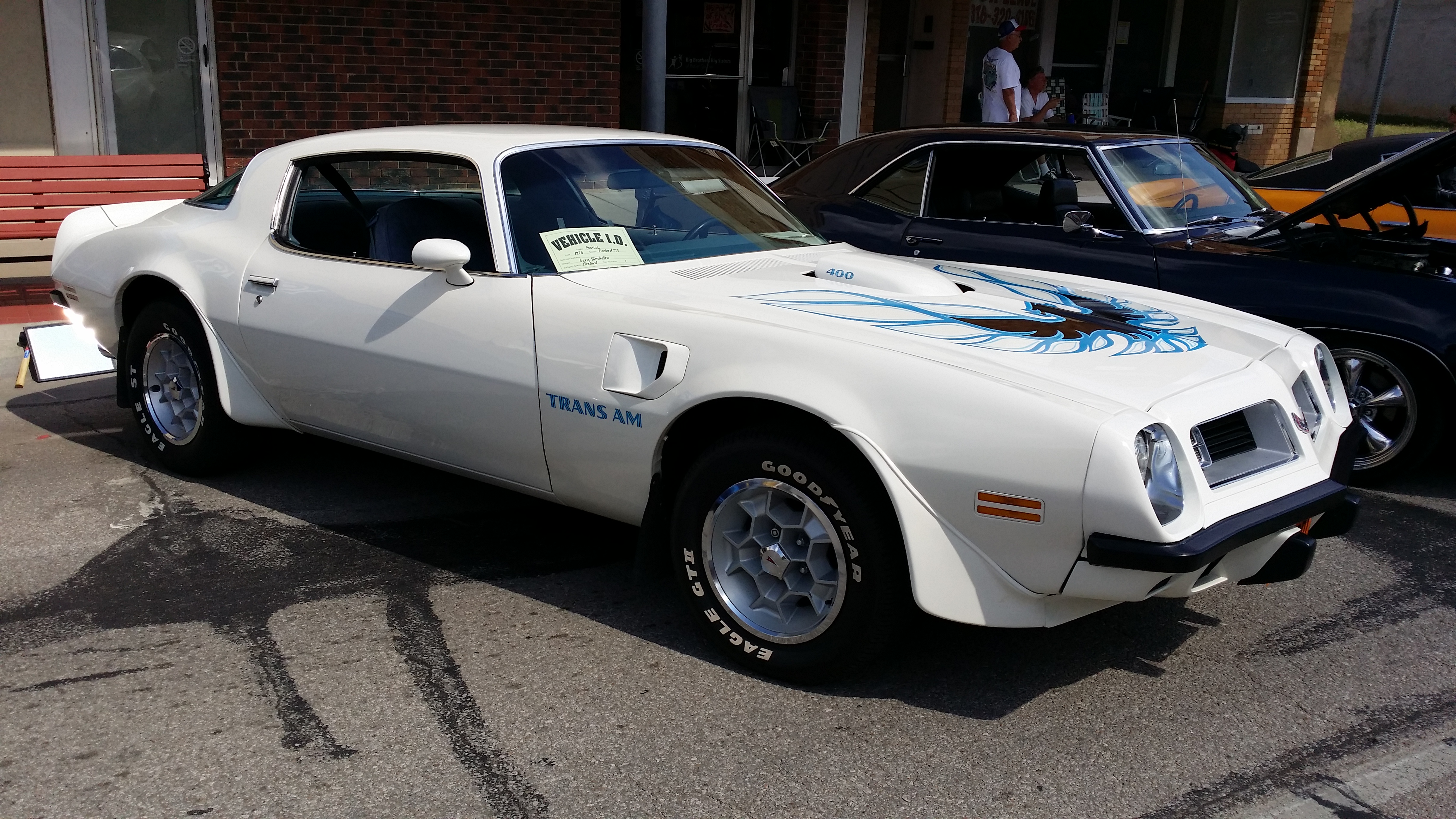
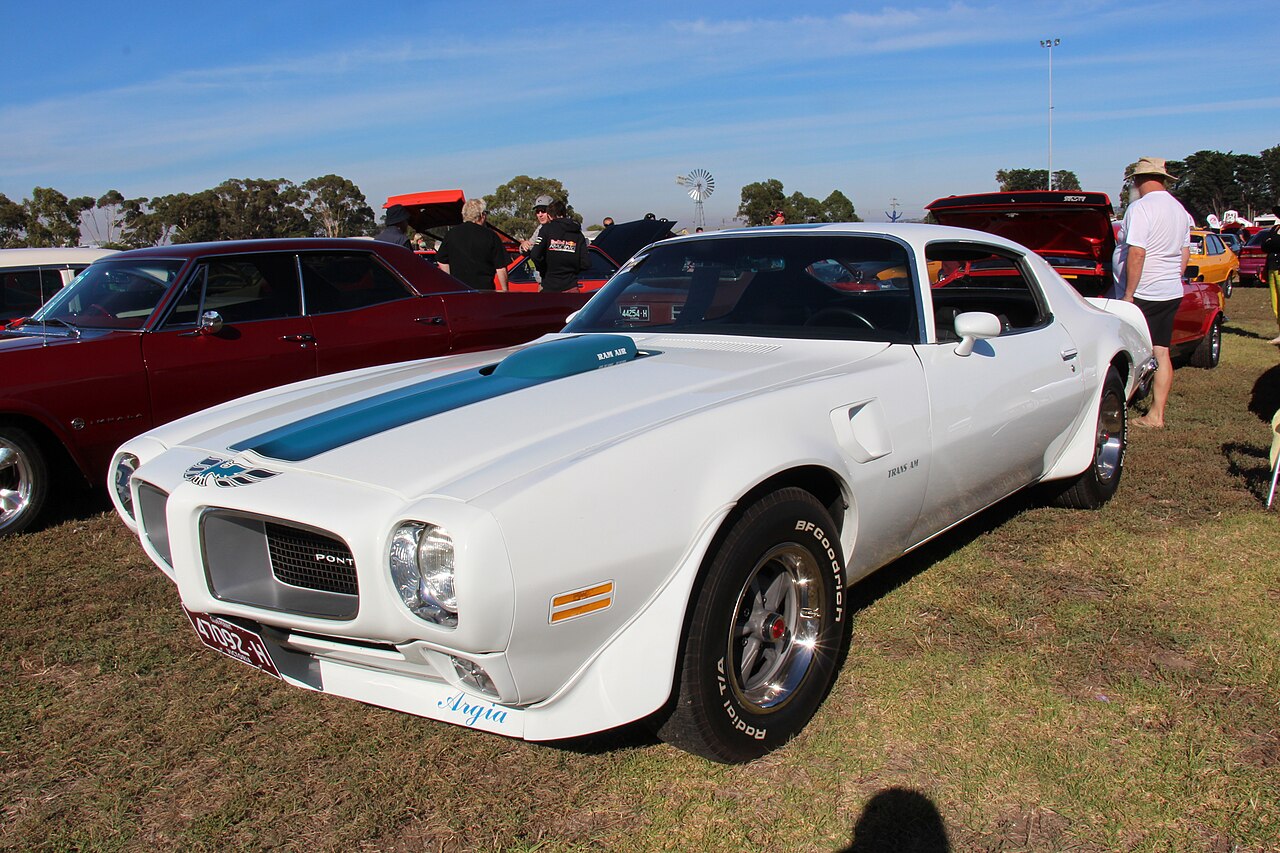
Authenticity debates add another layer to the myth. For 1970, buyers got only Polar White or Lucerne Blue from the factory, and period-correct details matter because so few originals exist. A flashy black-and-gold look may feel iconic, but it belongs to later years and can mislead quick identifications.
That mismatch fuels confusion for newer fans learning through image-heavy platforms. Sellers and collectors lean on documentation, tag decoding, and build records to separate originals from tribute builds. The conversation can sound gatekept, yet it is really a response to rarity and the high stakes attached to true cars today.
Under-The-Radar Never Meant Low Value
Overlooked does not mean undervalued. Recent market trackers and auctions place 1970 Trans Am four-speed examples well above casual-entry money, with strong cars reaching six figures and ordinary examples still commanding serious attention. One recent Bring a Trailer sale closed at $120,000, despite a replacement 400 under the hood.
That price behavior confirms what older enthusiasts have argued for years: the car is under-discussed, not underqualified. As survivor counts shrink and documentation standards rise, buyers pay for provenance, not just paint and noise. The market is effectively teaching the same lesson nostalgia forgot.
Pop Culture Picked A Different Poster Car
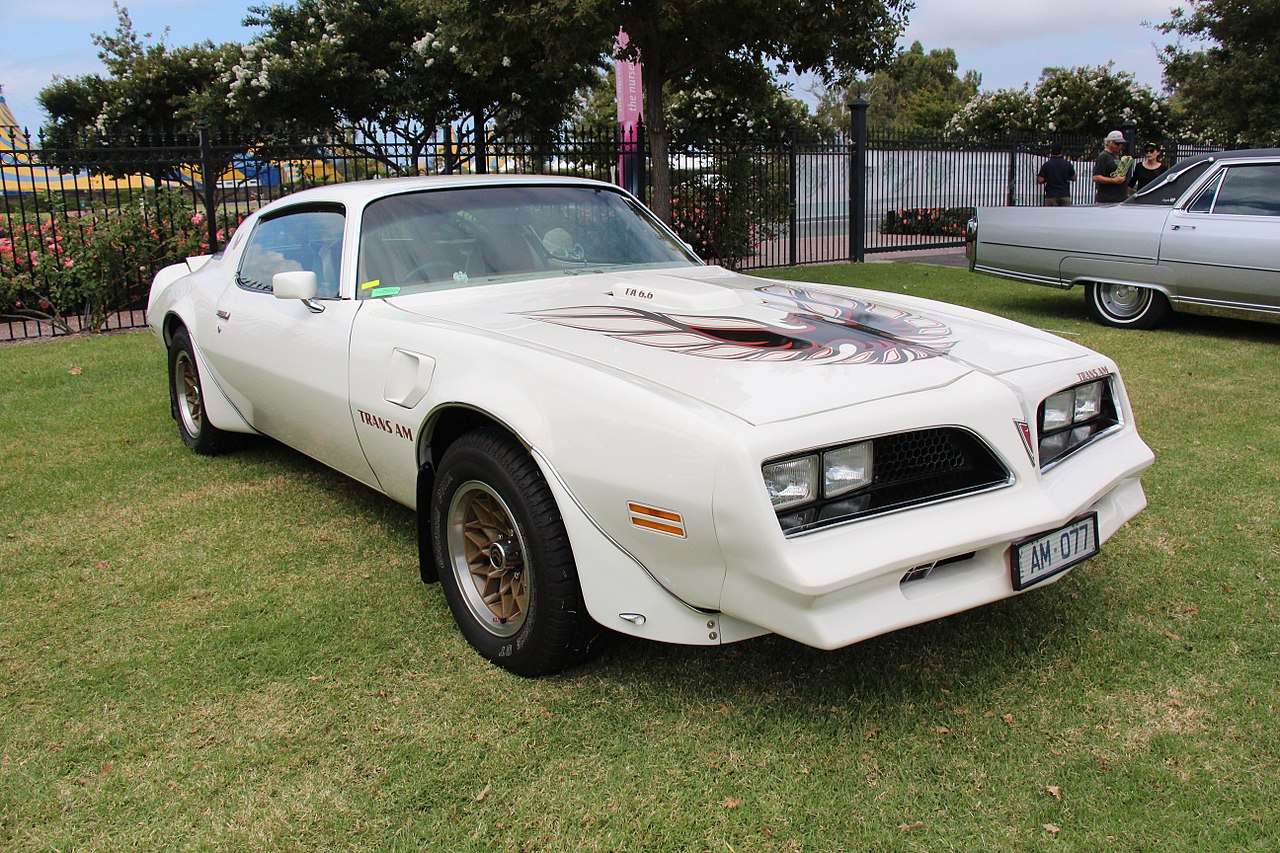
Pop culture chose a different hero. The 1977 black-and-gold Trans Am, amplified by “Smokey and the Bandit,” became the image many people now treat as the entire brand story. Hagerty notes Pontiac gained about 25,000 extra Trans Am sales in 1978 after the film’s release, a jump few nameplates ever see.
That success was real, but it compressed memory. The cinematic car became shorthand, while the 1970 machine that set the performance tone slipped behind it. Younger enthusiasts did not reject the early car; they inherited a narrative where one chapter got all the posters and the other got footnotes in collector circles for years.
What Gets Remembered Shapes What Gets Respected
The real takeaway is not that Gen Z forgot something sacred. It is that car history now travels through algorithms that reward familiar icons and flatten context. Rare cars with complex stories need active translation, or they fade behind louder symbols. Pontiac’s 2010 closure only deepened that break in institutional memory.
The 1970 Trans Am deserves renewed attention because it captures a moment when American performance still chased balance: power, handling, braking, and durability in one deliberate package. Remembering it does more than honor a badge. It restores continuity between muscle-car myth and muscle-car substance.