
When December arrives, the tree often turns into the most stressful object in the living room. Cords tangle, bulbs fail, and someone ends up circling the branches until patience runs out. A simple change in method can quietly transform that chaos into something manageable. By hanging lights vertically and wrapping branches along the way, decorators trade frustration for control. The tree glows from within, repairs stay simple, and the ritual starts feeling like a calm, shared tradition again instead of a yearly test of nerves.
Rethinking The Way Lights Go On The Tree
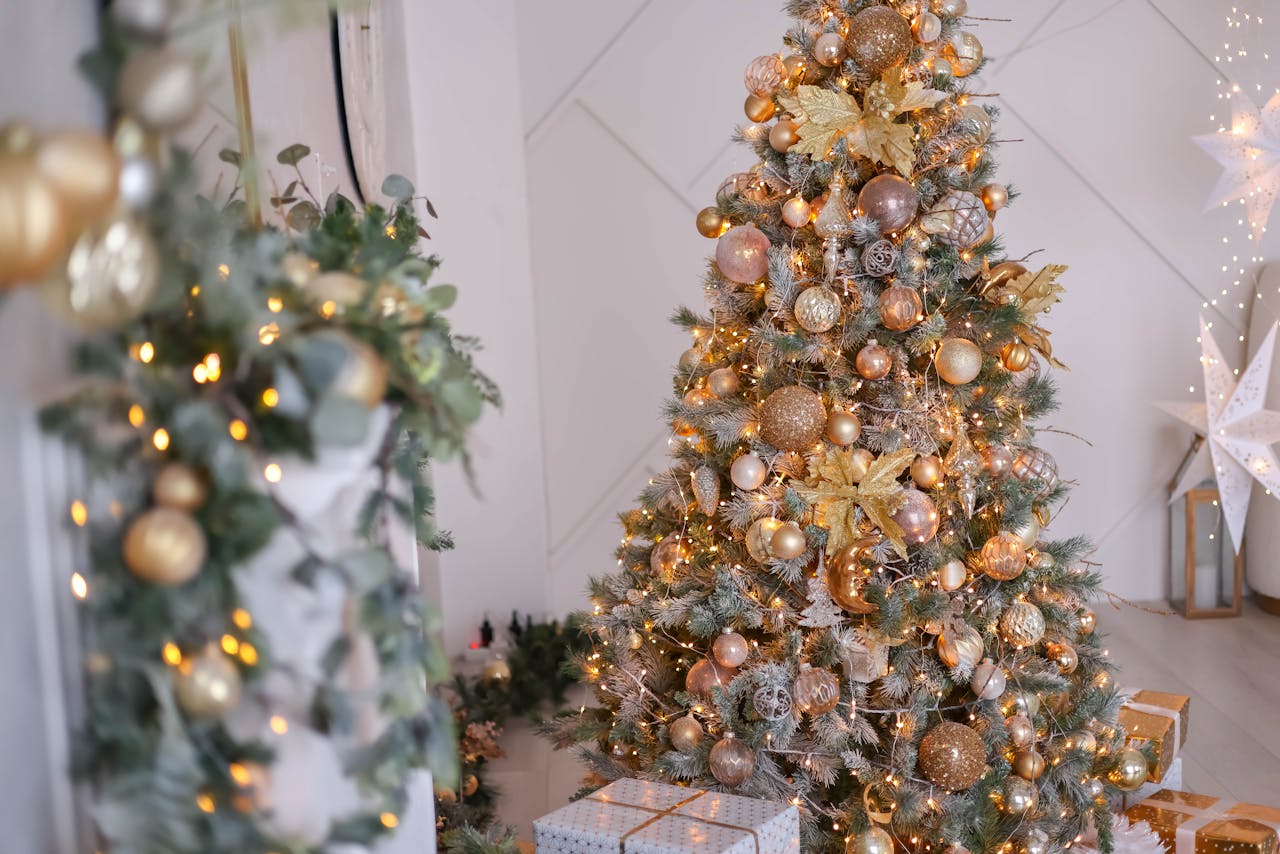
Most people loop lights around the tree in one long spiral, then wonder why everything feels tangled and uneven by the time they reach the top. Walking in circles with a heavy strand turns decorating into a quiet endurance test that nobody really enjoys. Rethinking the tree as a set of vertical lanes changes the job entirely. Each strand becomes its own tidy column instead of part of a giant ring, so adjustments stay simple and stress slowly drops away. Gaps are easier to spot, and the person handling the lights finally feels in control instead of dragged along by the cord. That shift alone can rescue the evening.
Why Vertical Strands Quiet Holiday Chaos

Vertical hanging did not start as a social media stunt. Professional crews who dress famous public trees rely on it because it simply works better. Moving up and down keeps strands organized, shoulders happier, and ladders easier to handle. Light placement becomes deliberate instead of random. When one area needs more glow, another column can be added without disturbing the rest. The result is a tree that looks intentional, not overloaded in some spots and sparse in others. That extra control matters in busy homes, where tree decorating competes with work, school, and travel, and nobody wants to spend scarce energy fixing a preventable mess.
Testing Lights Before They Touch The Branches
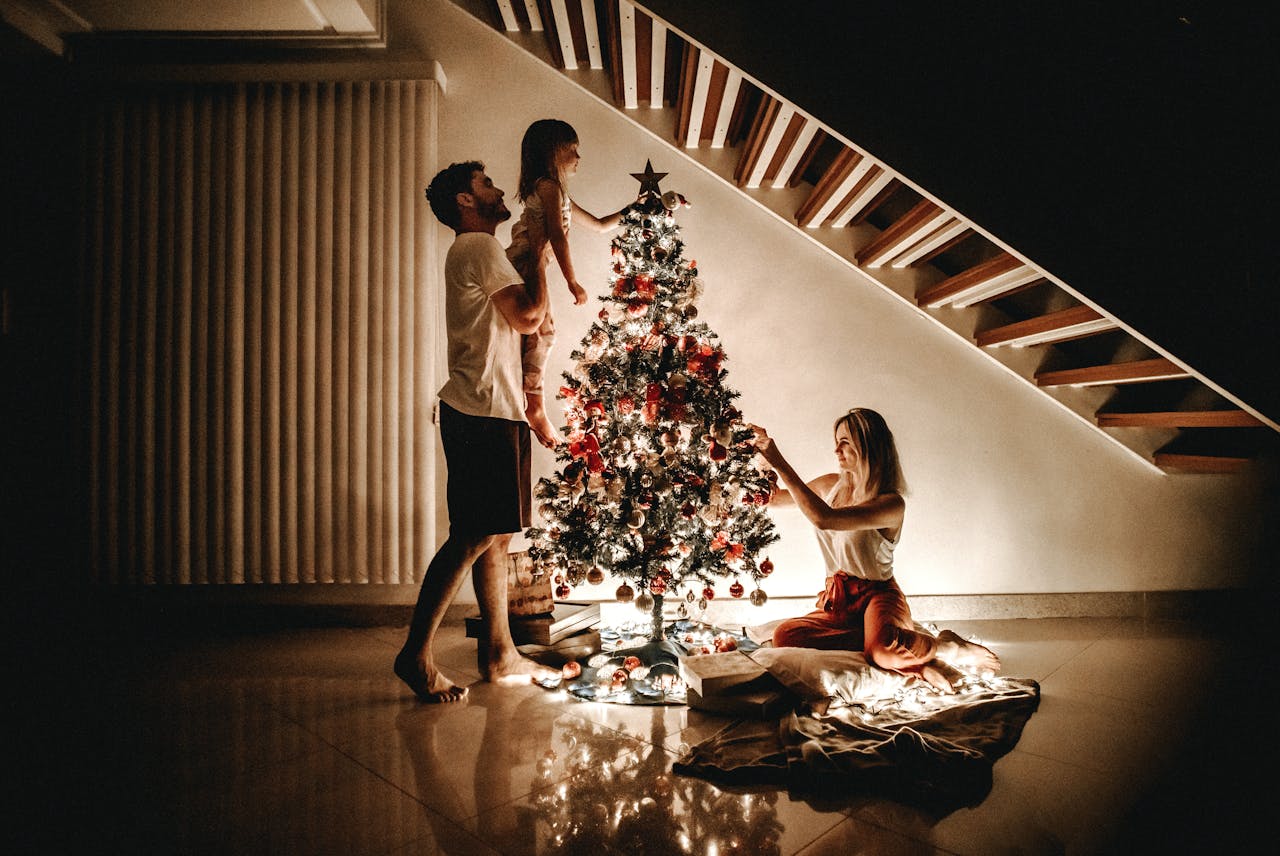
This trick starts on the floor, long before the first bulb reaches a branch. Every strand is plugged in and checked so weak sections show up where they are easiest to fix. A practical rule is to match tree height and strand length, using about one 100 foot strand for each vertical foot of tree. Those who love extra sparkle can layer in more. The goal is a steady, warm glow, not a spotlight that overwhelms the room. Testing everything on the ground also prevents that painful moment when half a strand fails after it has been buried in the branches. With the surprises handled early, the rest of the work unfolds at a calmer, steadier pace.
Gloves And Gear That Make Decorating Less Painful

Comfort matters when working close to sharp needles, and that is where gear makes a difference. Long gardening gloves protect wrists and hands, so decorators can reach deep into the branches without hesitation. The job shifts from cautious poking to confident arranging. Bulbs sit nestled against greenery instead of hanging awkwardly off the tips. That close placement softens the light and keeps strands from slipping. A small investment in gloves saves both skin and patience all season. That small bit of protection often means the decorator can slow down, experiment with placement, and keep refining the shape until the tree feels balanced.
Building The Tree From The Bottom Up

Most decorators find it easiest to begin at the base, where branches are widest and need the most coverage. A strand starts near the trunk, glides outward, then moves down in a gentle path. At the bottom, it reverses and travels back up the next vertical lane. The tree fills in one calm section at a time, like painting in columns. There is no dizzy pacing around the stand, only steady progress and fewer surprises with gaps. This method also gives a satisfying sense of progress, because each lane feels complete on its own. Even if decorating pauses for another day, the finished sections still look intentional instead of half tangled.
A Tree Ritual That Actually Feels Calm

After a season or two, many families find this style becomes their default rhythm. One person tests strands, another handles gloves and branch wrapping, and someone else steps back to spot empty sections. The work feels more like building a scene than wrestling with equipment. When the lights finally switch on, the glow looks rich rather than frantic. What remains in memory is not the hassle of setup, but the quiet satisfaction of getting it right. Over time, that calm process can turn the tree from a source of dread into a marker of stability. The basic steps stay familiar even as children grow and new ornaments appear.