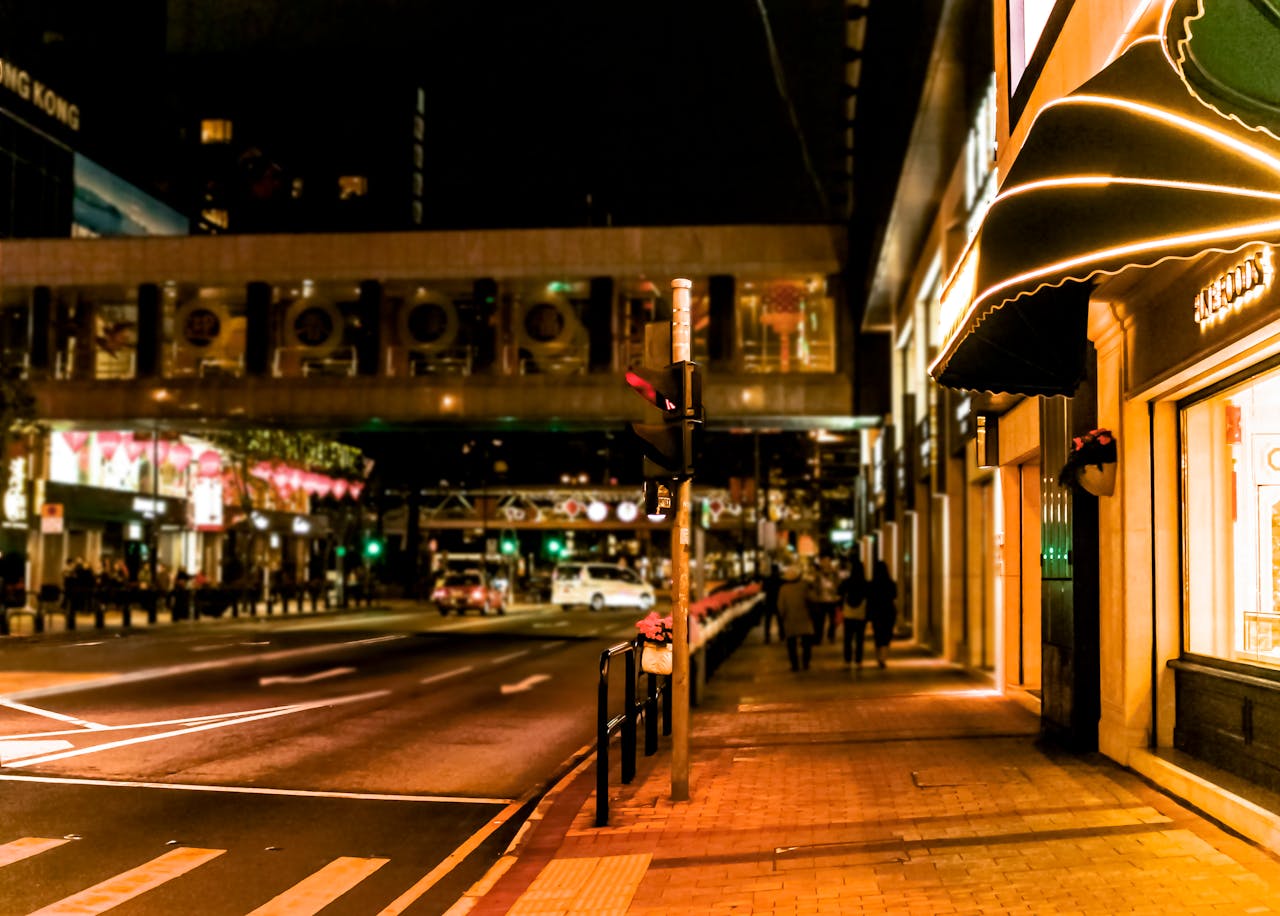
Cities feel friendly at noon and different after dinner, when crowds thin and the background support system goes home.
Police briefings and travel advisors often agree on one thing: night risk is uneven, even inside popular tourist zones.
Higher risk rarely means you will be harmed; it usually means more nuisance problems like snatch theft, scams, or street conflict.
The goal is not fear. It is to make small choices that keep you in well-lit, well-traveled spaces with easy exits.
Think of risk like weather. You cannot control it, but you can read the patterns and avoid getting caught unprepared.
Most trouble starts when people are tired, distracted, and searching for transport or food with their phone out and wallet handy.
A good night plan is simple: know where you are going, how you are getting back, and what you will do if plans change.
This article breaks down the signals experts watch, plus practical habits that help you move confidently without acting paranoid.
Why Night Changes the Risk Map
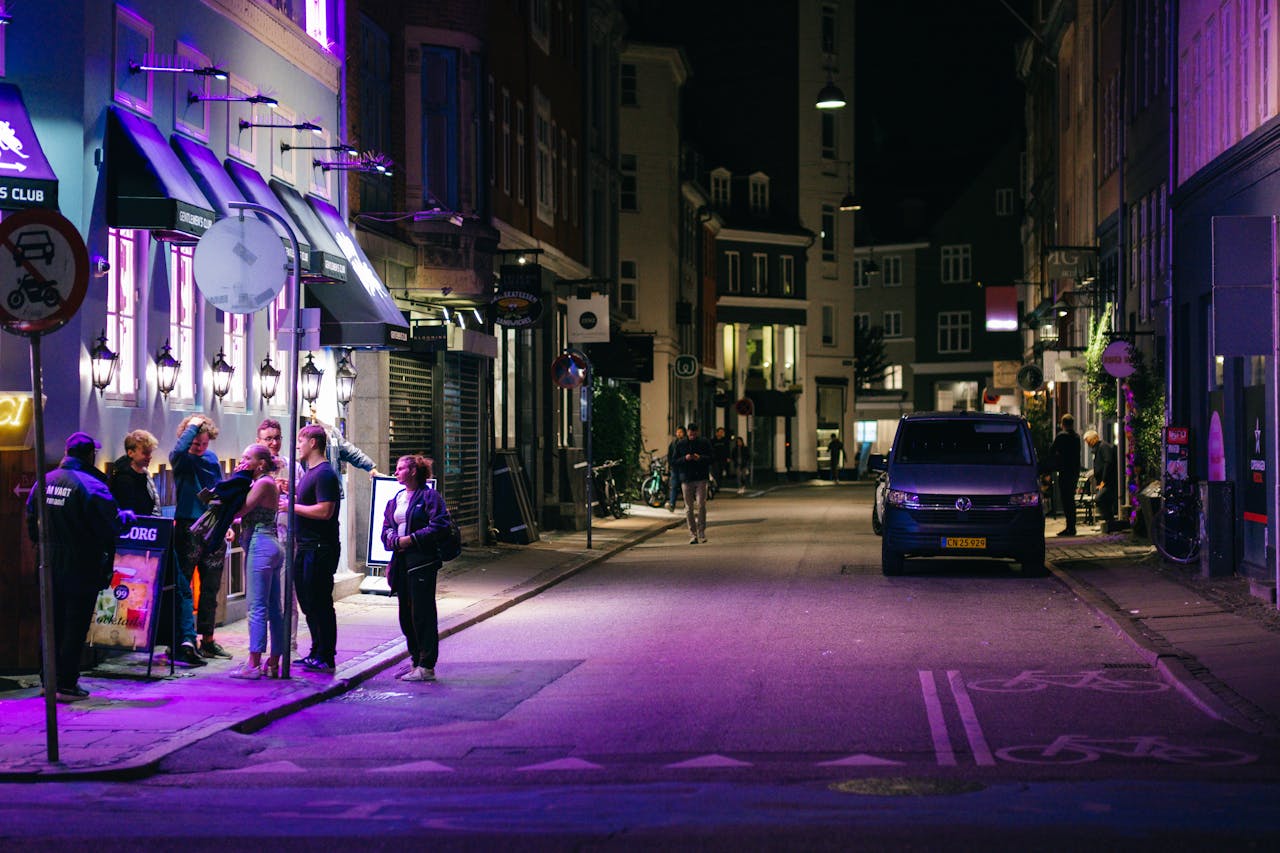
At night, the same street can shift from busy to empty in minutes, which changes how visible you are to others.
Closed shops and fewer passersby reduce natural witnesses, so minor trouble can escalate without quick help.
Alcohol-heavy venues raise noise and arguments, while dim lighting hides hazards like uneven pavement or roaming pickpockets. Plan for that.
None of this means stay indoors. It means choose streets and timings that keep you around people who are going somewhere too.
The Neighborhood Signals Advisors Look For
Advisors often flag areas where nightlife clusters but regular residents are absent, because the mix invites opportunists.
Transit edges matter. Big stations and bus terminals can be safe inside, yet sketchy on the outer blocks after late departures.
Look for long stretches of shuttered storefronts, poor lighting, and narrow lanes that limit sightlines and quick detours.
Another signal is sudden crowd churn, like concert exits or club closing time, when pushing makes bags and pockets easier to hit.
Markets that feel charming by day can become confusing at night if signage disappears and side alleys turn into dead ends.
Street vendors and unofficial guides can be fine, but dense pitches and pressure tactics are a hint to step away and reset.
Police notices may mention repeated theft patterns, such as phones taken during photo stops, or bags lifted in packed queues.
Local staff watch patterns too. If a hotel desk says avoid a certain corner after midnight, take the hint even if it looks close.
How to Read Local Advice Without Panic
Not all warnings are equal, so ask for specifics: which blocks, what times, and what kind of incidents are driving the advice.
Cross-check quickly. If your hotel, a local friend, and an official notice all point to the same zone, treat it as a real signal.
Also separate vibes from facts. A neighborhood can look gritty yet be calm, while a glossy party street can attract quick theft.
Use plain questions like, Is it fine to walk here at 9 pm, or should I take a cab, and you will get clearer answers.
Pay attention to timing language. Many places are fine until last train hours, then problems rise when stranded travelers appear.
Keep your own profile in mind. A solo traveler with a camera reads differently than a family group coming from dinner.
Once you decide, commit. Half-following advice, like walking partway then stopping to check maps, often creates the exact risk you wanted to avoid.
Smart Route Planning After Dark

Plan routes around main arteries, not shortcuts, and prefer streets with open businesses, visible doorways, and steady foot traffic.
Before you leave, pin two return options, like a primary route and a backup, so you are not improvising when you are tired.
Pick meet points that are obvious and bright, such as a hotel entrance or a well-known landmark, not a quiet side street.
Watch the clock for transport cutoffs. Missing the last metro can force expensive rides or long walks through unfamiliar blocks.
If you feel yourself hesitating, stop inside somewhere public, regroup, and then continue with a clear plan rather than drifting.
Habits That Make You a Smaller Target
Keep your phone use intentional. Step to a wall, scan what you need, then put it away, instead of walking with it glowing.
Carry less in one place. Split cash and cards, and keep a second payment method separate so one loss does not ruin the night.
Use bags that close fully, and wear them across your body. Simple closures beat stylish open tops when crowds squeeze in.
Blend in where you can. Loud jewelry, dangling cameras, and shopping bags advertise value and slow you down in tight spaces.
Stay aware of the pressure moments: doors closing, photos, street performances, and ticket lines, where hands naturally drift.
If someone crowds you or bumps you oddly, create space immediately and do a quick check of pockets and zippers without drama.
Transport Choices That Reduce Friction
Choose official transport channels, even if they cost a bit more, because predictability reduces the time you spend exposed.
For taxis, use marked stands or app dispatch, and confirm details before entering so you are not negotiating in the street. If it feels off, skip it.
For public transit, sit near other riders, avoid empty cars, and keep your exit plan ready as the train nears your stop. Stand up early.
If you ride-share, set pickup in a bright spot and wait inside until the car is close, not on a dark curb staring at your phone.
What to Do If Something Feels Off
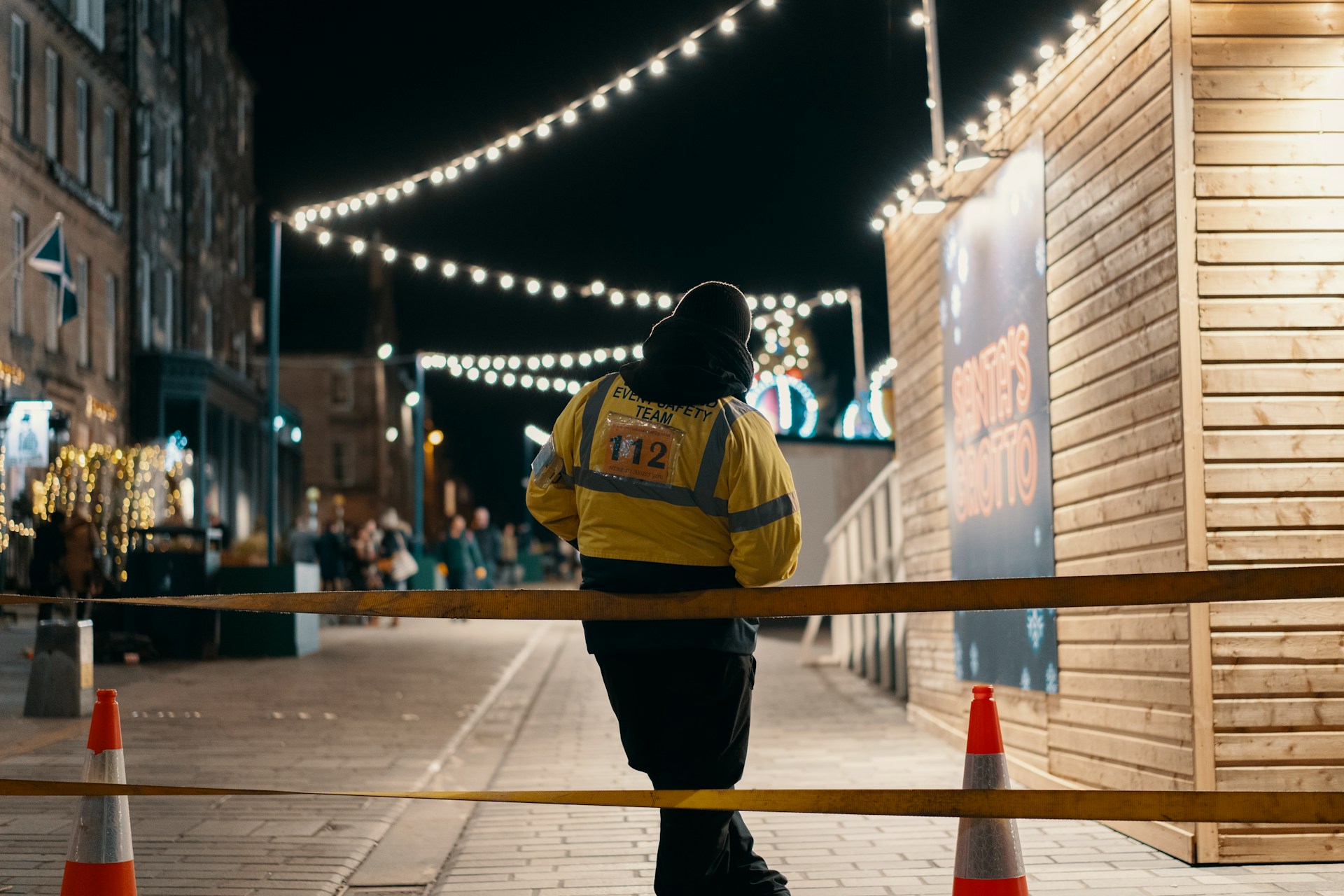
Trust the early signal. If a block feels wrong, turn back, cross to a brighter street, or duck into a staffed shop or lobby.
Do not argue with strangers. Keep your voice calm, move toward people, and call a trusted contact or your accommodation for guidance.
If you are threatened or robbed, prioritize getting to safety and reporting later. Your belongings are replaceable; your well-being is not.
Families, Solo Travelers, and Groups: Different Moves
Solo travelers benefit from tighter routines: earlier dinners, shorter walks, and transport booked before you step outside.
Groups should avoid splitting on the street. Decide meet spots in advance, because confusion makes everyone stare at their phones.
Families can front-load activities and keep evenings close to the hotel, which reduces meltdowns and the urge to rush in crowds.
Whatever your style, the best move is consistent: stay in bright, active areas, and treat local advice as intelligence, not a dare. Have fun, just stay alert.
Night safety comes down to routes, timing, and attention. Stay on bright streets, use official rides, and follow local advice too.