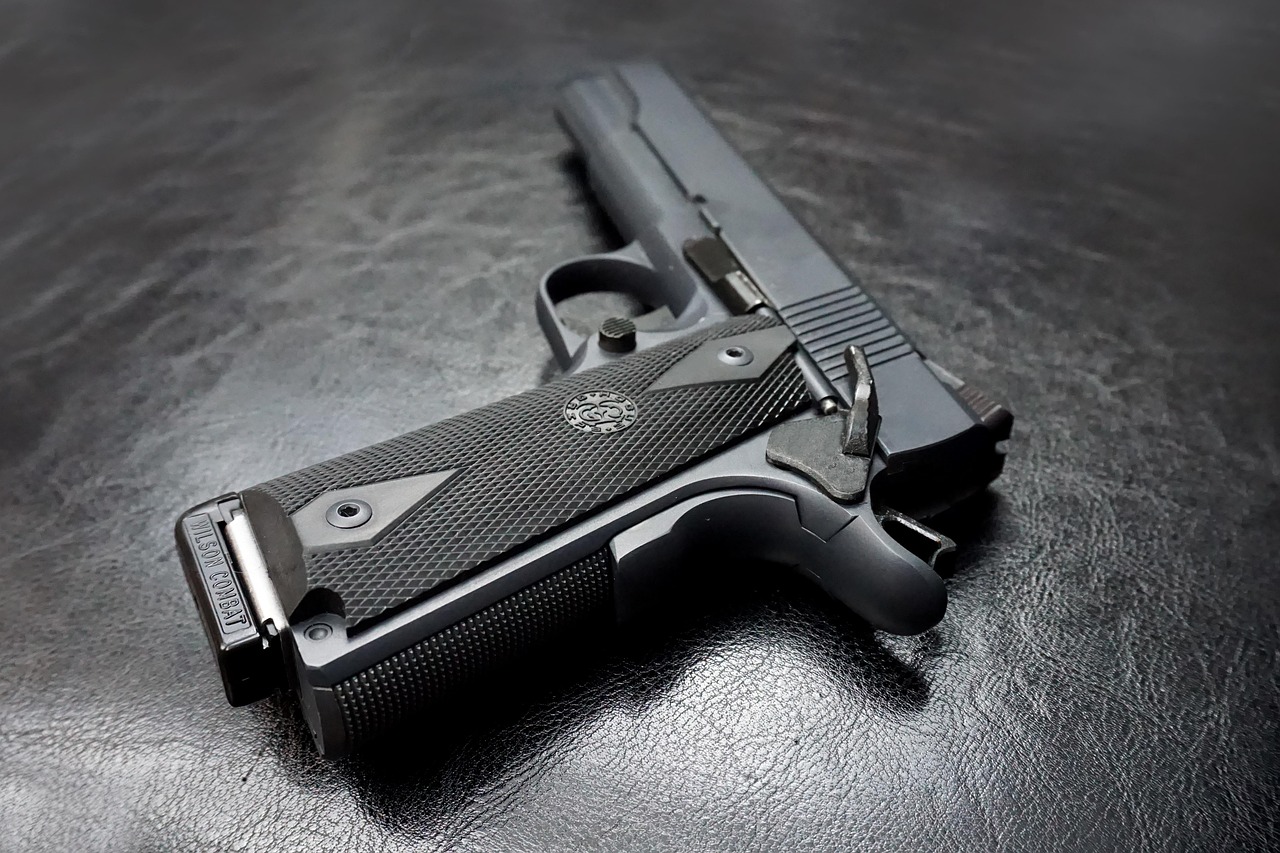
Some firearms fade from conversation long before they fail in function. The pattern is familiar in U.S. shops and ranges: once-trusted sidearms and hunting rifles slide from prime shelf space to quiet used racks, not because they quit working, but because buyer attention moved to lighter frames, optic-ready slides, and modular accessories.
As parts inventories thin and factory focus shifts, confidence drops in a practical way. Owners start asking who still services them, who stocks magazines, who can source small springs five years from now, and whether routine support will still exist when a simple repair is needed.
Ruger P95
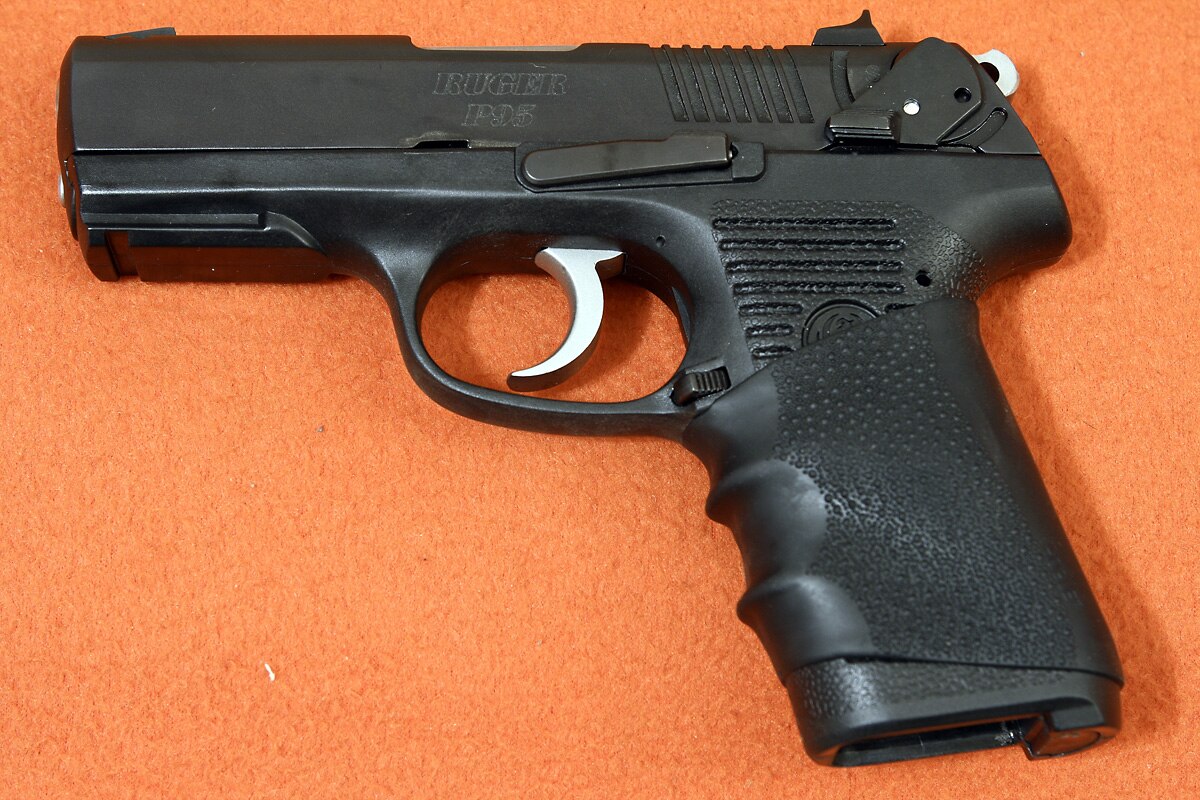
Ruger’s P95 earned its reputation as a dependable 9mm from the late 1990s into the 2000s, and Ruger’s own model history shows P95 variants staying in the catalog through 2013. It was never marketed as elegant, but it handled hard range use with few complaints, and its heavier build often softened felt recoil.
Its decline came when slim carry pistols and optics-ready designs reset buyer expectations. The practical issue now is support depth: fewer shops keep P-series parts on hand, and many newer shooters have never trained on its controls. Reliability is still part of the story, but visibility and long-term support now drive trust.
Smith & Wesson 5906
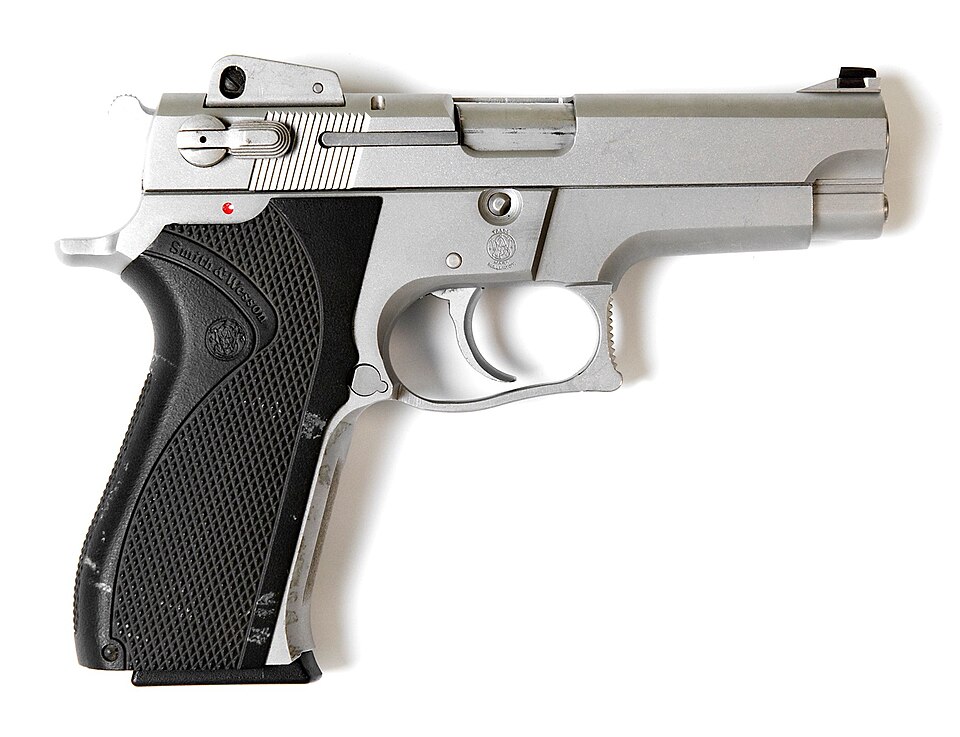
The Smith & Wesson 5906 arrived as a stainless, high-capacity service pistol and became a recognizable law-enforcement sidearm in the 1990s. Its all-metal weight and DA/SA format gave it a steady, predictable feel under rapid fire, which helped it build loyalty across agencies and private owners.
What pushed it out of mainstream talk was not sudden failure but category shift. Polymer striker-fired pistols became the default recommendation, and the 5906 started feeling like a specialist’s choice. As armorers retired and training moved to simpler trigger systems, confidence followed available support more than nostalgia.
SIG Sauer P239
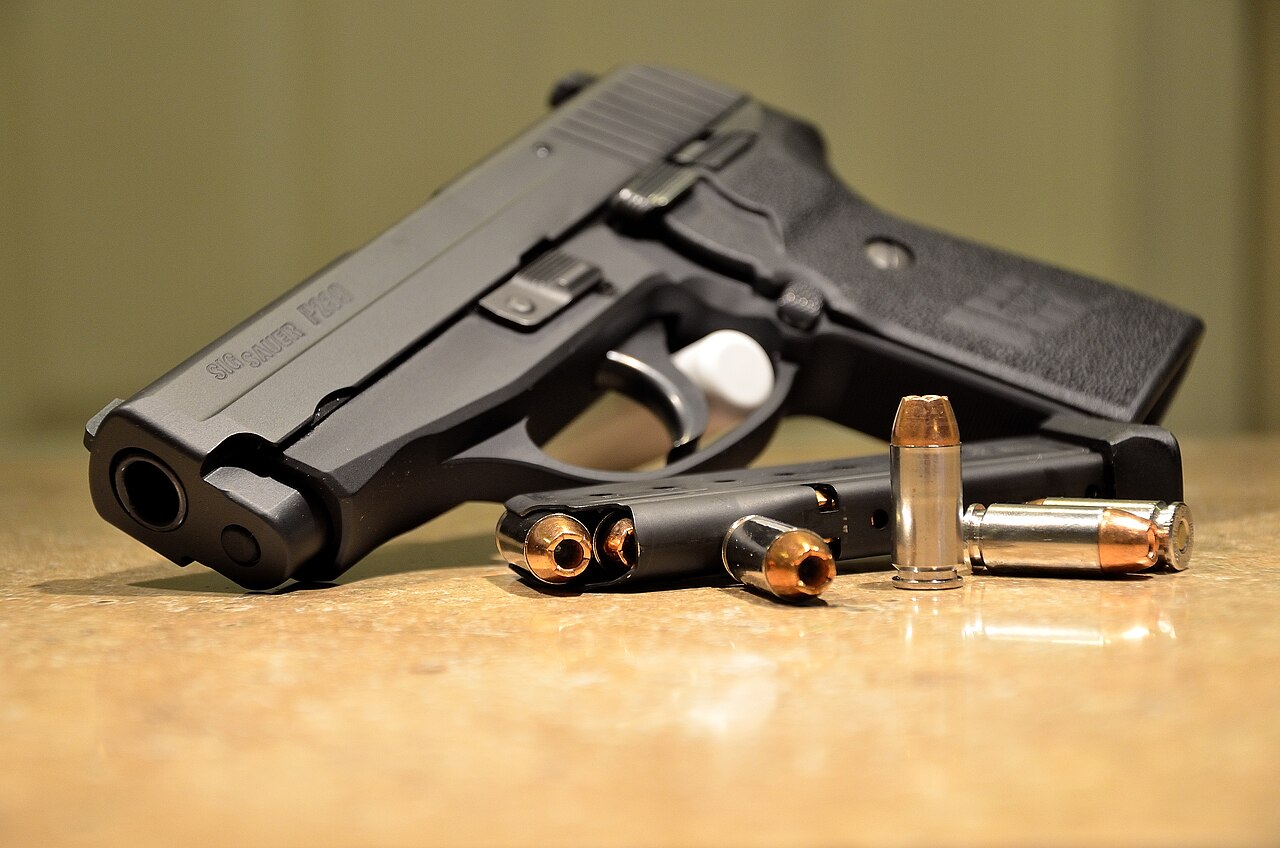
SIG Sauer’s P239 built a strong following as a slim, single-stack carry pistol that still felt like a duty-grade tool. Production ran from the mid-1990s into 2018, and for many plainclothes officers and licensed carriers it balanced concealability with controllability in a way rivals matched at the time.
Its fade tracks with the micro-compact boom. Newer models offered more rounds in smaller footprints, and retail attention moved fast. The P239 remains respected for consistency, but fewer factory accessories, fewer holster options on shelves, and less training familiarity make it harder for new buyers to trust long-term support.
Springfield Armory XD-9
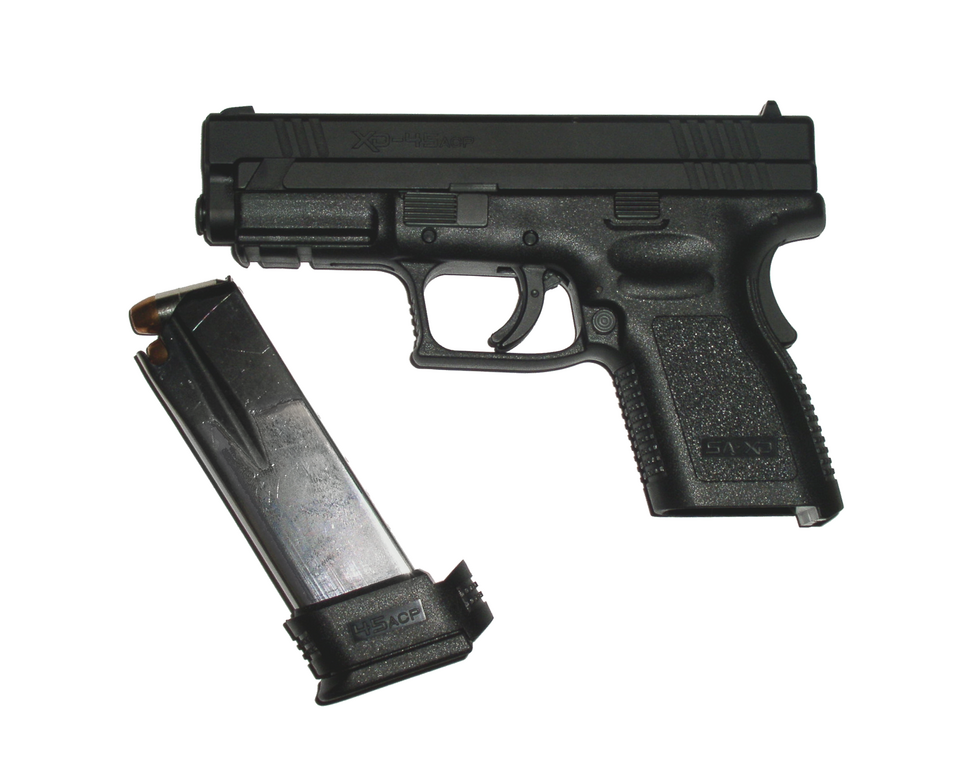
Before today’s crowded polymer market, the original Springfield XD-9 stood out by bringing Croatia’s HS2000 design into U.S. stores in the early 2000s. It gained traction because it felt intuitive, ran reliably for many owners, and arrived at a price point that made first-time buyers comfortable.
Its current problem is not identity, it is momentum. Competitors now advertise cleaner triggers, easier optics mounting, and broader aftermarket ecosystems. The XD still has committed users, yet confidence drifts when buyers worry about future parts pipelines, gunsmith familiarity, and whether local shelves will support the platform.
Remington 742 Woodsmaster

The Remington 742 Woodsmaster was once a familiar semi-automatic deer rifle across American camps, and RemArms records place its production run from 1960 to 1980. It offered quick follow-up shots with classic sporting lines, which made it a practical choice for hunters who preferred speed over bolt cycling.
Its reputation weakened over time as maintenance histories became uneven and many examples aged hard. Today’s hesitation is often about condition uncertainty, parts wear, and service confidence rather than original design intent. When upkeep records are clear, owners still describe it as capable inside normal woods distances.
Ruger M77 Mark II
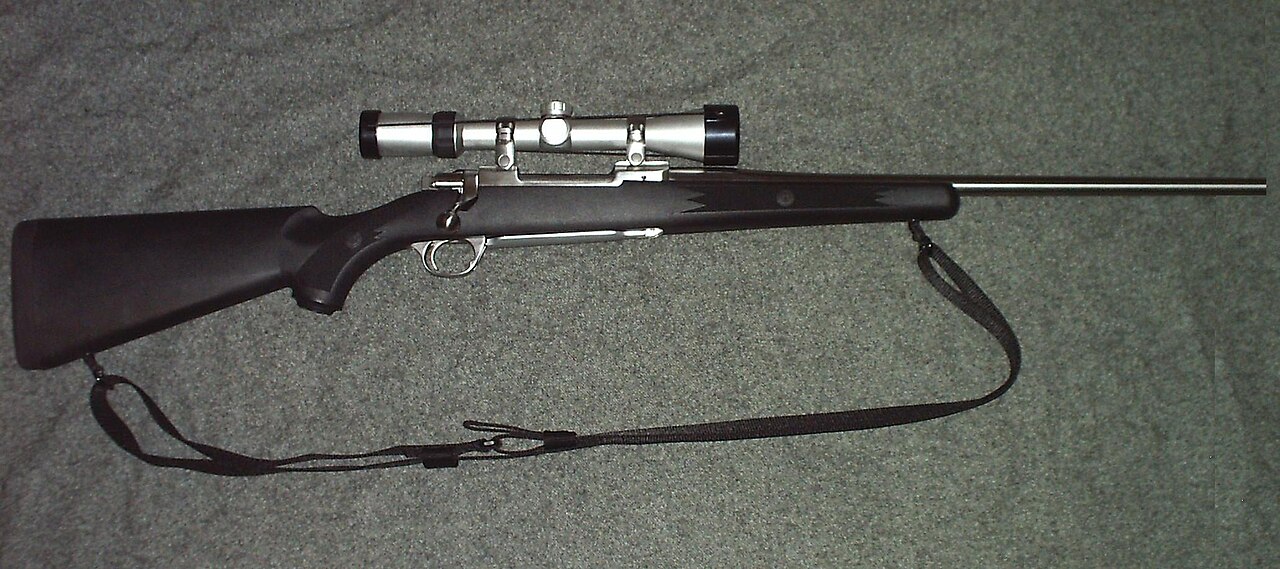
Ruger retooled and reintroduced the M77 as the Mark II in 1991, reinforcing its reputation as a durable, controlled-round-feed hunting rifle with straightforward field manners. For years it represented a dependable buy-once choice for hunters who valued function over constant upgrades.
It receives less conversation now because the bolt-gun market changed around it. New entries promise lighter chassis, detachable magazines, and aggressive pricing, so older classics get less shelf attention. Trust drops when fewer retailers stock model-specific parts or showcase the platform, even though many rifles remain mechanically sound.
Marlin 336
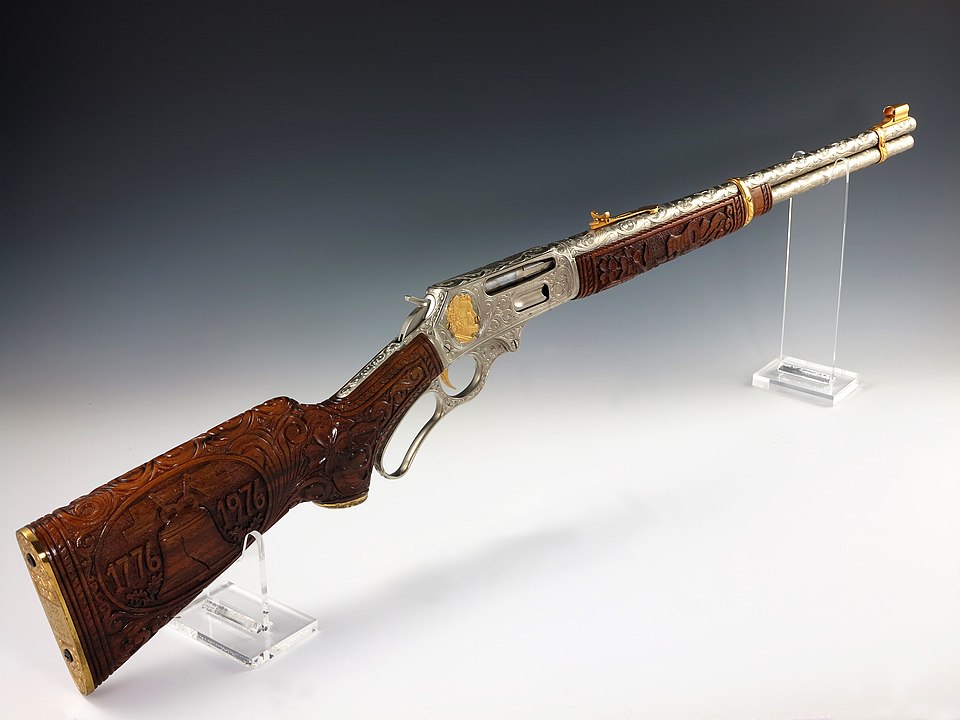
The Marlin 336 has been a core American lever-action since 1948, and it became a default in hunting camps long before tactical styling returned to trend cycles. American Rifleman notes both its long popularity and Ruger’s post-2020 restart of Marlin production after Remington bankruptcy disruption.
That history explains the current trust split. Older pre-Remington examples remain highly sought, while later-era inconsistency stories still shape buyer caution in some circles. The design itself keeps proving useful, but confidence tracks maker-era reputation, parts quality, and who currently stands behind warranty and repair support.
Ruger Redhawk
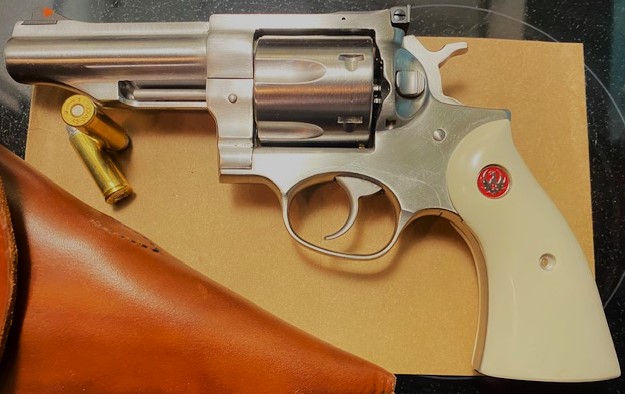
Ruger introduced the Redhawk in 1979, and it quickly became a respected heavy revolver option for shooters who prioritized durability and long service life. The model still exists in Ruger’s lineup, but conversation volume has shifted toward lightweight carry revolvers and high-visibility new releases.
That change creates a support paradox: the platform is proven, yet many new buyers hear less about it, see fewer accessories in standard retail displays, and assume it is outdated by default. Trust often follows what is discussed, stocked, and serviced locally. In quiet categories, even dependable models can look like forgotten ones.