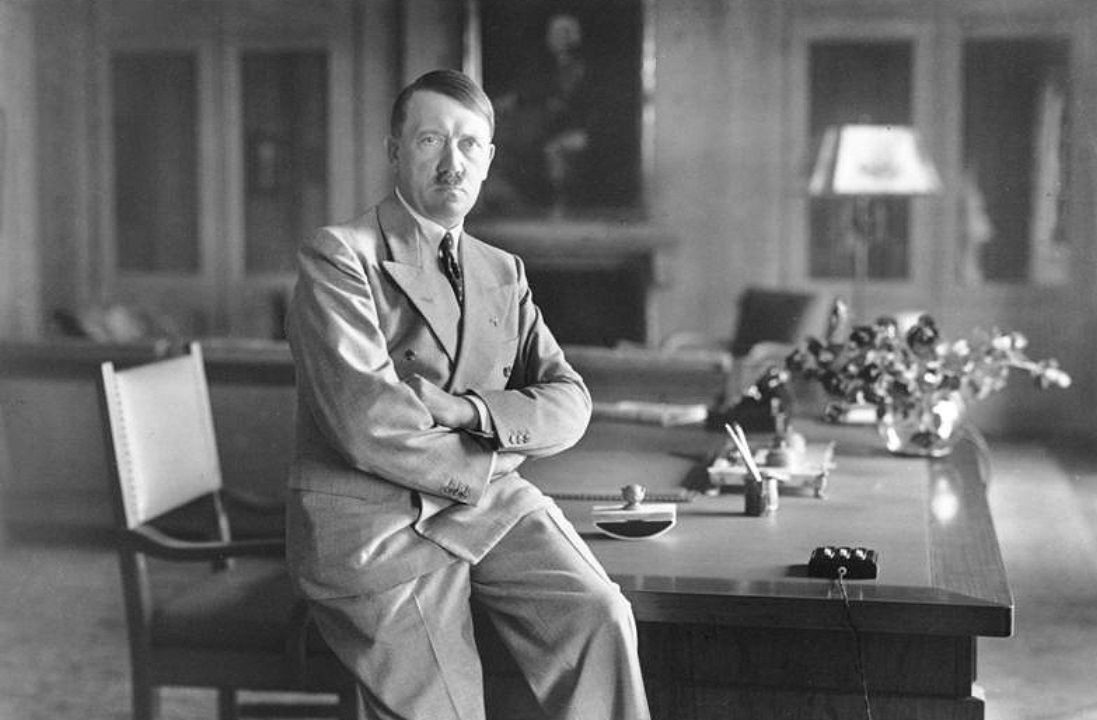
When the Nazi state began reshaping public life, medicine became one of its most powerful tools. Many physicians stepped into the new order believing they were serving national progress, unaware of how quickly that belief would pull them toward decisions that abandoned the core values of their profession. Patients were reclassified as social burdens, paperwork became a weapon, and treatment centers shifted into places where safety no longer held meaning. Understanding how this transformation happened reveals how fragile medical ethics can become when a government rewards obedience over conscience.
Winning Over The Medical Profession

Long before violence reached hospitals, Nazi leaders focused on gaining the loyalty of physicians who wanted influence and stability. Racial theories were promoted as scientific truth, giving ambitious doctors a framework that sounded clinical even when it was deeply flawed. Journals praised policies that isolated people labeled unfit, creating a culture where exclusion felt like professional duty. As careers grew tied to ideology, many physicians stopped imagining themselves as advocates for individuals and instead saw their work as managing the health of the nation. That shift made later decisions feel disturbingly ordinary.
Redefining Patients As Lives Unworthy Of Care
A central tactic of the regime was reframing disabled and chronically ill people as burdens rather than human beings with inherent worth. Doctors were asked to evaluate patients on forms that reduced them to diagnoses, costs, and predicted outcomes. Public messaging framed these evaluations as responsible stewardship of resources. When patients became statistics instead of individuals, it became easier for some doctors to believe that ending a life served a higher social purpose. This mindset eroded the emotional connection that once anchored medical care, and it opened the door for practices that stripped people of protection.
Building The Machinery Of Aktion T4

In 1939, the leadership authorized a secret initiative that directed the killing of institutionalized people with disabilities. Administrators and senior physicians created a system that looked like routine record keeping from the outside. Case files were reviewed, transport orders were signed, and families were told their relatives needed specialized treatment. Each step appeared administrative, yet each step moved a person closer to death. The program killed hundreds of thousands by 1945, and most selections were made by physicians who rarely met the people they condemned.
Turning Hospitals Into Killing Centers

Hospitals chosen for the program were gradually reshaped into facilities that hid killing behind the appearance of care. Doctors oversaw admissions, approved lethal procedures, and documented their observations as if they were ordinary clinical tasks. Buildings were modified to disguise the harm taking place inside, and families received letters claiming their relatives had died of sudden illness. Many physicians later insisted they were following routine practice, but the truth is that they allowed their authority to mask the destruction of lives entrusted to them. Their signatures carried the same weight as the actions themselves.
Extending Medical Killing To Death Camps
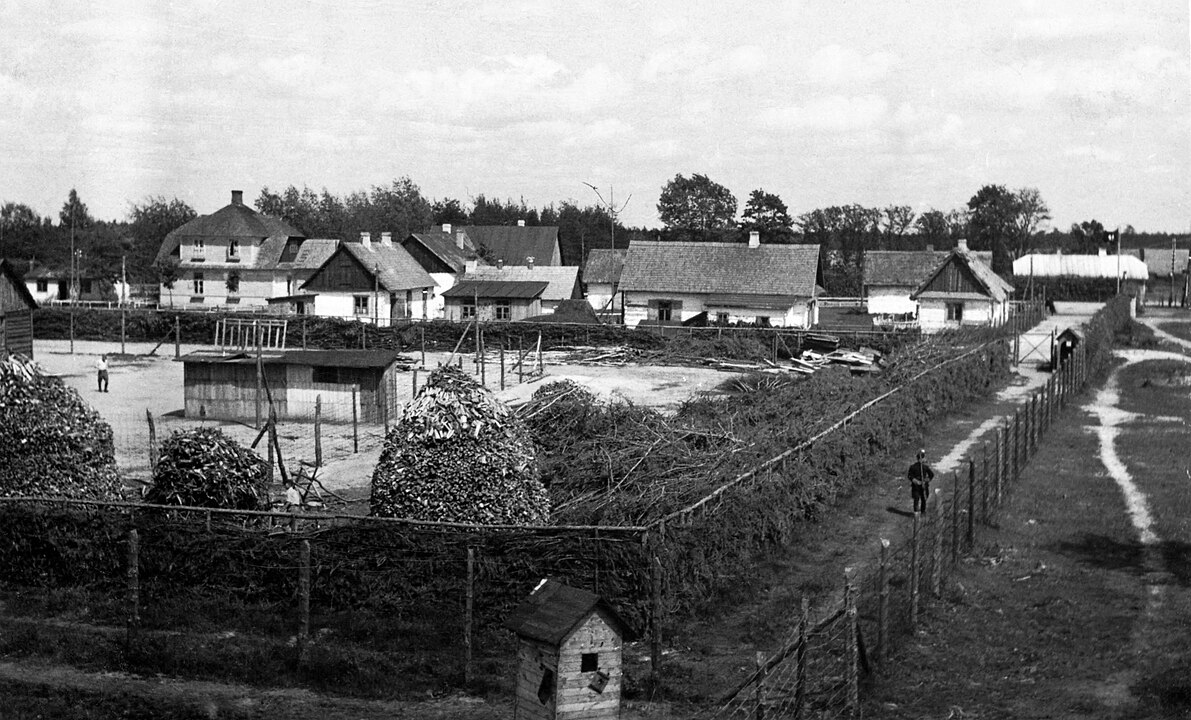
Personnel trained in the euthanasia system were later sent to occupied regions, where their experience shaped early extermination sites. They applied the same bureaucratic habits: intake lists, selection processes, and clinical language that distanced them from the reality of what they were enabling. Doctors who once evaluated psychiatric patients soon stood on arrival ramps deciding who would live and who would not. The familiarity of paperwork and procedure made the expansion of killing seem like an extension of previous work rather than a new moral collapse.
Experiments Disguised As Research
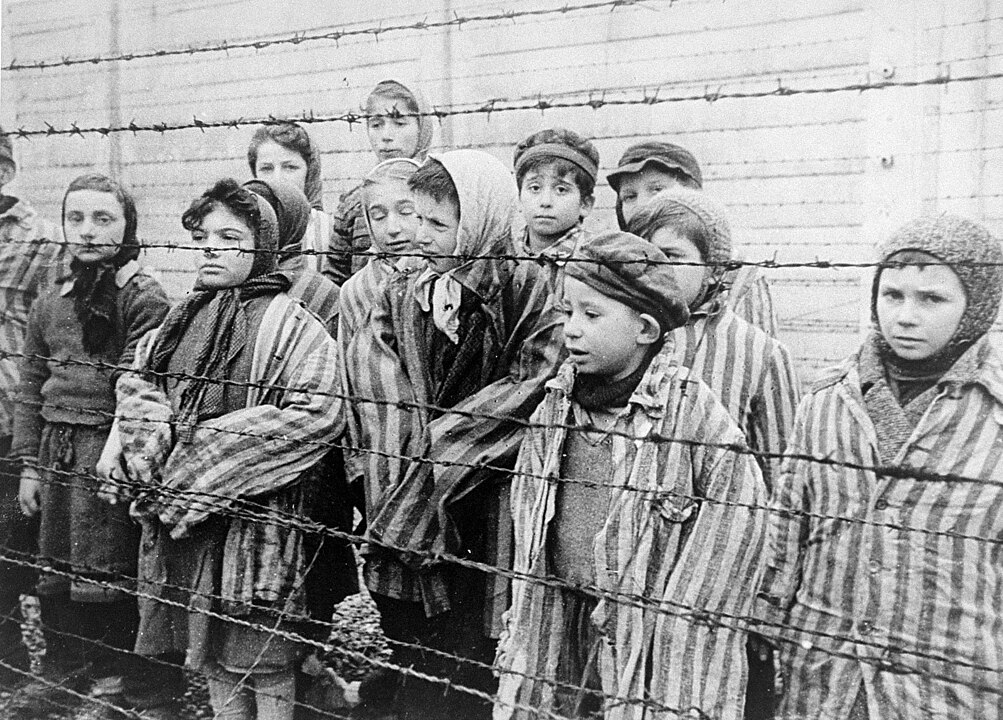
In several camps, physicians conducted experiments that ignored every principle of medical ethics. They exposed prisoners to extreme cold, infections, and dangerous conditions while keeping detailed notes meant to simulate scientific rigor. Some experiments aimed to support military needs, while others reflected personal ambition. Victims suffered severe pain, disability, or death, and none had the ability to refuse. By treating human beings as test material, these doctors demonstrated how easily professional skill can be twisted when accountability disappears and cruelty is reframed as inquiry.
Routine Clinics And Coerced Procedures

Outside the most well-known sites, everyday clinics also absorbed the regime’s ideology. Doctors performed forced sterilizations, approved coerced abortions, and withheld care from people who no longer fit the state’s definition of value. These acts took place in hospitals that once offered genuine healing. The shift was gradual, built through paperwork and policy rather than open violence. Patients entered expecting help but encountered a system that had replaced protection with control. The betrayal cut deeper because it occurred in spaces built on trust.
Acts Of Resistance Within Medicine

Not every doctor accepted the new order. Some quietly adjusted diagnoses to protect vulnerable patients. Others delayed transfers, hid individuals in crowded wards, or refused to sign forms even when it risked their careers. A handful spoke out publicly, drawing on moral or religious convictions that held firm when professional pressure intensified. Their efforts did not stop the machinery, but they demonstrated that choice still existed. Their actions remind us that resistance often begins with one person refusing to let fear dictate their ethics.
The Aftermath And The Struggle For Accountability
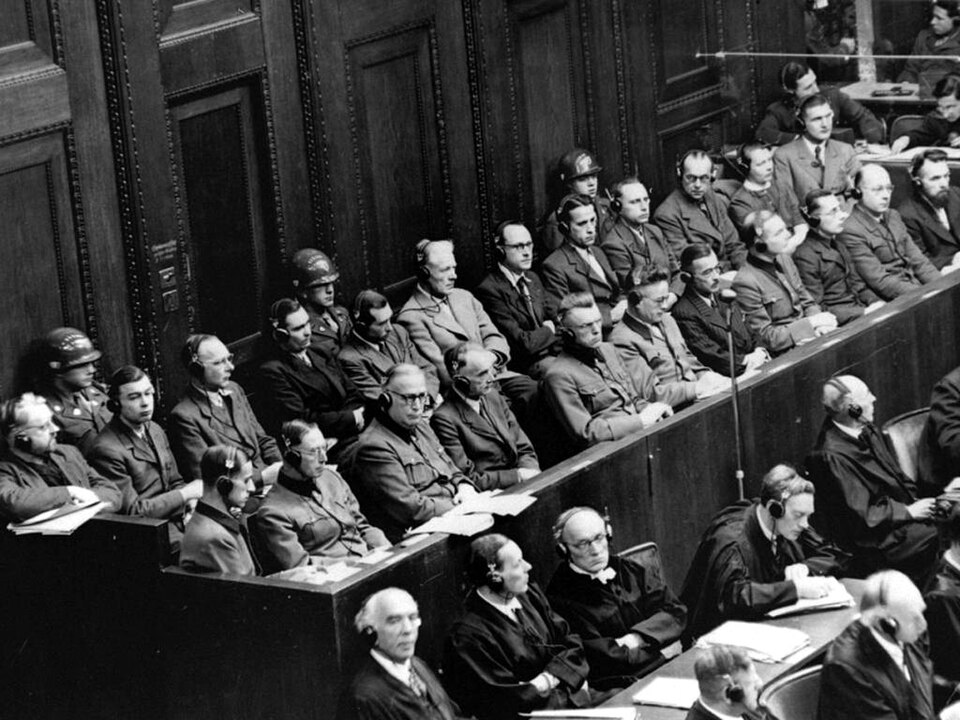
After the war, several senior physicians faced trial for their roles in killing programs and unethical experiments. Testimony revealed how easily ordinary procedures had been repurposed to serve destructive aims. New standards for medical ethics emerged, emphasizing consent and the protection of individuals. Yet many lower-level participants returned to work with little scrutiny. The uneven accountability that followed continues to shape debates about responsibility, showing how important it is for societies to confront wrongdoing openly rather than burying it in silence.