
Engineers love elegant machines, and they hate gear that looks smart but collapses under real-world grime, stress, and haste.
This isn’t a culture-war take. It’s a look at design decisions that turn simple mechanics into needless failure points.
A firearm is a chain of small systems: controls, feeding, ignition, and heat management all arguing for attention at once.
When one link is awkward or fragile, users compensate with bad habits, and that is where safety and reliability slip.
Some flaws come from chasing low cost. Others come from chasing novelty, or trying to look futuristic on a shelf.
Good designs assume cold hands, gloves, dirt, sweat, and adrenaline, because those conditions are normal, not rare.
Bad designs assume perfect ammo, perfect maintenance, and perfect technique, then blame the shooter when reality disagrees.
So let’s talk about the patterns that make engineers sigh, even when the gun technically works on a clean bench.
Safeties and triggers that invite confusion
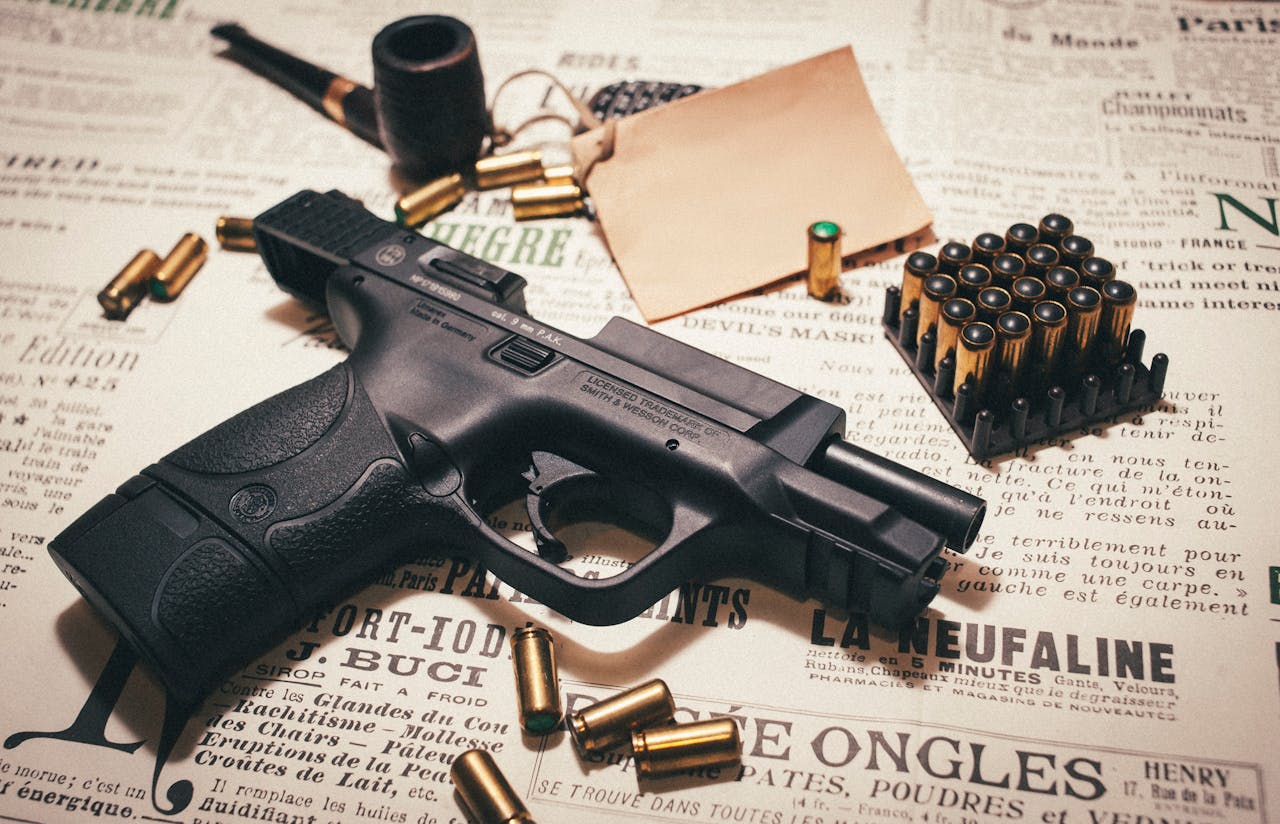
A safety you can’t feel or see clearly becomes a guess, and guessing is the last thing you want in a high-stress moment.
Ultra-light triggers can feel impressive, but weak drop protection raises the chance of an unintended shot. That trade is rarely worth it.
Decockers and safeties that share shapes confuse new users. Under pressure, even experts can lose time verifying the state.
If a control needs a manual to explain its state, the design already failed the basic human-factors test.
Controls placed for drawings, not hands
Tiny levers and buttons look sleek in a render, yet they vanish when you add gloves, rain, or a shaky grip.
A slide stop that’s hard to reach forces awkward thumb gymnastics, and those contortions can change recoil control.
Sharp edges on controls chew up skin during long practice sessions, and they snag on clothing at the worst times.
Ambidextrous parts sometimes mirror the problem instead of fixing it, doubling the clutter without improving access.
When the magazine release sits where your grip naturally presses, surprise drops happen, and confidence goes with them.
Controls that move in odd directions break muscle memory, especially for people trained on more common layouts.
Overly stiff springs in levers and safeties feel secure, but they often make the gun slower and more fatiguing.
A control scheme should be boring and consistent, because boring is what stays reliable when your brain is busy.
Heat and gas that punish the user
Short gas systems can be lively and compact, but they may dump more heat and fouling into the action.
When hot gases vent near the support hand, comfort drops fast, and shooters start changing grips to cope.
Aggressive muzzle devices can reduce rise, yet they also redirect blast and noise back toward the shooter and team.
Handguards that heat up quickly turn long strings into a juggling act, and they push users toward gloves as a crutch.
Poorly managed blowback sends grit and irritation toward the face, especially in tight spaces or with certain setups.
Materials matter here. A polymer part next to a hot surface can soften over time and drift out of spec.
Engineers want thermal margin, because people won’t pause to let a system cool. If practice feels punishing, practice shrinks.
Feeding systems that are allergic to dirt
Magazines are consumables, but some designs treat them like precision jewelry that can’t tolerate small dents or grit.
Weak feed geometry can turn a tiny speck of dust into a stoppage, because the round loses guidance at the wrong angle.
Odd magazine shapes may save space, yet they often complicate spring life and follower stability over long use.
A design that relies on perfect, clean stacking of rounds is betting against the real world every single day.
When tolerances stack between mag, catch, and frame, the feed height shifts, and reliability becomes a lottery.
Maintenance that feels like a ritual

If takedown requires tools or three hands, people delay cleaning, and that delay compounds wear and fouling.
Pins that aren’t captive love to disappear, and tiny springs love to launch themselves toward the darkest corner.
Parts that only fit one way but offer no clear alignment marks waste time and encourage forced assembly.
A smart layout makes it hard to reassemble wrong, and it keeps critical pieces protected during routine stripping.
Designers who hide grime traps create false confidence, because the gun looks clean while the nasty parts stay buried.
If a basic field strip feels stressful, the system is telling you it was never designed for regular humans.
Tight tolerances that crumble outside the lab
Over-tight fits can feel premium in the hand, but they often lose reliability the moment dust, carbon, or dried oil shows up.
When a design has no slack, small manufacturing variation adds up. The gun becomes picky about ammo, lube, and cleaning.
Thin parts save weight, yet they can crack after repeated stress cycles. Heat and vibration speed that fatigue.
Engineers aim for forgiving geometry, because a dependable machine should degrade gracefully, not fail suddenly.
Proprietary parts that trap owners
Nonstandard magazines and mounts lock users into a single supply chain, and that makes simple logistics a headache.
Unique interfaces can be fine, but they should solve a real problem, not just block compatibility for branding.
When every replacement part is special, downtime rises, and the gun stops being a tool and becomes a project.
Marketing-first features that backfire

Porting and vents can look aggressive, but they add blast and debris in your face. On indoor ranges, that annoyance becomes real.
Accessory surfaces add bulk and snag points, then tempt people to bolt on weight. The result is a tool that handles worse.
A feature is only good if it stays good when dirty, tired, and rushed, because that’s when you learn what matters.