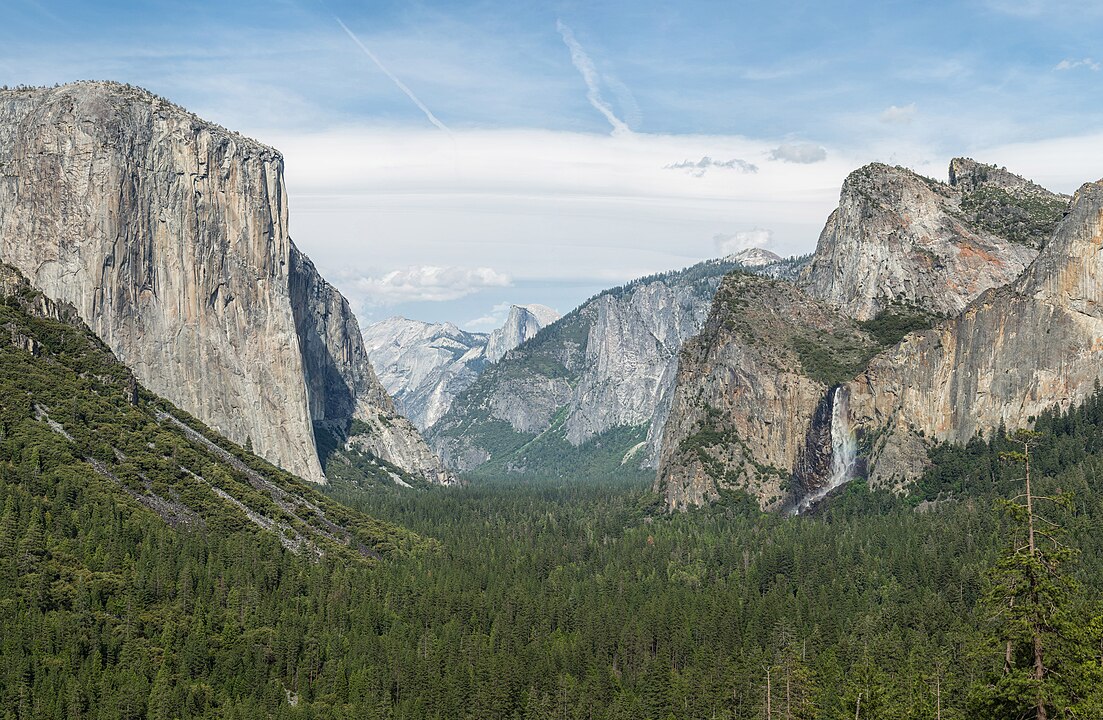
Yosemite has always balanced awe and risk, with sheer granite walls that feel timeless yet constantly change. Now one of its most recognizable formations, Royal Arches, is quietly telling a new story. A widening fracture nicknamed Super Natural has forced climbers, rangers, and geologists to watch the cliff more closely. The crack is tiny on the scale of the wall, yet its behavior hints at a larger shift, as granite that once felt immovable now begins to sound restlessly alive.
Super Natural: A Crack With A Story

The fracture now called Super Natural was first spotted in 2023 by a climbing guide studying the western face of Royal Arches. At that point it was roughly one inch wide and about 200 feet long, already large enough to unsettle those who know granite well from years on its walls. By August 2024, parts of the crack had swelled to nearly four inches. What began as a thin line in a topo photo has become a feature that demands constant attention and humility.
Royal Arches And Exfoliating Stone

Royal Arches earns its name from sweeping curves carved into the cliff by a process known as exfoliation. Over long stretches of time, pressure changes and daily temperature swings cause outer shells of granite to peel away in broad, graceful slabs. The same slow force helped sculpt Half Dome and neighboring walls. Super Natural fits neatly inside this story, a fresh reminder that the valley’s most elegant shapes were born from slabs letting go.
Climbers As Early Warning System

Climbers often notice subtle changes before anyone else, because they move close to the rock and return season after season with tuned instincts. When regulars reported the unfamiliar fracture near the route Super Slide, the concern was not just its length but the way it seemed to evolve between climbs. Photos showed hairline shifts and fresh dust along the crack. Their unease turned a curious line in the stone into a shared warning for everyone below.
A Pillar Quietly Pulling Away

Park geologists soon realized that Super Natural had partially detached a large pillar from the main wall of Royal Arches. That single finding changed the tone of every conversation. A freestanding block can cling in place for years or fail in one sudden roar, and no one can promise which outcome will arrive. If it lets go, shattered granite could funnel down classic routes, talus slopes, and a section of the valley’s cherished loop trail.
Listening To A Moving Cliff

During a 2024 visit, a geologist and climbing ranger reported eerie sounds drifting from deep within the fracture. They described cracking like an unsteady frozen lake, with sharp notes that seemed to travel inside the stone rather than across its surface. Small chips of granite rattled down through the gap without being touched. For a scientist with many years in Yosemite, it was a rare chance to hear a cliff actively renegotiating its own shape.
Yosemite’s Long Memory Of Rockfall
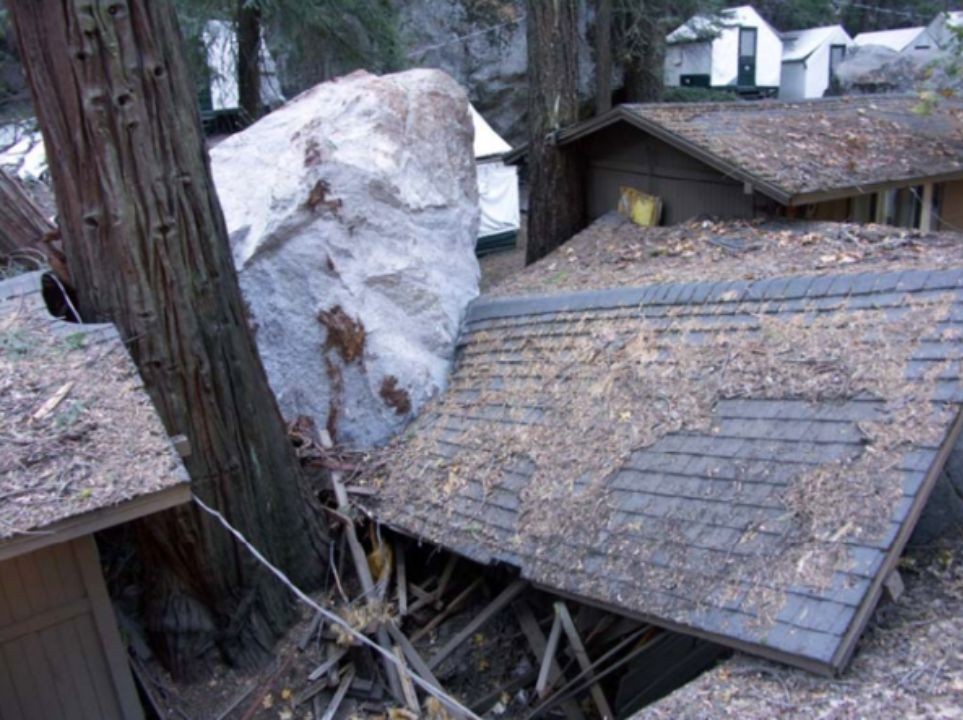
Rockfall is not an exception in Yosemite; it is one of the main forces that carved the valley and continues to reshape it in quiet, decisive moments. Records describe more than a thousand documented rockfalls in roughly 150 years, many of them dropping into the very views that end up on postcards and calendars. Royal Arches has shed slabs before, just as neighboring cliffs have. Super Natural simply peels back the illusion that this landscape is fixed.
Closures, Detours, And Empty Routes
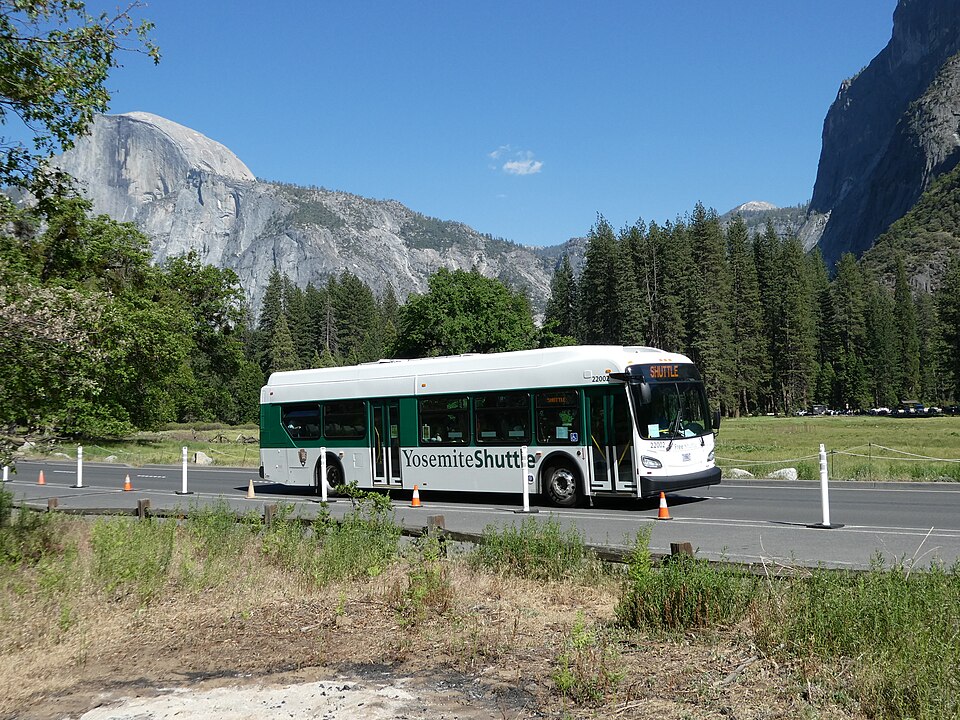
Once the scale of the detached pillar became clear, officials moved quickly to close several climbing routes and a short stretch of the Yosemite Valley Loop Trail beneath Royal Arches. Signs, ropes, and a simple detour now steer hikers out of the potential fall zone, while guidebooks and apps adjust in real time. For some visitors, the empty walls and quiet trail section feel disappointing. For others, the closures highlight how thin the margin of safety can be.
Balancing Safety And Yosemite’s Appeal

Yosemite draws millions each year, from families strolling the meadows to climbers chasing long routes that trace the valley walls. All of them share the same exposure to gravity and stone. Managers now face the delicate task of protecting that experience while respecting a fracture that does not care about schedules or reservations. Super Natural forces fresh conversations about how much uncertainty is acceptable in the busiest corners of a granite cathedral.
Science, Sensors, And Careful Watching

For researchers, the Royal Arches crack has become a natural laboratory hanging high above the valley floor. Repeat photographs, laser measurements, and regular field visits help track whether the pillar is relaxing, accelerating, or holding steady. Each data point adds to a growing picture of how water, heat, and internal stress work inside steep granite. Those insights will shape future hazard maps and closure decisions long after this particular crack finishes its story.