9 Pop Culture Echoes That Show 2005 Never Died

he_Buzzcocks
Robman94, Own work, CC BY-SA 4.0/Wikimedia Commons
Emo hooks, low rise jeans, flip phones, and endless reboots keep 2005 alive, looping its messy charm through playlists, screens, and style.

Pop culture rarely grants a clean goodbye, and 2005 might be the most stubborn proof. The year’s mix of mall emo, teen dramas, gossip blogs, and chunky tech lodged itself so deeply in memory that newer platforms keep dragging it back into view. What began as low-res selfies and ringtone hooks now returns as curated nostalgia, high fashion, and prestige TV structure. Underneath the jokes about side bangs and MySpace angles sits something quieter: the urge to revisit the last era before smartphones rewired daily life.

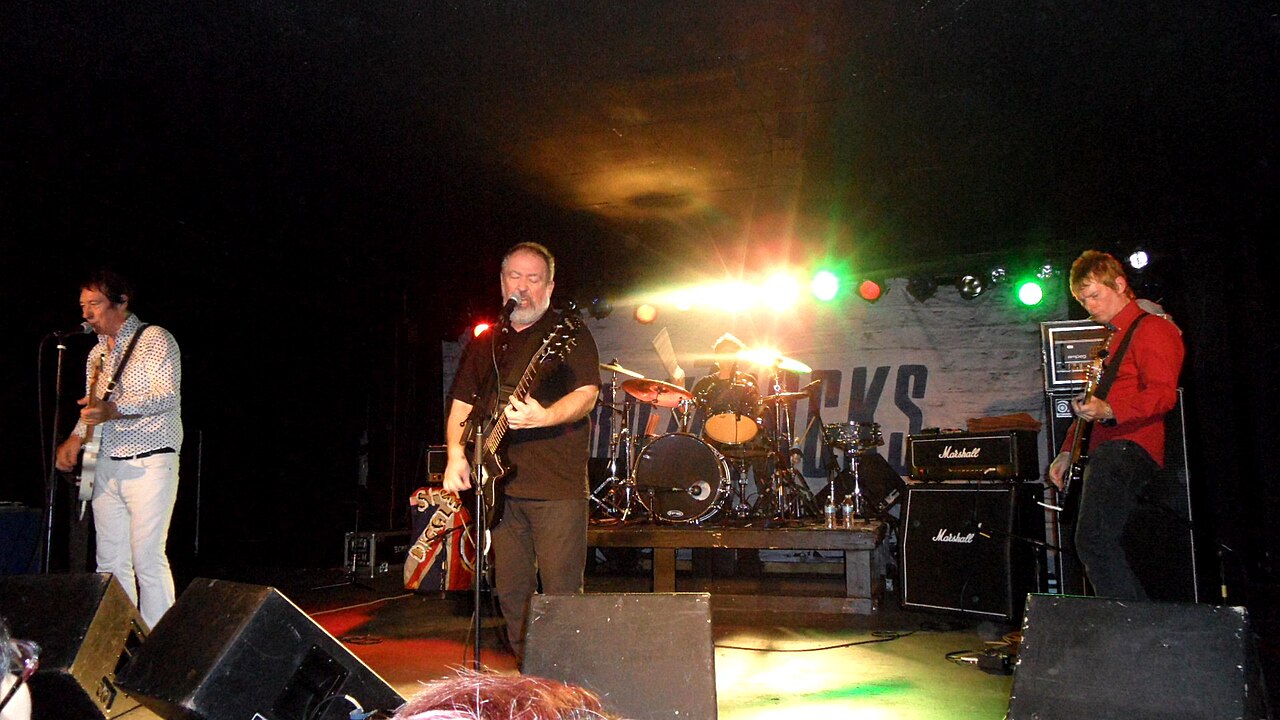
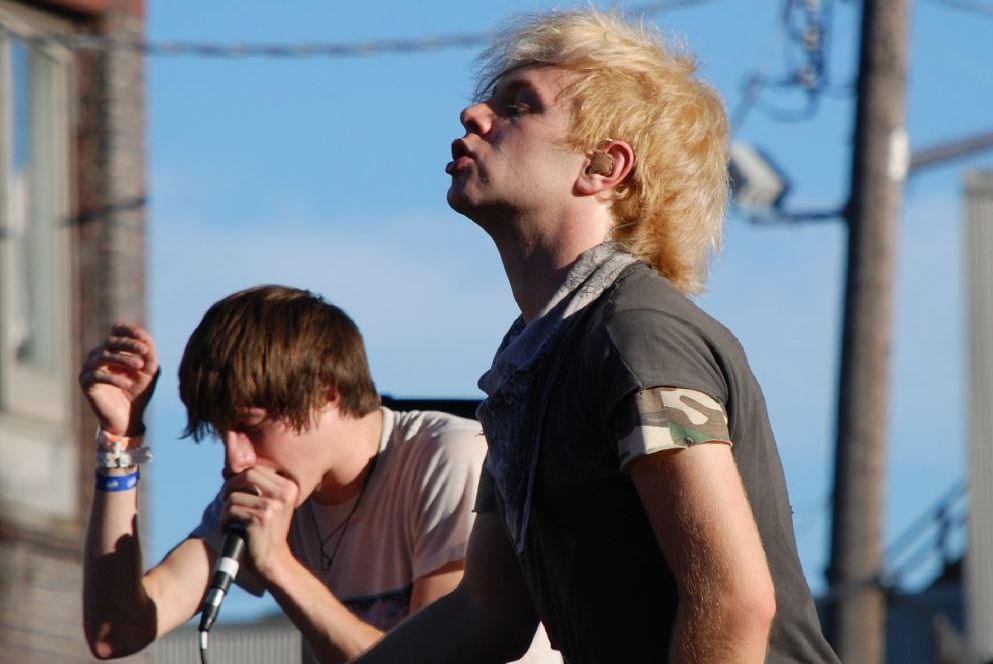
Emo Revivals And Mall-Punk Tours
The_Blood_Brothers_
Alex Blackstock, CC BY 2.0/Wikimedia Commons

Skinny jeans, graphic band tees, and smudged eyeliner keep circling back, proof that the 2005 mall emo kid quietly won. Pop punk and emo tours reunite bands once discovered on burned CDs with fans who now plan childcare before the show, yet still yell every lyric. Streaming playlists stitch legacy acts beside new artists who borrowed their chord progressions and melodrama. The revival feels less like costume and more like emotional shorthand, turning teenage angst into grown up catharsis whenever a familiar chorus crashes over a crowd.

Low-Rise Comebacks And Tabloid Glamour

fashion
Mizuno K/Pexels

Low rise jeans, shiny belts, and logo bags keep slipping from runway mood boards into street style, dragging mid 2000s nightlife back into focus. Designers remix velour tracksuits, micro minis, and metallic heels with sharper tailoring so the look reads as memory instead of parody. Oversized sunglasses, frosted gloss, and loud hardware echo paparazzi shots once ridiculed on gossip blogs. Now that same aesthetic feels like armor from a harsher tabloid era, reclaimed with humor by people who remember learning hard lessons about body image under cruel flashbulbs.

Reboots That Refuse To Let Stories End

movie franchise
Craig Adderley/Pexels

Film and TV franchises that defined mid 2000s evenings still refuse to leave the stage, returning as sequels, prequels, and polished revivals. Streaming services lean on those worlds as reliable comfort viewing, while new series borrow their banter, pacing, and season arcs almost by instinct. Even creators who claim to be tired of nostalgia end up writing office jokes, slow burn romances, and messy friend groups that echo 2005. Viewers who first watched on boxy televisions now share favorite episodes with younger relatives, turning rewatches into a shared language across generations.

MySpace Energy In Modern Social Feeds

glitter graphics
KoolShooters/Pexels

The MySpace era survives every time a social app leans into glitter graphics, heavy filters, and dramatic camera angles that look self aware on purpose. Short clips copy the old webcam confessional, just with cleaner cameras and ring lights, while profiles still behave like collages of music tastes, crushes, and shifting moods. Even close friends lists quietly echo top eight anxiety from 2005, reshaped with softer branding. What once looked messy or unpolished now reads as deliberate style, turning teenage experiments in self presentation into a visual template that platforms keep recycling.

Ringtone Rap Reborn As Viral Hooks

Wendelin Jacober/Pexels

The age of ringtone rap never really ended; it simply migrated from flip phones to streaming snippets and dance challenges. Mid 2000s hits were built around compact hooks that sounded good on tiny speakers, and the same logic now drives songs engineered for social clips. Producers strip tracks down to one chantable line, a drum pattern, and a movement that can loop easily. Artists who once sold polyphonic versions of their singles now watch younger acts chase that same minimal formula, proving that culture still prizes a bold hook over everything else.

Teen Dramas And Reality Templates

teen drama
cottonbro studio/Pexels

Mid 2000s teen dramas and glossy reality shows sketched a blueprint that newer series still follow, even when pretending to reinvent the genre. Coastal mansions, confessional narration, and carefully staged friendship implosions remain reliable ingredients, whether the cast wears polos or designer streetwear. Prestige projects now borrow that grammar, blending documentary style interviews with soap level stakes so viewers can feel both irony and sincerity at once. The result is a storytelling language born from 2005, where privilege, heartbreak, and petty fights all play out under curated soundtrack cues.

Blogs Rewritten As Influencers And Newsletters

personal blogs
Ken Tomita/Pexels

Personal blogs and early gossip sites trained audiences to expect ongoing commentary, and that habit lives on in influencers, podcasts, and newsletters. Long posts about outfits, breakups, or niche obsessions have simply become story dumps, vlogs, and subscriber essays that echo LiveJournal confessions with better typography. The snarky, conversational voice refined in comment sections still shapes how culture gets summarized, whether on social captions or roundups. Influencers now act like the main characters of old blogrolls, turning daily life into a serialized narrative that feels strangely familiar to anyone who refreshed feeds in 2005.

Remastered Games And LAN-Party Ghosts

CRT Monitors For Retro Gaming
MART PRODUCTION/Pexels

Video game libraries keep remastering titles that once filled dorm lobbies and internet cafés, inviting players to revisit pixelated battlefields with smoother textures. Publishers package upgraded graphics with original soundtracks, collapsing time for anyone who remembers those themes bleeding from shared speakers late at night. New releases still echo mid 2000s design, from cover based shooters to sprawling open worlds filled with side quests and grindy progress. Group chats and online lobbies now host the same trash talk and inside jokes that once circled wired controllers, keeping those old LAN party ghosts alive.

Flip Phones, Chrome UIs, And Retro Tech
Retro Video Games and Consoles
Pavel Danilyuk/Pexels

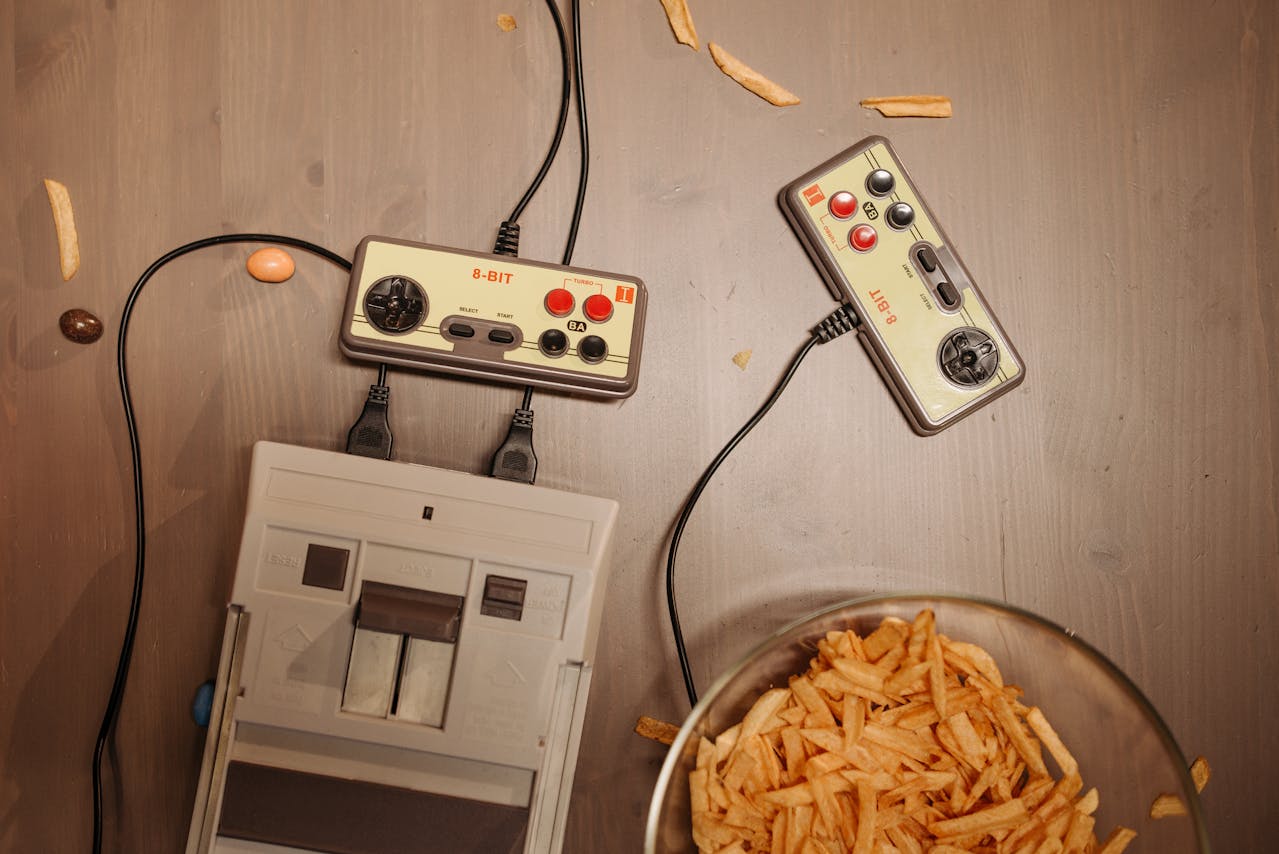
Mid 2000s tech aesthetics keep resurfacing as fashion props, concept devices, and nostalgic skins for operating systems. Foldable phones revive the snap of a clamshell closing, that tiny moment of finality once used to end calls with emphasis in crowded hallways. Designers borrow chrome gradients, rounded icons, and brushed metal textures that once framed music libraries and photo folders, turning default interfaces into retro styling. Even minimal smartphones nod to that era, offering compact models that feel like an echo of the time when pockets held fewer notifications and more silence.


1 Shares:
You May Also Like
Read More

12 Misunderstood Nursery Rhymes With Dark Origins

# 12 Misunderstood Nursery Rhymes With Dark Origins Nursery rhymes sound like comfort: steady beats, familiar cadences, the promise that childhood stays gentle. Many, though, were shaped by crowded streets, strict churches, and loud political moments where jokes and warnings lived side by side. Over time, darker readings clung to certain lines, sometimes supported by scholarship, sometimes inflated by modern mythmaking. That mix is the point. A tiny chant can hold fear of disease, punishment, collapse, or greed, then slip it past the ear on melody alone. These verses survive because they are catchy, but also because they let a culture process hard truths in miniature, repeatable form. Even when an origin tale is shaky, the unease shows what people feared and could not say plainly. ## Ring a Ring o' Roses Often taught as a simple circle game, this rhyme is still tied to plague lore: roses as rashes, posies as protection, a cough, and everyone falling at the end. Folklorists challenge that story, pointing out that the famous wording appears relatively late in print, and earlier versions vary wildly, sometimes without any sneezing or collapse at all. What lingers is less a confirmed medical code and more a cultural reflex, the urge to pin disaster to a tune so fear feels explainable, communal, and safely held at arm’s length, even when the archive won’t confirm it. It is a rhyme that lets dread hide in plain sight. Still. ## London Bridge Is Falling Down The chorus sounds like gleeful demolition, but the real London Bridge spent centuries cracking, burning, crowding with shops, and getting rebuilt in costly cycles. That long repair history makes the rhyme feel like a city talking to itself, repeating the same problem because the river, the traffic, and the politics never stop pushing back. Legends about Viking attacks or buried sacrifices float around, yet proof is thin, and the uncertainty matters: the song teaches that icons fail, budgets run dry, and even daily life gets shaped by slow collapse and rebuild. The cheeriness feels like whistling past the scaffolding. ## Humpty Dumpty Before he became an egg in picture books, Humpty Dumpty worked as a riddle about something that breaks beyond repair, no matter how official the rescue looks. The line about all the king’s horses and men carries a blunt message about limits: authority can assemble a crowd, but it cannot rewind a fall, erase damage, or restore what snapped. Stories linking Humpty to a Civil War cannon persist, though evidence is disputed, and that uncertainty fits the point. The rhyme returns to the same ledge, where pride, balance, and chance meet, then fails in public. That finality is what makes the riddle sting. Even the helpers feel helpless. ## Three Blind Mice The melody skips along, yet the plot is a chase with a cruel ending, which is why this rhyme never fully feels innocent, even when sung with hand motions. A musical version appears in early 1600s print, long before children’s collections softened its edges, and later writers tried to map it onto persecution under Mary I, a claim that remains unproven. Even without a single verified event, the unease holds: the targets are helpless, the pursuit is relentless, and the refrain repeats like footsteps that refuse to stop, turning a nursery into a small courtroom where mercy never arrives. The tune keeps running. No mercy shows. ## Baa, Baa, Black Sheep Its neat counting feels like play, but the rhyme is built around extraction: valuable wool measured out, then handed upward to people who did not shear it. One common theory links the lines to historic wool taxes and who took their share, while modern claims about other systems of exploitation circulate without strong documentation in early sources. What the verse reliably captures is a social mood, the sense that the best of something leaves the worker’s hands first, and that obedience can be trained with a cheerful, automatic reply that sounds like agreement, not resignation. The arithmetic is cute, but the arrangement is not. ## Mary, Mary, Quite Contrary This garden rhyme thrives on suspicion. Mary is often tied to Mary I or Mary, Queen of Scots, and the imagery gets treated as coded commentary, from church symbols to violence. The problem is evidence: versions shift across time, and no single interpretation locks in as fact, which is exactly why the rhyme stays fertile ground for rumor, politics, and projection. Its darkness is how easily a sweet scene becomes an accusation. A few bright objects, a tidy bed, and a sing-song tone can smuggle judgment where plain speech once carried risk. The garden stays pretty, and the subtext bites. It survives because the question never closes. ## Jack and Jill On the surface it is a quick trip for water, but the fall feels symbolic, especially with a crown involved and a pair tumbling together, then trying to patch the damage. Some readings treat it as satire about rulers, political missteps, or shifting measures and taxes, yet none can be proved cleanly, and the rhyme predates many tidy explanations pinned to it. Still, it endures because it is honest about gravity, literal and social. Climbing can be ordinary ambition. The drop can be sudden, public, and impossible to talk away afterward, which is why the simple scene keeps getting reread. It is comedy on the surface, caution underneath ## Oranges and Lemons It begins as a bright roll call of London church bells, then tightens into debt and deadlines, ending in the later-added moment when someone gets caught by the chopper. Editors note that many grim interpretations do not match the earliest printed texts, but the rhyme’s geography still points toward courts and punishments that once sat close to markets and church doors. The darkness is the tonal slide. A city sings, time keeps ringing, and play turns into reckoning with just a few extra words stitched on, then carried forward as if they were always there, like a threat hidden inside a map. The bells feel bright until the trap snaps. ## Goosey Goosey Gander The verse walks through a house like a search, and its ending turns domestic space into a stage for punishment, with religion used as the trigger. Folklore often links the old man in the closet to eras of conflict, imagining hidden priests or forbidden worship, though the historical fit is debated and the text evolved across editions. That evolution is telling. Later versions sharpen the violence and make obedience the point, as if the rhyme learned to threaten more directly. Sung lightly, it still carries the chill of coercion, where privacy offers no protection at all. The closet stops being a hiding place and becomes a verdict. ## Rock-a-bye Baby As a lullaby, it offers calm, yet its central image is a cradle perched in a treetop, where wind and wood decide whether rest becomes a fall. The rhyme appears in 18th-century print, and some early editions even tack on a moral about pride and ambition, turning the baby’s danger into a warning about climbing too high. No origin story is settled, but the anxiety is clear. Comfort is temporary. Safety depends on forces that do not care about bedtime, and the song rocks that fear into rhythm so it can be endured, then hummed again the next night. It soothes by naming the fear, then rocking through it. The danger never leaves the frame. ## Little Jack Horner He looks like a harmless kid with a Christmas treat, but the rhyme has long served as shorthand for self-congratulation and sly opportunism, delivered with a grin. A popular tradition claims it mocked a Tudor-era Thomas Horner tied to monastery property deals, though historians debate the link and the evidence is messy. Even without that biography, the posture lands. Jack pulls the prize from the center, declares himself good, and expects applause. The darkness is moral: luck becomes virtue, and taking becomes bragging, which is a lesson that ages well for the wrong reasons. One small plum becomes a whole worldview. ## Sing a Song of Sixpence The opening is pure nonsense fantasy, then the rhyme swerves into money, labor, and sudden cruelty, as if a curtain drops mid-song and no one stops singing. Commentators argue over whether it hides court satire or is simply a stitched-together jumble, but the counting house and the poor maid keep the scene grounded in class and vulnerability. Its bite comes from contrast. Wealth stays indoors. Work happens outside. And the cost of being small arrives without warning, delivered on a bright tune that keeps smiling as it repeats, so the sting lands only after the last note. It is sugar on top of a hard little story. The unsettling part is not that every rhyme hides one provable secret. It is that these songs travel because they are flexible, ready to carry whatever a community fears, mocks, or cannot say outright. A tune can be comfort and warning at once, letting history slip through a child-sized doorway. When the meaning stays blurry, the feeling still lands, and the melody keeps the past humming under the present. **Excerpt (130 characters):** Sweet melodies, sharp shadows: plague lore, power games, and greed echo in rhymes that shaped childhood, then refused to fade yet.