
In galleries built for touching, listening, and trying, the mood can feel wonderfully democratic: culture in the palm of a hand. Yet every fingerprint, curious tug, and enthusiastic tap carries a quiet cost. Objects that survived centuries of light, dust, and travel can struggle with the steady rhythm of modern participation. Even sturdy-looking materials can react to small stresses repeated thousands of times. Behind the playful labels and inviting replicas, conservators often fight invisible battles to keep history intact, day after day. The tension between access and protection sits in nearly every interactive room.
Repetition Turns Gentle Use Into Wear
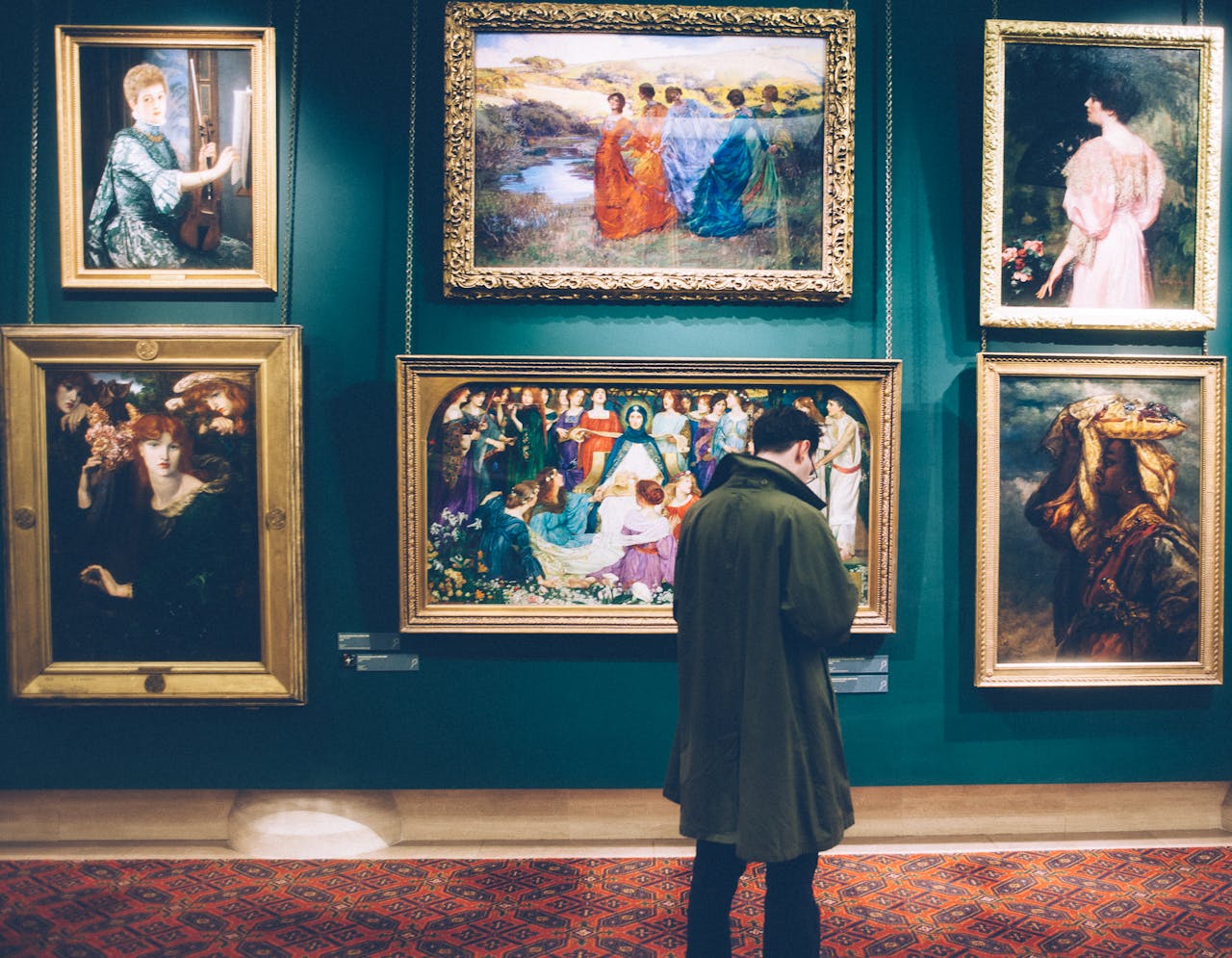
One careful touch rarely ruins an object, but an interactive gallery invites the same motion again and again, turning gentle use into measurable wear. Edges soften, fibers fray, and tiny loosened joins become bigger failures after weeks of eager handling, especially when visitors press harder to confirm what something is made of. Even when replicas do the heavy lifting, nearby originals can still take vibration, accidental bumps, and extra light from constant traffic, and the damage can masquerade as ordinary aging until a conservator compares photos months apart and notices a slow, steady drift toward loss in plain sight.
Skin Oils And Lotions Leave Lasting Traces

Hands bring more than curiosity: natural oils, sweat, sunscreen, and hand cream transfer to surfaces, filling pores and leaving a tacky film that dust loves. On porous materials such as wood, paper, bone, and unglazed ceramic, residues can darken and stain, while salts can speed corrosion on metal and create speckled blooms on glass. The fix is rarely simple, because deeper cleaning risks lifting patina, pigment, or historic tool marks, so staff rely on frequent gentle wipe-downs that quietly abrade finishes and shorten an object’s clean, stable life, especially in exhibits touched hundreds of times a day all year.
Cleaning For Safety Can Be Harsh On Materials
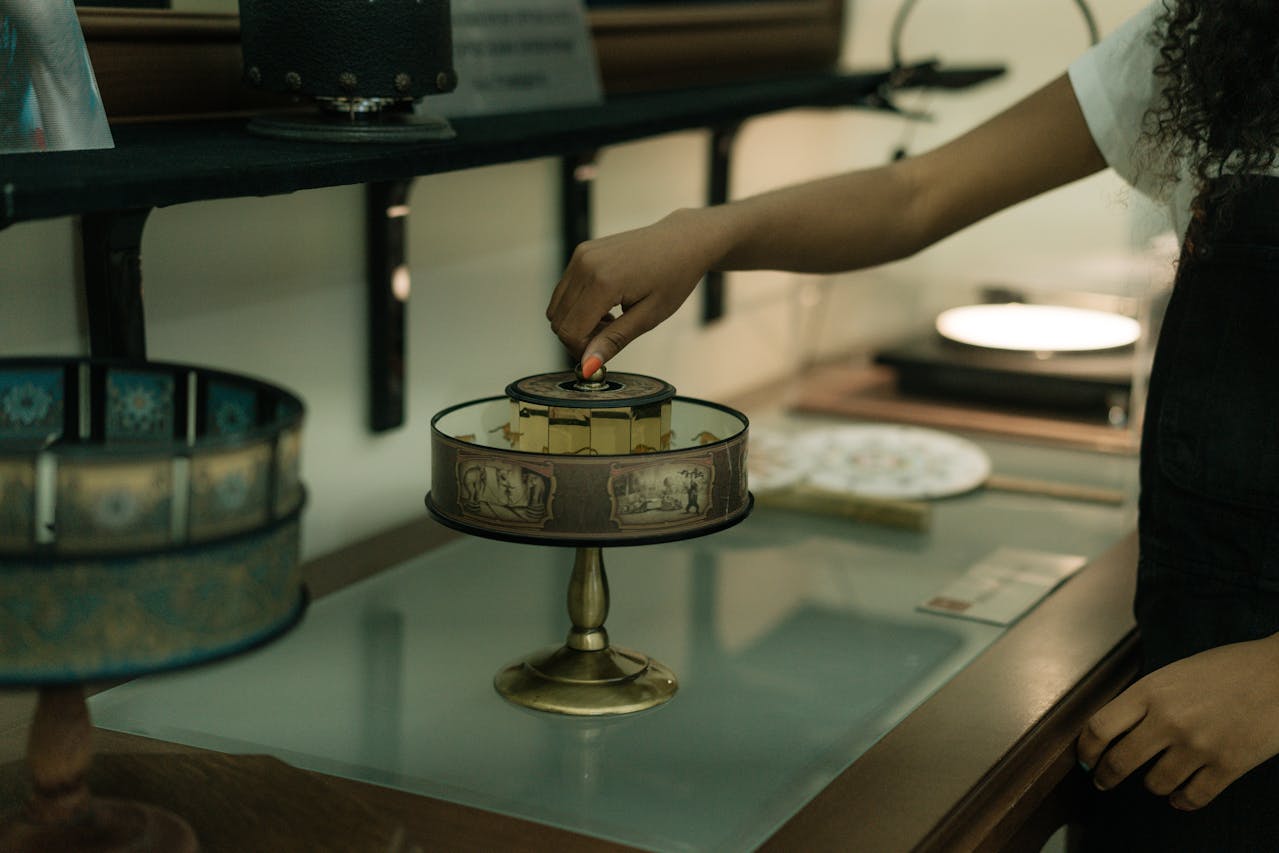
Hands-on museums clean constantly to keep surfaces inviting and to reduce germ transfer, which is a public expectation now, not a bonus. Disinfectants, alcohol-based sprays, and repeated scrubbing can strip waxes, dull varnish, fade dyes, and weaken older adhesives that were never meant to be re-wet, especially on textiles, paper components, and painted wood. Even careful protocols create a trade-off: the more an exhibit is used, the more it must be cleaned, and that cycle can push fragile materials past their safe limit long before the exhibit looks worn, leaving conservators to explain damage that feels invisible.
Humidity Spikes Follow Crowds
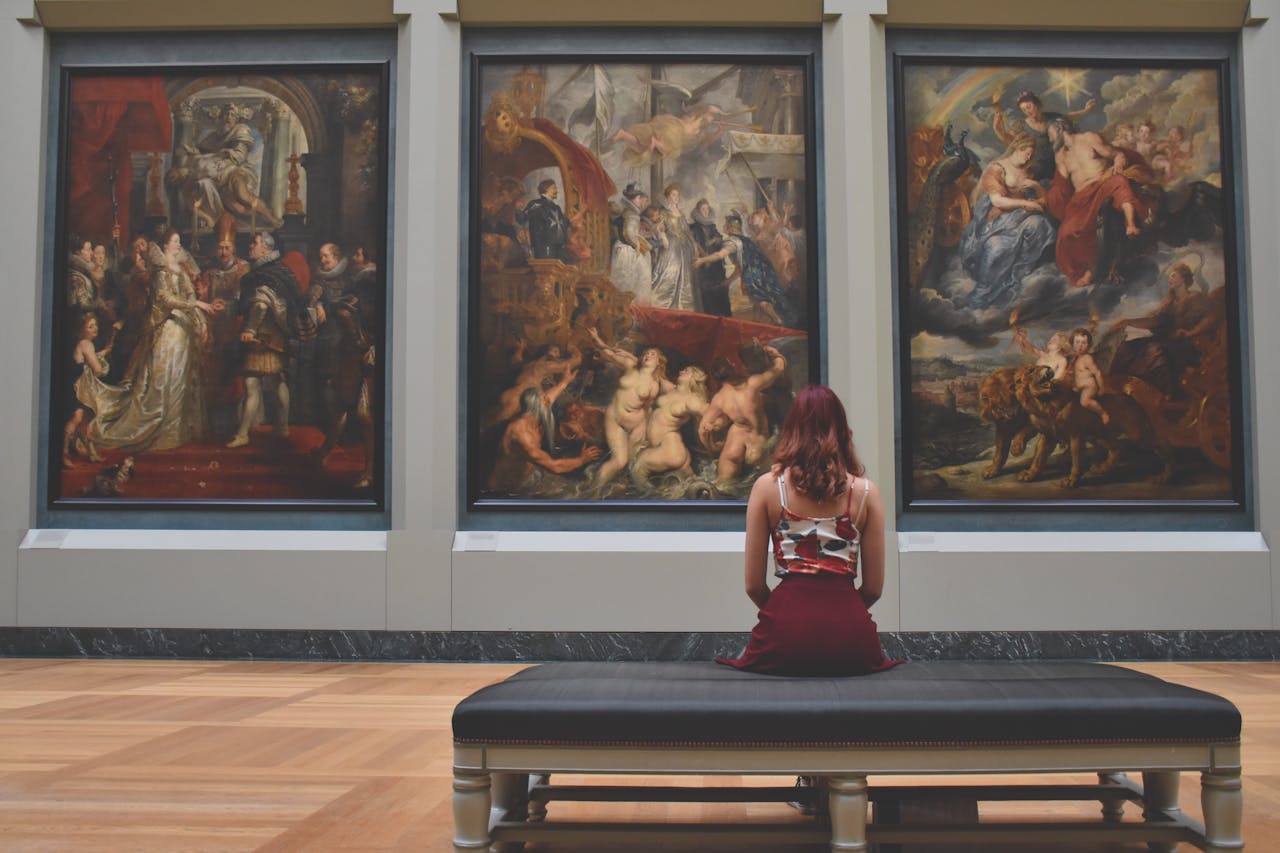
Crowds change the air. Each visitor adds heat and moisture, and a packed afternoon can swing a room’s humidity faster than the building’s systems can correct, creating a mini storm around displays. Wood swells and shrinks, veneers lift, and composite objects pull against their seams, while paper, leather, and textiles can cockle, stiffen, or invite mold when conditions hover in the danger zone for hours. Interactive rooms often need museum-grade climate control plus smart ventilation, yet open doors, strollers, and constant movement keep mixing outside air, so the artifacts absorb the stress of every busy day in season.
Small Breaks Multiply Into Missing History

Fragile parts fail where curiosity lands: a thin handle, a raised corner, a hinge that invites a test pull, or a decorative element that seems made to be traced. When something snaps, the loss is not only structural but informational, because tool marks, soot traces, and wear patterns that help date and interpret an object can vanish with the fragment, along with evidence of how it was used. Loose pieces can be pocketed accidentally, swept up during cleaning, or ground down under shoes, and once a sliver disappears, repairs become guesswork and the original story rarely comes back, even with careful patches later on.
Sound And Vibration Travel Farther Than Expected
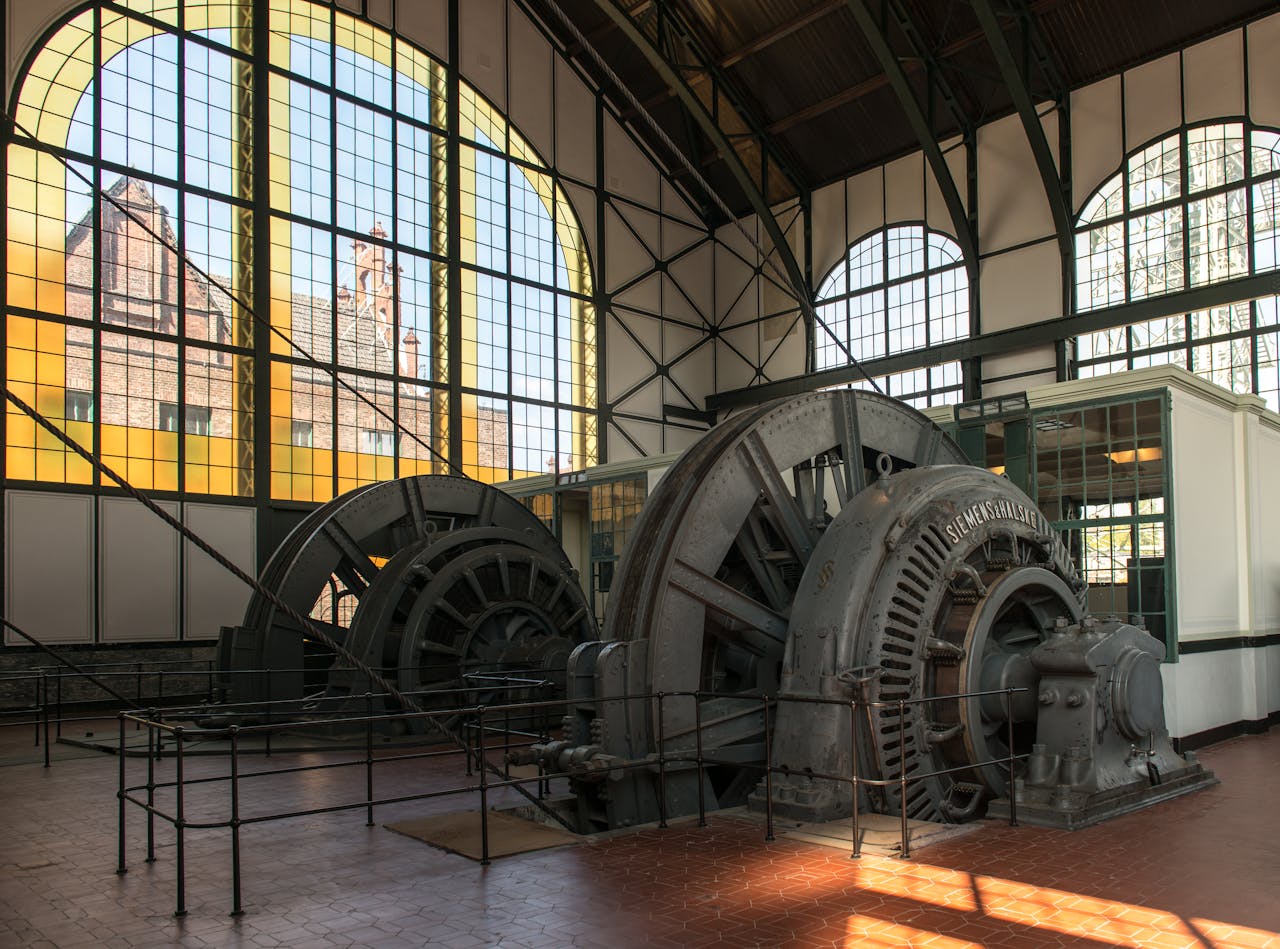
Interactive galleries run on motion: buttons, pumps, gears, drawer slides, and speakers that keep the room lively from open to close, plus the steady footfall of weekend crowds. That vibration can travel through floors and display cases, slowly loosening mounts and fatiguing joints in nearby artifacts, especially brittle lacquer, layered paint, and older glass that has lost flexibility. Cracks and flaking can look mysterious until staff connect them to the room’s mechanical rhythm, which is why certain originals rotate out quickly or stay in quieter zones while interactive elements handle the noise for long stretches.
Visitors Test Boundaries, Not Just Exhibits
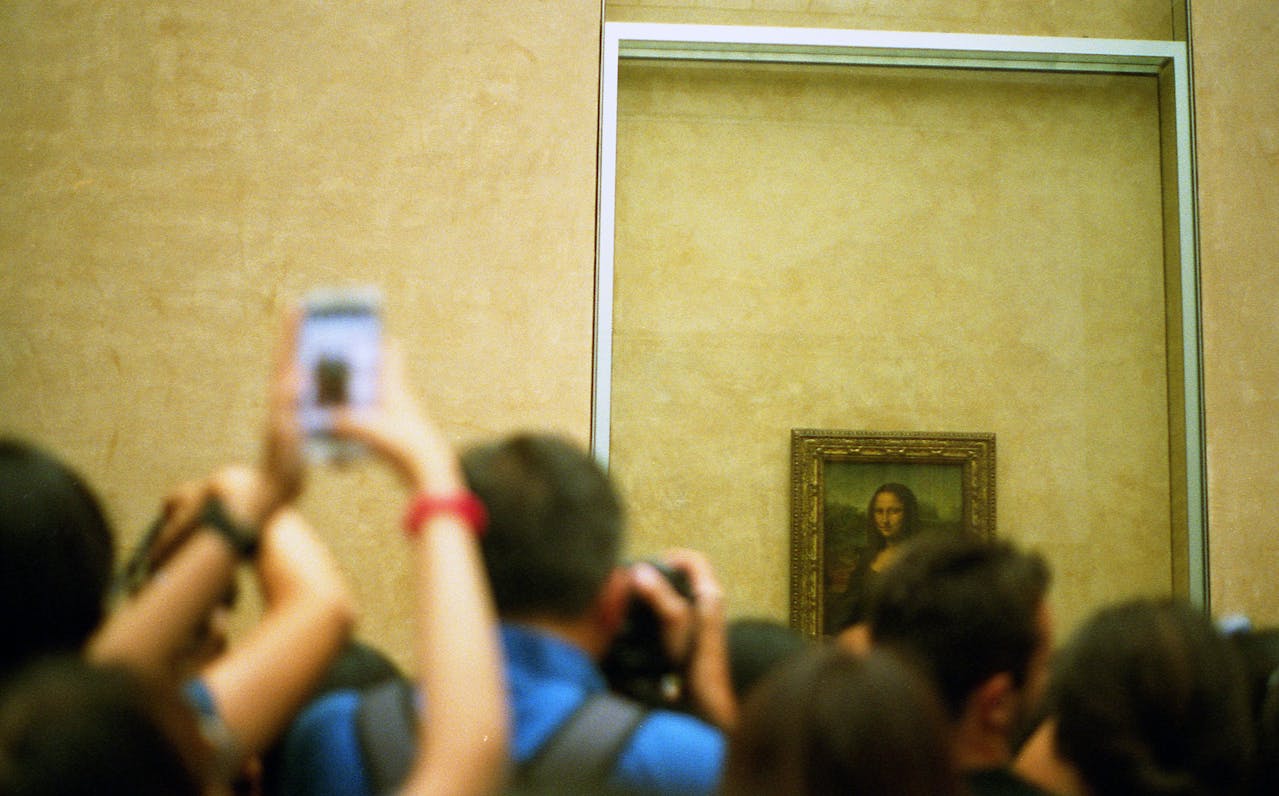
Clear signage helps, but human nature still reaches for what looks real, valuable, or slightly forbidden, especially in a room designed to say yes. A replica placed beside an original invites comparison, and comparison invites a fingertip on the authentic surface, while crowded moments make it easier for staff to miss a quick touch, a leaning backpack, or a stroller bump. Children learn by pushing limits and adults sometimes do, too, so one boundary crossed can cascade into more, turning supervision into a constant, draining part of preservation and forcing museums to choose between openness and strict control daily.
Mounts And Barriers Can Create Their Own Risks
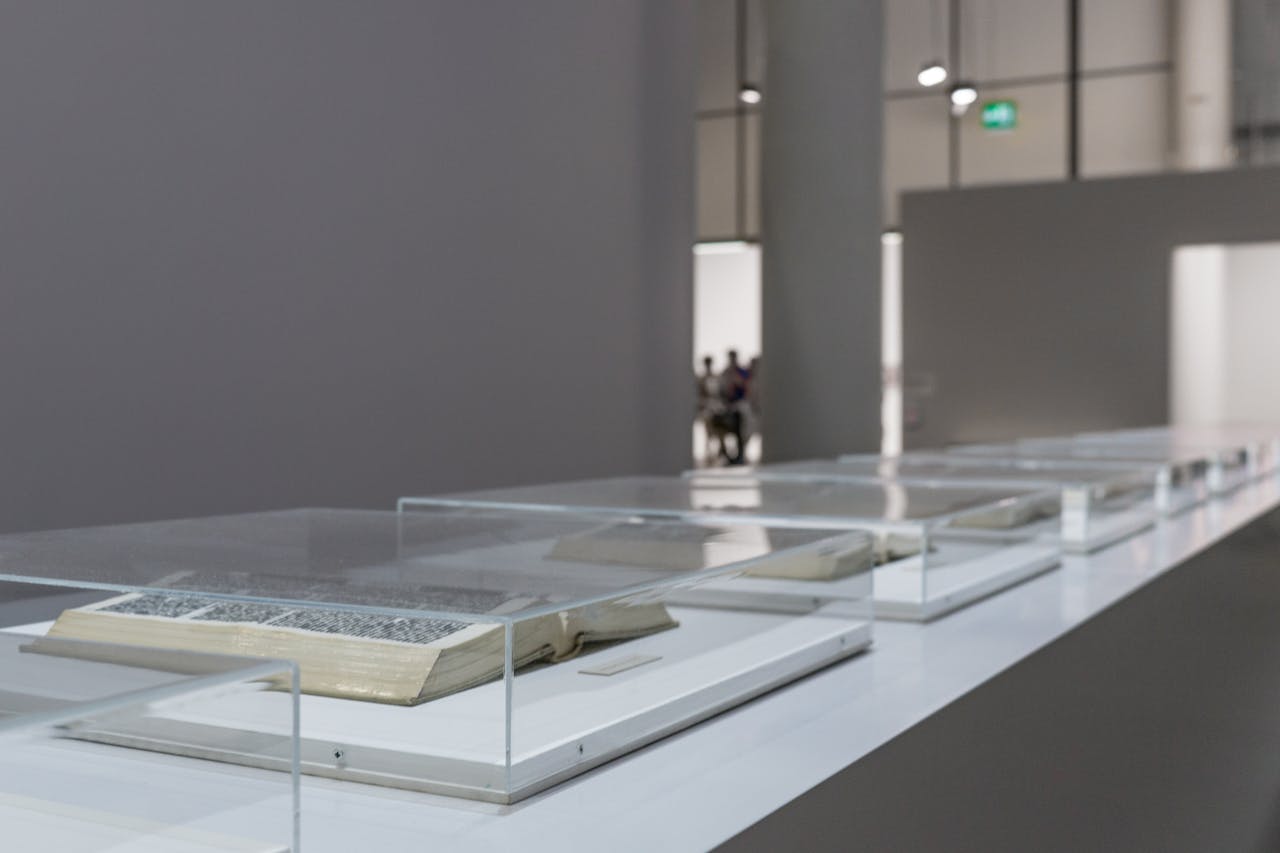
To make interaction possible, museums add brackets, clips, magnets, straps, and protective casings, each one a small compromise with physics and human behavior. Supports can concentrate stress in one spot, abrade surfaces with tiny vibrations, or trap moisture against vulnerable areas, and barriers that keep hands away can create blind corners where objects get bumped during maintenance or quick exhibit swaps. Design teams aim for protection that is invisible and safe, but the more complicated the solution becomes, the more failure points appear, from loose hardware to pressure marks that only show up months later.
Repairs Become A Cycle, Not An Exception

Hands-on spaces normalize maintenance, but frequent repair can slowly replace original material with modern substitutes and change what is truly being shown. Adhesives age, touch-up paint shifts color, and replacement parts can rewrite an object’s surface history, while the careful documentation required for ethical treatment competes with the daily pace of school groups, tours, and weekend crowds. Over time, some pieces retire early, not from one disaster, but from constant small rescues that drain budgets and leave conservators choosing the least harmful option again and again, until handling no longer feels responsible.