Pop culture rarely grants a clean goodbye, and 2005 might be the most stubborn proof. The year’s mix of mall emo, teen dramas, gossip blogs, and chunky tech lodged itself so deeply in memory that newer platforms keep dragging it back into view. What began as low-res selfies and ringtone hooks now returns as curated nostalgia, high fashion, and prestige TV structure. Underneath the jokes about side bangs and MySpace angles sits something quieter: the urge to revisit the last era before smartphones rewired daily life.
Emo Revivals And Mall-Punk Tours
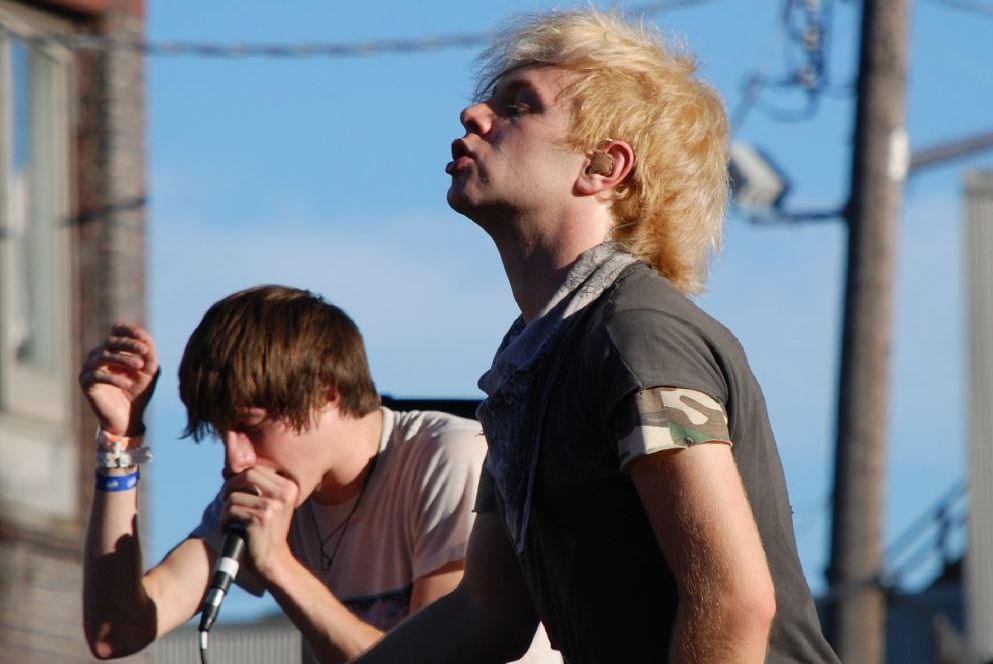
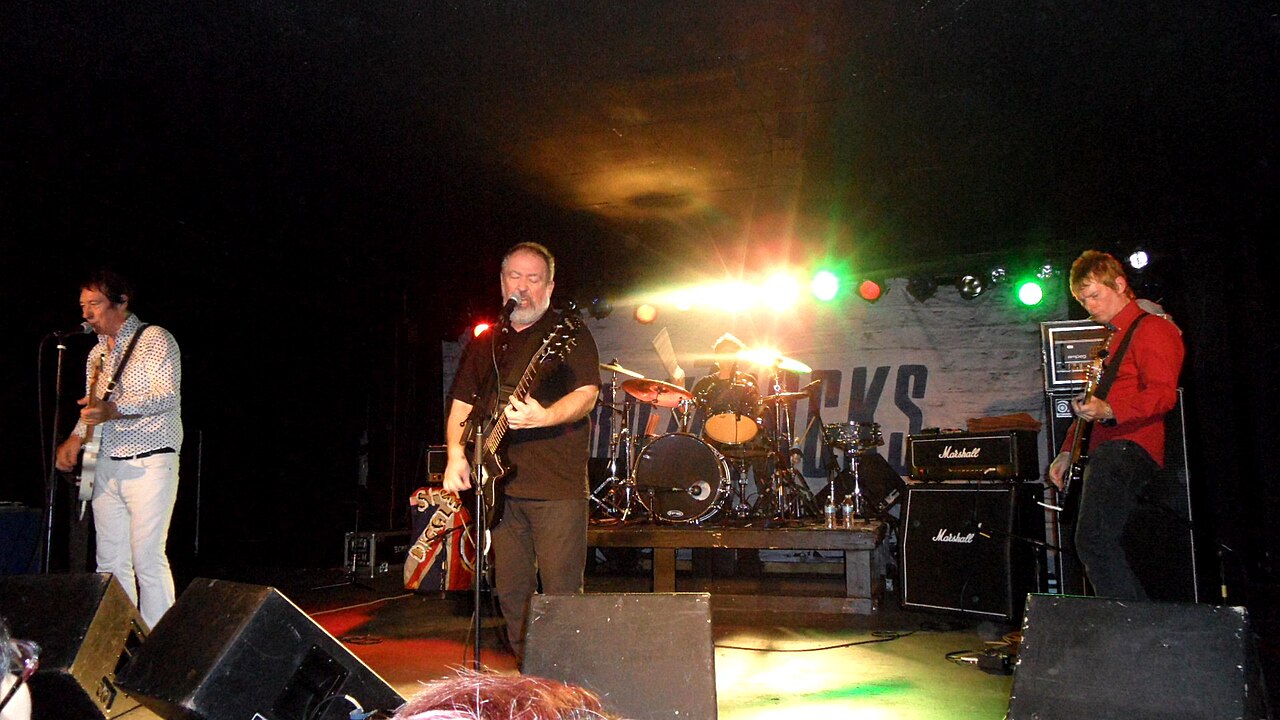
Skinny jeans, graphic band tees, and smudged eyeliner keep circling back, proof that the 2005 mall emo kid quietly won. Pop punk and emo tours reunite bands once discovered on burned CDs with fans who now plan childcare before the show, yet still yell every lyric. Streaming playlists stitch legacy acts beside new artists who borrowed their chord progressions and melodrama. The revival feels less like costume and more like emotional shorthand, turning teenage angst into grown up catharsis whenever a familiar chorus crashes over a crowd.
Low-Rise Comebacks And Tabloid Glamour
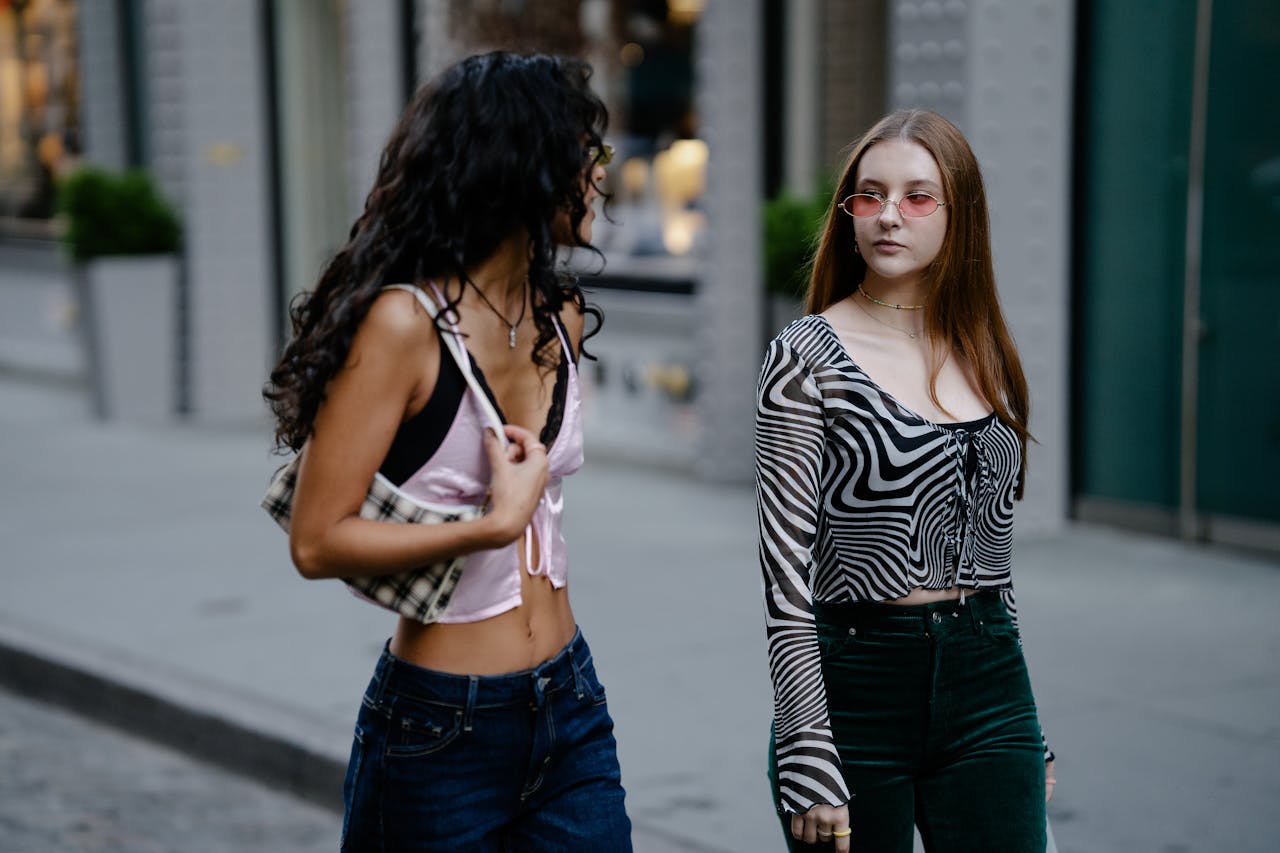
Low rise jeans, shiny belts, and logo bags keep slipping from runway mood boards into street style, dragging mid 2000s nightlife back into focus. Designers remix velour tracksuits, micro minis, and metallic heels with sharper tailoring so the look reads as memory instead of parody. Oversized sunglasses, frosted gloss, and loud hardware echo paparazzi shots once ridiculed on gossip blogs. Now that same aesthetic feels like armor from a harsher tabloid era, reclaimed with humor by people who remember learning hard lessons about body image under cruel flashbulbs.
Reboots That Refuse To Let Stories End
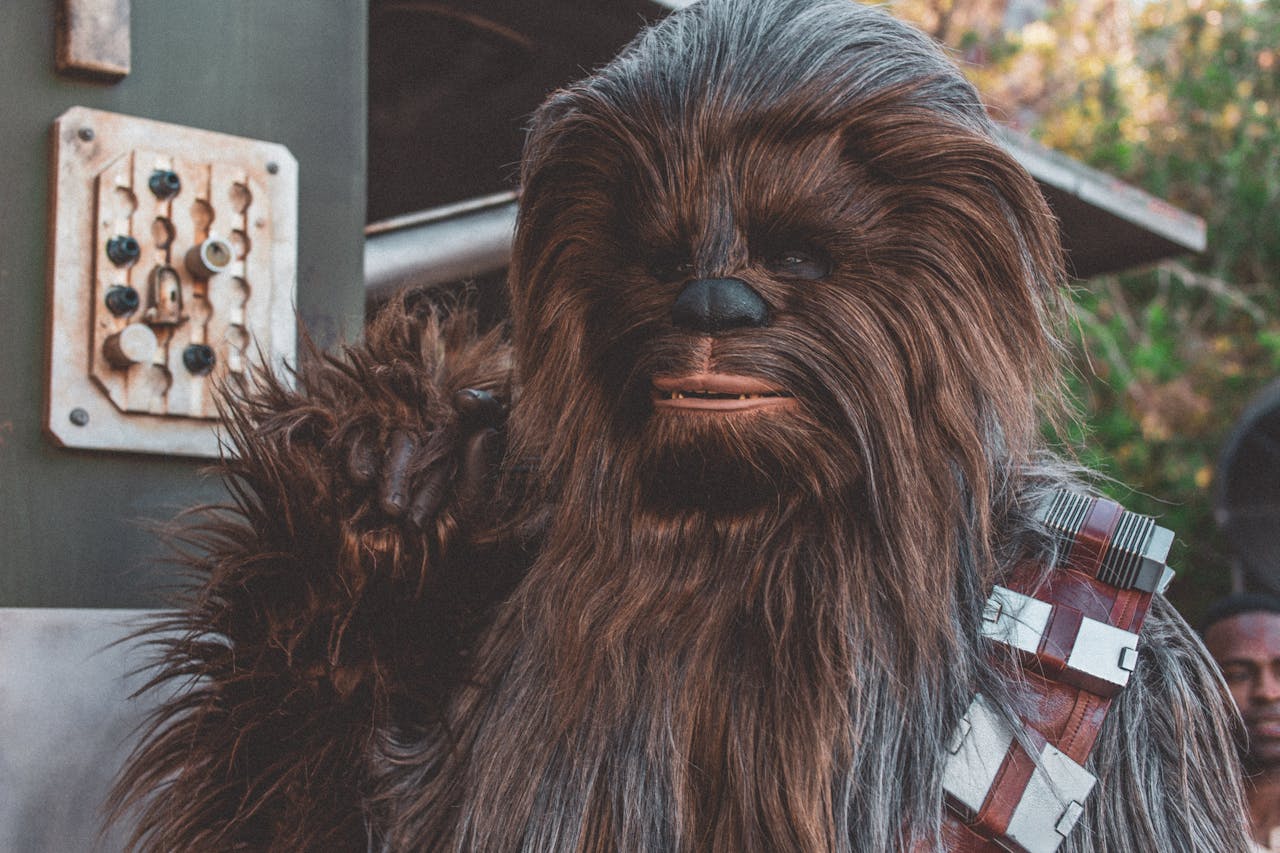
Film and TV franchises that defined mid 2000s evenings still refuse to leave the stage, returning as sequels, prequels, and polished revivals. Streaming services lean on those worlds as reliable comfort viewing, while new series borrow their banter, pacing, and season arcs almost by instinct. Even creators who claim to be tired of nostalgia end up writing office jokes, slow burn romances, and messy friend groups that echo 2005. Viewers who first watched on boxy televisions now share favorite episodes with younger relatives, turning rewatches into a shared language across generations.
MySpace Energy In Modern Social Feeds
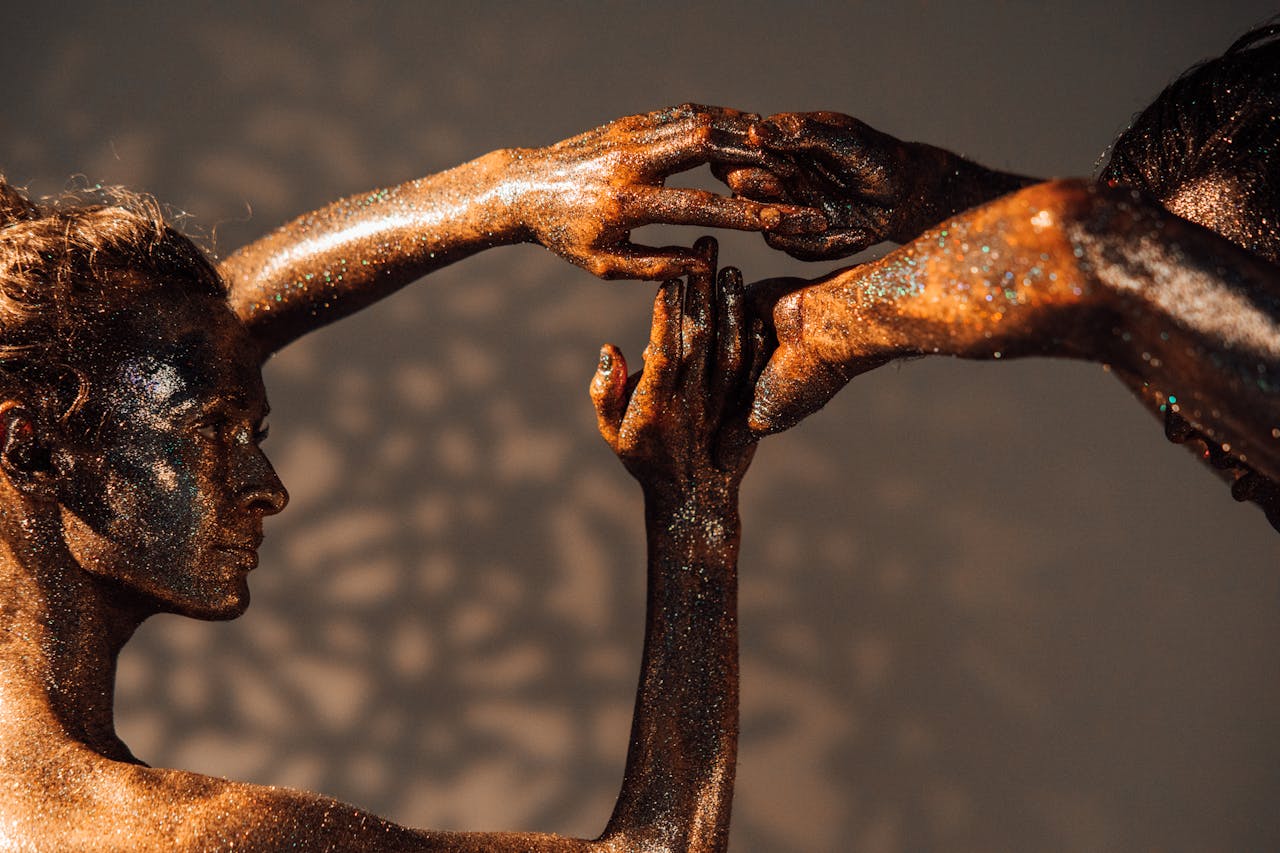
The MySpace era survives every time a social app leans into glitter graphics, heavy filters, and dramatic camera angles that look self aware on purpose. Short clips copy the old webcam confessional, just with cleaner cameras and ring lights, while profiles still behave like collages of music tastes, crushes, and shifting moods. Even close friends lists quietly echo top eight anxiety from 2005, reshaped with softer branding. What once looked messy or unpolished now reads as deliberate style, turning teenage experiments in self presentation into a visual template that platforms keep recycling.
Ringtone Rap Reborn As Viral Hooks
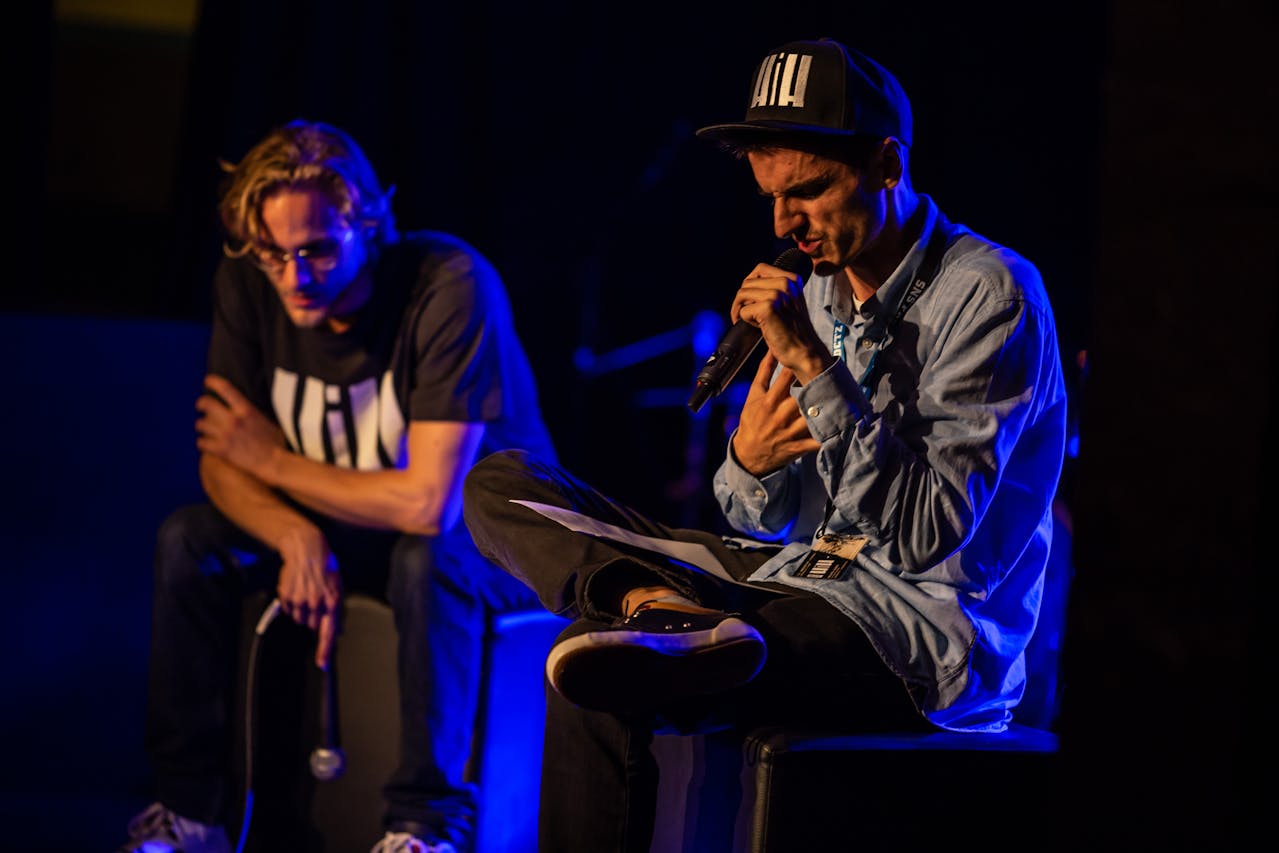
The age of ringtone rap never really ended; it simply migrated from flip phones to streaming snippets and dance challenges. Mid 2000s hits were built around compact hooks that sounded good on tiny speakers, and the same logic now drives songs engineered for social clips. Producers strip tracks down to one chantable line, a drum pattern, and a movement that can loop easily. Artists who once sold polyphonic versions of their singles now watch younger acts chase that same minimal formula, proving that culture still prizes a bold hook over everything else.
Teen Dramas And Reality Templates

Mid 2000s teen dramas and glossy reality shows sketched a blueprint that newer series still follow, even when pretending to reinvent the genre. Coastal mansions, confessional narration, and carefully staged friendship implosions remain reliable ingredients, whether the cast wears polos or designer streetwear. Prestige projects now borrow that grammar, blending documentary style interviews with soap level stakes so viewers can feel both irony and sincerity at once. The result is a storytelling language born from 2005, where privilege, heartbreak, and petty fights all play out under curated soundtrack cues.
Blogs Rewritten As Influencers And Newsletters

Personal blogs and early gossip sites trained audiences to expect ongoing commentary, and that habit lives on in influencers, podcasts, and newsletters. Long posts about outfits, breakups, or niche obsessions have simply become story dumps, vlogs, and subscriber essays that echo LiveJournal confessions with better typography. The snarky, conversational voice refined in comment sections still shapes how culture gets summarized, whether on social captions or roundups. Influencers now act like the main characters of old blogrolls, turning daily life into a serialized narrative that feels strangely familiar to anyone who refreshed feeds in 2005.
Remastered Games And LAN-Party Ghosts
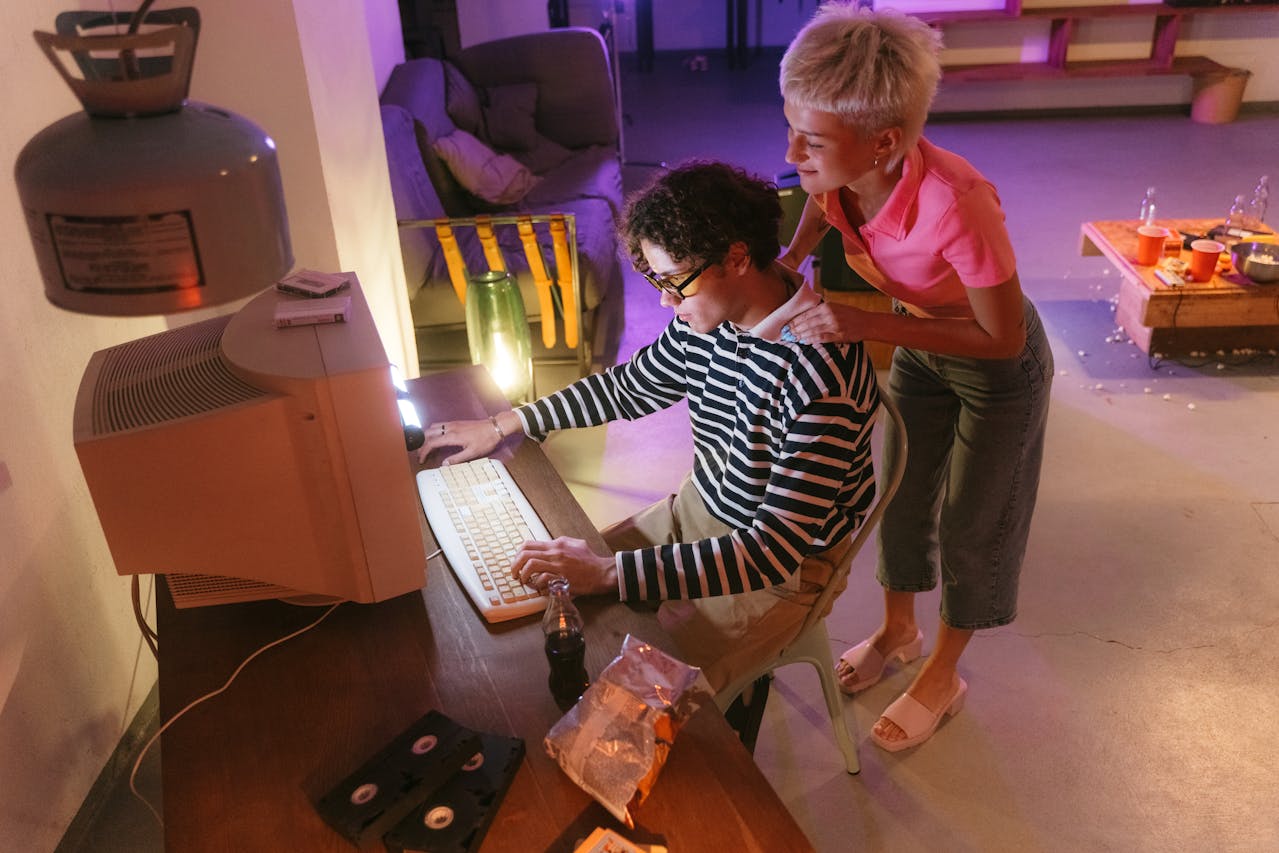
Video game libraries keep remastering titles that once filled dorm lobbies and internet cafés, inviting players to revisit pixelated battlefields with smoother textures. Publishers package upgraded graphics with original soundtracks, collapsing time for anyone who remembers those themes bleeding from shared speakers late at night. New releases still echo mid 2000s design, from cover based shooters to sprawling open worlds filled with side quests and grindy progress. Group chats and online lobbies now host the same trash talk and inside jokes that once circled wired controllers, keeping those old LAN party ghosts alive.
Flip Phones, Chrome UIs, And Retro Tech
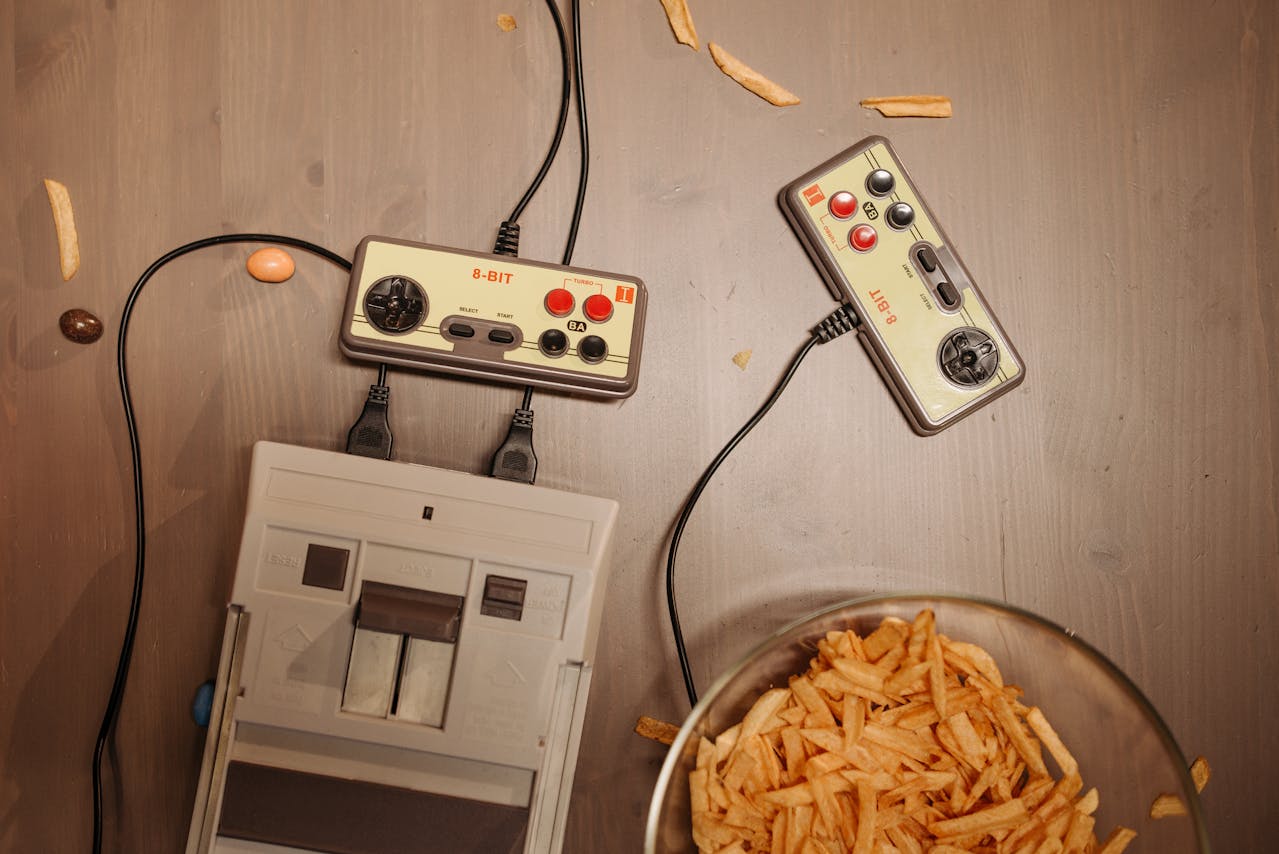
Mid 2000s tech aesthetics keep resurfacing as fashion props, concept devices, and nostalgic skins for operating systems. Foldable phones revive the snap of a clamshell closing, that tiny moment of finality once used to end calls with emphasis in crowded hallways. Designers borrow chrome gradients, rounded icons, and brushed metal textures that once framed music libraries and photo folders, turning default interfaces into retro styling. Even minimal smartphones nod to that era, offering compact models that feel like an echo of the time when pockets held fewer notifications and more silence.