Fairy tales did not begin as gentle bedtime companions. They were cautionary stories traded by firelight, built to warn about hunger, strangers, bargains, and the thin ice of luck. Later collectors and publishers trimmed the cruelty, softened the endings, and handed the same plots to children with brighter lanterns. In the earlier tellings, consequences landed hard, bodies broke, and miracles often cost something. What survives on the page can feel polished, but the originals remember the raw world that produced them: blood in the snow, hunger in the cupboards, justice that bites, and a moral that stings, even years later.
“Cinderella”
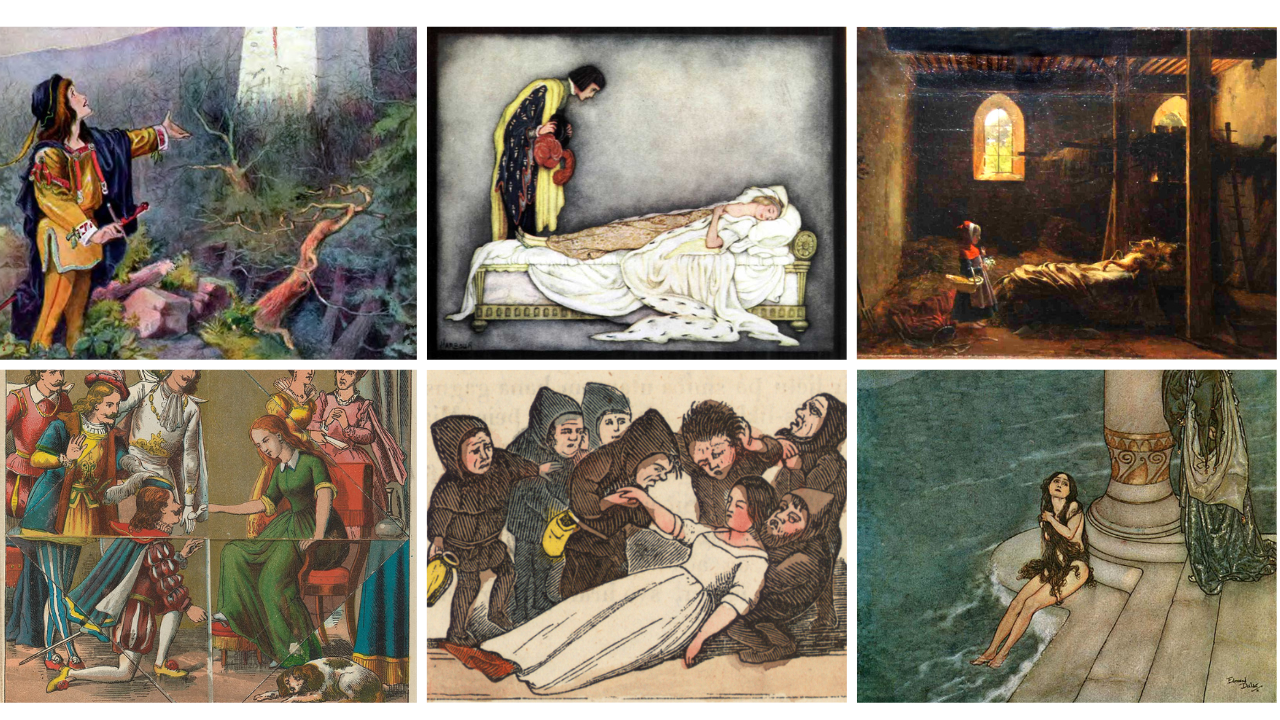
In the Brothers Grimm telling, the magic does not arrive with a fairy godmother, but with a hazel tree planted on the mother’s grave, birds that watch like judges, and ash-stained labor that reads like a sentence. The stepsisters do not merely mock Cinderella, they try to cheat fate by slicing off toes and heels to force the slipper to fit, while their mother urges them on and the blood is meant to be overlooked. When the prince discovers the trick, the birds punish the lie by pecking out the sisters’ eyes at the wedding, leaving an ending that feels less like romance and more like a warning about cruelty that lingers.
“Snow White”
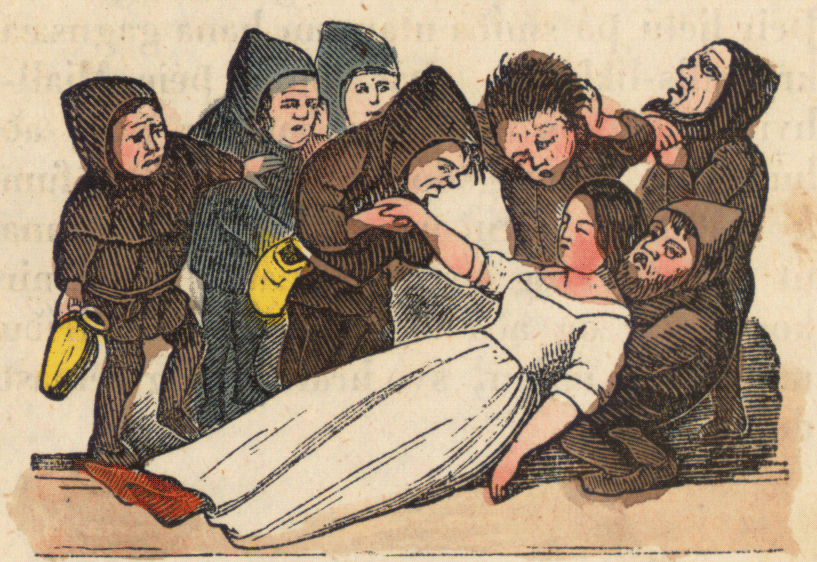
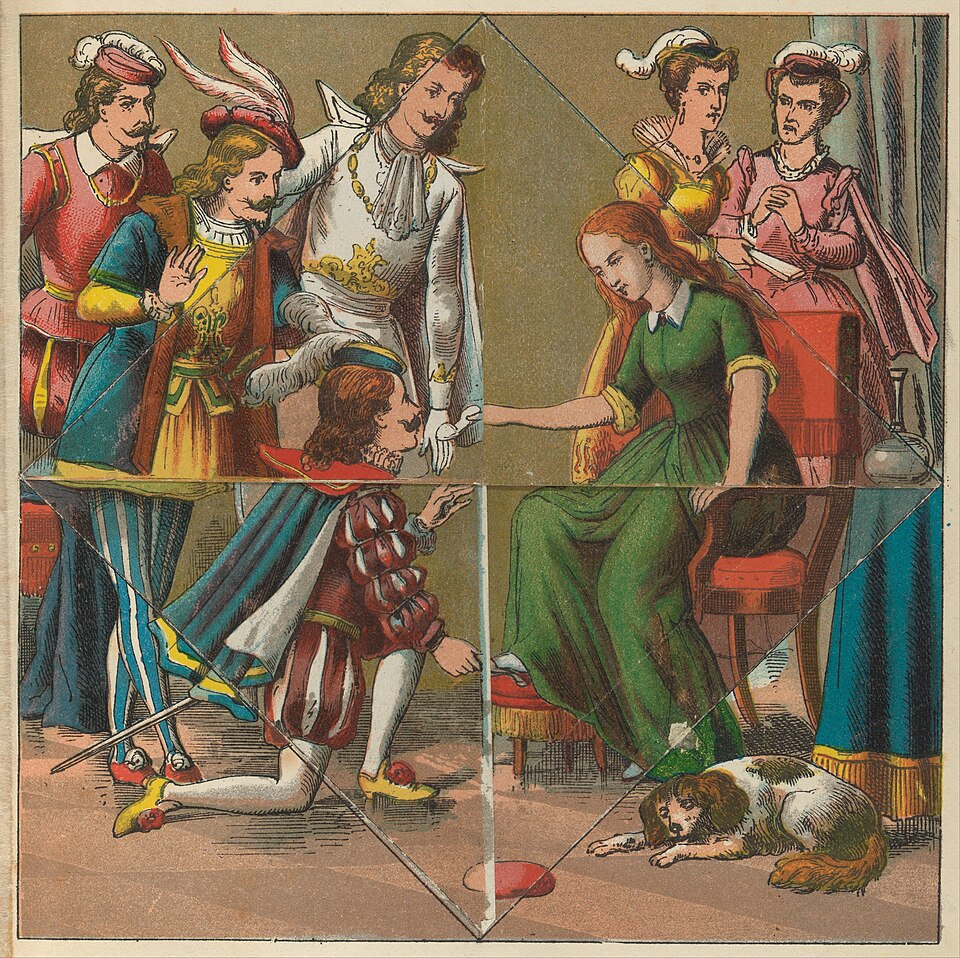
The early Grimm tale begins with a queen who orders a huntsman to bring back proof of Snow White’s death, and the proof is meant to be lungs and liver carried home like trophies for a grim meal. Before the apple appears, the queen tries again and again, tightening a laced bodice until breath fails, then slipping in a poisoned comb, making the dwarfs’ cottage feel less like refuge and more like a siege. When the girl finally wakes, the story still insists on payback: the queen is forced into red-hot iron shoes and made to dance until she dies, a punishment later retellings replace with softer fades in silence at last.
“The Little Mermaid”
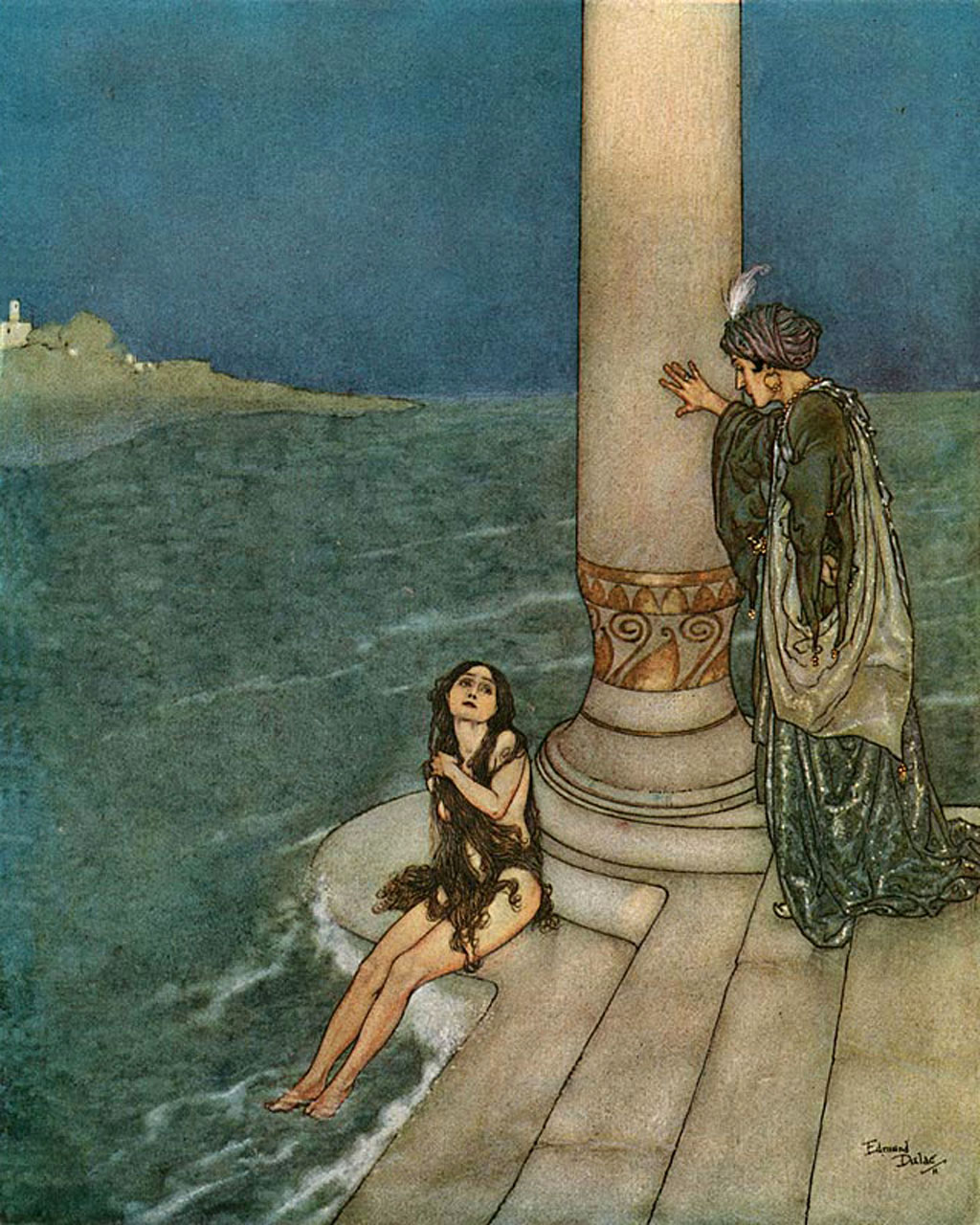
Hans Christian Andersen’s “The Little Mermaid” was never a tidy wish story, because the desire at its center is for an immortal soul as much as for love, and mermaids are said to live 300 years before vanishing into foam. The sea witch trades legs for silence, and every step on land is knife pain, while the prince treats the mermaid like a pet, parades her at court, and then chooses another bride. Her sisters offer a knife so she can kill him and return to the sea, but she cannot do it, so she throws herself into the water, turns to sea foam, and is remade as a “daughter of the air,” a mercy earned through suffering.
“Little Red Riding Hood”
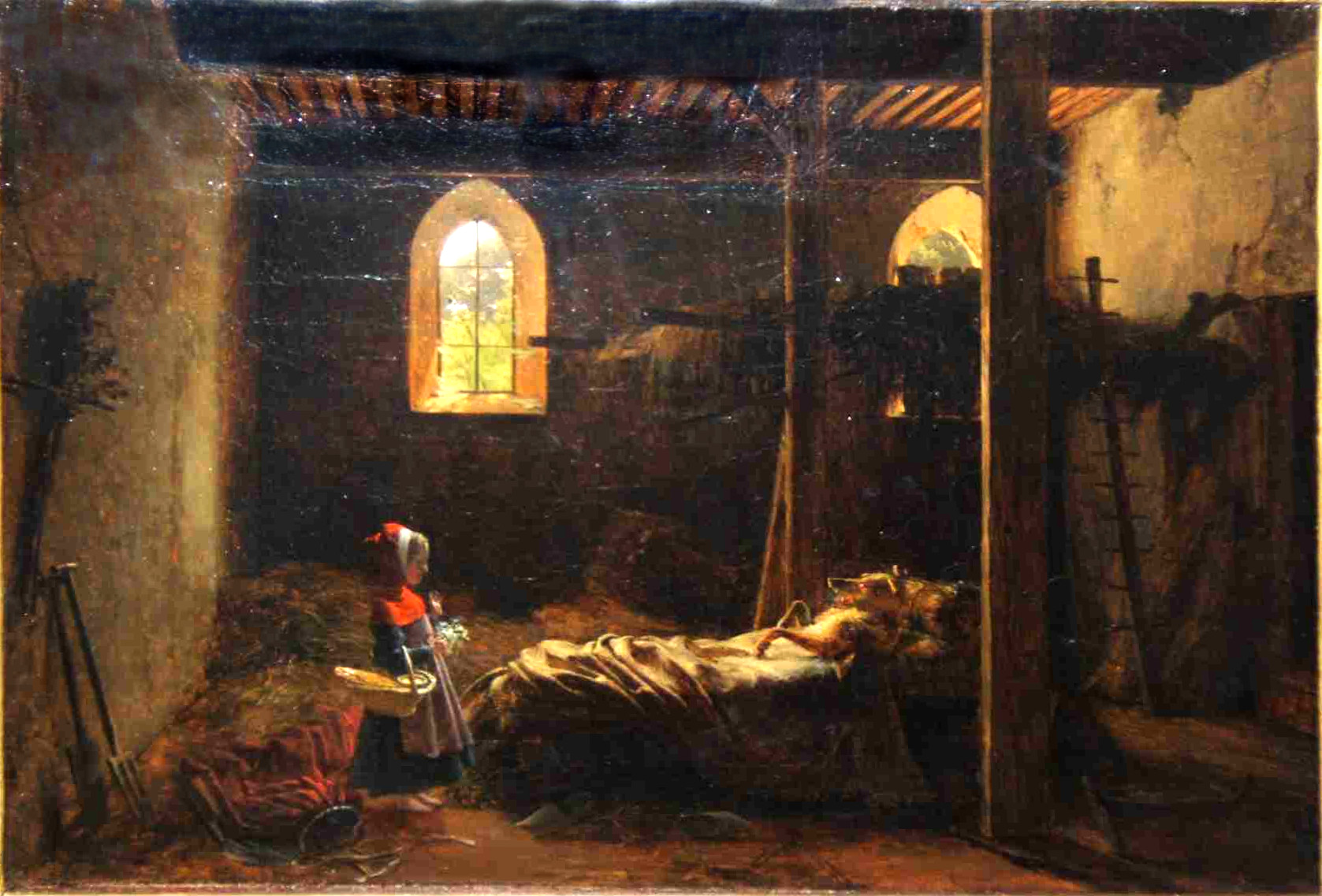
The basket-and-grandma story sits on top of older tellings that read like a road manual for children sent out alone where the red hood is less cute than conspicuous. In several French oral versions, the wolf lures the girl into a cottage, offers “meat” and “wine” that are really her grandmother, and has her undress and climb into bed piece by piece, so the menace feels deliberate, not sudden. Perrault prints the tale without any rescue ending with the girl’s death and a moral about charming predators, while the Grimms later add a hunter, an opened belly, and stones that drag the wolf under, reshaping dread into punishment.
“Hansel and Gretel”
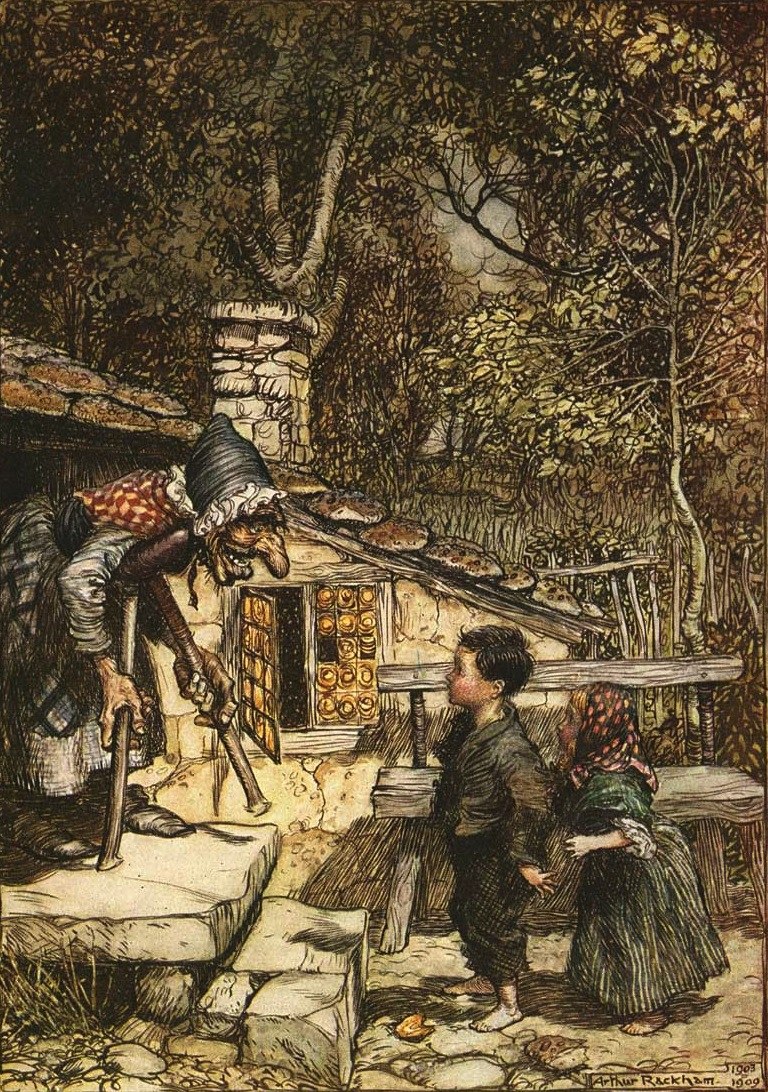
“Hansel and Gretel” keeps its sugar coating, but the core is famine logic: parents decide two children are easier to lose than to feed, and the forest becomes a planned disappearance. Hansel’s pebble trail is a brief miracle, the breadcrumb trail fails when birds eat it, and in earlier tellings the parent pushing the plan is the children’s own mother, not a stepmother swapped in to spare adult guilt. Inside the candy house, the witch cages Hansel to fatten him, Gretel is worked like a servant, and the oven turn is not playful at all, but a desperate execution, followed by stolen jewels that buy safety back home at last.
“Sleeping Beauty”
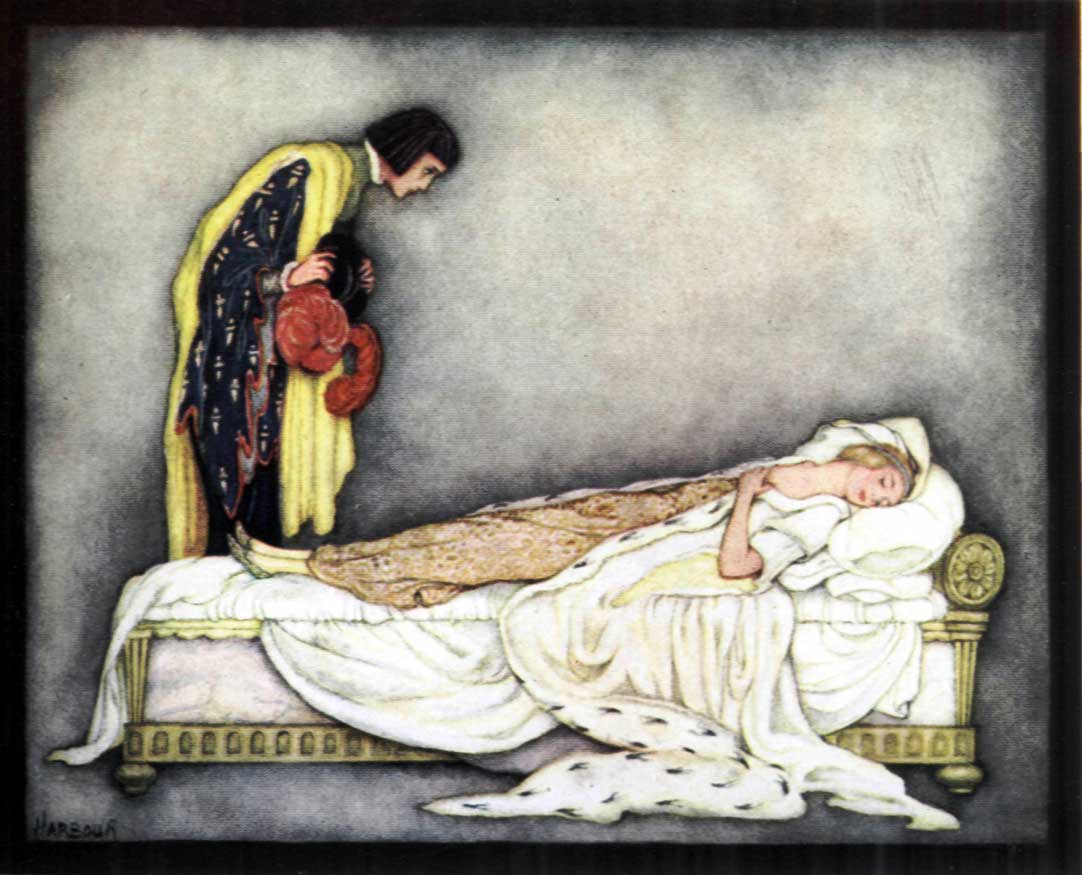
Long before “Sleeping Beauty” became a soft romance, Basile’s “Sun, Moon, and Talia” treated the sleeping curse as a trap set by fate, sparked by a flax splinter, and surrounded by adult greed. A king finds Talia unconscious and takes advantage of her, and she “wakes” only much later, when one of her newborn twins sucks the splinter from her finger, turning the famous awakening into aftermath. The story keeps escalating as the king’s wife orders the twins killed and cooked for a feast, a cook hides them, and the queen is burned, a chain of violence later versions quiet down with fairies and a kiss to make it palatable.
“Rapunzel”
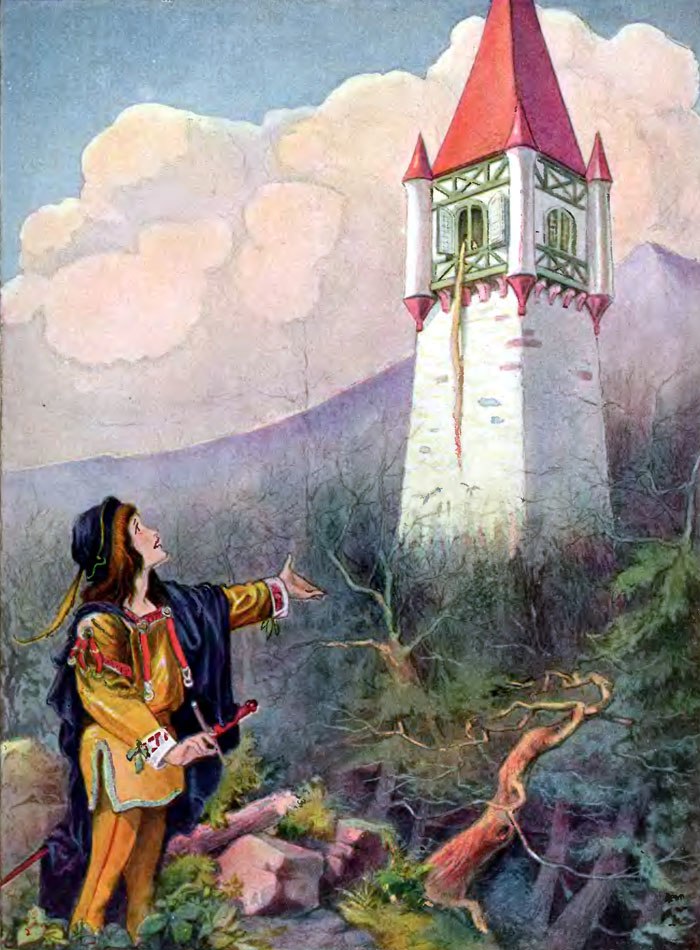
In early Grimm printings of “Rapunzel,” the tower grows out of a bargain made in panic: a father steals rampion from a sorceress’s garden, then trades his unborn child to save his own skin. When the prince visits in secret, Rapunzel’s casual question about why her dress feels tight reveals a pregnancy, and the enchantress responds by cutting the famous hair and banishing Rapunzel into a hard wilderness, where twins are born. The prince climbs the severed braid, falls into thorns, and is blinded, wandering until he finds her again and her tears restore his sight, a reunion earned through exile, pain, and years alone.
“The Frog Prince”
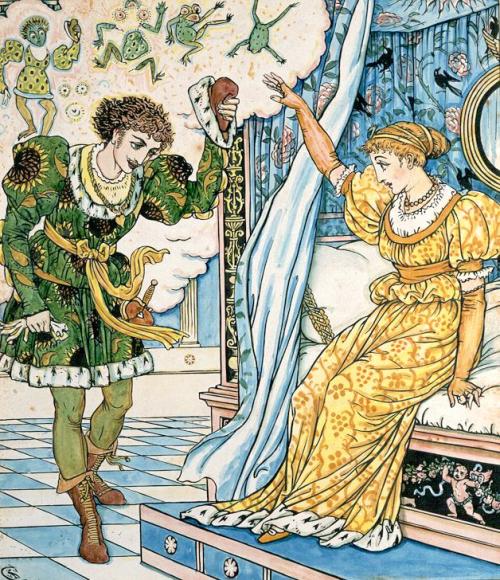
Modern retellings like to swap in a kiss, but the Grimms’ “The Frog King, or Iron Henry” is closer to a story about disgust, vows, and a king who treats promises as law. After the frog retrieves the golden ball, the princess bolts, and her father orders her to honor the bargain, so the frog is brought to the table to eat from her plate and drink from her cup, then follows her upstairs to demand a place in her bed. The spell breaks only when she snaps and hurls him against a wall, and the closing beat belongs to Iron Henry, whose iron bands crack from joy, a release born from pressure, not tenderness with a carriage below.
“The Juniper Tree”
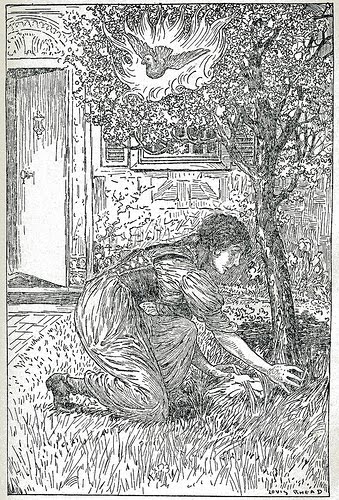
Among the Grimms’ tales, “The Juniper Tree” reads like a folk horror ballad about jealousy inside a home, where love turns poisonous. A stepmother lures her stepson to a chest with an apple, slams the lid, stages the scene as an accident, and then cooks him into a stew that the father unknowingly praises, while the sister gathers the bones and buries them under the juniper. A bird rises from that burial to sing the murder in public, collect a gold chain, red shoes, and a millstone, then gift the chain to the father and the shoes to the sister before dropping the millstone on the stepmother, so justice lands with weight.