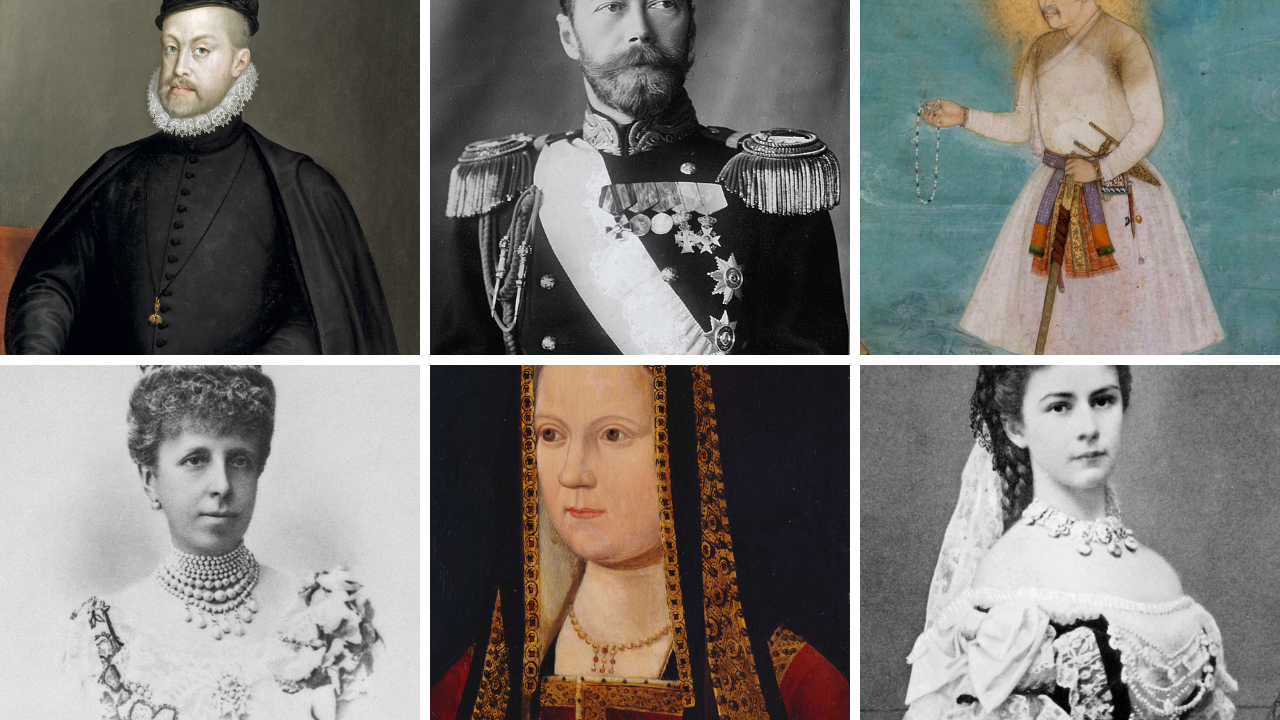
15 Historical Arranged Marriages That Actually Became True Love Stories

Wikimedia Commons
Arranged for power, these 15 unions matured into trust, steadiness and shared work, proving love can grow from duty and endure on.

Arranged marriages often get filed under strategy, not feeling. History tells a sharper story. In courts and capitals, couples who began as alliances learned each other with time. Trust grew. Letters softened. Daily habits turned loyalty into something warmer. These are human arcs, not neat myths. Duty set the table, but devotion sat down and stayed.

Here is what connects them. Shared work, not just shared titles. Small mercies in hard seasons. Private steadiness that outlived ceremony. Empires rose and fell around them. What held was simpler and stronger. Two people choosing each other again the next day.

Shah Jahan And Mumtaz Mahal
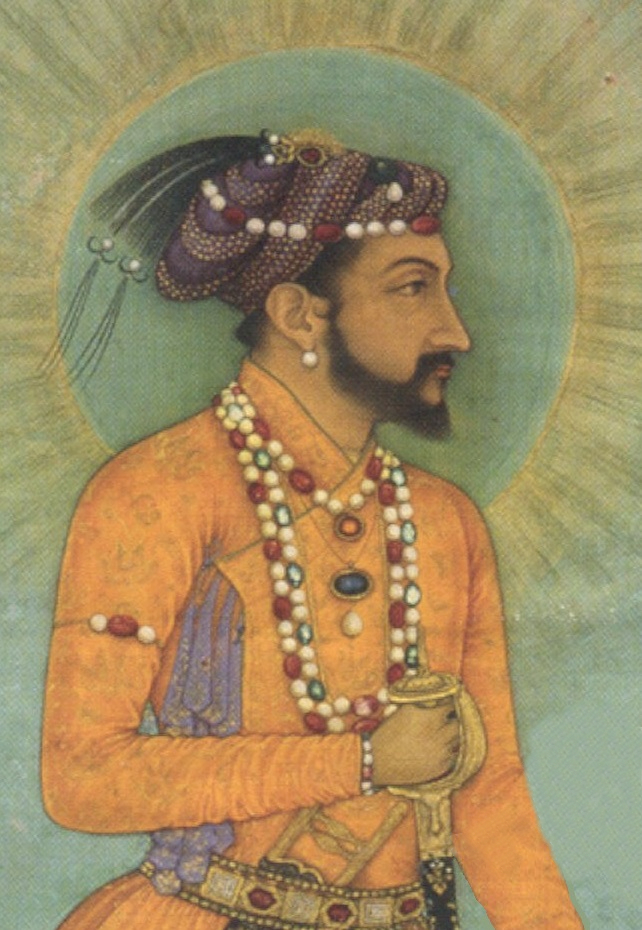
Shah Jahan
Bichitr, Public Domain/Wikimedia Commons

Married in 1612, the Mughal prince and Arjumand Banu Begum traveled together on campaigns and governed as a pair. Her death in 1631 broke him and led to the Taj Mahal, a disciplined act of memory as much as a monument. Their bond ran through patronage, counsel, and family life. Even stripped of legend, it reads clearly in marble lines and garden quiet. This was partnership first, spectacle second, and grief that never faded.

Queen Victoria And Prince Albert
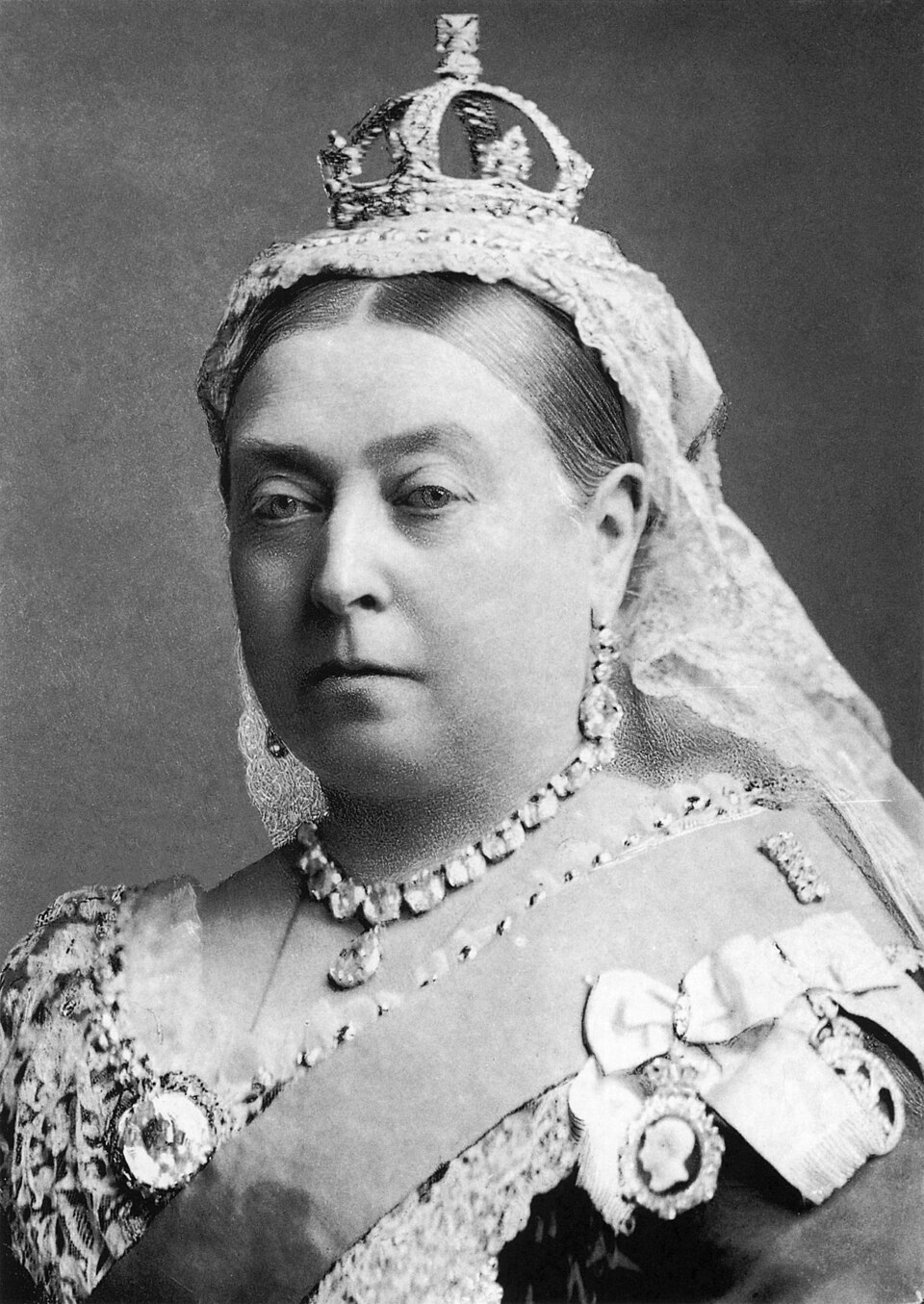
Queen Victoria’s Permanent Mourning
Alexander Bassano, Public Domain / Wikipedia Commons

Matched by a shared uncle, they built a marriage that felt chosen. Albert steadied the queen and modernized the household, from court routines to world fairs. Victoria leaned on his judgment through births, politics, and public duties. After he died in 1861, mourning became her uniform and her language. The state saw a widow in black. The diaries show a voice that never stopped speaking to him. Affection became structure, then history.

King George VI And Queen Elizabeth
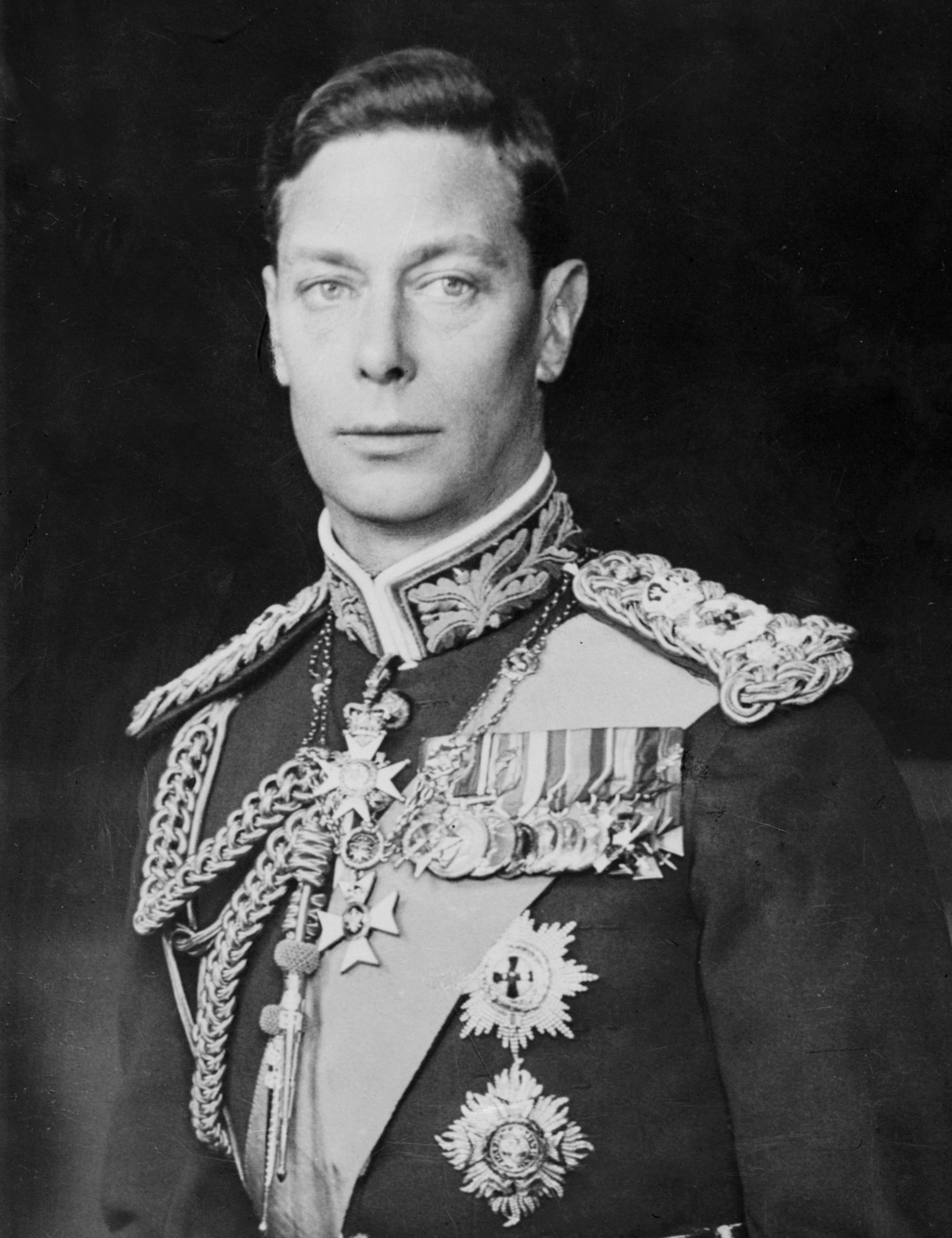
King George VI
Matson Photo Service, Public Domain/Wikimedia Commons

Elizabeth first declined, wary of palace life. When she accepted, the shy duke found a partner who made courage practical. With patience and practice, he learned to master a stammer while she kept the family and the schedule steady. During war, their calm presence meant as much as speeches. The photos are formal, but the real story is easy to read. Shared humor. Quiet coaching. Two people making duty feel human.

Emperor Franz Joseph I And Empress Elisabeth
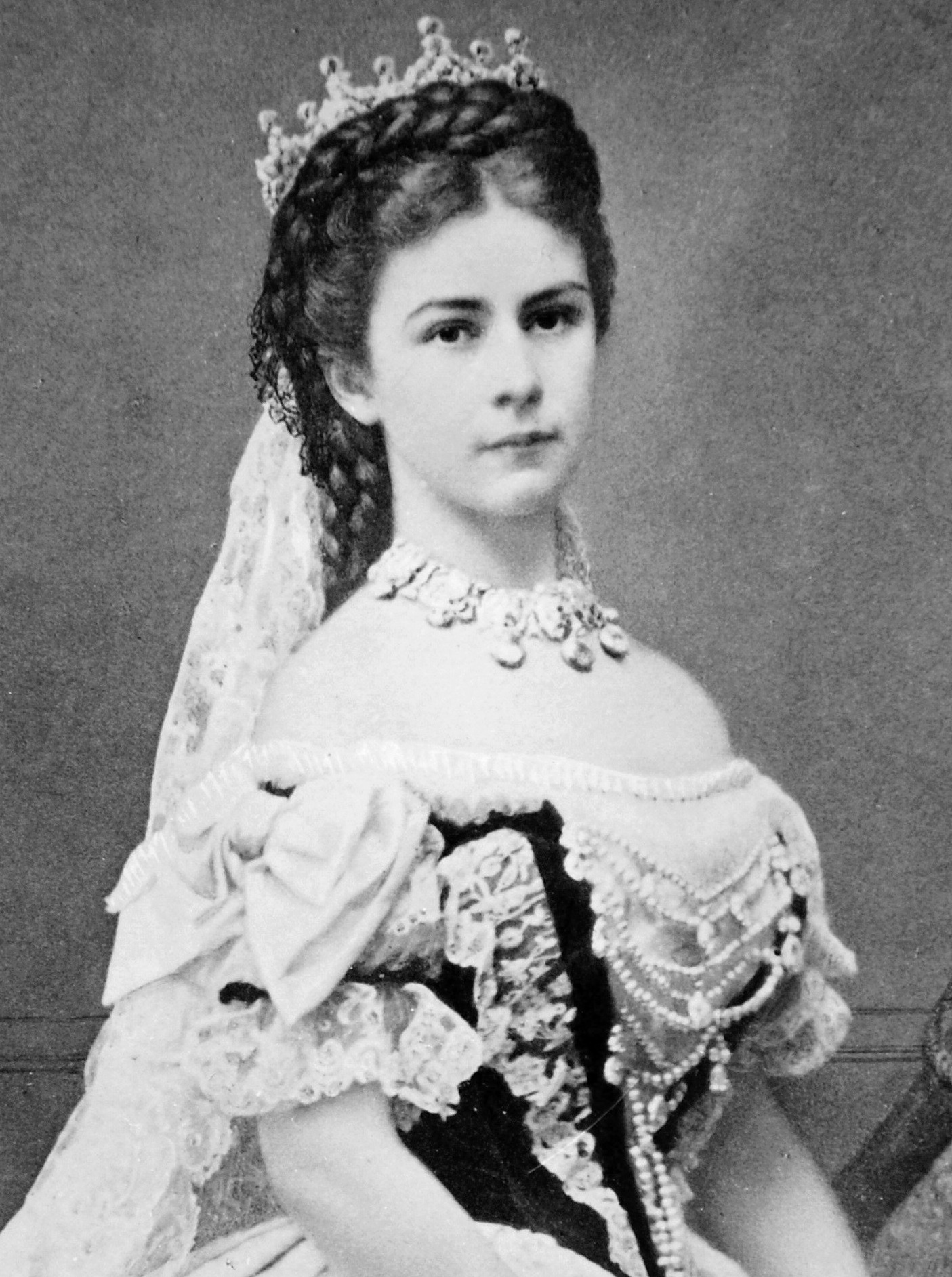
Empress Elisabeth of Austria
Emil Rabending, Public Domain/Wikimedia Commons

He was meant to wed Helene but chose Elisabeth, and the empire watched a complicated love unfold. Sisi strained against court rules yet loved intensely. He tolerated what he could not tame and held fast when scandal stirred. When she was assassinated in 1898, he carried that loss to the end. State papers show discipline and order. Private notes sketch a tenderness trying to breathe inside a very strict world.

Henry VII And Elizabeth Of York
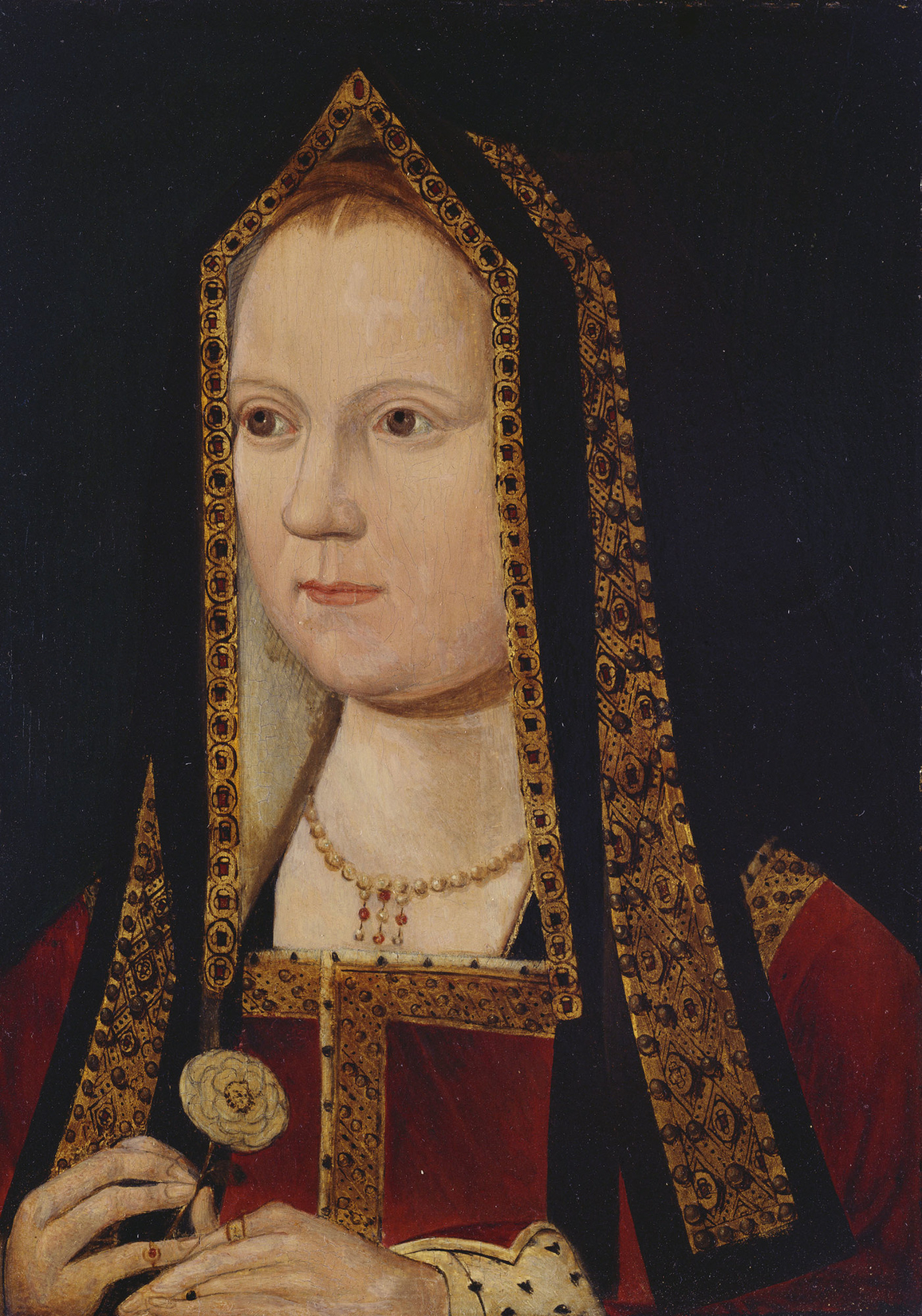
Elizabeth Of York
\After Meynnart Wewyck, Royal Collection, Public Domain/Wikimedia Commons

Their wedding ended the Wars of the Roses and united battered claims. The politics were blunt. The marriage that followed was calmer than anyone expected. They modeled restraint after chaos, raised a new dynasty, and worked as a team. When Elizabeth died in 1503, the king’s grief was plain even to wary courtiers. Peace did not arrive by decree alone. It arrived because two people trusted each other and kept at it.

Saint Louis IX And Margaret Of Provence
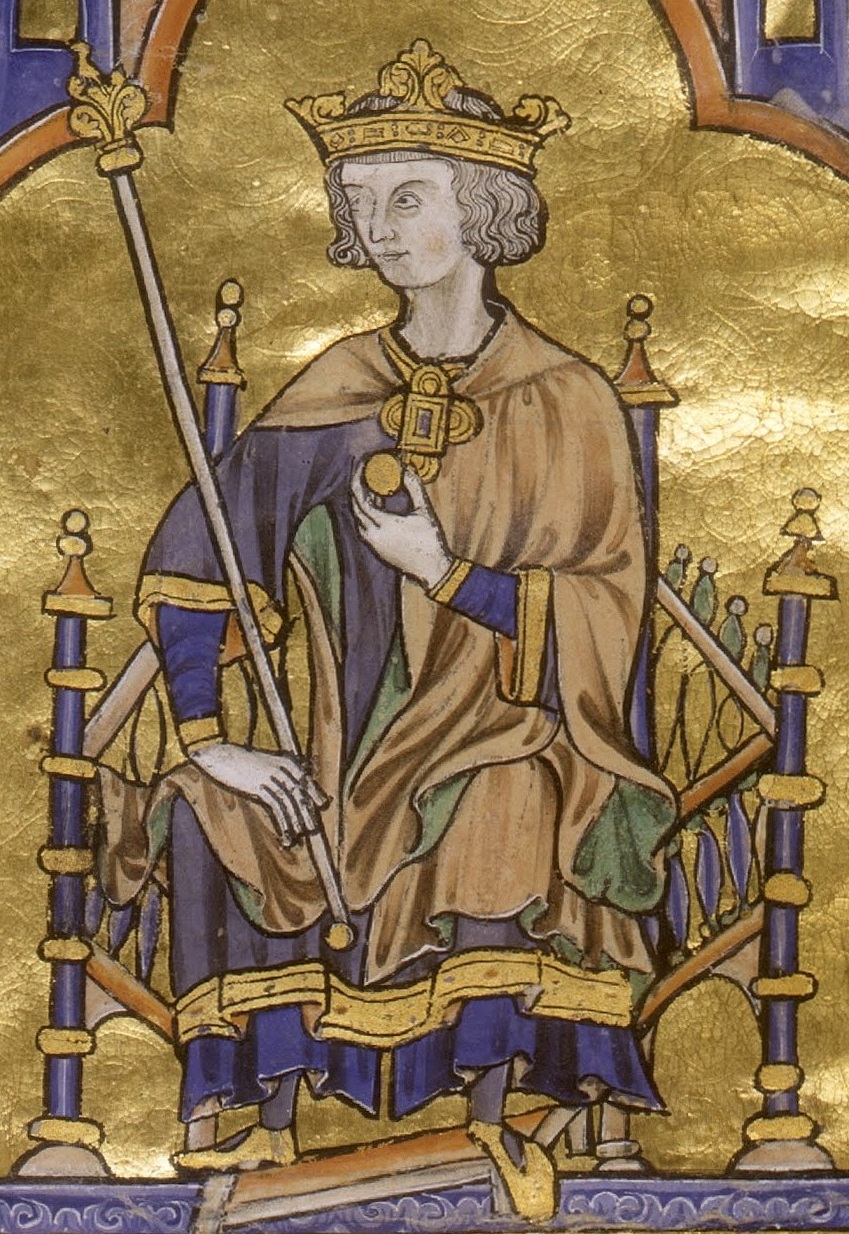
Saint Louis IX
Anonymous, Public Domain/Wikimedia Commons

Married in 1234, they began as a calculation and grew into a partnership that felt gentle by medieval measure. Louis wrote with care about Margaret while on crusade, noting her humor and steadiness. She guarded their children and managed rivals when politics turned sharp. Piety marked his reign, but the letters reveal something smaller and stronger. Everyday fondness. Shared patience. Love as habit rather than performance or show.

Emperor Meiji And Empress Shoken
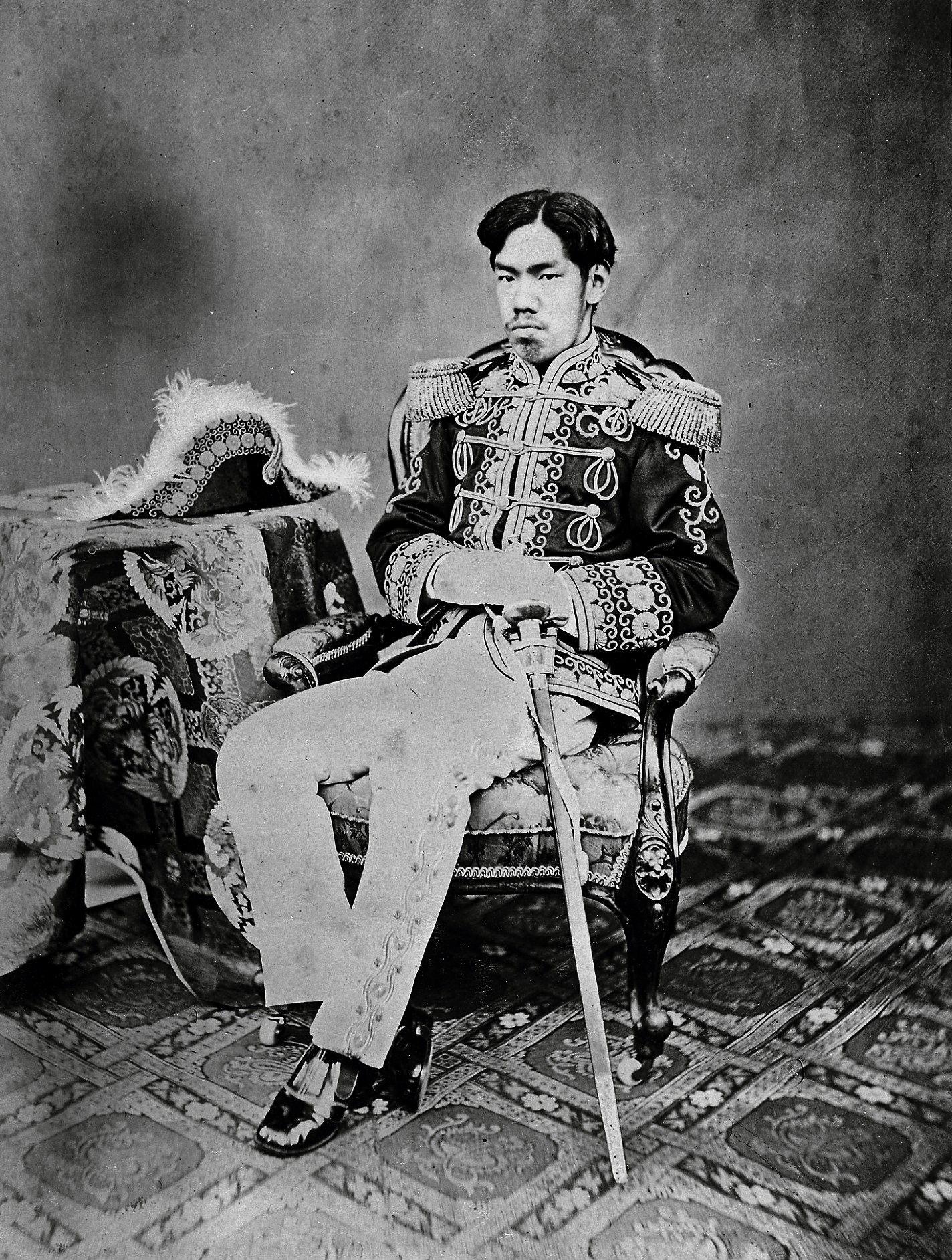
Emperor Meiji
Uchida Kuichi, Public Domain/Wikimedia Commons

Ritual framed the wedding. Shared purpose framed the years. As Japan modernized, Shoken backed reforms, built charitable networks, and reshaped court life through discipline and service. Their companionship appears in parallel projects and the balance they kept between change and tradition. It is a quiet love story. Not the thunderclap kind. The type that moves a household first, then a country, by steady example and mutual respect.

Justinian I And Theodora
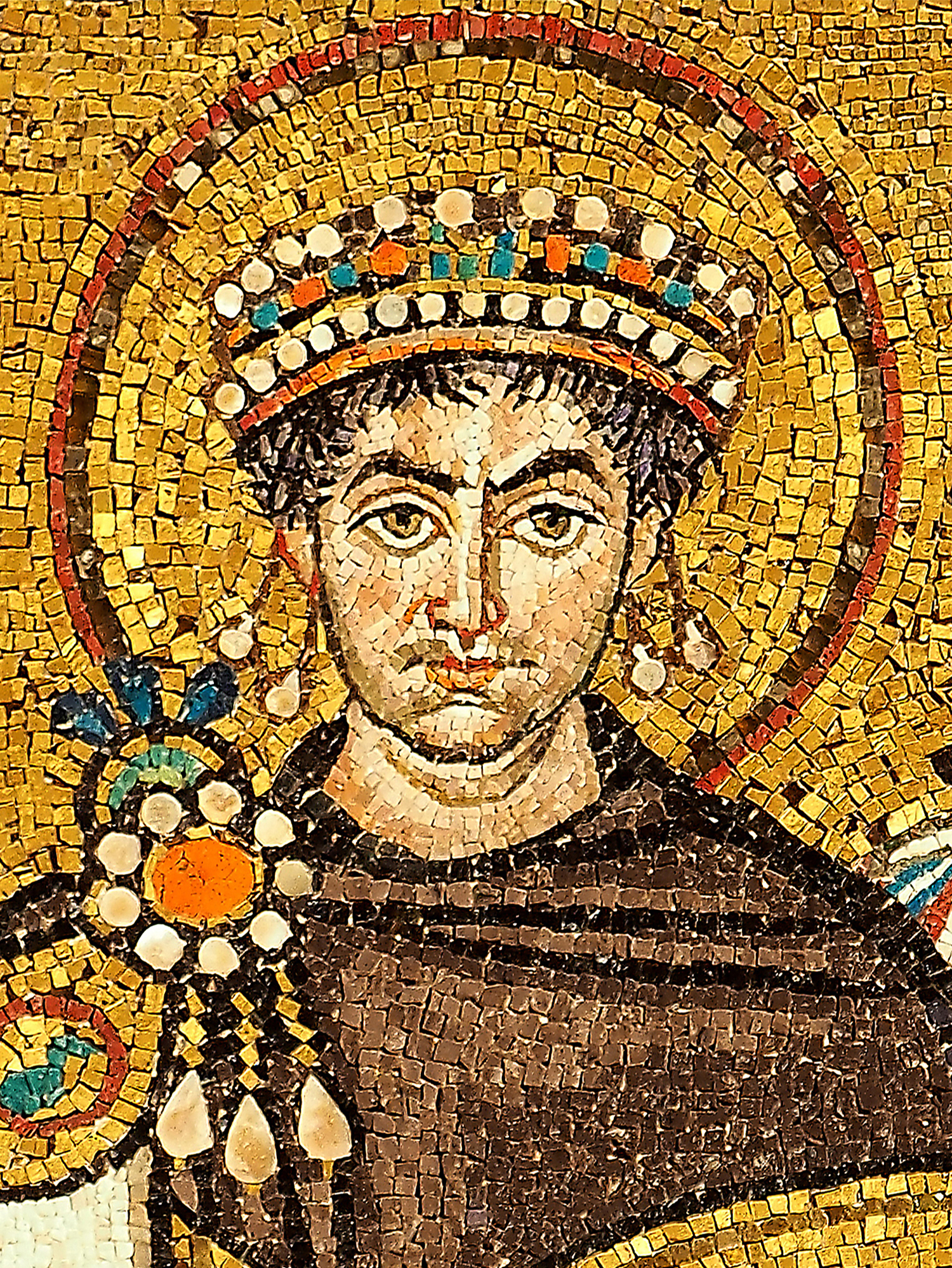
Justinian I
Petar Milošević, Own work, CC BY-SA 4.0/Wikimedia Commons

Their union shocked the court and then reset its expectations. She advised on law, stood firm during the Nika riots, and argued for protections that widened justice. He trusted her counsel when power meant danger, not pageantry. Whatever arrangement set the match in motion, respect kept it alive. The image that endures is not jewels or mosaics. It is two minds sharing the weight of a restless city and refusing to blink.

King George III And Queen Charlotte
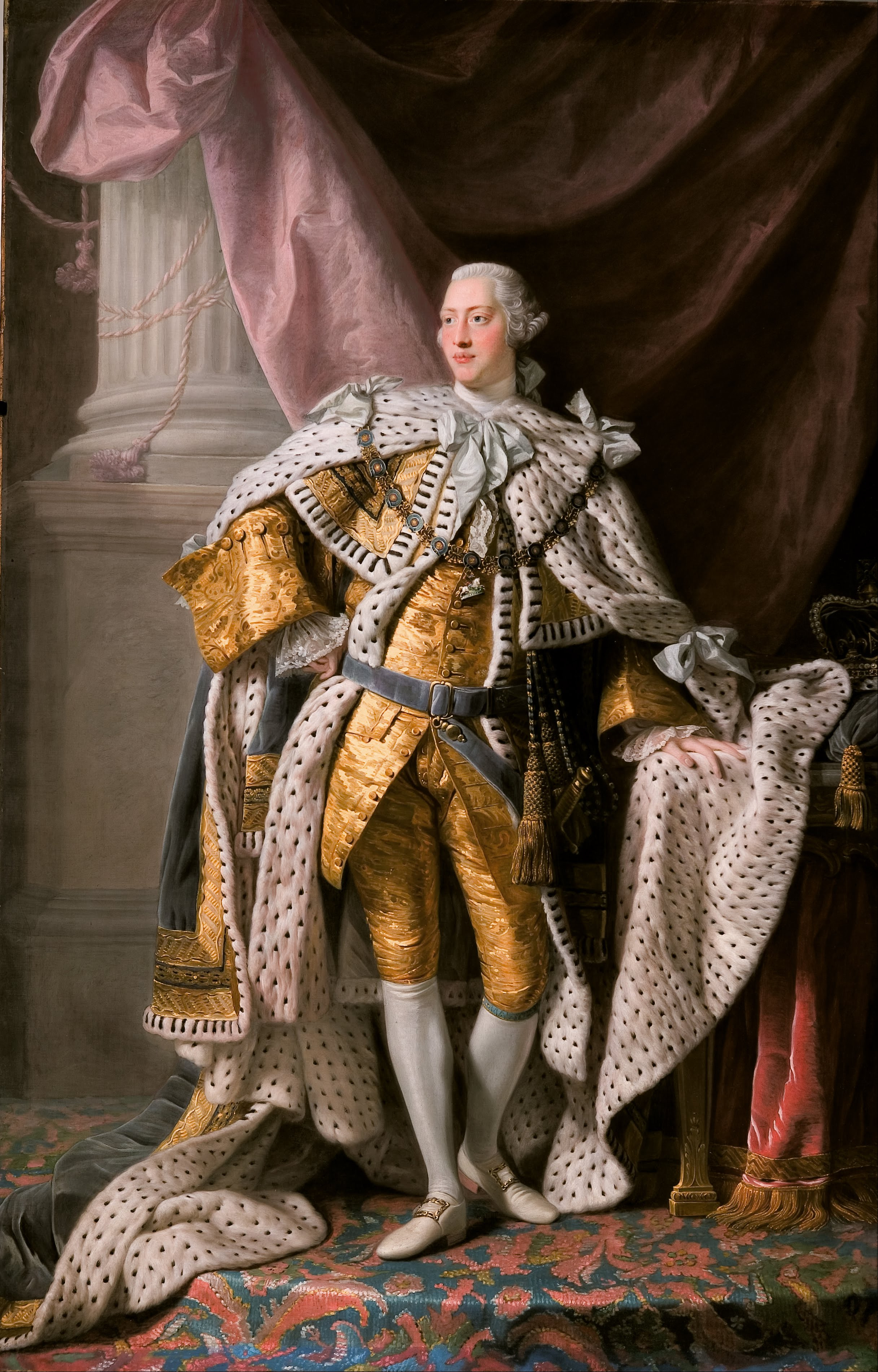
King George III
Allan Ramsay. Public Domain/Wikimedia Commons

They met and married in the same year, then built a life that looked ordinary until one remembers the era. He took no mistress, a rarity for kings, and she anchored a large family with music, gardens, and study. When illness thinned his world, her steadiness held as long as it could. The match was arranged. The constancy that followed was a daily choice, renewed even as memory frayed at the edges.

Emperor Akbar And Mariam Uz Zamani

Akbar
Govardhan / Mir Ali Heravi, Public Domain/Wikimedia Commons

The alliance began as policy and soon became a favored companionship. Her presence and heritage helped shape a wider tolerance at court. Their son Jahangir tied dynastic stability to personal trust learned at home. Beyond ceremony, records of gifts, land, and shared celebrations show warmth. Lines that might have hardened softened instead. The lesson reads simply. Power listens better when affection is real and curiosity beats habit.

Tsar Nicholas II And Alexandra Feodorovna
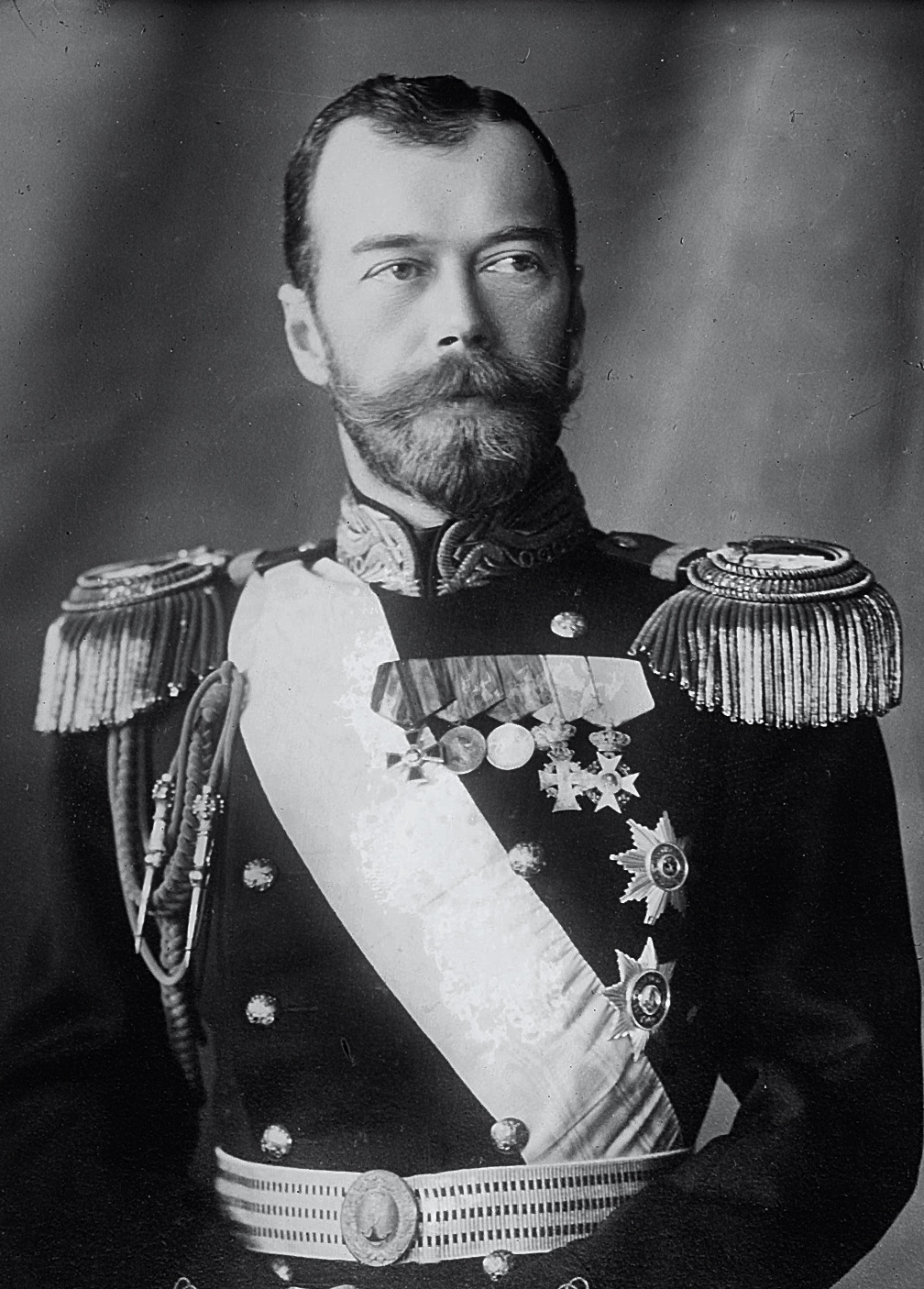
Tsar Nicholas II
Unknown author, Public Domain/Wikimedia Commons

Dynasty arranged it. Love sustained it through strain. She pressed for a marriage of feeling and then stood with him as empire sagged. Their letters ache with tenderness and fear for their children. Politics swallowed their world, yet the domestic portrait stayed clear. Two people who kept choosing each other, even in isolation and error. Devotion did not save the crown. It did define the marriage that faced the end together.

Frederick William III And Queen Louise
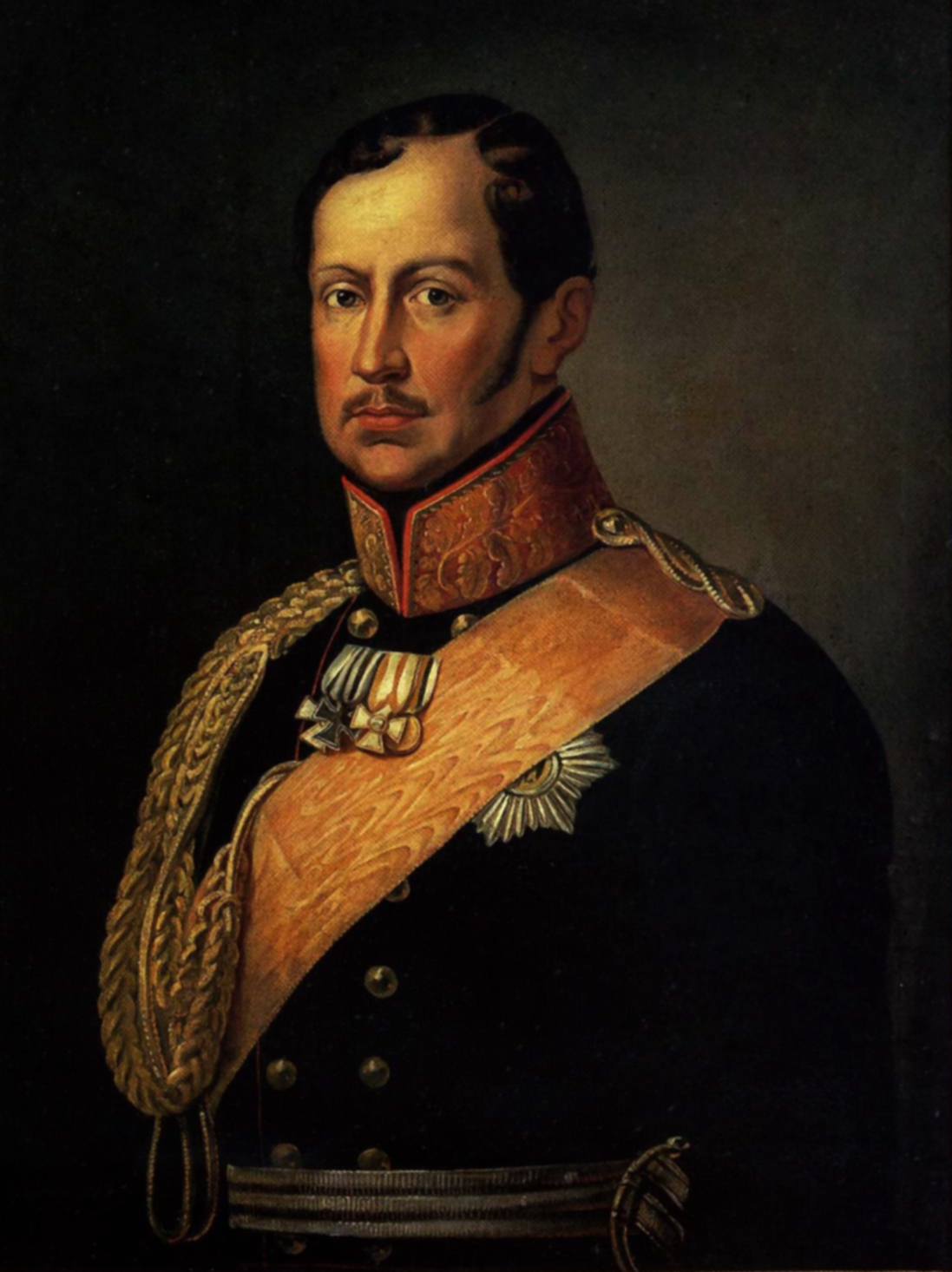
Frederick William III
Unidentified painter, Public Domain/Wikimedia Commons

Their union was diplomatic and urgent in the heat of Napoleonic pressure. Affection followed fast. Louise became a national symbol and a private encouragement to a cautious king. They traveled, petitioned, and steadied morale when Prussia stumbled. Her early death in 1810 left public monuments and a private emptiness he could not disguise. Patriotism mattered. So did the quieter thing they built when the doors were closed.

Alfonso XII And Maria Christina Of Austria
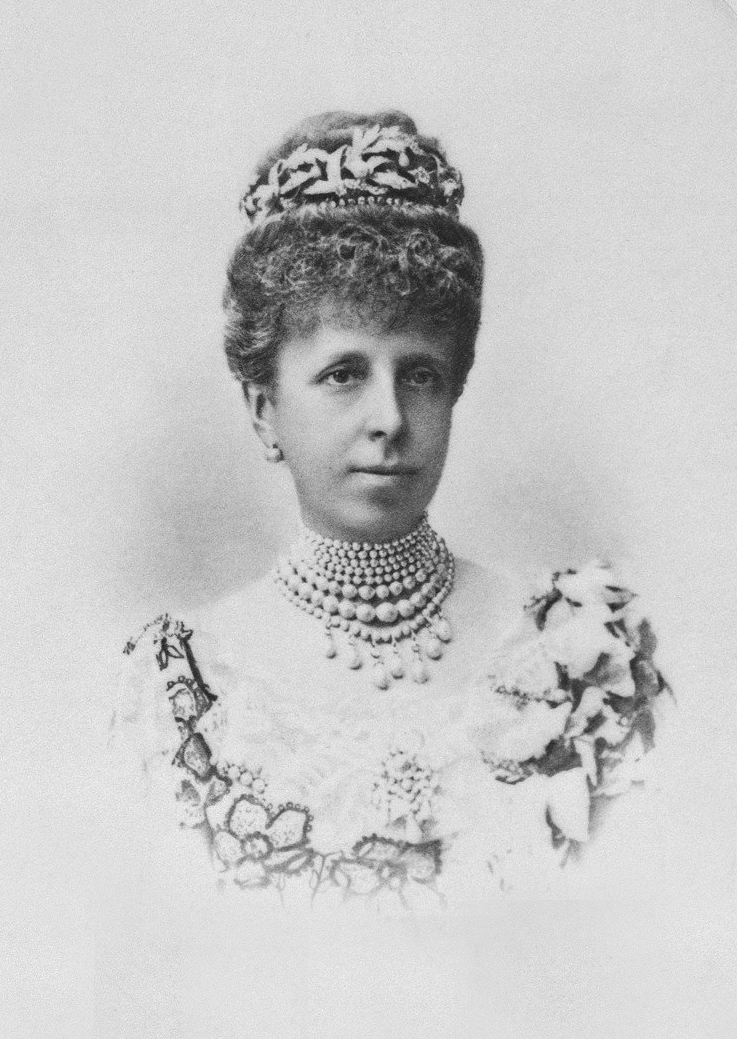
Maria Christina Of Austria
Christian Franzen, Public Domain/Wikimedia Commons

After the death of his first wife, Alfonso entered a new arranged marriage that could have stayed formal. Instead, patience and trust rebuilt the house. She learned the rhythms of Spanish politics and earned respect in a wary public. After his death, she governed as regent with calm and care. The romance here is restraint sharpened into loyalty. A quiet pledge kept in work rather than in words.

Emperor Hirohito And Empress Kojun
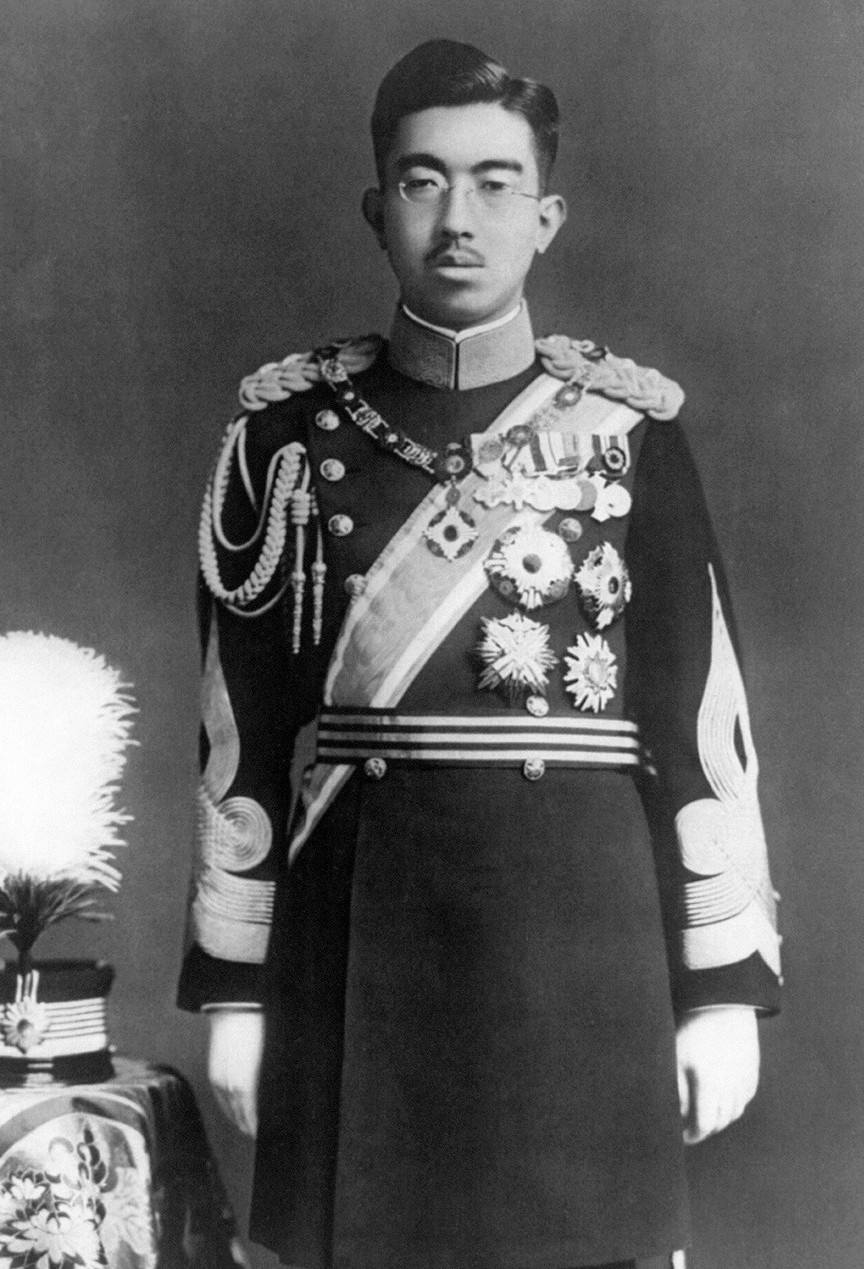
Emperor Hirohito
Unknown author. Public Domain/Wikimedia Commons

Court custom was rigid, yet they found a rhythm that reads tender in photos and measured in diaries. War and reconstruction forced new roles and public reinvention. Through it, their companionship held, marked by small routines, shared walks, and devotion to family. This is not a sweeping drama. It is marriage as presence. Patience repeated until it becomes character. Love as the habit that survives pressure and time.

Philip II Of Spain And Mary I Of England
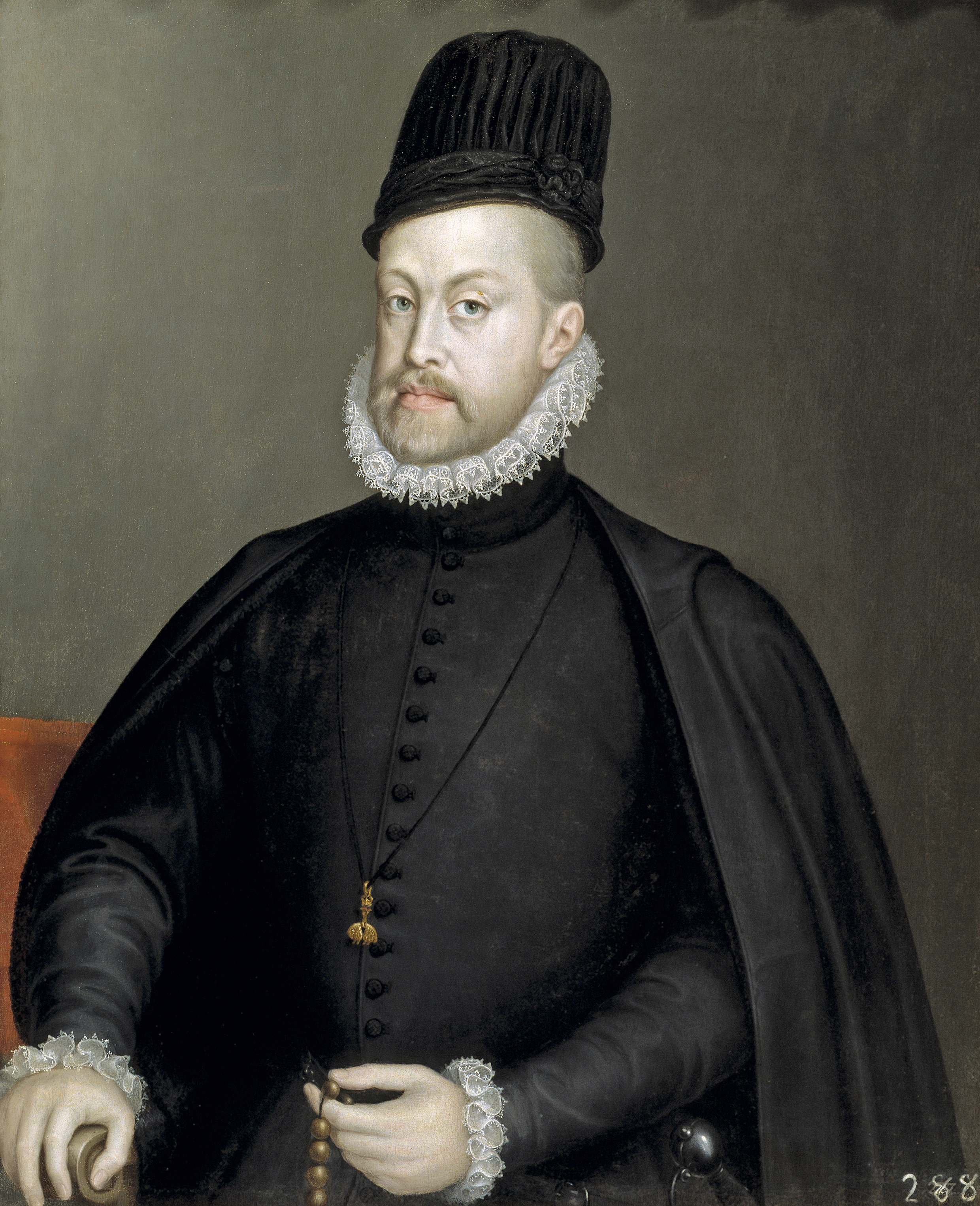
Philip II
Sofonisba Anguissola, Museo del Prado, Public Domain/Wikimedia Commons

Strategy drew them together to bolster Catholic power. History often remembers the politics and the storms. Contemporary accounts also note affection from Mary and a companionship that steadied her in a hard reign. They faced distance and resistance, yet private exchanges show warmth and gratitude. The match did not give her the heir she hoped for. It gave her a partner who made a difficult crown a little more bearable.

1 Shares:
You May Also Like
7. Gift Math And Adjusted Timelines
Read More

10 Souvenirs That Replaced Postcards, and Why They Took Over

# 10 Souvenirs That Replaced Postcards, and Why They Took Over Postcards used to be the official proof that someone had gone somewhere else, even for a weekend. One photo, a rushed note, and a stamp did the job. As phones made updates instant and mailing got fussier, the postcard shifted from habit to novelty. Shops did not stop selling memories, they just changed the format. People started picking objects that stayed in daily circulation: something to wear, use, taste, or display. These souvenirs carried place and personality without requiring neat handwriting or a correct address. The result is a quieter kind of storytelling, where the trip keeps resurfacing in kitchens, pockets, and routines long after the suitcase is zipped away. Even the smallest keepsake can outlast paper. ## Fridge Magnets Postcards showed up late, then got buried, no stamp, no address, no delivery gamble saving the moment. Fridge magnets solved that by living in plain sight, pinning grocery lists and kid art under the same skyline, ferry silhouette, or metro line diagram, so the memory stayed active instead of archived. Shops moved past generic landmark photos into neighborhood slogans, food sketches, and mini maps, because one glance could bring back market chatter and platform noise; they pack flat, survive rentals and moves, and invite multiples, turning a single fridge door into a casual, constantly updated timeline of places that still matter. ## Travel Stickers And Decals Stickers turned souvenirs into something that traveled again. Instead of mailing a postcard to one person, a decal could live on a laptop, water bottle, bike frame, or scuffed suitcase, building a layered map of routes through station codes, park crests, bookstore logos, and hand drawn mascots that sparked conversation in cafés and airport lines. Because they are waterproof, cheap, and sold in sets, they became easy gifts and easy trades, and wear looks honest, not ruined; each scratch and overlap shows what came after, making the object feel like a passport with a growing, visible history that never needs framing. ## Enamel Pins And Patches Enamel pins and patches gave the postcard image weight and texture, turning a skyline or mascot into something that could be worn. A tiny badge of a mountain ridge, museum logo, or neighborhood diner sat on a jacket or backpack for years, acting like a quiet signal in transit stations and coffee lines, not a message begging for postage. Shops leaned into limited runs, artist collaborations, and city only series, so the souvenir felt chosen, not generic; extras were gifted, swapped, or used to cover a tear, and the metal or thread handled rain and repeat trips with ease while a pinboard at home kept the timeline intact. ## Keychains And Bag Charms Keychains and bag charms replaced the postcard rack impulse with something that had a job to do. Keys get grabbed every morning, and charms ride on zipper pulls and backpacks, so a metal tag or leather fob kept the trip in circulation, stamped with coordinates, an arrival year, or a street sign shape that felt like a postmark without the paper. Many versions doubled as bottle openers or tiny tools, so the souvenir earned its space, and pocket wear became part of the story, turning scratches and softened edges into proof that the memory moved through real weekdays, rentals, and commutes, not just a perfect weekend photo. ## Tote Bags, Tees, And Caps Apparel made souvenirs feel less like clutter and more like identity. A tote from an art bookstore, a tee from a surf town, or a cap from a ballpark got worn again and again, carrying the place into errands, classes, and casual nights out, and sometimes turning into the default travel uniform on the next flight. Shops shifted from generic landmark photos to sharper typography, neighborhood slang, and local brand logos that signaled taste as much as geography; the best pieces were soft, well cut, and easy to pack, so gifting one felt practical, and the souvenir kept earning attention without taking up shelf space or needing a frame. ## Mugs And Local Drinkware Mugs turned travel into a daily ritual instead of a mailed update, because morning coffee landed in ceramics printed with a neighborhood map, a museum crest, or a local roaster logo and the memory resurfaced when the kettle clicked off. Cafés and galleries pushed limited designs, handmade glazes, and seasonal runs, so the purchase felt closer to a small piece of art than a generic souvenir. Tumblers, pint glasses, and tea cups also solved storage: they stack, survive moves, and look better with use, and they show up at dinners and chats, letting one shelf hold years of trips without becoming a dusty pile of paper. ## Snacks, Spices, And Pantry Finds Edible souvenirs did what postcards tried to do, but faster, because a jar of chili crisp, a regional spice blend, or a bag of saltwater taffy could be opened the night someone got home and turn storytelling into tasting. Markets and airports helped by selling sealed sweets, vacuum packed coffee, and sturdy tins built for carry ons, so the food survived long routes and still felt tied to the place where it was found. It also dodged clutter: once shared at an office desk or family table, it disappeared, yet the flavor lingered, and people often remembered a street, a song, or a shopkeeper’s grin more clearly than any glossy photo. ## Ornaments And Tiny Home Decor Ornaments became postcards with a return date, because a hand painted bauble from a night market or a miniature landmark for the tree reappeared every December and unboxing it felt like rereading a message from an older self. Outside the holidays, tiny home décor did the same work: coasters, tea towels, ceramic tiles, and matchboxes that lived on counters, ready to be noticed during ordinary mornings. These pieces asked for no postage and no framing, only a place in the house, and they resurfaced at the right moments, when guests arrived, when winter gatherings started, or when a quiet afternoon made nostalgia feel welcome. ## Art Prints, Zines, And Pocket Books Small prints and zines gave the postcard a smarter cousin, because instead of the same sunset photo, travelers brought home risograph posters, line drawings of street corners, and pocket guides written by locals, sometimes signed or numbered, which made the memory feel chosen, not grabbed. The message lived in the taste of the selection, not the handwriting, and the paper felt worth keeping because it had a point of view. Unframed pages fit clip rails, journals, or gallery walls, and buying from an artist table or neighborhood bookshop let the souvenir support the place directly, keeping the trip alive through design, not postage. ## Tattoos As Travel Keepsakes For some travelers, the replacement became permanent, and that permanence was the appeal. A tiny wave, coordinates, or a symbol developed with a local artist could not be lost in a move or tossed in a cleanout, and booking an appointment made the souvenir feel like commissioning art, not grabbing merch near the register. It also solved the postcard problem cleanly: no postage, no delay, no single recipient, just a story carried forward on skin, whether it is a port city anchor or a mountain contour line, quiet until a sleeve rolled up or a wrist turned and the place appeared again, right on time in conversation or solitude. The postcard never really lost its charm; it lost its role. Modern souvenirs win because they do not ask for extra steps, and they refuse to stay hidden. A magnet gets touched, a mug gets lifted, a spice blend gets passed across the table, and a pin rides through another trip. That repetition is the secret. Instead of proving travel happened, these objects let the memory keep happening, in small flashes that feel honest. In the end, the best keepsake is the one that blends into daily life and still pulls a place back into focus, without fanfare. **Excerpt (130 characters):** Postcards faded, but magnets, mugs, stickers, snacks, and small art brought travel home, letting memories live in real life still.