Some stories refuse to die because they carry a little truth inside the drama. Across centuries, sailors, scholars, and locals traded tales that sounded too strange to trust: a city burned for love, warrior women who rode like men, a beast that could pull a ship under. Then archaeology, archives, and deep-sea cameras began turning up receipts in stone, bone, and ink. Not every detail survived intact, but the core often did. Legends can preserve a place, a habit, or a catastrophe long after names blur, keeping a memory alive until evidence arrives and the old rumor reads like a rough eyewitness report. Skepticism folds when the ground talks.
Troy Was Not Just Poetry
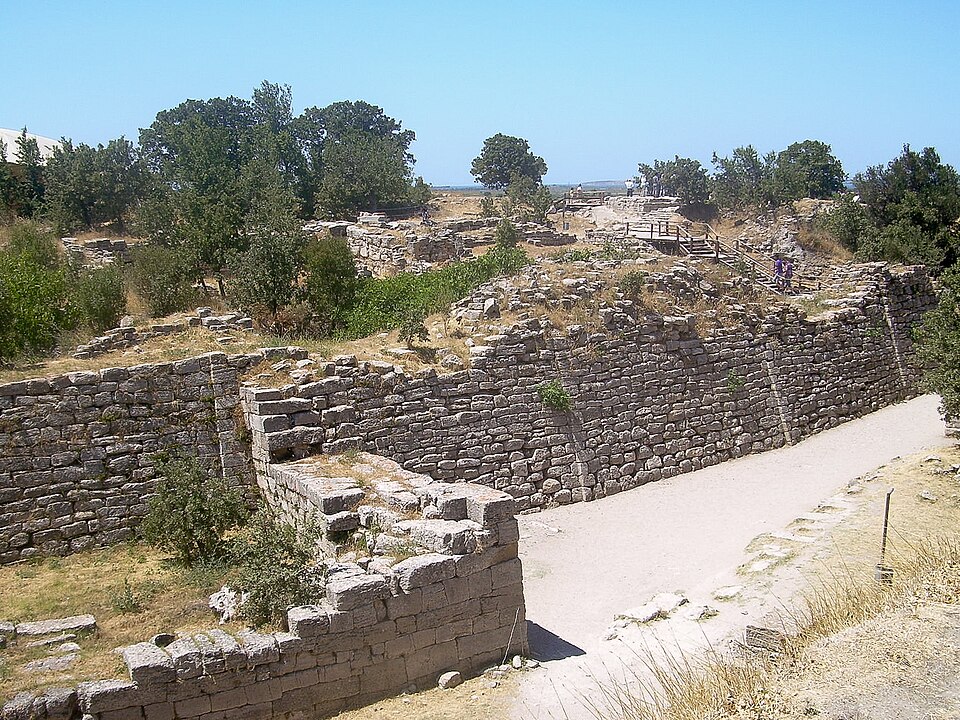
For centuries, Troy was treated as a magnificent setting, not a real address on any map. Excavations at Hisarlık on Turkey’s Aegean coast uncovered a fortified city built and rebuilt in many layers, with thick walls, gates, storage rooms, domestic quarters, and burn traces that fit a Bronze Age world of rival kingdoms and fragile truces. The stacked ruins read like a long timeline, and while they cannot certify every epic detail, they confirm the anchor: a citadel near the Dardanelles, placed to watch sea lanes and inland roads, valuable enough to be fought over, mourned, and retold until memory hardened into legend.
The Hittites Stepped Out of the Margins
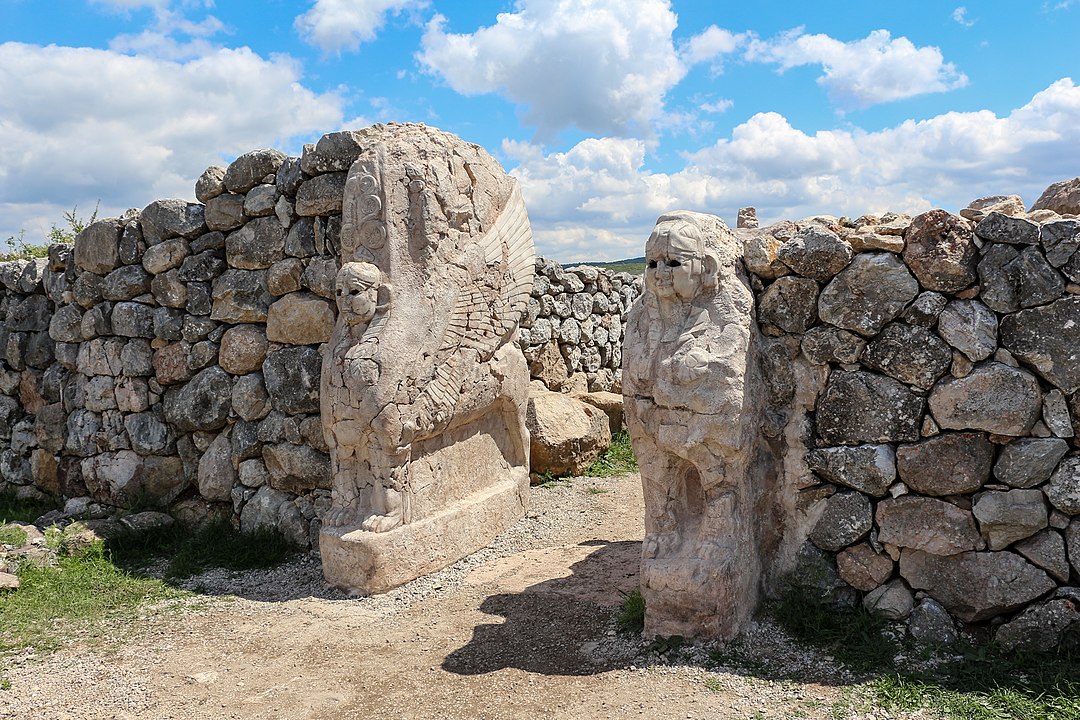
The Hittites were once a blurry reference in other empires’ inscriptions, easy to doubt because their story arrived secondhand and fragmentary. In 1906, excavations at Hattusa in central Anatolia exposed a royal archive of thousands of cuneiform tablets, and the empire began speaking for itself through treaties, court cases, prayers, and shipping lists. Suddenly there were rulers, borders, and arguments over grain, horses, and hostages, plus the everyday bookkeeping of taxes and deliveries, turning a supposed myth into a documented Bronze Age power that fought, bargained, and even made treaties with Egypt on equal footing.
Vinland Was Not Saga Bragging
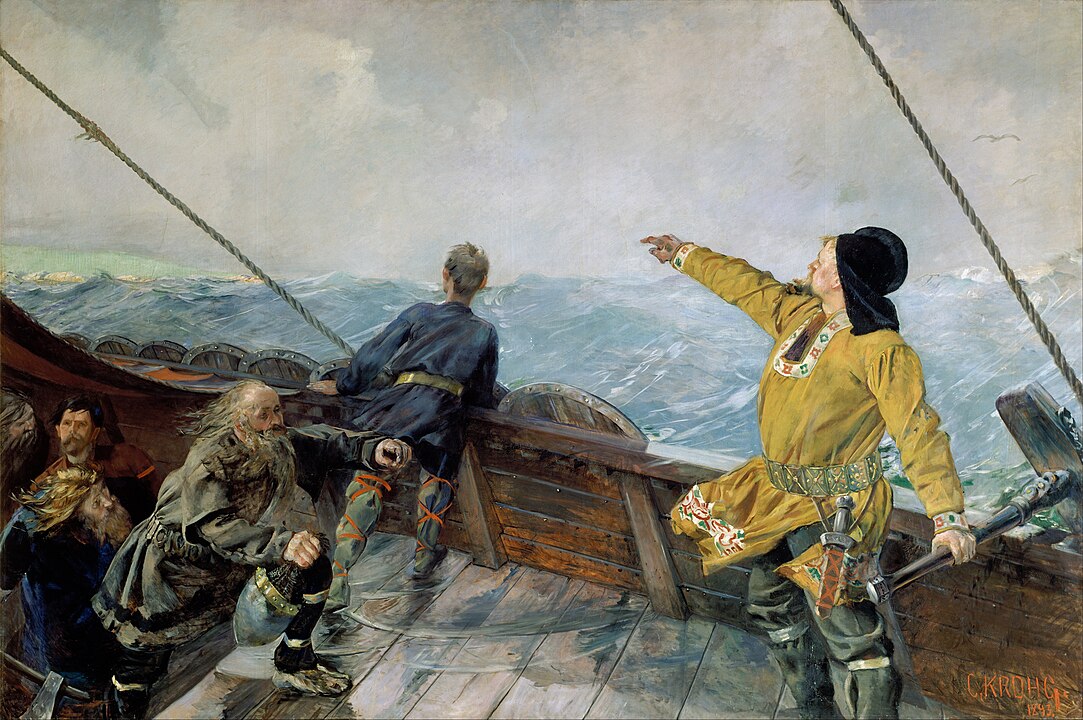
Norse sagas described Vinland as a western land of timber and pasture, and many historians assumed the writers were dressing up exploration as hero talk. At L’Anse aux Meadows in Newfoundland, archaeologists found sod-walled buildings, ironworking debris, and Norse-style artifacts that fit the North Atlantic toolkit around 1000, and tree-ring research points to activity in 1021 C.E. The site reads as a working camp, not a grand colony, which makes it persuasive: a seasonal base for repairs, scouting, and wood gathering, where a huge Atlantic story begins with practical chores, cold winds, calculated risk, and brief stays.
The Amazons Had Real Riders Behind Them
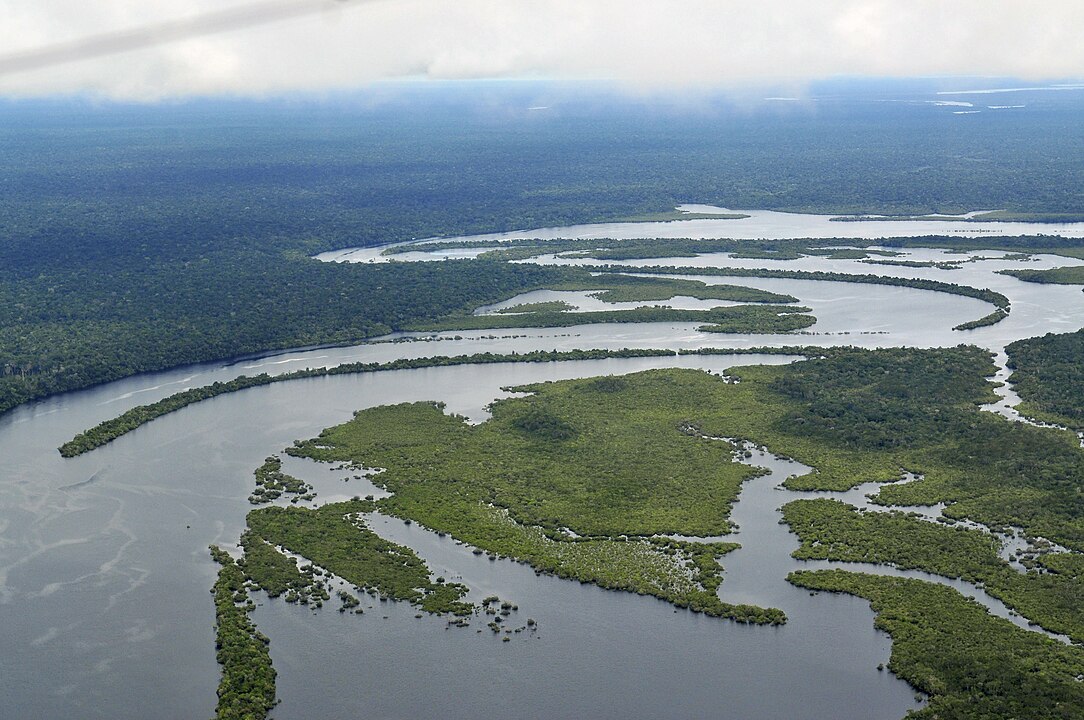
Greek writers loved the idea of warrior women, and later readers often filed Amazons beside monsters as symbolic fiction with a moral. Steppe archaeology has pushed back by uncovering women in Scythian and Sarmatian kurgan burials with bows, spears, and horse gear, plus skeletal wear consistent with years of riding and archery under harsh conditions. Myth likely amplified what trade and conflict already reported: in some nomadic societies, women fought and rode, and that social reality reached the Mediterranean as a sharper story, kept alive because it was strange, and because it was partly true to outsiders across the sea.
The Kraken Became the Giant Squid
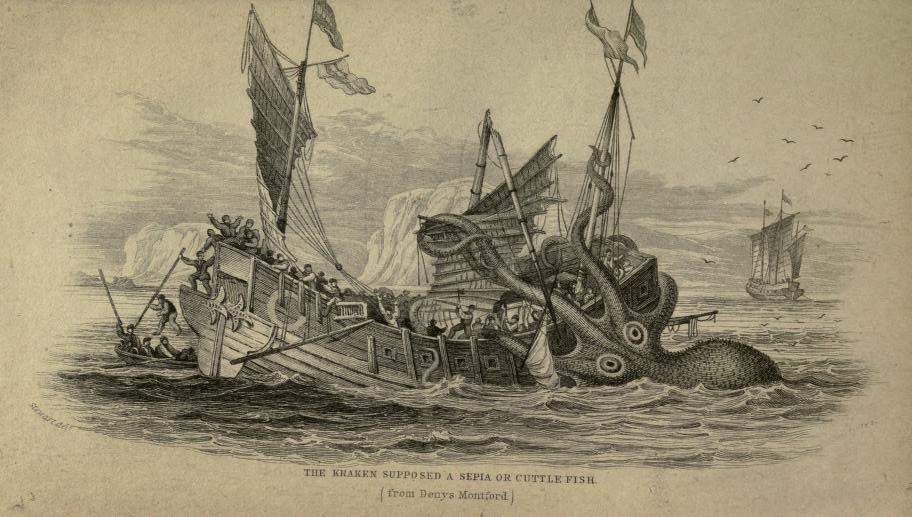
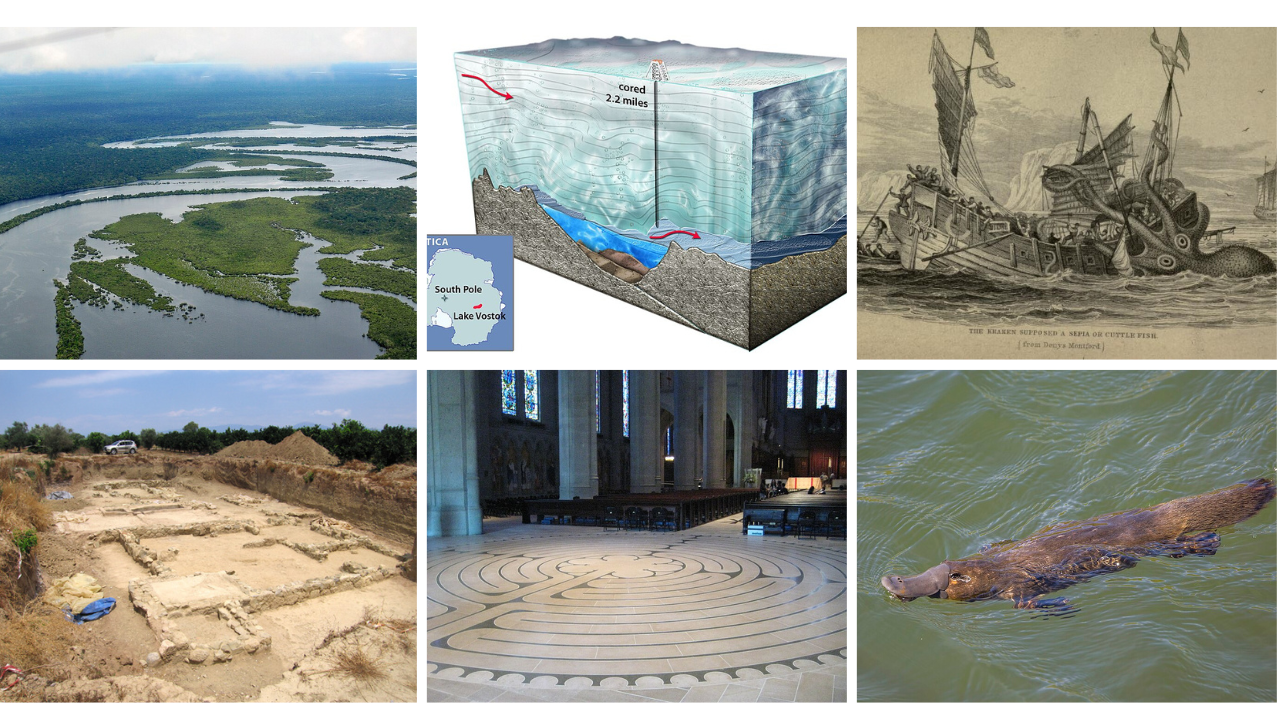
Sea monster stories are easy to laugh at until a living animal puts weight behind the fear and leaves marks that match the tale. Giant squids had washed ashore for centuries, but Sept. 30, 2004, brought a different kind of proof when researchers photographed a live giant squid off Japan, deep in its hunting zone where sunlight never reaches, tentacles stretching in the water. The creature still feels unreal because it is huge and rarely seen, yet it is no curse or sailor’s excuse, just biology hiding in darkness, making old exaggerations sound like rough eyewitness notes from crews who lacked cameras and calm language.
Gorillas Moved From Rumor to Specimen
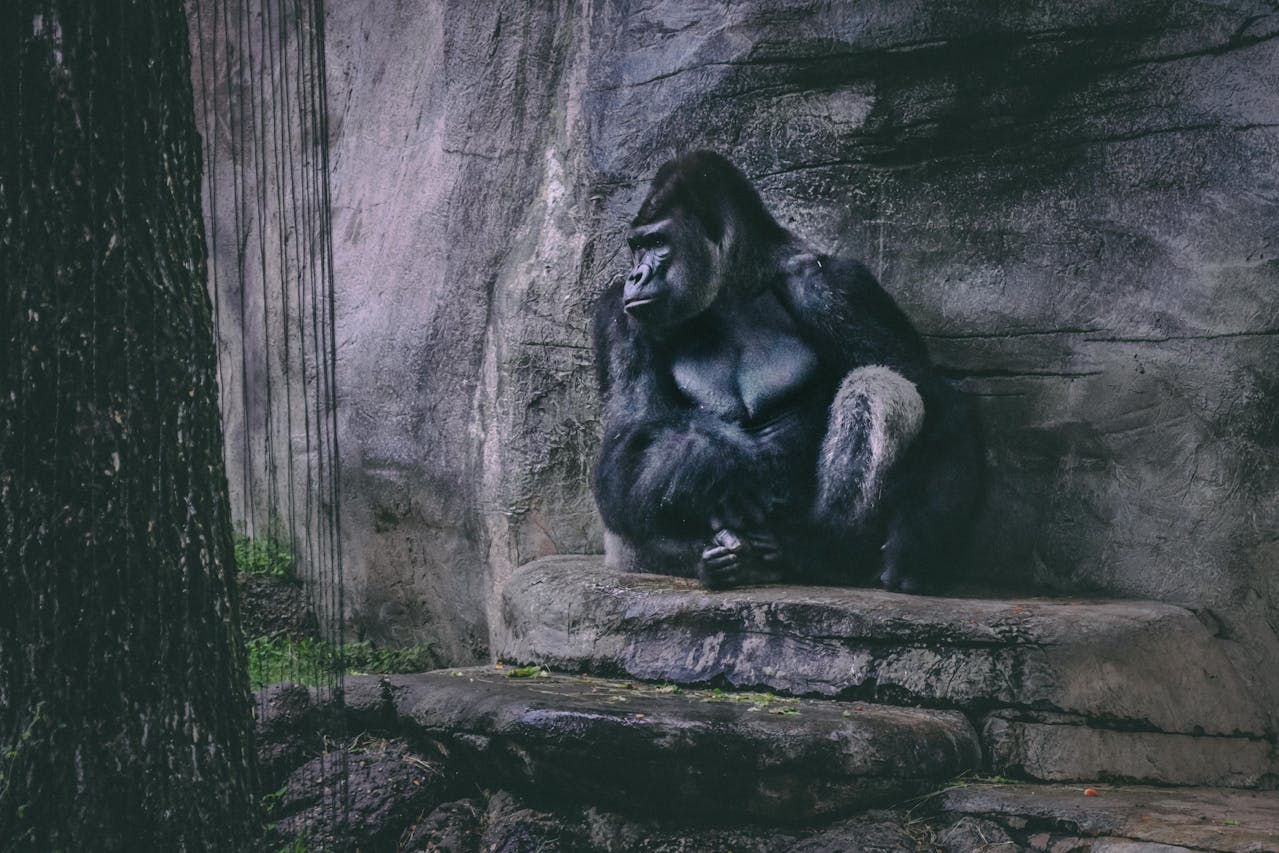
Early European reports from West Africa described massive apes that seemed too large and too humanlike, and many readers dismissed them as travel theater. In 1847, scientists formally described the western gorilla from specimens, and the arguments collapsed under measurements, anatomy, and direct comparison to other primates in museum collections. The deeper lesson is about distance and habitat: dense forests can keep a real animal off the world’s stage for centuries, and once it enters science, the legend does not vanish, it just becomes a clearer story about behavior, ecology, and a creature that had always been there.
The Okapi Slipped Out of the Rainforest
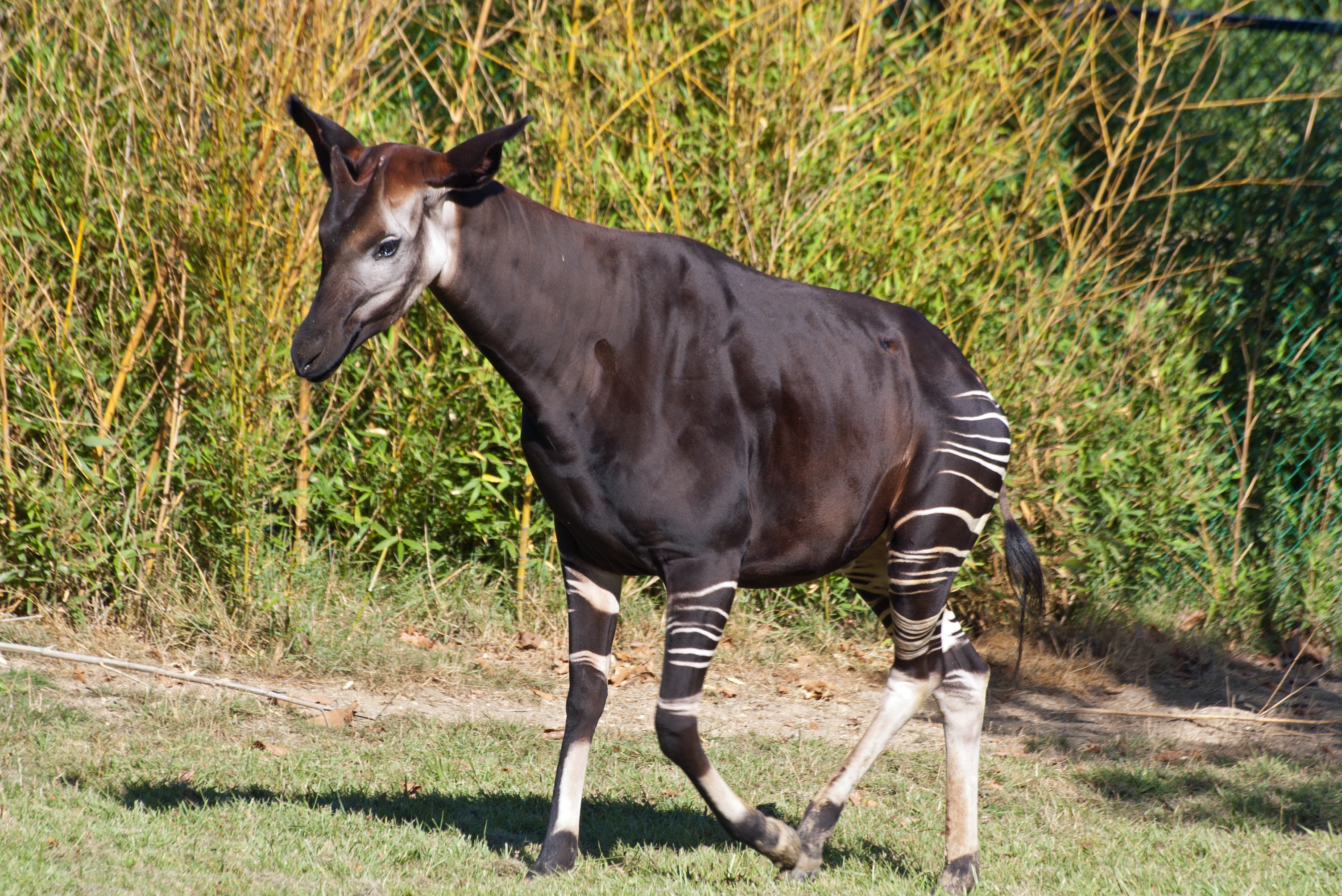
The okapi sounded like an invented hybrid, striped like a zebra yet related to a giraffe, living in the Ituri region of Congo rainforest where sightlines vanish in green. Local hunters knew it well, but outsiders treated reports as confused descriptions until 1901 material reached researchers and the species was formally described as Okapia johnstoni. It is a quiet kind of confirmation: not a single dramatic moment, just a trail from oral knowledge to a museum drawer, showing how something real can be dismissed for decades simply because it is shy, lives where roads end, and lets rumors travel faster than fieldwork.
The Coelacanth Refused to Stay Extinct
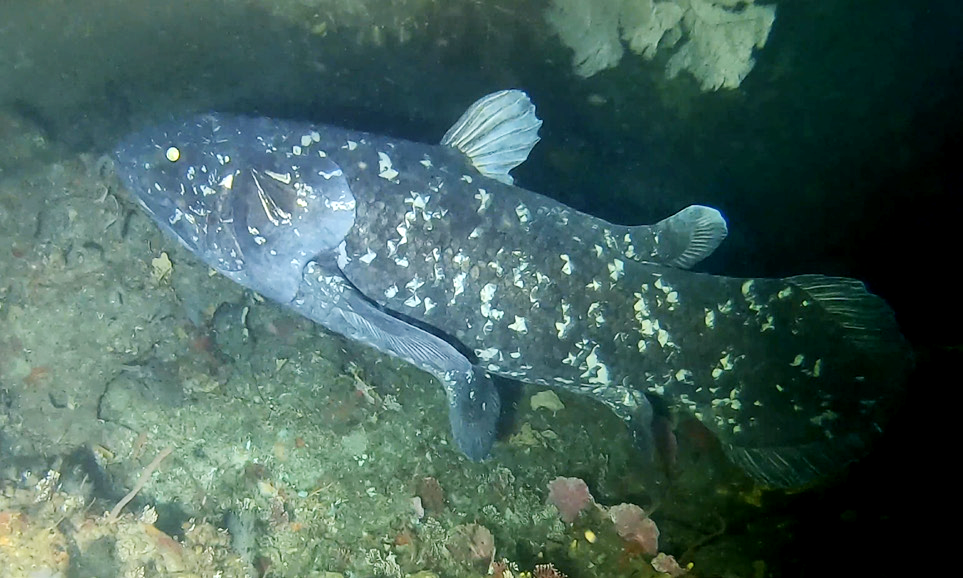
Coelacanths were filed as fossils, a lineage assumed to have ended in deep time, useful for textbooks but absent from living seas. On Dec. 22, 1938, a strange fish caught off South Africa was identified as a living coelacanth, turning extinction certainty into a mistake built on limited sampling and shallow assumptions about what survives. With lobed fins, heavy scales, a slow deep-water routine, and habitats in steep submarine canyons that few people visit, it was never trying to be noticed, and its return to science showed how the ocean can hide ordinary survival behind extraordinary time spans and human blind spots.
Egypt’s Sunken Port City Was Offshore All Along
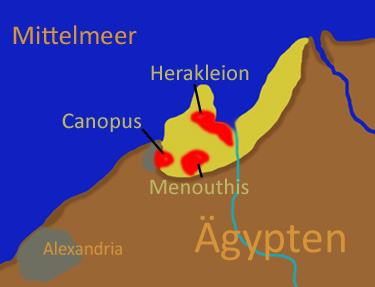
Ancient references to Thonis-Heracleion sounded like classic lost-city romance, the kind that grows better with time, doubt, and rumor for centuries. In 2000, underwater archaeology located major ruins in Abukir Bay, including monumental statues, temple remains, stone blocks, and the bones of a working harbor that once managed busy traffic at the Nile’s edge. The city did not evaporate into mystery, it sank into water and mud after natural disasters and shifting sediments, leaving canals, anchors, and sacred spaces preserved under silt, where the outlines of warehouses and quays still read like a drowned street plan.
Helike Proved a City Can Disappear Overnight
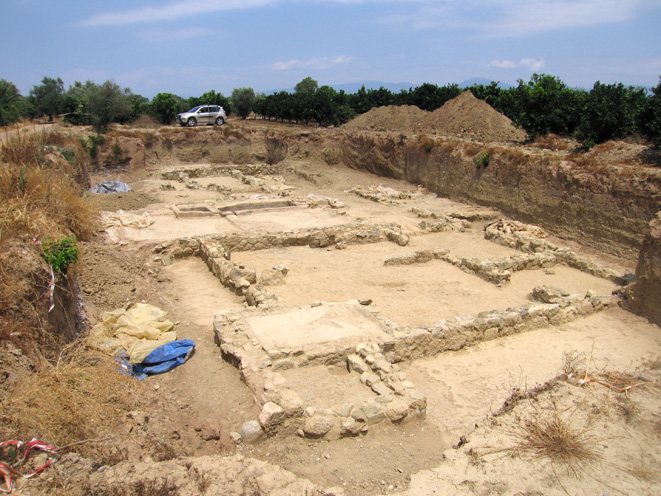
Helike was said to have been swallowed by an earthquake and tsunami in 373 B.C., a story that sounded like moral theater about pride and punishment. Archaeology near today’s Rizomylos has identified remains buried in an ancient lagoon, matching the idea of sudden flooding, coastal collapse, and long-term submergence of a once-busy place on the Gulf of Corinth. The confirmation makes the tale practical, not poetic: one night of shaking and water can erase streets, names, and archives, and the truth survives as a sentence until someone digs in the right mud and finds foundations, pottery, and coins where a city used to breathe.
The Labyrinth Was a Real Palace Problem
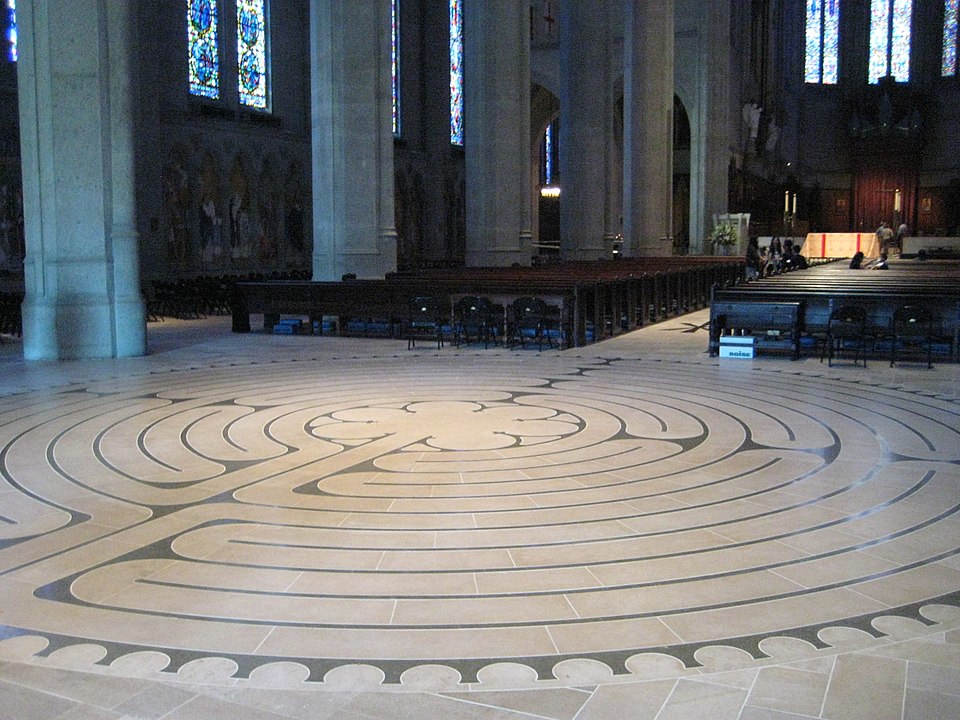
The Minotaur belongs to imagination, but the Labyrinth may preserve a real memory of a place built to confuse outsiders and control movement. Excavations at Knossos revealed a sprawling palace complex with corridors, storerooms, workshops, and administrative rooms linked like a puzzle, alongside strong bull imagery in Minoan art that fits the story’s symbolic charge. Myth added the monster and the moral, but architecture supplied the feeling of disorientation and power, and that feeling traveled well across generations, turning a complicated building into a tale that still makes sense even when the creature is removed.
A Lake Hid Under Antarctica
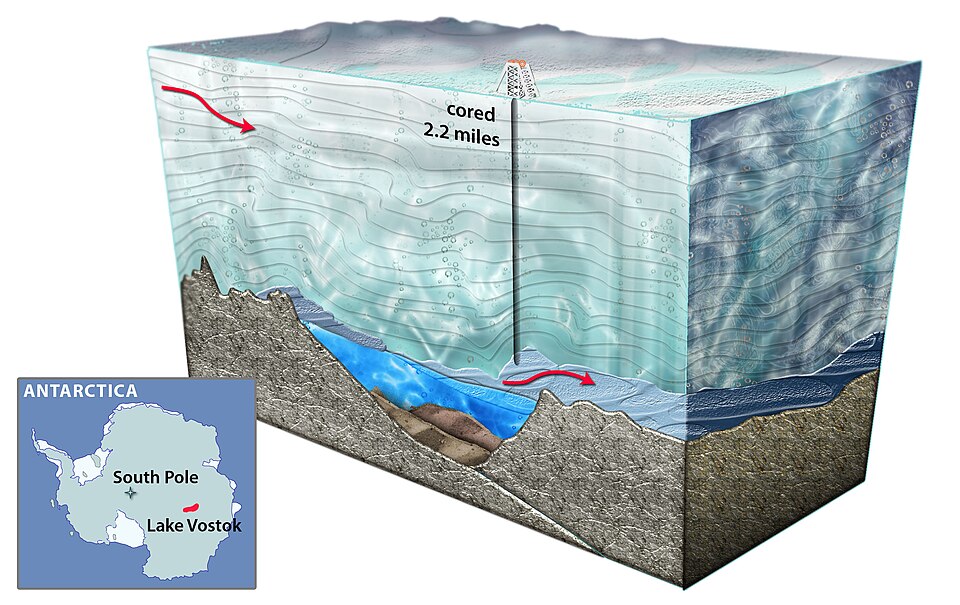
A vast lake sealed beneath Antarctic ice once sounded like wishful science, the kind of claim that feels true only because it is dramatic. Geophysical surveys confirmed Lake Vostok, and in 2012 a Russian drilling project reached the lake surface after penetrating nearly 3.8 kilometers of ice, a milestone shaped by years of engineering and debate. The lake is not mystical, but it stretches the imagination in a useful way: even on a charted planet, whole environments can remain unseen, pressurized, and isolated for ages, waiting for instruments sensitive enough to reveal what the surface world never noticed until then.
The Platypus Was Not a Taxidermy Joke
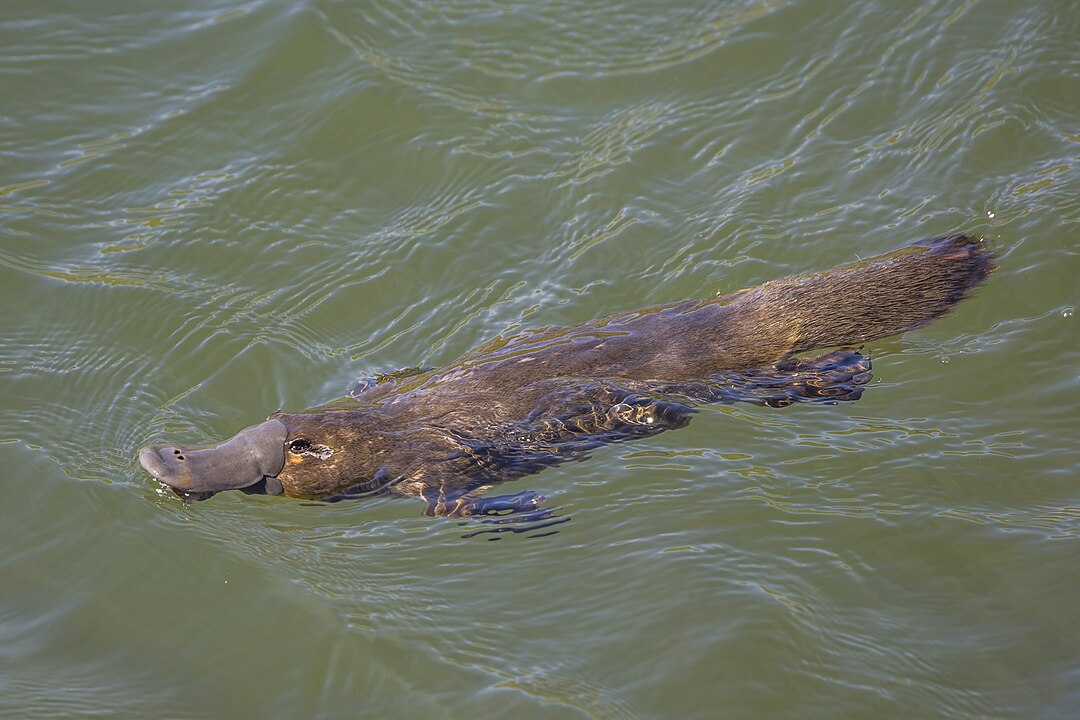
When a preserved platypus reached England in 1799, some naturalists suspected fraud, as if a duck bill had been stitched onto a mammal because it looked like a hoax. Living animals ended the argument, revealing an egg-laying mammal with webbed feet and, in males, venomous spurs, a mix that forced biology to widen its categories and rethink what a mammal can be. Add its odd sensory abilities for hunting in murky water and its burrowed riverbank life, and the early suspicion makes sense: when nature refuses familiar boxes, even experts can mistake novelty for trickery until repeated evidence makes disbelief feel irresponsible.