
Across the United States, the aisles that once smelled of latex balloons, fresh paper, and acrylic paint are getting quieter. Party and craft stores that helped shape birthdays, school projects, and small-town fundraisers now face rising rents, slimmer margins, and relentless competition from online carts. What disappears is not just inventory on shelves. It is last minute rescue runs, advice from someone who has seen every themed party idea, and the comfort of knowing creativity had a local address.
Party Superstores Losing Their Spark

Large party chains that once lit up suburban plazas are steadily shrinking their footprints. Store counts dip each year as leases expire and sales drift online. Balloon walls, themed aisles, and staffed helium stations give way to discount bins in general retailers. For families, that means fewer places for one stop planning and emergency favors. For workers, it means losing a workplace built around celebration, not just another anonymous checkout lane.
Big Craft Chains Tighten Their Belts
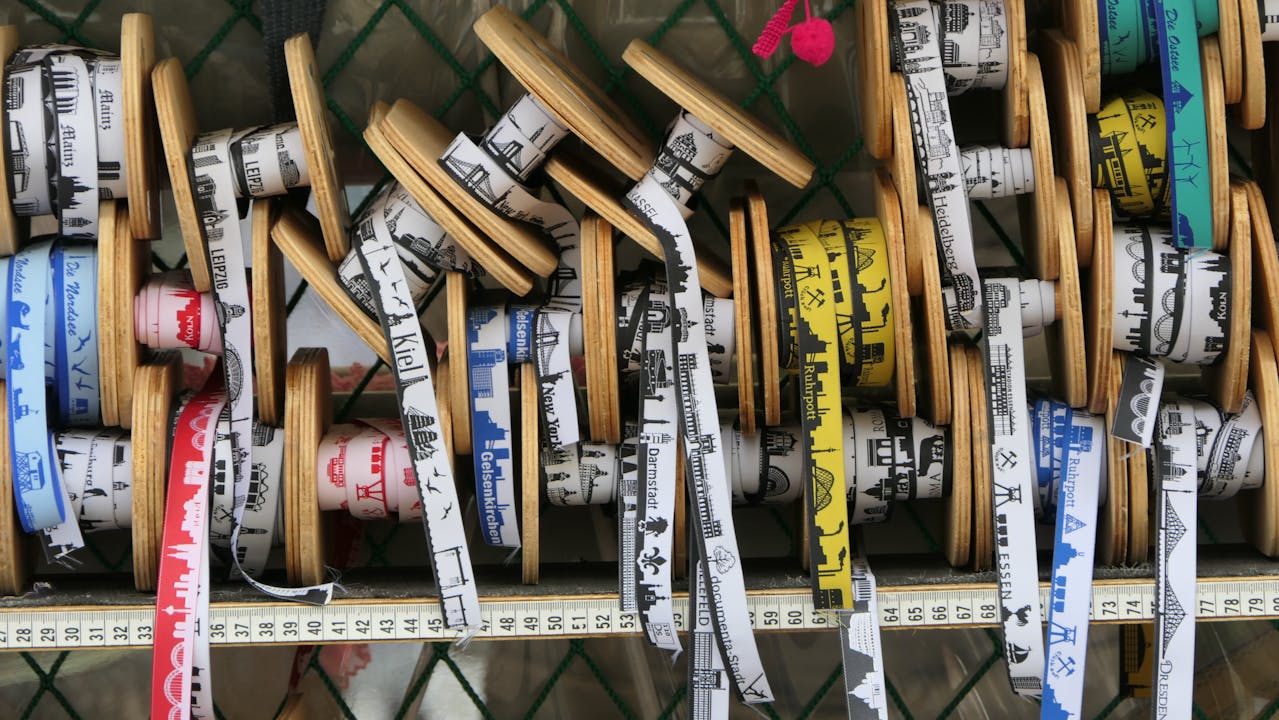
National craft retailers still feel busy on weekends, but many quietly trim staff, close underperforming locations, and shrink stock in slower categories. Fabric aisles shorten, niche tools disappear, and clearance racks grow. Supply chain shifts and higher borrowing costs eat into profits, pushing executives to favor regions with higher spending. Crafters in smaller towns often notice first, suddenly facing an hour drive for the kind of in person browsing that used to sit ten minutes away.
Independent Party Shops Lock Up For Good

Locally owned party shops once thrived on deep personal knowledge. Owners remembered favorite character themes, created custom balloon arches, and opened after hours for frantic parents. Now rent increases, seasonal swings, and online comparison shopping make that service hard to sustain. Many close without fanfare when a lease ends or a longtime owner retires. Their darkened windows often sit empty for months, a reminder of how fragile celebration based businesses can be.
Neighborhood Craft Boutiques Lose Ground
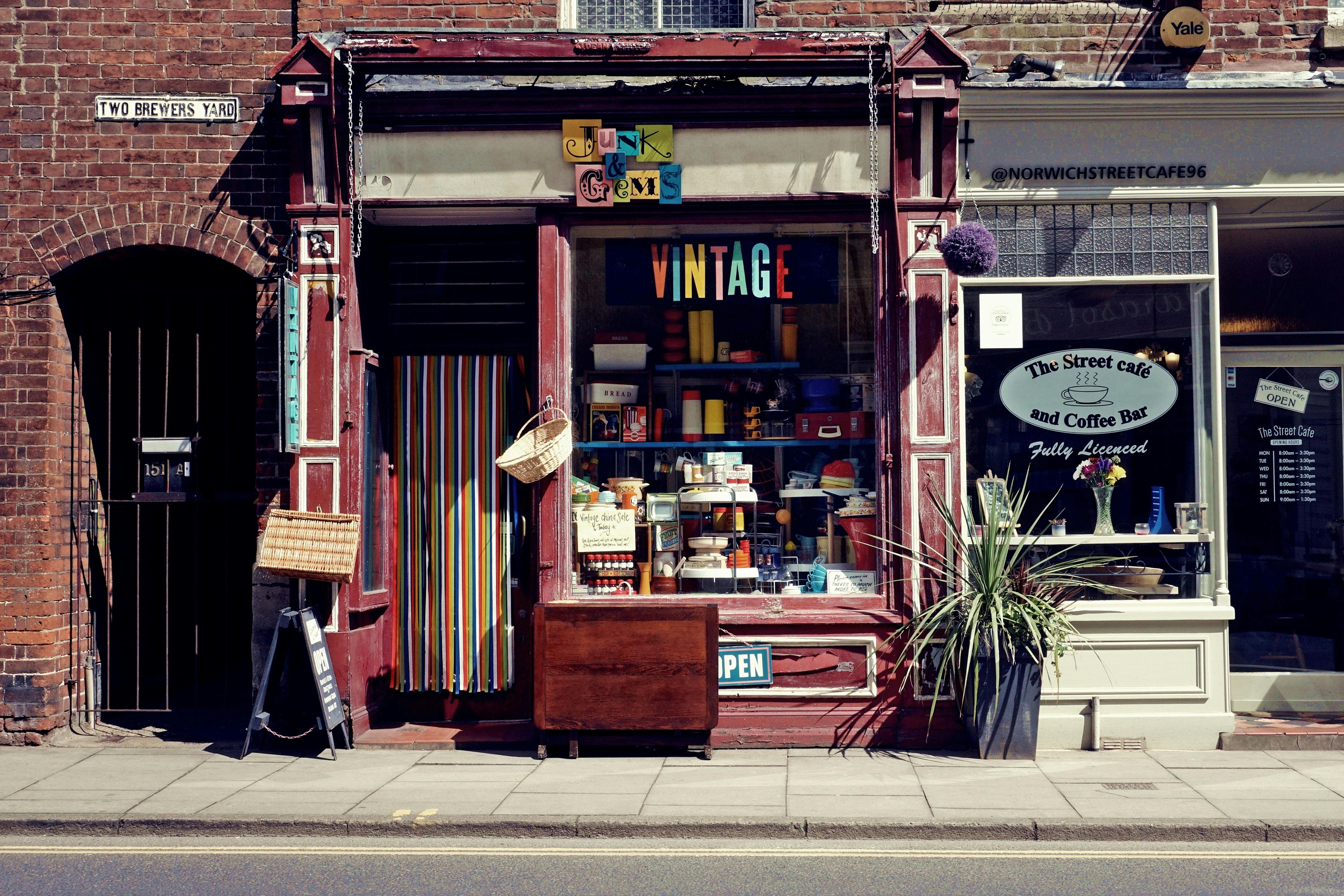
Small craft boutiques curated their shelves with care, choosing specialty paints, handmade papers, and tools that rarely show up in big chains. Their survival depended on loyal regulars and steady workshop sign ups. As streaming platforms and digital hobbies took more free time, class registrations slipped and impulse visits dropped. Higher rent and insurance costs finished the squeeze. When those boutiques disappear, communities lose a place where creative experiments felt low pressure and genuinely local.
Scrapbooking Stores Fade From The Map

Scrapbooking once fueled entire stores filled with patterned papers, album systems, and embellishments for every life milestone. The rise of digital photo books and social media albums slowly eroded that demand. Some shops tried to diversify into planners, card making, and home decor, but many could not offset the long slide. Their closures mark a shift in how families keep memories, moving from thick albums on coffee tables to cloud folders and endless scrolling timelines.
Bead And Jewelry Supply Shops Grow Scarce

Specialty bead stores offered something online listings still struggle to match: the chance to hold each strand, compare finishes in real light, and get frank advice on clasps that actually last. Rising wholesale costs and steep competition from marketplace sellers make those margins thin. Owners often add classes, trunk shows, and local artist showcases to stay afloat. Even so, many end up liquidating buckets of beads at steep discounts, leaving jewelry makers with fewer places to test ideas in person.
Model And Hobby Stores Fight To Hang On

Model and hobby shops used to anchor weekend rituals for train enthusiasts, radio control fans, and kids building first kits with a parent or grandparent. Today, online specialty sites and global retailers undercut prices on engines, tracks, and tiny trees. Younger hobbyists split attention between physical builds and digital games, lowering walk in demand. When a store finally closes, local clubs lose a neutral hub where advice flowed freely and new members found the courage to start.
Paint Your Own Pottery Studios Go Quiet
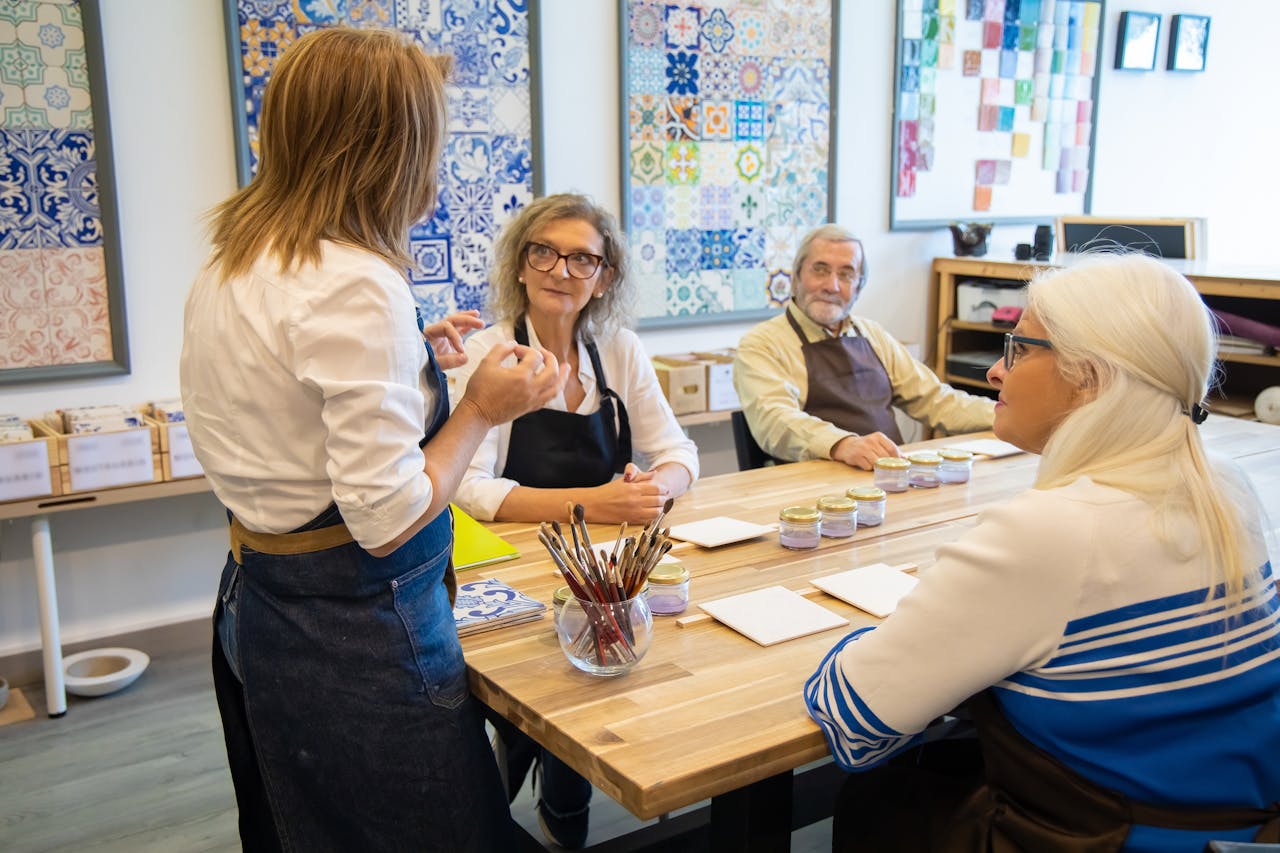
Paint your own pottery studios gave towns an easy creative outing that doubled as birthday venue, date night, and casual therapy session. The business model depends on regular party bookings and foot traffic, both of which wobble when budgets tighten. Some studios pivoted to take home kits and online reservations. Others could not bridge the gaps between busy seasons. An empty studio, once packed with half finished mugs and laughing groups, leaves a particular kind of silence behind.
Independent Yarn Shops Feel The Pinch

Yarn shops sit at the crossroads of retail and community space. Regulars came for new skeins, stayed for knit nights, and often found friendship across shared projects. Rising costs for quality fiber, slower discretionary spending, and the convenience of big box craft chains place pressure on those margins. Some owners succeed by leaning into local mills, pattern support, and charity drives. Many still face hard choices when renewal papers arrive, and a Closed sign goes up where knitters once gathered.
Mall Gift And Party Stores Shrink Away

Indoor malls once tucked quirky gift and party stores near food courts, giving shoppers places to grab wrapping paper, novelty candles, and last minute gag gifts. As anchor department stores left and foot traffic dropped, smaller tenants felt the shock first. Shorter leases, higher common fees, and unpredictable sales pushed many to exit. Vacant spaces and temporary pop ups replace them, trading long term neighborhood rituals for quick experiments that rarely serve as true community staples.
Seasonal Pop Ups Crowd Out Year Round Shops
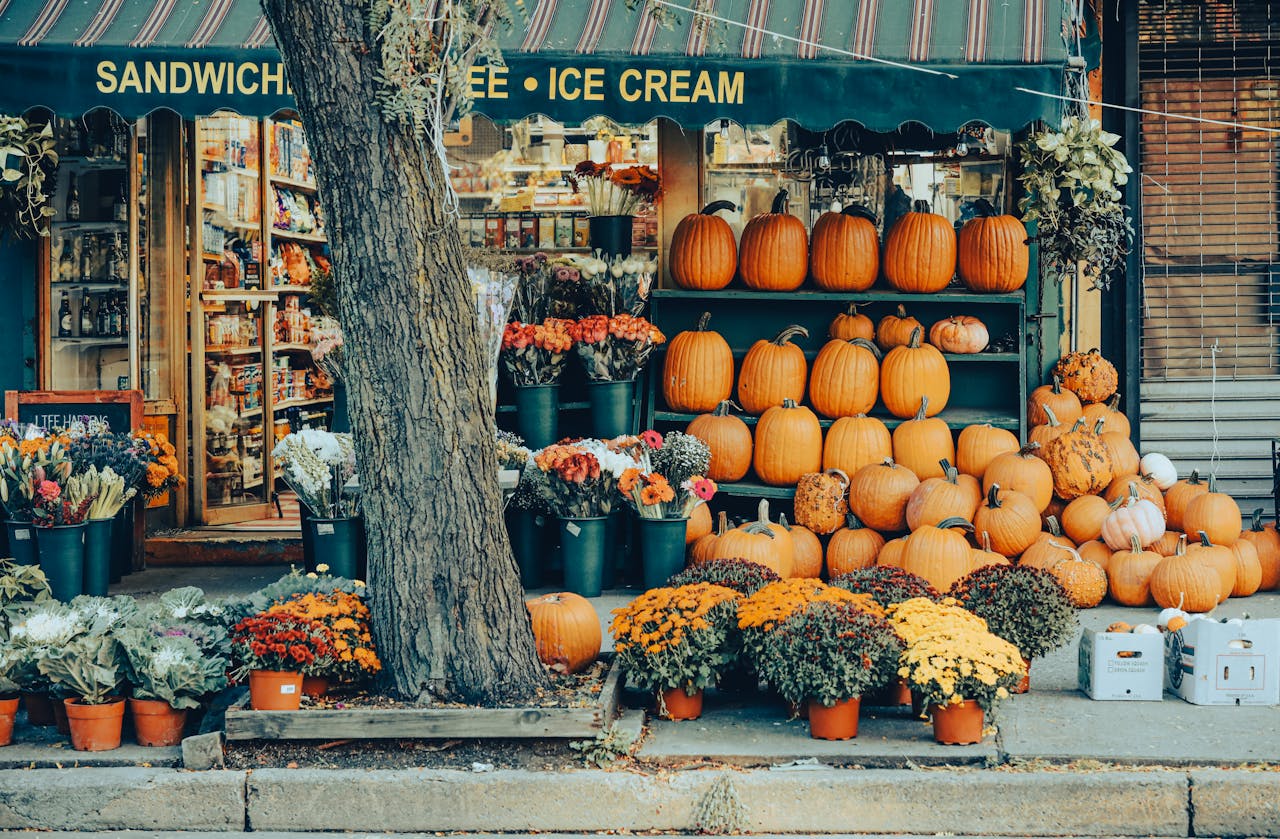
Seasonal chains focusing on Halloween costumes, graduation decor, or winter holidays now swoop into prime retail spaces for a few intense weeks. Landlords like the predictability of a short burst of rent and guaranteed buzz. Year round party or craft shops struggle to compete for those same locations, especially when they need stable terms across the calendar. The shift leaves many neighborhoods feeling oddly overstocked during big moments and strangely bare when smaller celebrations roll around.
Community Craft Co Ops Struggle To Survive

Craft co ops and maker spaces tried to rewrite the script by blending shared tools, classes, and small retail sections. They often relied on membership fees, grants, and a steady flow of local curiosity. Inflation, shifting work patterns, and online learning platforms chipped away at that foundation. When a co op closes, a town loses more than discounted access to equipment. It loses a rare room where beginners and experts stood shoulder to shoulder, trading skills and encouragement.