An electrical panel is supposed to be the calm, orderly brain of a home, but small errors can turn it into a quiet stress point. Most panel problems do not announce themselves with sparks; they hide in loose connections, missing parts, and shortcuts taken during a rushed remodel. What makes these mistakes risky is how ordinary everything can look from the hallway, right up until a breaker will not trip or a lug warms up. Age, moisture, and overloaded circuits all amplify the consequences. Home inspectors often spot the clues, but a licensed electrician is the one who can confirm the cause and correct it the right way.
Double-Tapped Breakers That Were Never Meant to Share
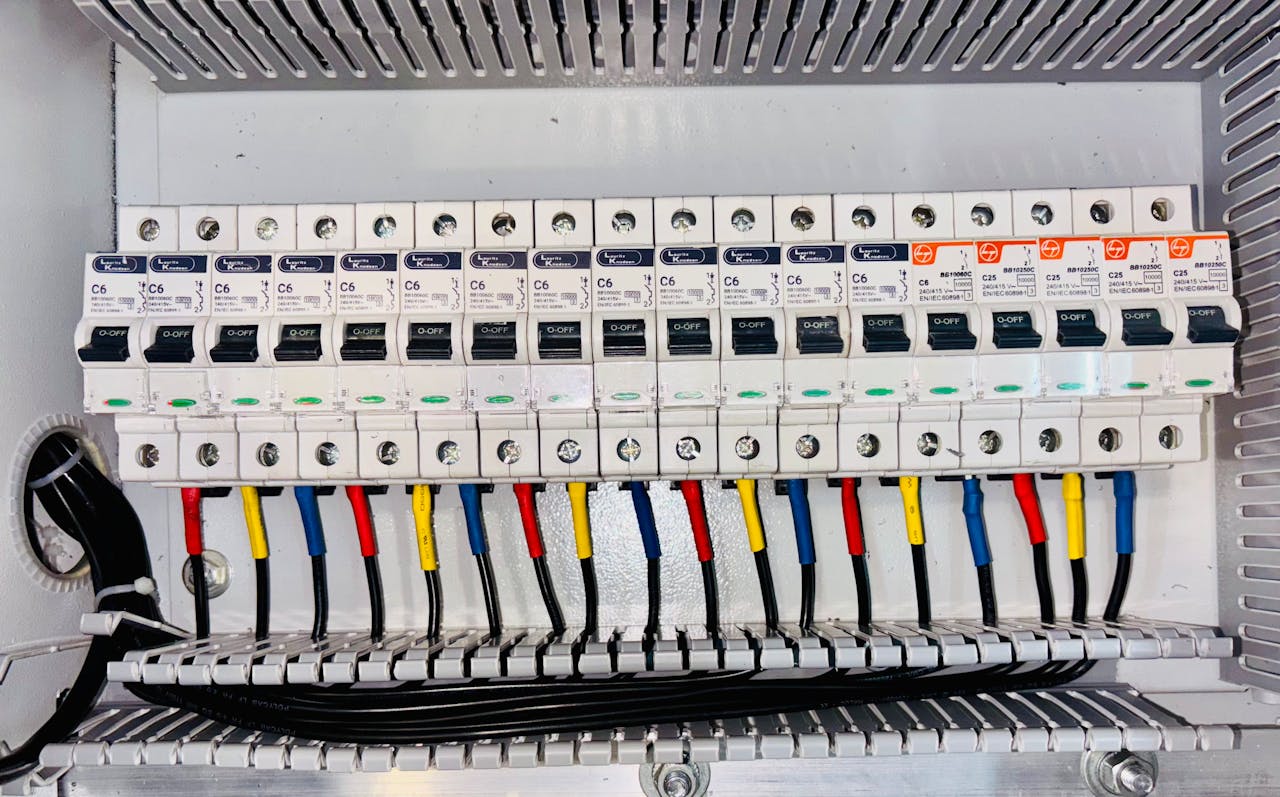
One breaker terminal is often designed for a single conductor, yet two wires sometimes get squeezed under the same screw as a shortcut after an addition, a DIY circuit, or a rushed repair. The pressure is rarely even, so one wire can sit slightly loose, building resistance that becomes heat; over time that can lead to arcing, nuisance trips, or a breaker that feels hot compared with its neighbors. Some breaker models are listed for two conductors, but that has to be confirmed by the manufacturer’s markings, and an electrician may instead split the circuit properly using connectors or another breaker.
Two Neutrals Under One Lug
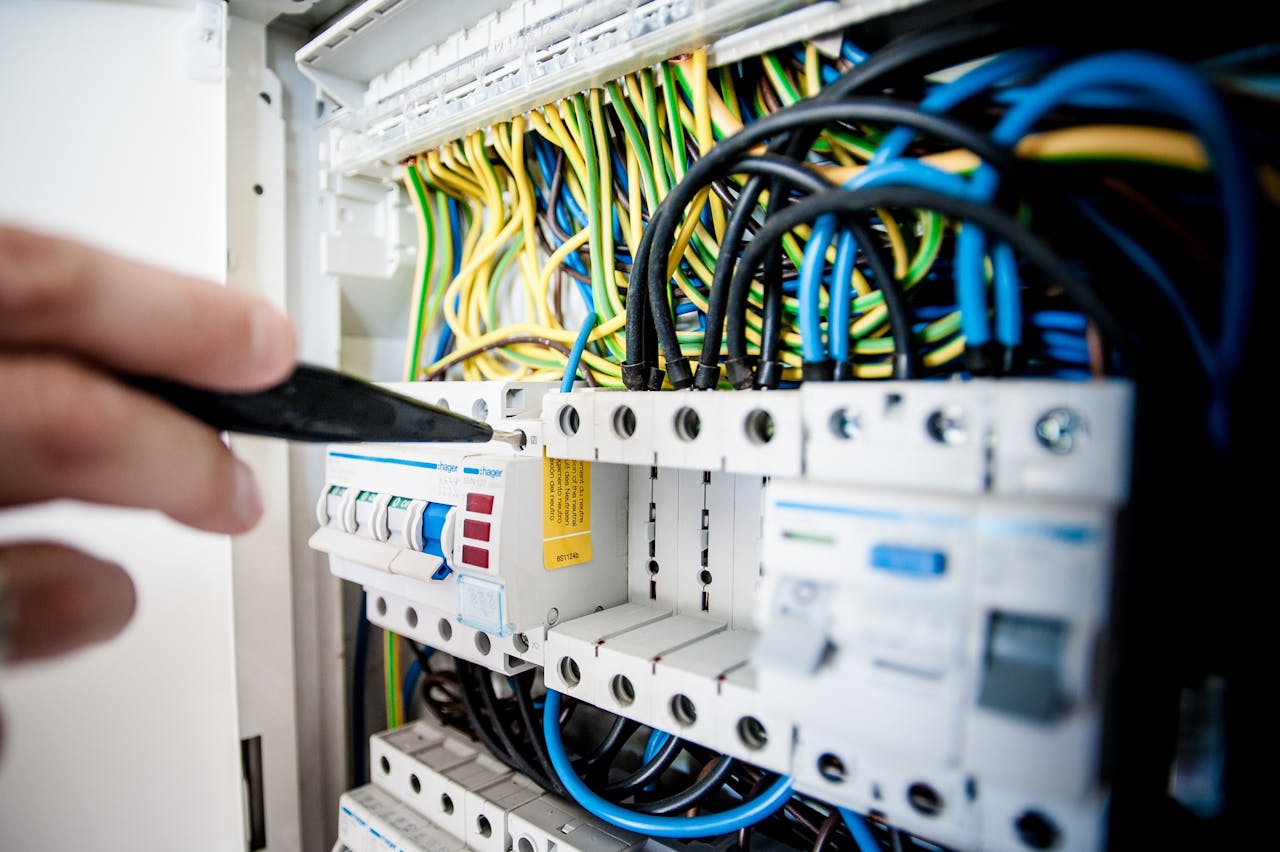
A neutral bar looks like the safe place to tidy extra conductors, but doubling neutrals under one terminal is a common hidden defect, especially after kitchen upgrades or added outlets. Unlike grounds, neutrals carry return current, so a shared, slightly loose connection can overheat, arc, or create intermittent faults that show up as flickering lights, buzzing, or devices that reset when a larger load starts and stops. Panels and bars are listed for specific conductor counts per screw, and a neat row of white wires does not prove the terminations are fully correct, safely torqued, or appropriate for the wire size.
Neutrals and Grounds Bonded Together in a Subpanel
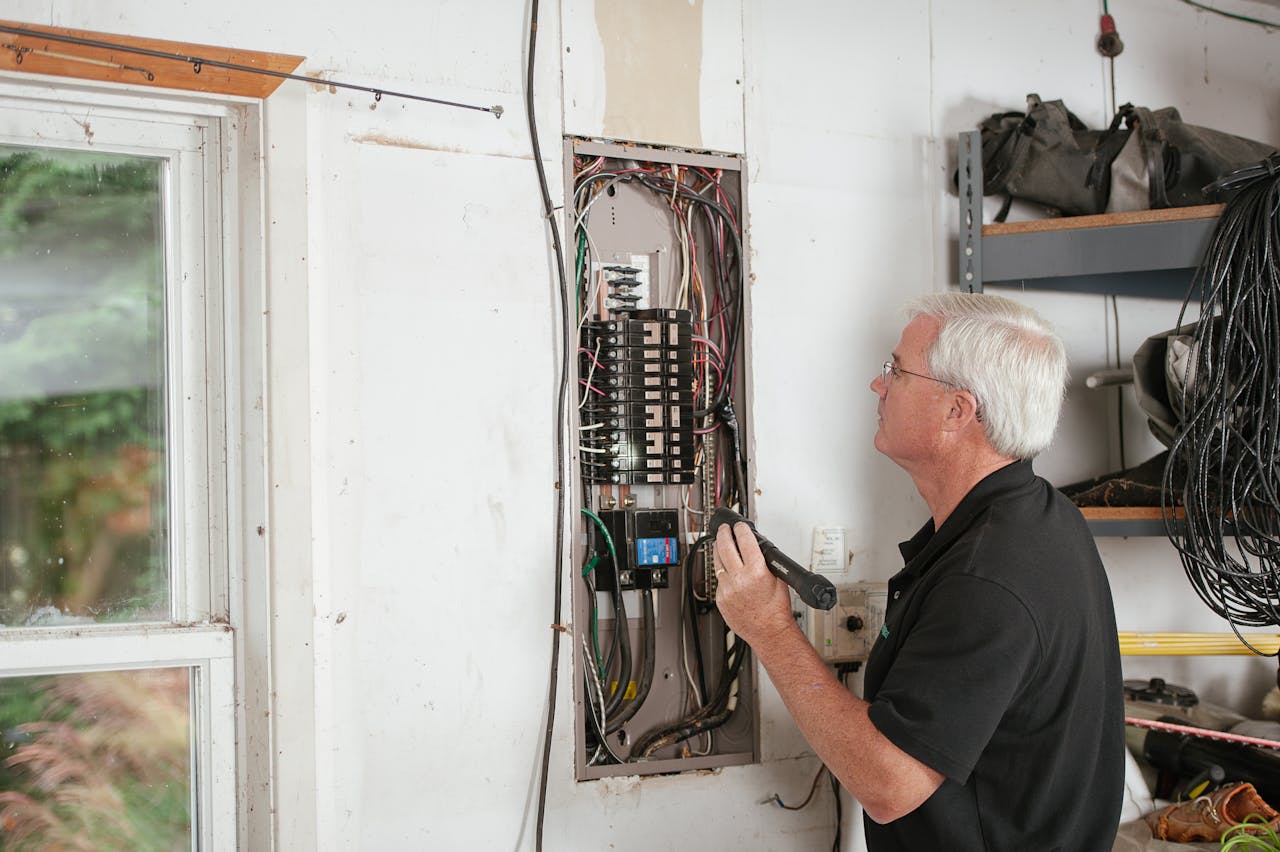
In a main service panel, neutrals and grounds are bonded, but in a downstream subpanel they are meant to be isolated to keep return current off grounding paths and to make fault clearing predictable. When neutrals and grounds share the same bar in a subpanel, some current can ride on metal conduit, cable armor, or equipment grounding conductors, raising shock risk and sometimes triggering nuisance trips on GFCI or AFCI devices. This mistake is common in garage, basement, or addition subpanels installed during renovations, and it often stays hidden because lights still turn on while the safety margin quietly shrinks.
A Breaker That Is Too Large for the Wire
A breaker is supposed to protect the wire, not the appliance, yet oversized breakers appear when tripping becomes annoying and someone solves it with more amperage instead of reducing the load. If a smaller-gauge conductor is protected by a larger breaker, the wire can overheat inside walls or attic insulation long before the breaker reacts, especially under sustained loads like space heaters, AC units, or shop tools. This mistake often arrives with DIY work, and the panel still looks tidy for years until a warm smell, discolored insulation, or repeated flicker signals that the wiring has been pushed far too hard.
Cables Entering Without Proper Clamps
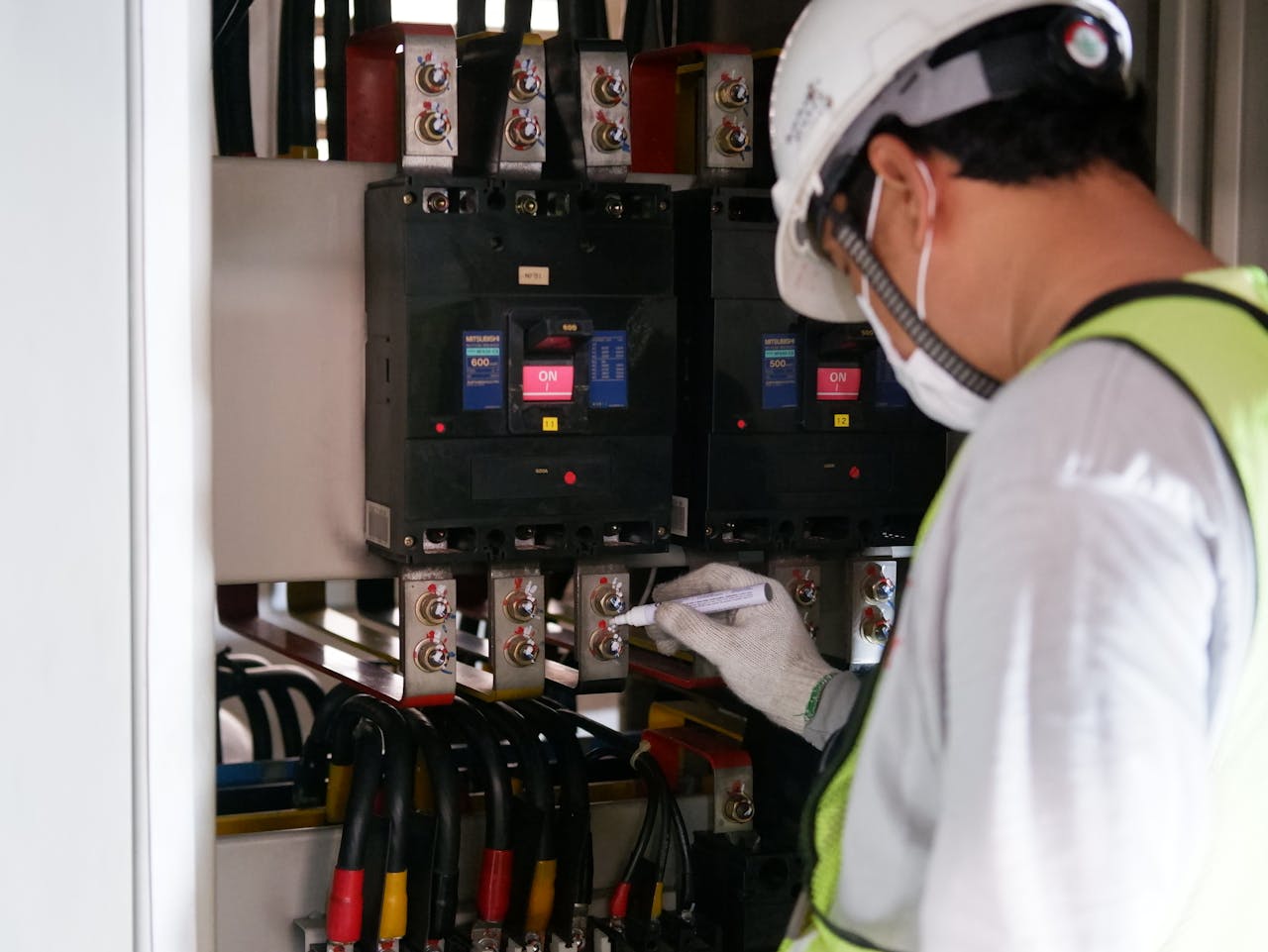
Panel knockouts are meant to hold connectors that grip the cable jacket, yet wires sometimes slip through sharp metal openings without clamps or bushings after a circuit add-on, especially when multiple cables share one hole. Movement from vibration, settling, or a tug during future work can nick insulation, loosen terminations, or abrade conductors until bare copper touches the enclosure, turning the panel itself into the fault path. This defect is easy to miss because it lives at the edge of the box behind the cover, but it is also where rodents, moisture, and friction can start damage that keeps getting worse.
Open Knockouts and Missing Filler Plates
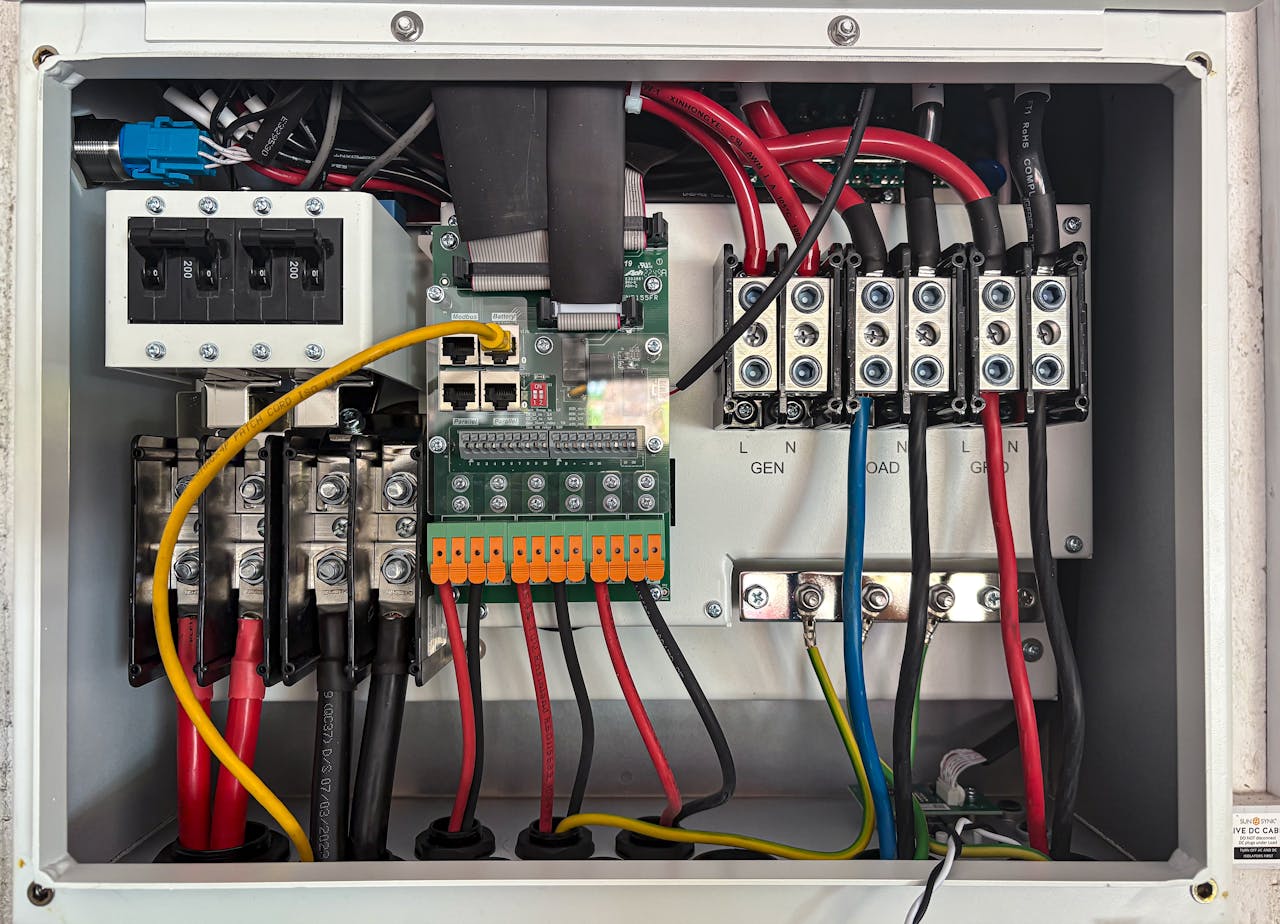
An unused opening in a panel is not harmless; it is a direct path for fingers, dust, and small metal objects to meet energized parts, and it can defeat the barrier the deadfront is supposed to provide. Missing filler plates also change airflow and can invite insects, conductive drywall dust, and moisture that accelerate corrosion on the bus and terminations, while a dropped screw can land in exactly the wrong place. This mistake often follows a breaker swap or an abandoned circuit during a remodel, and it stays unnoticed because the cover still sits flush and the panel door closes like everything is fully finished.
Water Stains and Rust Treated as Cosmetic

Rust on a panel cabinet is rarely just cosmetic; it suggests humidity, leaks, or condensation that can compromise connections inside, often from a dripping pipe or a roof penetration above. Moisture speeds oxidation on aluminum and copper, raises resistance, and can trigger arcing at lugs or along the bus, especially in basements, garages, and exterior walls where temperature swings create condensation cycles year after year. Even when power stays on, corrosion can eat away at contact surfaces and grounding integrity, which means the system may not clear a fault as fast as it should when something finally goes wrong.
Scorch Marks, Melted Plastic, or a Burnt Smell Ignored
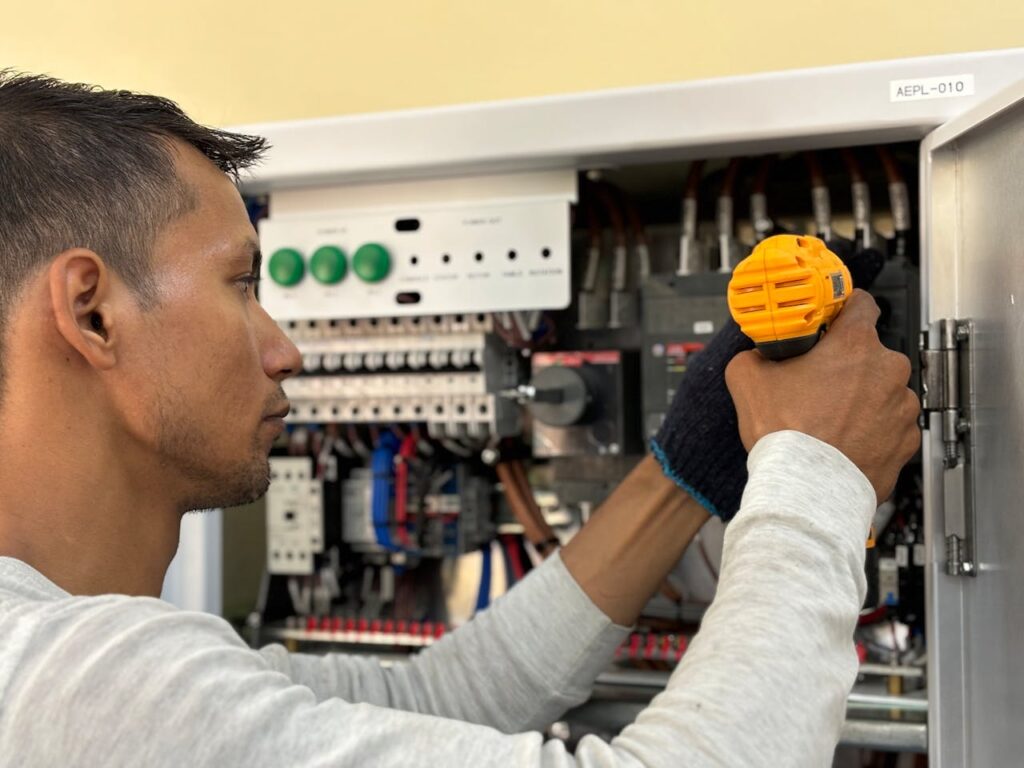
Discoloration around a breaker, melted insulation, or a faint burnt smell is often evidence of overheating at a connection, not just old equipment, and the heat source may sit inches away from combustibles in a stud bay. Thermal cycling loosens weak connections even more, so the problem worsens under normal daily loads; a panel can hum, crackle, or run unusually warm without ever tripping a breaker, especially during peak evening use. Because the damage hides behind the deadfront, it can progress quietly until the breaker seat or bus is compromised, at which point repair options narrow and replacement becomes urgent.
The Wrong Breaker Brand or Style Forced to Fit
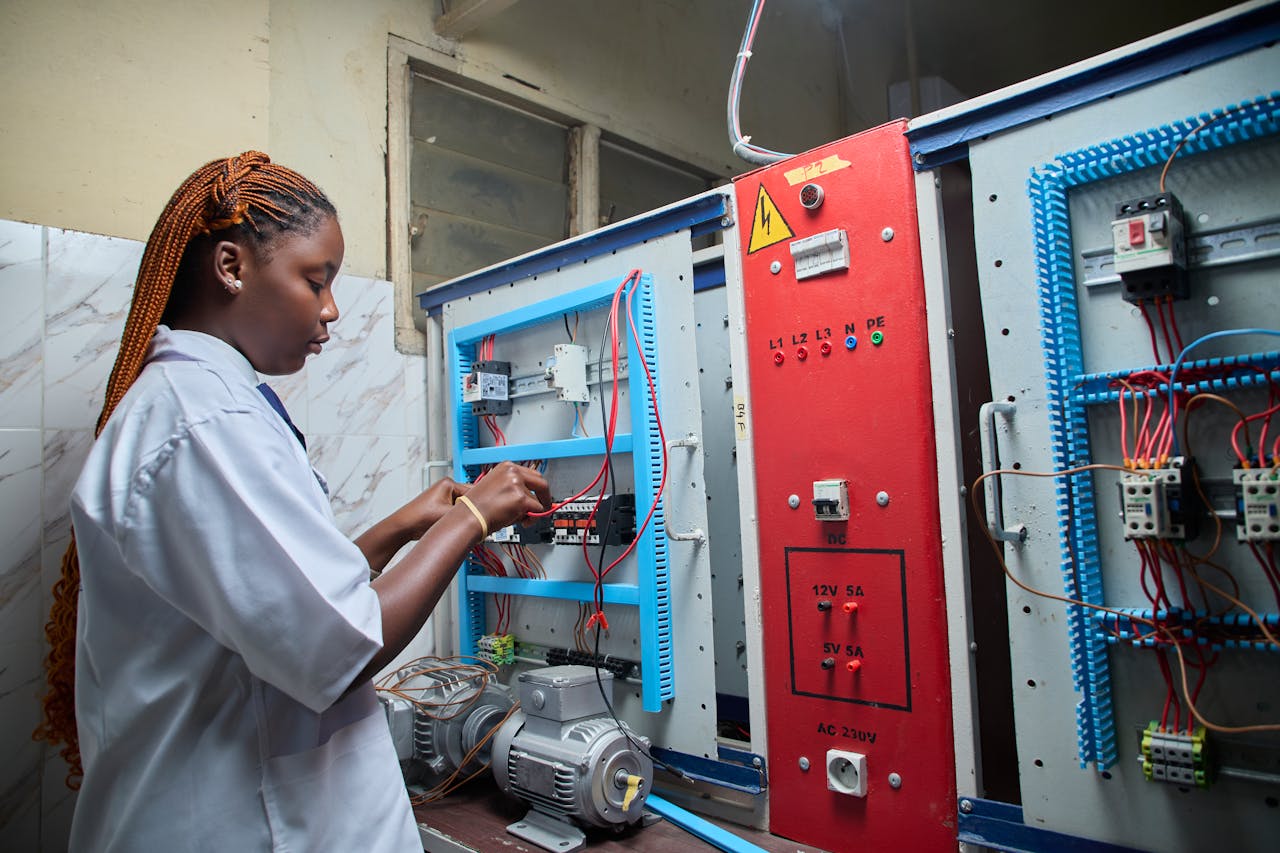
Breakers are not universal, yet mismatched brands and will-fit substitutes get installed when the original part is hard to find, costs more, or someone wants a fast fix before a home sale. A breaker that does not seat correctly can arc at the bus, run hot, or fail to trip as intended, even if it snaps in and the handle moves normally; the failure can live at the contact point where it cannot be seen. Sometimes the shortcut shows up as tandems squeezed into spaces not designed for them, and the only safe standard is the panel’s labeling and the breaker model the panel is listed to accept. Anything else is a gamble.
Bonding Hardware Missing or Misplaced

Bonding ties the neutral to the enclosure at the service equipment so faults clear fast, yet the bonding screw or strap is sometimes missing after a panel change, a service upgrade, or a misinformed repair by a well-meaning DIYer. When bonding is absent where it should exist, a fault may not trip a breaker promptly, and metal parts can stay energized longer than expected, which matters most during a short or damaged insulation. The opposite error happens too: bonding left in place inside a subpanel, so return current shares grounding paths, which can raise shock risk and trigger nuisance behavior on sensitive devices.
Multi-Wire Branch Circuits Without a Common Disconnect
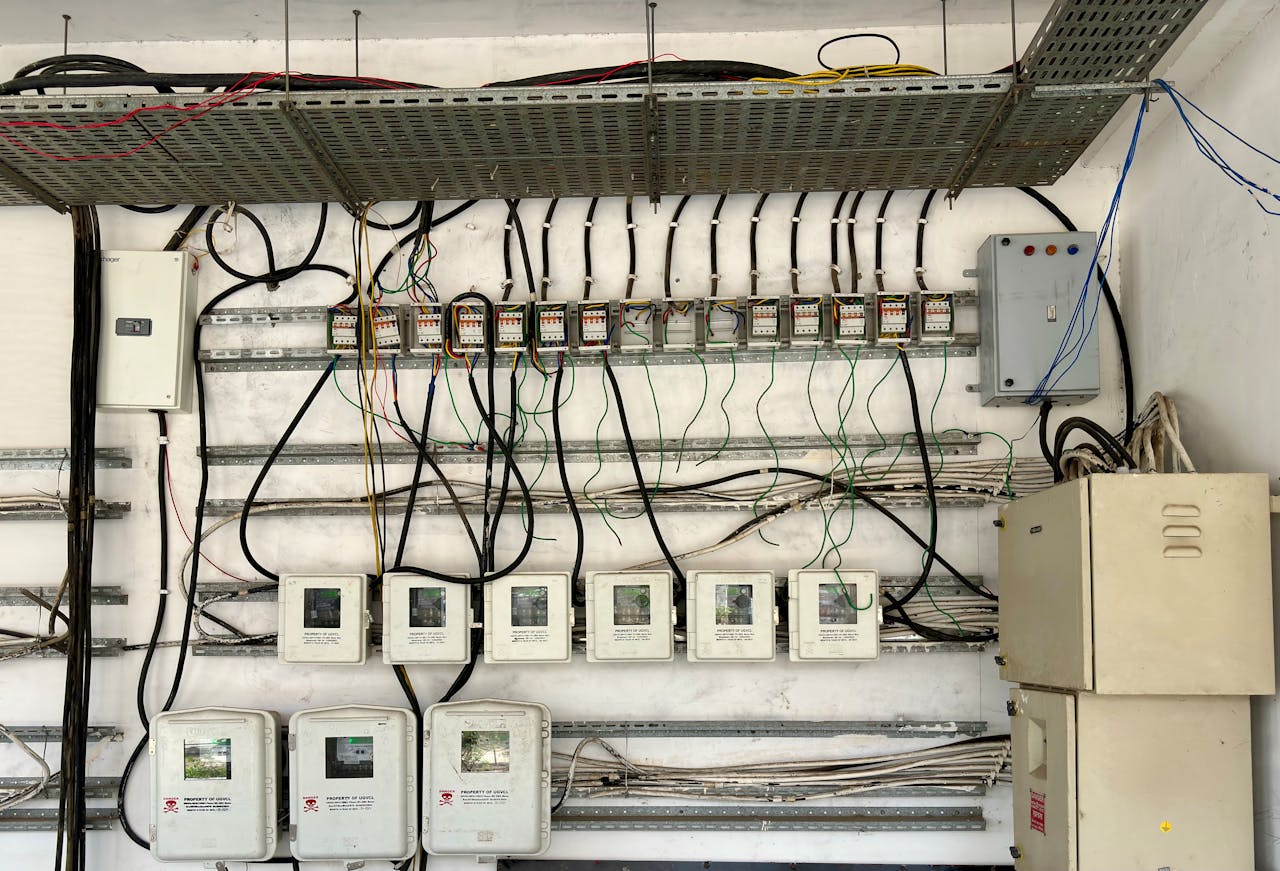
Shared-neutral circuits, often called multi-wire branch circuits, can be safe when built correctly, but hidden trouble starts when the two hot legs are not tied together at the breaker. Without a handle tie or common trip where required, one leg can be shut off while the other stays energized, leaving the neutral carrying current and creating hazard during servicing, especially when someone assumes the circuit is dead. This setup shows up in older kitchens, laundry areas, and split receptacles where circuits were extended over decades, and it is easy to miss because the directory rarely clearly notes the shared neutral.
Main Lugs and Feeder Lugs Not Properly Torqued
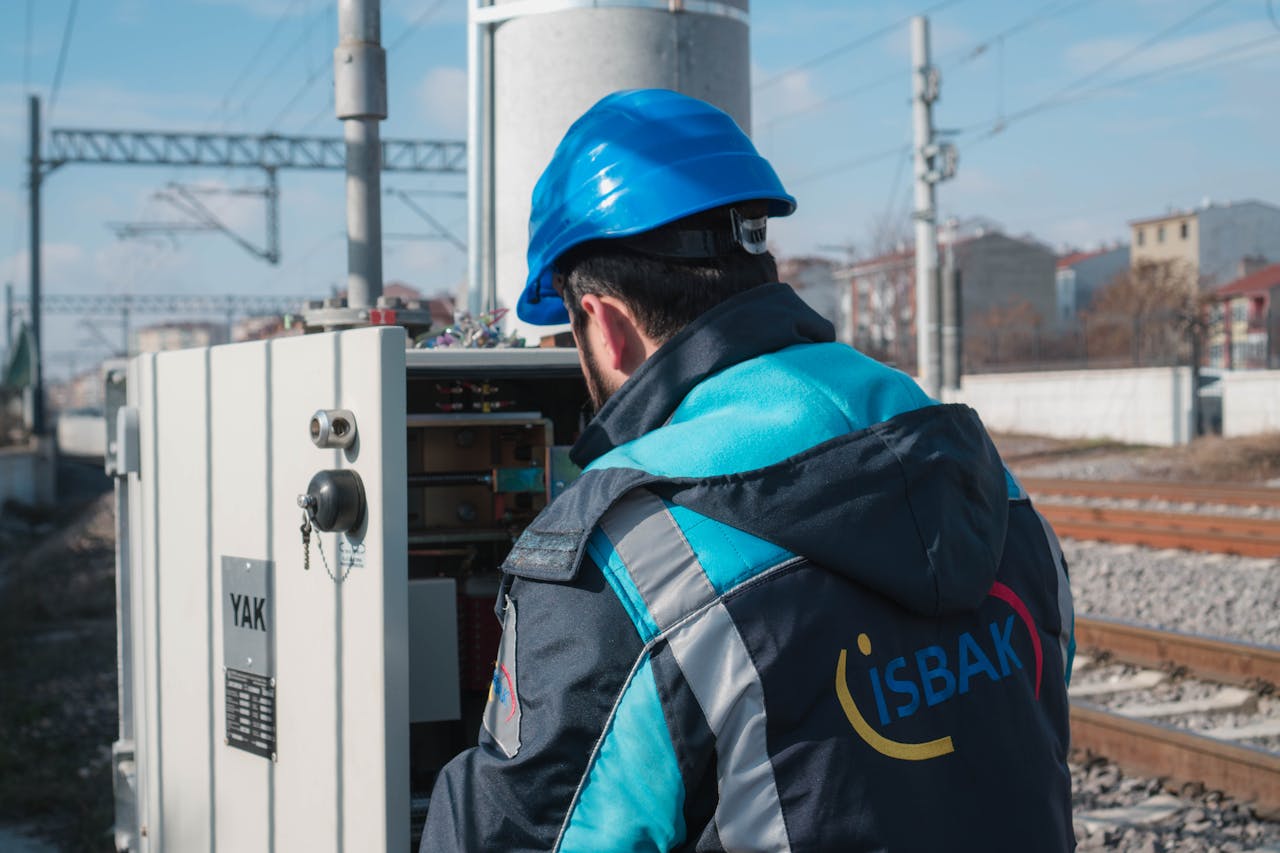
The highest-current connections in the home sit at the main lugs and feeder lugs, and a slightly loose set screw can behave like a slow heater, especially after a service upgrade or any time conductors were re-landed recently. As current flows, the joint warms, expands, cools, and loosens further, which can lead to arcing, voltage drop, and heat damage that spreads to the bus and to the insulation on the conductor itself. Because these parts are upstream of most breakers, the panel may never tell on itself until lights subtly dim under load, electronics act strangely, or the enclosure shows heat stress and discoloration.