11 Discontinued Snacks from the 90s That People Still Petition to Bring Back

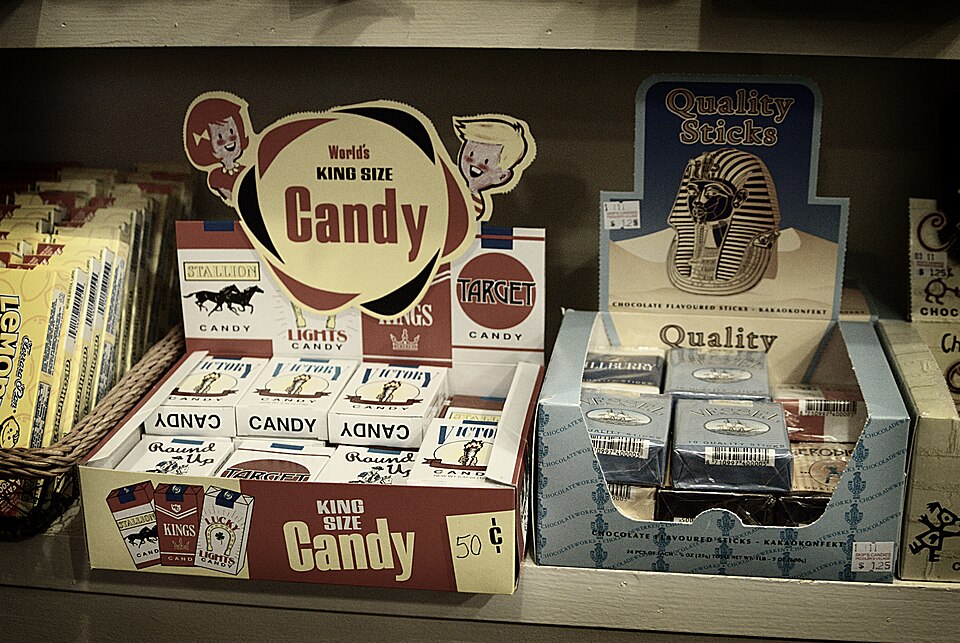
Candy cigarette
Craig Pennington, CC BY 2.0/Wikimedia Commons
Beloved 90s snacks may be gone from shelves, but petitions and memories keep their flavors alive, sharp, and strangely comforting.

The 1990s snack aisle felt like a laboratory for sugar, bright colors, and wild brand experiments. Some ideas quietly disappeared, but a handful hit so hard that people are still chasing the taste decades later. Message boards, petitions, and nostalgic listicles keep certain names alive, even when the products have been gone for years. These snacks sit at the crossroads of marketing and memory, where a school lunch treat becomes part of a generation’s shared story.

Planters P.B. Crisps
Planters
Fair use/Wikimeda Commons

Planters P.B. Crisps packed a soft peanut butter filling inside crunchy, peanut shaped graham shells, turning a simple flavor into a full sensory event. Kids tore into bags after school, savoring the mix of salty, sweet, and cookie like crunch. When they vanished by the late 90s, fans refused to let them fade, building websites, collecting old ads, and signing petitions that read less like demands and more like love letters.

Butterfinger BBs
picture taken by Evan-Amos, Fair use/Wikimedia Commons

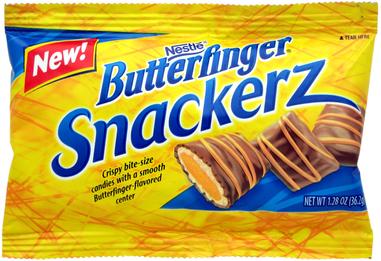
Butterfinger BBs shrank the bar into bite sized chocolate coated orbs that rolled around lunchboxes and movie theater trays. The texture hit fast, with crisp, peanut buttery centers snapping under a shell that melted in warm hands. When the candy disappeared in the 2000s, replacements never really filled the gap. Nostalgic fans still talk about how the original BBs tasted different, almost rebellious, and keep tagging the brand in hopes of a proper return.

Soda Licious Fruit Snacks
New York Egg Cream And Soda Fountain Drinks
Timur Weber/Pexels

Soda Licious fruit snacks tried to capture the fizz and fun of soft drinks in chewy, bottle shaped gummies. Cola, root beer, and lemon lime flavors turned every pouch into a tiny soda fountain, without the actual carbonation but with a surprising tang. Lunch tables became trading floors, where cola pieces carried the most value. Long after the line vanished, people still go online to describe the taste and wonder if a modern reboot could work.

Fruit String Thing
Fresh Fruit Stashed In Cabin Bags
azerbaijan_stockers/Freepik

Fruit String Thing blurred the line between treat and toy, coiling bright red fruit snack ropes into maze like patterns on cardboard sheets. Kids slowly peeled shapes away, twisting, looping, and tying knots before ever taking a bite. The taste echoed other fruit snacks, but the ritual felt distinct, almost artistic. Even now, adults remember the quiet satisfaction of unrolling that spiral and wish newer snacks offered the same small, patient thrill.

Hubba Bubba Squeeze Pops
Hubba Bubba Squeeze Pops
Unknown author, ere, Public Domain/Wikimedia Commons

Hubba Bubba Squeeze Pops came in tubes filled with thick, brightly colored gel candy that felt almost forbidden. The flavor hit in bold waves, part bubblegum, part syrup, all sugar rush. Kids would layer lines of gel on their hands or tongues, then laugh at the mess. These tubes mostly vanished from mainstream shelves, leaving candy shops to stock loose imitators. For many, though, nothing quite matches the wild fun baked into that original branding.

Jell O Pudding Pops
Jello Molds
Famartin, CC BY-SA 4.0 / Wikimedia Commons

Jell O Pudding Pops took the comfort of pudding and turned it into a frosty, creamy bar that tasted richer than most freezer treats. Chocolate and vanilla swirls carried that familiar pudding flavor, but the frozen texture made each bite linger a little longer. Families stocked them for summer afternoons and simple desserts that felt a bit special. Their disappearance still stings, and former fans often describe them as the frozen dessert that left the deepest mark.

PB Max
Unknown author, Public Domain/Wikimedia Commons

PB Max stacked a thick layer of peanut butter on a cookie base, then wrapped everything in chocolate for a bar that felt heavy in the best way. It did not chase subtlety, it went all in on texture and richness. Stories now circulate about how the brand family supposedly disliked peanut butter, turning the bar into a kind of legend. That rumor only fuels nostalgia, as fans share memories and imagine the comeback that never arrives.

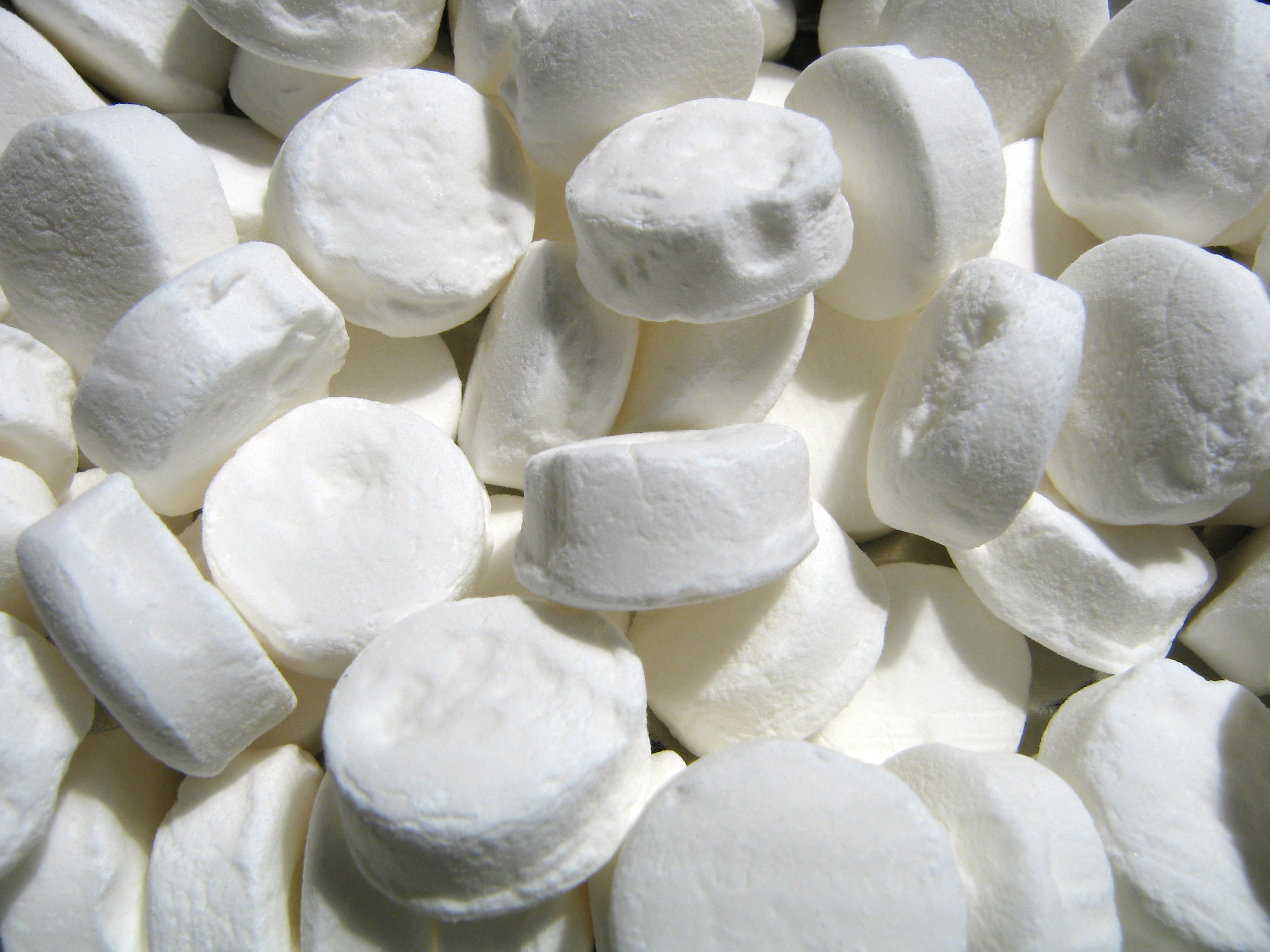
Altoids Sours
Altoids Sours
Andrew Magill from Boulder, USA – Minty, CC BY 2.0/Wikimedia Commons

Altoids Sours flipped the brand’s sharp mint identity into small tins of intensely sour fruit tablets. Flavors like citrus or tangerine hit with a dry, puckering punch that felt addictive rather than gentle. The tins rattled around in backpacks and desk drawers, traded like secret treasure in classrooms and offices. When production stopped, prices for old tins climbed on resale sites, and entire threads formed around the question of why a snack so beloved had to go.

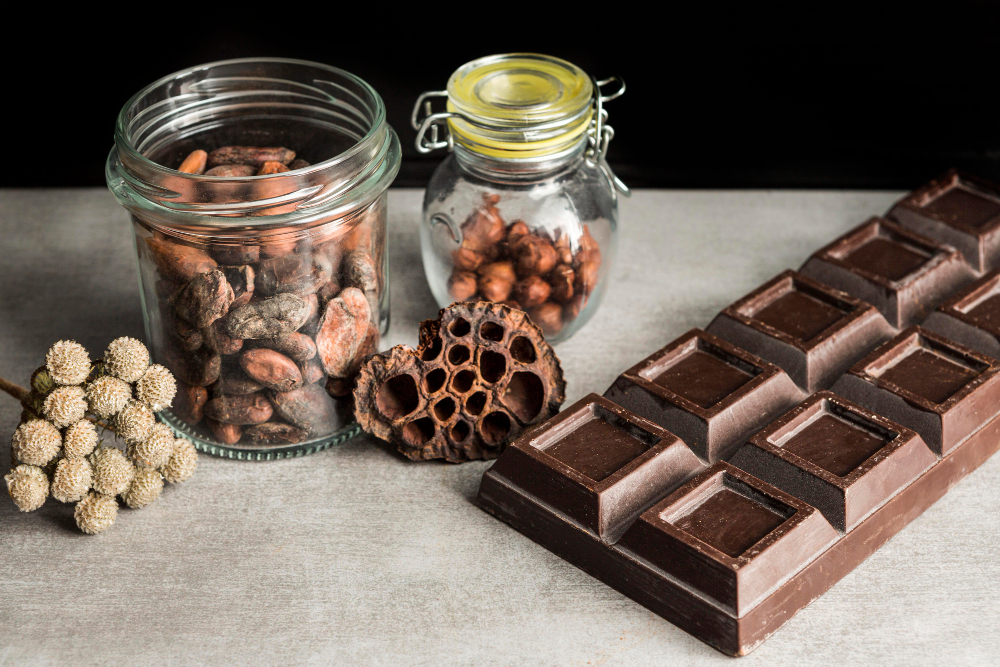
Kudos Granola Bars
Kona Cacao to Chocolate Bar, Hawaii
Image by Freepik

Kudos bars lived in the snack aisle as granola but tasted unapologetically like candy, with chocolate coatings and toppings such as M and Ms or Snickers pieces. Parents could pretend they were choosing a wholesome option while kids knew they were getting dessert in disguise. The combination of crisp oats, sweet drizzle, and candy crunch left a strong impression. Years after their quiet disappearance, homemade copycat recipes and wistful comments keep the brand name floating online.

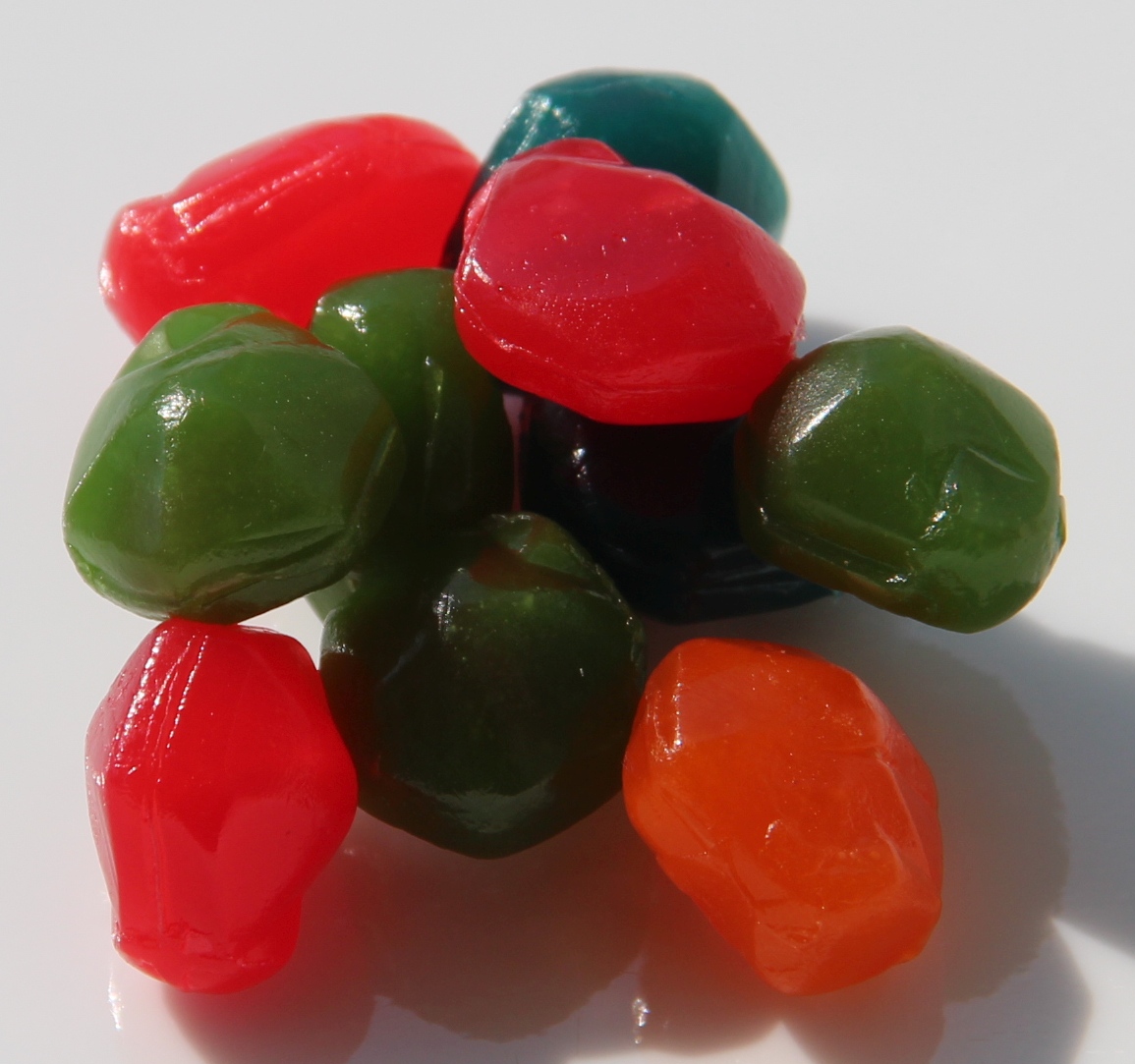
Shark Bites Fruit Snacks
Thomson200, Own work, CC0/Wikimedia Commons

Shark Bites fruit snacks turned every pouch into a tiny ocean scene, with colorful sharks and the coveted opaque white piece that felt almost mythical. Children ripped open packs just to see if that rare shark had made an appearance, then saved it for last. The flavors themselves were familiar, but the suspense created a small daily drama. As the formula and shapes changed, many fans decided the magic was gone and now miss that original mix.

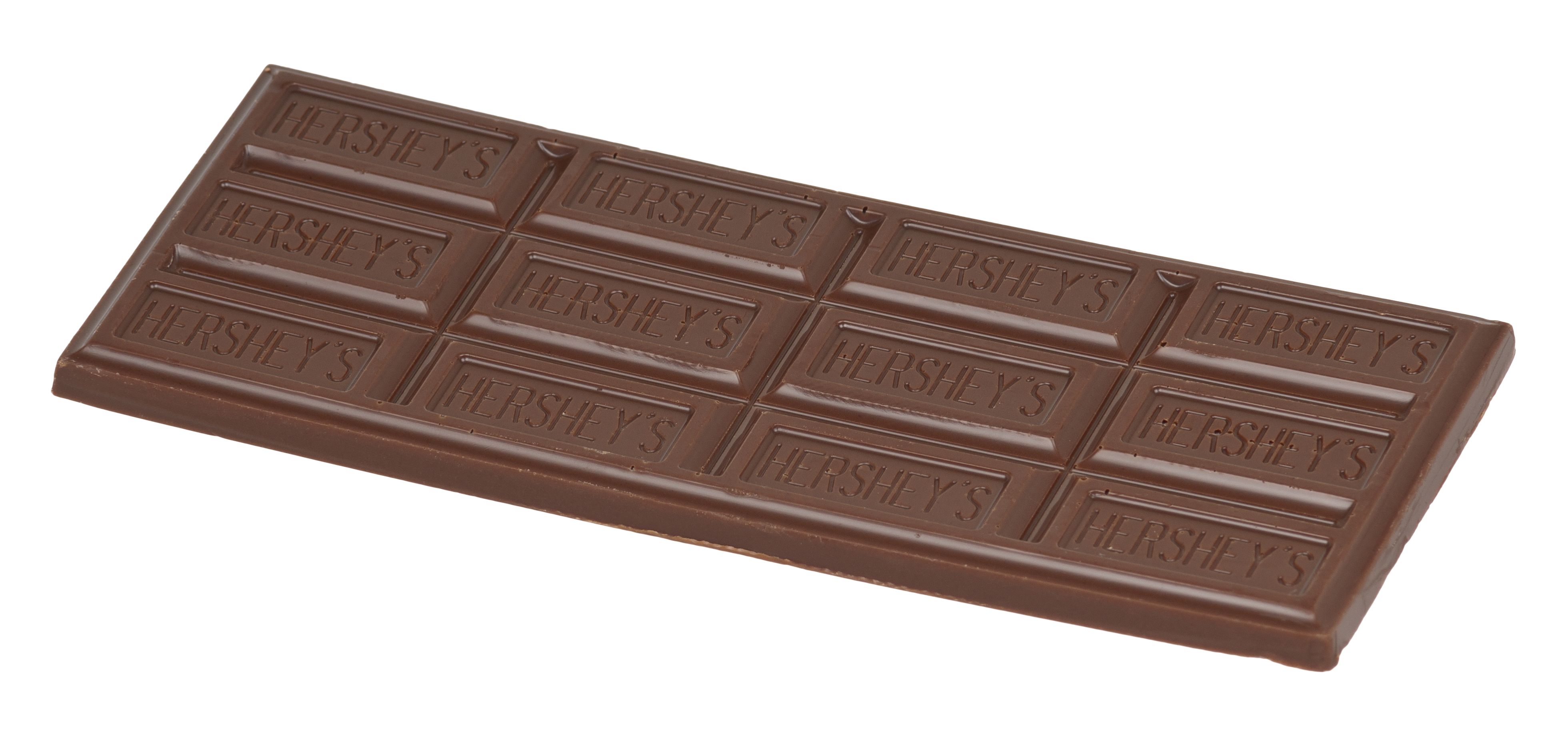
Hershey Bar None
Hershey Bar
Evan-Amos, Own work, Public Domain/Wikimedia Commons

Hershey Bar None layered wafers, peanuts, and chocolate into a bar that felt dense, almost architectural in its crunch. It did not try to be light; it leaned into a slow, satisfying chew that rewarded patience. For some, it became a go to gas station purchase, the snack that felt a bit more grown up than standard candy. Even with occasional revivals and imitators, many still insist the first version remains unmatched in both texture and taste.

0 Shares:
You May Also Like
7. Gift Math And Adjusted Timelines
Read More

10 Souvenirs That Replaced Postcards, and Why They Took Over

# 10 Souvenirs That Replaced Postcards, and Why They Took Over Postcards used to be the official proof that someone had gone somewhere else, even for a weekend. One photo, a rushed note, and a stamp did the job. As phones made updates instant and mailing got fussier, the postcard shifted from habit to novelty. Shops did not stop selling memories, they just changed the format. People started picking objects that stayed in daily circulation: something to wear, use, taste, or display. These souvenirs carried place and personality without requiring neat handwriting or a correct address. The result is a quieter kind of storytelling, where the trip keeps resurfacing in kitchens, pockets, and routines long after the suitcase is zipped away. Even the smallest keepsake can outlast paper. ## Fridge Magnets Postcards showed up late, then got buried, no stamp, no address, no delivery gamble saving the moment. Fridge magnets solved that by living in plain sight, pinning grocery lists and kid art under the same skyline, ferry silhouette, or metro line diagram, so the memory stayed active instead of archived. Shops moved past generic landmark photos into neighborhood slogans, food sketches, and mini maps, because one glance could bring back market chatter and platform noise; they pack flat, survive rentals and moves, and invite multiples, turning a single fridge door into a casual, constantly updated timeline of places that still matter. ## Travel Stickers And Decals Stickers turned souvenirs into something that traveled again. Instead of mailing a postcard to one person, a decal could live on a laptop, water bottle, bike frame, or scuffed suitcase, building a layered map of routes through station codes, park crests, bookstore logos, and hand drawn mascots that sparked conversation in cafés and airport lines. Because they are waterproof, cheap, and sold in sets, they became easy gifts and easy trades, and wear looks honest, not ruined; each scratch and overlap shows what came after, making the object feel like a passport with a growing, visible history that never needs framing. ## Enamel Pins And Patches Enamel pins and patches gave the postcard image weight and texture, turning a skyline or mascot into something that could be worn. A tiny badge of a mountain ridge, museum logo, or neighborhood diner sat on a jacket or backpack for years, acting like a quiet signal in transit stations and coffee lines, not a message begging for postage. Shops leaned into limited runs, artist collaborations, and city only series, so the souvenir felt chosen, not generic; extras were gifted, swapped, or used to cover a tear, and the metal or thread handled rain and repeat trips with ease while a pinboard at home kept the timeline intact. ## Keychains And Bag Charms Keychains and bag charms replaced the postcard rack impulse with something that had a job to do. Keys get grabbed every morning, and charms ride on zipper pulls and backpacks, so a metal tag or leather fob kept the trip in circulation, stamped with coordinates, an arrival year, or a street sign shape that felt like a postmark without the paper. Many versions doubled as bottle openers or tiny tools, so the souvenir earned its space, and pocket wear became part of the story, turning scratches and softened edges into proof that the memory moved through real weekdays, rentals, and commutes, not just a perfect weekend photo. ## Tote Bags, Tees, And Caps Apparel made souvenirs feel less like clutter and more like identity. A tote from an art bookstore, a tee from a surf town, or a cap from a ballpark got worn again and again, carrying the place into errands, classes, and casual nights out, and sometimes turning into the default travel uniform on the next flight. Shops shifted from generic landmark photos to sharper typography, neighborhood slang, and local brand logos that signaled taste as much as geography; the best pieces were soft, well cut, and easy to pack, so gifting one felt practical, and the souvenir kept earning attention without taking up shelf space or needing a frame. ## Mugs And Local Drinkware Mugs turned travel into a daily ritual instead of a mailed update, because morning coffee landed in ceramics printed with a neighborhood map, a museum crest, or a local roaster logo and the memory resurfaced when the kettle clicked off. Cafés and galleries pushed limited designs, handmade glazes, and seasonal runs, so the purchase felt closer to a small piece of art than a generic souvenir. Tumblers, pint glasses, and tea cups also solved storage: they stack, survive moves, and look better with use, and they show up at dinners and chats, letting one shelf hold years of trips without becoming a dusty pile of paper. ## Snacks, Spices, And Pantry Finds Edible souvenirs did what postcards tried to do, but faster, because a jar of chili crisp, a regional spice blend, or a bag of saltwater taffy could be opened the night someone got home and turn storytelling into tasting. Markets and airports helped by selling sealed sweets, vacuum packed coffee, and sturdy tins built for carry ons, so the food survived long routes and still felt tied to the place where it was found. It also dodged clutter: once shared at an office desk or family table, it disappeared, yet the flavor lingered, and people often remembered a street, a song, or a shopkeeper’s grin more clearly than any glossy photo. ## Ornaments And Tiny Home Decor Ornaments became postcards with a return date, because a hand painted bauble from a night market or a miniature landmark for the tree reappeared every December and unboxing it felt like rereading a message from an older self. Outside the holidays, tiny home décor did the same work: coasters, tea towels, ceramic tiles, and matchboxes that lived on counters, ready to be noticed during ordinary mornings. These pieces asked for no postage and no framing, only a place in the house, and they resurfaced at the right moments, when guests arrived, when winter gatherings started, or when a quiet afternoon made nostalgia feel welcome. ## Art Prints, Zines, And Pocket Books Small prints and zines gave the postcard a smarter cousin, because instead of the same sunset photo, travelers brought home risograph posters, line drawings of street corners, and pocket guides written by locals, sometimes signed or numbered, which made the memory feel chosen, not grabbed. The message lived in the taste of the selection, not the handwriting, and the paper felt worth keeping because it had a point of view. Unframed pages fit clip rails, journals, or gallery walls, and buying from an artist table or neighborhood bookshop let the souvenir support the place directly, keeping the trip alive through design, not postage. ## Tattoos As Travel Keepsakes For some travelers, the replacement became permanent, and that permanence was the appeal. A tiny wave, coordinates, or a symbol developed with a local artist could not be lost in a move or tossed in a cleanout, and booking an appointment made the souvenir feel like commissioning art, not grabbing merch near the register. It also solved the postcard problem cleanly: no postage, no delay, no single recipient, just a story carried forward on skin, whether it is a port city anchor or a mountain contour line, quiet until a sleeve rolled up or a wrist turned and the place appeared again, right on time in conversation or solitude. The postcard never really lost its charm; it lost its role. Modern souvenirs win because they do not ask for extra steps, and they refuse to stay hidden. A magnet gets touched, a mug gets lifted, a spice blend gets passed across the table, and a pin rides through another trip. That repetition is the secret. Instead of proving travel happened, these objects let the memory keep happening, in small flashes that feel honest. In the end, the best keepsake is the one that blends into daily life and still pulls a place back into focus, without fanfare. **Excerpt (130 characters):** Postcards faded, but magnets, mugs, stickers, snacks, and small art brought travel home, letting memories live in real life still.