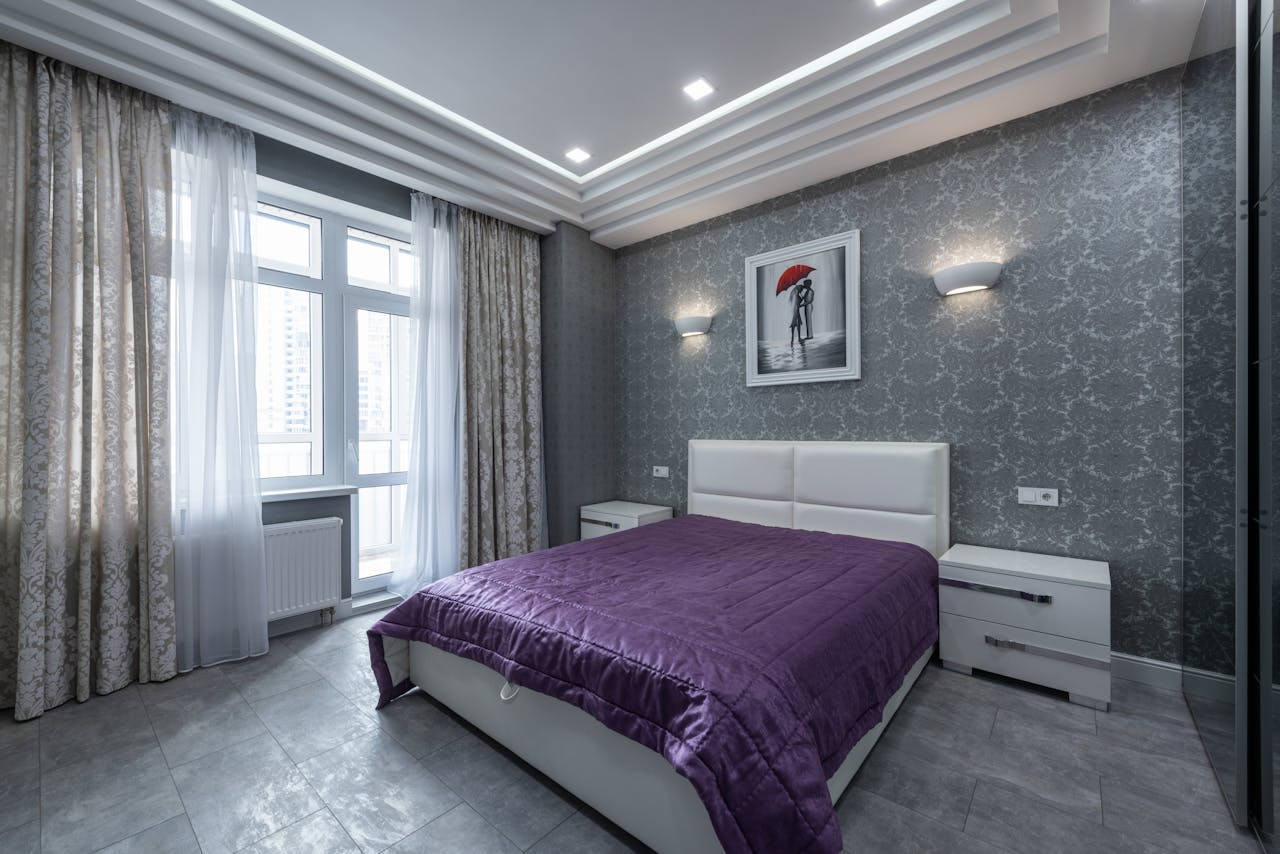
Gray floors once signaled modern taste: cool, clean, and easy to match. Lately, that same icy cast can make rooms feel unfinished, like the color got picked to avoid choosing at all. As interiors swing toward warmth, texture, and lived-in character, gray planks start reading like a timestamp from the last decade. Designers increasingly favor natural, mid-tone woods and softer finishes, which bring depth instead of haze. The change is not about banning gray; it is about how often it mutes wood grain, dulls daylight, and fights cozy color palettes. Even in listing photos, the look can flatten a room into one long cool tone.
It Looks Like a Filter, Not a Finish
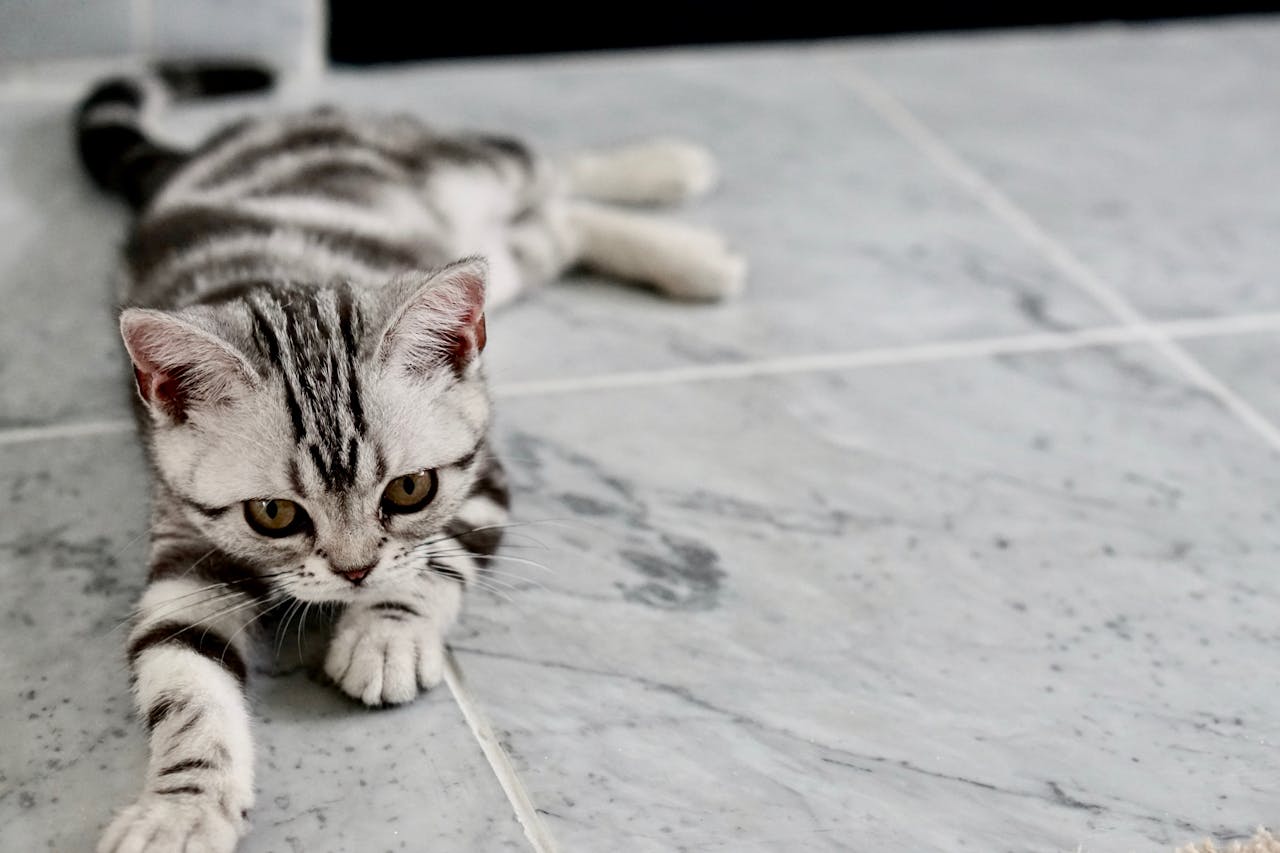
The gray-wash era taught many mills to tint oak, maple, and even pine until the grain looked slightly fogged, as if a cool mist lived on the surface. That treatment can read less like a deliberate material choice and more like a photo preset, especially when it sits next to real stone, linen, warm brass, or honeyed leather, all of which highlight what the floor is missing. With designers now pushing back on gray-washed woods in favor of warmer, natural tones and subtle texture, the same gray stain can feel like wood trying to escape its own warmth, leaving the whole room flatter than intended over time in everyday light.
The Undertones Fight Today’s Warmer Palettes
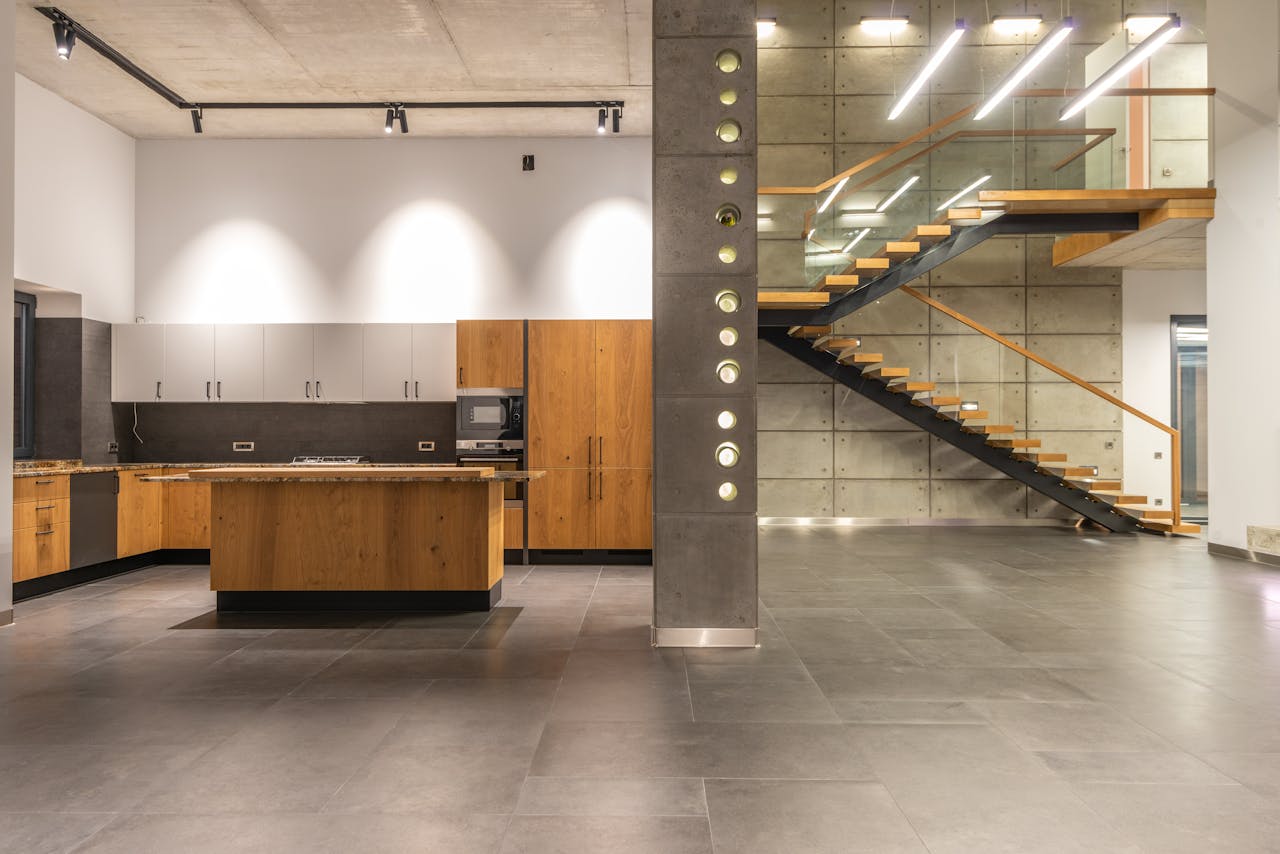
Gray floors carry sneaky undertones: blue, green, or purple that shift with bulbs, sunsets, and the angle of a window. When paint trends drift toward creamy whites, clay, tobacco, and ochre, the floor can feel like a different temperature than the walls and textiles, creating a low-grade visual tension that reads as sterile rather than calm. Because recent trend reports keep leaning into earthy palettes and warmer neutrals, plus layered texture and mixed finishes, the contrast becomes more obvious in everyday photos, and gray starts to look like a cautious default from a past cycle rather than a considered material.
“Easy to Clean” Turns Into “Always Showing Something”
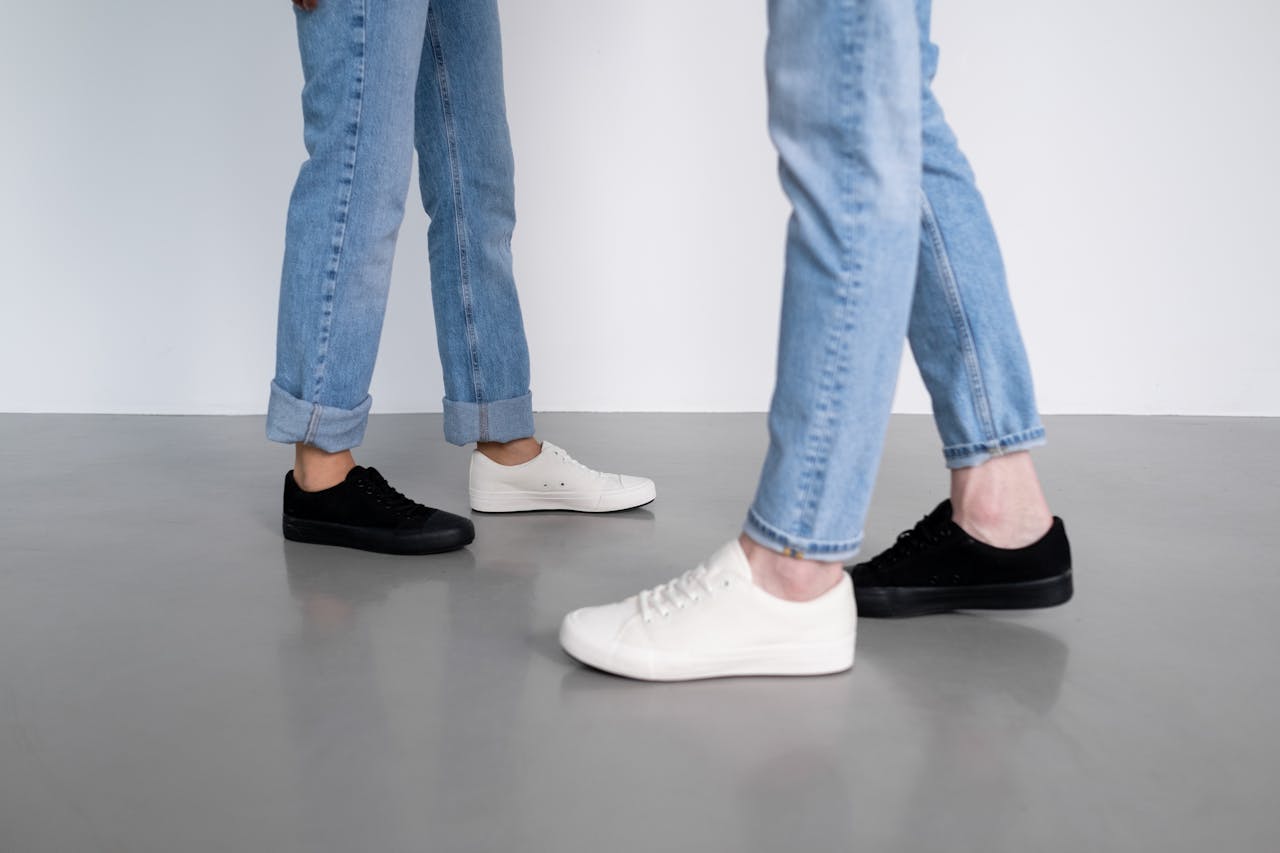
Gray floors promise practicality, yet they often spotlight the mess they were meant to hide. Fine dust, pet hair, and pale crumbs sit in sharp contrast on cool-toned planks, and seasonal grit can lodge in the grain so the surface looks tired even right after cleaning. Add the way some gray finishes show mop haze, scuffs, or overlapping streaks under raking light, and the floor reads as stressed rather than relaxed; in open-plan rooms, that effect spreads everywhere, making the whole home feel more high-maintenance than the materials actually are. It turns upkeep into a visible chore, even on quiet weekdays at home.
It Signals “Fast Renovation Default”
Gray floors became the default in fast renovations because they photographed as modern, neutral, and ready for any decor. After years of near-identical real estate listings and showroom vignettes, that sameness now signals speed over craft, the way copied pendant lights and generic white paint do, even when the installation is perfectly solid. As trend reports push homes toward warmth and character, a gray floor can start reading like an investor choice made for broad appeal, not a personal choice made for living, so the space loses its sense of story. It ages faster in the public imagination than in the room itself.
It Cools the Room When Homes Are Getting Cozier
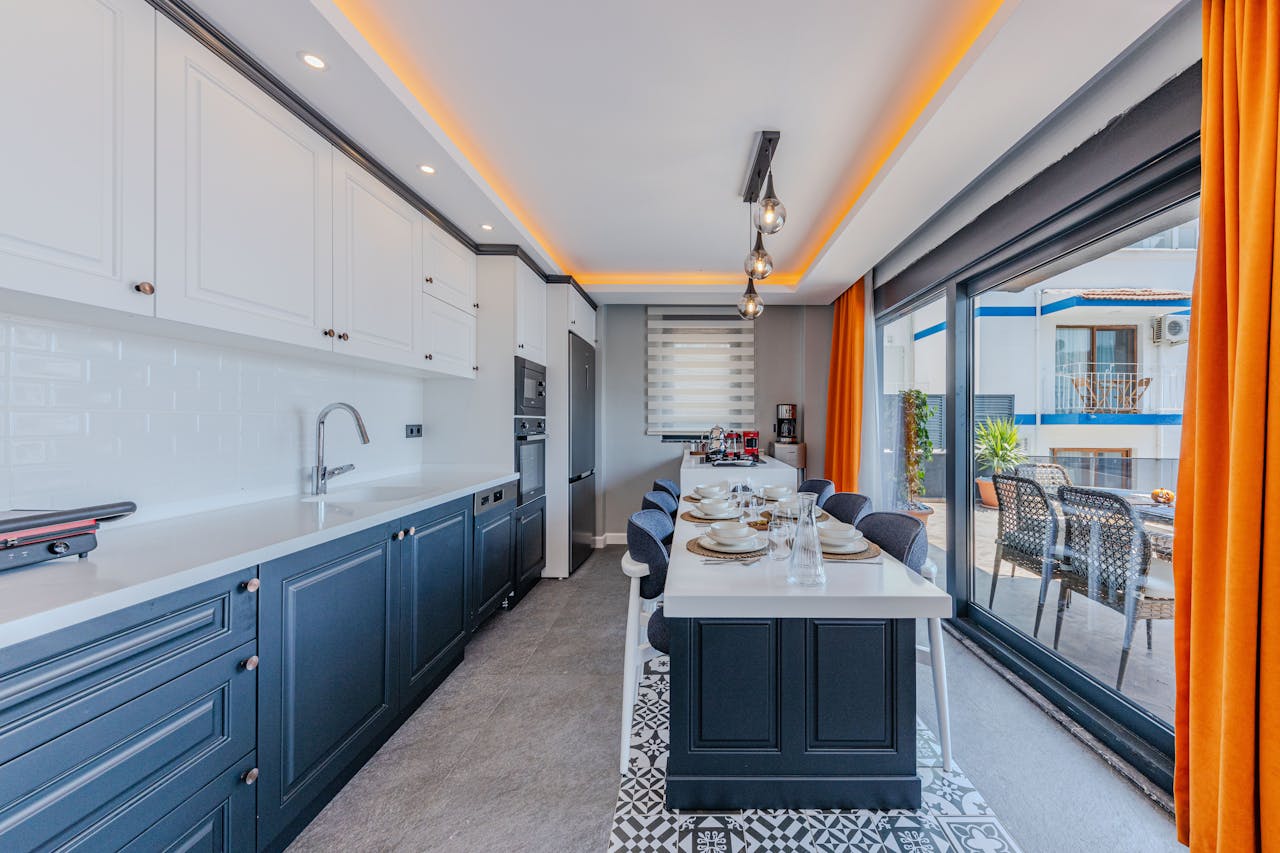
Warmth has become the quiet priority in many homes, with richer woods, earth tones, and tactile layers moving back to the center of the palette. Gray floors, especially pale and cool versions, can siphon off that warmth, making a living room feel like it is always waiting for a rug, a throw, or a darker coffee table to add back what the floor removed. Even with soft textiles, the cool base can flatten candlelight and evening lamplight, and it can make winter daylight feel harsher, so the space reads more sparse than welcoming, running against the comfort-first direction many experts are calling for in 2026 forecasts.
It Makes Good Furniture Look Slightly “Off”
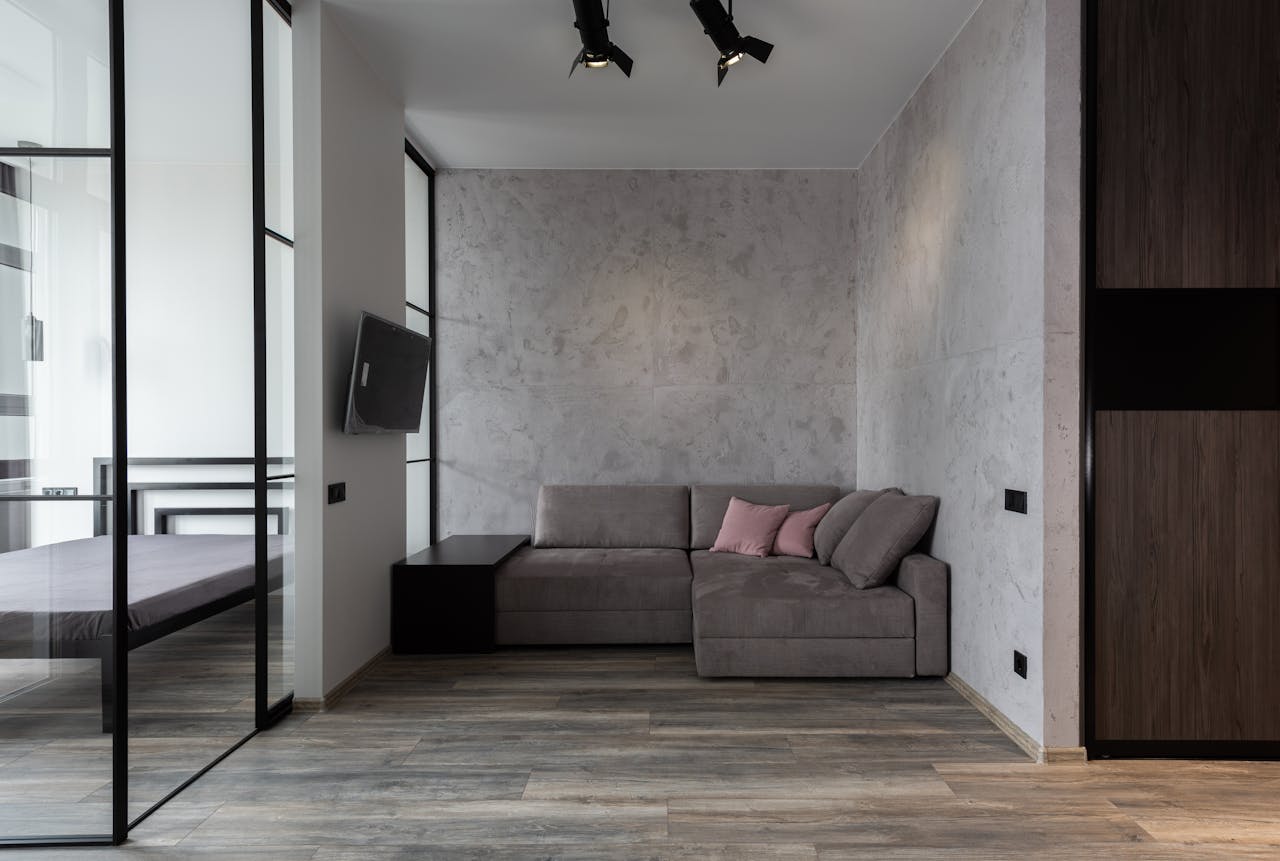
Gray floors can create a color vacuum that pulls the life out of surrounding materials. Natural oak cabinets, walnut tables, woven baskets, and terracotta accents can look oddly muted against a cool base, as if the room’s undertone is arguing with the furniture’s warmth, and the eye never quite relaxes. Since many 2025 and 2026 trend roundups champion contrast, mixed finishes, and richer woods, a gray floor can start to feel like a limiter: it narrows the palette that looks effortless, and it makes even good pieces seem slightly off-key, especially in open rooms where the floor touches every sightline all day long too.
It’s Tied to an Over-Replicated Look
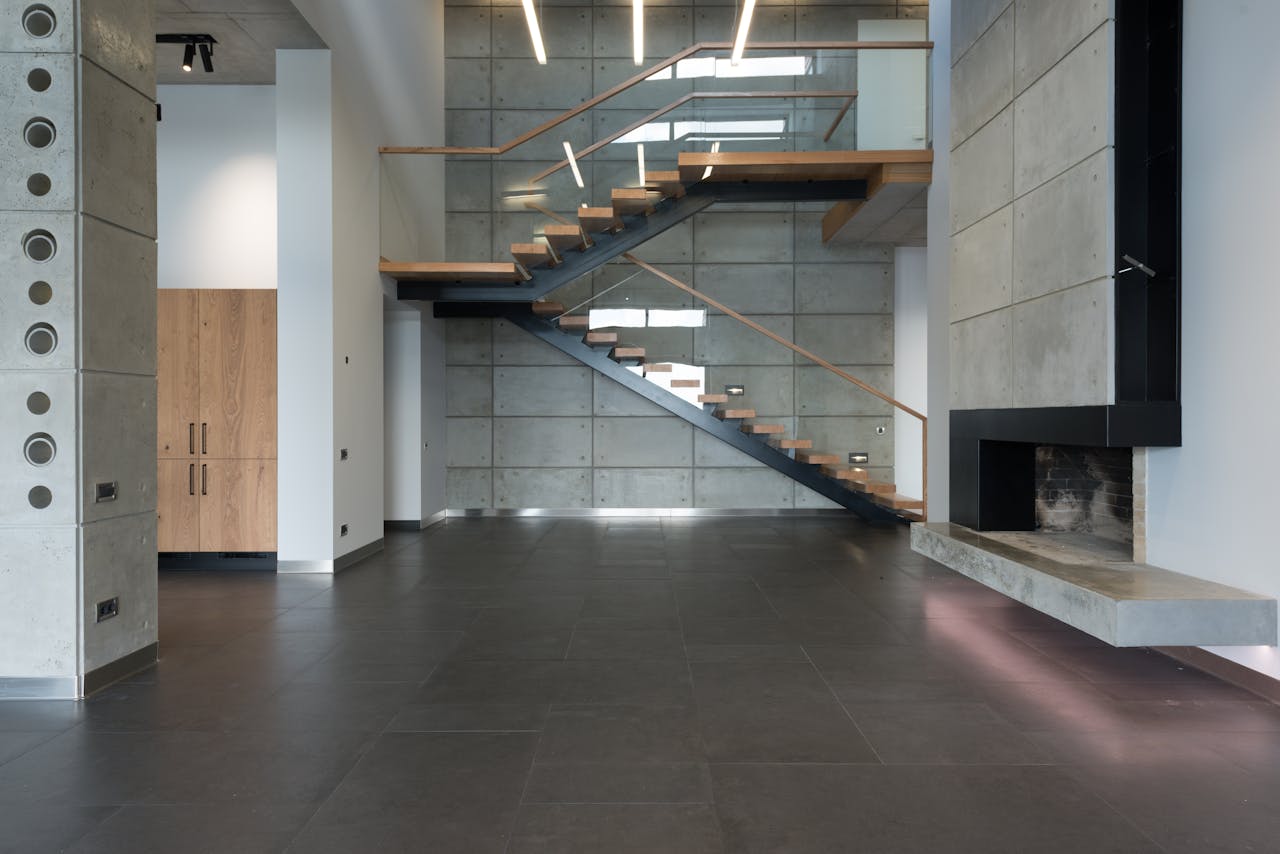
For years, gray floors were the shortcut to modern farmhouse and minimalist styling, often paired with black hardware, shiplap, and bright white walls. After a long run of social feeds and builder packages that looked nearly identical, the gray plank now reads like part of a pre-set kit, not a singular material choice, even in a beautifully furnished home. With current forecasts calling for warmer neutrals, layered pattern, and more collected detail, the same cool base can make a room feel frozen in a trend cycle that has already peaked and begun to fade, especially in newer builds where every unit shares it too.
It Can Make Spaces Feel Dimmer and Heavier
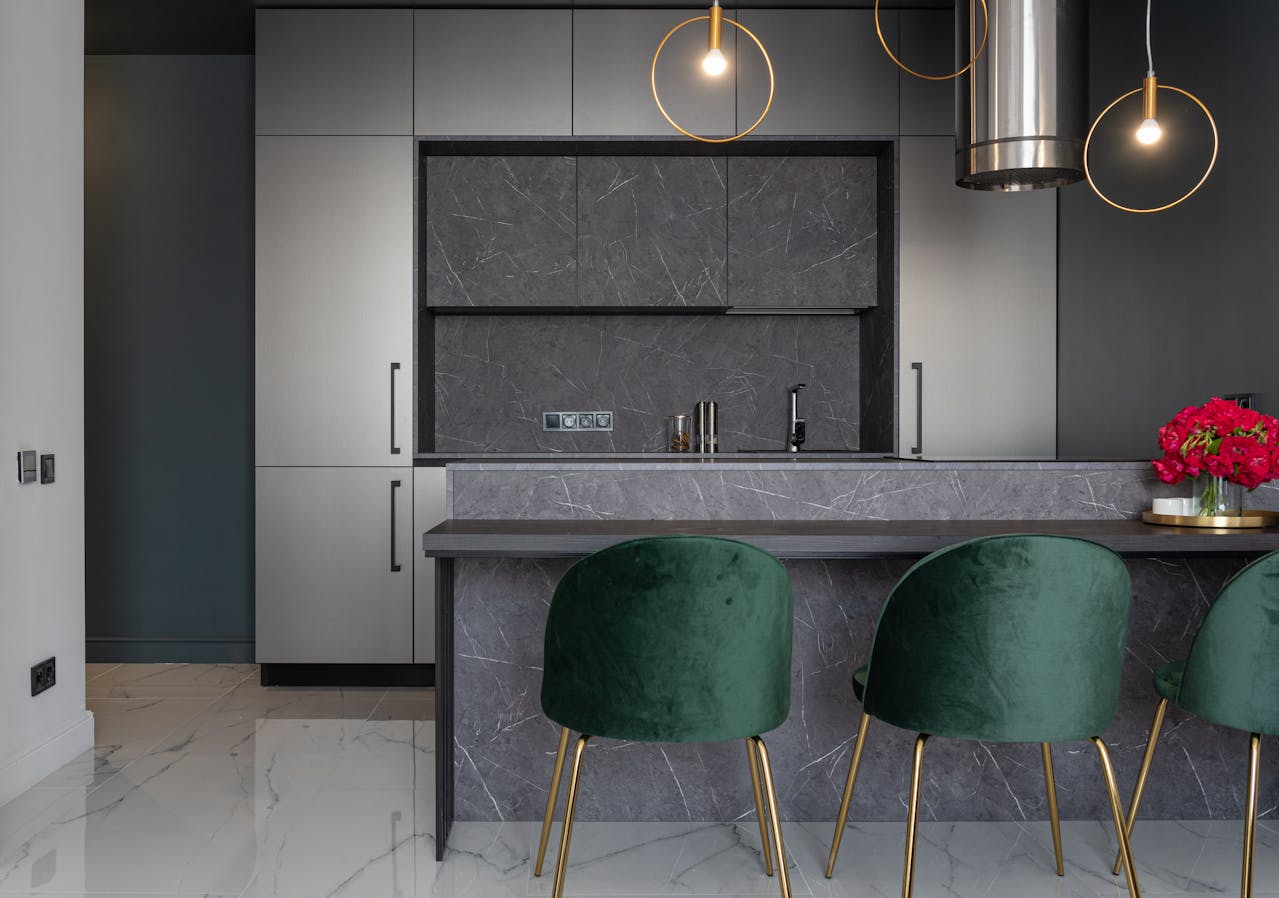
Gray floors often absorb light in an unflattering way, especially when the finish is matte and the tone sits in the mid-to-dark range. Rather than reflecting warmth back into a room, the surface can cast a cool shadow that makes corners feel heavier, artwork look slightly drained, and even white trim appear a bit duller than expected. In smaller apartments, narrow hallways, and north-facing rooms, that subtle dimming adds up; it helps explain why many designers are steering clients toward lighter natural oaks and warm mid-tones that brighten a space without turning it stark or bleached throughout the day indoors.
The Wear Pattern Looks Harsh, Not Charming
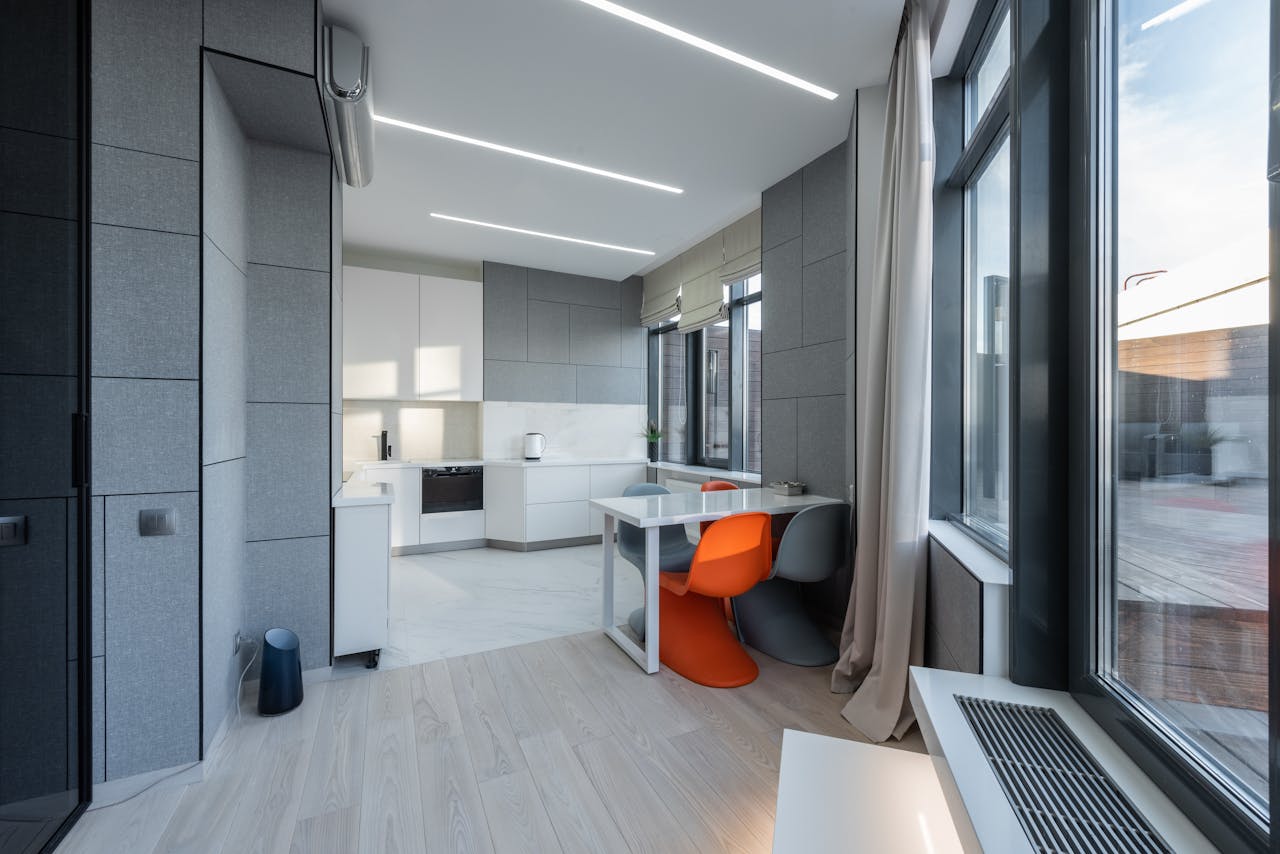
Many gray floors are not truly gray wood; they are a thin stain, a reactive treatment, or a printed layer engineered to appear gray across a wide batch. As the surface takes daily life, warmer undertones can peek through at edges, seams, and scratches, so the floor starts to read as two colors at once, with little halos of tan or brown that feel unplanned. That kind of visual aging is harsher than the gentle mellowing of natural oak, and it can date a renovation quickly; even when the structure is fine, the finish looks like it is slipping, especially in busy households where chairs slide, and shoes scuff every day.
It Runs Against the Return of Natural, Tactile Materials
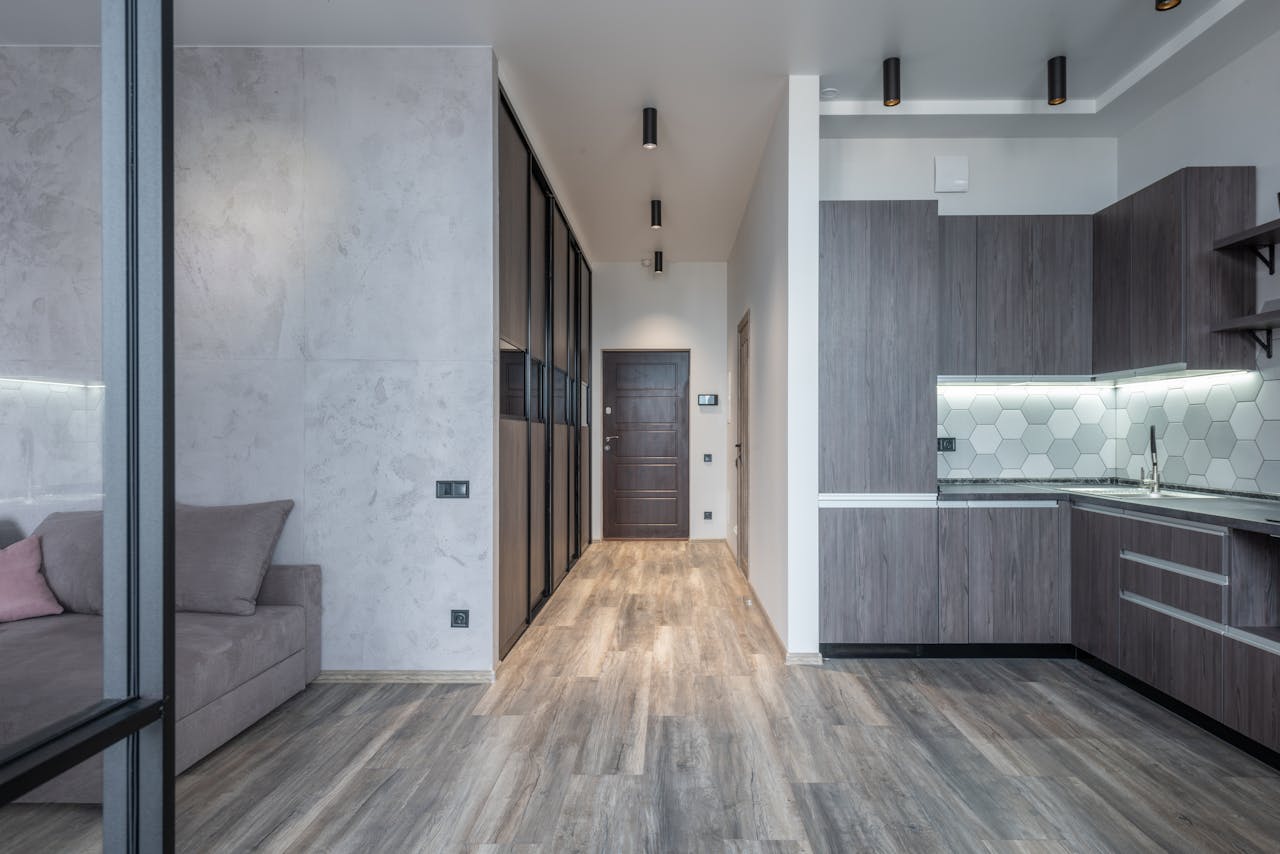
The broader aesthetic swing is toward nature: warmer woods, stone, cork, and surfaces that feel honest underfoot, with texture that looks better the longer it lives in a space. Against that backdrop, gray floors can seem overly processed, a reminder of the years when everything got cooled down to read modern and neutral, even if it meant losing character. When design experts talk about soulful, comfortable rooms and richer wood finishes returning, a gray base can feel slightly clinical; natural oak, walnut, and warm-toned alternatives keep durability while adding depth and staying believable across changing decor.