Modern law has a habit of turning ordinary objects into quiet landmines. A snack, a stroller, or a laundry product can be harmless in one place and flat out illegal in another. These rules rarely come out of nowhere. They grow from injury reports, environmental damage, or politics that linger in the background of daily life. Looking at a few banned everyday items shows how a familiar habit can collide with local priorities the moment a border is crossed.
Kinder Surprise Eggs In The United States
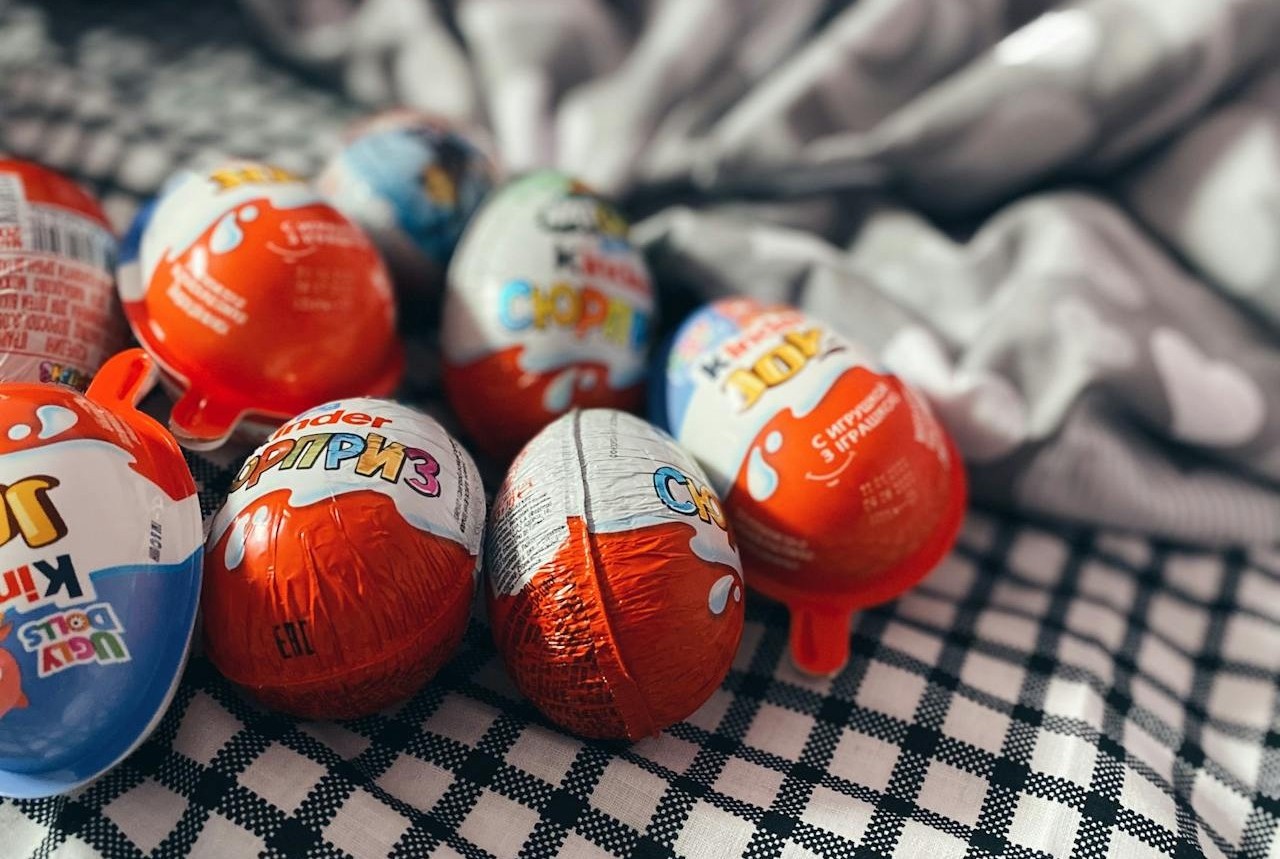
To many families, Kinder Surprise eggs look like simple chocolate with a toy tucked inside. In the United States, that toy changes everything. Federal rules treat any non food object hidden inside candy as an unacceptable choking risk, so the classic egg is banned from sale and often seized at the border. The same treat remains a childhood staple in Canada and much of Europe, which shows how different countries read the same safety statistics in very different ways.
Chewing Gum In Singapore

A stick of gum in a pocket seems harmless, but Singapore treats it almost like contraband. Selling or importing regular chewing gum without approval can bring real fines, and customs officers have taken bags from visitors who forgot the rule. The policy grew from very practical problems, including gum jammed in train doors and stains on sidewalks, and it now shapes how the city sees itself, tidy public spaces first and personal chewing habits much lower on the list.
Baby Walkers In Canada

Traditional baby walkers with wheels once felt like standard nursery gear. In Canada, they are banned outright after years of data tying them to serious falls and head injuries. The law blocks the sale, import, and even advertising of these products, and families are not supposed to pass them along secondhand. What older generations remember as a handy way to keep a child busy is now treated as an avoidable hazard, replaced by stationary activity centers and floor time.
Raw Milk Sales In Parts Of The United States

Unpasteurized milk looks simple, almost nostalgic, yet in much of the United States it sits in a tight legal corner. Federal rules forbid interstate retail sales for drinking, and many states block store shelves from carrying it at all. Others allow small farm or herd share setups with sharp warnings. Supporters talk about natural taste and tradition. Health officials point to outbreaks of dangerous infections and argue that a familiar farmhouse image does not make the microbes any less real.
Plastic Shopping Bags In Rwanda And Kenya
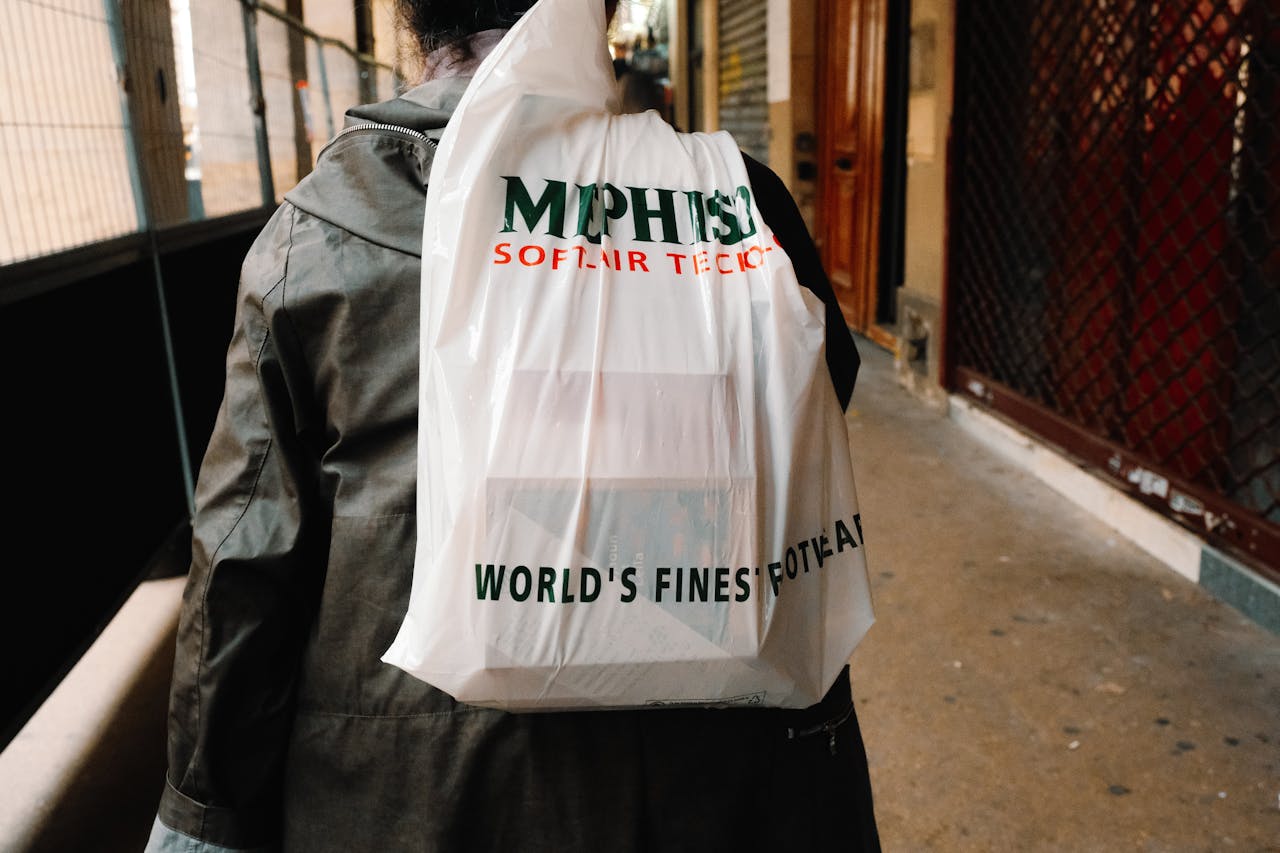
Thin plastic shopping bags used to leave stores by the handful. In Rwanda and Kenya, they now sit on the wrong side of the law. Both countries ban manufacturing and most uses of lightweight plastic carry bags, and travelers have watched their luggage searched for rolled up bundles at airports. The goal is blunt and visible, cleaner streets, fewer clogged drains, and less plastic in fields. Cloth totes and sturdy reusable sacks have stepped in where rustling film once ruled.
High Powered Laser Pointers In Parts Of Australia

Handheld laser pointers feel like simple tools for slideshows or sky watching, but in parts of Australia strong versions count as restricted weapons. Many states limit or ban devices above a very low power level unless the owner has a permit. Officials worry about pilots and police officers being dazzled, along with permanent eye damage. That small metal tube on a desk suddenly lives in the same legal world as more obvious weapons, all because of a concentrated beam of light.
Consumer Drones In Morocco
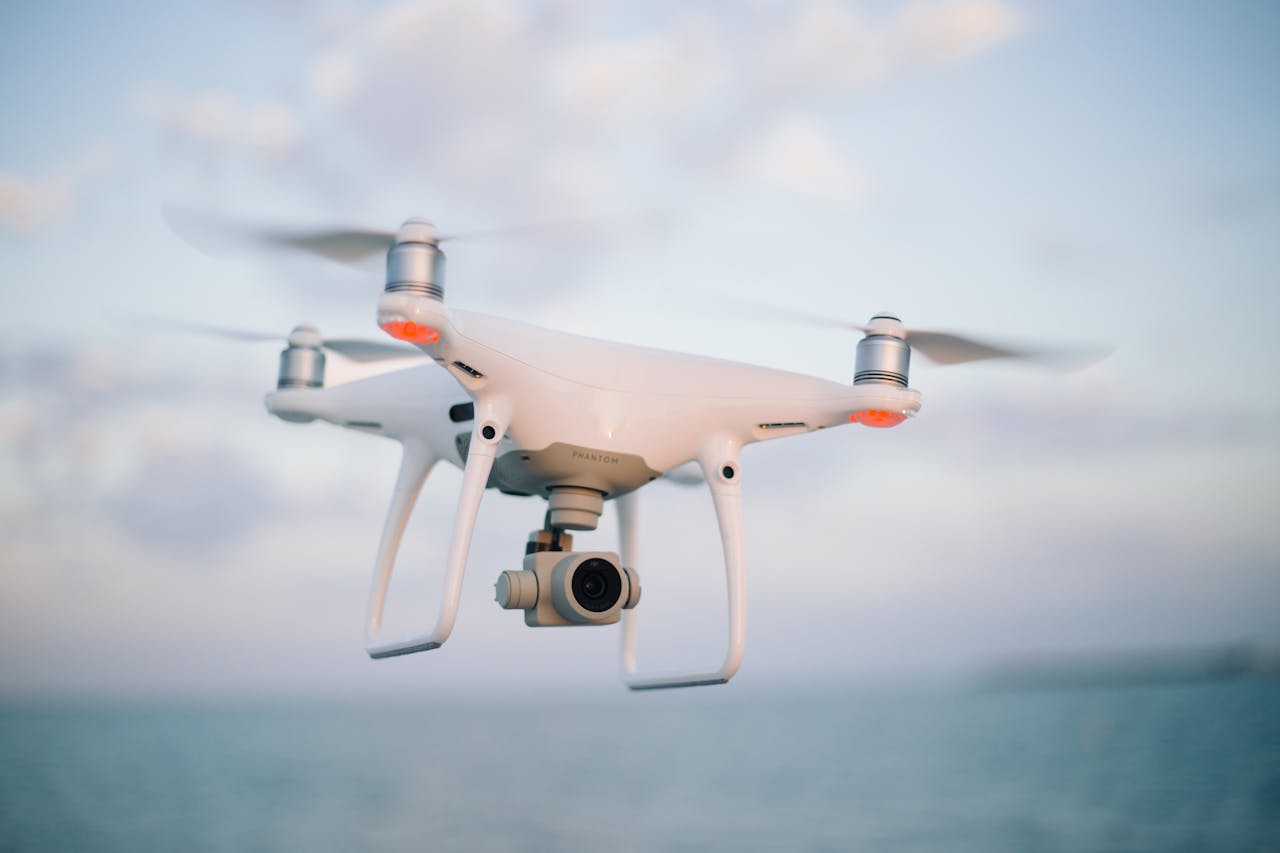
Compact camera drones have become common travel companions, yet Morocco keeps them tightly off limits. Since a national decree in the mid 2010s, importing and using civilian drones without special clearance has been banned. Customs officers often seize them at airports, even when packed with other electronics. Security and privacy worries sit behind the rule. What feels like a casual way to film a market or coastline elsewhere turns into a device that never makes it out of the suitcase.
Radar Detectors In Virginia And Washington, D.C.
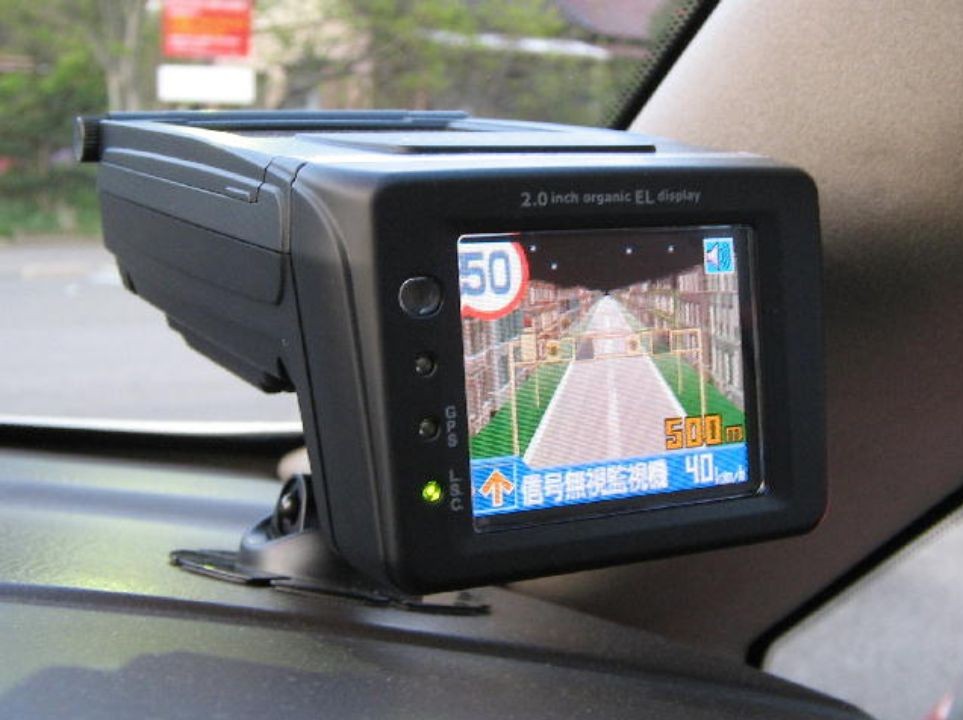
Dashboard radar detectors look like any other small gadget with a cable. In Virginia and Washington, D.C., they are illegal to use or even keep within easy reach while driving. Police can issue fines and remove the device, no matter how casually it sits on the windshield. Supporters of the ban argue that detectors encourage drivers to treat speed limits as optional. For motorists who cross state lines on long trips, a common highway accessory becomes a quiet legal risk.
E Cigarettes In India
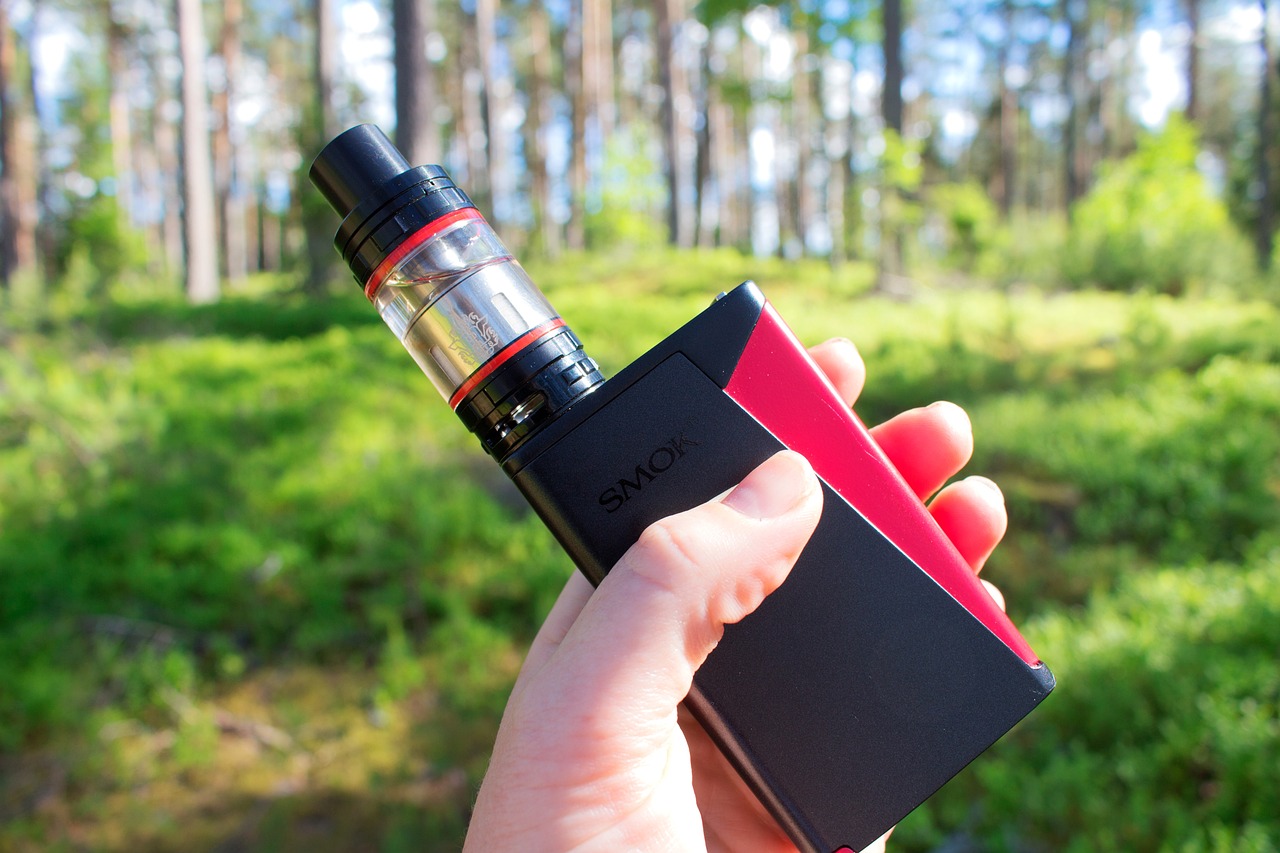
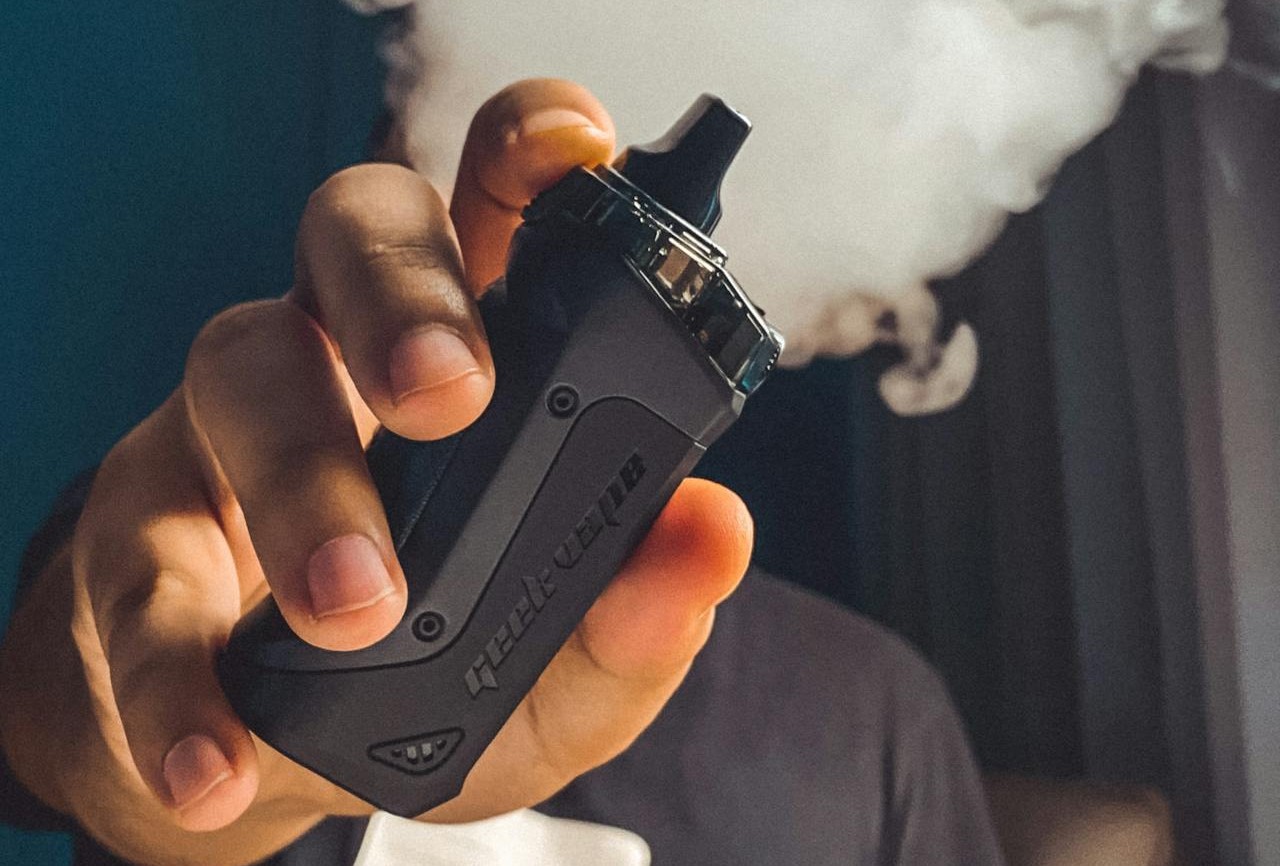
Slim flavored vapes spread quickly through cities worldwide, but India chose a hard brake. Since 2019, national law has banned the production, import, sale, and advertising of e cigarettes, with enforcement aimed at both big shipments and small retail stock. Officials frame the move as a way to protect teenagers from nicotine addiction rather than manage smoking adults. In practice, an object that feels like routine pocket tech in many countries is meant to stay completely out of circulation.
Phosphate Heavy Detergents In Many Regions

Older laundry and dish detergents leaned heavily on phosphorus rich compounds that made water sparkle but lakes bloom with algae. Many regions now restrict or ban high phosphate household detergents, pushing companies to rewrite long standing formulas. In some places, stocking older products can put a store on the wrong side of environmental rules. The bottle under the sink has become part of a much bigger fight over river health, fish kills, and the true price of that fresh clean scent.