December invites people to look up and notice how the sky quietly runs the calendar. Long nights, low Sun, and cold air sharpen awareness of light and shadow, of when dawn arrives and how soon darkness returns. Across cultures, this month is full of moments when the position of the Sun, the path of the Moon, or the streak of a meteor shower becomes a reason to gather. These holidays turn astronomy into comfort, ritual, and a reminder that the universe is always in motion.
Winter Solstice: Shortest Day, Longest Night
The astronomical winter solstice in the Northern Hemisphere arrives around Dec. 21, when the Sun reaches its lowest noon arc and daylight shrinks to its yearly minimum. The tilt of Earth stops feeling like an abstract diagram and shows up as long shadows, early evenings, and that familiar sense of the day ending too soon. Many cultures treat this point as a turning key in the year, when darkness finally peaks and light begins to move back. Even a simple sunrise walk after solstice can feel like a quiet promise that things are slowly lifting.
Yalda Night: Persian Celebration Of The Longest Night
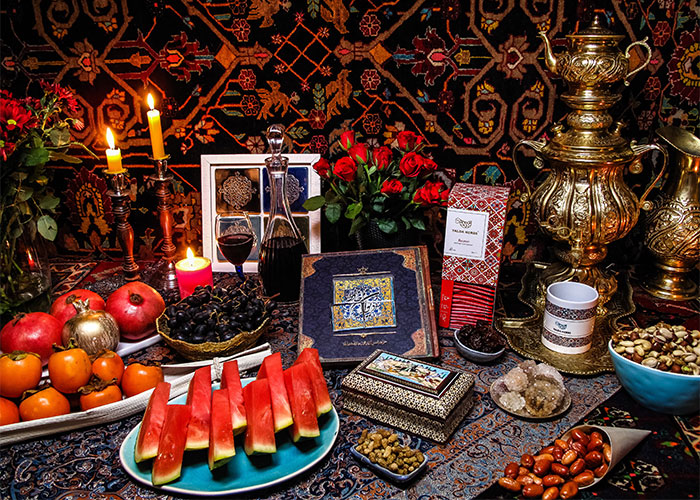
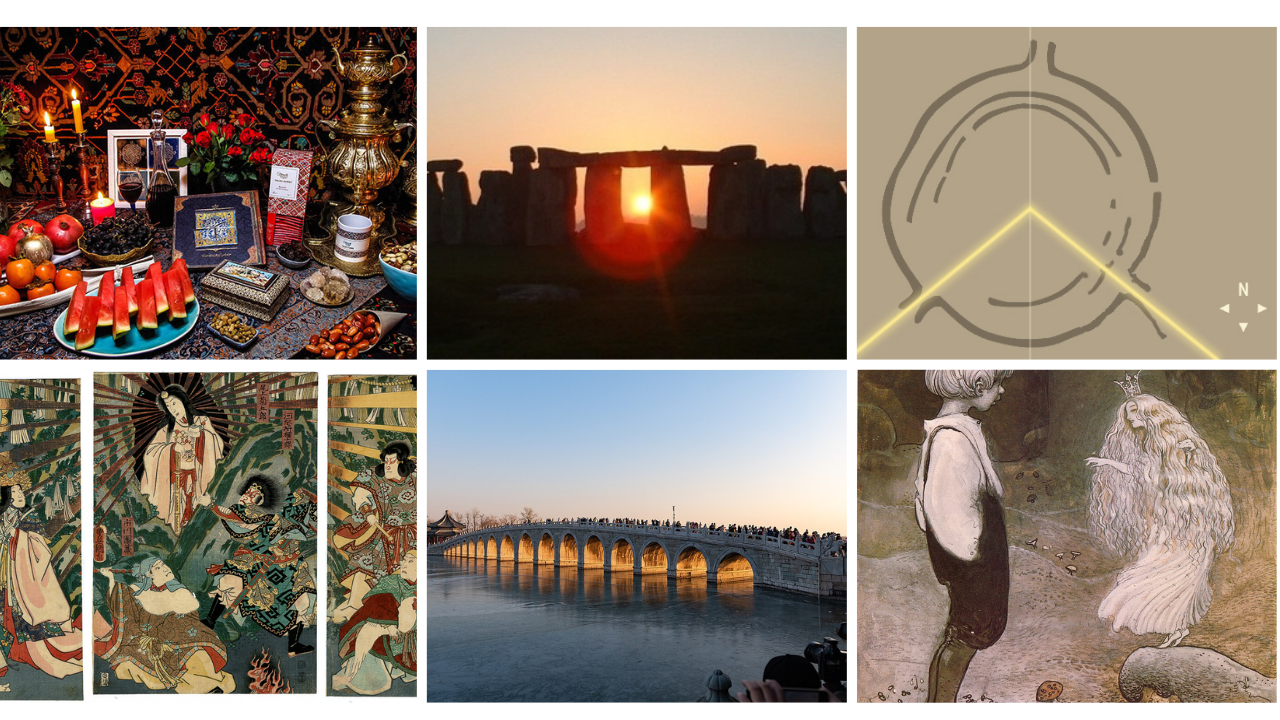
Yalda Night in Iran, Afghanistan, and parts of Central Asia is timed to the winter solstice, the longest night of the year, and built around outlasting darkness together. Families spread red fruits like pomegranates and watermelon, crack nuts, pour tea, and read poetry deep into the night until the first light appears. The color on the table mirrors the first line of dawn, turning an astronomical tipping point into something that can be tasted and shared. Old stories from the epic tradition sit alongside phone lights and modern apartments, proving that watching the Sun return never goes out of style.
Dongzhi Festival: Turning Toward The Light In China
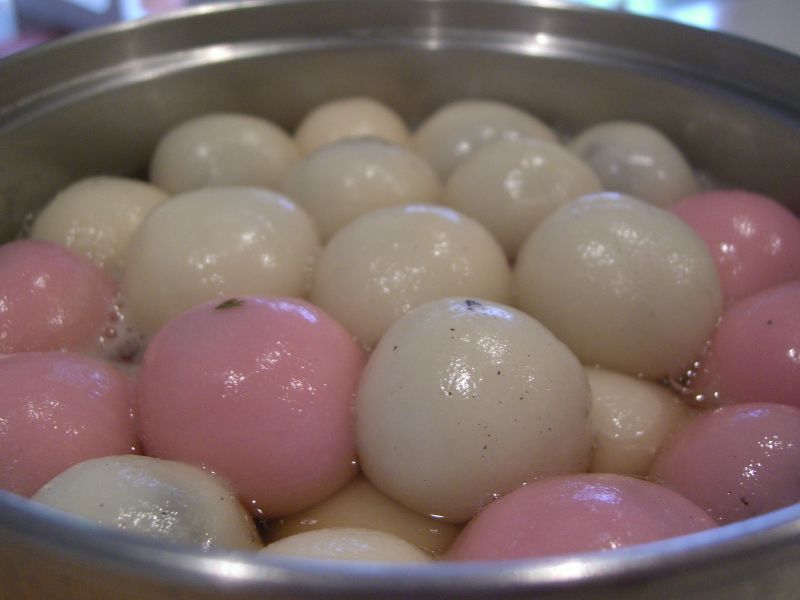
The Dongzhi Festival marks winter solstice across much of East Asia, when the Sun reaches its lowest midday height and yin energy is said to be at its strongest. Families in China gather for bowls of tangyuan or dumplings, which stand in for reunion, warmth, and the rounding out of the solar year. The celebration rests on generations of careful sky watching, calendar making, and tracking of the Sun’s path, yet the actual day feels soft and domestic. With each shared dish, people quietly acknowledge that from this point onward, daylight grows, and with it, strength, balance, and the sense that the worst of winter will pass.
Tōji: Japan’s Citrus-Scented Solstice
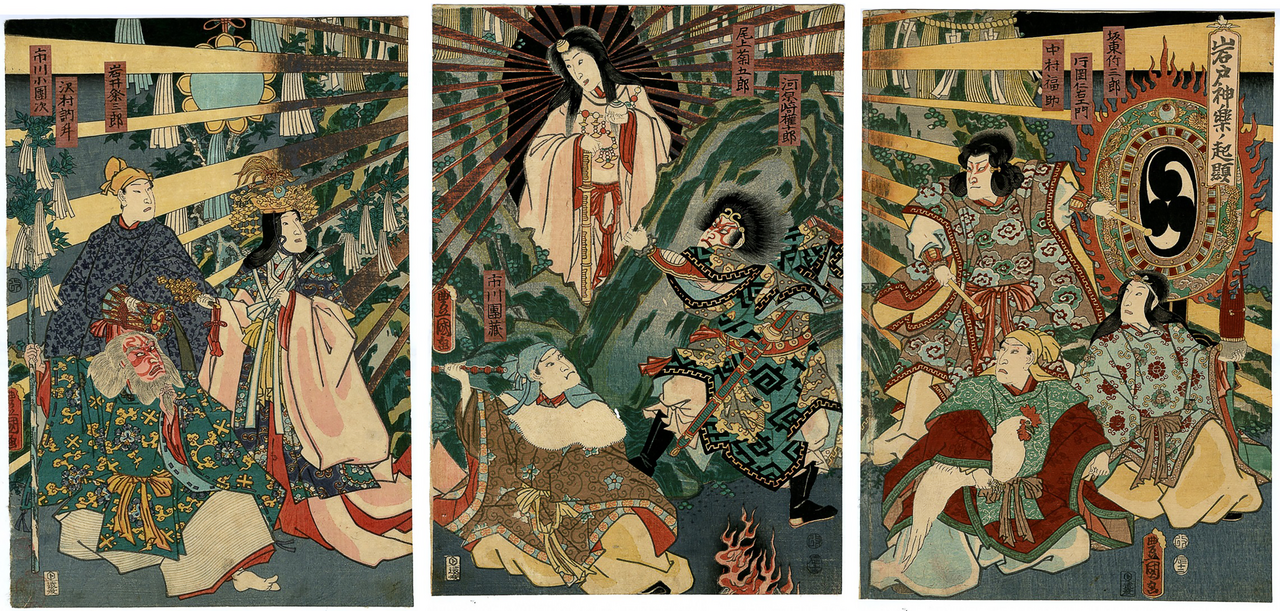
In Japan, the winter solstice is called Tōji, a brief but vivid moment when the Sun sits lowest and many households lean into ritual to push back the cold. Kabocha squash often appears at the table, praised for its color and nourishment, while yuzu fruits are floated in hot baths so their bright scent can fill the room. The science behind the timing is precise, but the feeling is very human: short days, chilly air, and a desire to surround the body with warmth and fragrance. The citrus bobbing on the water becomes a playful little Sun, turning a hard fact of astronomy into something almost tender.
Soyal: Hopi Ceremony To Wake The Sun
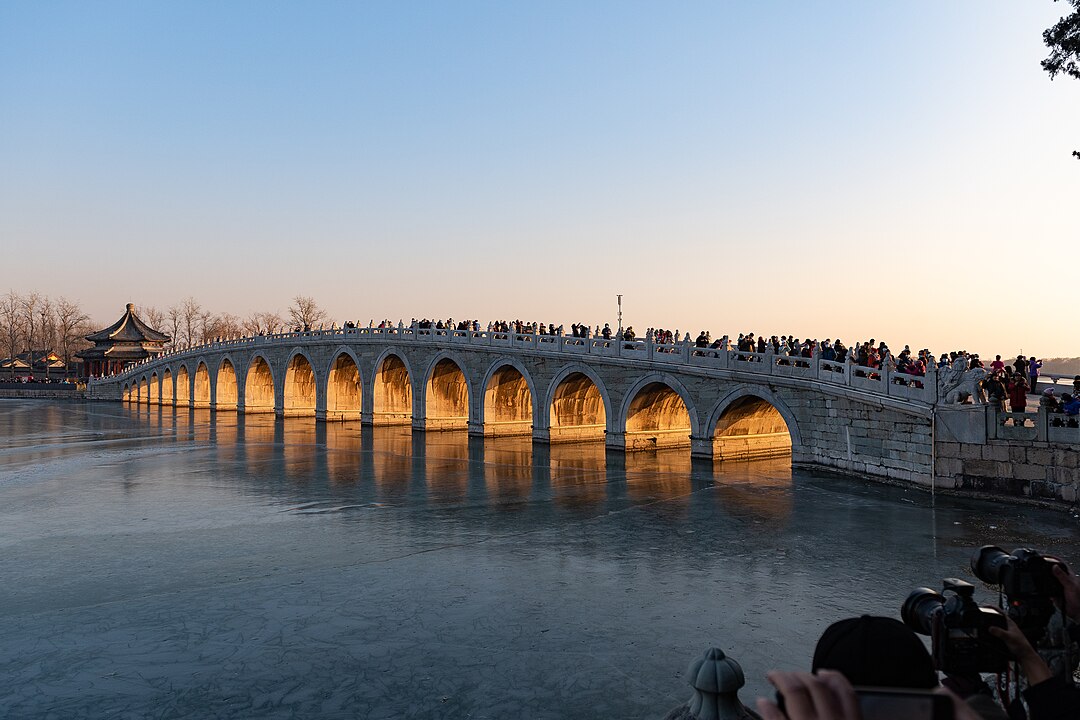
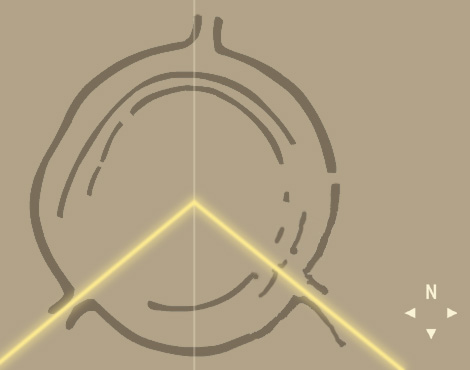
For the Hopi and Zuni peoples of the American Southwest, Soyal is the winter solstice ceremony that symbolically wakes the Sun after its slow retreat. Community members watch the horizon carefully, guided by traditional markers that show when the Sun has reached its southern extreme. Sacred kiva spaces open, prayers are offered, and katsina spirits are welcomed as protectors of the new growing season that still lies hidden in the soil. The focus is as much on balance, respect, and responsibility as on the movement of the Sun, turning an exact celestial moment into a renewal of community promises.
Yule: Northern Festival Of The Returning Sun
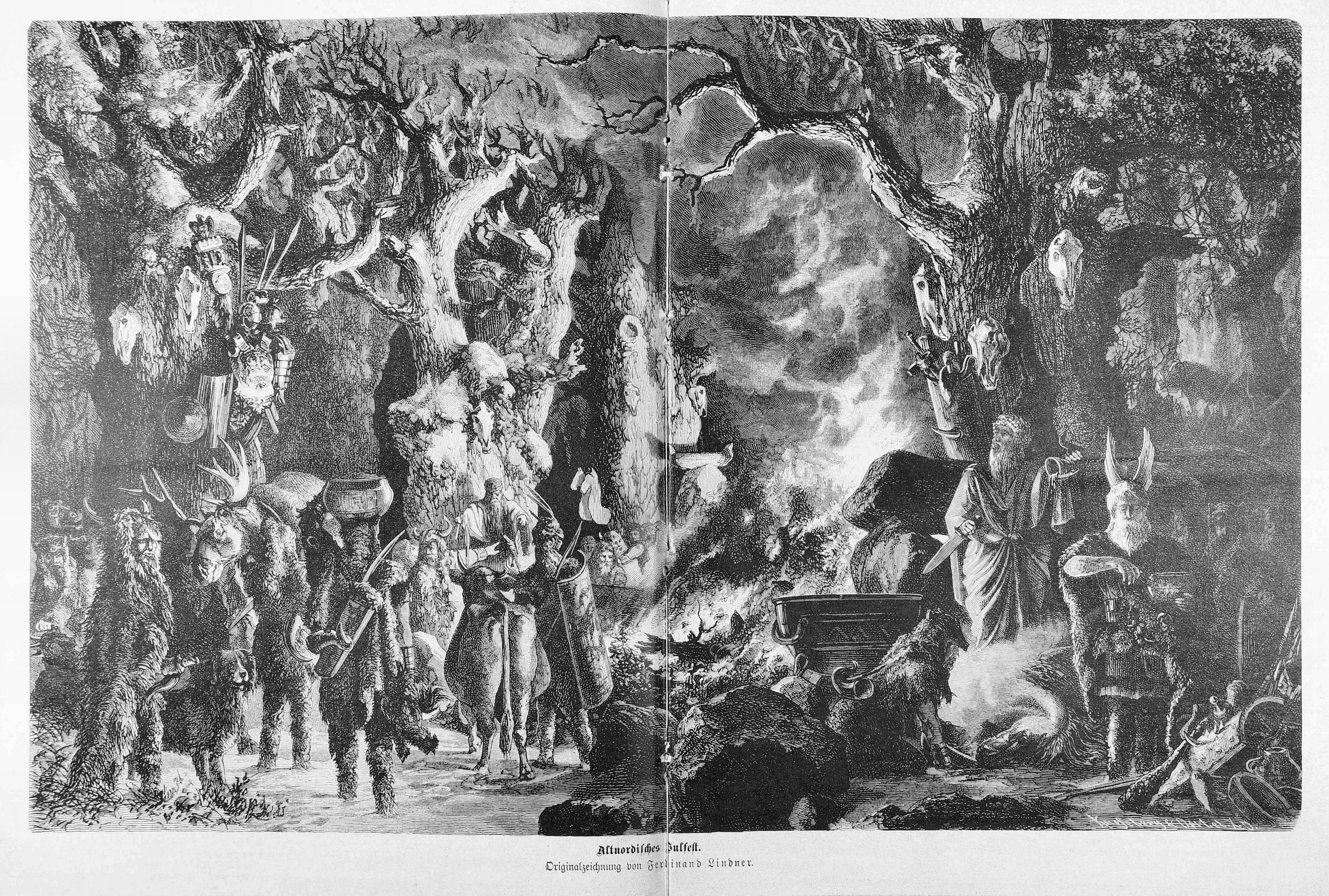
Yule traces back to ancient Germanic and Norse traditions that centered on the winter solstice as the rebirth of the Sun. When nights stretched long and fuel stores mattered, people brought evergreen branches indoors, kept fires going, and shared feasts that pushed back the sense of scarcity. Today, modern Yule observances might blend pagan symbolism, family customs, and seasonal crafts, but the core idea stays the same. The shortest day becomes a chance to honor endurance, both human and solar, with each candle, log, or shared drink acting as a small stand-in for a Sun that is gathering strength again.
Winter Solstice At Stonehenge
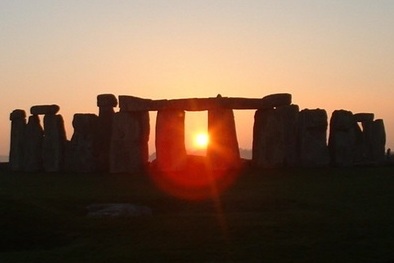
At Stonehenge in southern England, the winter solstice sunrise and sunset still draw crowds who want to see the ancient stones work as a kind of seasonal instrument. People arrive in the cold dark, wrapped in layers, drumming, talking, or simply standing still as they wait for the first light to slide along the horizon. When the Sun finally rises and lines up with the monument, it briefly turns a field into a stage where past and present sit side by side. The experience does not ask anyone to know every scientific detail; it just lets the alignment show that humans have been tracking this day for thousands of years.
Bodhi Day: Enlightenment On A Midwinter
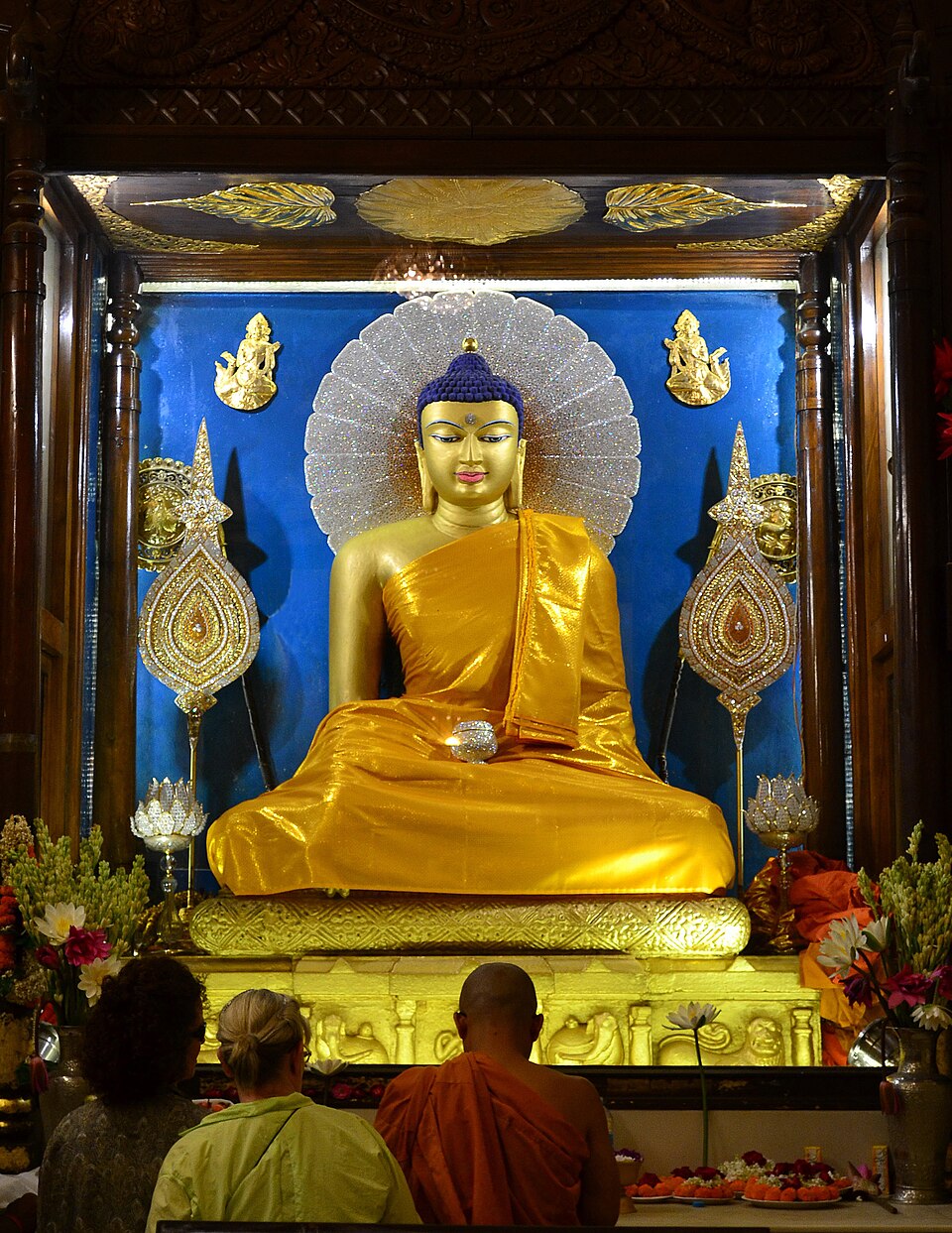
Morning
Bodhi Day, observed on Dec. 8 in many Mahayana Buddhist communities, marks the night Siddhartha Gautama is said to have reached enlightenment under the Bodhi tree. The date has roots in lunar calendars and seasonal cycles, where monks and scholars once tracked moon phases and winter timing before it settled into a fixed day. Modern observance can be humble: meditation, candlelight, perhaps a simple bowl of rice or tea shared in silence. The quiet timing early in December mirrors the story itself, in which a long, dark stretch of questioning gives way to clarity just as morning light arrives.
Hanukkah: Festival Of Lights On A Lunar Clock
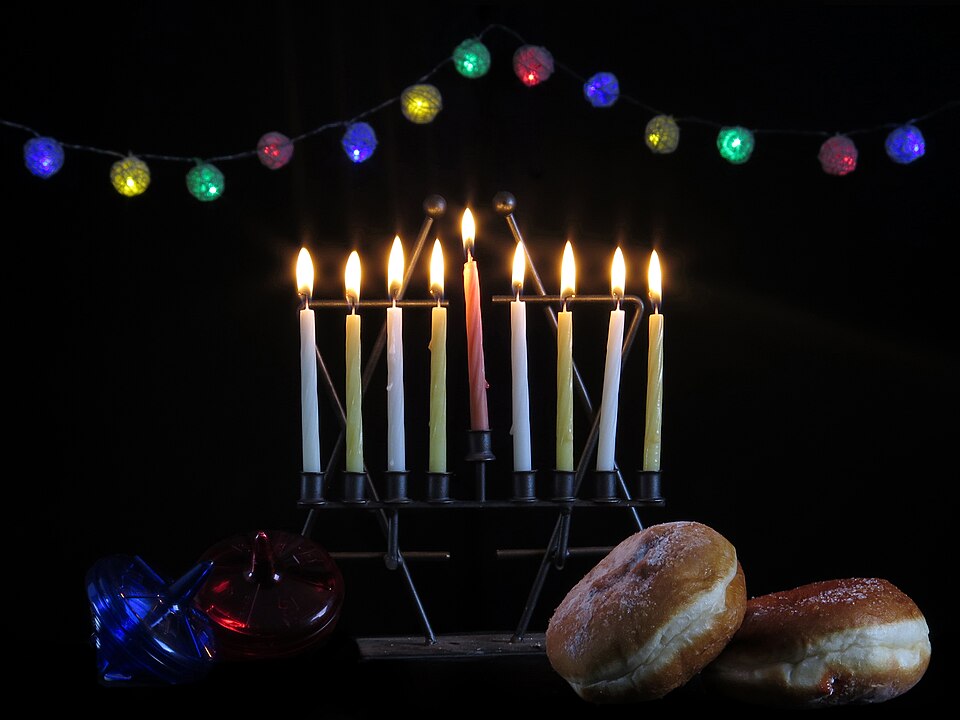
Hanukkah is set by the Hebrew calendar, landing on the twenty fifth of Kislev and sliding across late November and December depending on the year. The calendar itself is carefully tuned to both lunar cycles and solar seasons, with leap months added to keep holidays in the same slice of the year. Each night, another flame on the hanukkiah is lit, so the ritual literally grows brighter as winter rolls on. Even when Hanukkah overlaps with other December festivals, its timing still quietly reflects mathematics, astronomy, and the stubborn idea that even a little light can keep going longer than expected.
Geminid Meteor Shower Nights
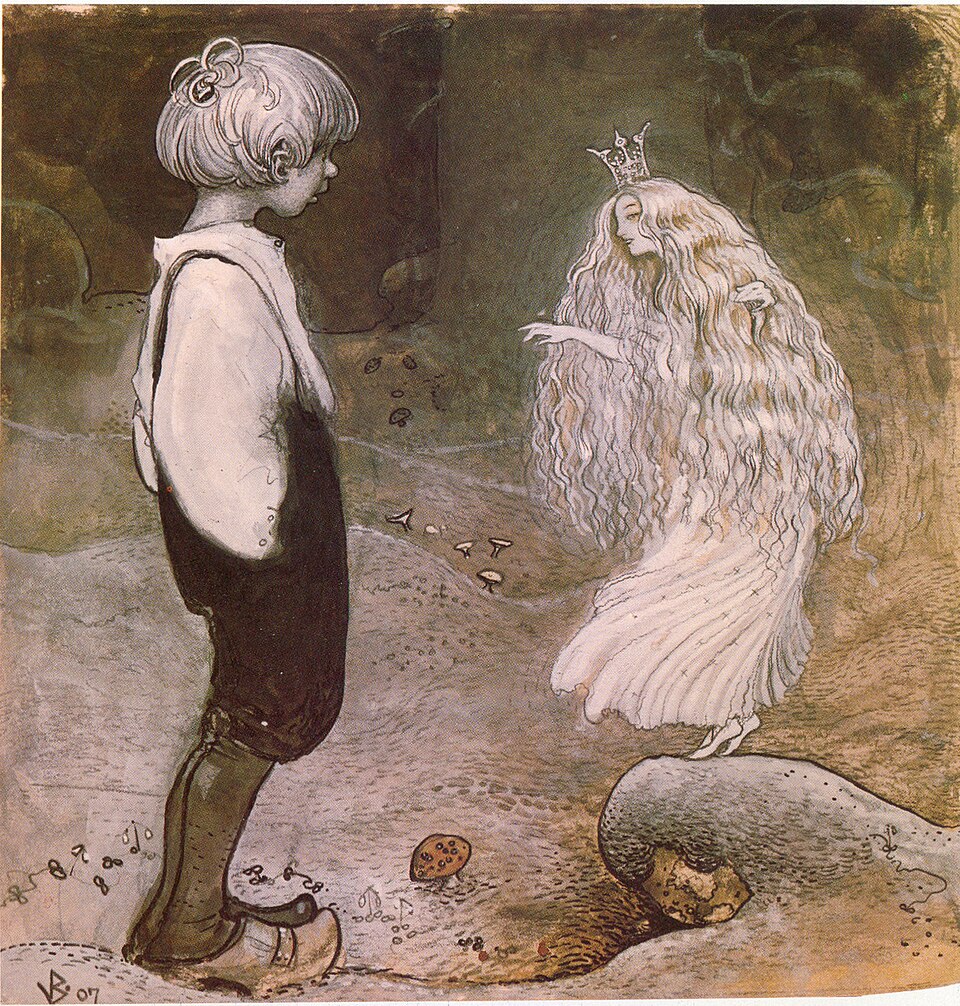
Every December, the Geminid meteor shower turns high, dark skies into a natural light show as Earth crosses a stream of debris from the asteroid-like object 3200 Phaethon. The meteors seem to fan out from the constellation Gemini, and patient watchers can count dozens of streaks an hour on a good night away from city glare. Planetariums, astronomy clubs, and parks often organize late-night viewings that feel part lesson, part picnic, part quiet shared astonishment. The air may be freezing, but each flash reminds everyone under that sky that Earth is moving on a precise path through a lively, cluttered neighborhood.