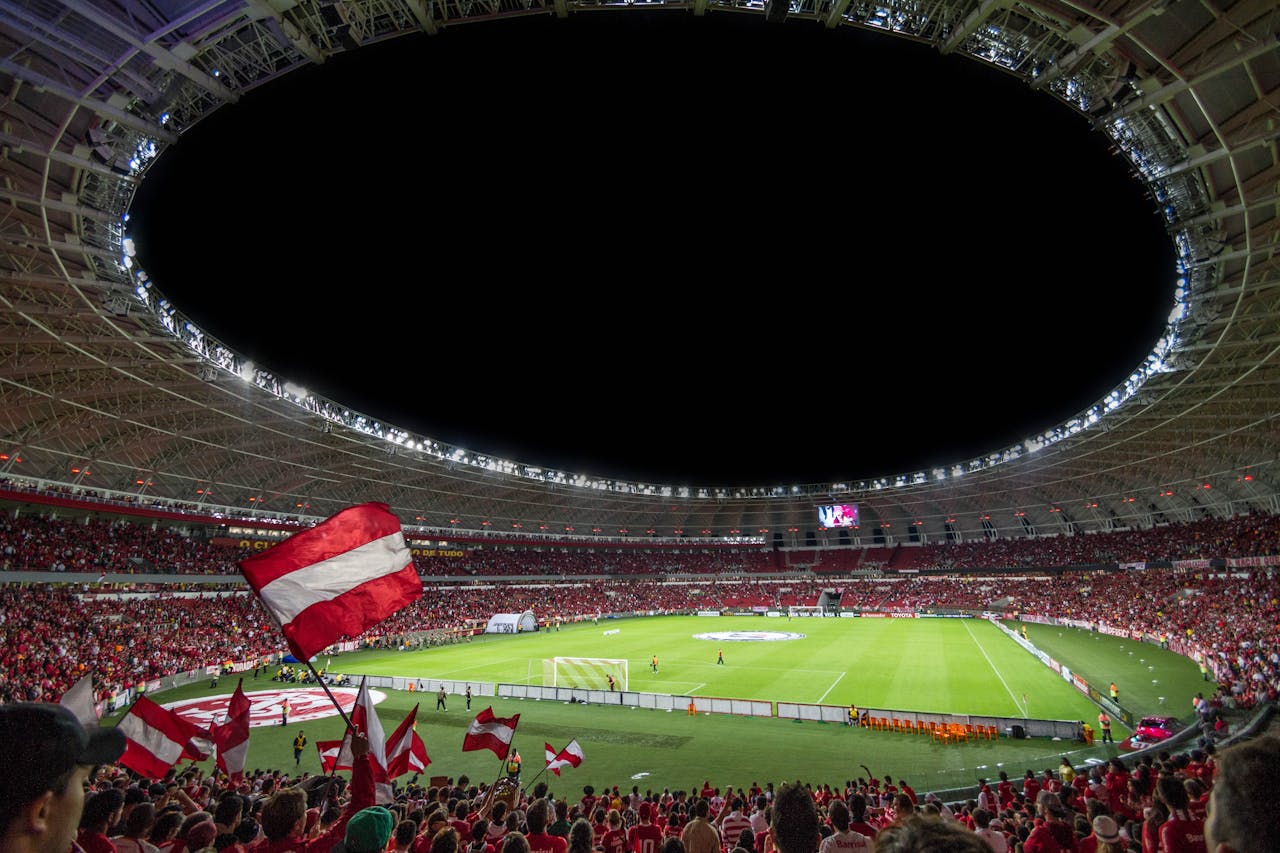
Stadiums once felt like quick detours: arrive, cheer, leave, forget the neighborhood beyond the gates. Sports tourism changed the shape of the trip. A marquee matchup now sits beside a food crawl, a museum stop, and a late-night walk through an arena district lit for crowds. Cities leaned in, designing venues as landmarks with tours, exhibits, concerts, and transit links that work even when the team is off the schedule. Even casual travelers understand the pull. A stadium concentrates local pride, shared rituals, and a skyline view that makes a place feel instantly legible. One ticket can frame an entire weekend. In peak seasons, hotel packages, fan festivals, and rivalries give the calendar fixed points, like holidays with jerseys.
Stadium Districts Became All-Day Neighborhoods
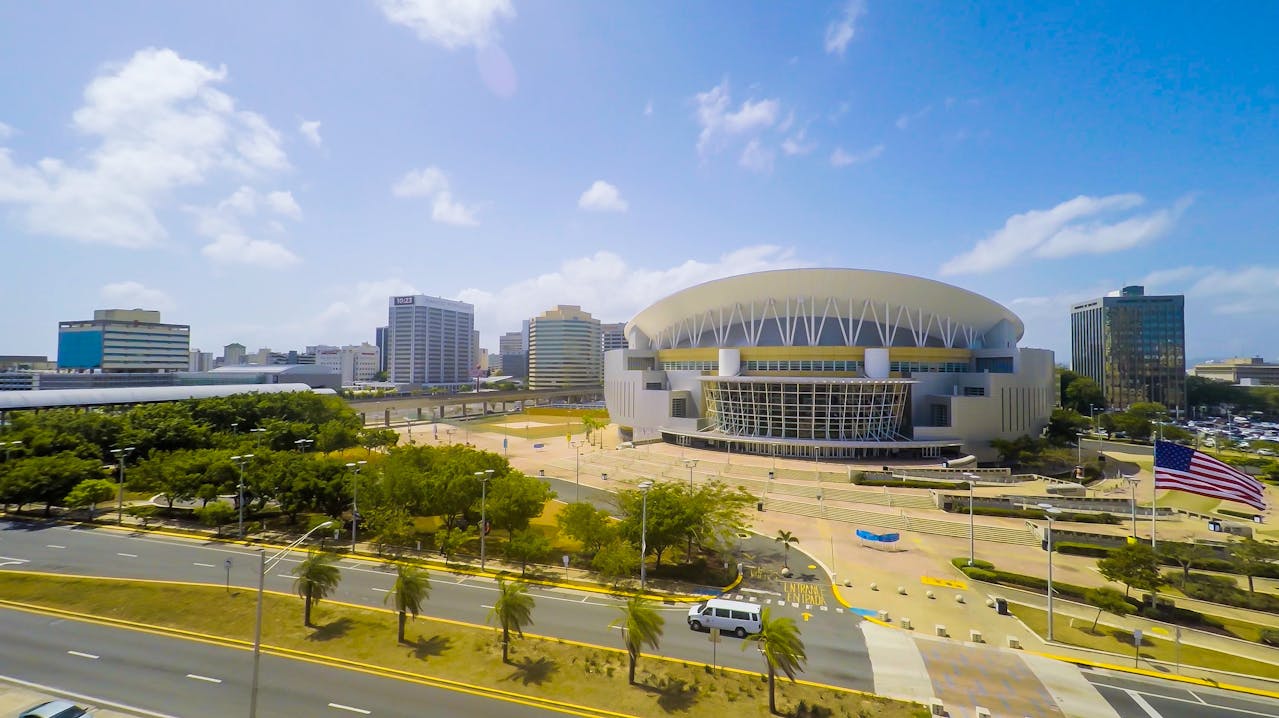
Developers stopped treating arenas as isolated boxes ringed by parking and started building real districts around them: plazas, food halls, team stores, and streets made for lingering. Pregame becomes a slow stroll instead of a rush, and postgame drinks stay close without feeling trapped in a crowd. On off-days, the same blocks still work, because murals, patios, and skyline views keep the area alive as a casual meet-up spot. Cities like the clustering effect, because spending spreads across small businesses, and visitors get a walkable core that feels safe after dark, with lights, music, and clear meeting points.
Behind-the-Scenes Tours Made Daytime Plans Easy
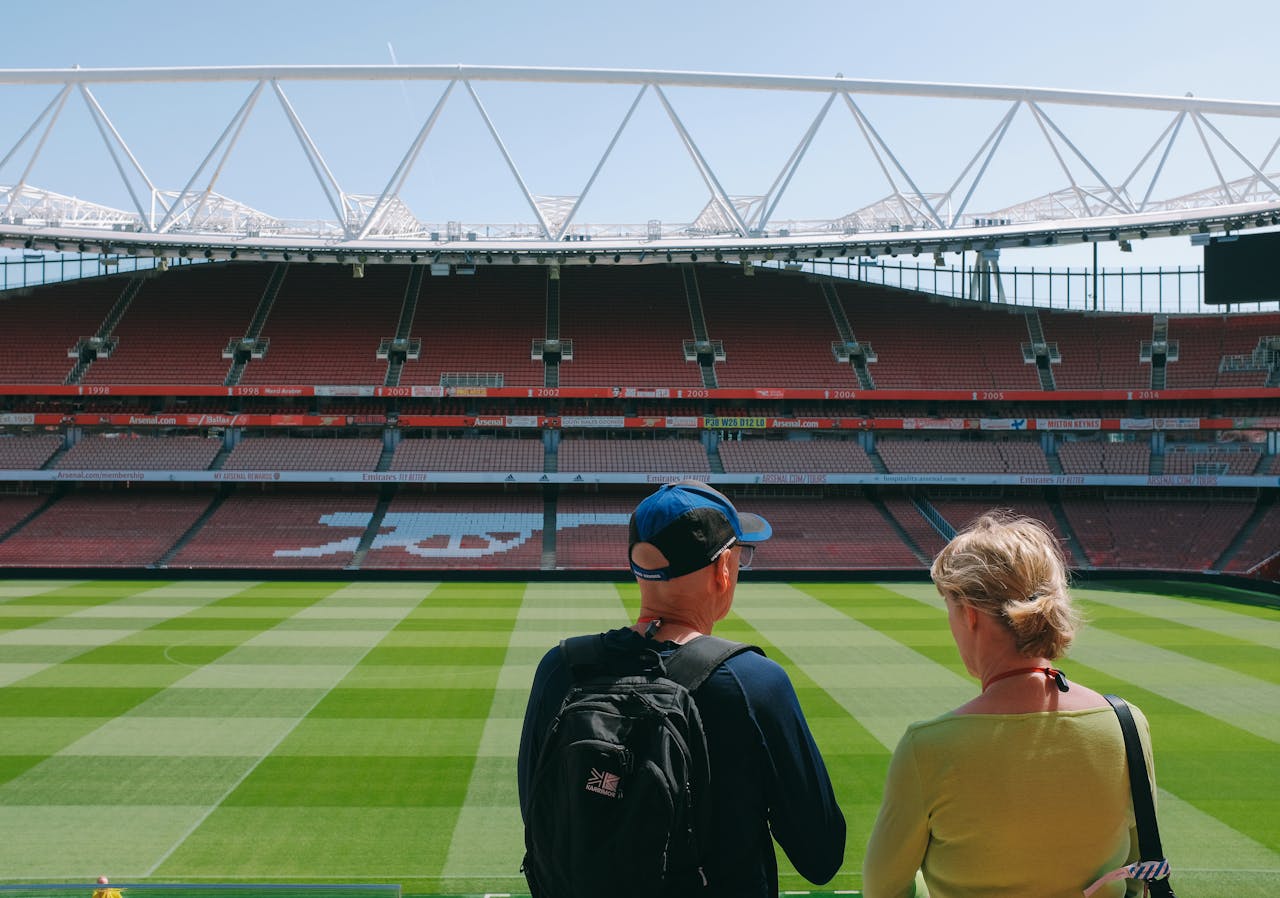
A kickoff time no longer controls the whole itinerary. Venue tours move through locker rooms, press areas, and tunnel walks while guides explain design choices, superstitions, and the moments locals still argue about. Many run year-round, so a rainy morning or an early check-in has an obvious destination. The tour also teaches geography, pointing out nearby bars, transit stops, and neighborhood history that make the rest of the weekend smoother. For many travelers, it is the rare attraction that works in any weather and still feels intimate, because empty seats and quiet corridors reveal scale without the crush of game day.
Signature Stadium Food Became Local Culture

Stadium menus stopped pretending every city eats the same. Local beer taps, neighborhood vendors, and chef partnerships put regional staples on the concourse, so the meal feels tied to the place, not just the seat. Visitors plan for one specific snack the way they plan for a famous bakery, then photograph it like proof of arrival. Food becomes a shared talking point across sections, and the venue turns into a surprisingly good sampler of local taste. Some venues spotlight local farms or beloved eateries, and that partnership helps visitors connect the team to the city’s everyday life, not just its highlight reel.
Concerts and Events Kept Venues Relevant All Year
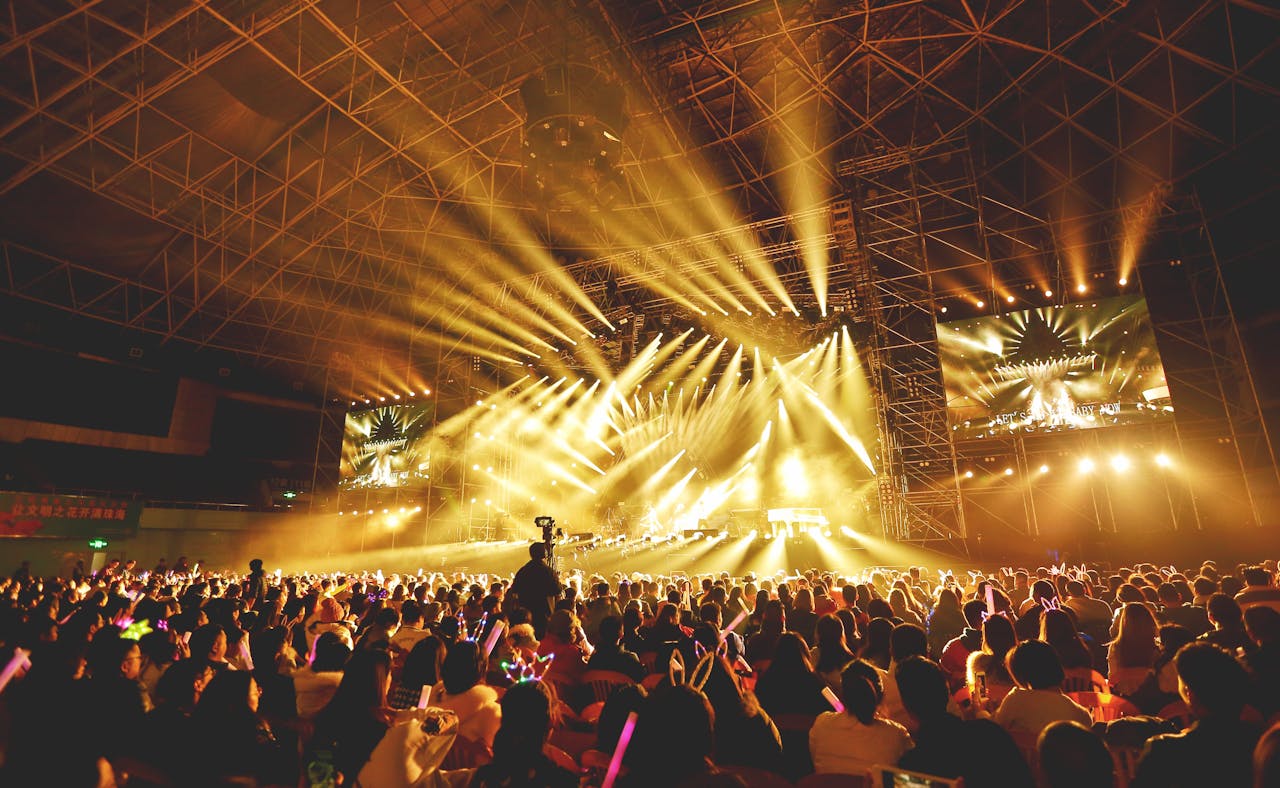
Many stadiums now behave like year-round stages, not seasonal shells. Concert tours, college games, international exhibitions, charity matches, and winter events keep the lights on and the hotels busy beyond the home schedule. That mix widens the travel group, because not everyone needs the same team to agree on a weekend. The venue still anchors plans, while the surrounding district benefits from steady foot traffic instead of a few crowded Saturdays. It also smooths staffing and transit planning, so restaurants and trains run with more consistency, which is exactly what visitors notice when a weekend feels easy to manage.
Transit Links Turned Stadiums Into Navigation Landmarks
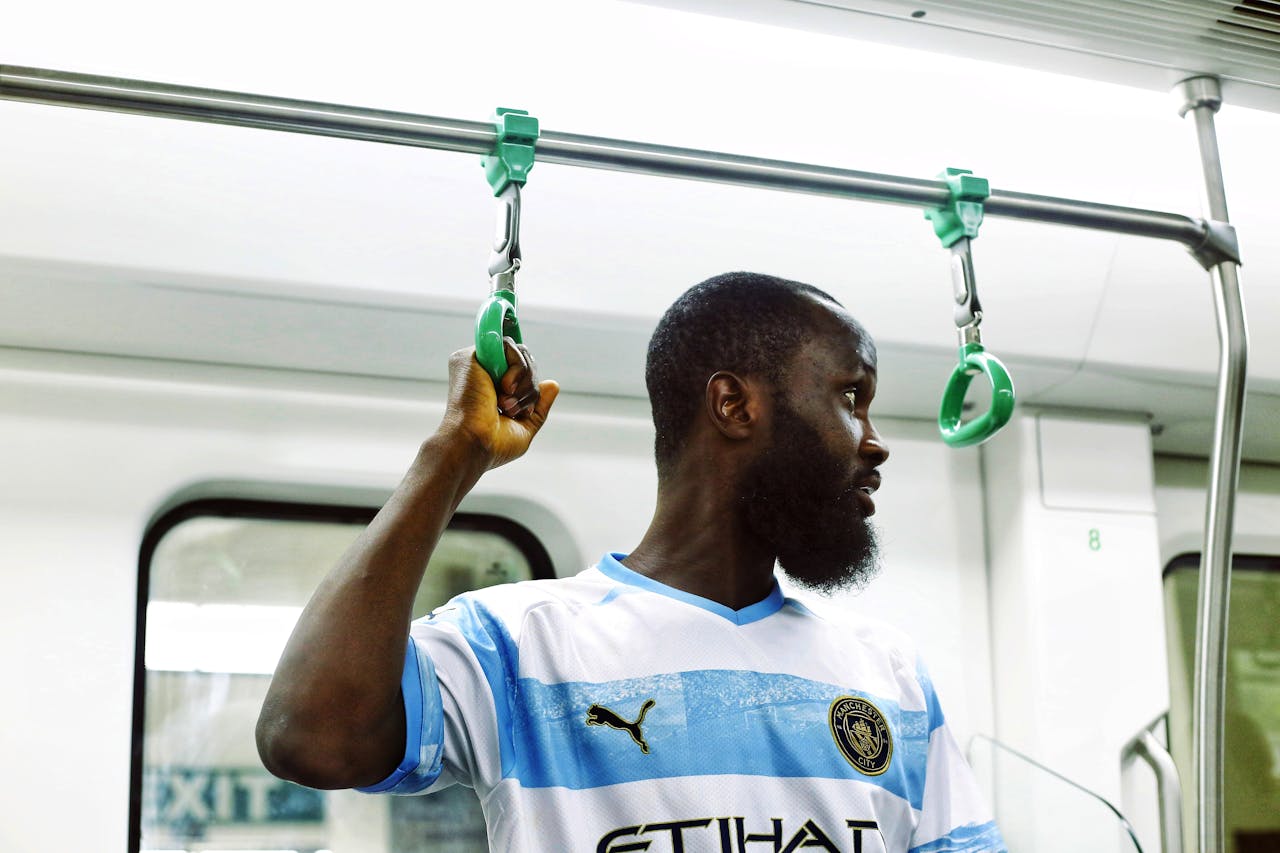
When a stadium sits on a rail line or a clear bus corridor, it becomes an easy landmark for visitors who do not know the city well. Wayfinding is usually better on event routes, with signs, staff, and late service built for crowds. Travelers learn that path once and reuse it for nightlife, waterfront walks, and nearby museums. The arena stop starts to function like a central station, shaping how people move with confidence across a whole trip. The crowd itself becomes guidance, too, turning unfamiliar streets into a temporary procession where newcomers can follow the flow and still feel like they belong there. Less fumbling.
Museums and Memory Spaces Made Teams Civic History
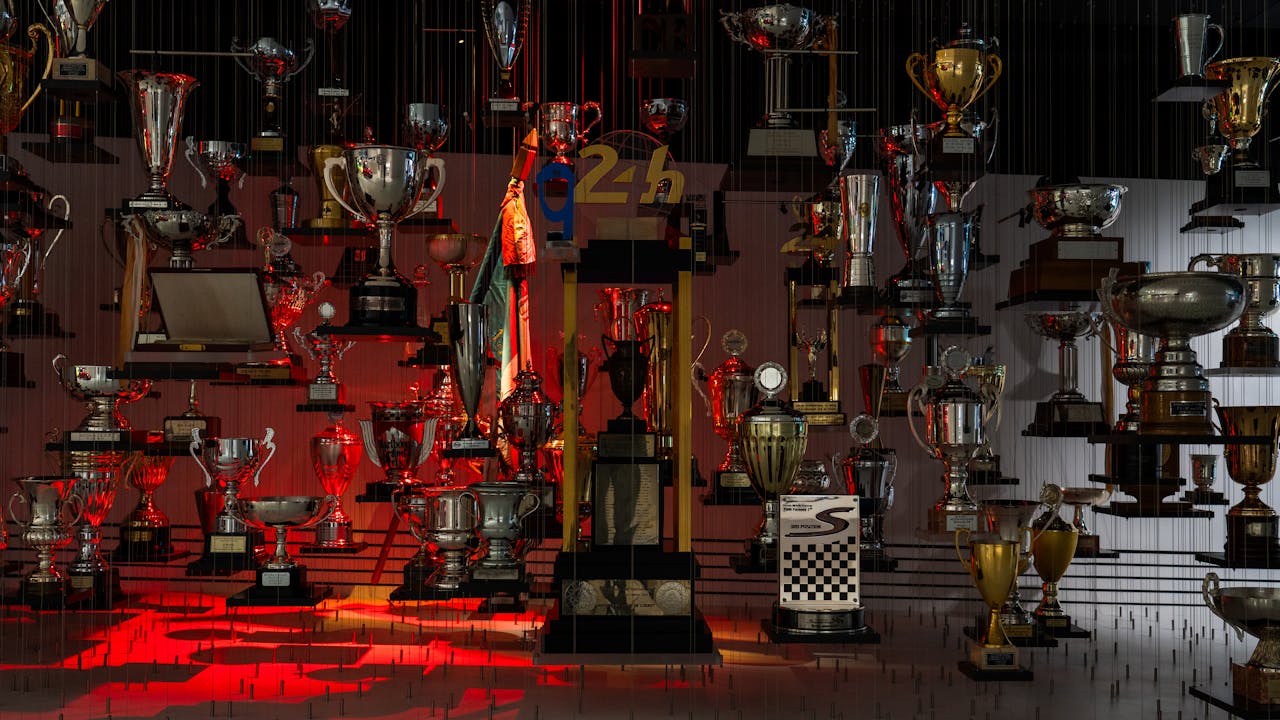
Team museums and trophy rooms are often less about statistics and more about identity. Exhibits trace rivalries, migrations, and neighborhood change through photos, gear, and stories that explain why certain chants still matter. They fill the gap between check-in and dinner, especially when weather or crowds make outdoor plans harder. Even nonfans leave with a clearer sense of local pride, plus a few names and moments that make the game feel personal. Done well, these spaces honor legends without slipping into propaganda, showing the city’s hard years alongside its trophies, which makes the pride feel earned. It feels honest.
Rivalry Weekends Created Predictable Travel Traditions
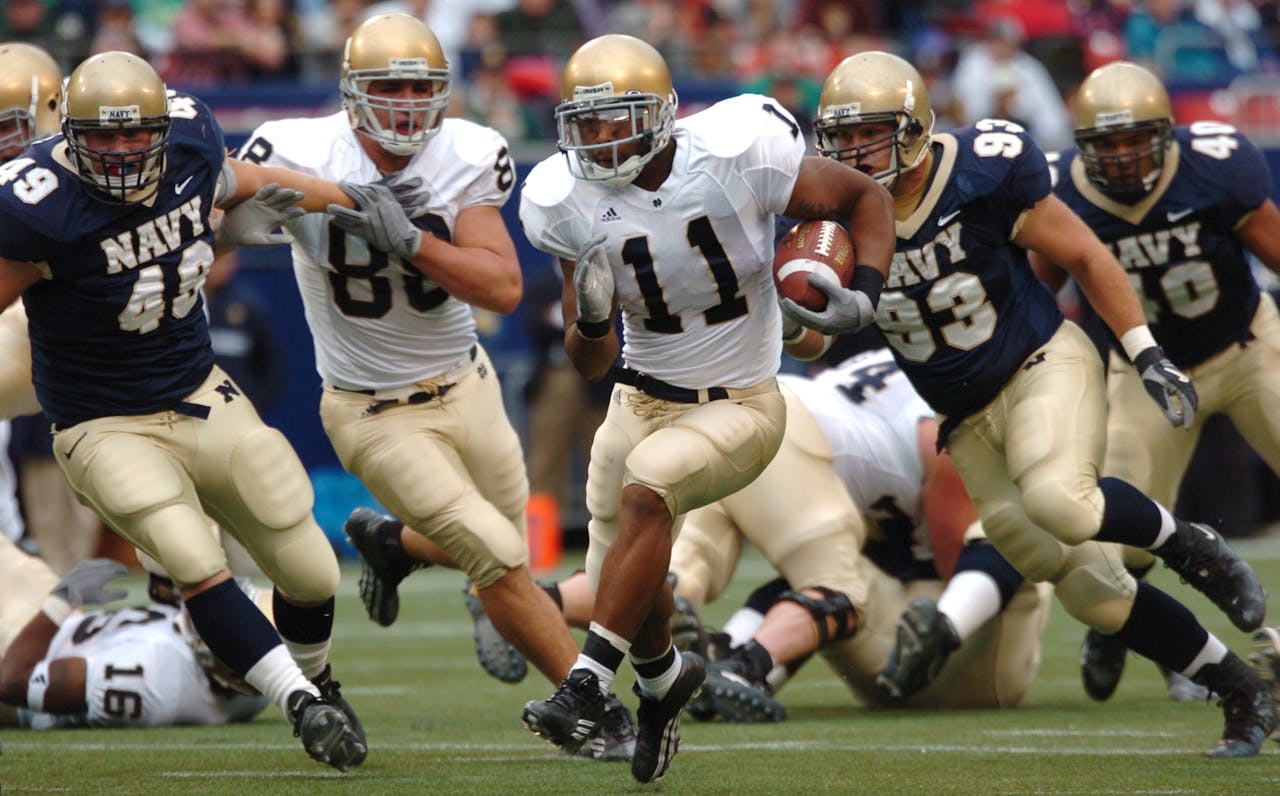
Sports travel thrives on dates that repeat. Rivalry games, opening days, playoffs, and annual classics give the calendar fixed points, like festivals with colors, songs, and pregame routes locals know by heart. Groups build rituals that travel well: the same breakfast counter, the same statue photo, the same bar for a postgame recap. That repetition turns visitors into returners who book early, explore more each time, and keep a city in regular rotation. Over time, those weekends pick up side quests: a nearby market, a favorite record shop, a quick scenic drive, so the city keeps unfolding beyond the scoreboard. Year after year.
Merch Drops and Stadium Exclusives Became Souvenir Culture
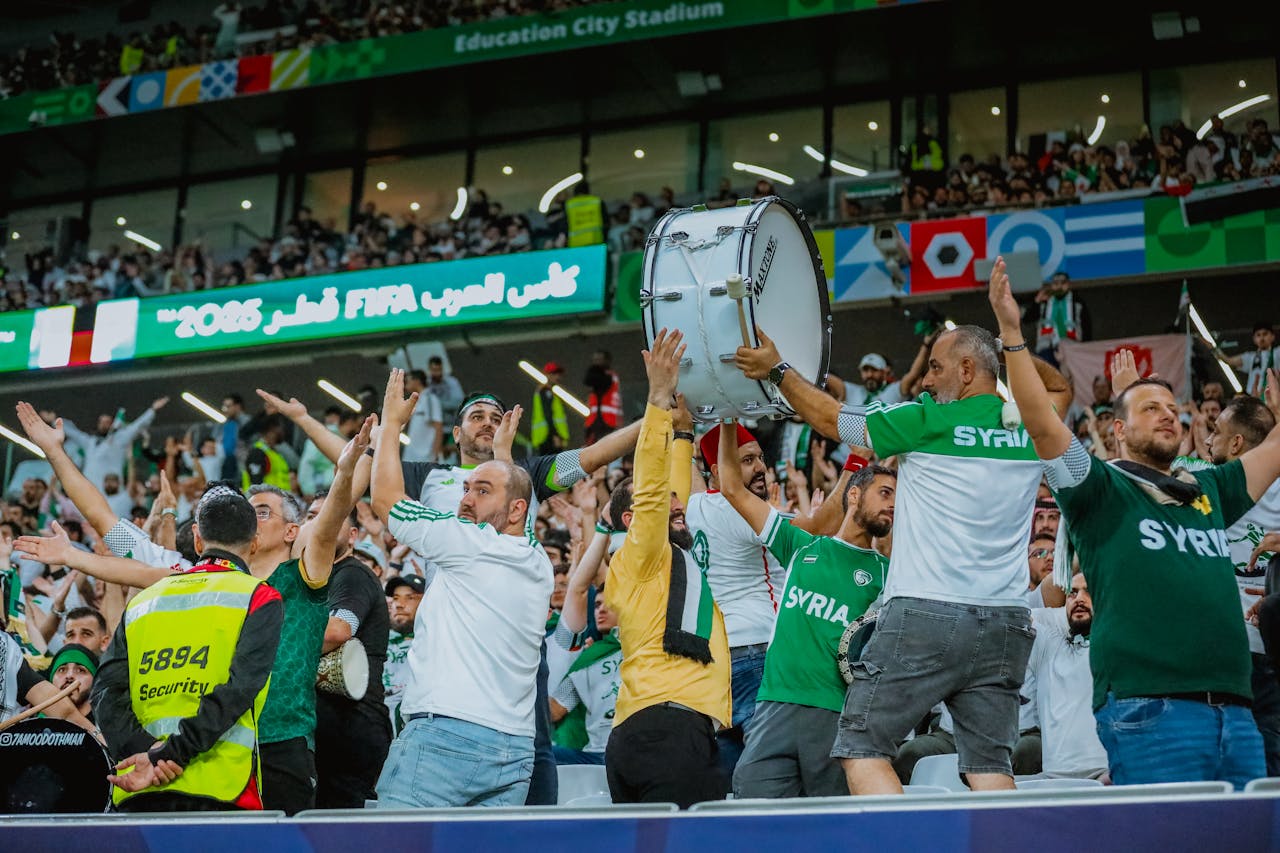
Stadium shops borrowed from streetwear culture, leaning on limited drops, match posters, and venue-only collaborations that feel earned by showing up. A scarf, pin, or patch carries a date and a story, which is why travelers treat it like a local craft purchase. Collecting encourages early arrivals and slow browsing, not a frantic checkout at halftime. The keepsake then works as a memory trigger at home, pulling the city back with one glance at a closet door or desk. The scarcity is part of the psychology, but so is the design, because merch often nods to local symbols and stadium architecture in ways that read like real mementos.
Apps and Mobile Tickets Reduced Friction for Travelers

Mobile ticketing and venue apps stripped away a lot of travel stress. Timed entry, seat navigation, transit prompts, and in-venue ordering shorten lines and cut the panic of arriving late in an unfamiliar place. When the gate experience is calmer, visitors spend more time in the surrounding district and less time troubleshooting logistics. That convenience also lowers the barrier for first-timers, making impulse trips feel realistic instead of risky. With fewer headaches, the trip shifts from problem-solving to savoring, and that emotional difference is often what turns a one-off visit into a habit. Clear info beats guesswork.